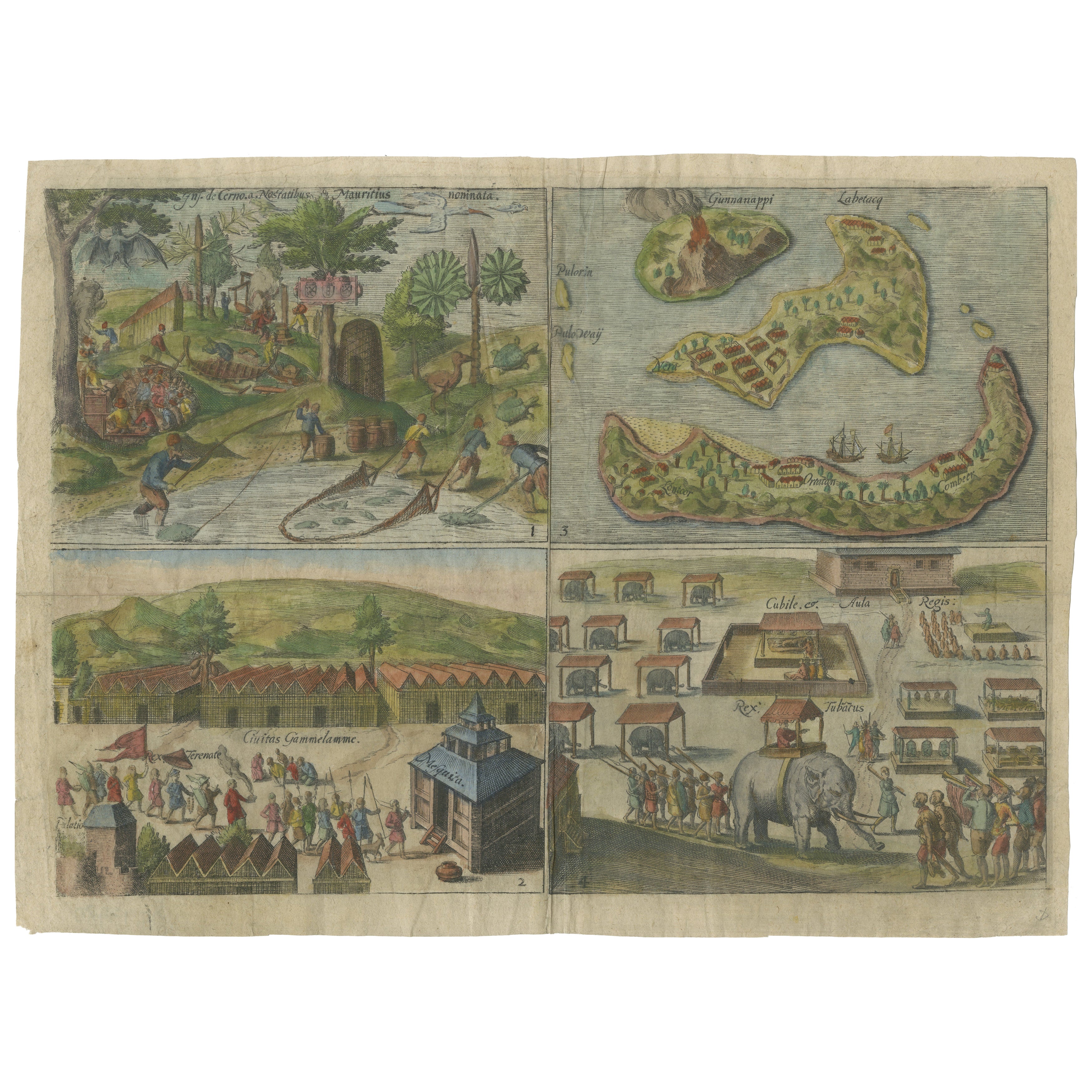
Mauritius, Banda Islands, Ternate and Tuban – Orlers, Leiden 1610
€ 340
Original antique · The actual sheet photographed · Certificate of authenticity on request · Sold unframed · Worldwide shipping from € 15 (rates)
Date
1610
Mapmaker / artist
Jan Janszoon Orlers and H. van Haestens, Leiden, 1610
Technique
Engraving with original hand color
Sheet size
24.3 × 32.6 cm (9.6 × 12.8 in)
Condition
Fair
Reference
BG-13780
What the condition grades mean
Excellent
Bright and clean, with no faults worth mentioning.
Very good
Only light signs of age, such as faint toning.
Good
Normal signs of age for a sheet of this period: toning, some foxing, small marks or neat old repairs.
Fair
Clear faults such as staining, tears or repairs, priced to match.
Every fault we see is written in the condition note, and the whole sheet is shown uncropped in the photos.
Condition
Fair to Good. General age-related toning, with light wear, typical for the period. Early hand coloring. Verso blank.
About this sheet
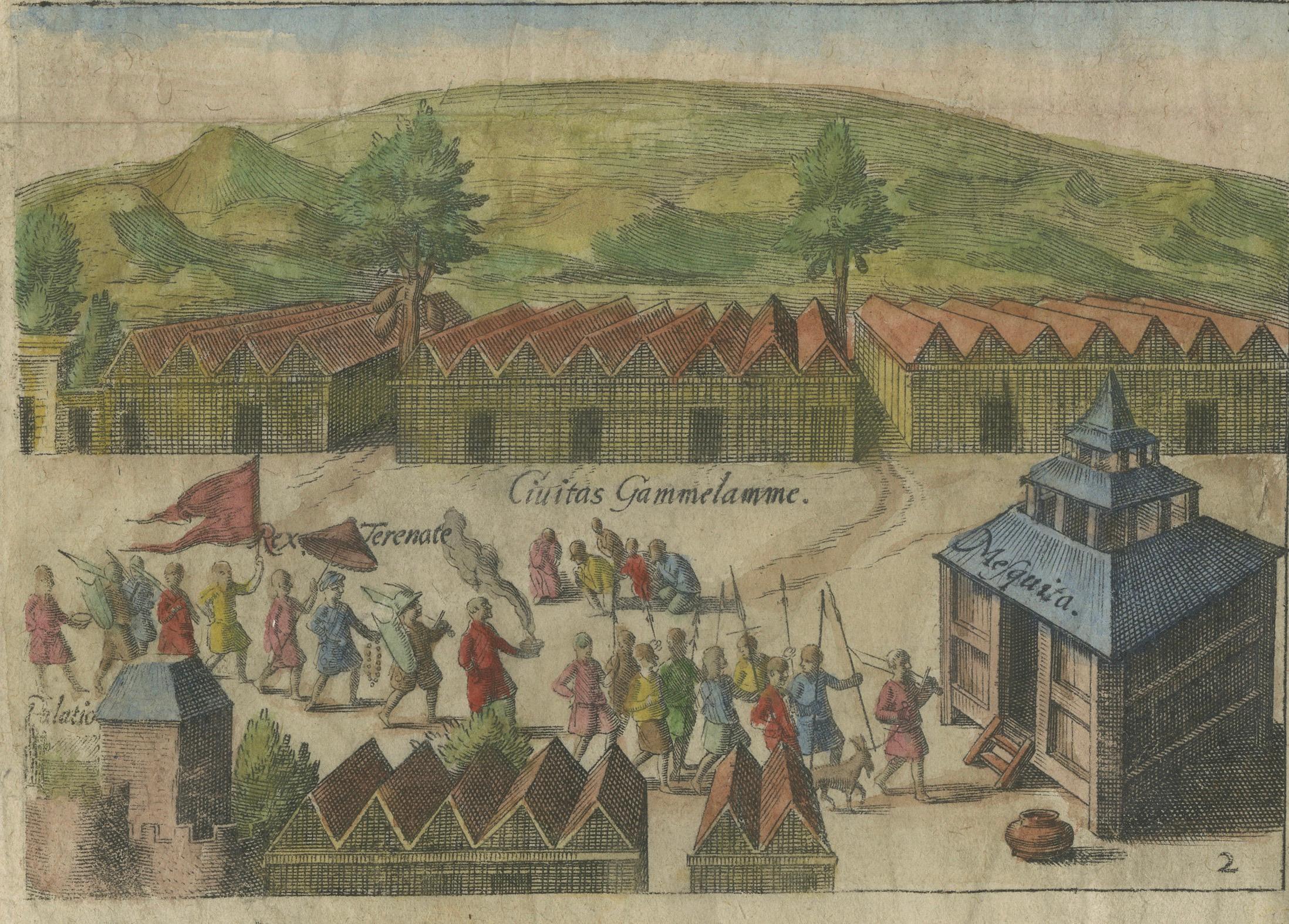
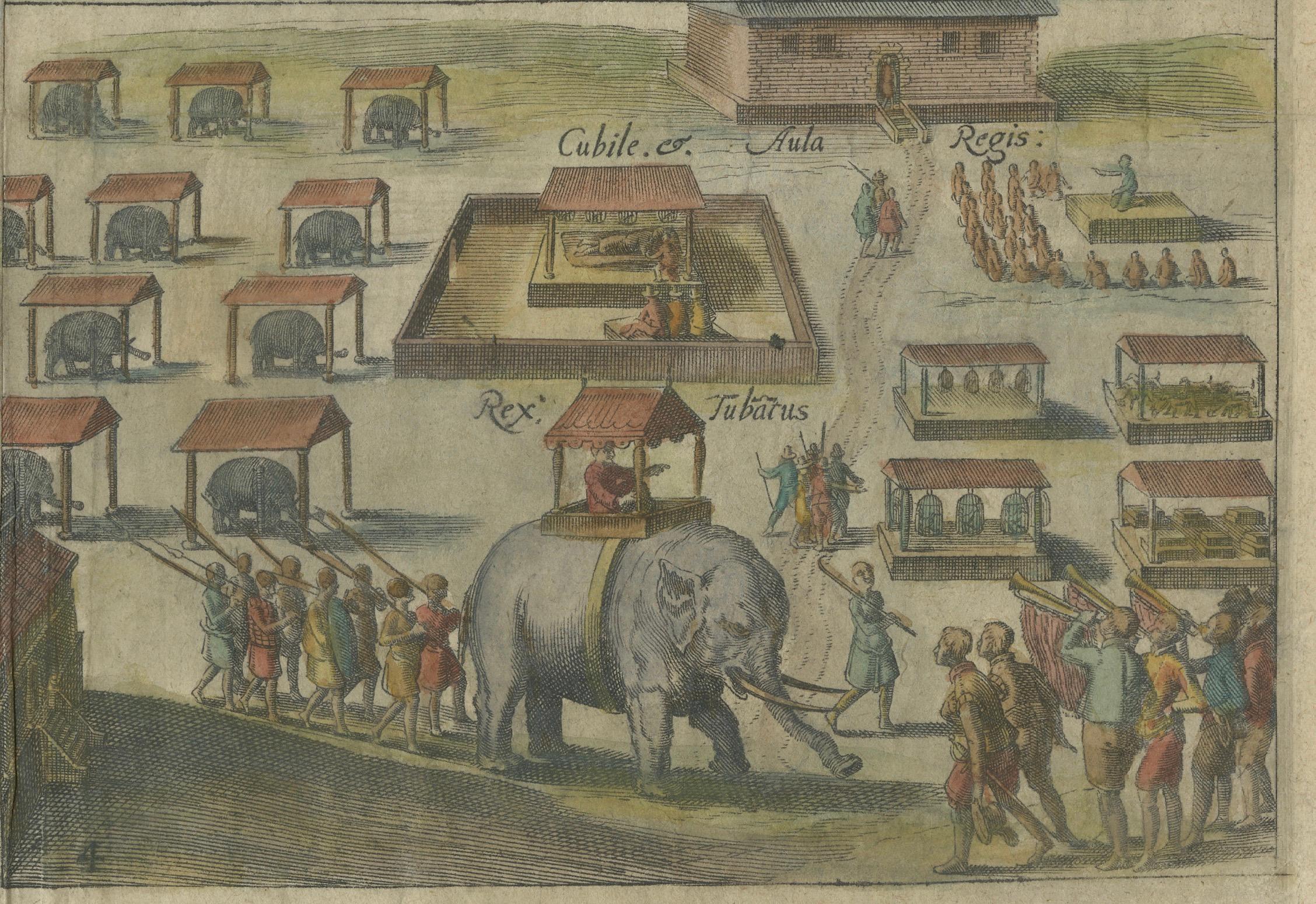
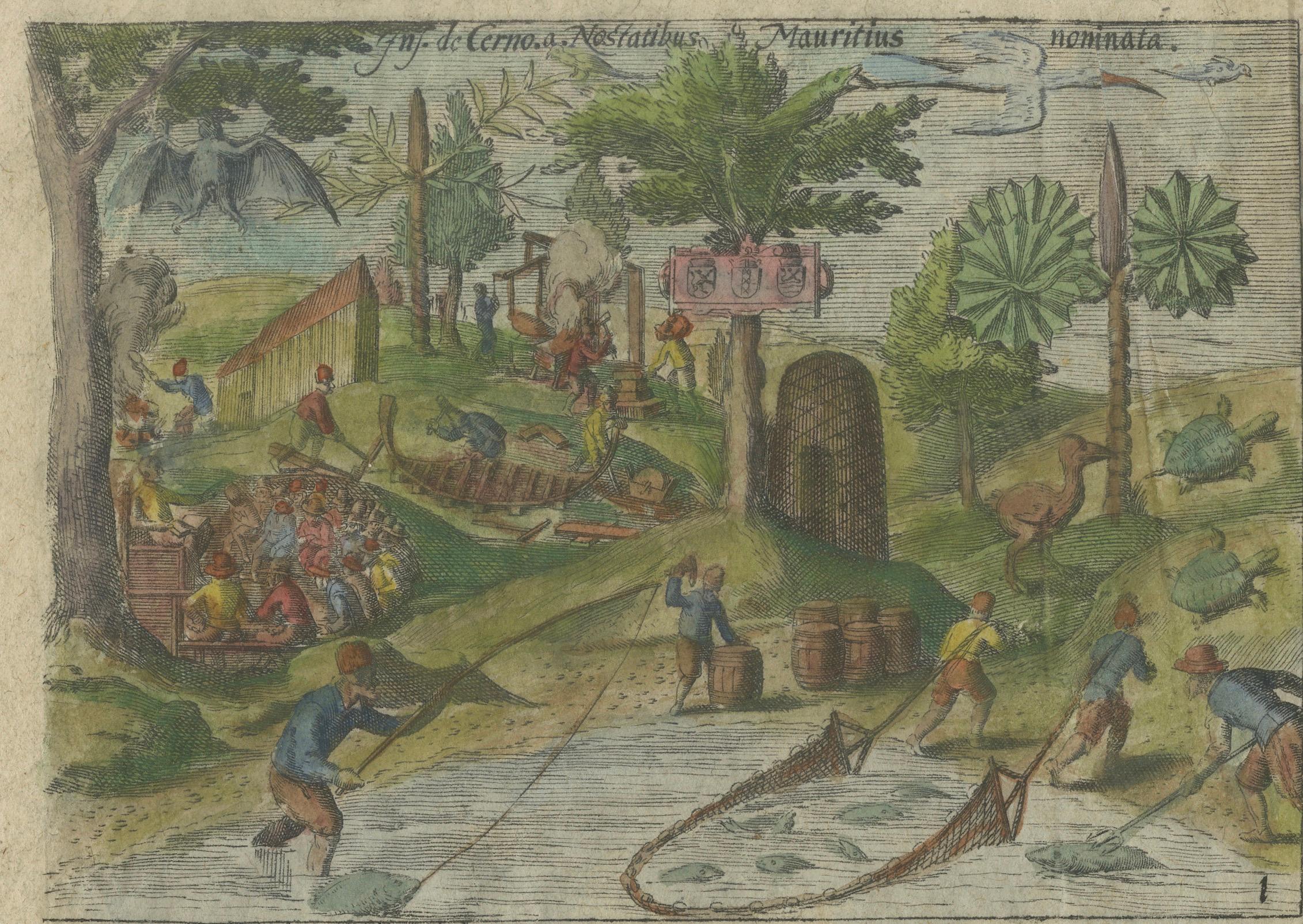
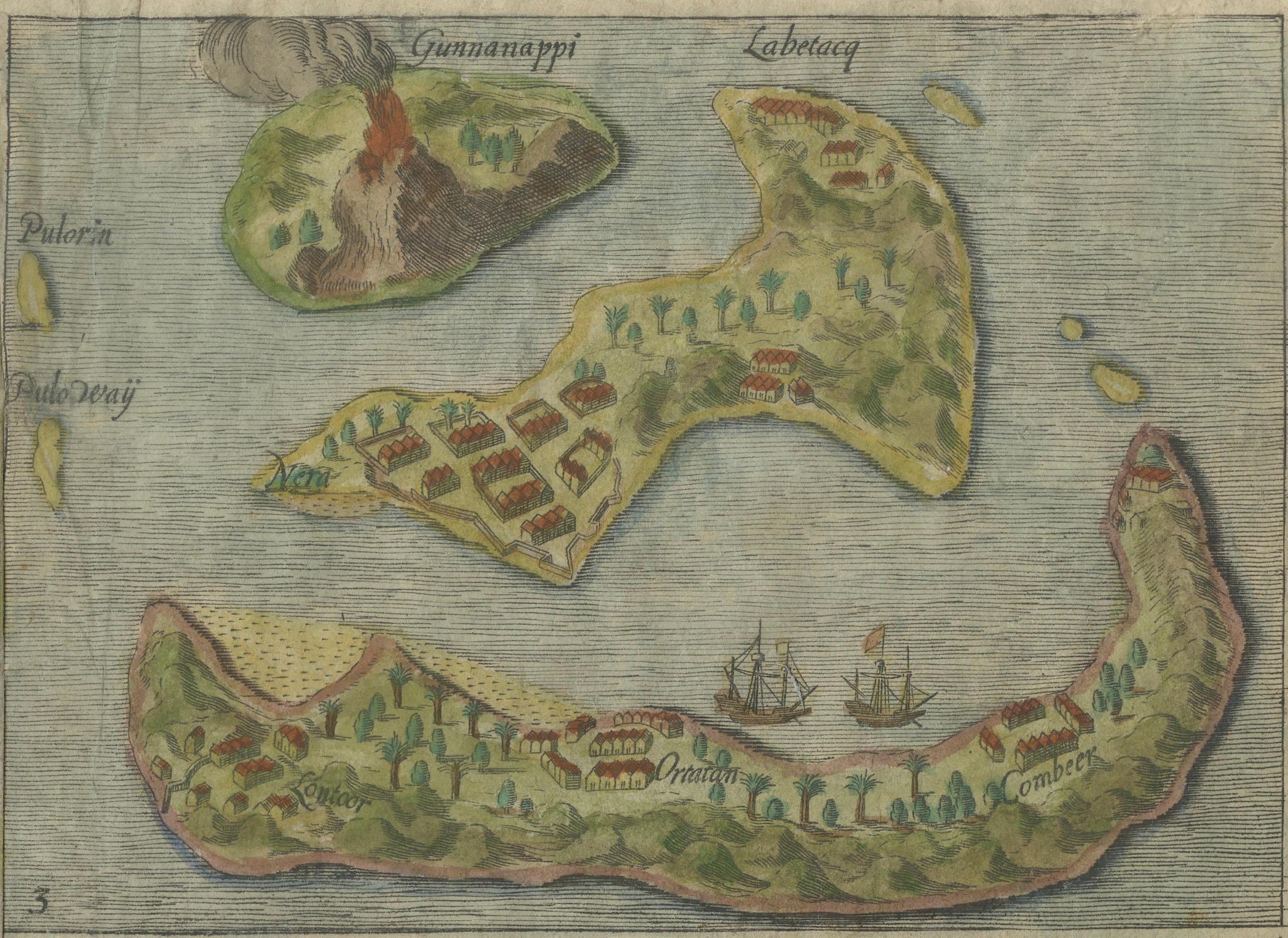
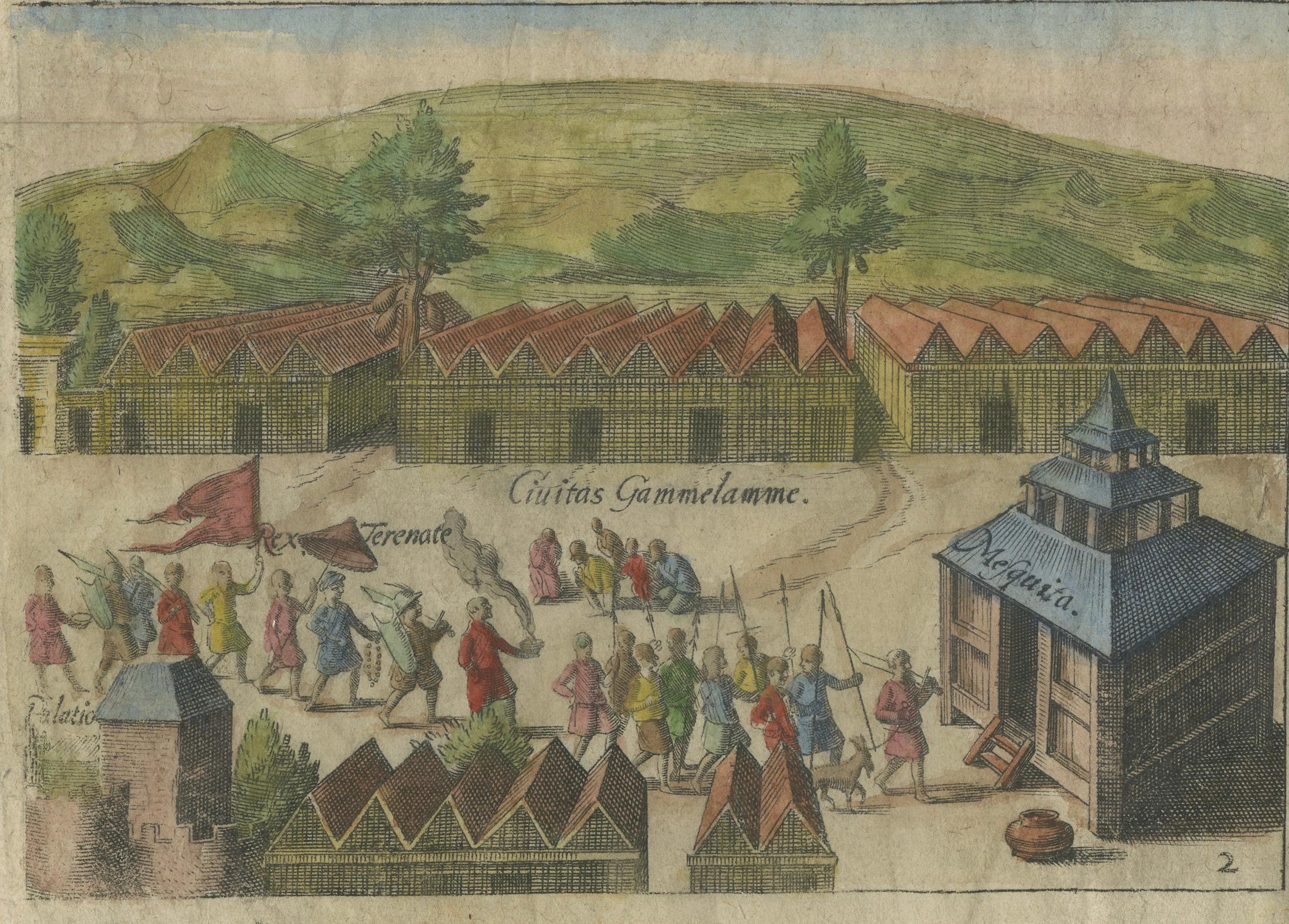
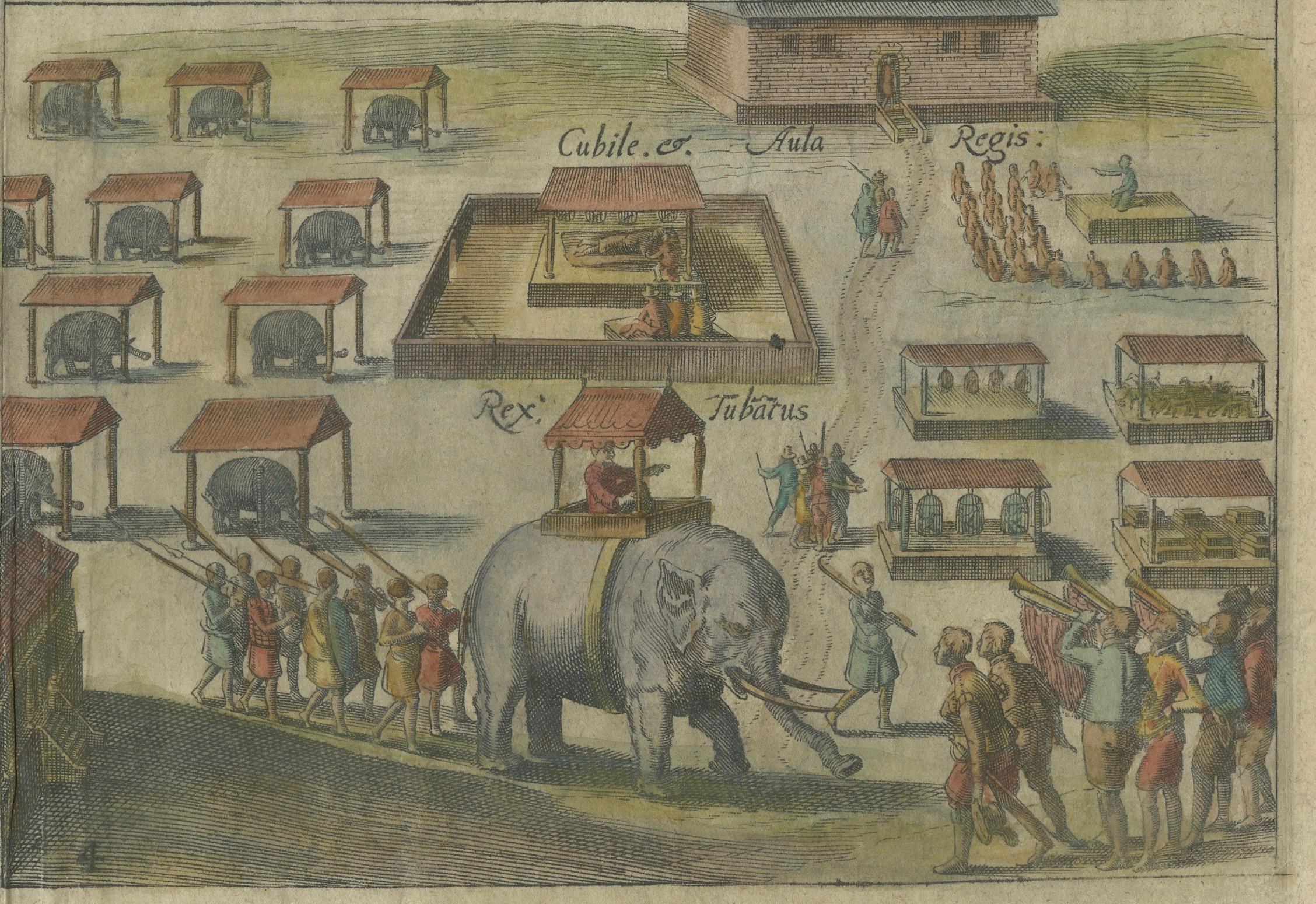
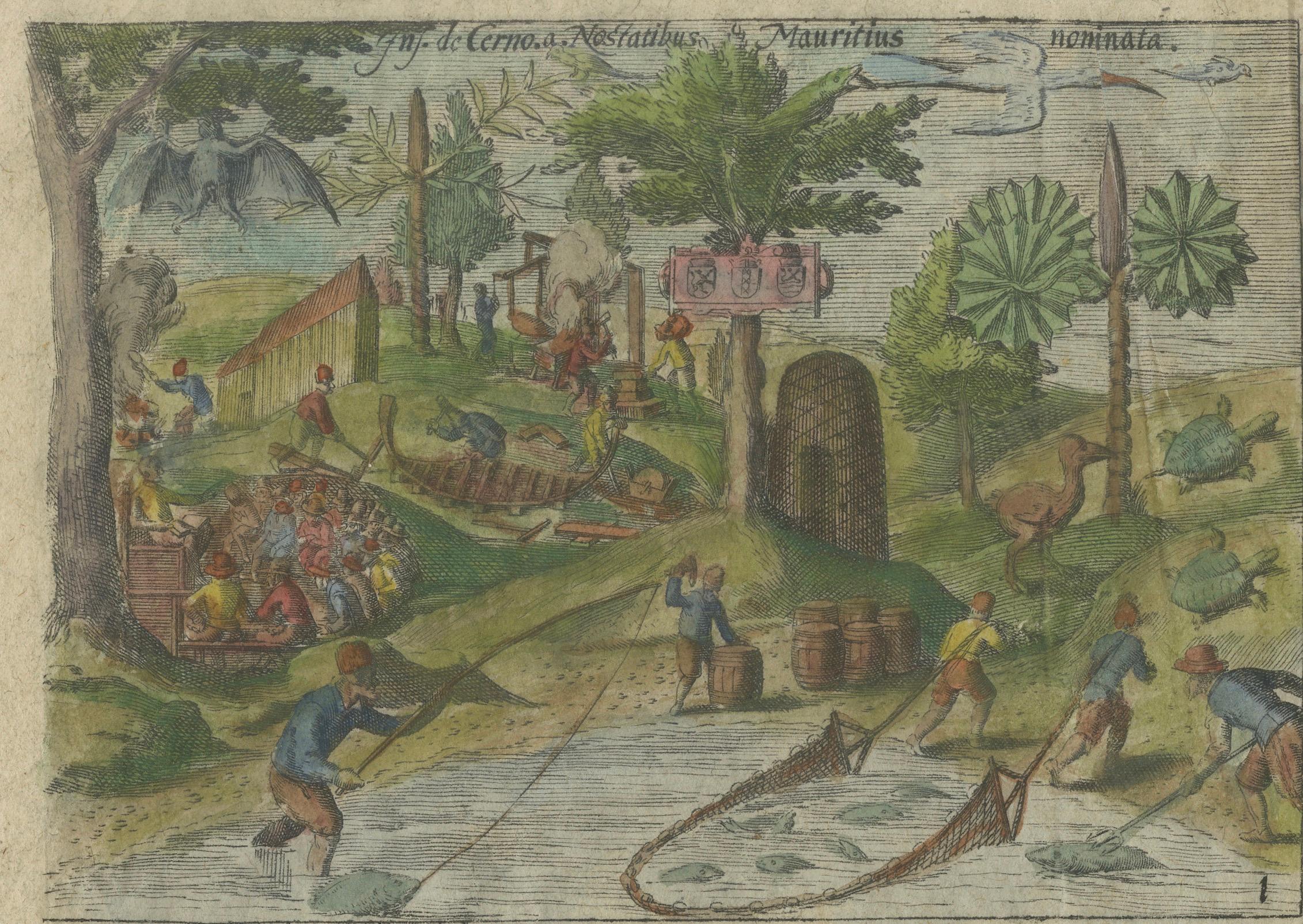
Antique print from Jan Janszoon Orlers’ Den Nassauschen Lauren-Crans, published in Leiden in 1610 and engraved by H. van Haestens. The sheet contains four detailed early 17th century views connected to the Dutch voyages and conquests in the East Indies and Indian Ocean.
The top left view shows the island of Mauritius with Dutch colonists fishing and building boats. Of special importance is the depiction of the dodo bird together with giant tortoises, both unique to the island.
The top right view depicts the Banda Islands of Gunnanappi (Genung Api), Labetacq and Ortatan. Villages, nutmeg groves, a volcanic eruption and Dutch ships are shown. These islands were the center of the lucrative nutmeg trade and a focus of conflict between the Dutch, English and Portuguese.
The bottom left view represents the city of Ternate, labeled Ciuitas Gammelamme. A royal procession led by the King of Ternate is seen, with the palace (Palatio) and a mosque (Mesquita) in the background, highlighting the political and religious structures of the Moluccas.
The bottom right view illustrates the Javanese city of Tuban, labeled Tubate. The King of Tuban rides in procession on an elephant, surrounded by courtiers and attendants. Numerous elephant enclosures and the royal court are also depicted.
This sheet combines ethnographic, geographic and natural historical information and is one of the earliest European engravings to show these regions. It is of special interest to collectors of Dutch colonial history, natural history, and VOC related prints.
Fair to Good. General age-related toning, with light wear, typical for the period. Early hand coloring. Verso blank.
Framing tips: Mount in ivory or cream to complement the aged paper. A dark wood or ebony frame brings out the historic atmosphere, while a gilt frame adds decorative impact. Double matting with a thin green or red line will echo the original colors.