About this sheet
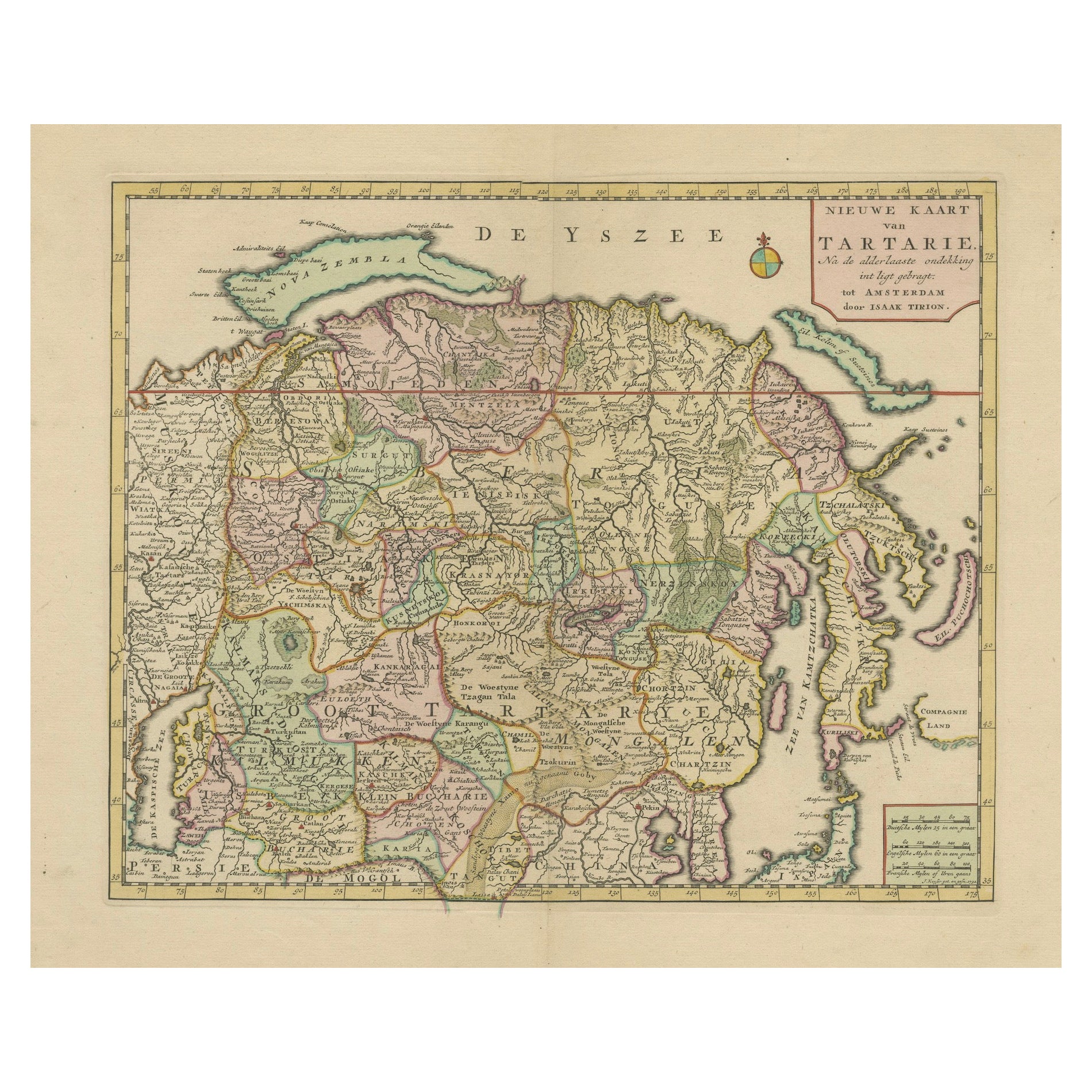
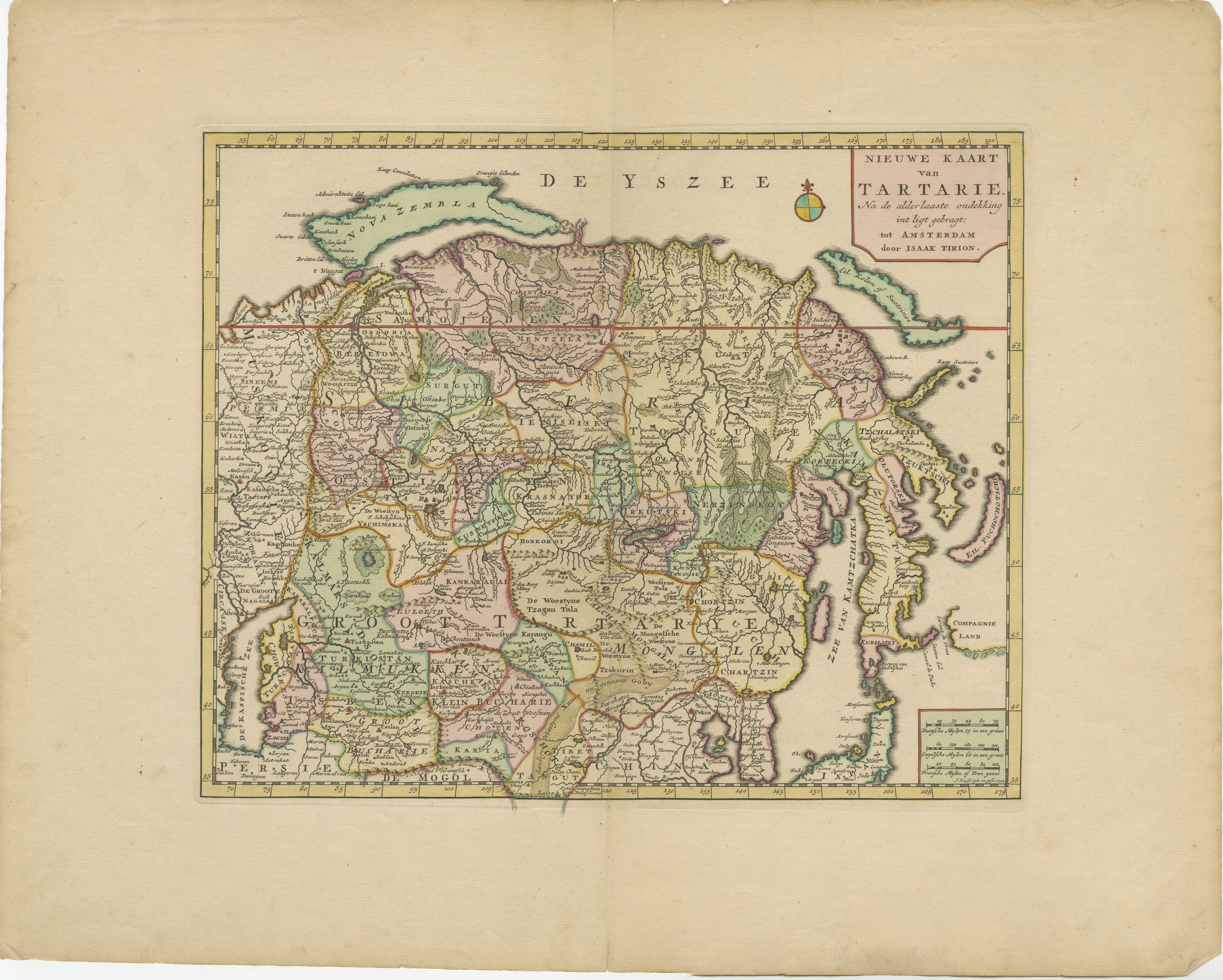
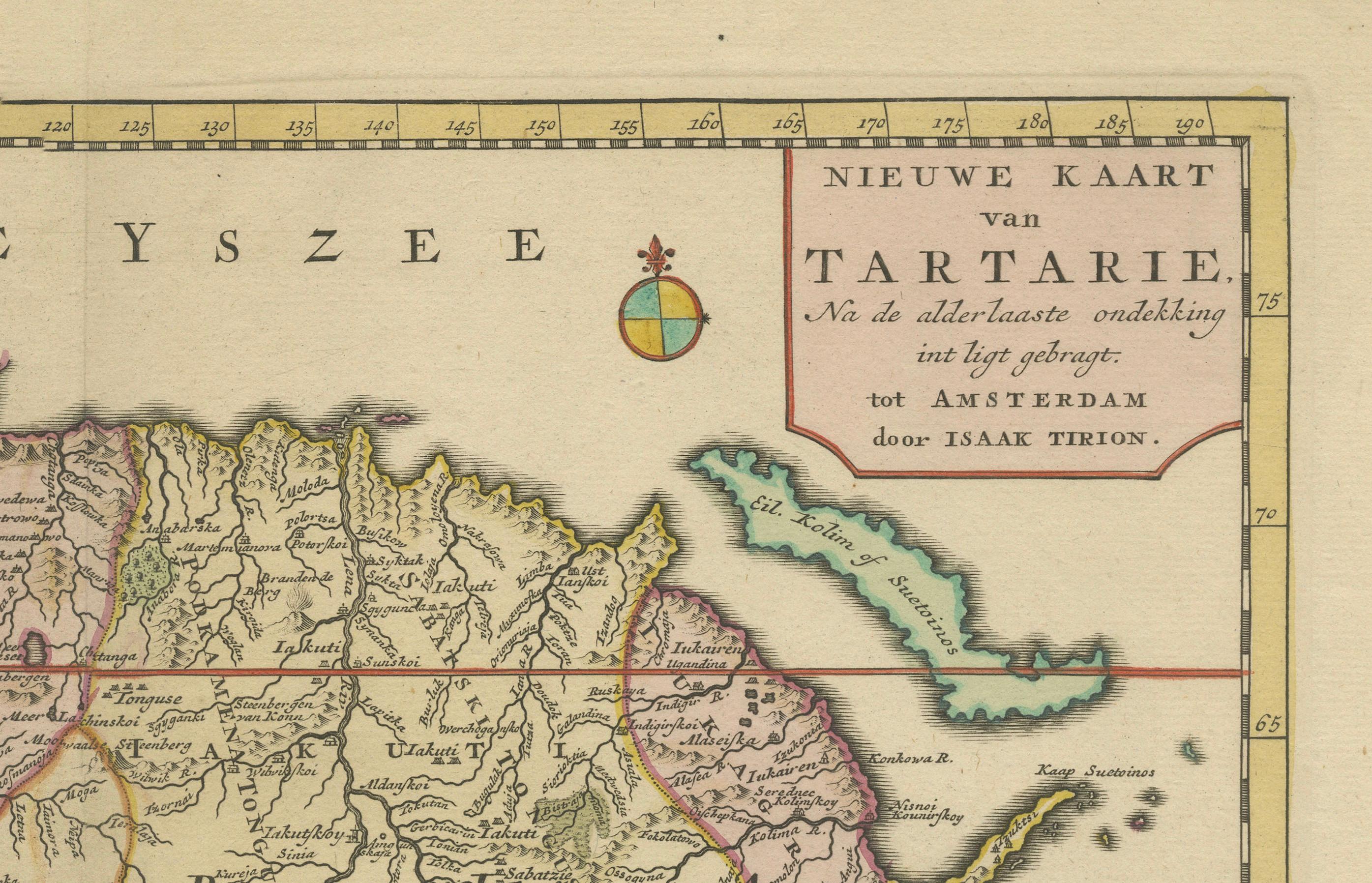
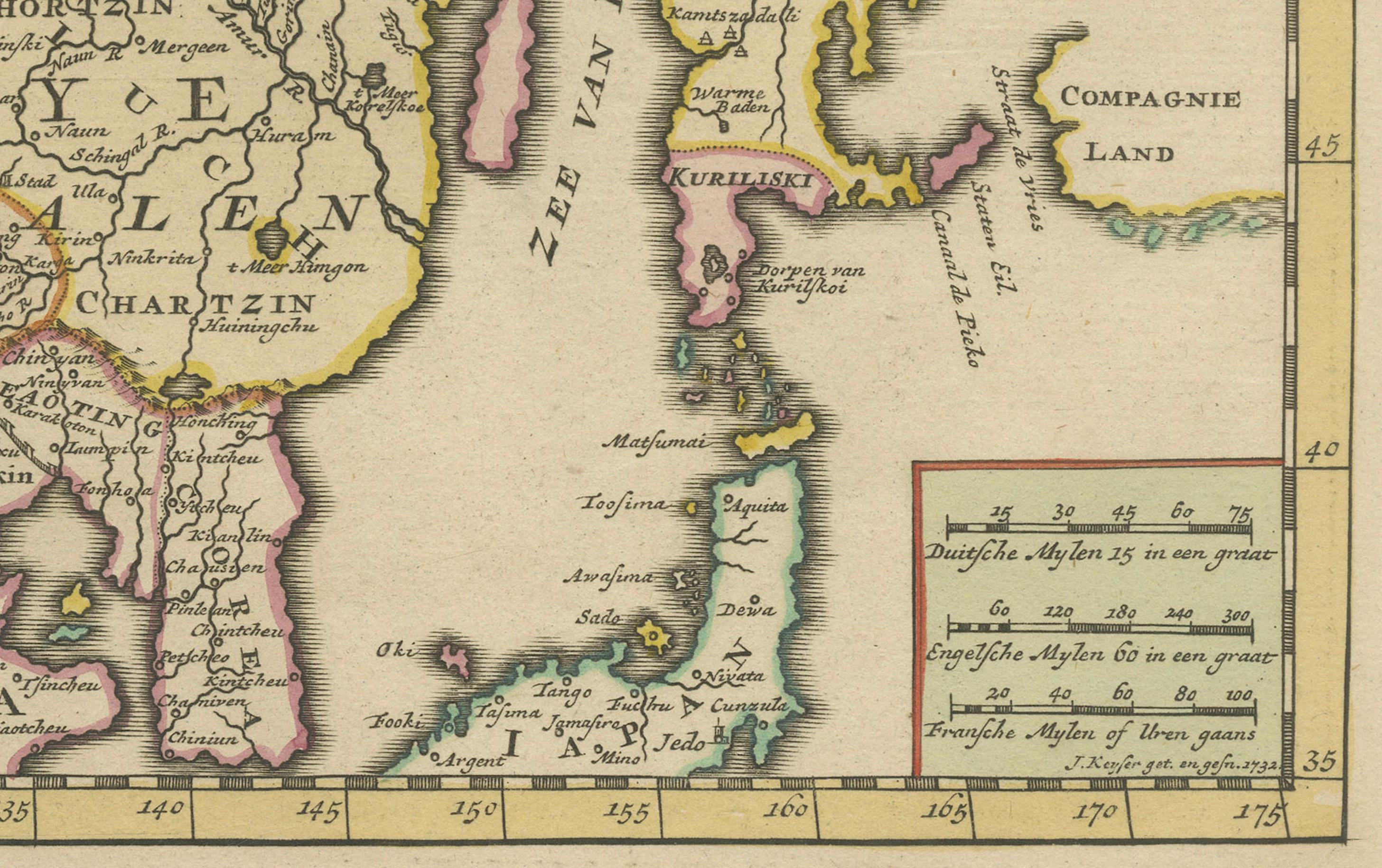
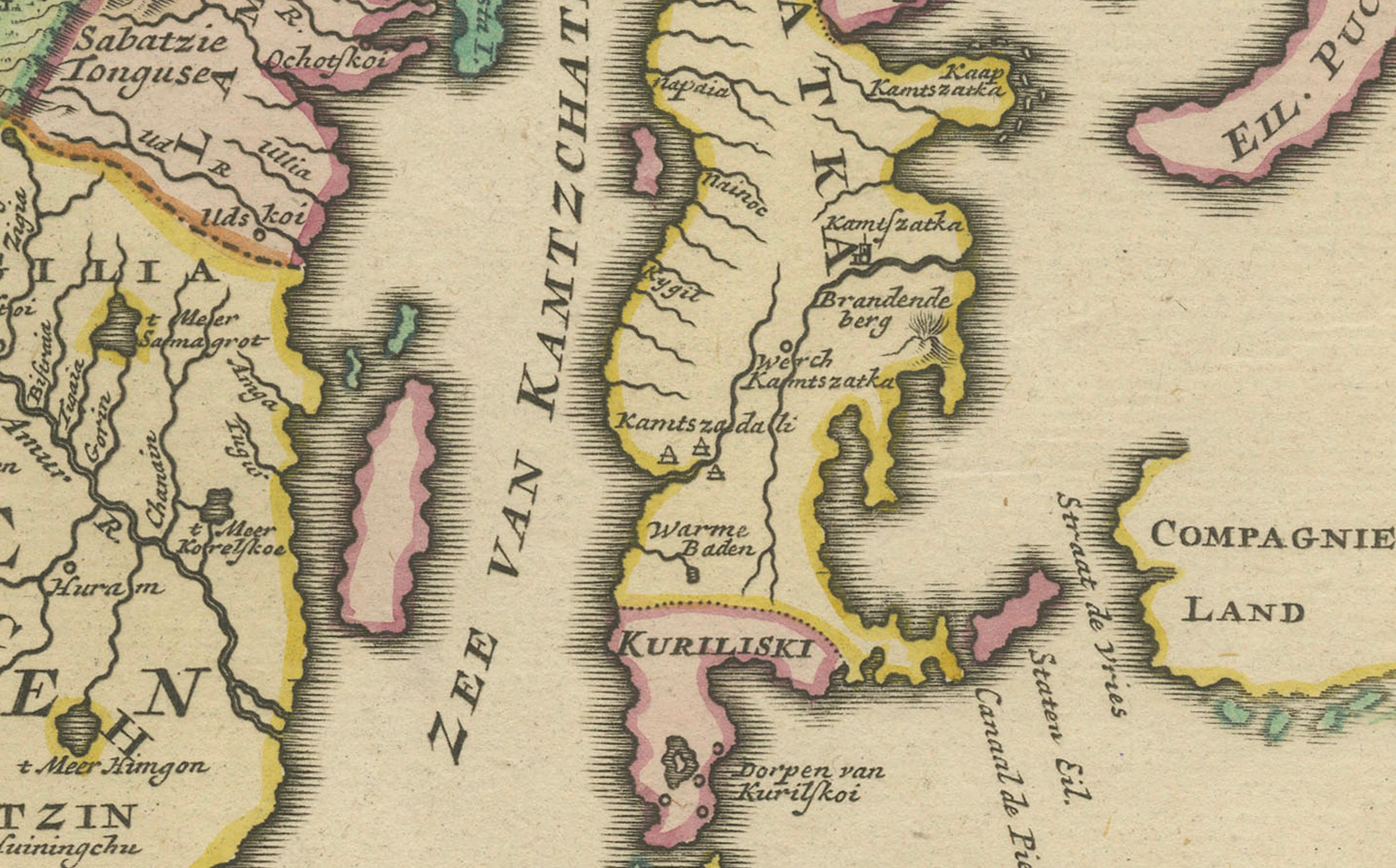
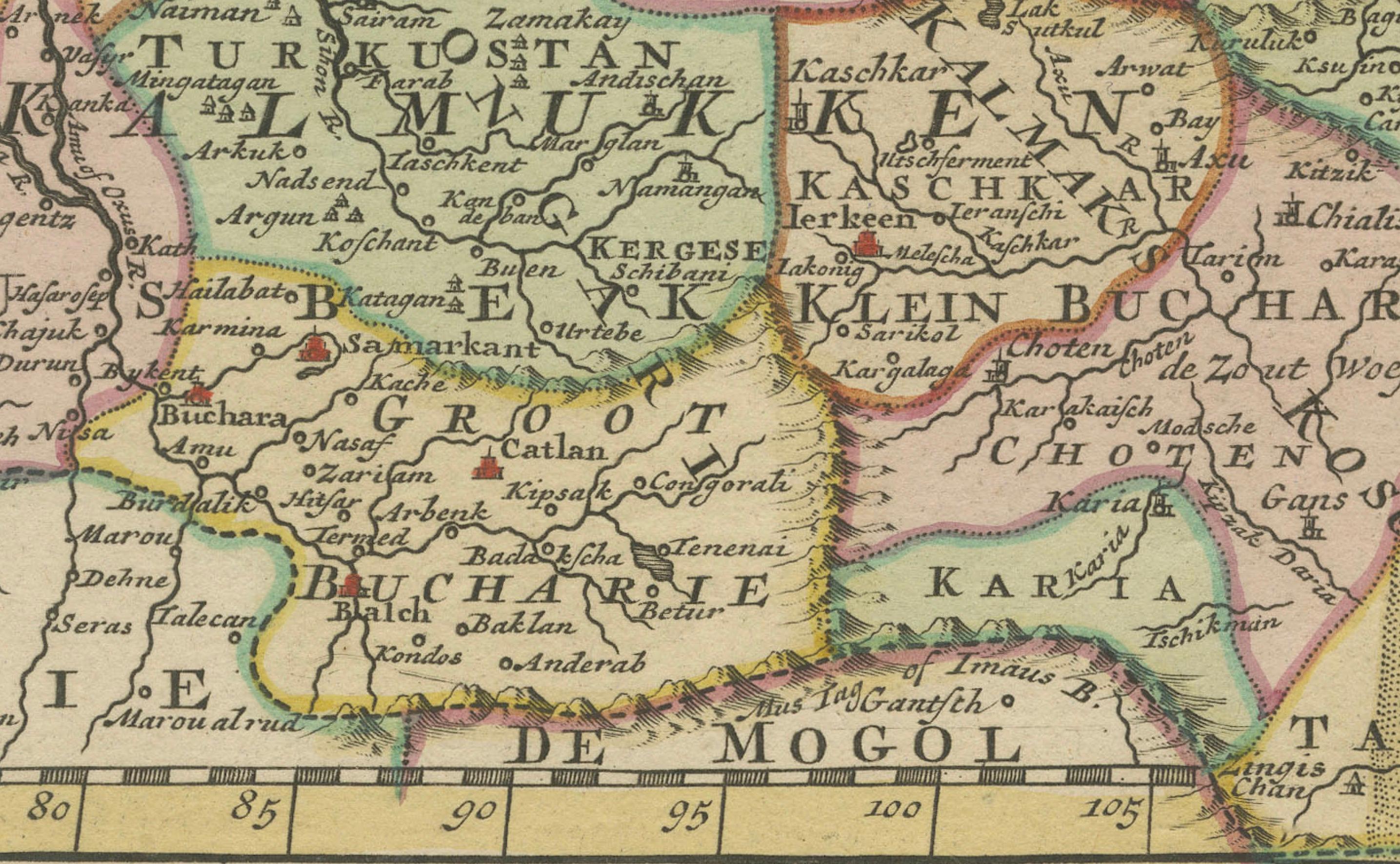
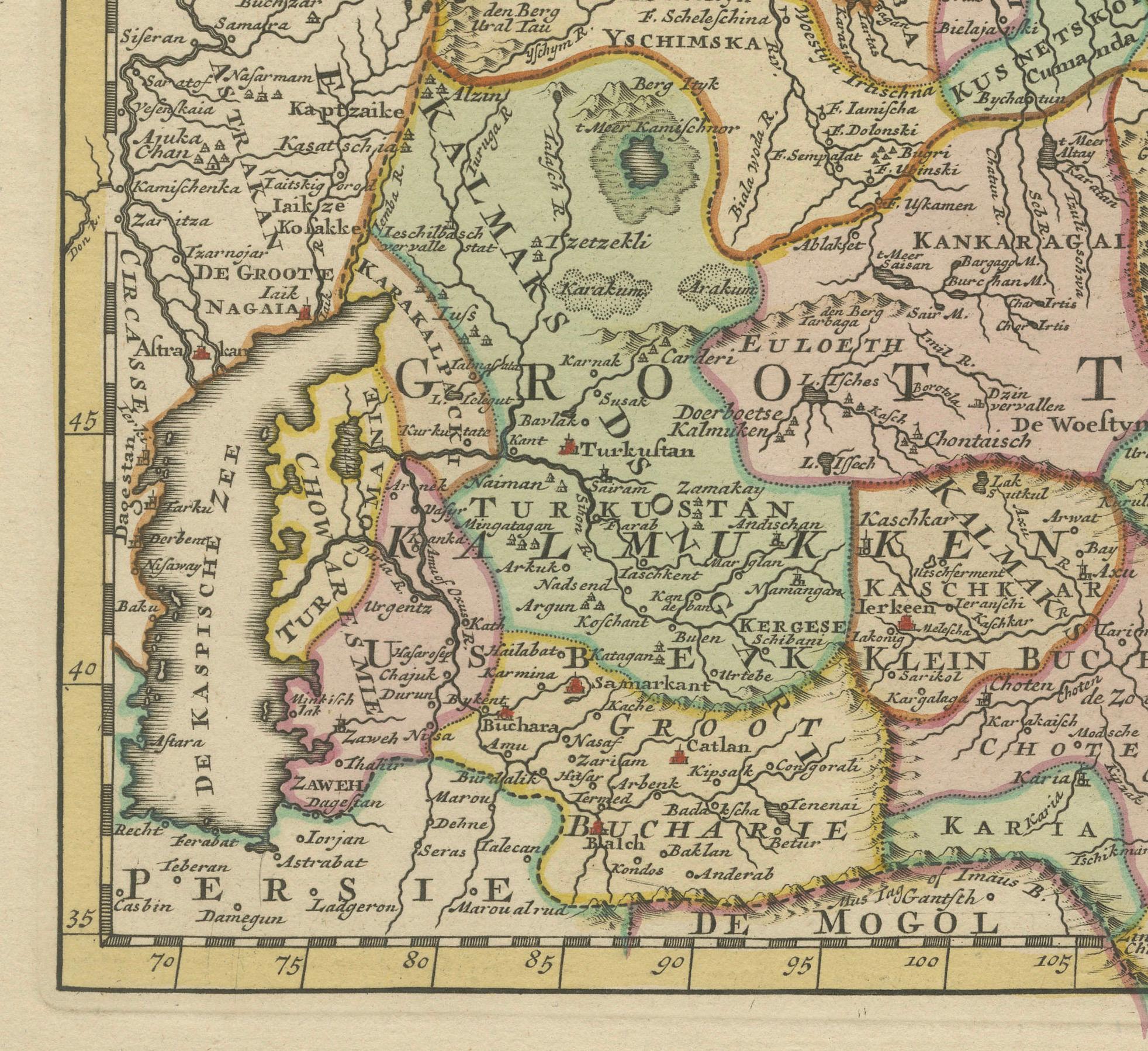
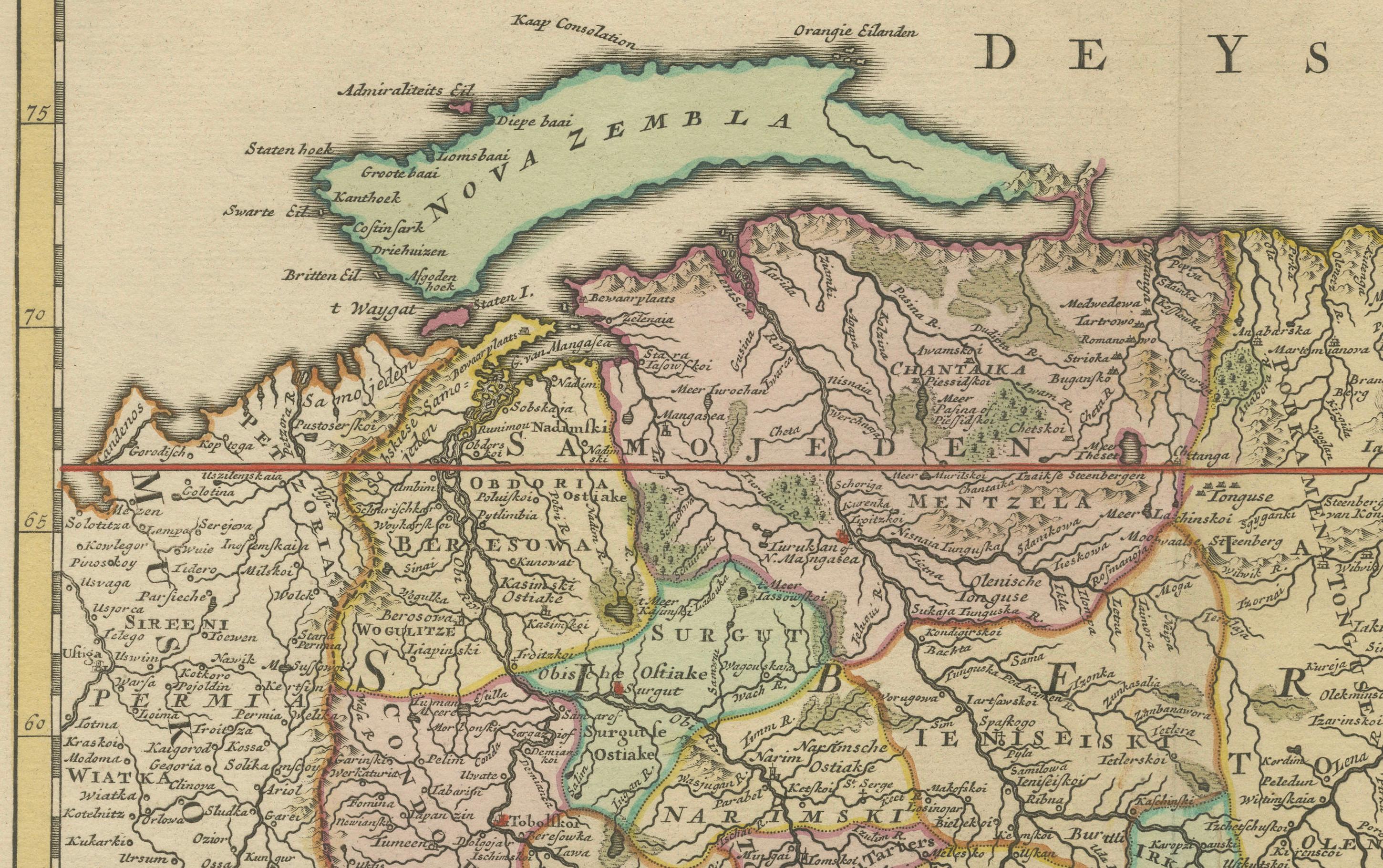
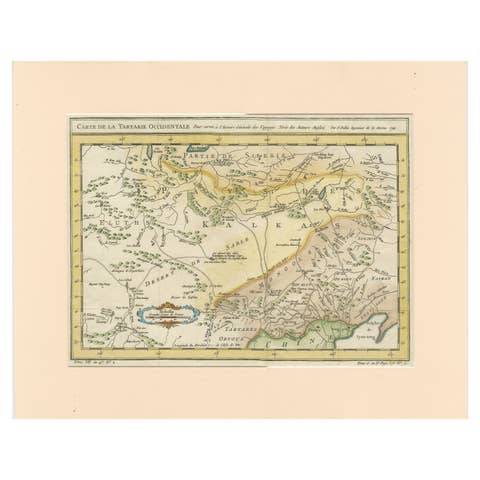
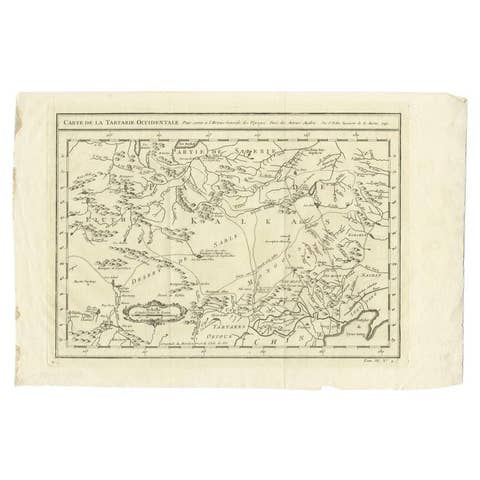
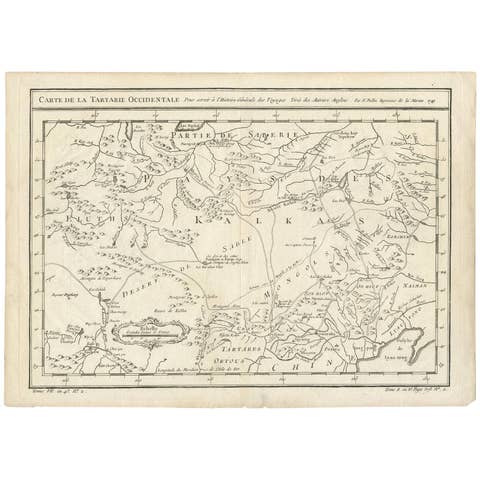
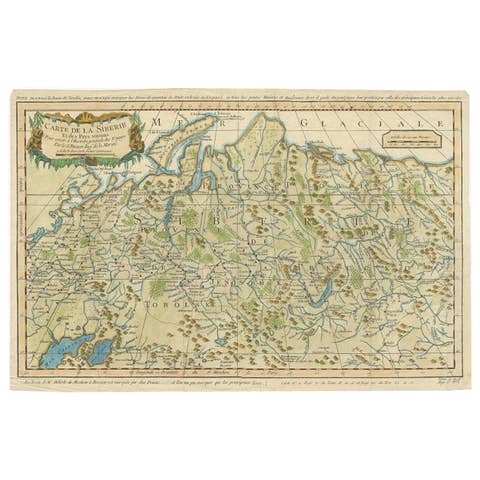
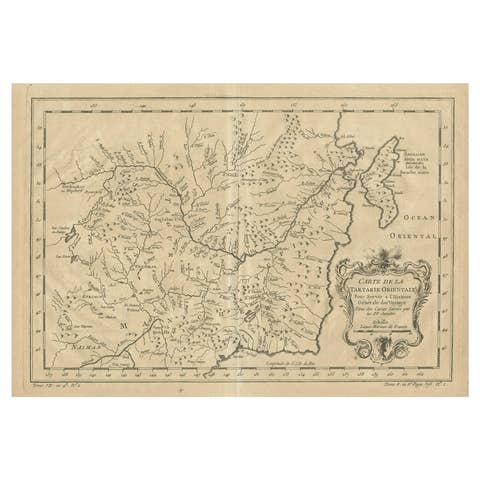
This is an antique map titled "Nieuwe Kaart van Tartarie," which translates to "New Map of Tartary." The map was created by Isaak Tirion, a prominent Dutch cartographer and publisher based in Amsterdam. Tartary refers to the vast region of Asia, primarily covering parts of what is now Russia, Central Asia, and parts of China and Mongolia. This map reflects European knowledge of the region during the 18th century.
Cartographer/Publisher: Isaak Tirion
Place of Publication: Amsterdam, Netherlands
Date of Publication: Isaak Tirion was active during the 18th century, particularly in the mid-1700s. This map was likely published around 1730-1750. Tirion's maps are known for their accuracy and attention to detail during this period.
Important Areas/Cities on the Map:
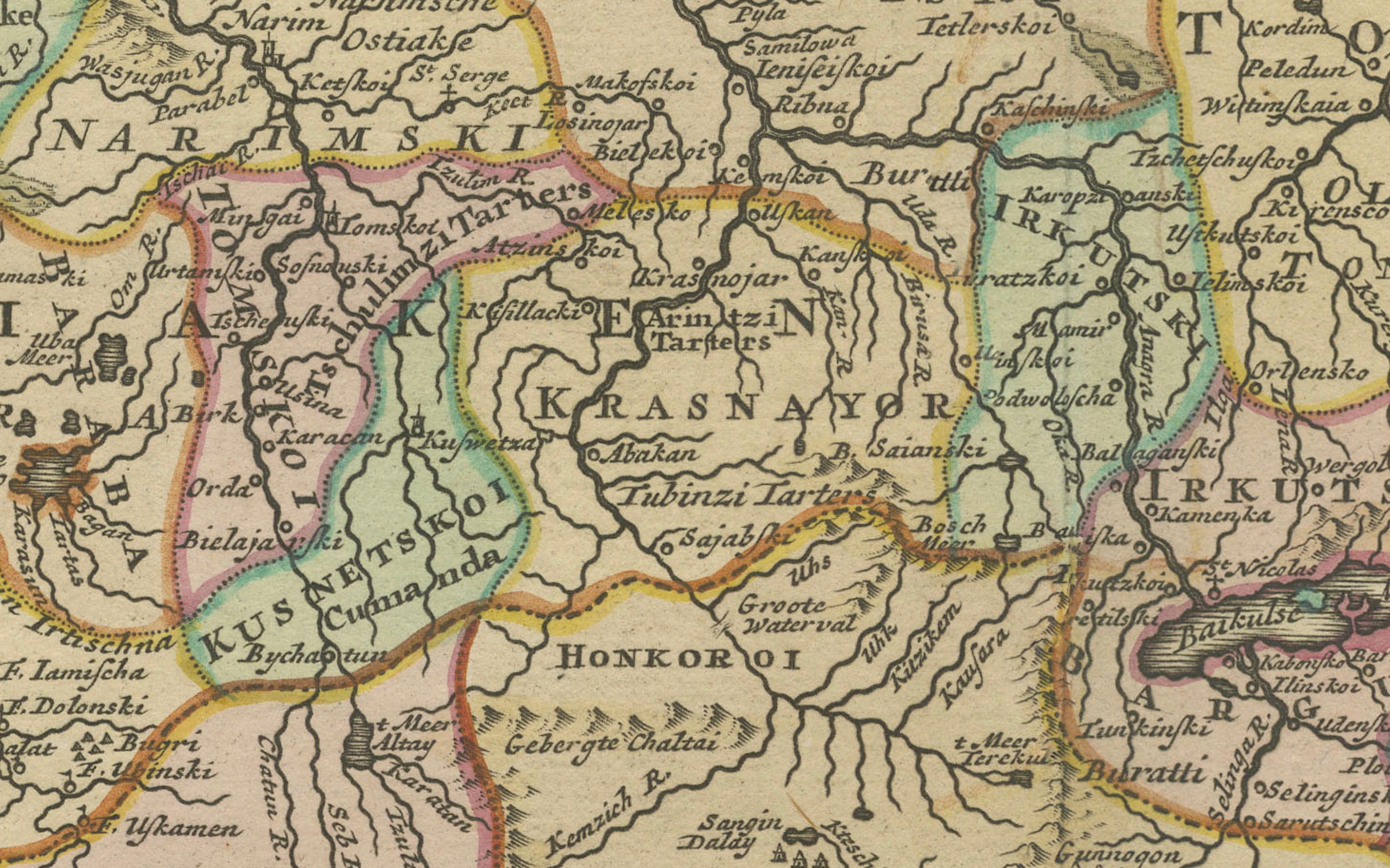
- Northern Asia: The map covers a vast area known as Tartary, including parts of Siberia, Mongolia, and Northern China.
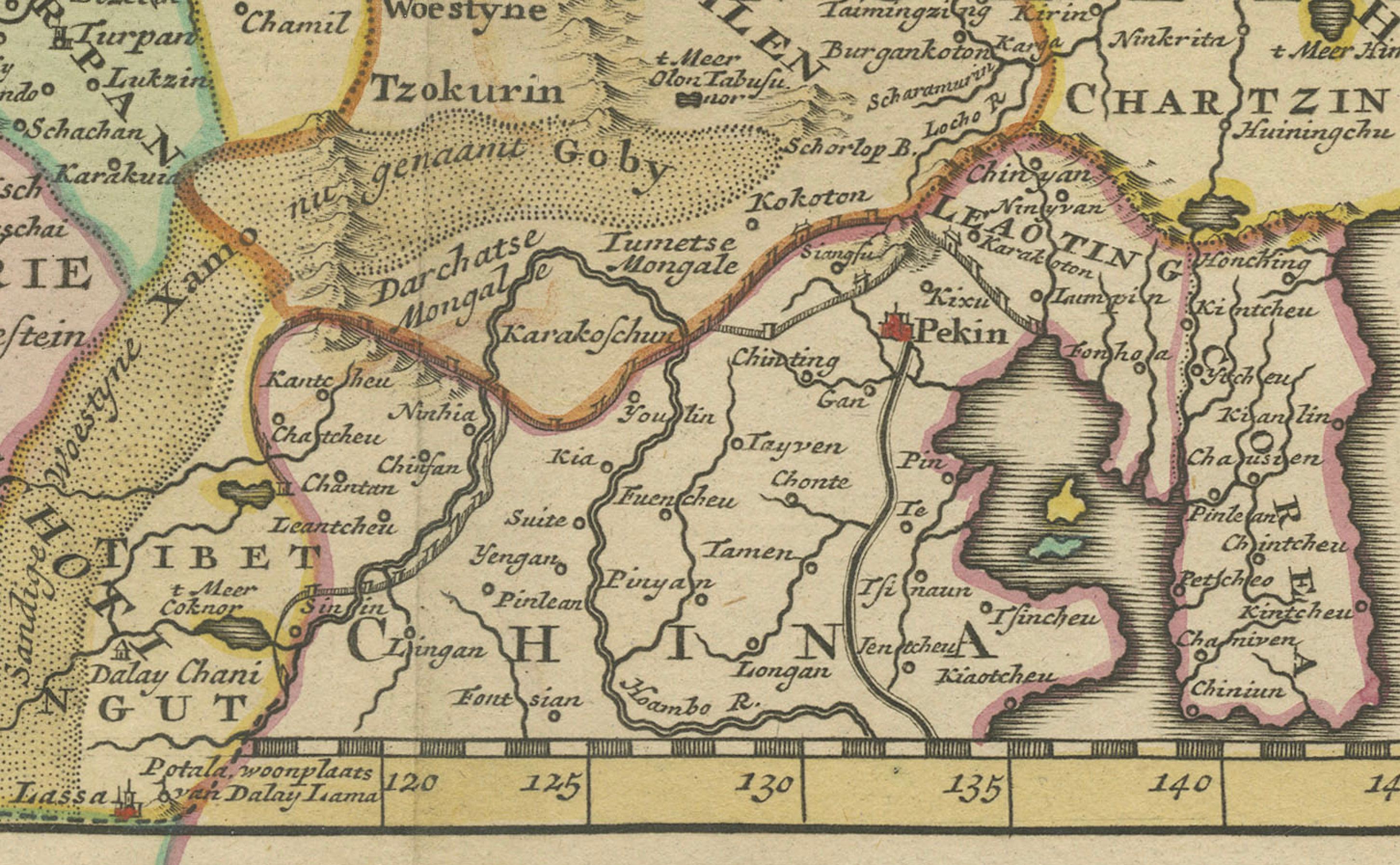
- Great Wall of China: A significant feature on the map, marking the boundary between China and the northern regions.
- Lake Baikal: Known as "Lacum Baikal," this prominent lake in Siberia is detailed on the map.
- Major Cities: Several important cities and regions are highlighted, including:
- Moscow: Marked as "Moskovia," showing the influence of the Russian Empire in the region.
- Peking (Beijing): Represented in the map, reflecting its significance as the capital of China.
- Samarkand: A key city along the Silk Road, crucial in Central Asian history.
- Tobolsk: Important as a major administrative center in Siberia during the Russian Empire.
The map mentions the place of the Dalai Lama. It is located in the region corresponding to modern-day Tibet. The Dalai Lama's location is typically labeled as "Lassa" (Lhasa) on maps of this period, which is the capital of Tibet and the traditional seat of the Dalai Lama. Lassa (or its variant spelling) should be present in the area depicting the Tibetan plateau, within the broader region of Tartary as understood in the 18th century. This inclusion reflects the European awareness of Tibet as a significant cultural and religious center in Asia, associated with the Dalai Lama.
The Potala Palace is actually marked on the map and was the residence, or "woonplaats," of the Dalai Lama. The Potala Palace, located in Lhasa, Tibet, served as the winter palace of the Dalai Lamas from the 17th century until the 14th Dalai Lama fled to India in 1959 during the Tibetan uprising. The Potala Palace is an iconic structure and has been a spiritual and political center for Tibetan Buddhism.
The palace is situated on Marpo Ri, the "Red Hill," and is a UNESCO World Heritage Site today. It not only served as the residence of the Dalai Lama but also housed numerous chapels, shrines, and tombs of past Dalai Lamas, making it a significant religious site.
This feature further underscores the historical and cultural importance of the map, as it highlights regions and places of global significance during the 18th century.
The map provides a fascinating glimpse into the geographical understanding of Asia in the 18th century, particularly from a European perspective. The detailed depiction of mountain ranges, rivers, and territories demonstrates the cartographic skills of Isaak Tirion and his contribution to European knowledge of Asia during this era.