About this sheet
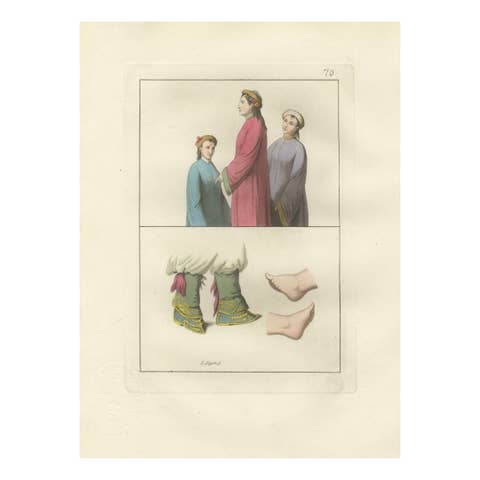
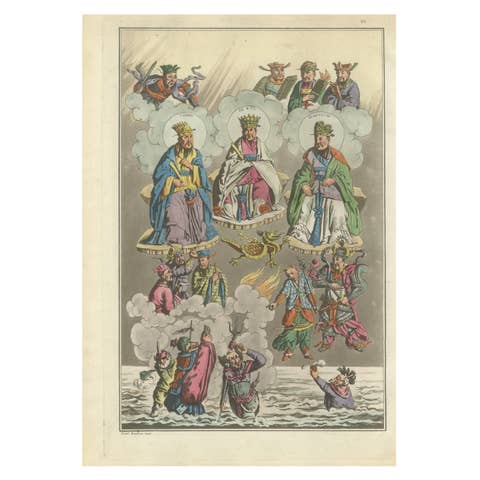
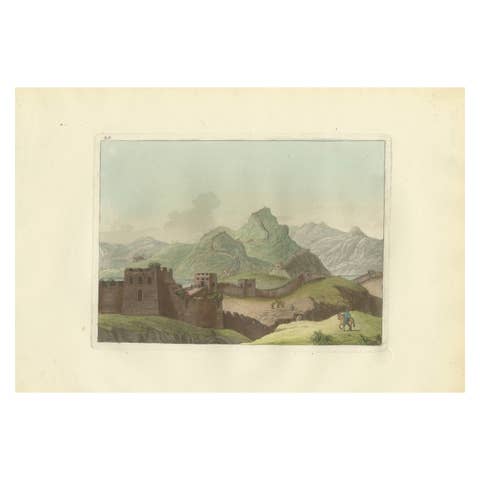
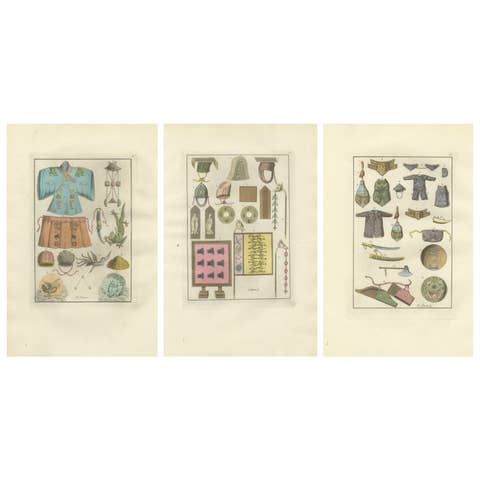
Indigenous People of Formosa (Taiwan) – Ferrario Costume Print, c.1815
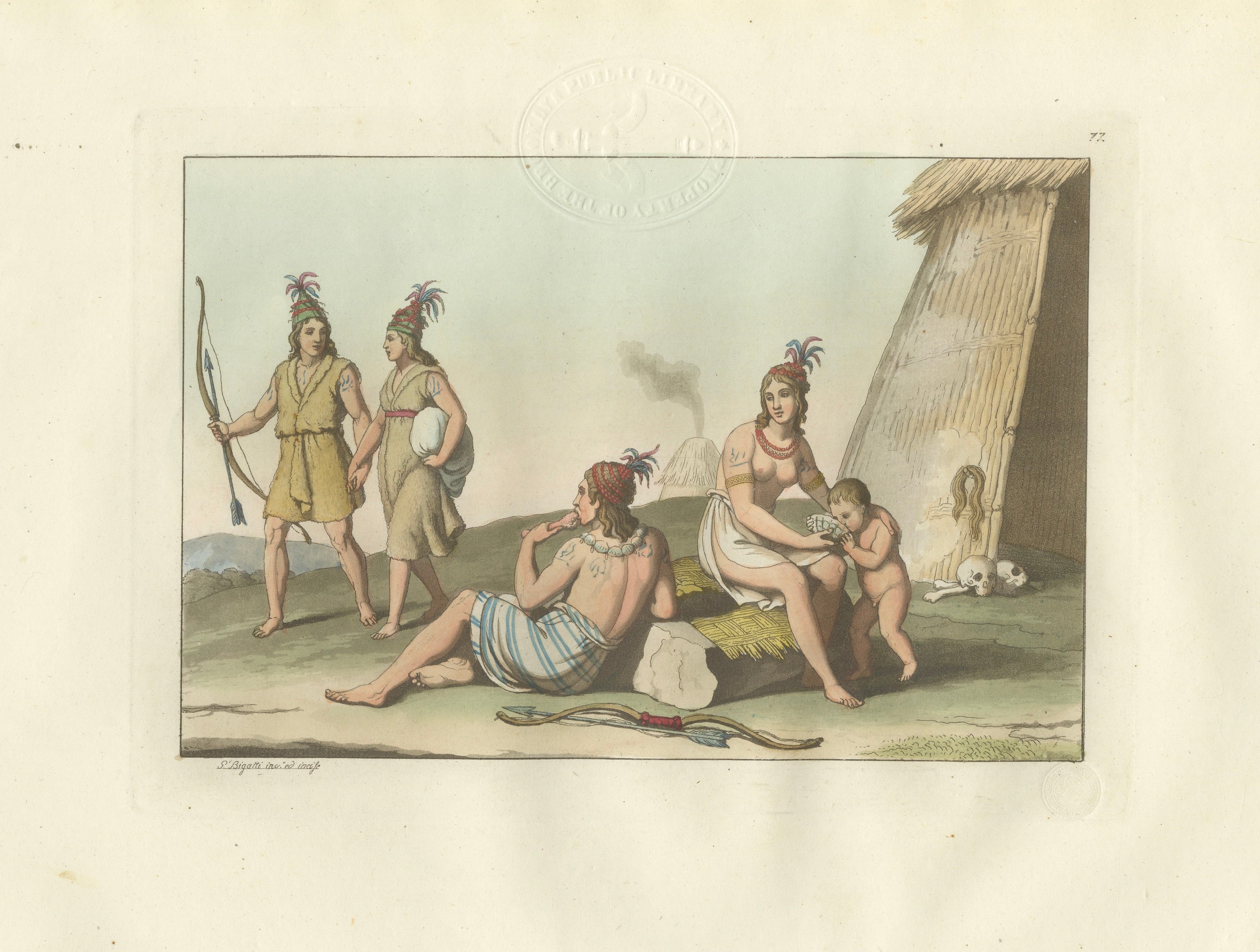
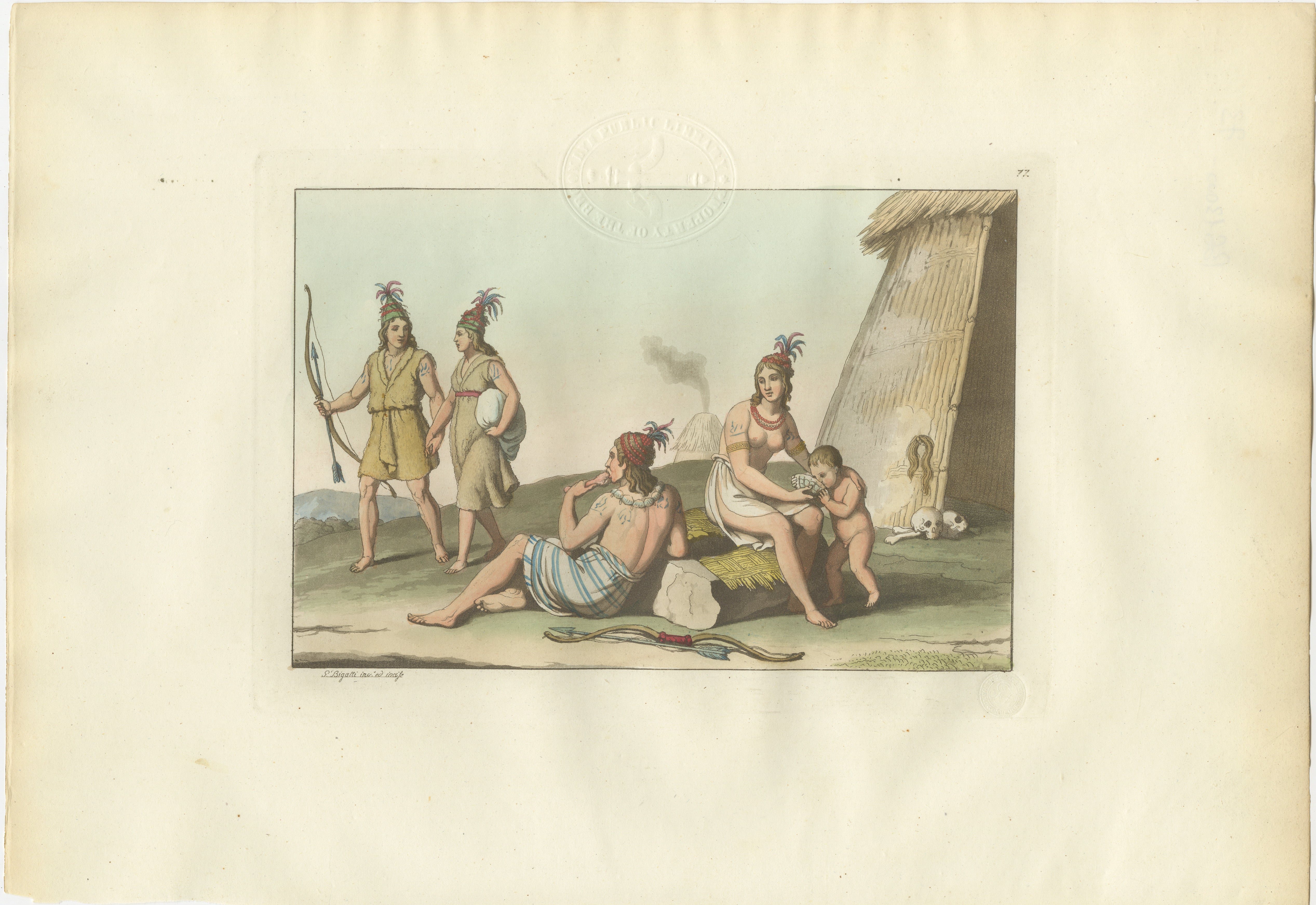
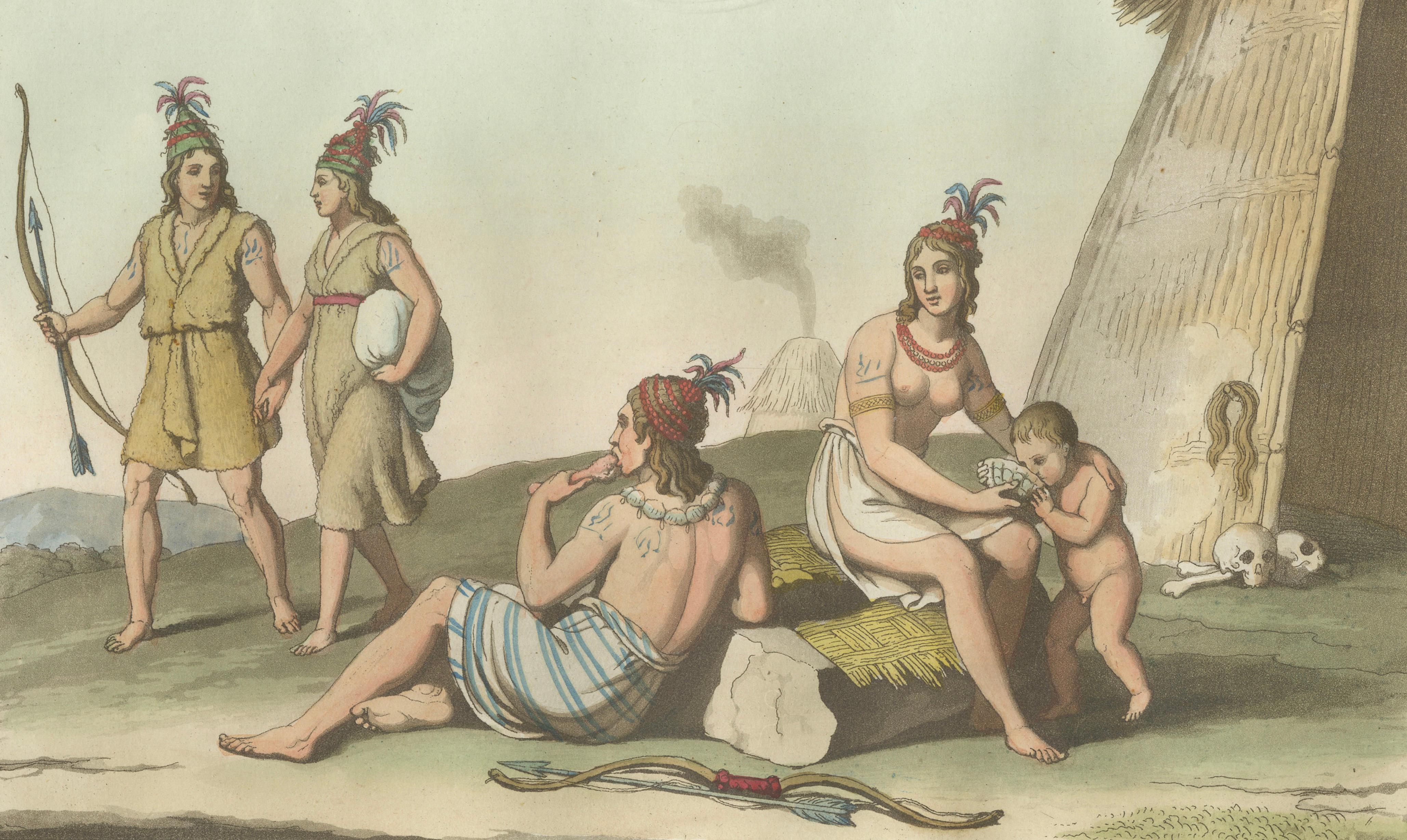
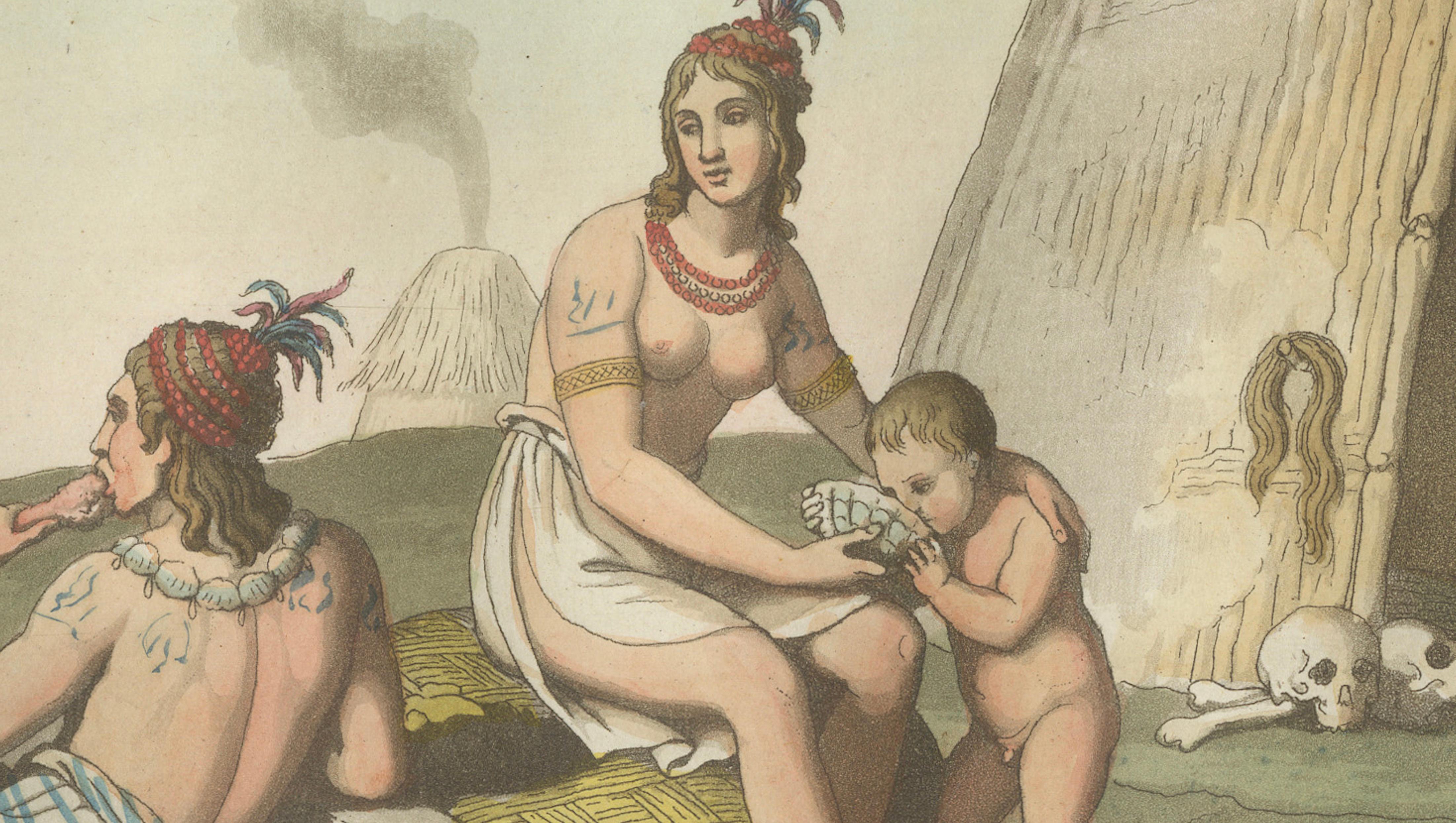
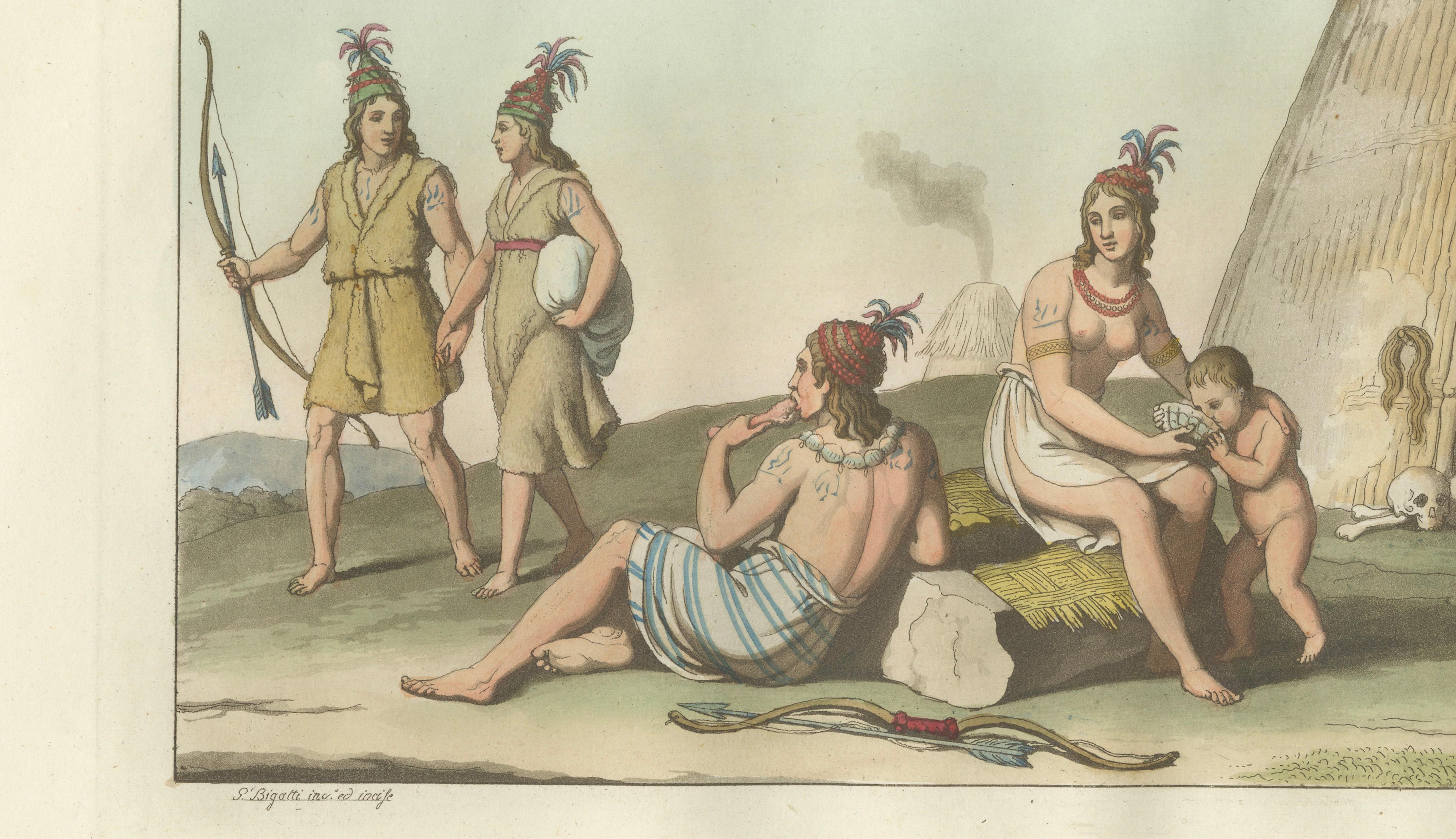
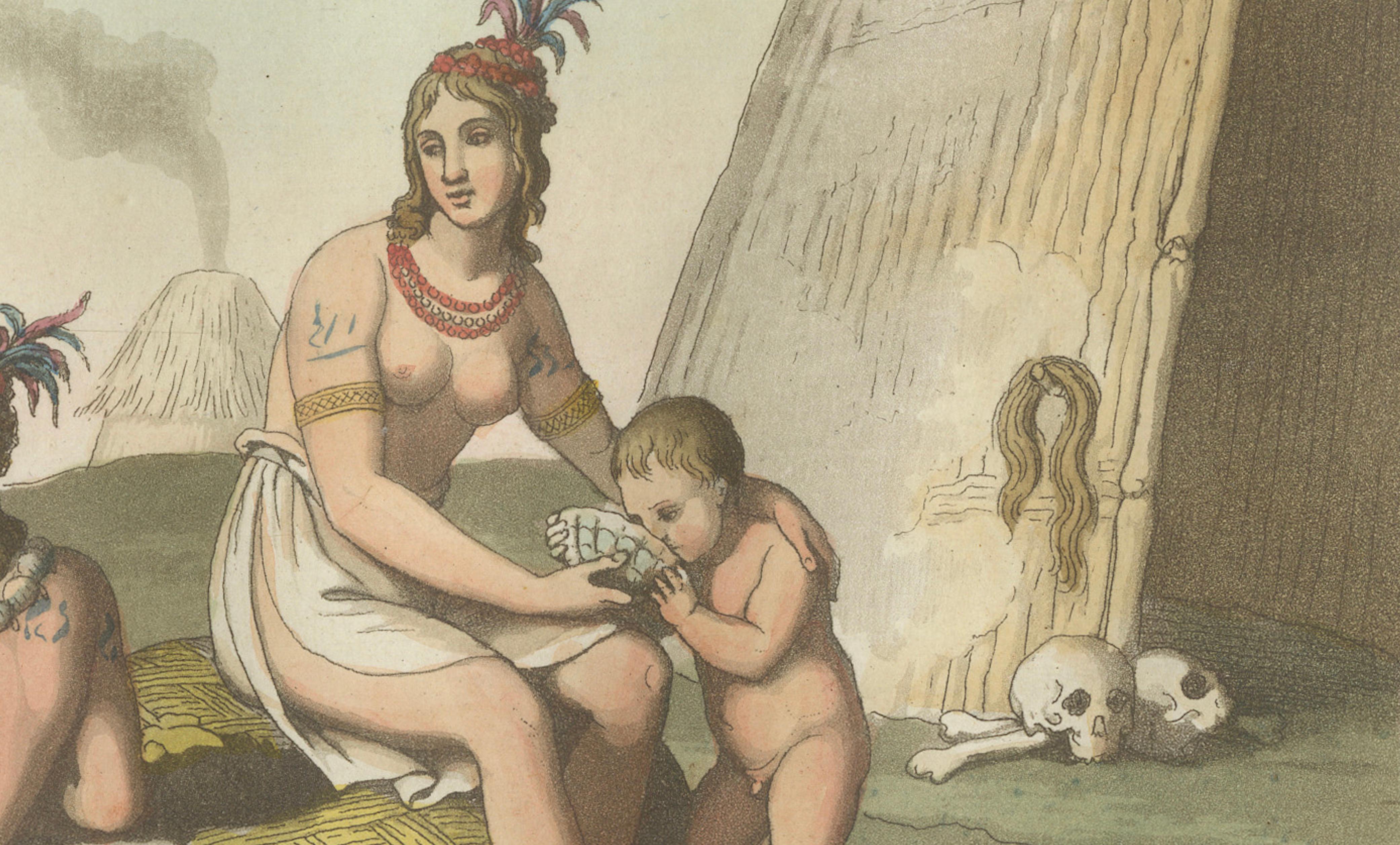
This finely hand-coloured copperplate engraving presents a European ethnographic interpretation of the indigenous inhabitants of Formosa, known today as Taiwan. The composition depicts a quiet domestic scene in which several figures are shown engaged in everyday life outside a simple dwelling. A seated woman tends to a child while nearby figures converse and rest, and a standing hunter carries a bow, emphasizing the importance of hunting within traditional society. The carefully arranged grouping combines elements of family life, material culture, and dress, reflecting early nineteenth-century European attempts to visually categorize and document distant cultures.
The engraving originates from Giulio Ferrario’s monumental publication *Il Costume Antico e Moderno di Tutti i Popoli* (Costumes Ancient and Modern of All Peoples), published in Milan circa 1815. Ferrario’s ambitious project sought to create a comprehensive visual encyclopedia of world cultures, drawing upon travel narratives, missionary reports, and earlier illustrations available to European scholars. While intended as educational material, many plates reflect the interpretive lens of the period, blending observation with imagination and occasionally incorporating stereotypes common in early ethnographic imagery.
Here, attention is focused on costume and material detail: feathered headdresses, simple woven garments, ornaments, and hunting equipment are rendered with clarity and enhanced by delicate contemporary hand colouring. The landscape remains minimal, directing attention toward the figures and their attire. The balanced horizontal composition and gentle palette create a calm and contemplative atmosphere, contrasting with the dramatic narratives often associated with European depictions of indigenous peoples during the colonial era.
Ferrario engravings are valued today both as decorative works and as historical documents illustrating how global cultures were perceived and represented in early nineteenth-century Europe. Each impression was individually coloured by hand at the time of publication, resulting in subtle variations unique to every example. The print holds particular appeal for collectors interested in ethnography, Asian-Pacific history, and early costume studies.
The engraving is offered unframed, allowing flexibility to select a frame suited to modern or classical interiors.
Condition:
Good antique condition with age-related toning and light scattered spotting, primarily visible in the margins. Plate mark present. Original embossed blind stamp visible as issued. Minor handling wear consistent with age; image area remains clear and attractive.
Framing tips:
A natural wood, walnut, or lightly ebonized frame paired with an ivory or warm cream mat complements the soft colouring and ethnographic character. Museum glass is recommended for preservation. Particularly effective when displayed with other Ferrario plates depicting world cultures.
Technique: Hand-coloured copperplate engraving
Maker: Giulio Ferrario workshop, Milan, circa 1815