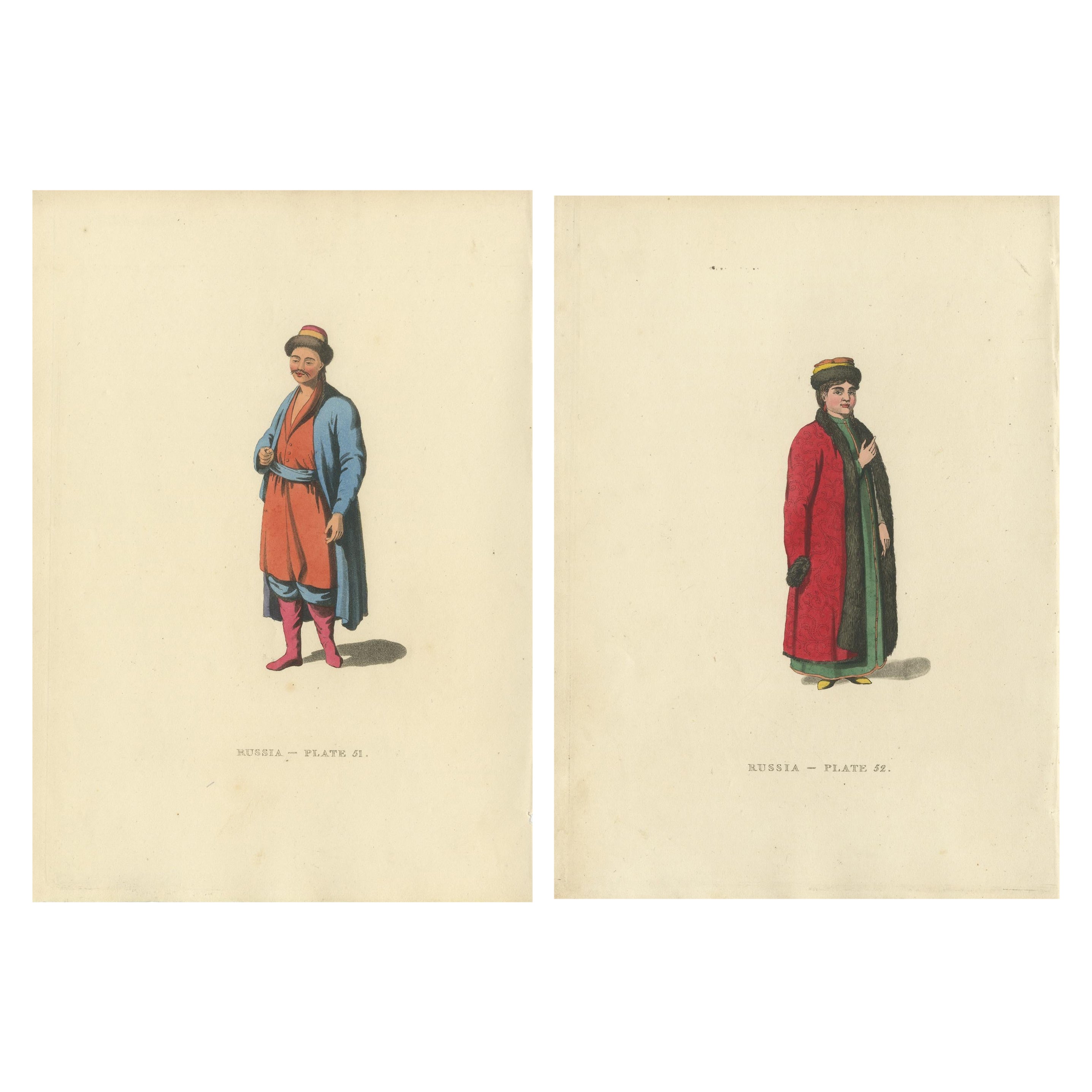
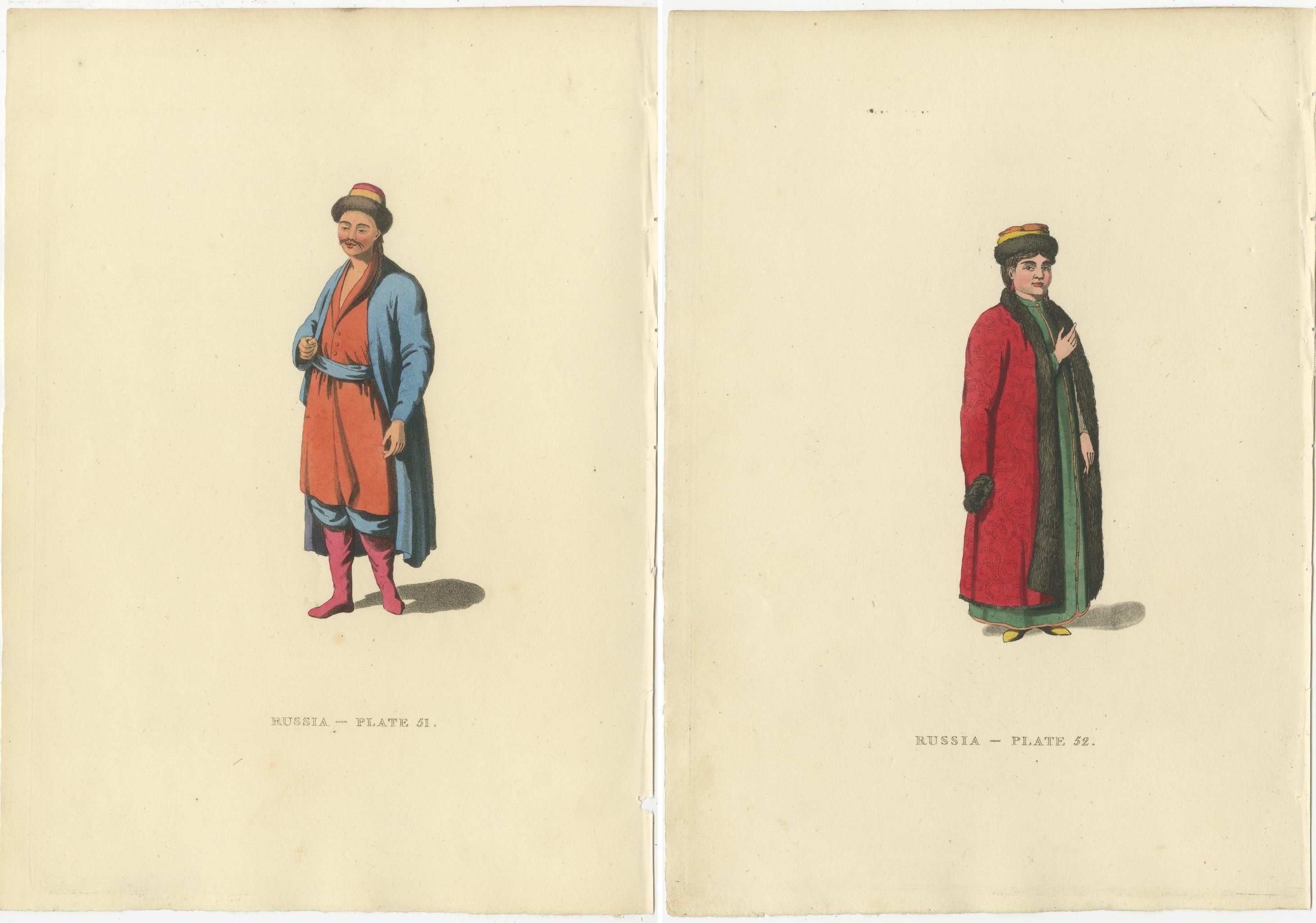
A Glimpse into Kalmyk Culture through William Alexander's 1814 Engravings
€ 240
One of a kind: this is the sheet in the photographs. Ships from Langweer, the Netherlands.
Date
1814
Sheet size
24 × 17 cm (9.4 × 6.7 in)
Condition
Good
Reference
BG-13605-4-15 & BG-13605-4-16
Condition
Very good, given age. Light soiling General age-related toning and/or occasional minor defects from handling. Please study scan carefully.
About this sheet
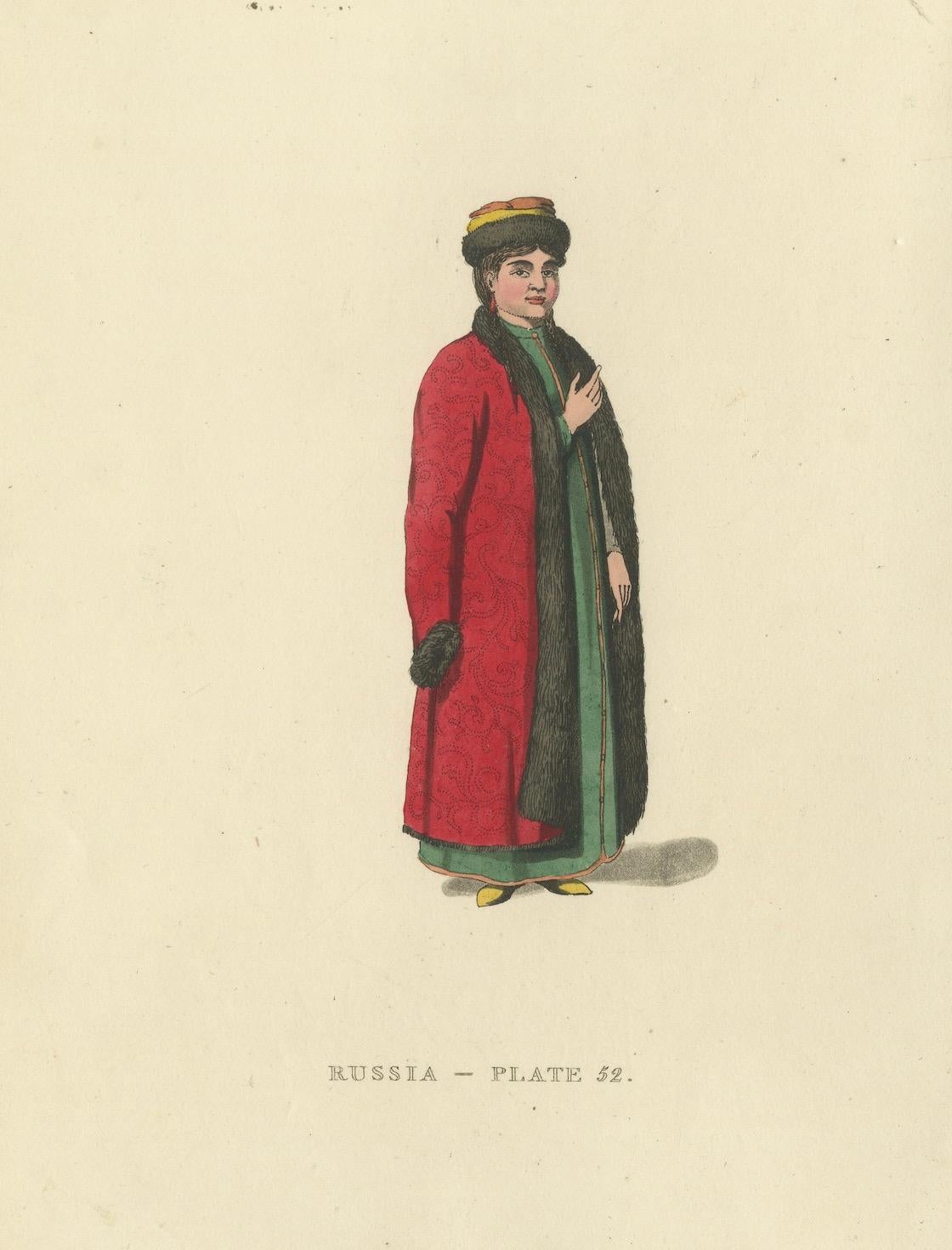
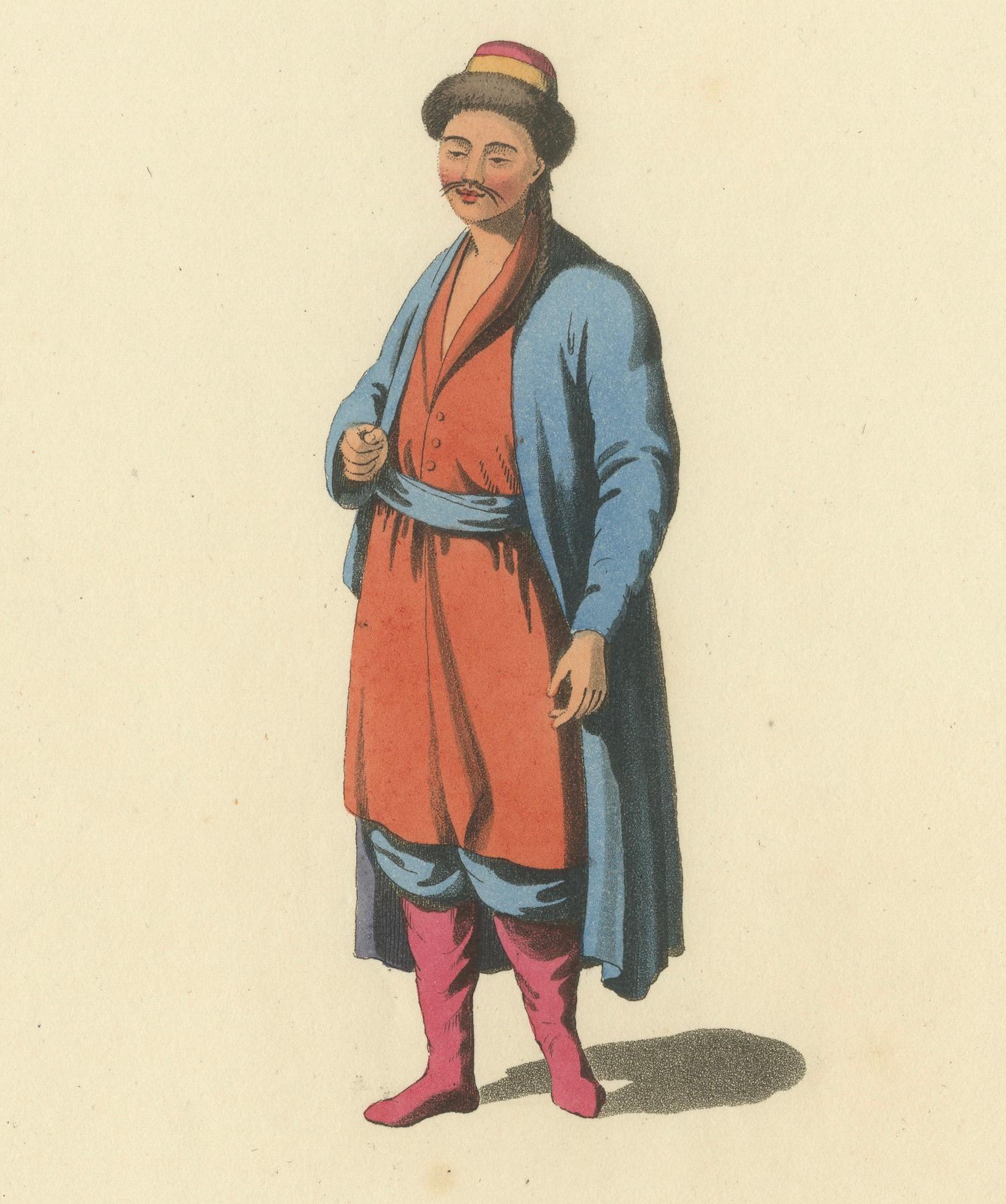
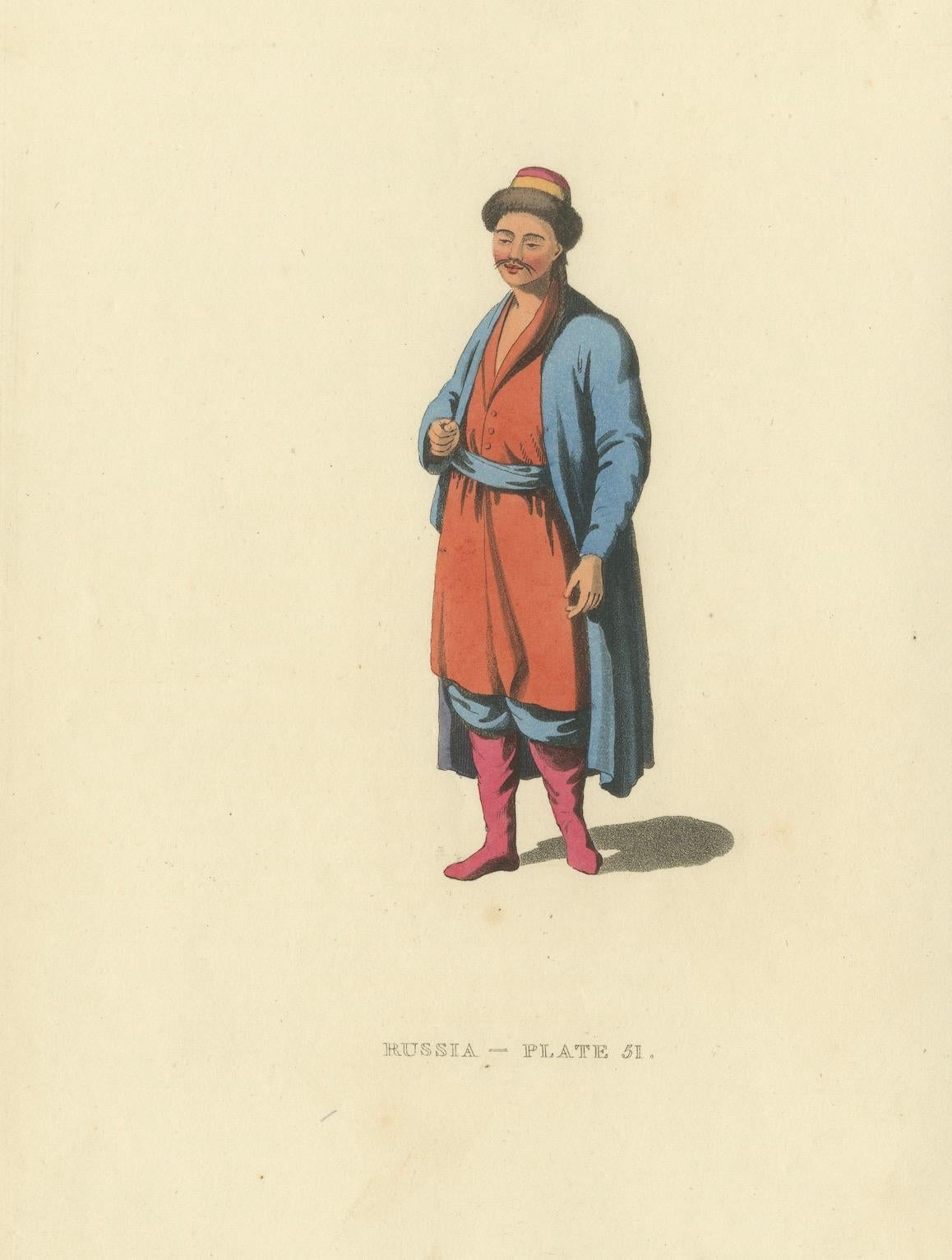
Original hand-coloured historical representations of a Kalmuk (or Kalmyk) man and woman, based on the traditional attire depicted. The term "Kalmuk" refers to the Kalmyk people, who are a Mongolic ethnic group native to a region in southwestern Russia, particularly the republic of Kalmykia. They are known for being the only region in Europe where Buddhism is the predominant religion.
From the style of the images and the labeling "Plate 51" and "Plate 52", it seems these images could be from a collection of ethnographic or cultural studies prints. These types of prints were common in the 18th and 19th centuries as a way to document the dress and customs of various peoples around the world.
"Picturesque Representations of the Dress and Manners of the Russians" is a significant historical work that provides insight into the cultural attire and customs of various Russian social classes and ethnic groups at the beginning of the 19th century.
William Alexander, the author of the work, was an English painter, illustrator, and engraver. His work was quite influential in ethnographic art, and he was known for his contributions to the recording of cultures during his time.
John Murray, the publisher, was a prominent London publisher known for his high-quality publications and for being the publisher of many important writers of his day, including Lord Byron, Jane Austen, and Sir Walter Scott.
Published in 1814, the engravings in Alexander's book would have been based on his observations and possibly on sketches made during travels or from secondary sources. These images would have been among the earliest visual records available to the Western audience that depicted the traditional dress and lifestyles of the Russian Empire's diverse population, including the Kalmyk people.
The Kalmyk people's representation in such a publication highlights the broader European interest in the various peoples and cultures of the Russian Empire during this period. It also reflects the period's approach to documenting and presenting "exotic" cultures through art and literature. These works were instrumental in shaping Western perceptions of other cultures and continue to be valuable for historical and cultural studies.