Hand-Colored Botanical Engravings of Hairy and Broad-Leaved Willow-Herbs, 1902
€ 340
One of a kind: this is the sheet in the photographs. Ships from Langweer, the Netherlands.
Date
1902
Sheet size
26 × 17 cm (10.2 × 6.7 in)
Condition
Good
Reference
BG-13347-7, -8, -9
Condition
Condition report: Excellent for age. Slight age toning and occasional faint specks typical of early 20th-century botanical engravings. Deep, clean impressions with plate marks clearly visible and wide margins preserved.
About this sheet
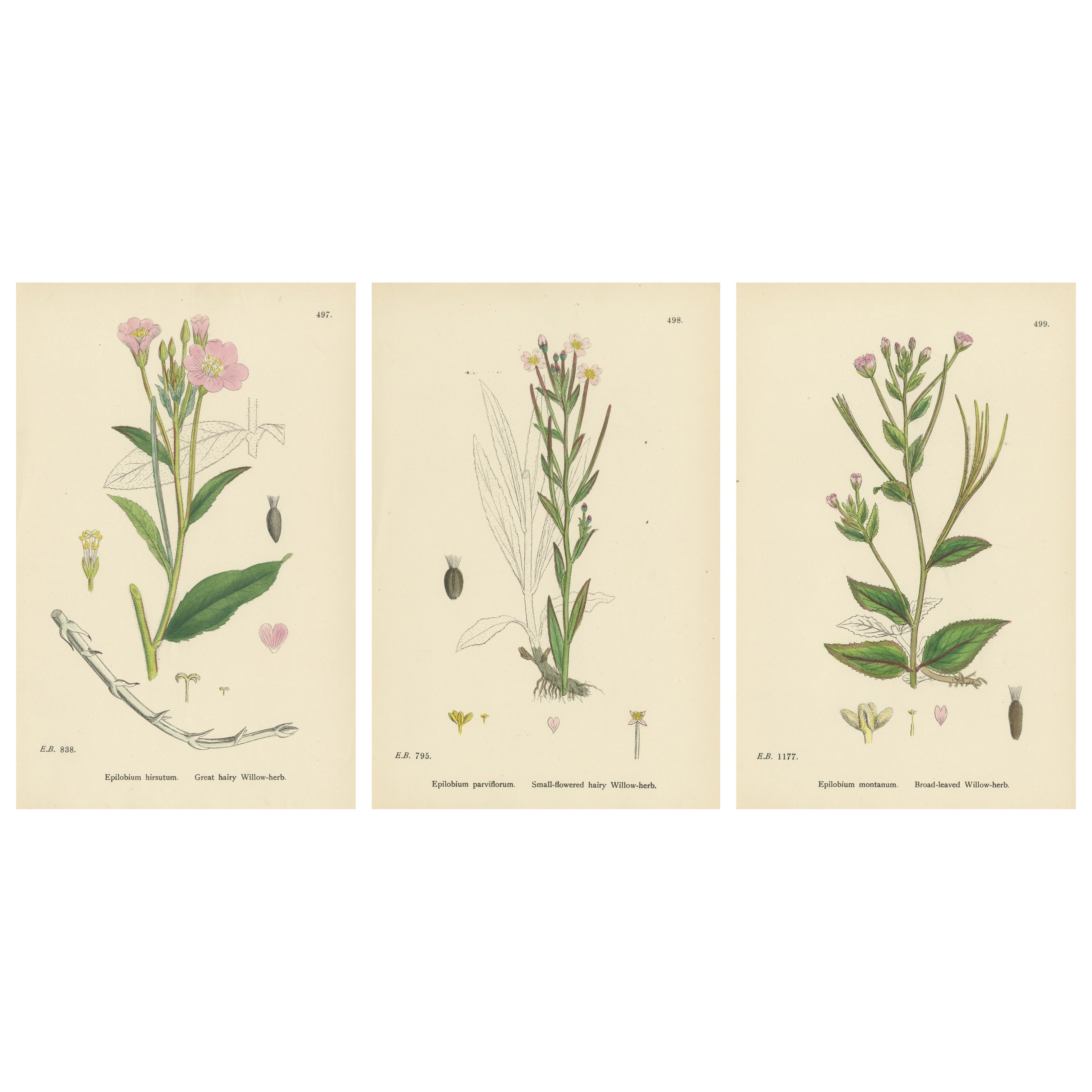
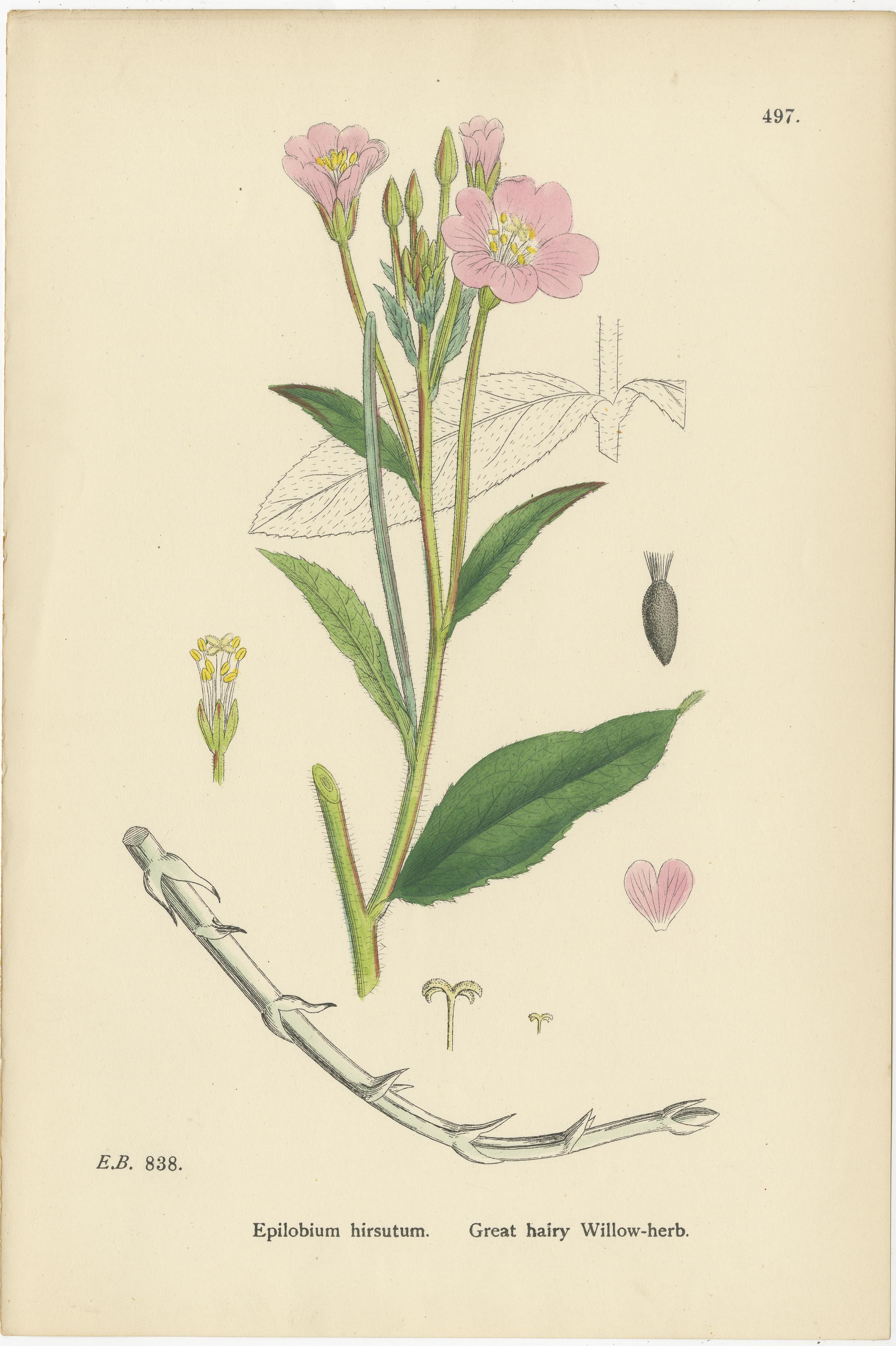
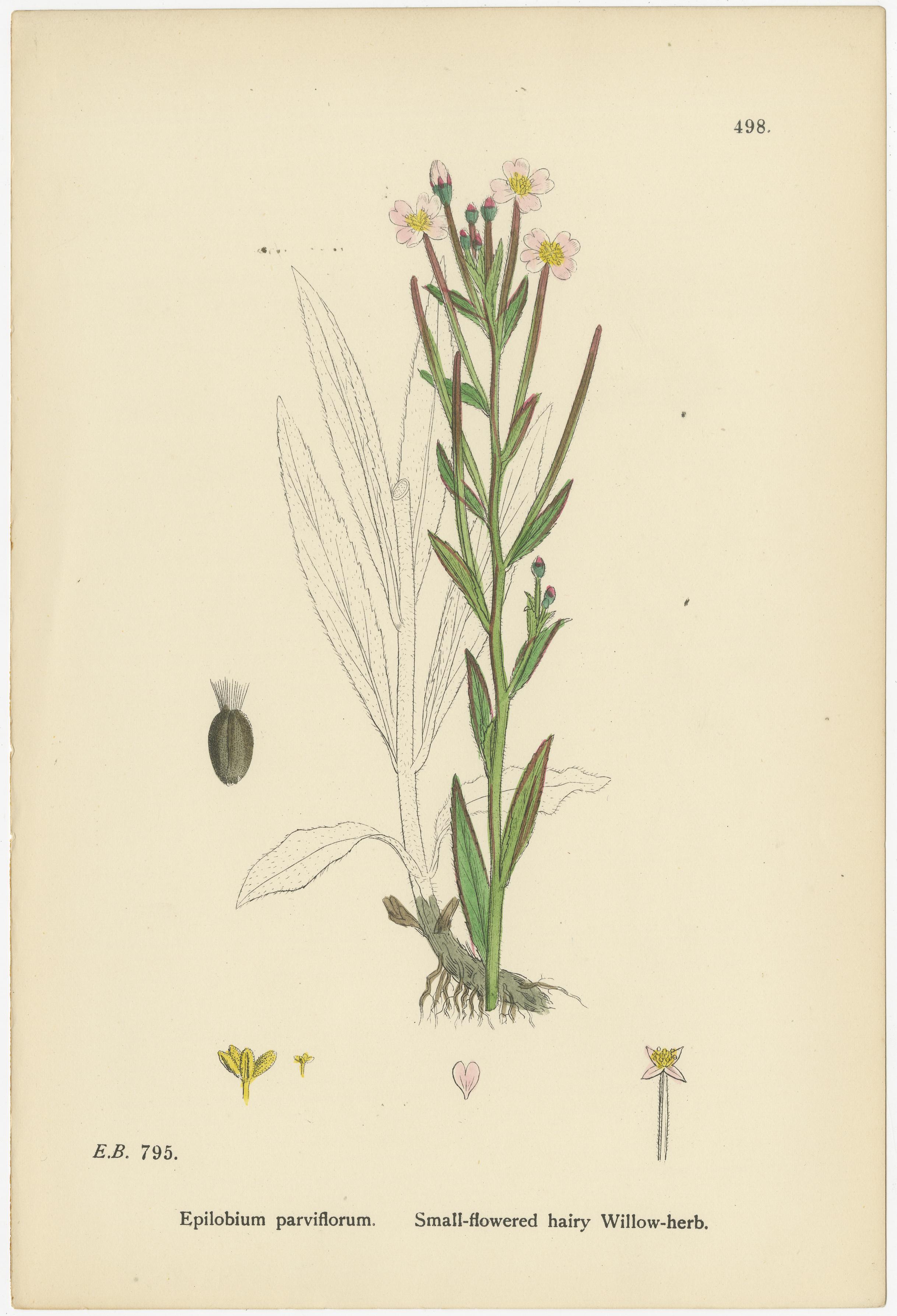
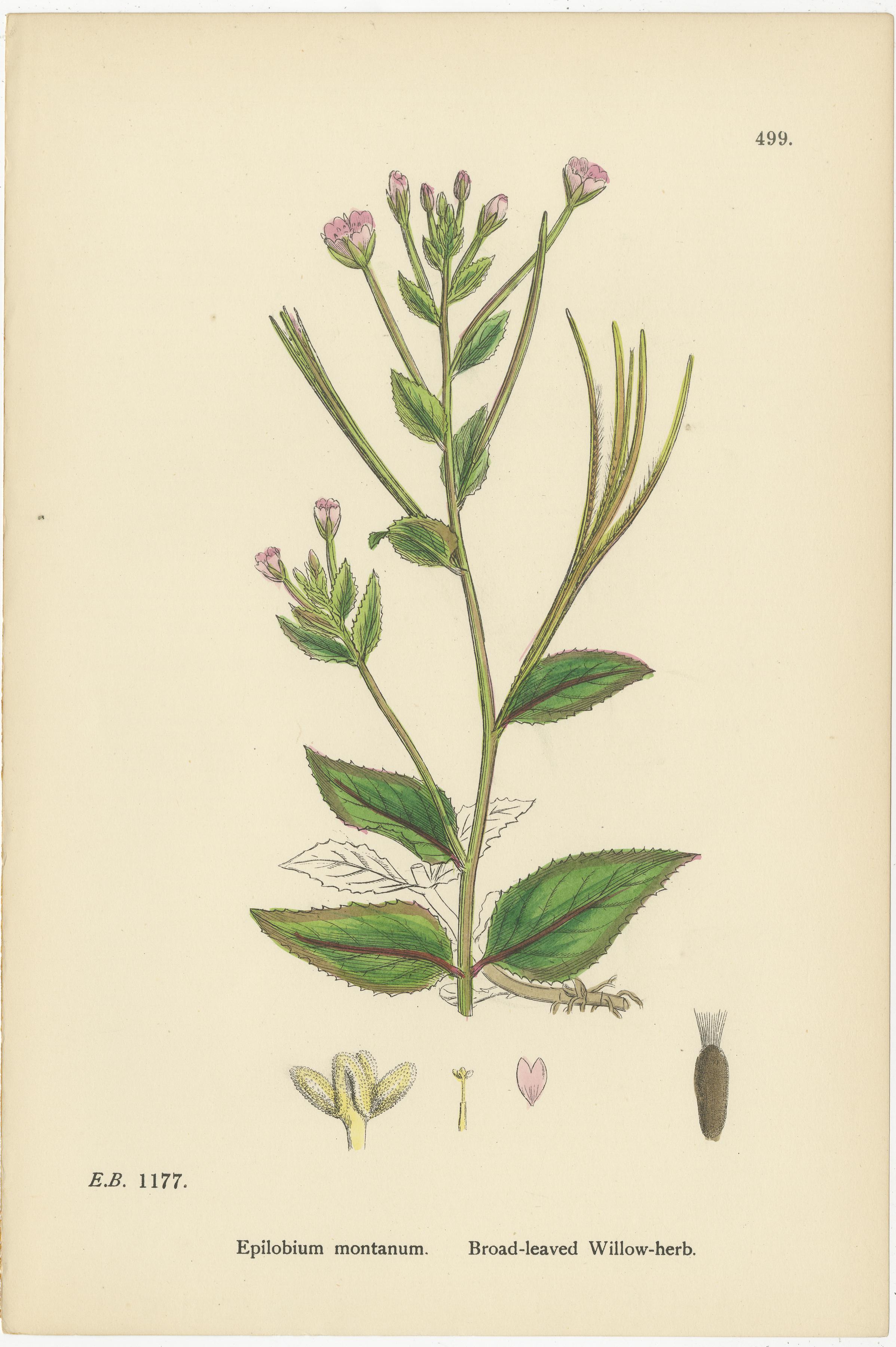
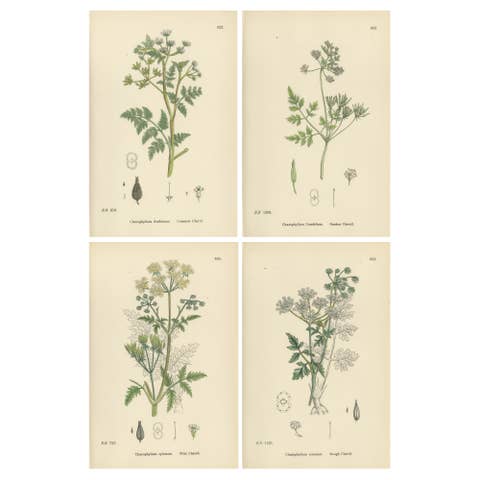
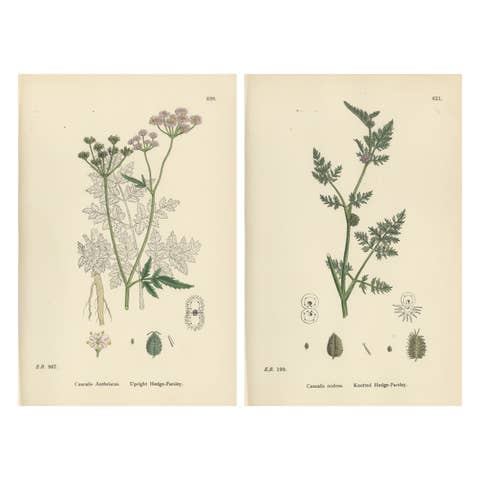
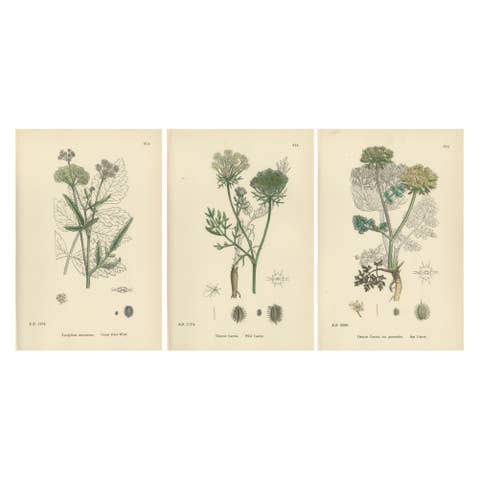
This fine trio of antique hand-colored engravings from 1902 illustrates three distinct species of the Willow-herb family (Epilobium), notable for their delicate pink blossoms and slender forms. The plates depict Epilobium hirsutum (Great Hairy Willow-herb), Epilobium parviflorum (Small-flowered Hairy Willow-herb), and Epilobium montanum (Broad-leaved Willow-herb). Together, they present an elegant botanical study of native British wildflowers that flourish in damp meadows, ditches, and riverbanks.
The Great Hairy Willow-herb, with its tall stems, broad green leaves, and large pink blooms, dominates the first composition. Its strong structural form contrasts beautifully with the smaller and more delicate Small-flowered Hairy Willow-herb, which shows narrow leaves and finely drawn details of its tiny blossoms and roots. The final plate, Broad-leaved Willow-herb, combines both strength and grace in its depiction of robust stems and soft-colored flowers, each rendered with remarkable precision and subtle shading.
Every plate combines accurate botanical structure with artistic charm. The hand-applied coloring, fine stippling, and inclusion of floral dissections beneath each specimen reflect the high scientific and artistic standards of late Victorian natural history illustration. The creamy paper and clean composition enhance the natural beauty of these wildflowers, which were both admired for their color and studied for their ecological role in wetland environments.
Condition report: Excellent for age. Slight age toning and occasional faint specks typical of early 20th-century botanical engravings. Deep, clean impressions with plate marks clearly visible and wide margins preserved.
Framing tips: These three plates make a delightful coordinated set when framed together in matching gilt or light wood frames with soft cream or blush-colored mounts. Displayed horizontally, they create a serene botanical triptych; vertically, they add gentle color and symmetry to narrow wall spaces, ideal for a reading corner or conservatory.
Technique: Hand-colored engraving Maker: British, published London, 1902