Maps & PrintsBartele Gallery · Langweer
Home / Antique Prints / Natural History / Botany

Botany · 19th century

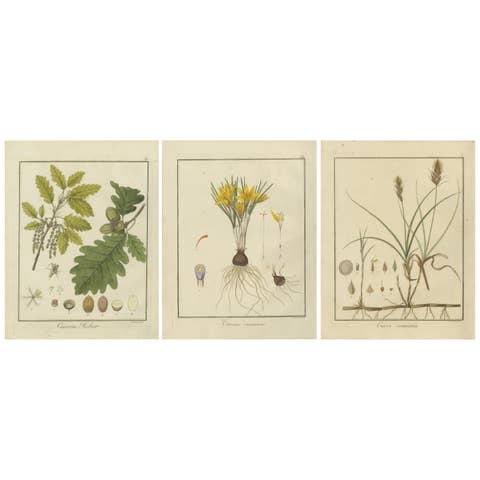
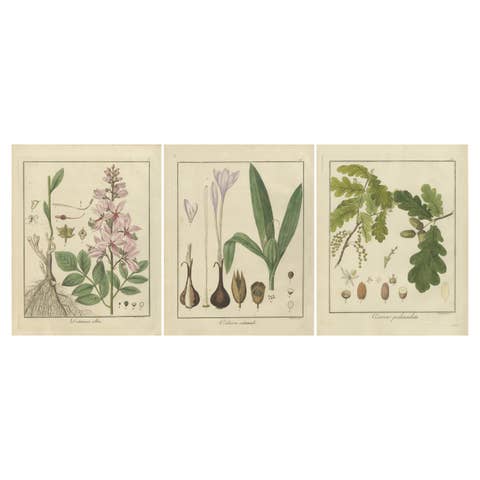
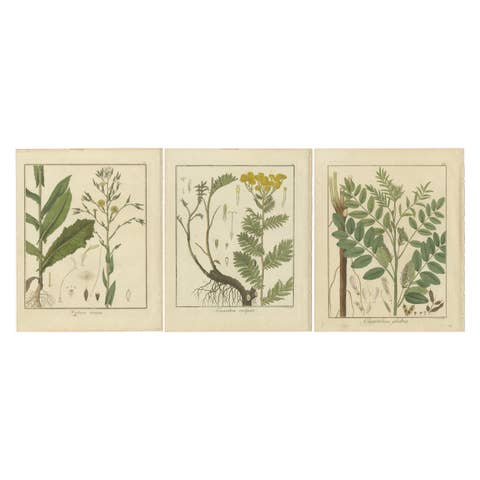
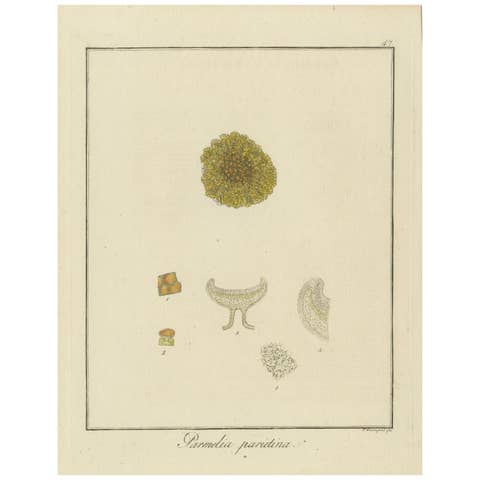
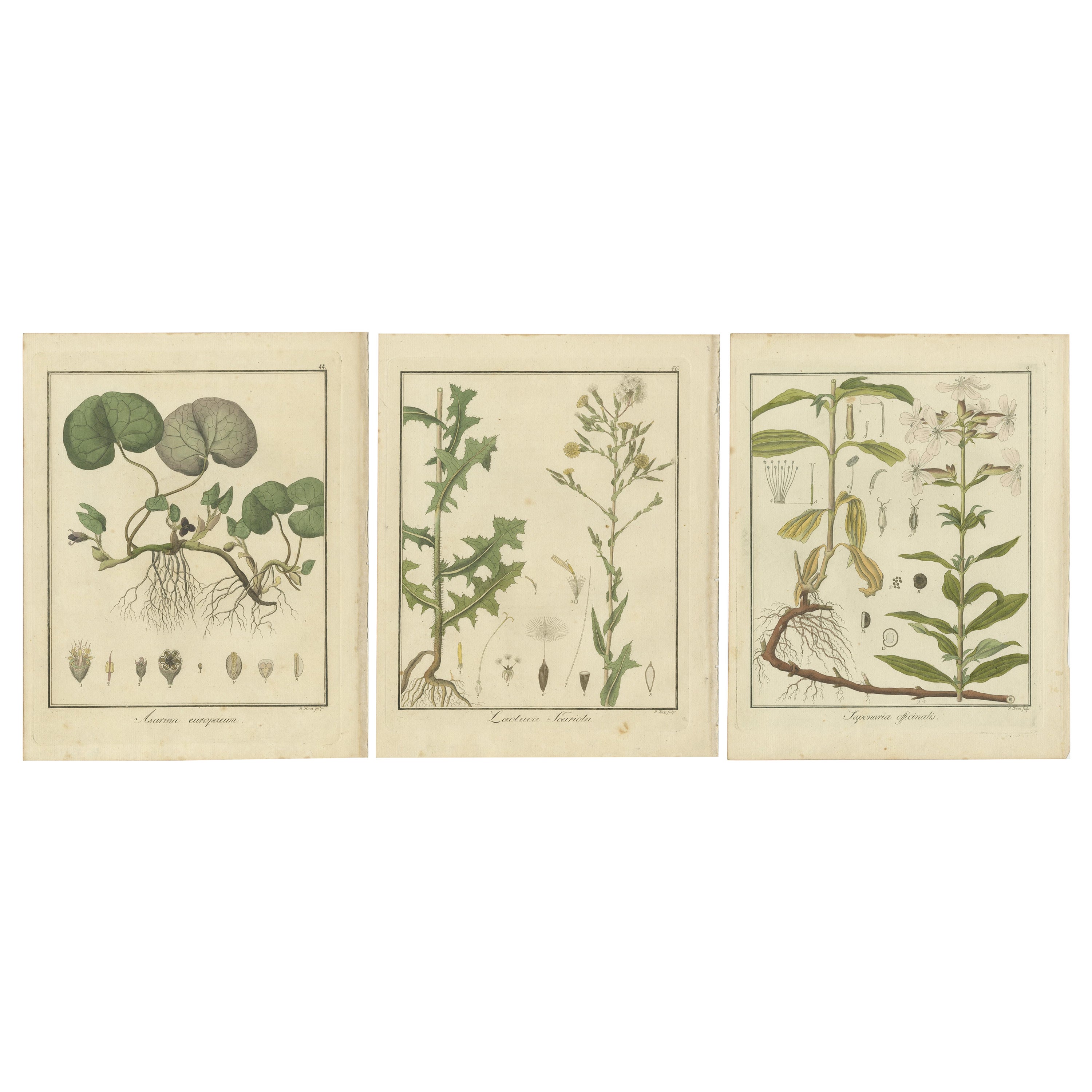
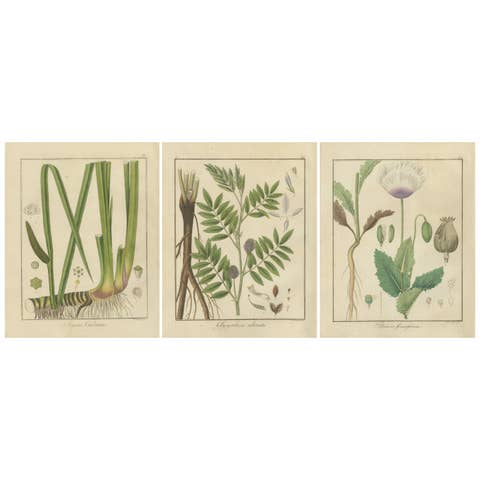
Engravings of European Wild Ginger, Prickly Lettuce, and Common Soapwort, 1819

€ 590

Original antique · The actual sheet photographed · Certificate of authenticity on request · Sold unframed · Worldwide shipping from € 15 (rates)

Date
1819
Sheet size
27.5 × 21.7 cm (10.8 × 8.5 in)
Reference
BG-13747-16, BG-13747-17, BG-13747-18
What the condition grades mean
Excellent
Bright and clean, with no faults worth mentioning.
Very good
Only light signs of age, such as faint toning.
Good
Normal signs of age for a sheet of this period: toning, some foxing, small marks or neat old repairs.
Fair
Clear faults such as staining, tears or repairs, priced to match.

Every fault we see is written in the condition note, and the whole sheet is shown uncropped in the photos.

Condition

Very good given age. General age-related toning and/or occasional minor brown spots. Original hand-colored etching / engraving on hand laid (verge) paper with matermark. The Please study scans carefully.
About this sheet

Description of the Plants in the three original engravings on offer:

1. Asarum europaeum (Common Name: European Wild Ginger)
- This engraving depicts Asarum europaeum, commonly known as European Wild Ginger. It is a perennial herb native to Europe and is often found in shady, moist woodlands. The plant has distinctive kidney-shaped leaves and is used traditionally as a medicinal herb, particularly for its anti-inflammatory and diuretic properties.

2. Lactuca serriola (Common Name: Prickly Lettuce)
- Lactuca serriola, or Prickly Lettuce, is shown in this engraving. Native to Europe, Asia, and North Africa, it is now widespread across the world. The plant is known for its spiny leaves and milky sap. It is closely related to cultivated lettuce and has been used in traditional medicine as a mild sedative and for digestive issues.

3. Saponaria officinalis (Common Name: Common Soapwort)
- The third engraving features Saponaria officinalis, commonly known as Common Soapwort. This plant is native to Europe and Asia and has been naturalized in North America. It grows in a variety of habitats, including roadsides and riverbanks. Soapwort is known for its saponin content, which creates a soapy lather when the plant is crushed in water, historically used for cleaning purposes.

These engravings are part of the 6th edition of "Getreue Darstellung und Beschreibung der in der Arzenykunde gebrauchlichen Gewächse" by Dr. Friedrich Gottlob Hayne, published in 1819. The illustrations were meticulously created to document the medicinal and botanical characteristics of these plants.

More from Botany

Ask about this sheet

Engravings of European Wild Ginger, Prickly Lettuce, and Common Soapwort, 1819
1819 · Ref. BG-13747-16, BG-13747-17, BG-13747-18 · € 590
We reply by email, usually within one working day.

Your favorites

Saved in this browser. Email the list to yourself to keep it on any device.

We use your email to send this list and, only if you tick the box and confirm, for occasional new arrivals. Every email has an unsubscribe link. Bartele Gallery, the Netherlands.