About this sheet
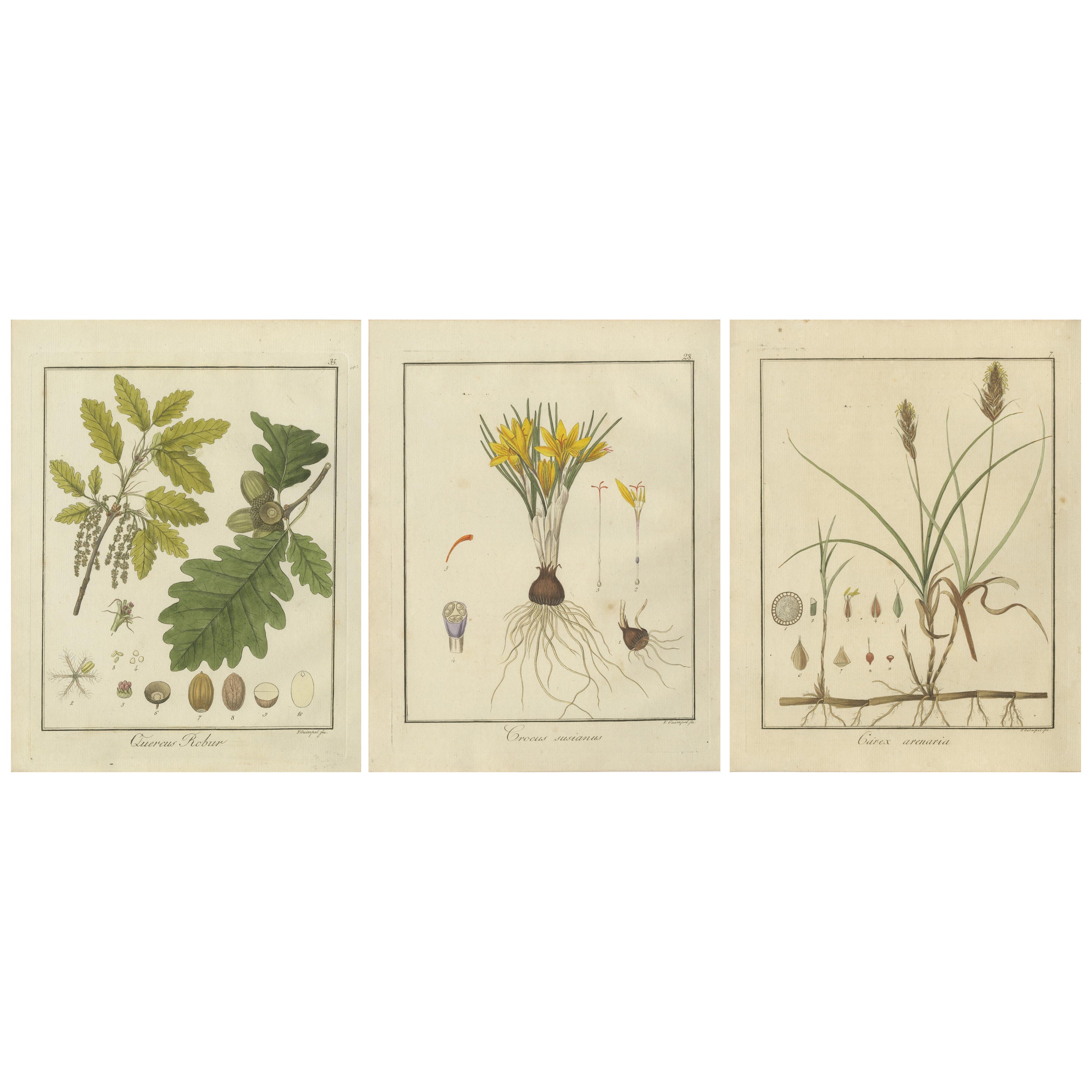
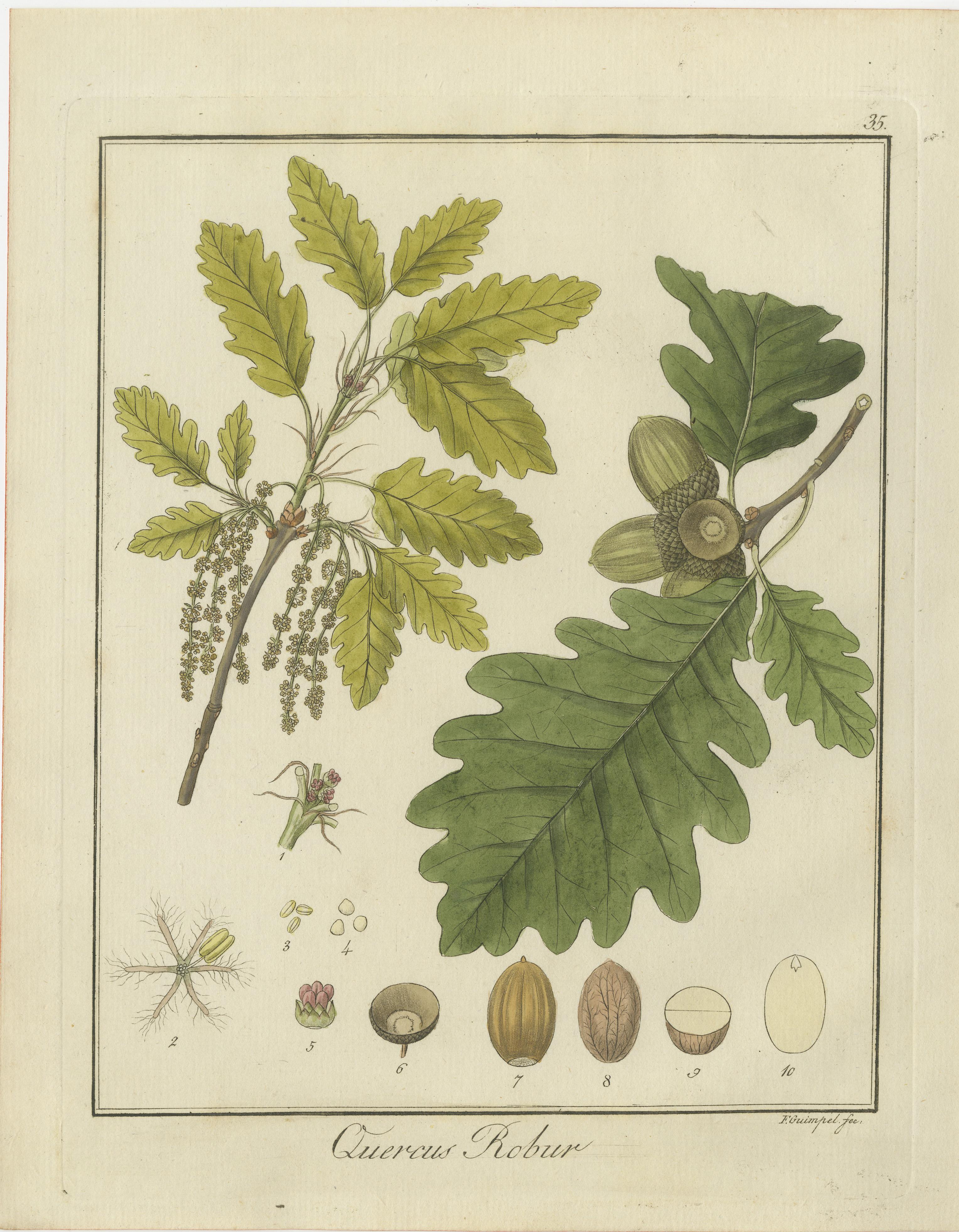
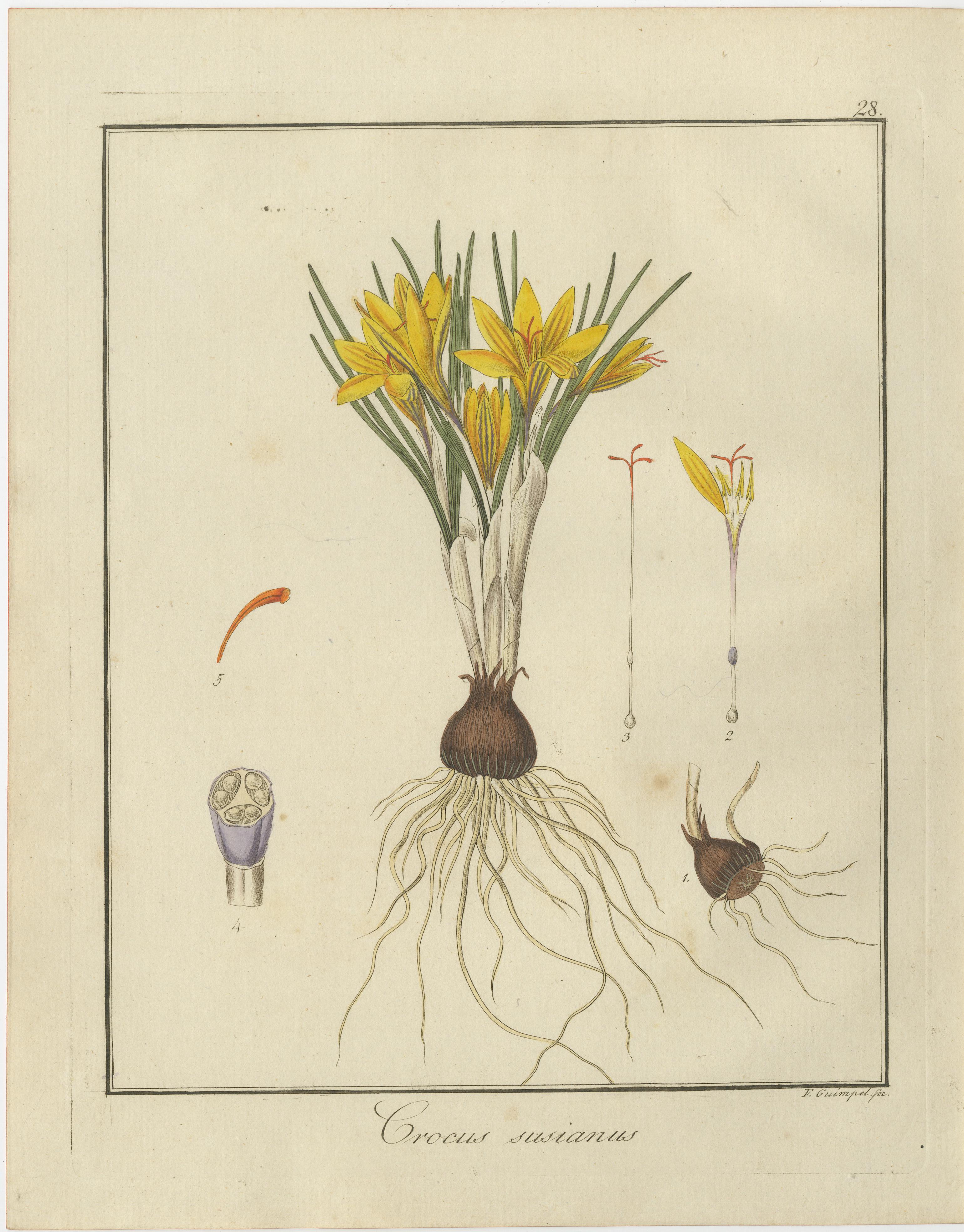
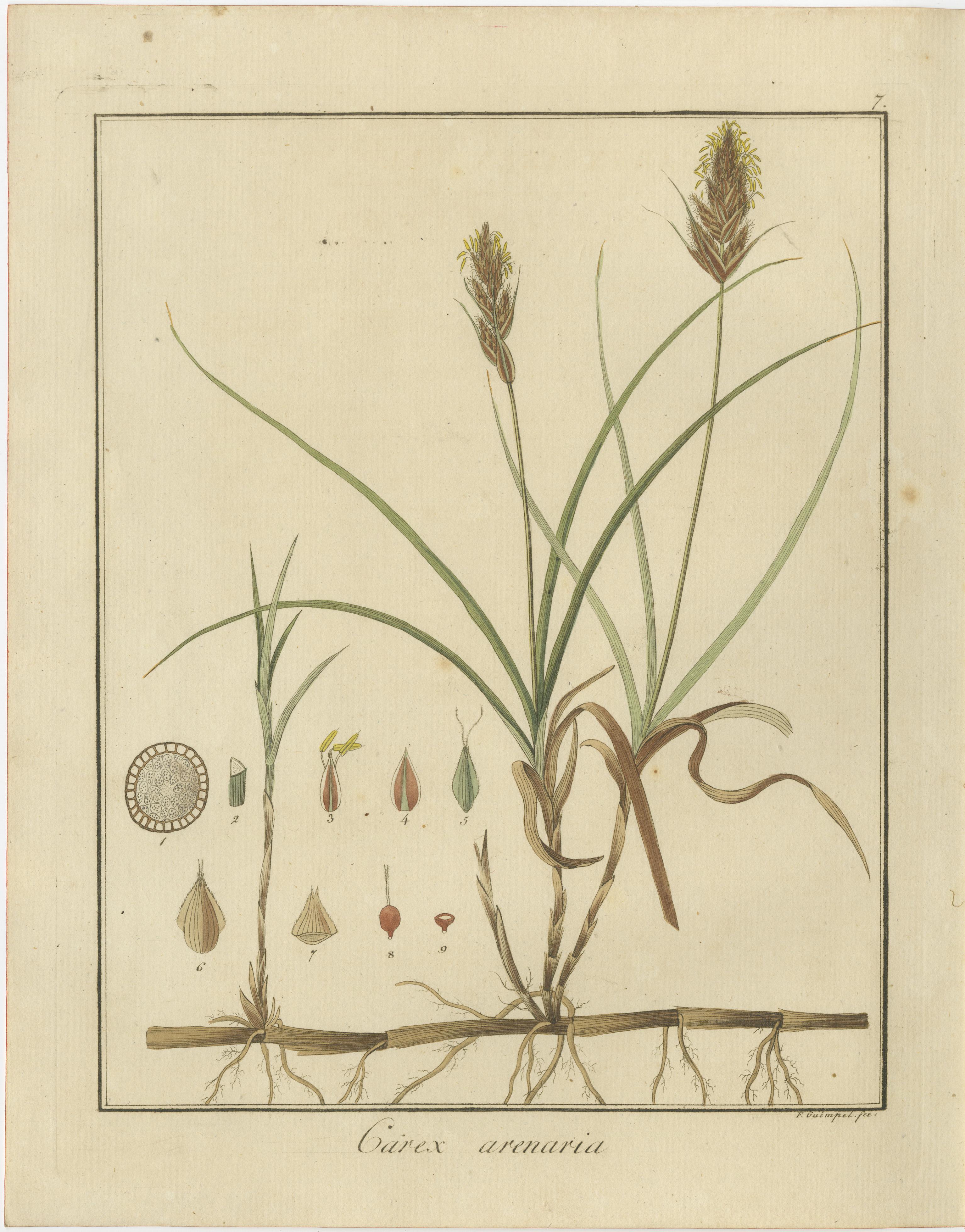
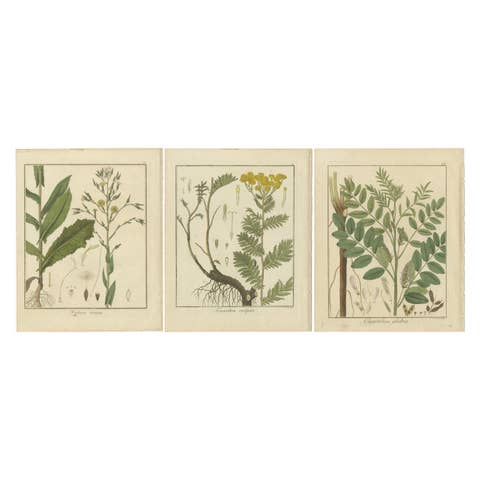
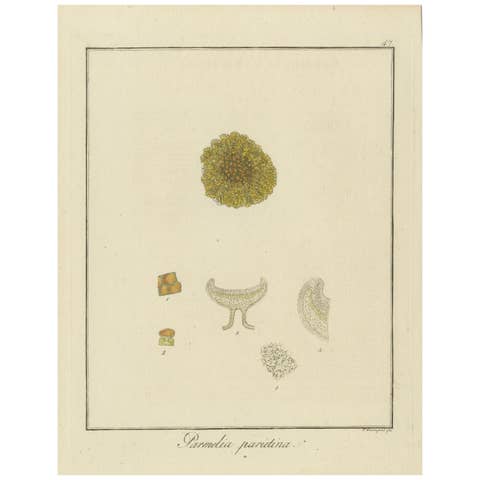
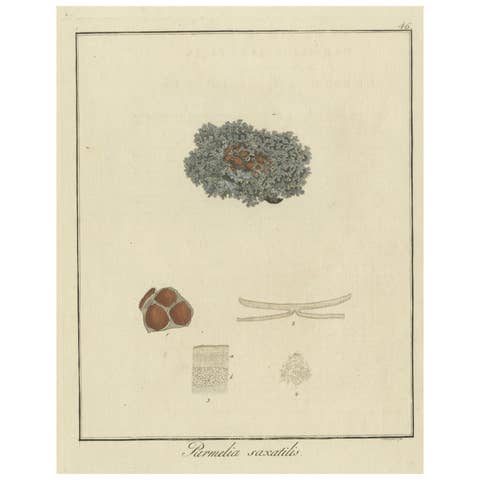
Hand-Colored Engravings that were published in the 1819 sixth edition of "Getreue Darstellung und Beschreibung der in der Arzenykunde gebrauchlichen Gewächse" by Friedrich Gottlob Hayne. This work is known for its detailed and accurate botanical illustrations of plants used in medicine during that period.
The engravings in detail:
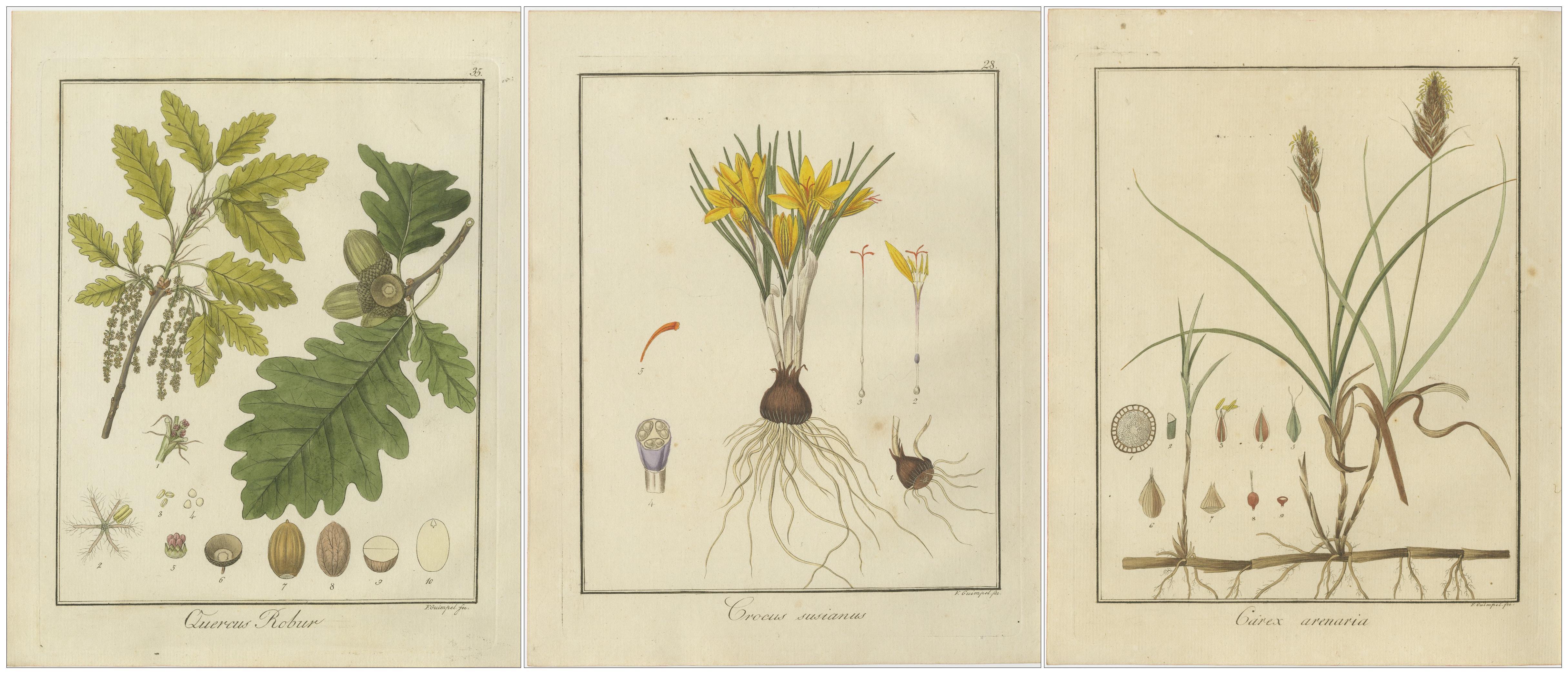
1. Quercus robur (English Oak): Similar to Quercus pedunculata, this illustration shows the oak’s leaves, acorns, and branches. The English Oak is known for its strong wood and ecological significance.
2. Crocus susianus (Cloth of Gold Crocus): This image depicts the bright yellow flowers of the Crocus, along with its corm and various parts of its reproductive structure. Crocus species are known for their vibrant flowers and, in some cases, for producing saffron.
3. Carex arenaria (Sand Sedge): The illustration shows this grass-like plant commonly found in sandy soils. The roots, stems, and seed structures are detailed, emphasizing its role in soil stabilization and its use in traditional medicine for its diuretic properties.
These three plants each have a history of use in traditional medicine and other applications. Here’s an overview of their uses:
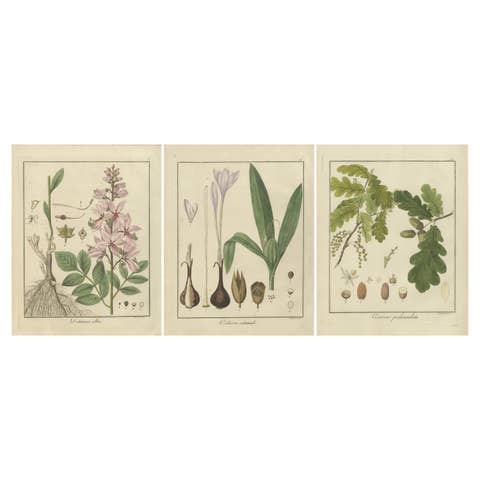
1. Dictamnus albus (Burning Bush or Gas Plant)
- Medicinal Uses: Traditionally, Dictamnus albus has been used for various medicinal purposes, such as treating skin disorders, rheumatism, and digestive issues. It has been used in herbal medicine for its supposed anti-inflammatory, diuretic, and tonic properties.
- Other Uses: The plant is known for releasing a flammable vapor in hot weather, which can be ignited without harming the plant. This characteristic has made it a subject of fascination, leading to its nickname, the "gas plant."
2. Colchicum autumnale (Autumn Crocus)
- Medicinal Uses: The primary active compound in Colchicum autumnale is colchicine, which has been historically used to treat gout due to its ability to reduce inflammation and pain. Colchicine is still used in modern medicine for the treatment of gout and familial Mediterranean fever.
- Toxicity: It's important to note that Colchicum autumnale is highly toxic if ingested improperly. The entire plant contains toxic alkaloids, and improper use can lead to severe poisoning or death.
3. Quercus pedunculata (English Oak)
- Medicinal Uses: English Oak has been used traditionally for its bark, which contains tannins. These tannins have astringent properties, and thus the bark has been used to treat diarrhea, inflammation, and wounds. The acorns, after proper processing, have also been used as a food source.
- Other Uses: Beyond medicinal applications, English Oak is highly valued for its strong and durable wood, which has been used historically in shipbuilding, construction, and furniture-making.
These plants illustrate the rich intersection of botany and medicine, showcasing how various plant species have been used for healing and practical purposes throughout history.