About this sheet
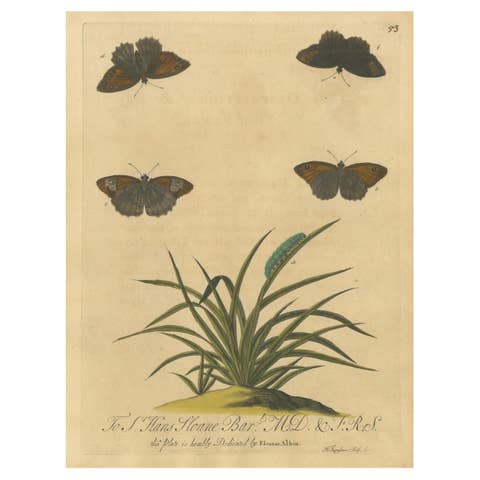
Butterfly Life Cycle on Leafy Branch – Eleazar Albin Hand-Colored Engraving, 1720
Description
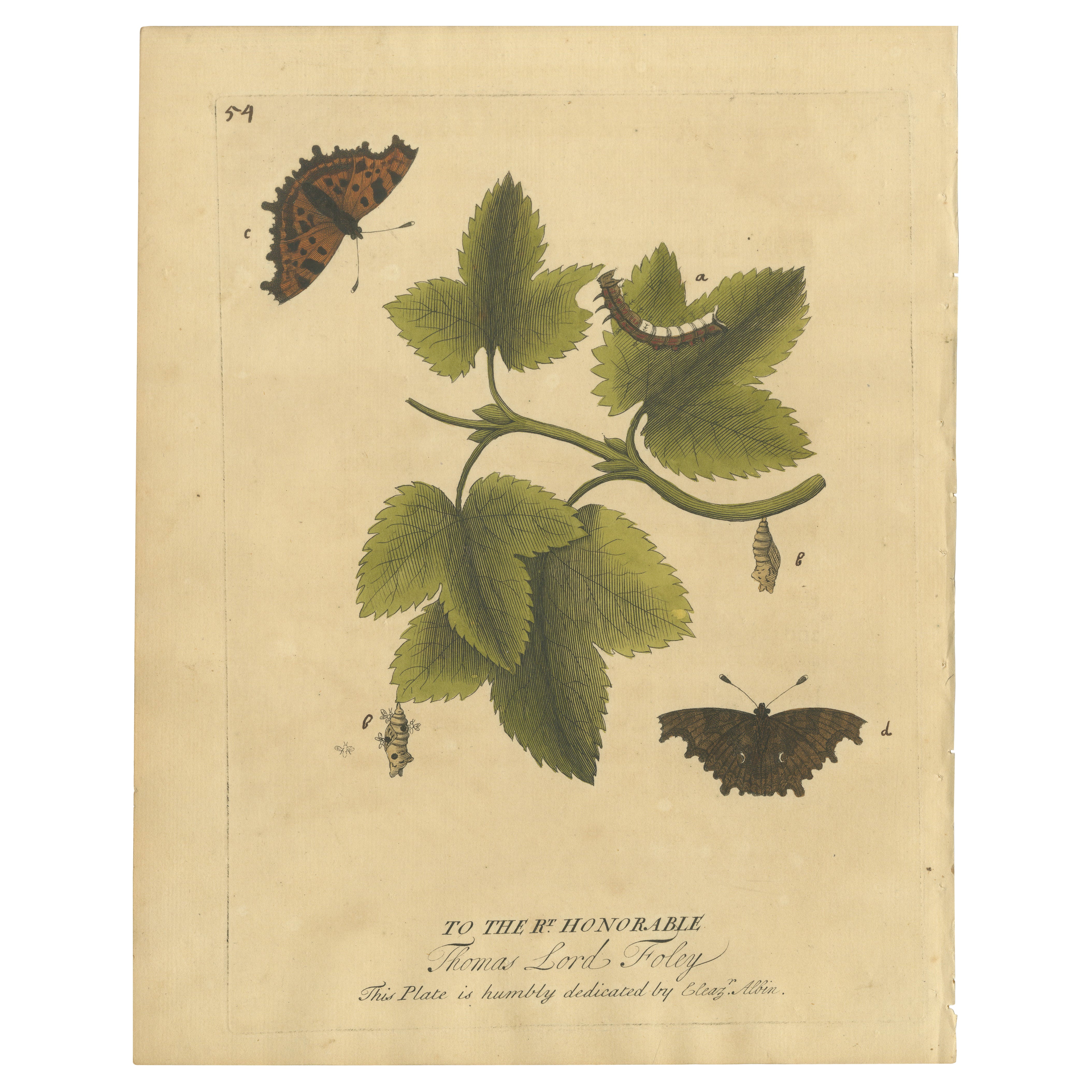
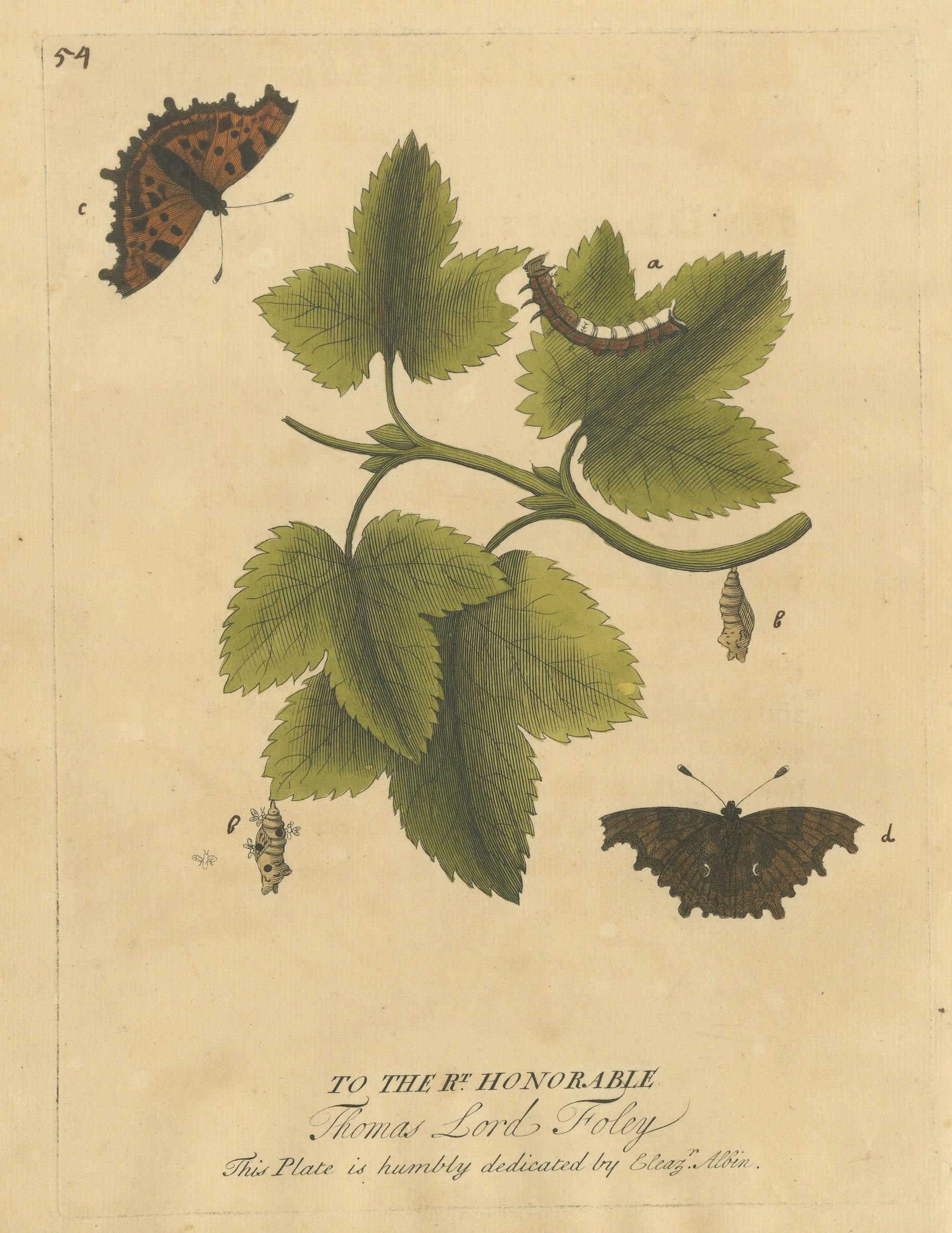
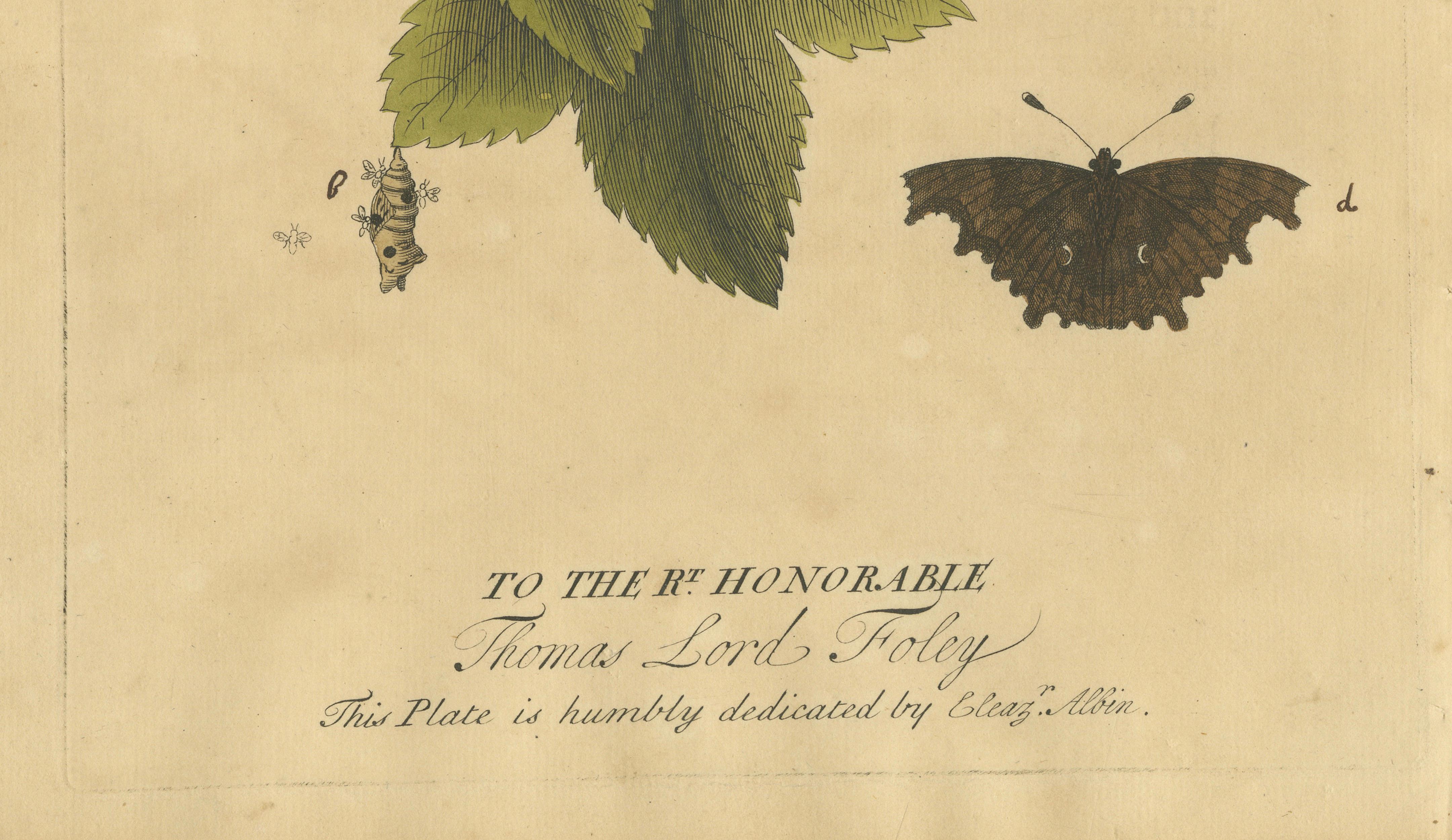
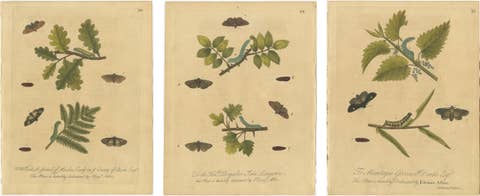
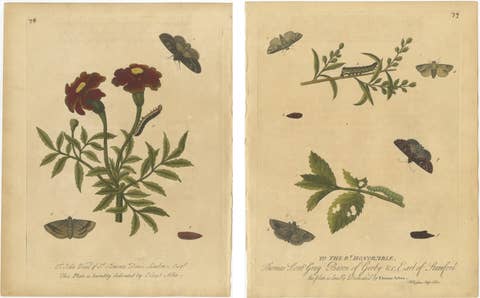
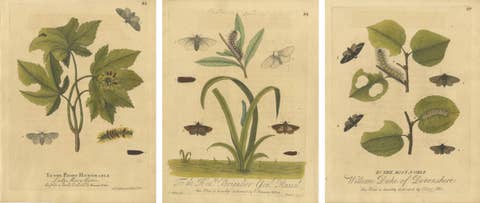
This finely hand-colored copper engraving was published in London in 1720 as part of A Natural History of English Insects, the influential natural history work by Eleazar Albin. Albin’s book is among the earliest English publications to systematically illustrate insects through their full life cycle, combining scientific observation with a refined decorative sensibility that appealed to collectors and scholars alike.
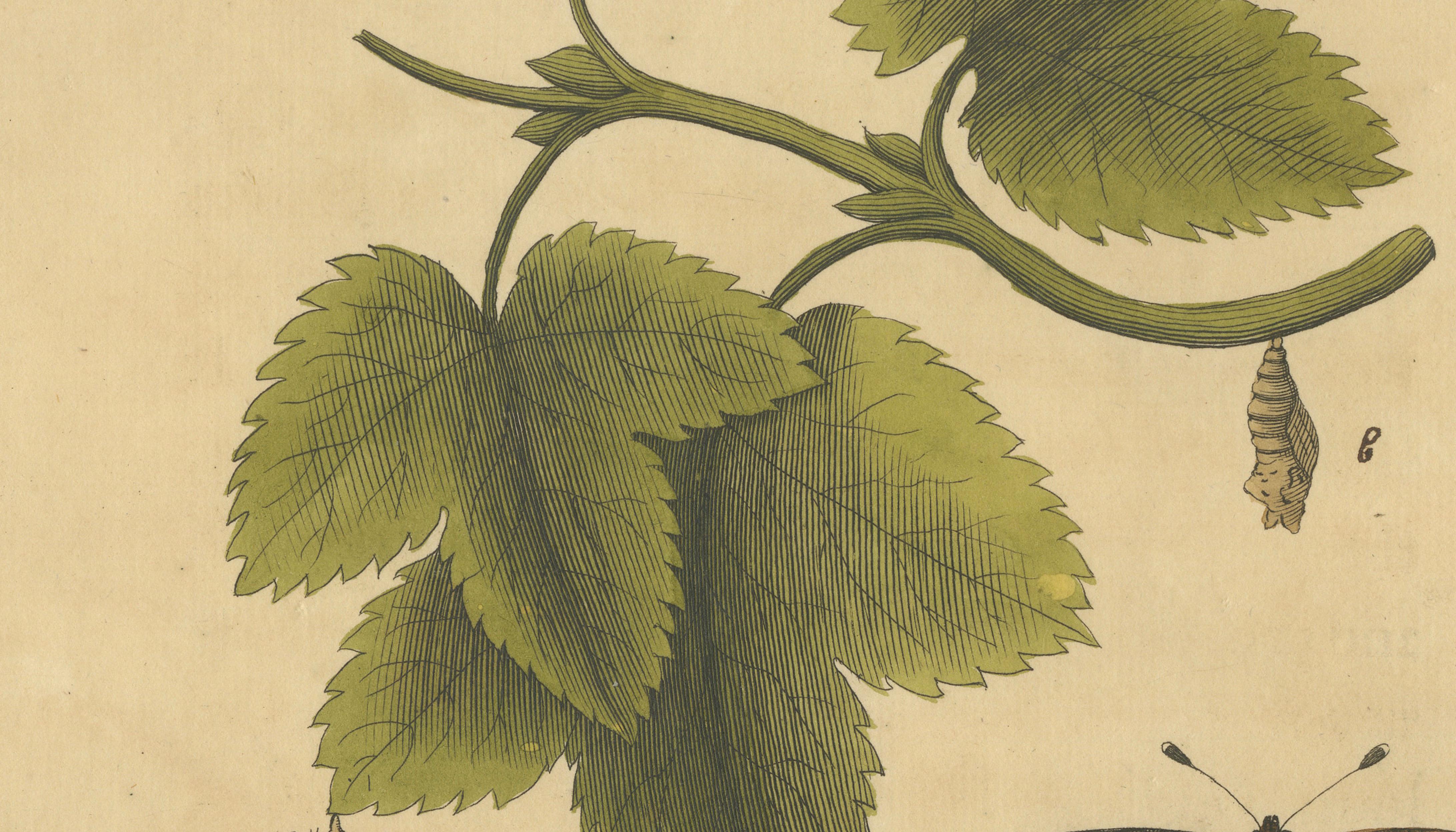
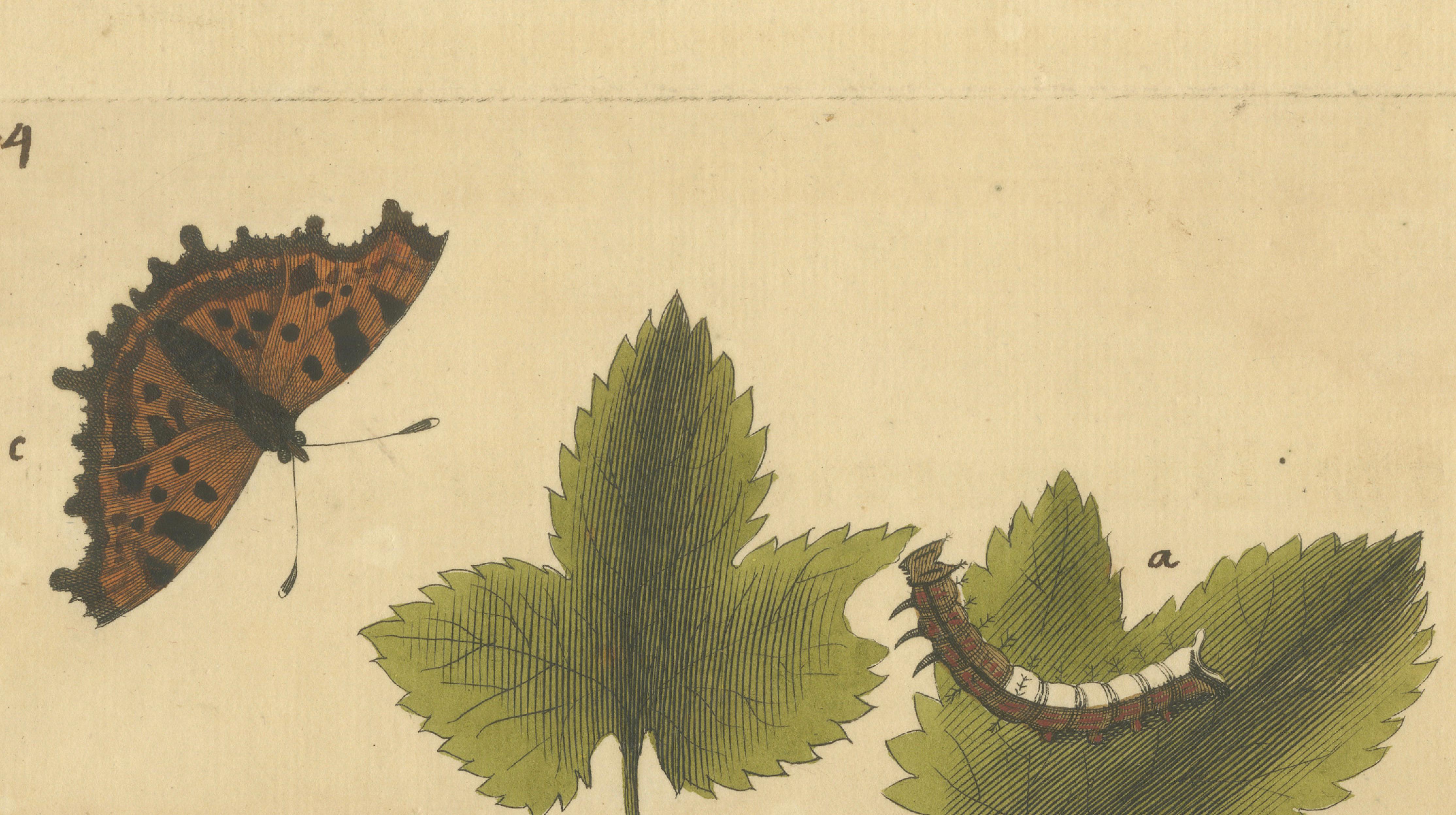
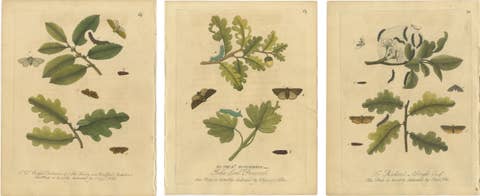
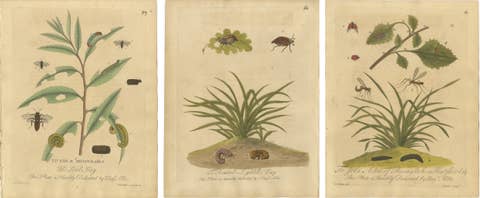
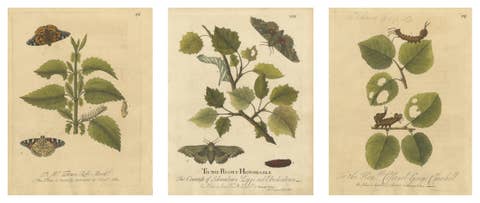
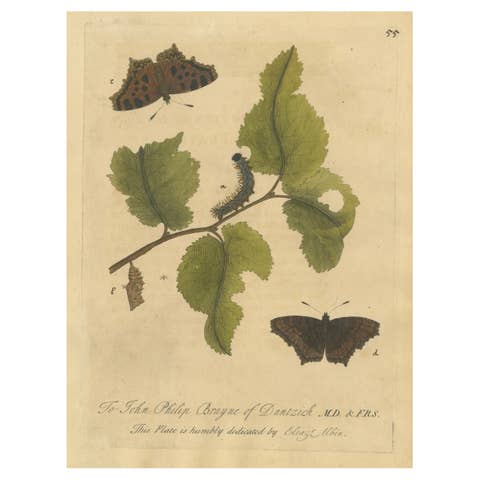
The plate illustrates a butterfly shown at successive stages of development, including caterpillar, chrysalis, and adult, arranged around a leafy branch that serves as the host plant. The composition is carefully balanced: the broad leaves provide a strong visual anchor, while the insects are placed to emphasize transformation and variation in form. Albin’s approach reflects early Enlightenment natural history practice, where accurate depiction and visual clarity were paramount.
At the bottom of the sheet is the engraved dedication: “To the Rt. Honorable Thomas Lord Foley, This Plate is humbly dedicated by Eleaz.r Albin.” Thomas Lord Foley was a prominent British landowner and political figure, and his inclusion as a dedicatee reflects the patronage networks that supported scientific publishing in early 18th-century Britain. Plates bearing named dedications are particularly desirable, as they situate the work within its original social and historical context.
The engraving is executed with fine, confident line work and enhanced with original hand coloring in natural greens and warm brown tones. The restrained palette and elegant layout give the print both scientific authority and decorative appeal, making it suitable for collectors of early entomology as well as for refined interior display.
Condition report:
Good condition for an early 18th-century engraving. Light overall age toning, with minor spotting and gentle handling wear at the margins. Plate mark visible. Original hand coloring remains clear and well preserved.
Framing tips:
A wide ivory or soft cream mat will highlight the engraved surface and allow the dedication line to remain fully visible. A dark walnut, ebonized, or antique gilt frame complements the warm tones of the paper and the botanical greens, creating a timeless presentation suitable for both classic and contemporary interiors.
Technique: Copper engraving with original hand coloring
Maker: Eleazar Albin, London, 1720