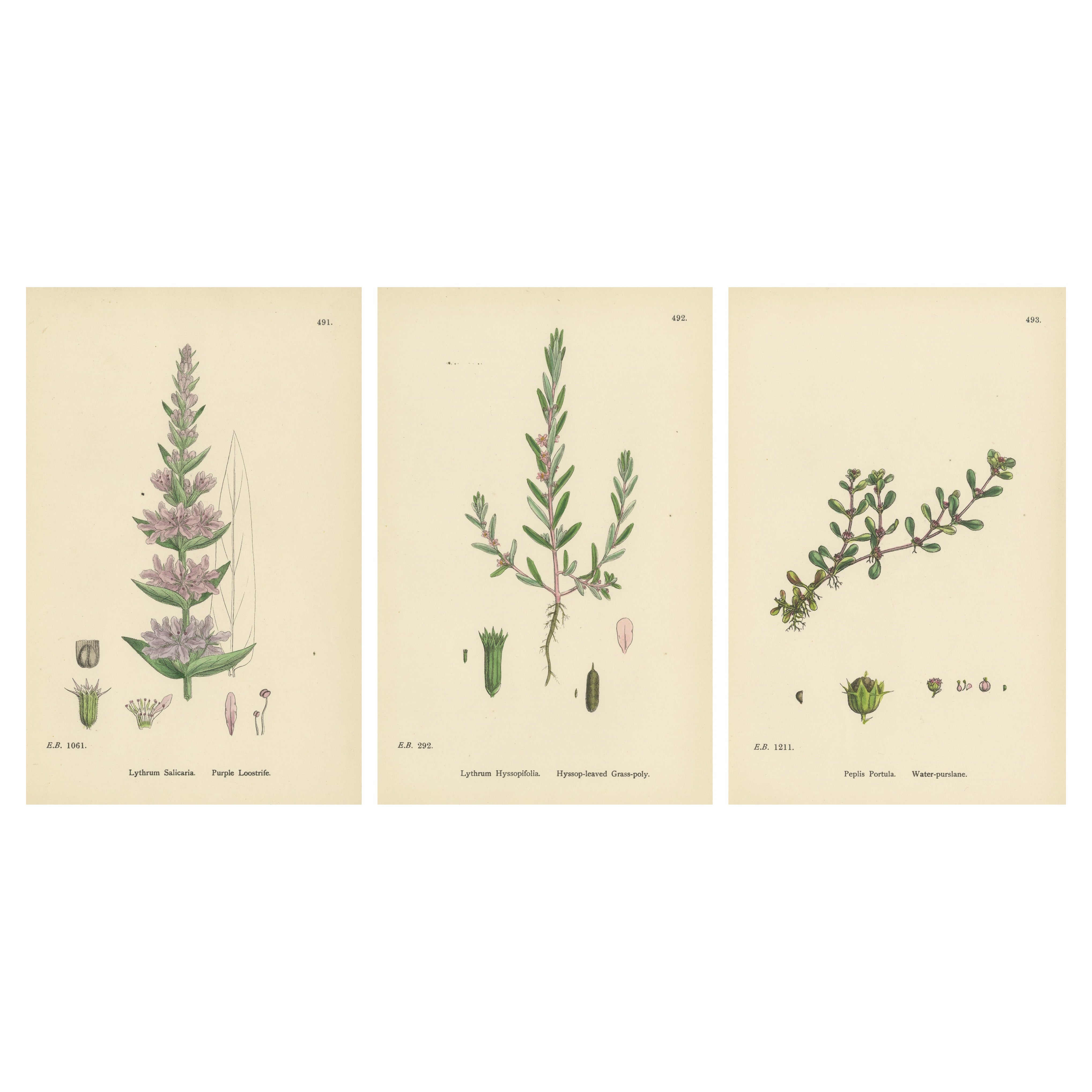
Botanical Engravings of Purple Loosestrife, Grass-Poly and Water-Purselane, 1902
€ 340
One of a kind: this is the sheet in the photographs. Ships from Langweer, the Netherlands.
Date
1902
Sheet size
26 × 17 cm (10.2 × 6.7 in)
Condition
Good
Reference
BG-13347-1, -2, -3
Condition
Condition report: Very good for age. Minor toning and light spotting consistent with age. Strong plate impressions visible throughout, with plate marks intact and ample margins preserved.
About this sheet
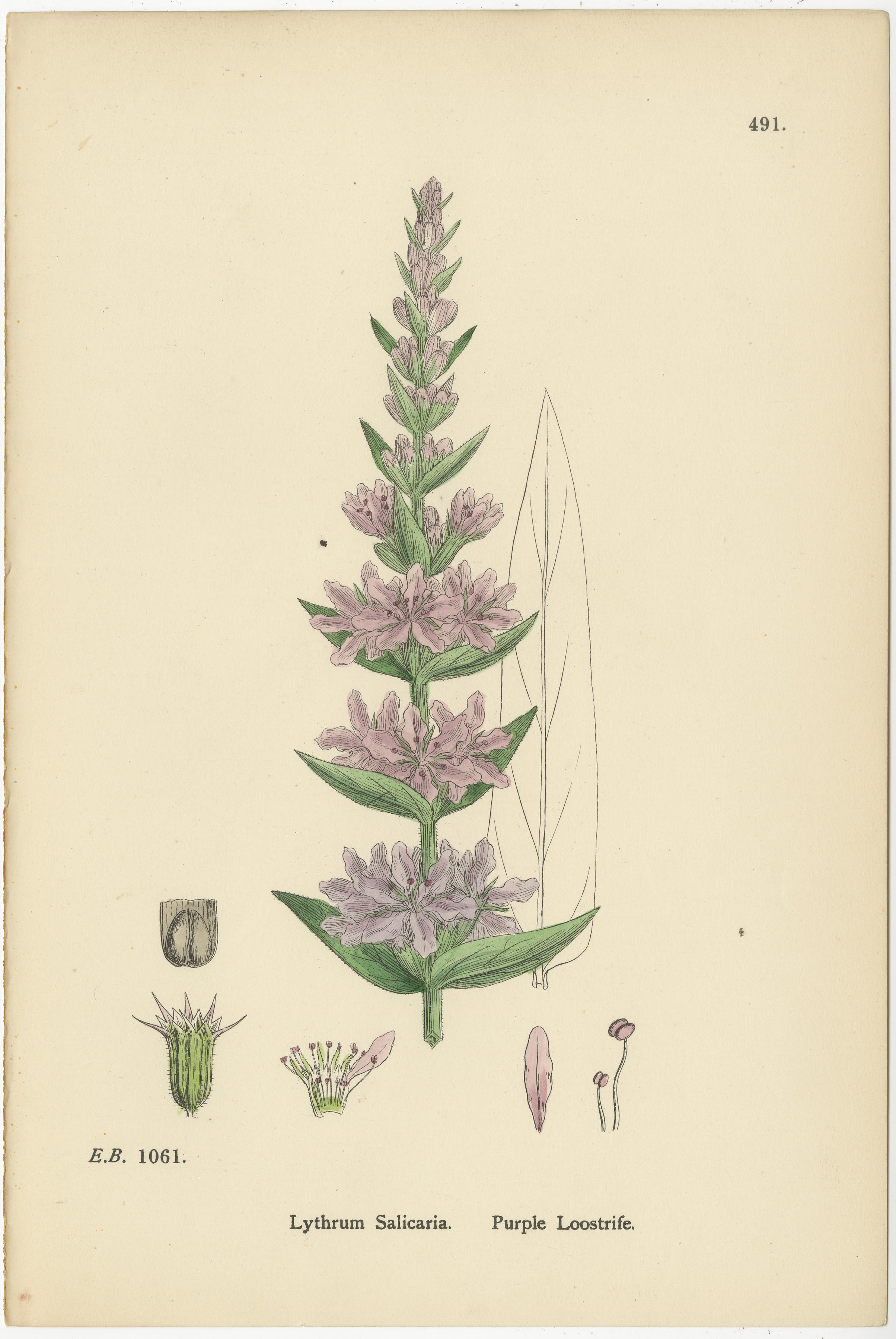
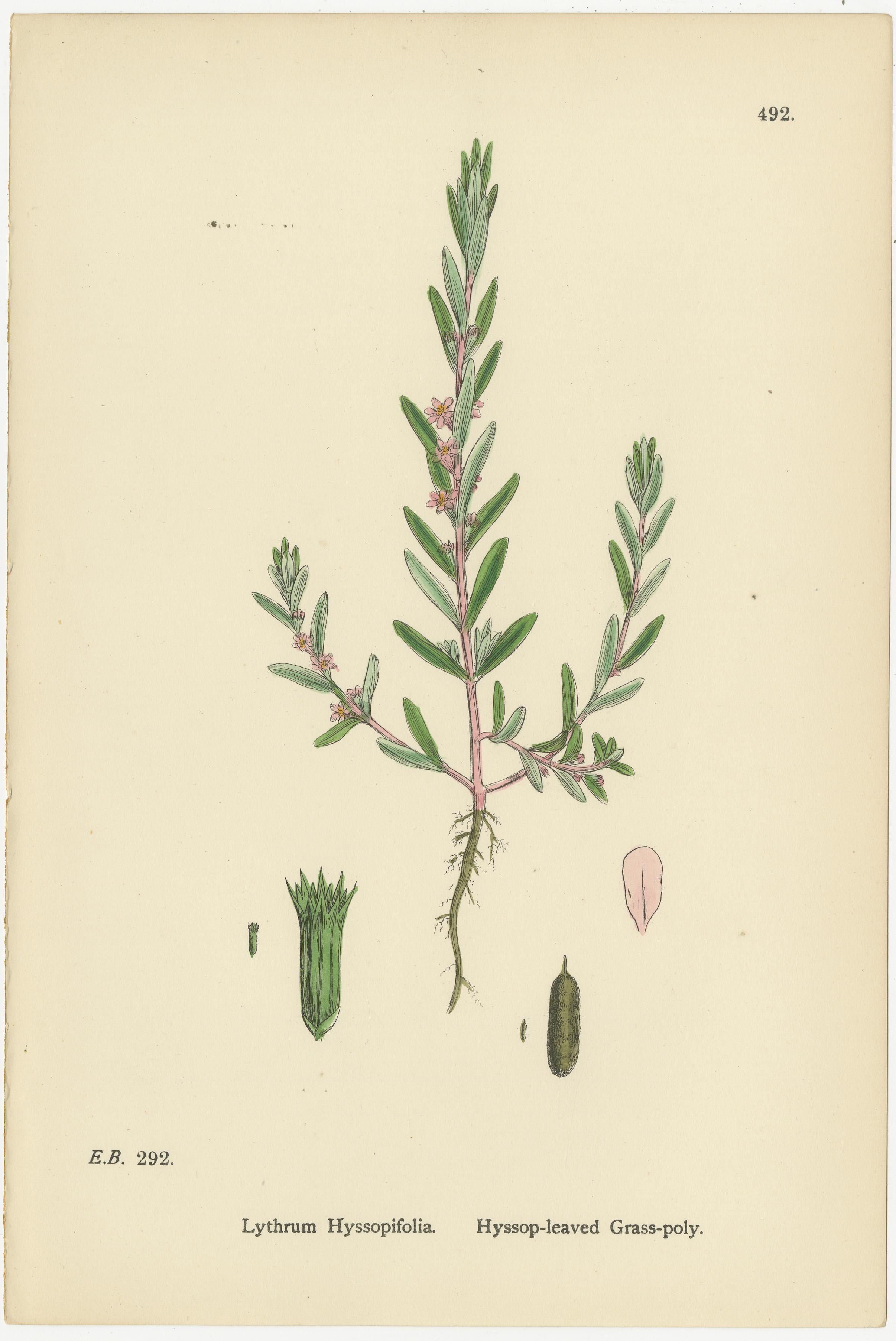
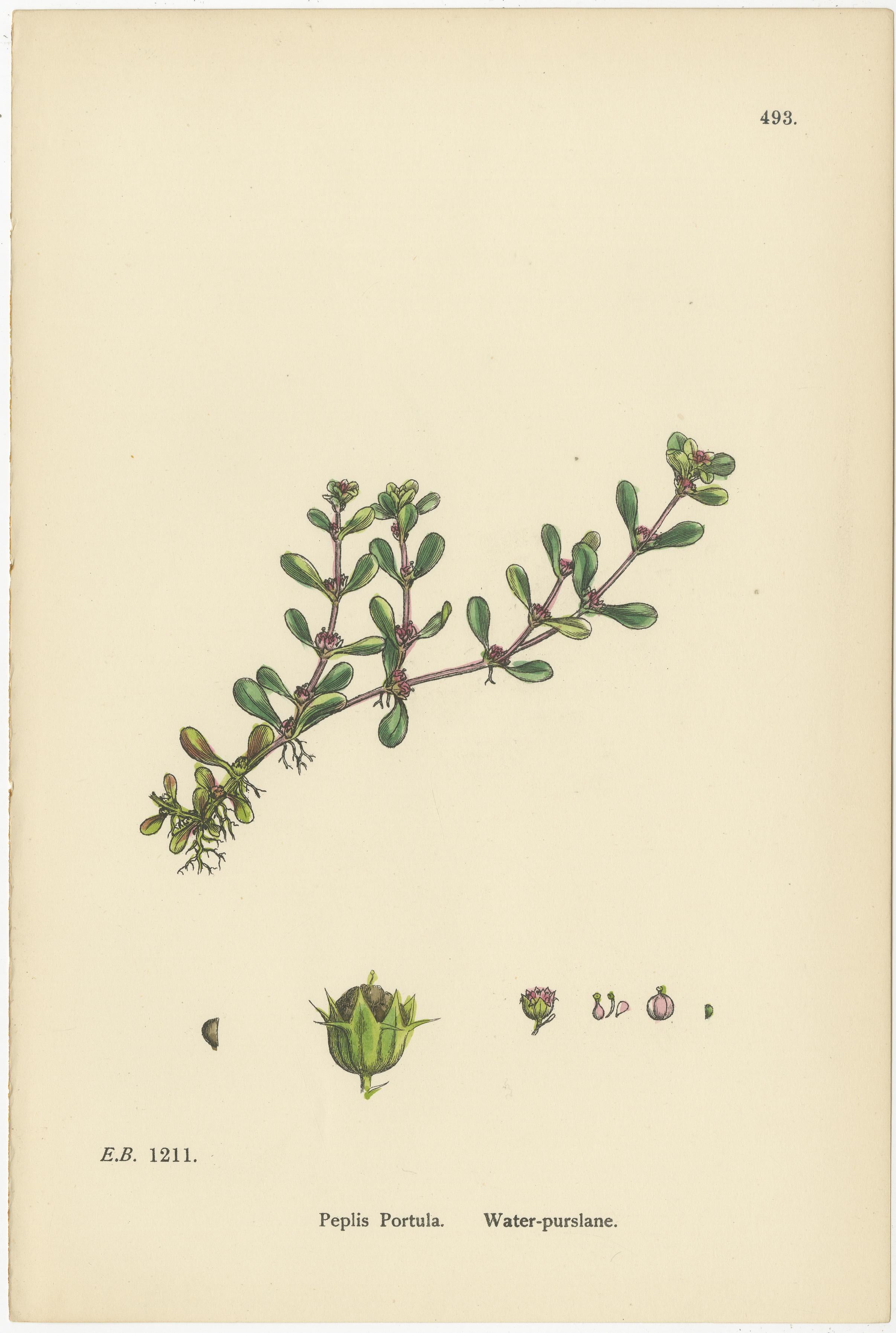
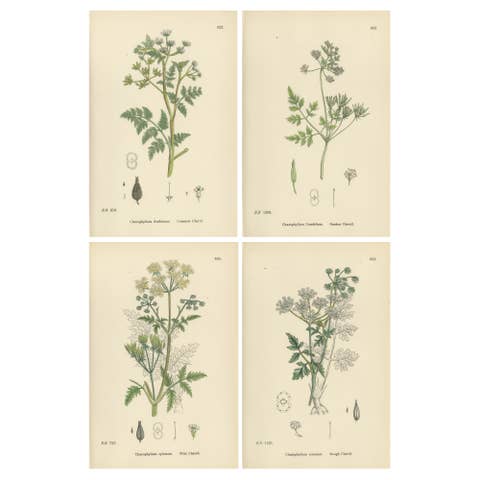
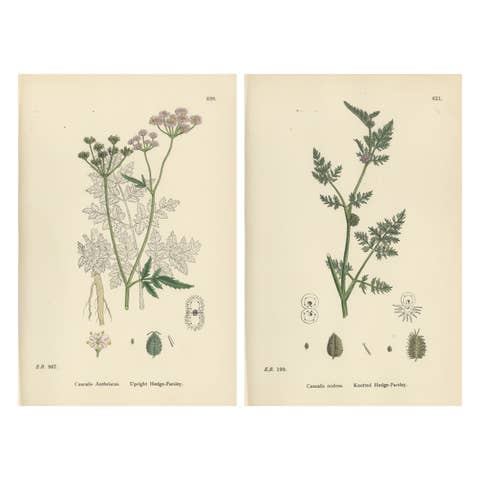
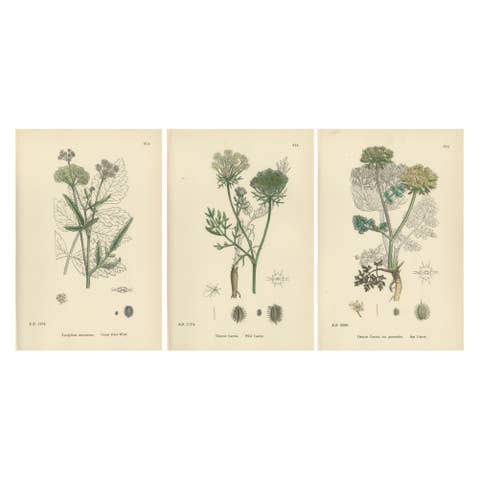
Hand-Colored Botanical Engravings of Purple Loosestrife, Grass-Poly, and Water-Purslane, 1902 This beautiful set of three antique botanical engravings, dating from 1902, presents a harmonious study of British wetland flora. The plates depict the Purple Loosestrife (Lythrum Salicaria), Hyssop-leaved Grass-poly (Lythrum Hyssopifolia), and Water-purslane (Peplis Portula). Each plant is rendered with exquisite hand coloring and scientific accuracy, capturing the natural grace and structure of these species as found along rivers, ponds, and marshy meadows.
The Purple Loosestrife, with its tall violet flower spikes and lance-shaped leaves, stands as a symbol of midsummer in the English countryside. It is flanked by the more delicate Hyssop-leaved Grass-poly, whose narrow foliage and small pink blooms reflect a refined simplicity. Completing the trio is the low-growing Water-purslane, a creeping aquatic plant shown with its rounded leaves and small, intricate flowers, accompanied by detailed dissections below. Together, these compositions illustrate both the variety and unity within Britain’s native aquatic flora.
Printed on fine cream wove paper, these engravings retain their subtle hand-applied color and crisp outlines. The balance between art and science exemplifies the naturalist tradition of early 20th-century English botany. Each plate is numbered and titled in Latin and English, with delicate engraved lines revealing the botanical precision characteristic of the period.
Condition report: Very good for age. Minor toning and light spotting consistent with age. Strong plate impressions visible throughout, with plate marks intact and ample margins preserved.
Framing tips: For a refined presentation, these three works may be displayed together in matching frames with soft ivory or pale green mounts. A narrow gold or dark wood frame enhances the botanical coloring, while spacing them in one horizontal line creates an elegant triptych effect ideal for a study, garden room, or natural history interior.
Technique: Hand-colored engraving Maker: British, published London, 1902