About this sheet
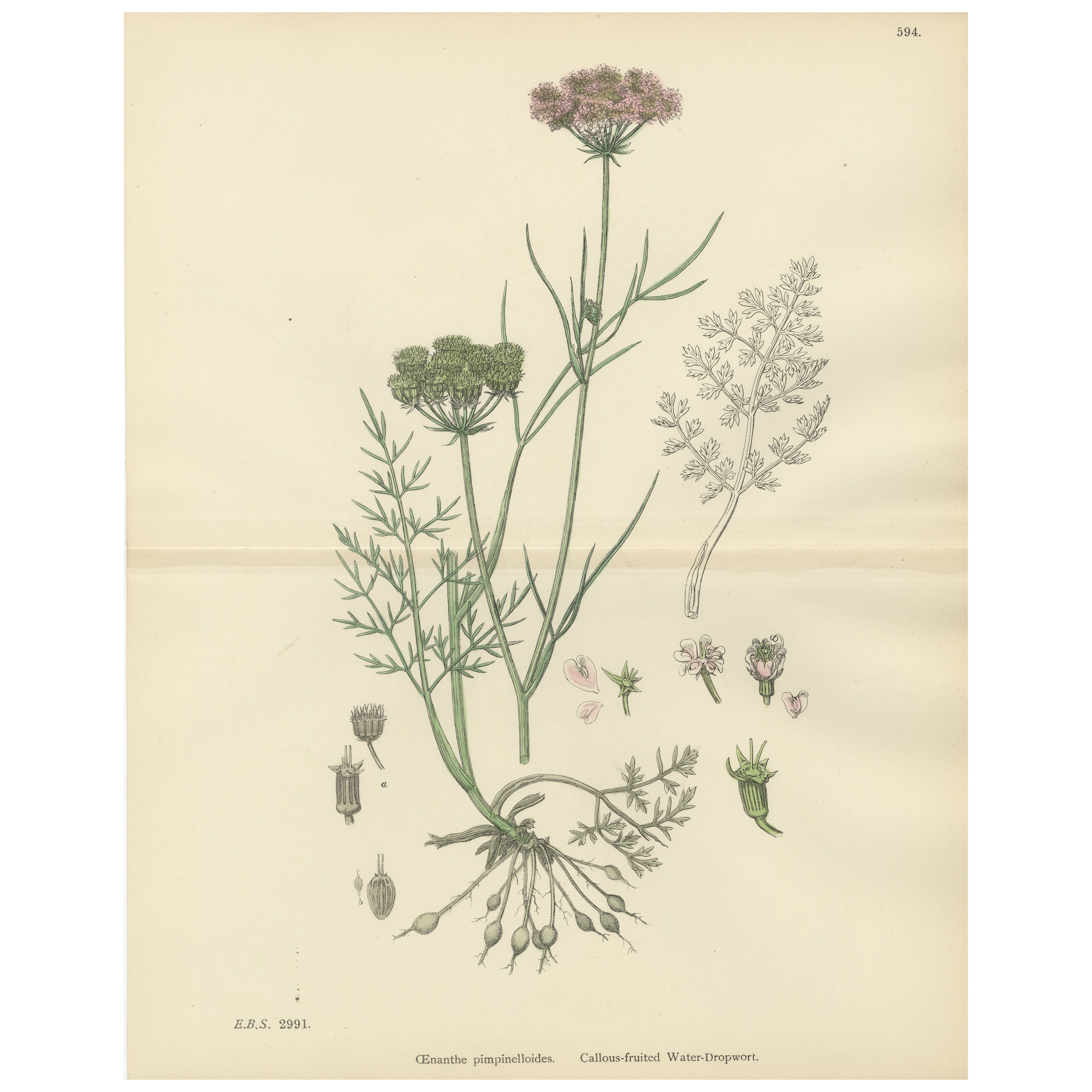
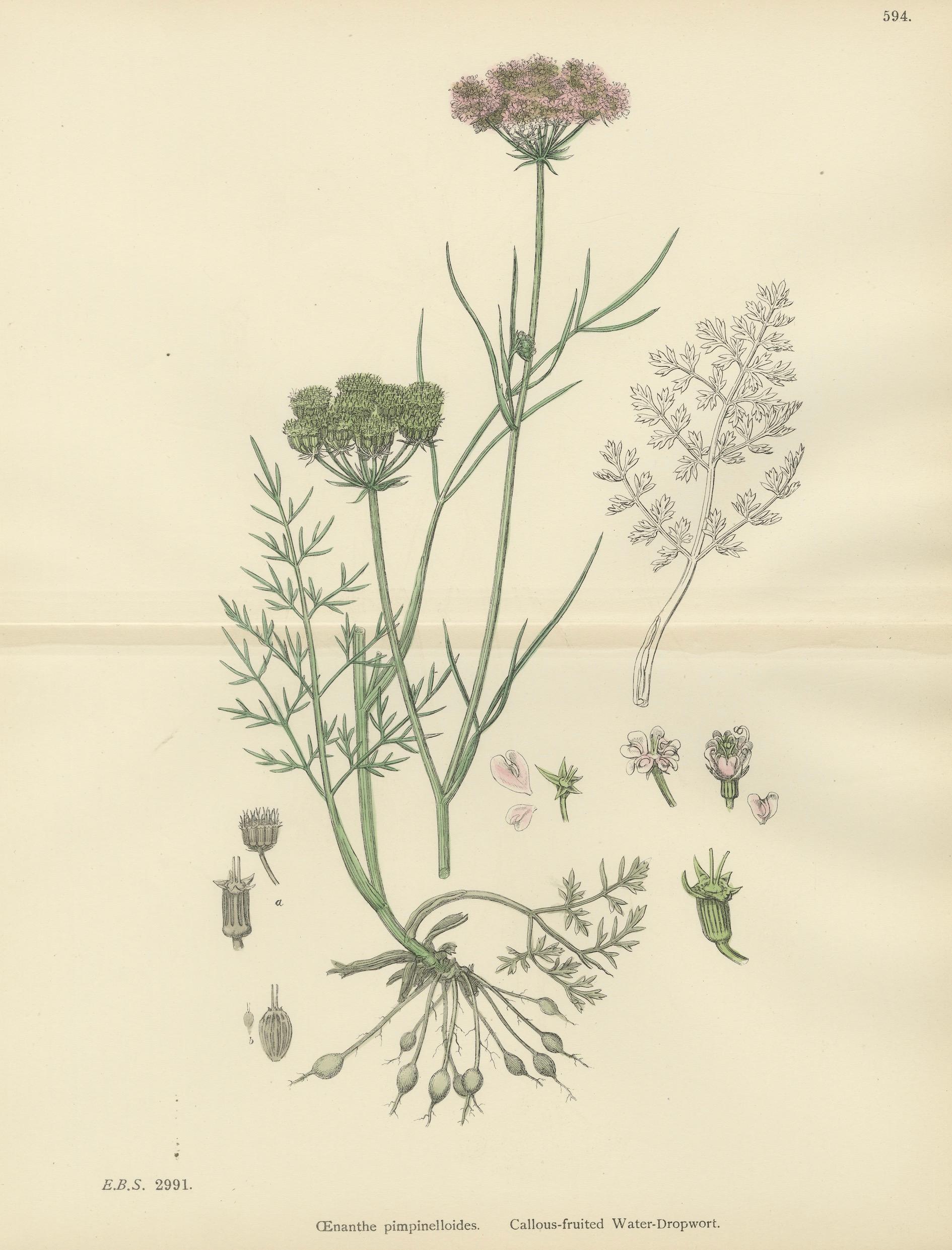
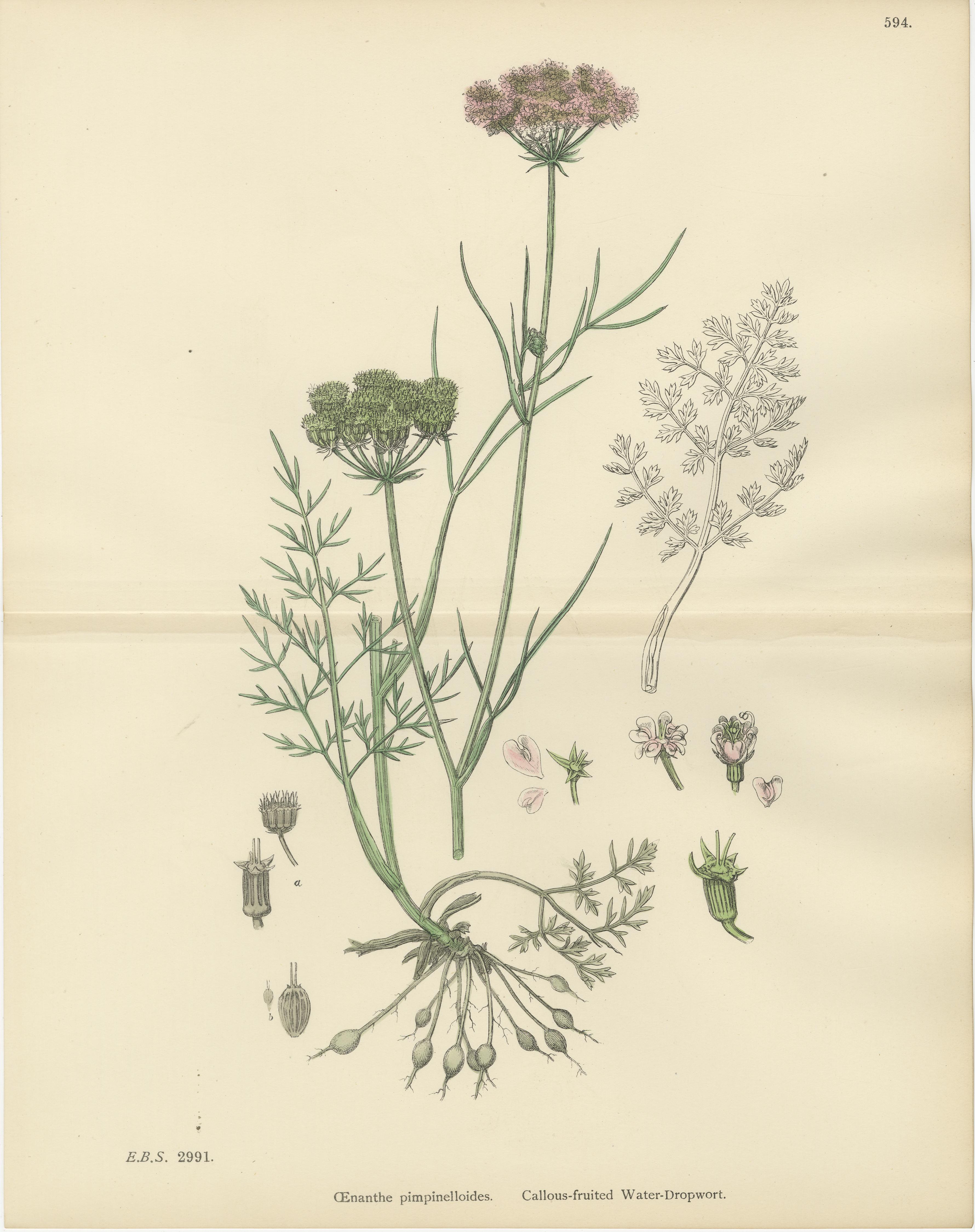
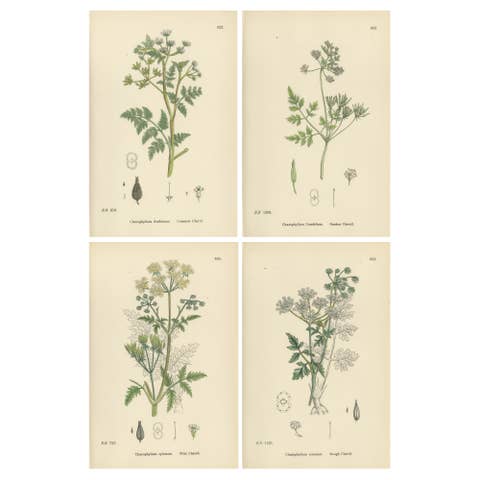
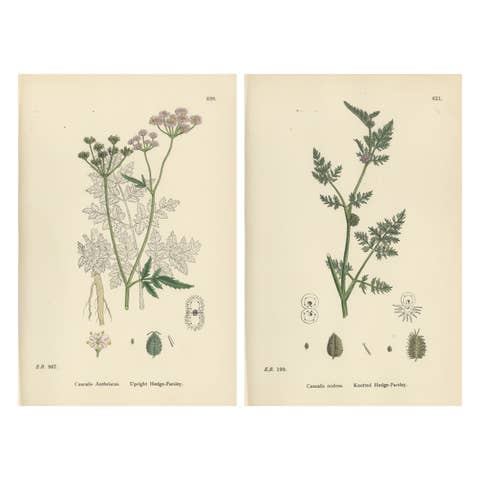
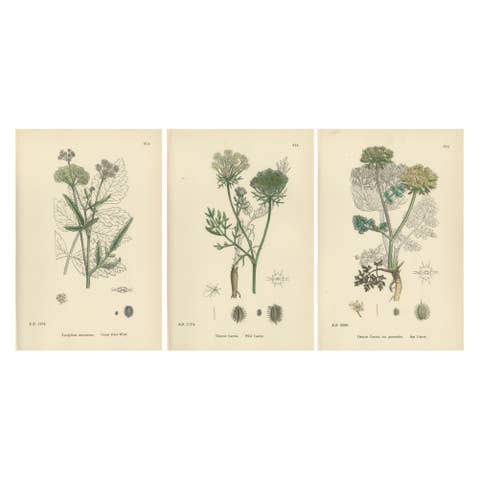
This original hand-colored botanical engraving depicts Callous-fruited Water-dropwort, scientifically known as Oenanthe pimpinelloides, a distinctive wetland plant native to Britain. The print comes from English Botany; or, Coloured Figures of British Plants, Third Edition, edited by John T. Boswell Syme and published in London by George Bell & Sons in 1902. The illustration is based on the celebrated work of James Sowerby and J.E. Sowerby, whose botanical plates are renowned for their clarity, precision, and enduring decorative appeal.
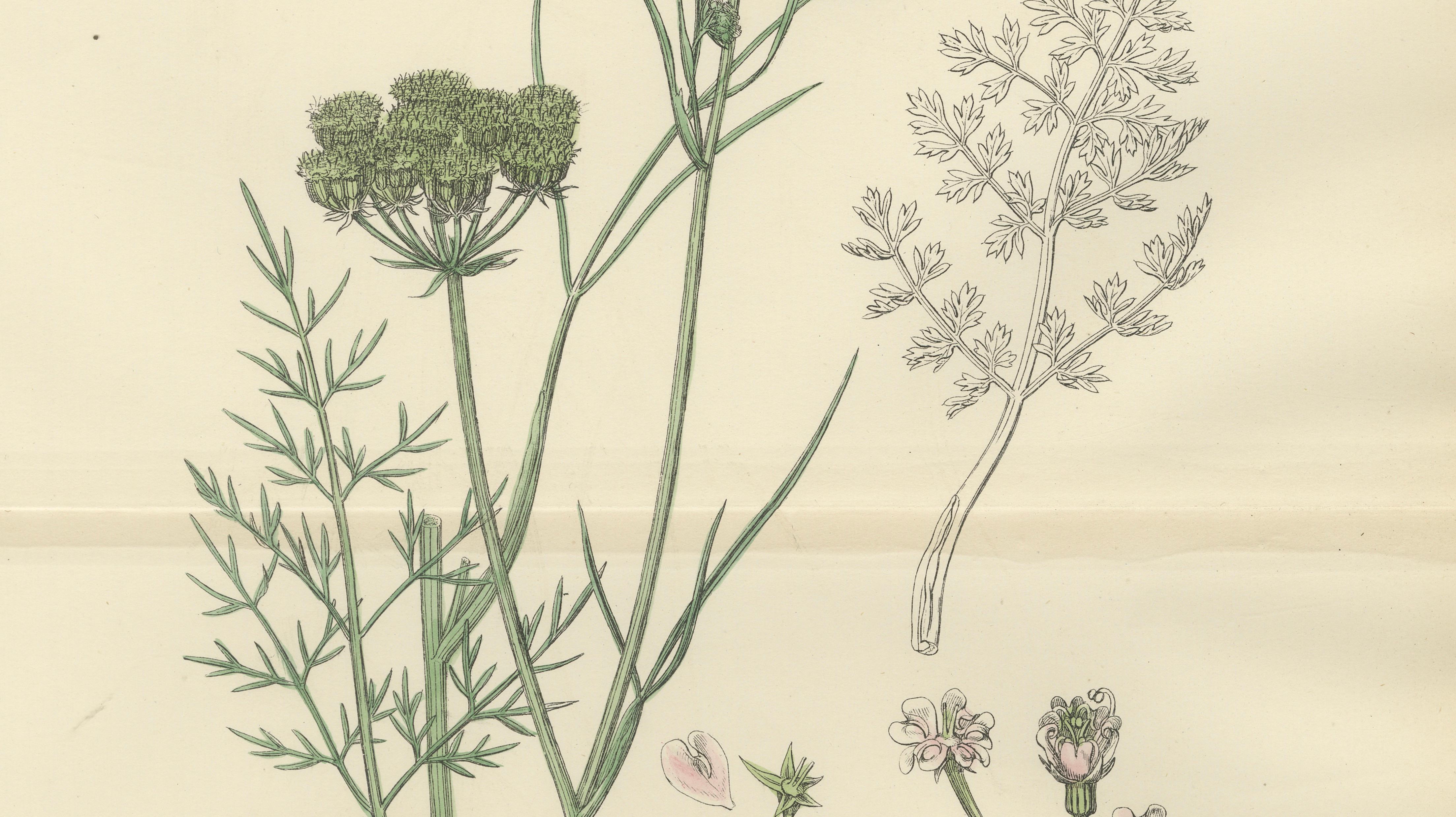
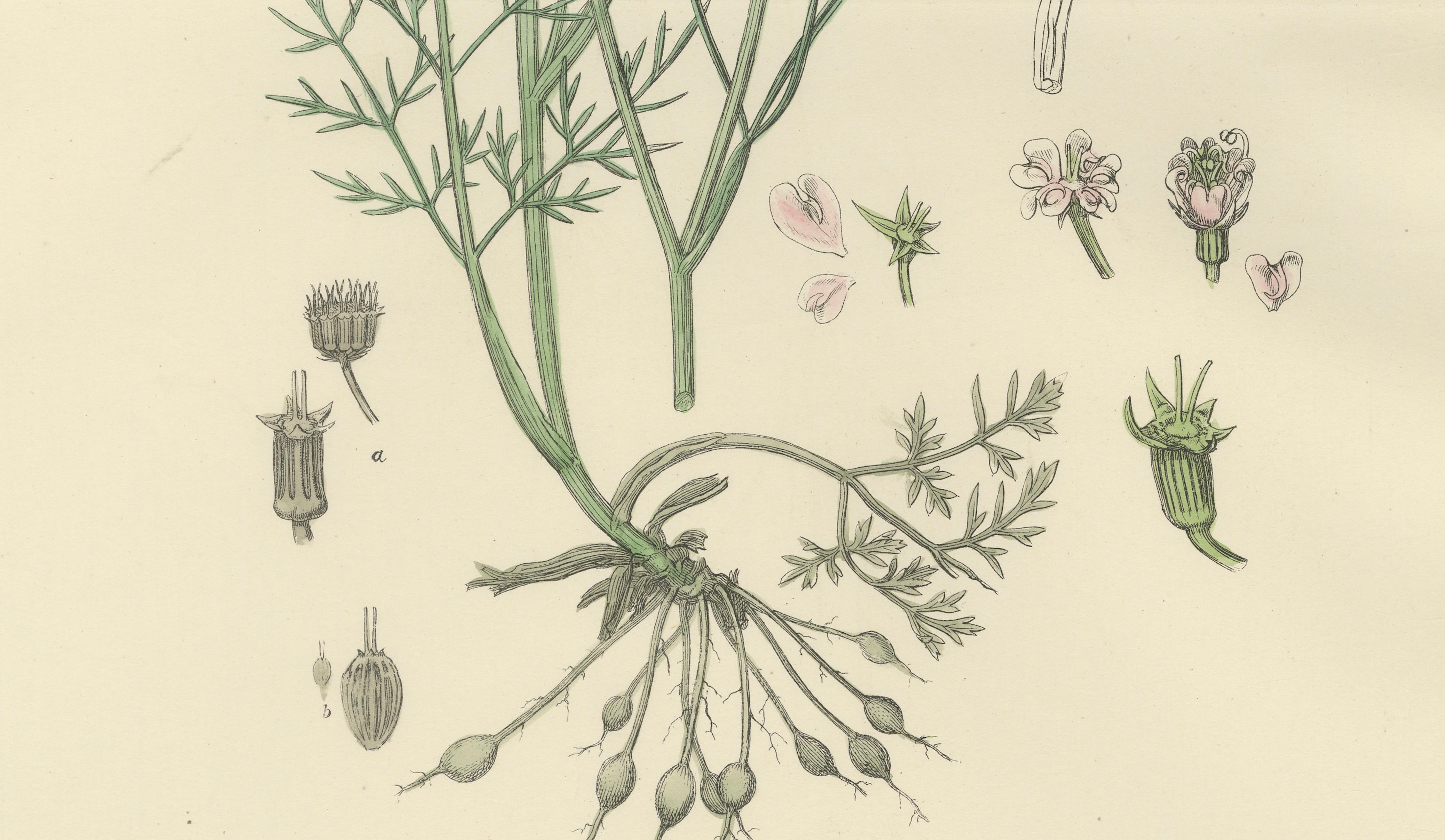
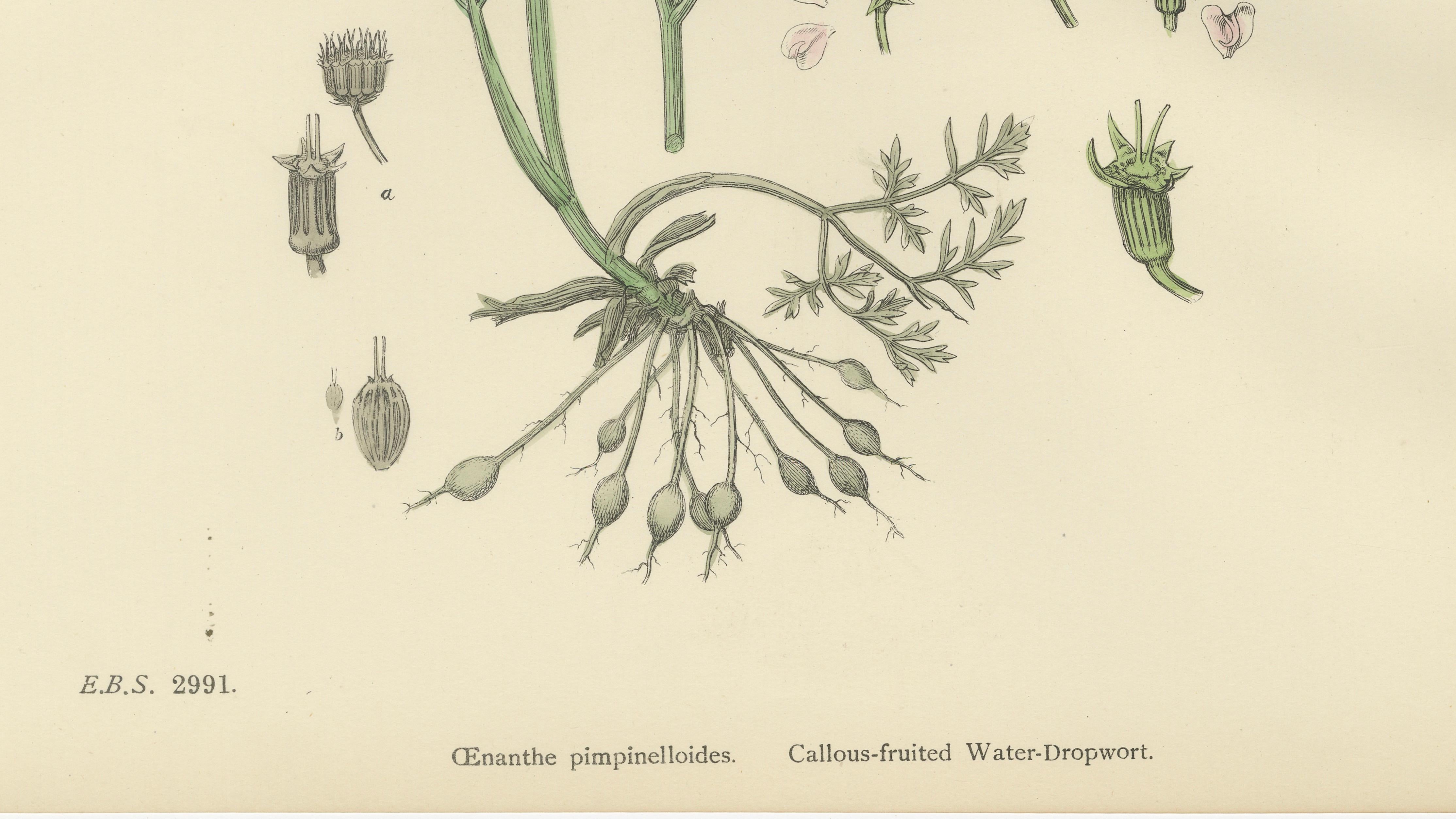
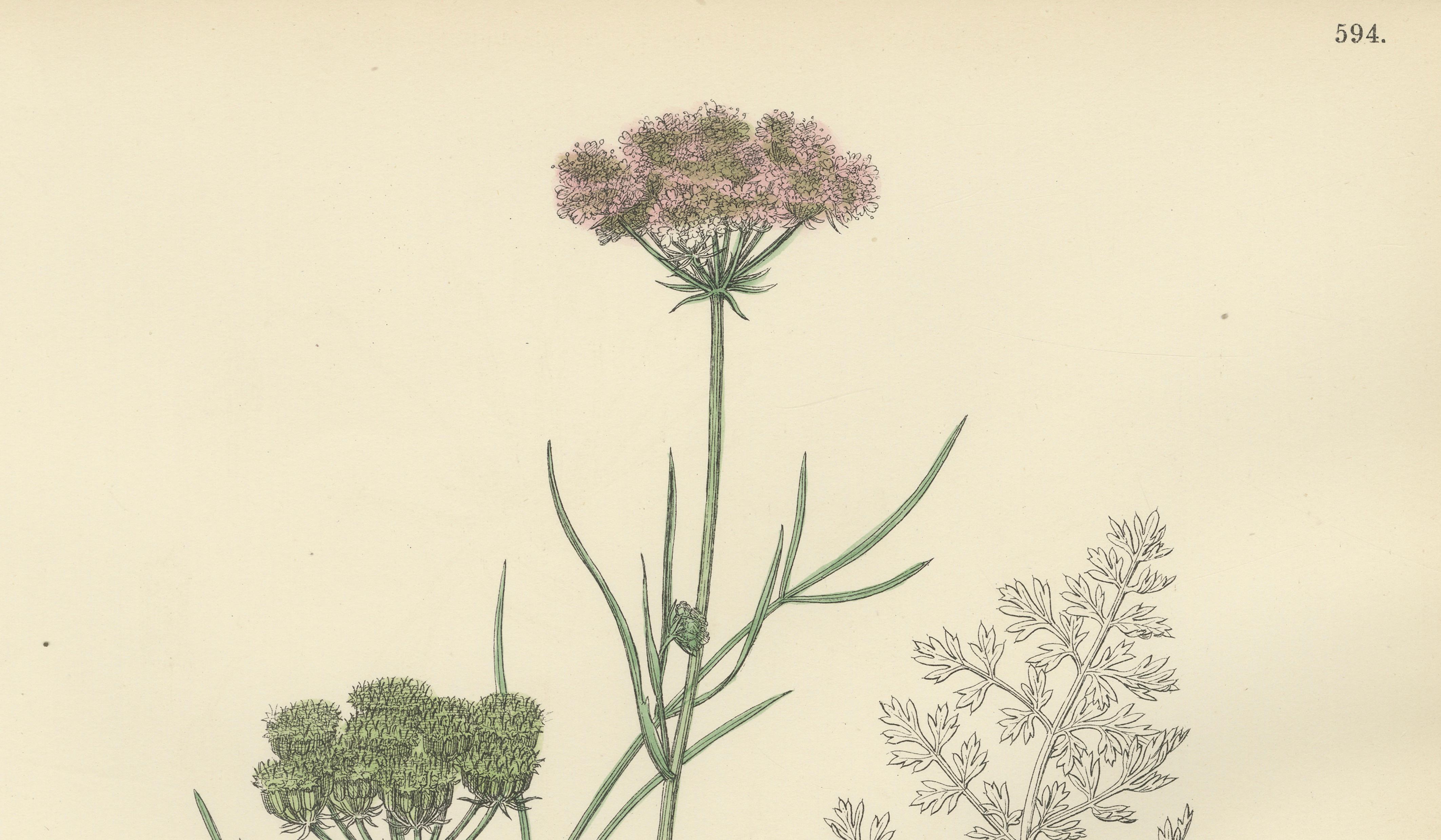
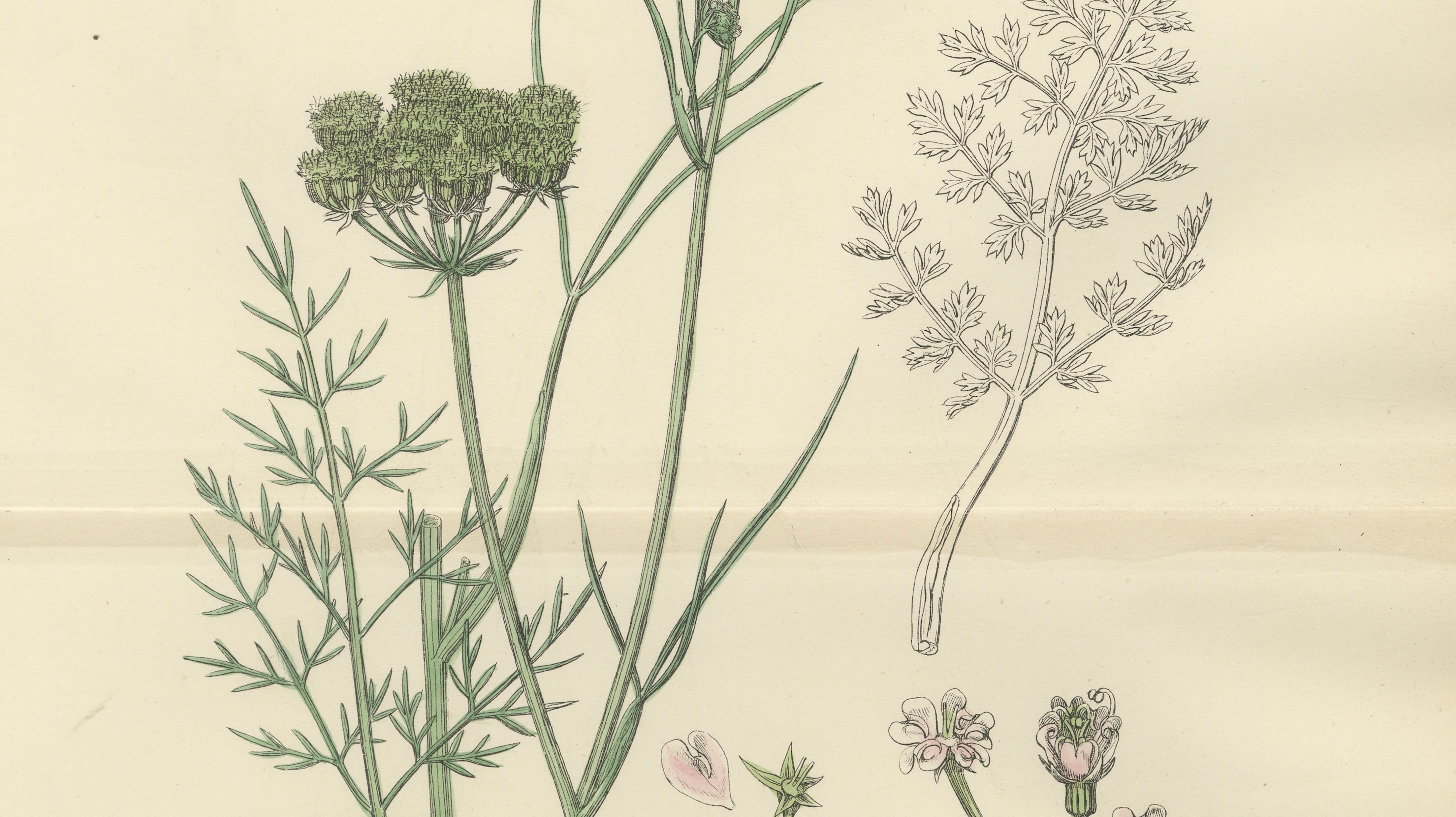
Callous-fruited Water-dropwort is a graceful umbellifer, shown here with its slender stems, finely divided leaves, and soft pinkish flower heads arranged in delicate umbels. The plant is closely related to other species commonly known as Water-dropworts and Water-parsnips, plants historically associated with damp meadows, marshes, and riverbanks. The illustration includes detailed studies of the flowers, fruits, and characteristic swollen root tubers, once noted by botanists as a key identifying feature of this species.
The composition balances scientific detail with a calm, airy aesthetic. The restrained palette of greens and muted pinks, combined with generous margins, makes this print particularly suitable for interior decoration. It works beautifully as a standalone piece or as part of a curated botanical wall, fitting effortlessly into classic, country-house, or contemporary interiors seeking a refined natural-history accent.
This print appeals equally to collectors of antique botany, lovers of British wildflowers, and interior designers looking for authentic, timeless wall art with subtle botanical elegance.
Keywords: antique botanical print, English botany, Water-dropwort, Oenanthe pimpinelloides, British wildflowers, Sowerby botanical, hand-colored engraving, botanical wall art, classic interior art.
Condition report:
Very good antique condition. Light, even age toning consistent with early 20th-century paper. A faint horizontal fold as issued. Minor scattered specks may be present. Colors remain clear and fresh.
Tips for framing:
Frame in light oak, walnut, or a slim black frame. Use an off-white or soft ivory mat to highlight the fine line work and preserve a clean, elegant botanical presentation.