About this sheet
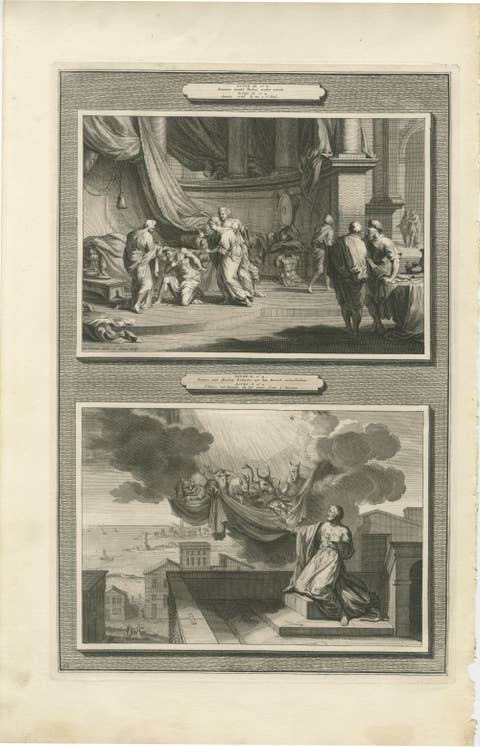
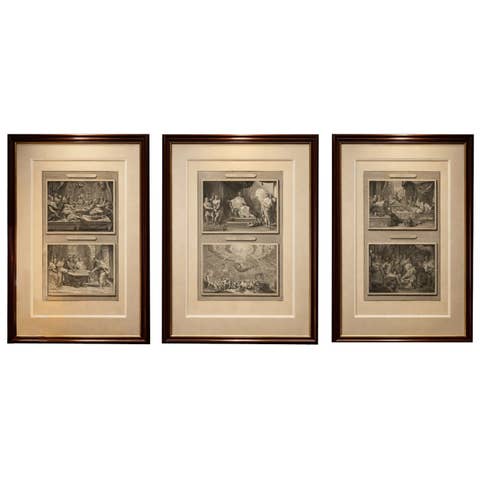
Christ Healing the Blind Man and the Possessed Mute, Pieter Mortier, ca. 1700
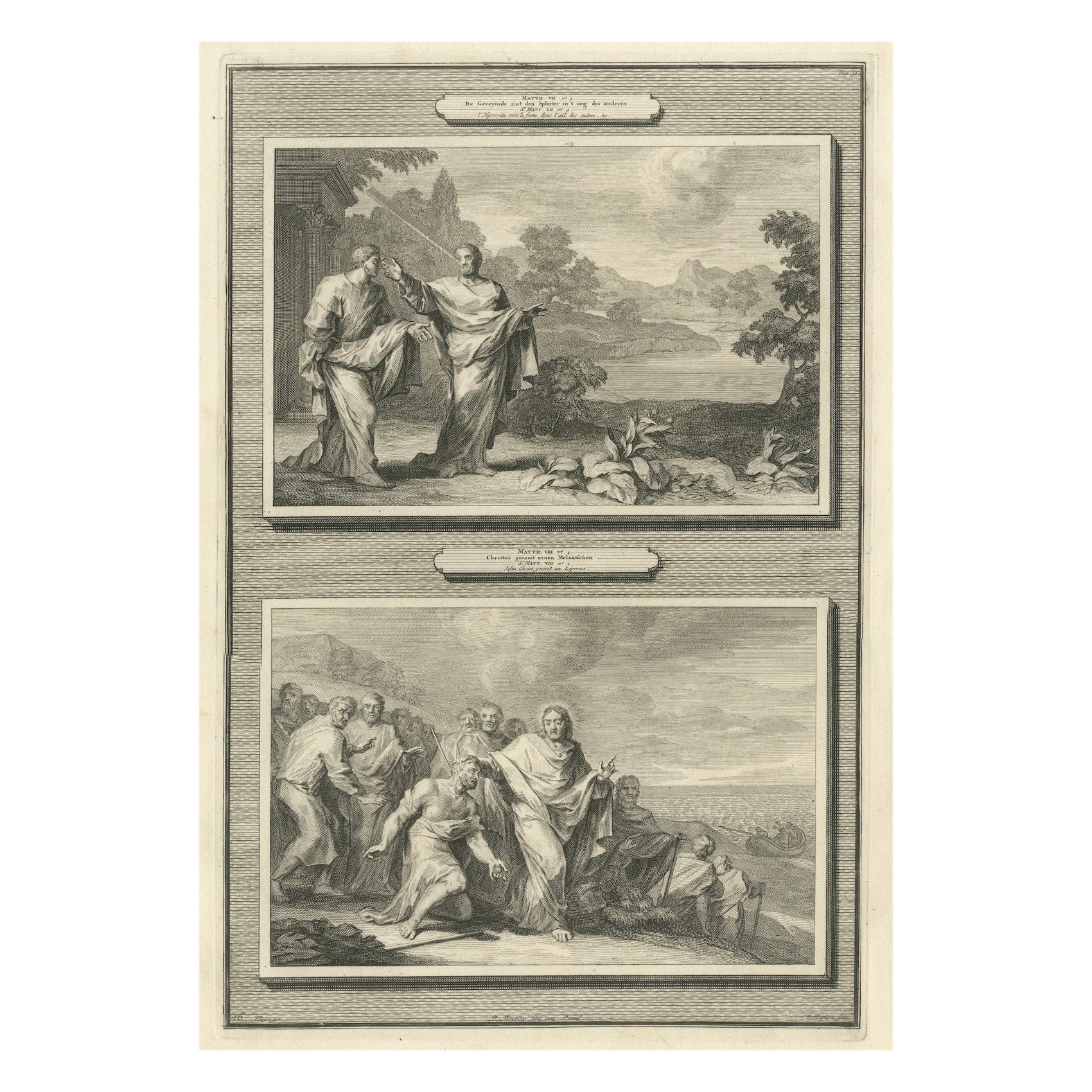
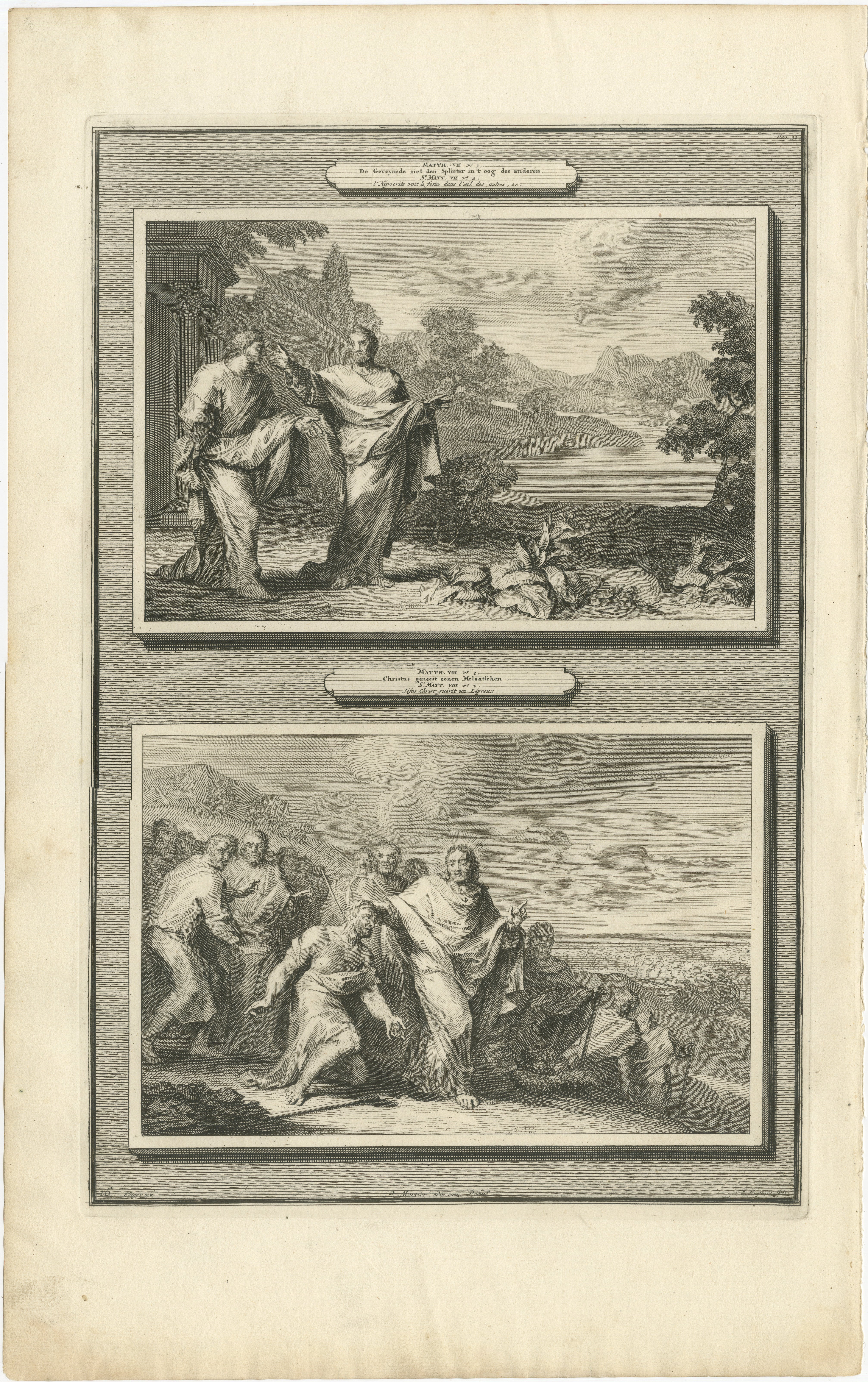
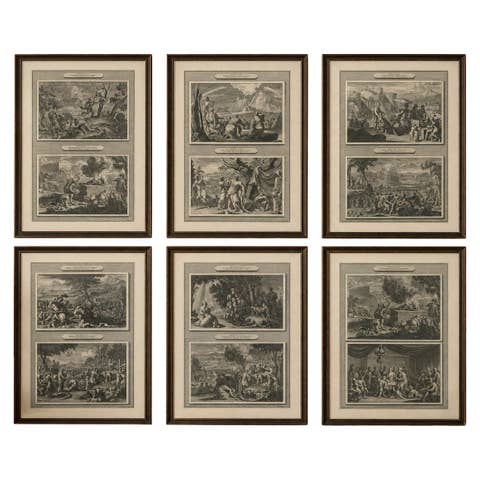
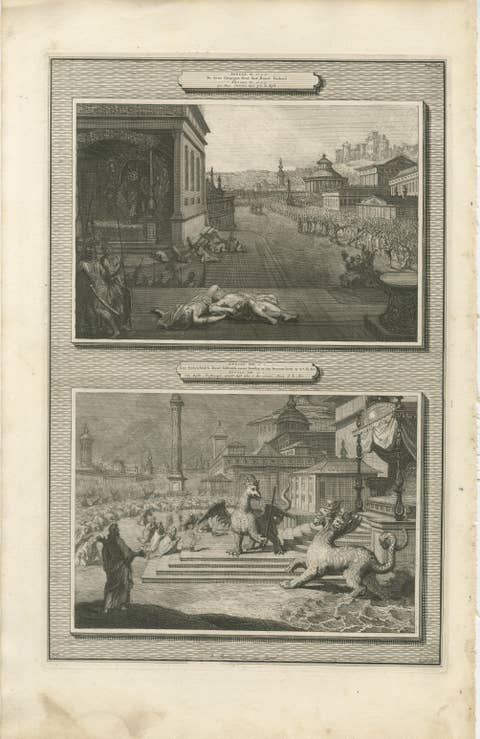
This engraving originates from Pieter Mortier’s monumental illustrated Bible, published in Amsterdam around 1700. It presents two scenes from the Gospel of Matthew, both focused on Christ’s miraculous healings and His authority over physical and spiritual afflictions.
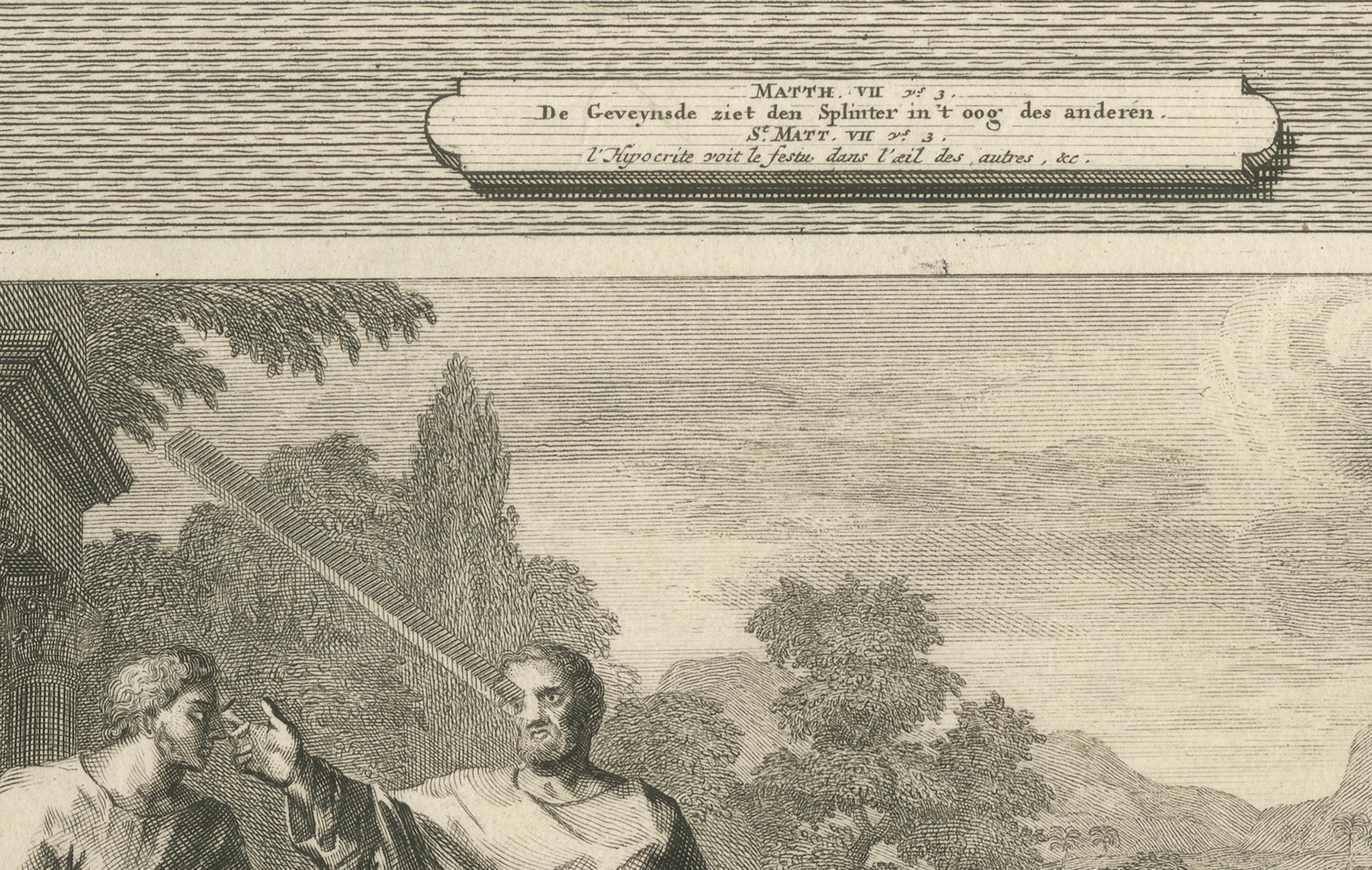
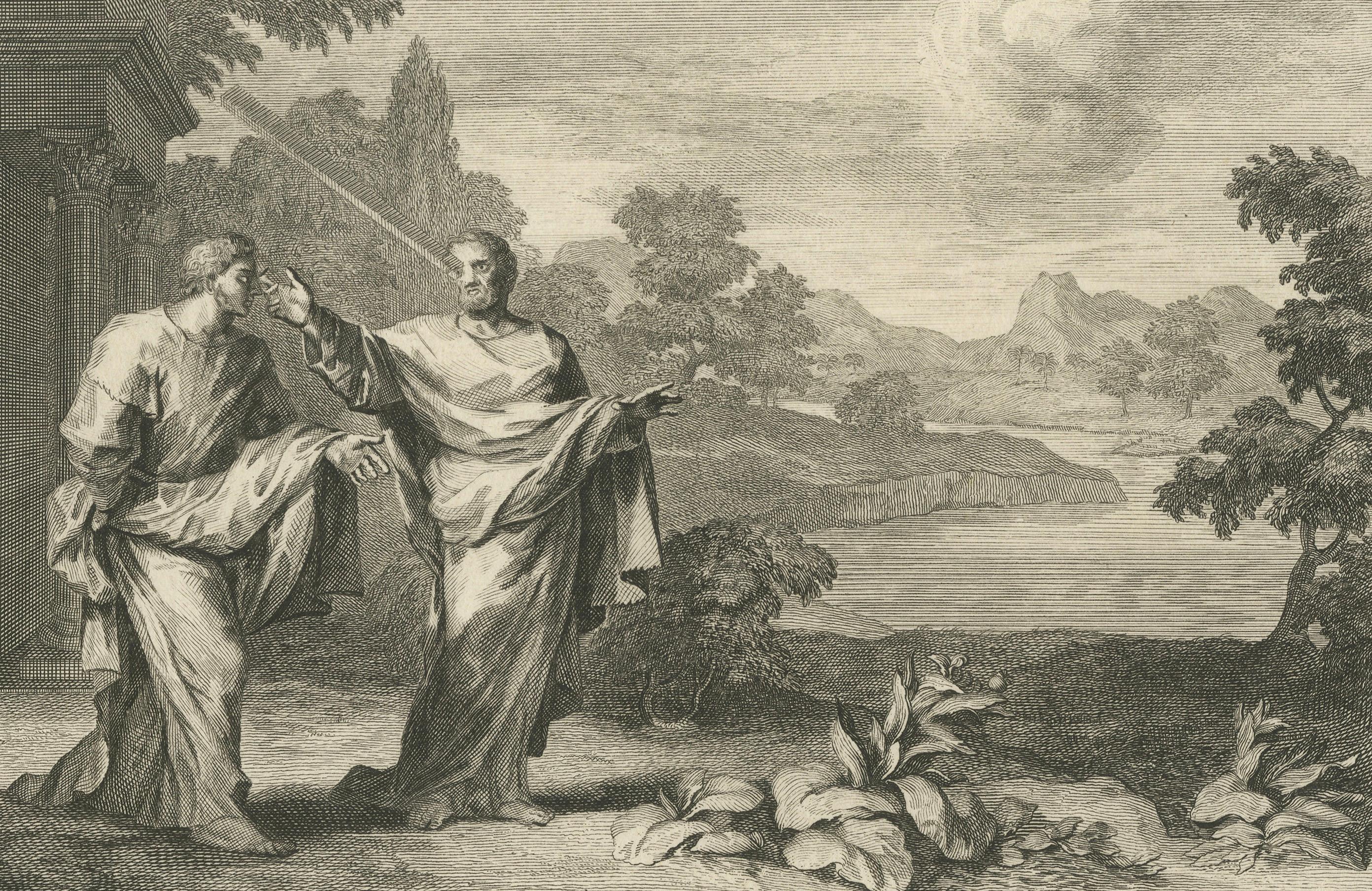
The upper image, referencing Matthew 9:27–31, depicts the healing of the two blind men. The inscription reads “De Gezynde met zynen Vinger de Oogen der Blinden opent” (“The Anointed opens the eyes of the blind with His finger”). Christ is shown in a serene landscape, touching the eyes of one of the blind men, who gestures with awe as sight is restored. The dramatic beam of divine light descending emphasizes the moment of revelation and the miracle’s spiritual significance. In the background, rolling hills and distant waters suggest a wider world touched by Christ’s power.
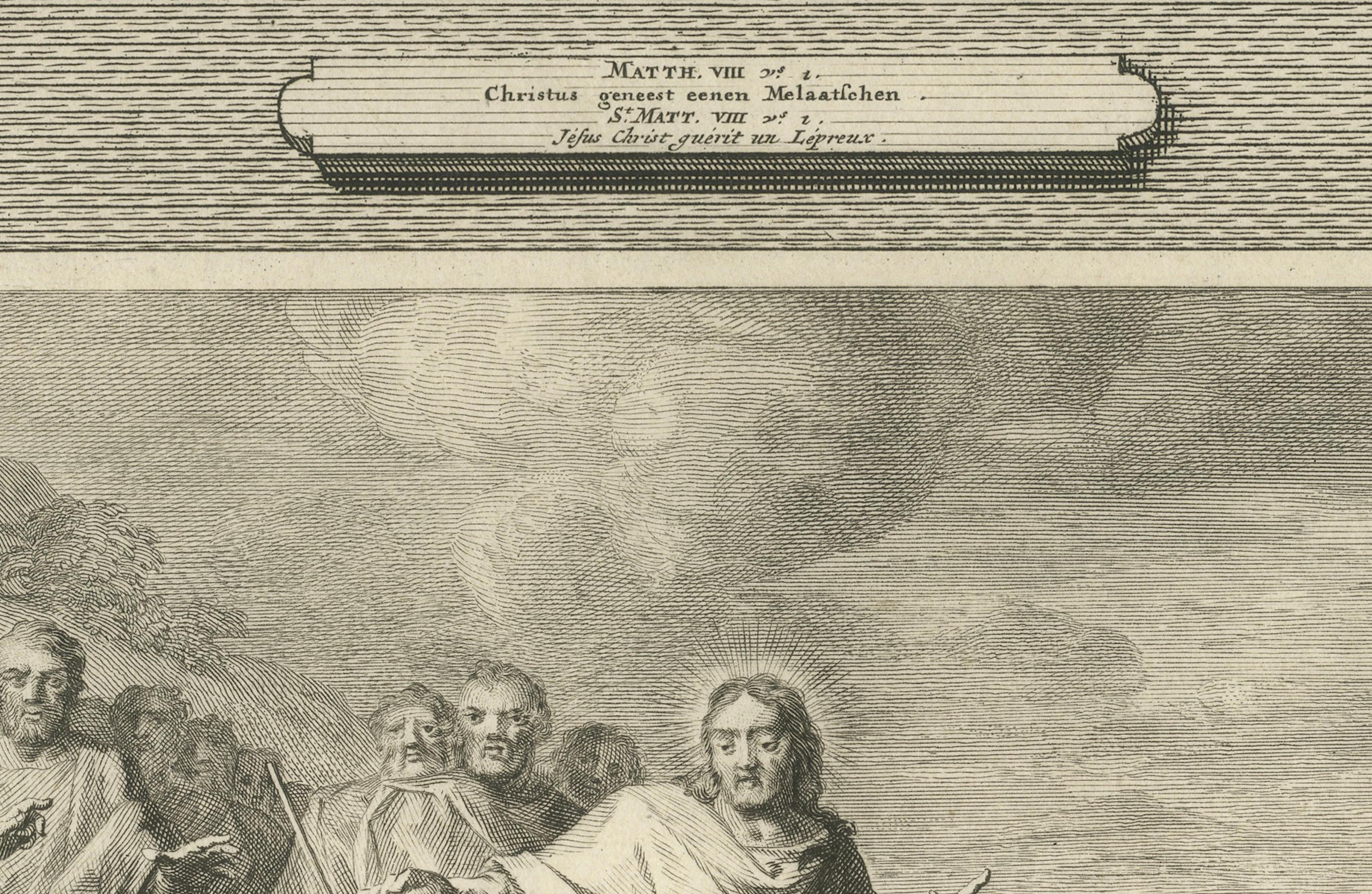
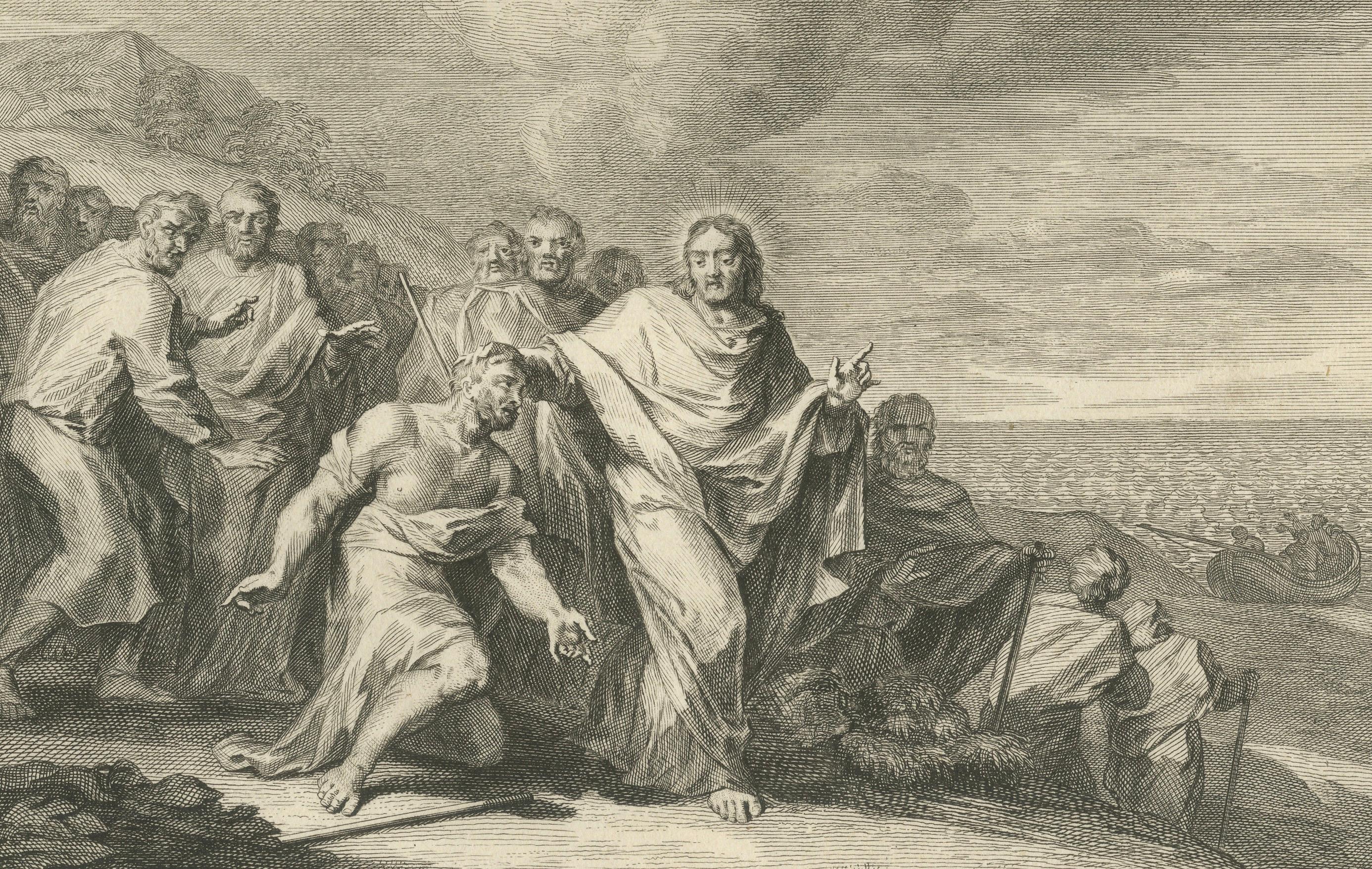
The lower engraving, titled “Christus geneest den Stom en Bezete” (“Christ heals the mute and possessed”), is based on Matthew 9:32–34. Surrounded by the apostles and onlookers, Christ extends His hand in blessing toward a man afflicted by muteness and possession, who kneels before Him in submission. The scene captures both the human suffering of the possessed and the authoritative calm of Christ. The gathered crowd, with gestures of astonishment and reverence, underscores the public nature of His ministry and the transformative effect of His miracles.
These engravings are excellent examples of late 17th-century Dutch religious art, produced under the direction of Pieter Mortier, a key Amsterdam publisher known for combining theological gravitas with the elegance of French-inspired engraving. They reveal not only devotional intent but also the artistry of biblical narrative illustration.
Condition: Very good, with general age-related toning. Some light spotting in the margins, but the printed area remains clean with strong, crisp impressions. Plate mark clearly visible.
Framing tips: These works would be well-suited to simple dark wood or walnut frames paired with cream or ivory mounts to highlight the delicate linear detail. For a more dramatic presentation, a gilt frame with double matting and a subtle inner border in gray or deep green would emphasize the sacred themes and enhance contrast.
Technique: Engraving
Maker: Pieter Mortier, Amsterdam, ca. 1700