About this sheet
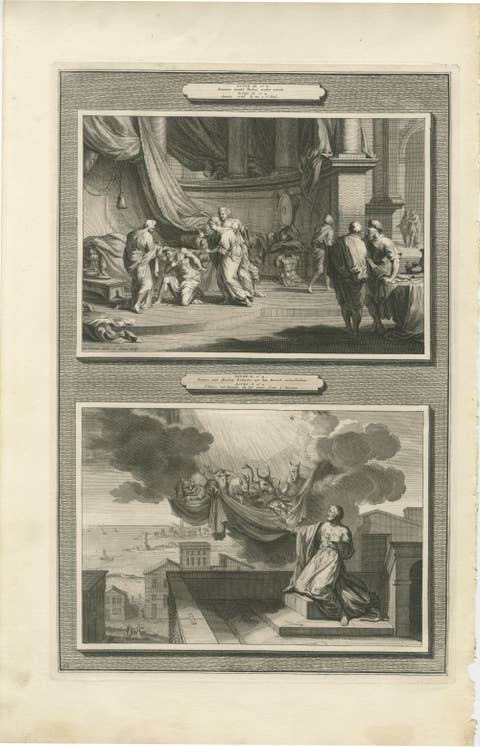
Calling of Saint Matthew & Raising of the Widow’s Son, Pieter Mortier, ca. 1700
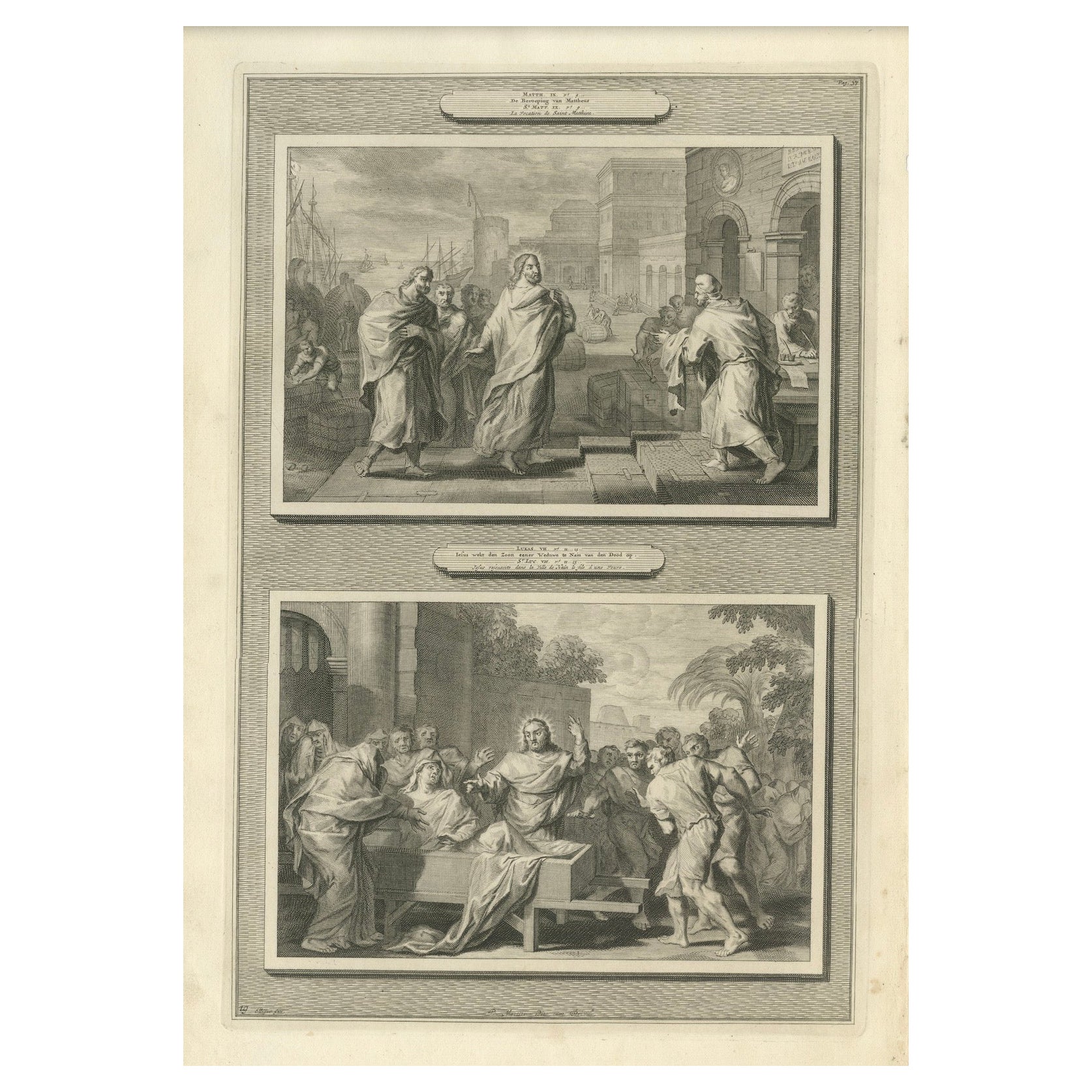
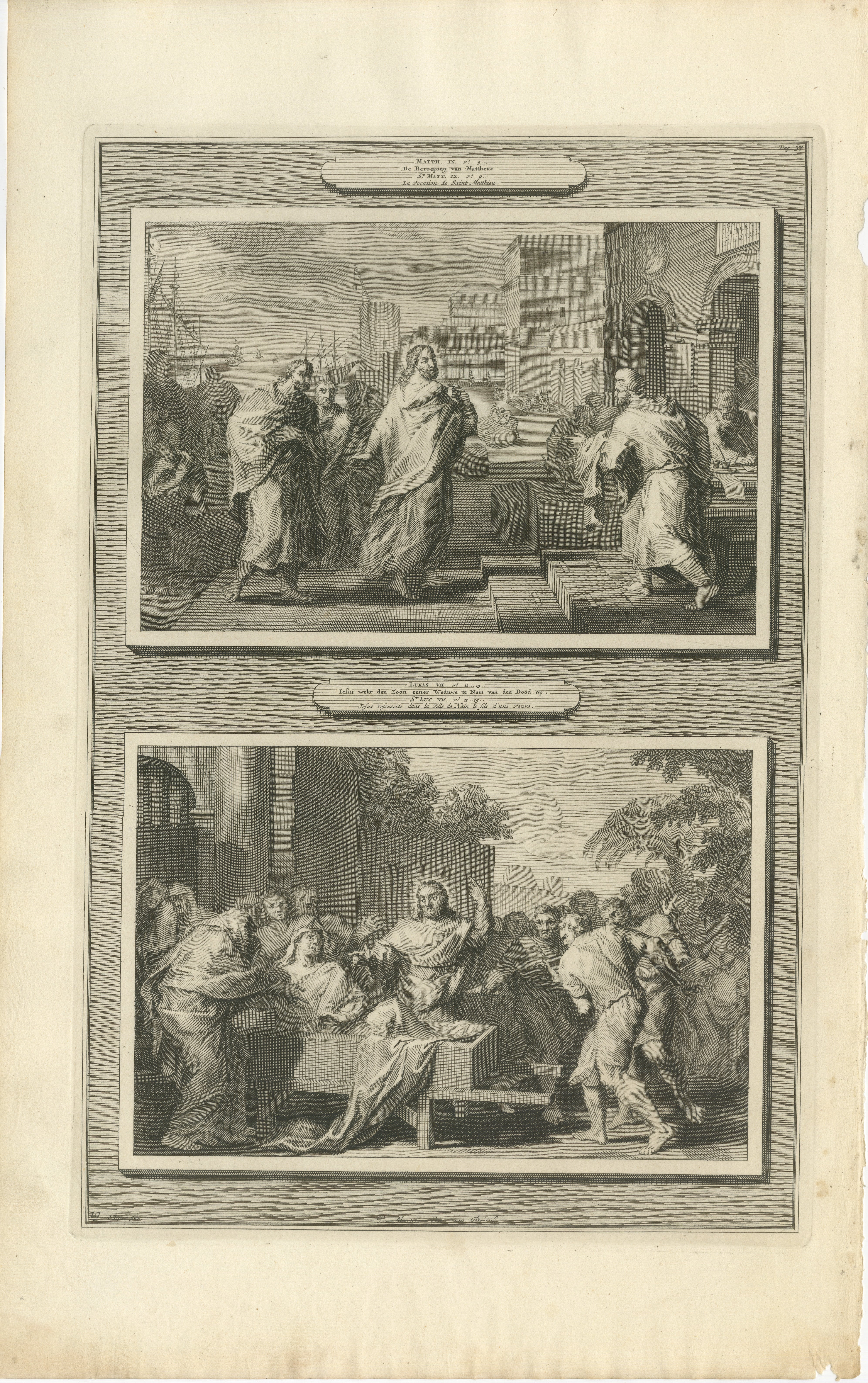
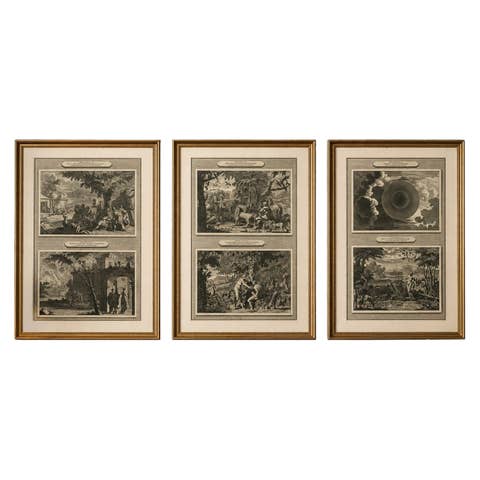
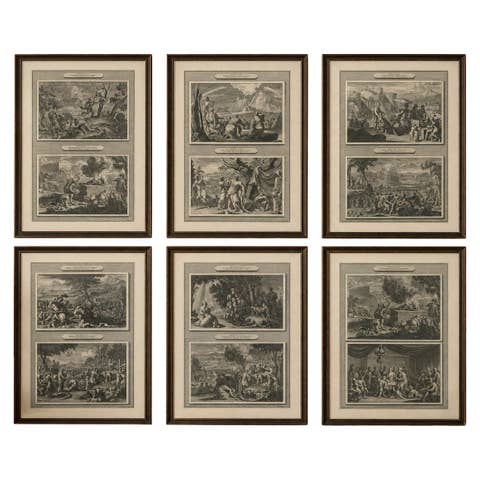
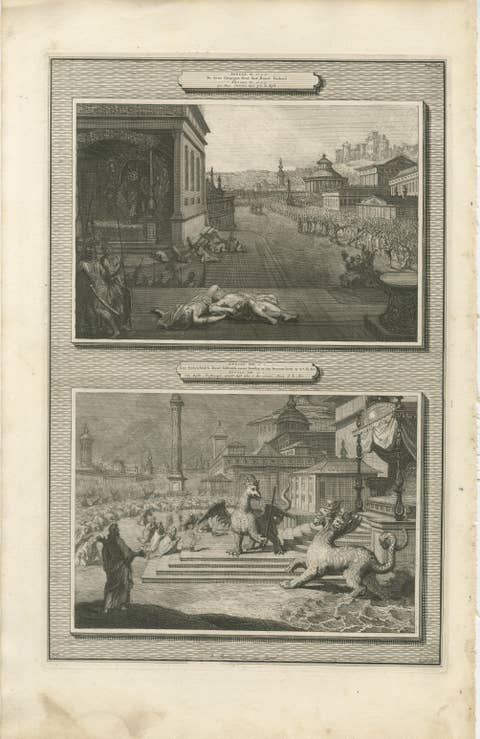
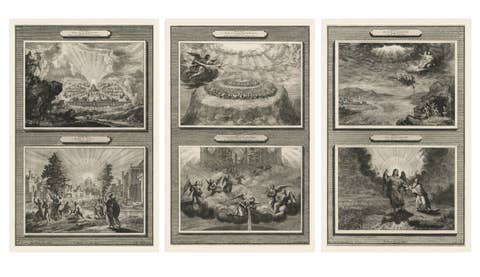
Original antique engraving from Histoire du Vieux et du Nouveau Testament, published in Amsterdam by Pieter Mortier around 1700. This plate illustrates two key episodes from the Gospels, emphasizing Christ’s authority both in calling disciples and in performing miracles.
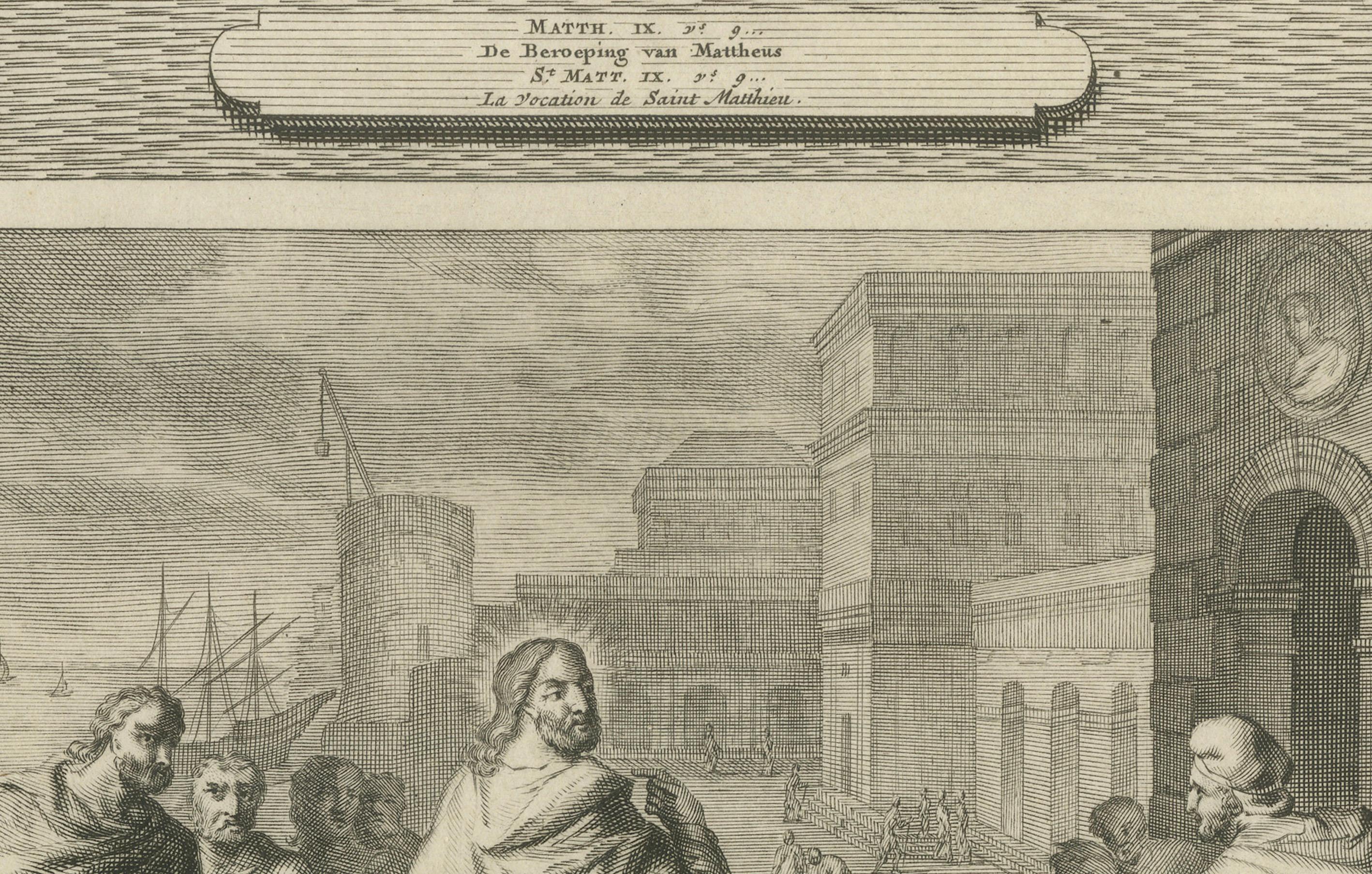
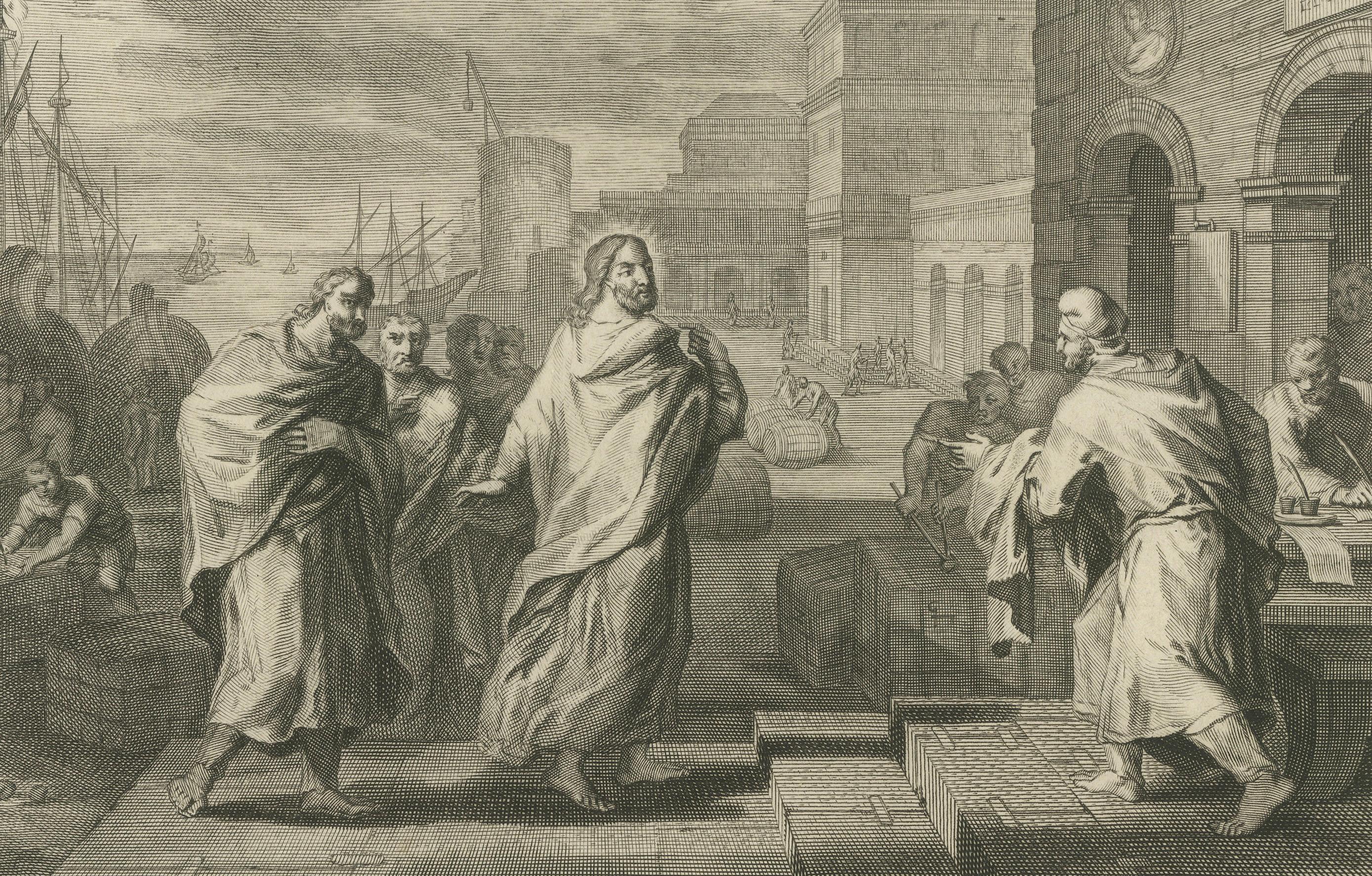
The upper scene depicts the Calling of Saint Matthew (Matthew IX, 9). Christ approaches the tax collector Matthew, who is seated at his counting table, surrounded by assistants and townspeople. With a simple gesture, Christ summons him to leave his profession and follow him as a disciple. The bustling port city in the background, with ships, warehouses, and architecture, underscores Matthew’s worldly occupation, soon to be abandoned for spiritual service. The contrast between Christ’s serene presence and the mercantile setting illustrates the transformative call to discipleship.
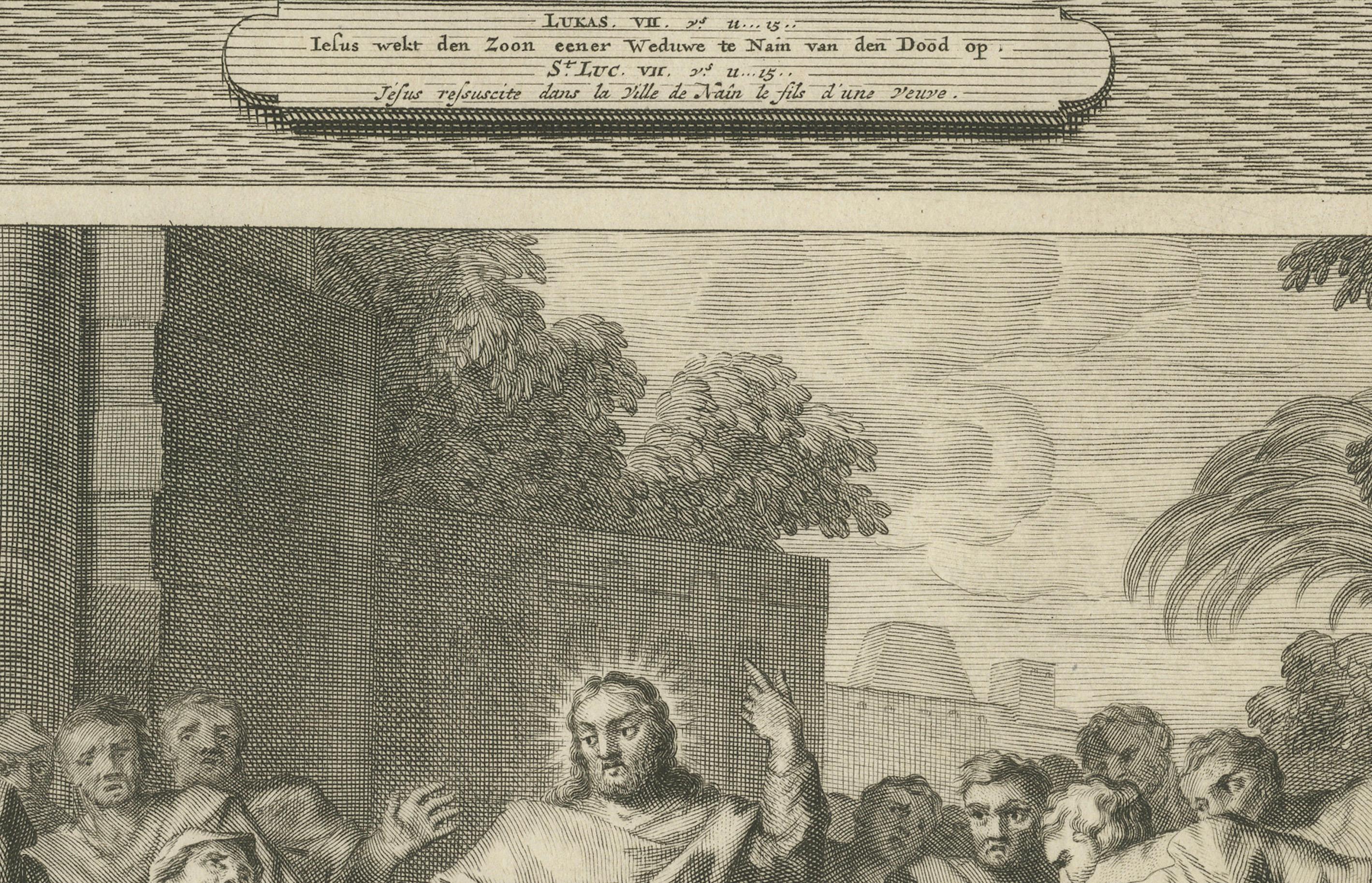
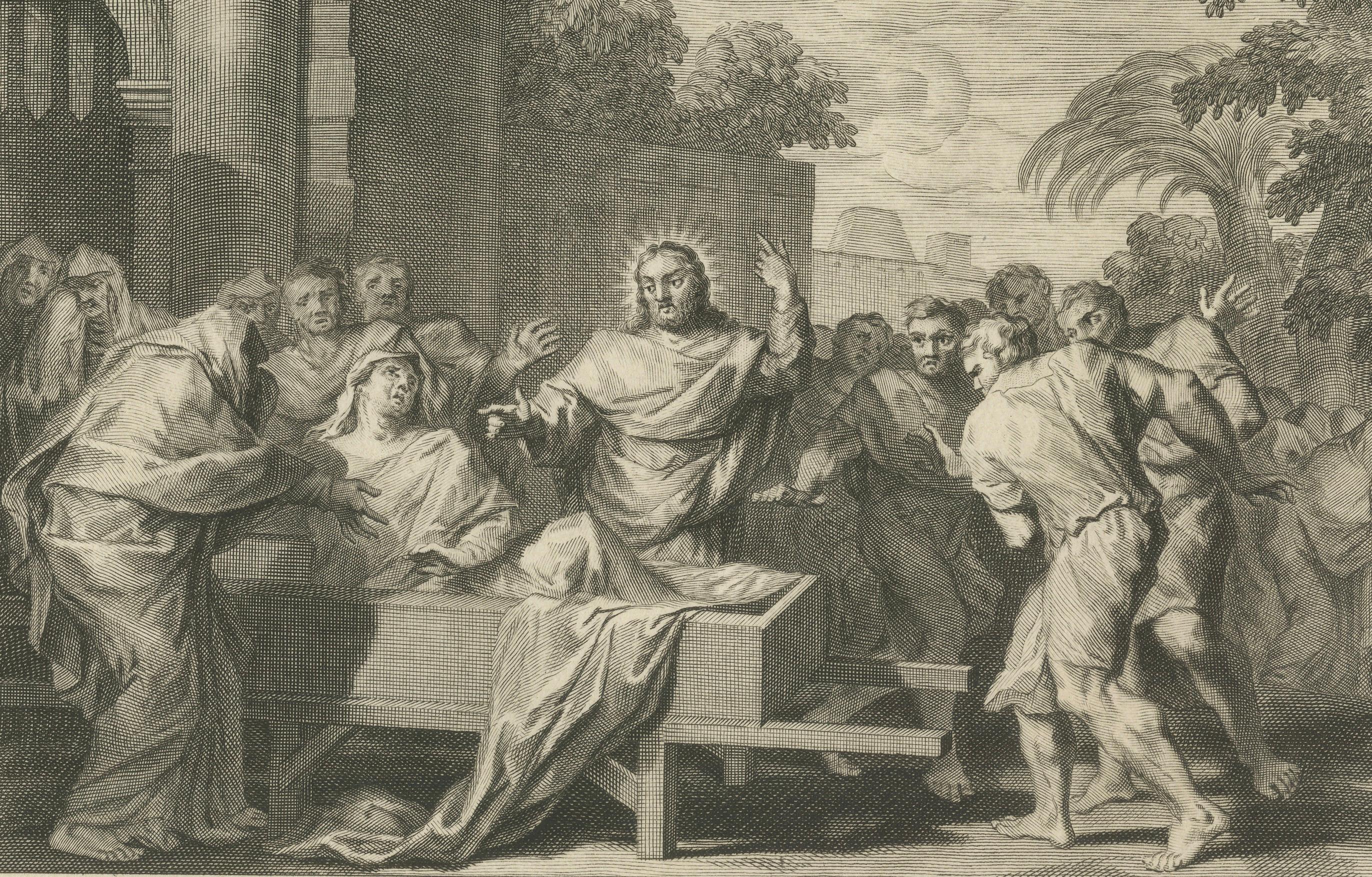
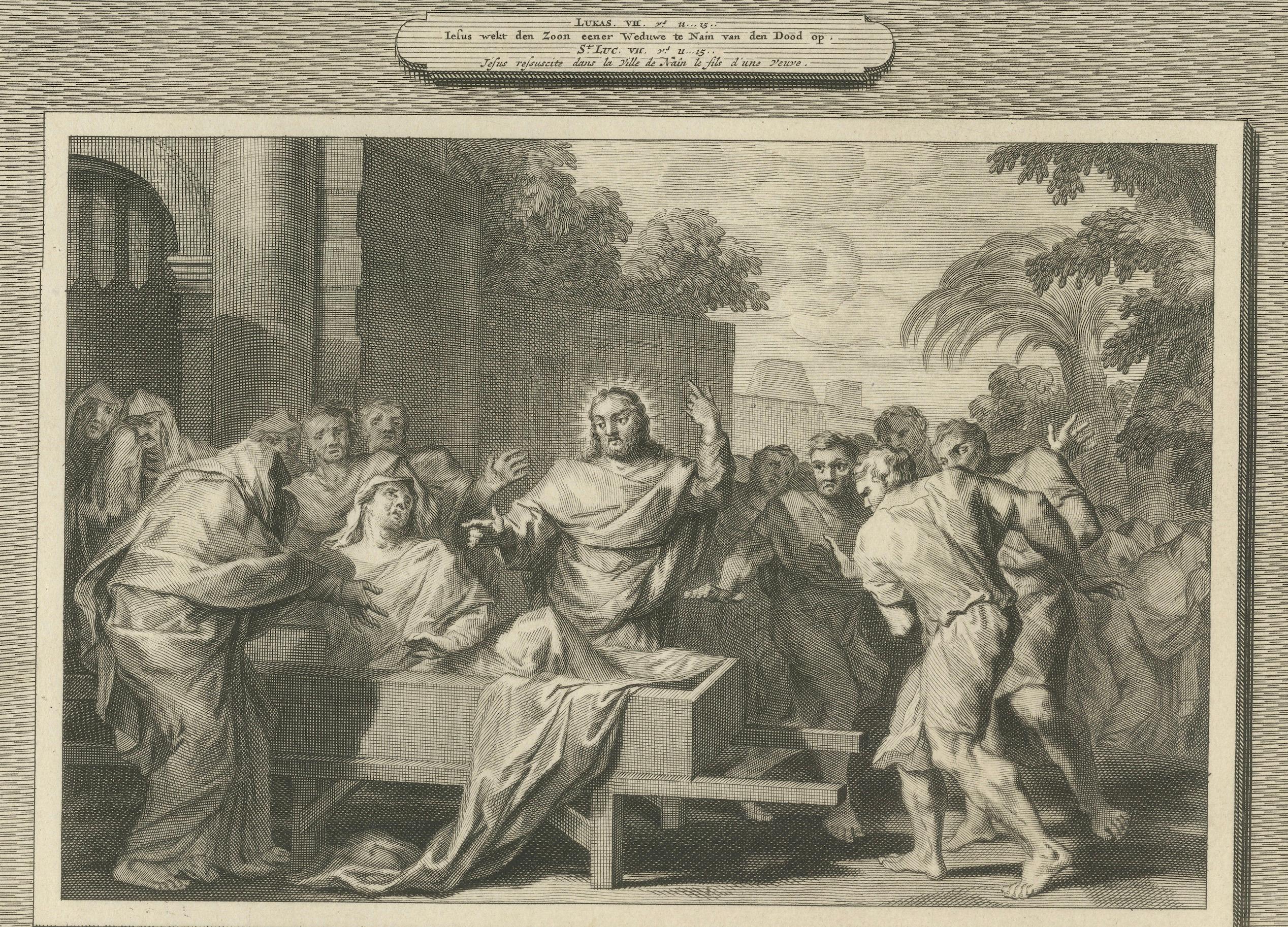
The lower scene shows the Raising of the Widow’s Son at Nain (Luke VII, 11–17). Christ halts a funeral procession as the widow mourns her only son. With his commanding gesture, he raises the young man from the dead, witnessed by astonished disciples and villagers. The composition highlights the grief of the mother, the authority of Christ, and the joyous astonishment of the onlookers. The outdoor setting, with trees and distant hills, situates the miracle in a public, communal space.
Together, these engravings reinforce Christ’s power to call individuals to faith and to restore life itself, making them exemplary illustrations of his divine authority. Mortier’s engravers combine careful architectural and naturalistic detail with expressive human figures, producing powerful and engaging biblical imagery.
Condition report:
Very good condition. Strong impression with wide margins. Minor toning, faint foxing at edges, and small handling marks consistent with age. Images remain sharp and detailed.
Framing tips:
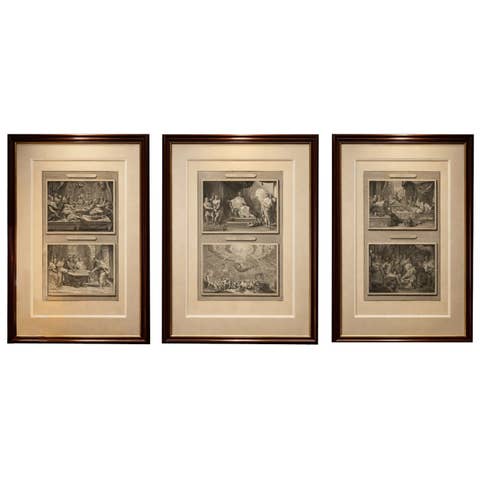
A double-aperture mat in ivory or cream will balance the contrasting urban and rural scenes. A walnut or dark wooden frame brings gravity to the themes, while a gilt frame adds brilliance, particularly fitting for the depiction of miracles.
Technique: Copperplate engraving
Maker: Pieter Mortier, Amsterdam, ca. 1700