About this sheet
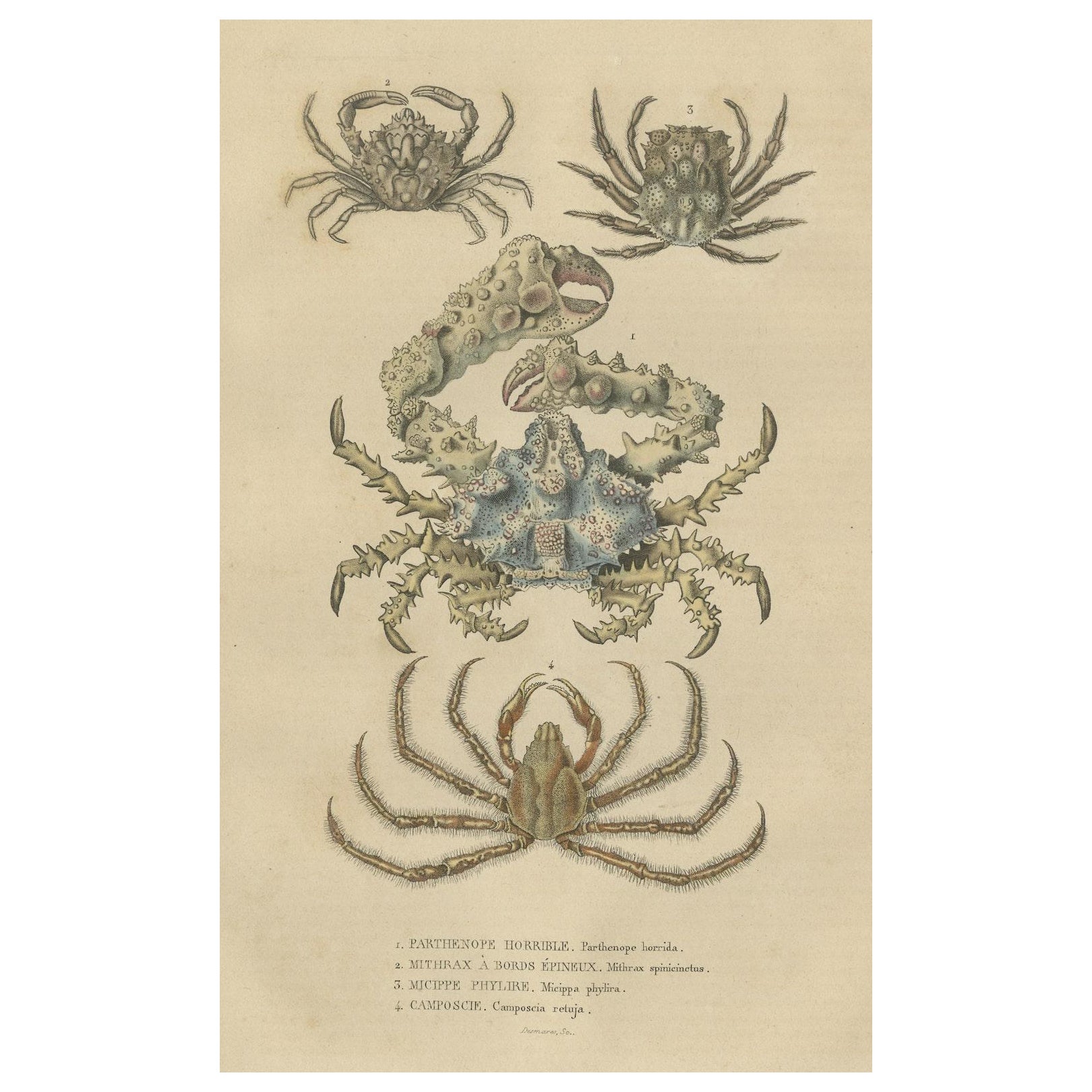
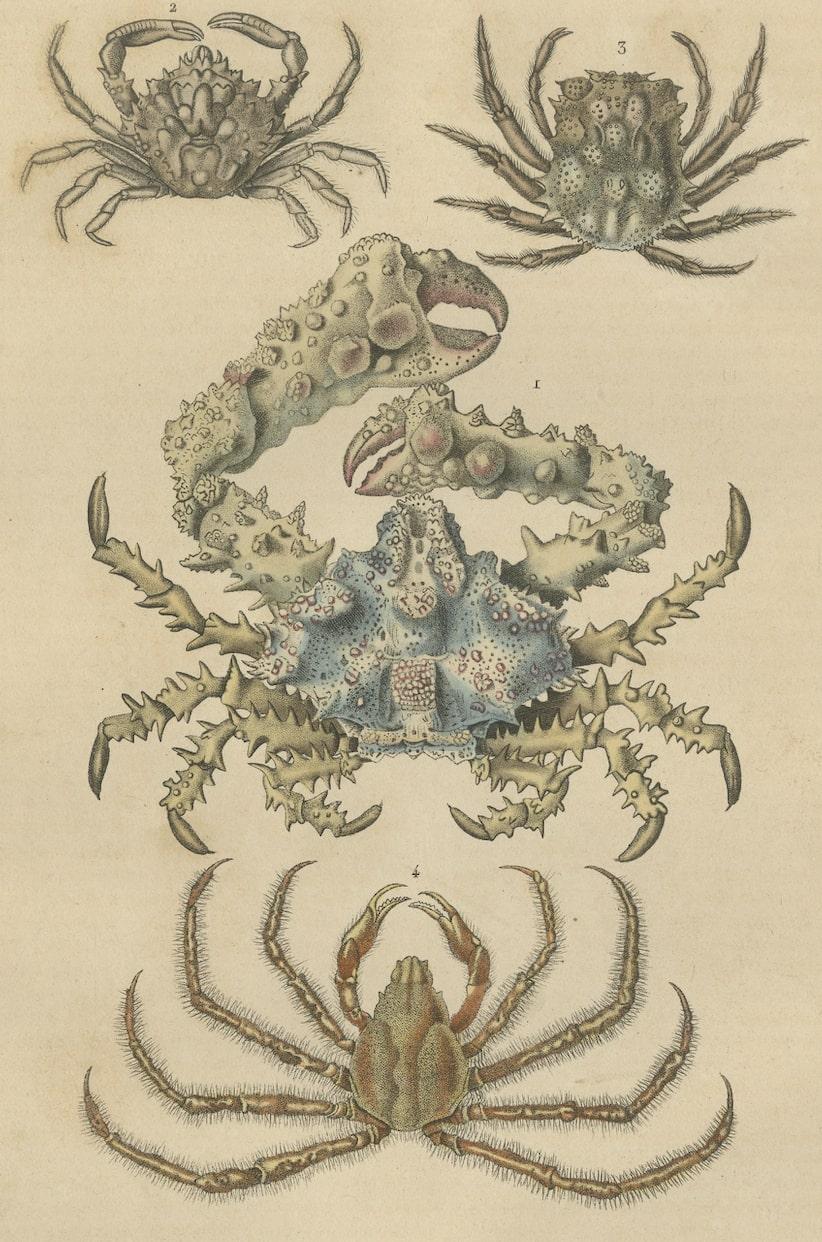
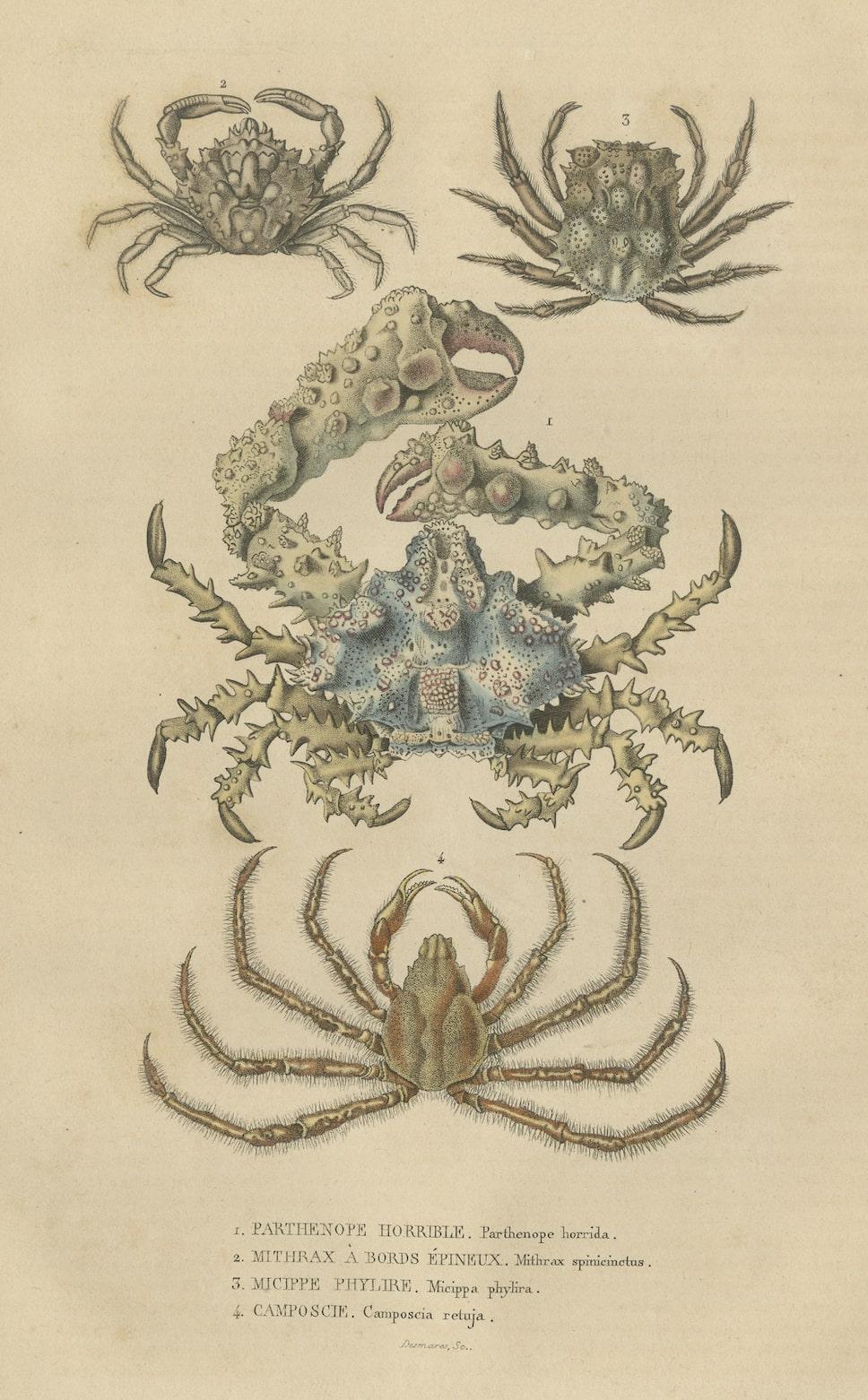
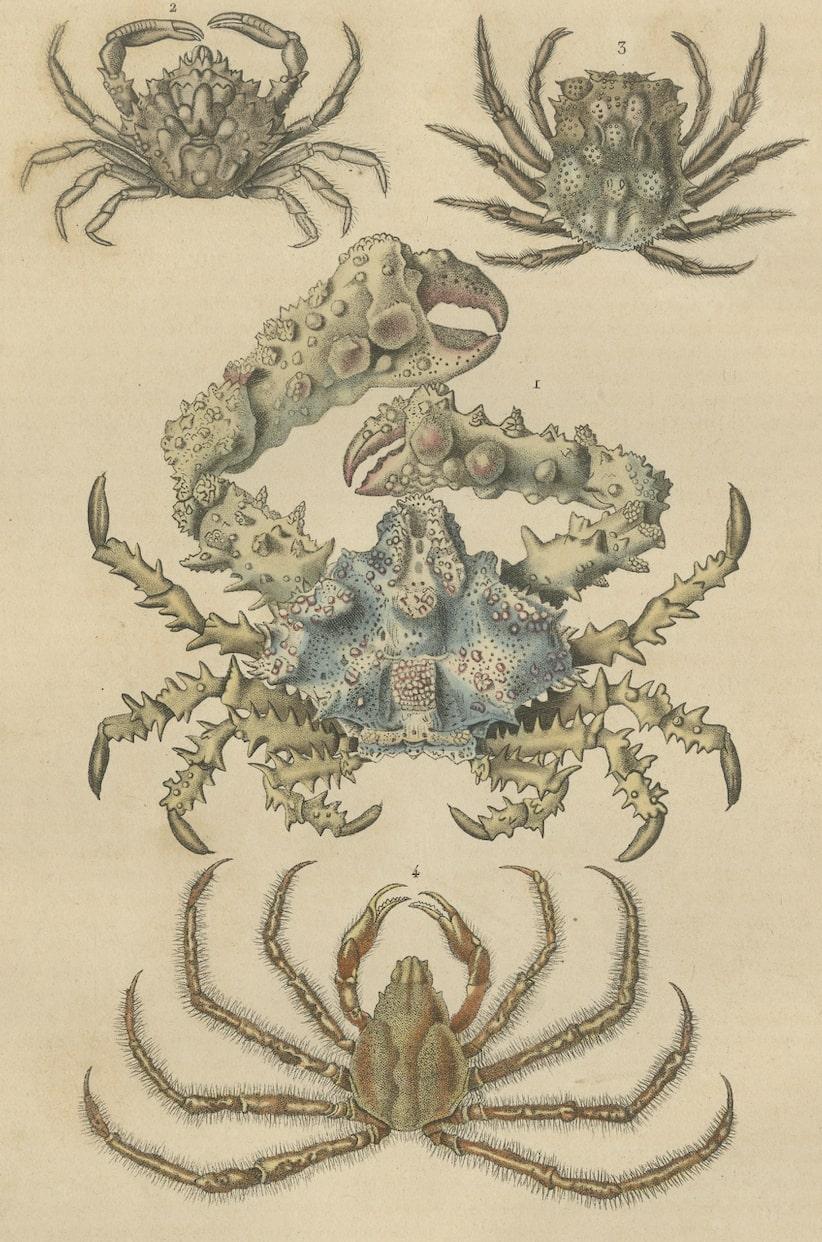
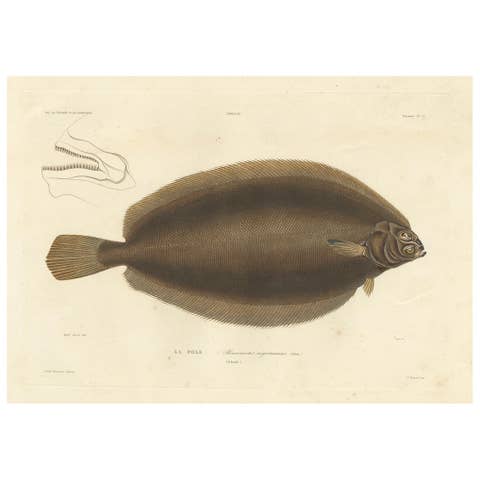
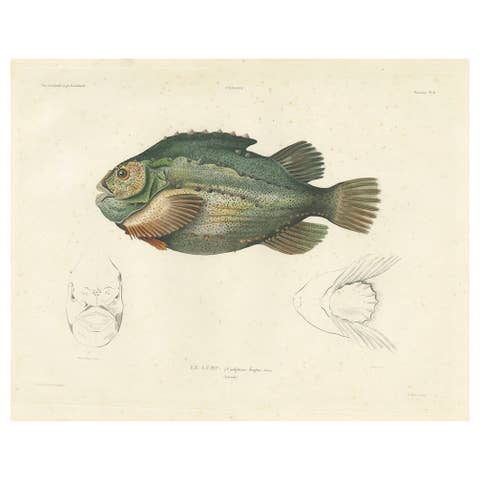
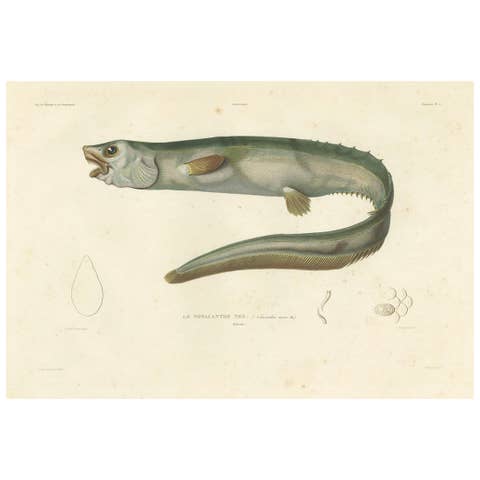
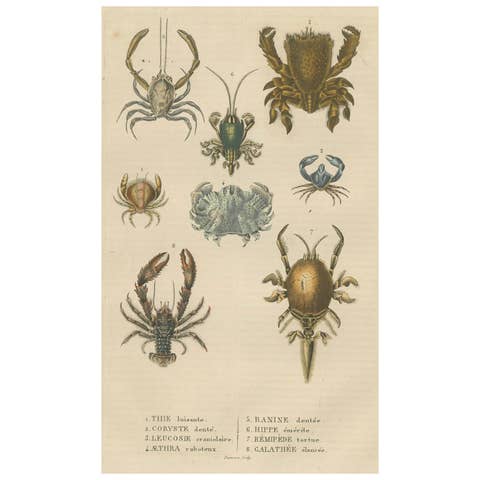
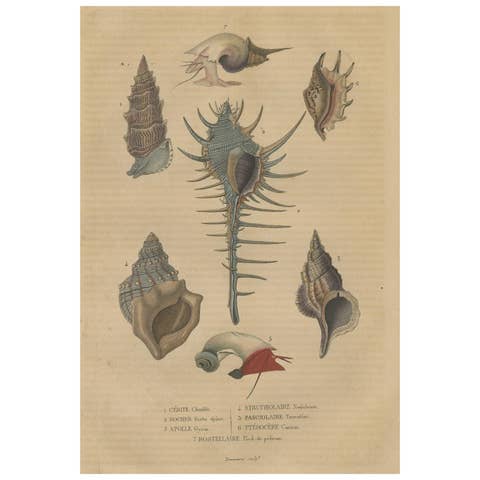
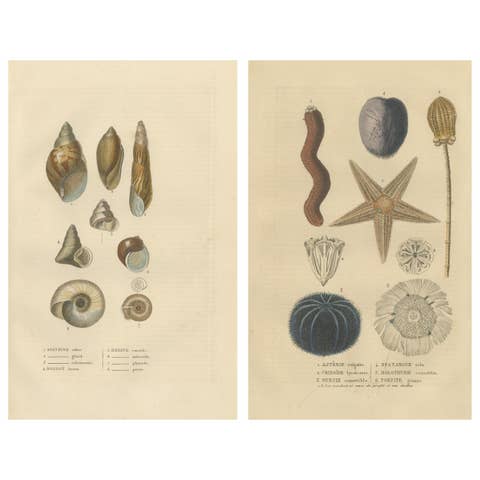
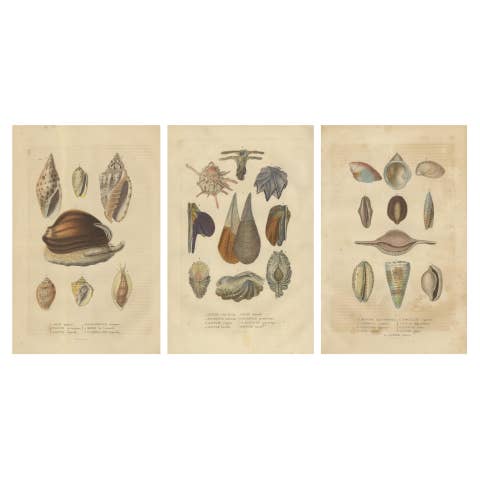
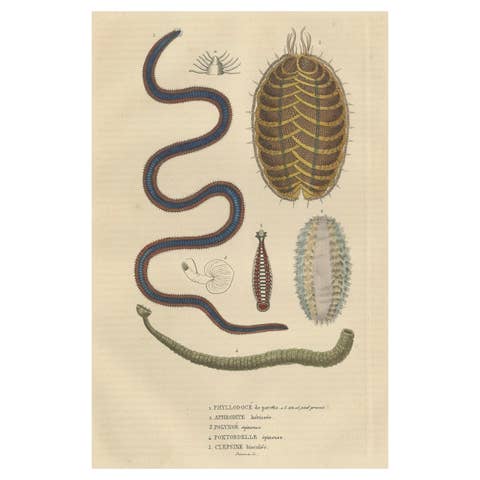
These original hand-colored antique engravings by Pierre Auguste Joseph Drapiez offer a captivating glimpse into the world of marine life. Created with intricate detail and vibrant colors, these engravings beautifully showcase various species with meticulous accuracy.
From the "Horrible Parthenope" (Parthenope horrida) to the "Spiny Decorator Crab" (Mithrax spinicornis), each engraving meticulously illustrates the unique characteristics and features of these marine creatures. Drapiez's skillful hand captures the intricacies of these animals, highlighting their distinctive anatomy and markings.
The prints showcase an array of fascinating marine life, including the "Lined Shore Crab" (Micippa phylira) and potentially lesser-known species like "Camposcia retusa." Through exquisite hand coloring and detailed engravings, Drapiez's work not only educates but also offers an artistic representation of these diverse creatures, allowing viewers to appreciate the beauty and diversity of the underwater world.
Note: Some crabs can also be (named), but more research is needed: 1. Rubble crab, 2. Mithrax crab, 3. Cancer philyra , 4. Decorator Crab.
More info on the book in which it was published:
The 'Dictionnaire Classique des Sciences Naturelles' by Pierre Auguste Joseph Drapiez stands as a remarkable testament to 19th-century natural sciences. Published in Brussels in 1845, this work represents an expansive collation of knowledge, building upon the pioneering works of Buffon, Daubenton, Lacepede, Cuvier, de Jussieu, and other influential naturalists.
The prints within this compendium likely showcase a rich amalgamation of artistic precision and scientific accuracy. Drapiez, himself a Belgian naturalist, would have aimed for detailed representations of flora, fauna, and scientific phenomena, mirroring the illustrative styles prevalent during his time. Given the era's emphasis on illustration, these prints were likely engraved meticulously, possibly portraying intricate anatomical details or lifelike depictions of the natural world.
With Drapiez's background in natural history, the prints might bear testament to his commitment to scientific authenticity, aiming to educate and inspire scholars and enthusiasts alike. These engravings would have complemented the text, offering visual aids that elucidate the concepts and specimens discussed in the volume.
Overall, the prints of 'Dictionnaire Classique des Sciences Naturelles' likely serve as both artistic representations and invaluable scientific resources, encapsulating the essence of 19th-century natural history exploration and documentation.