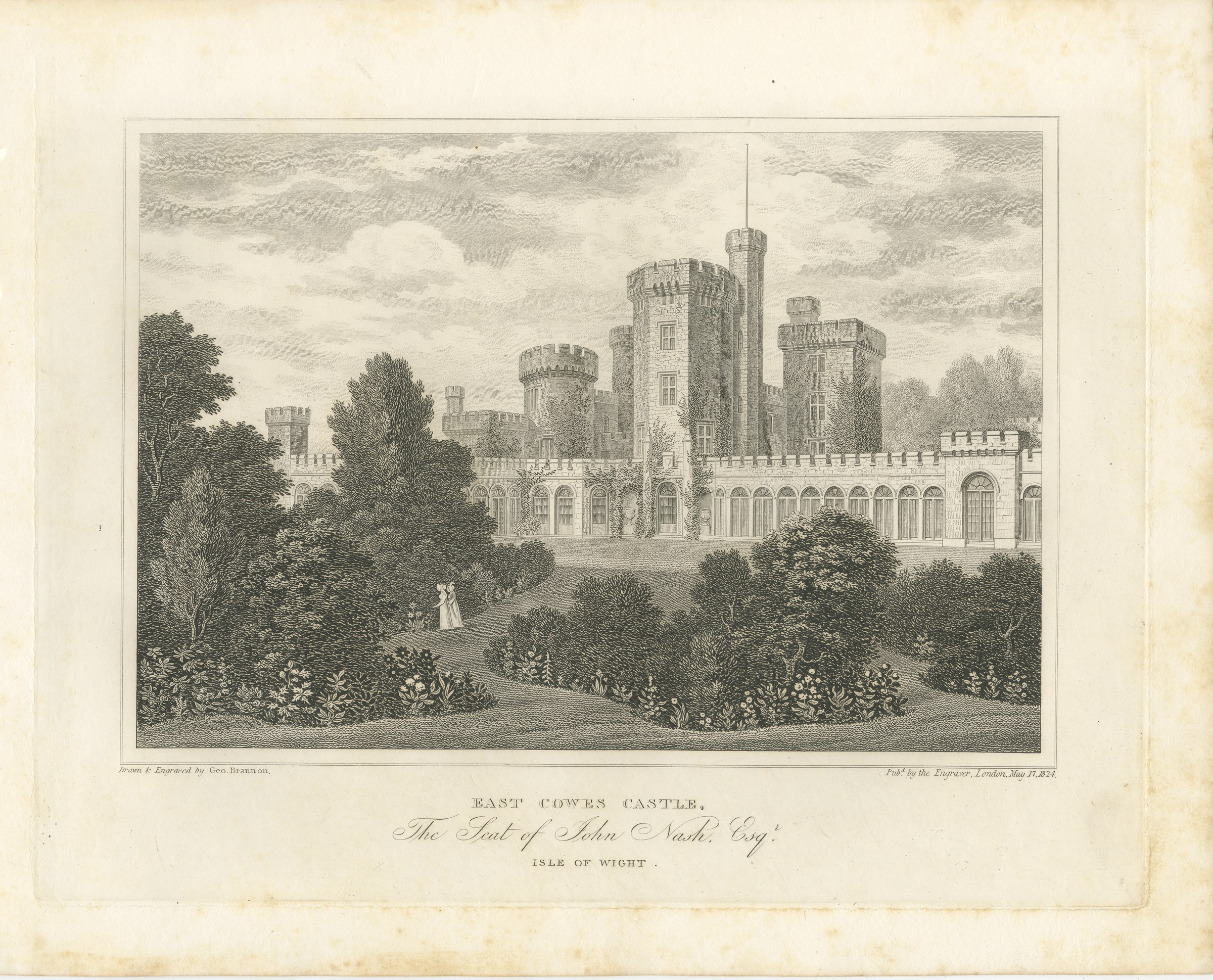
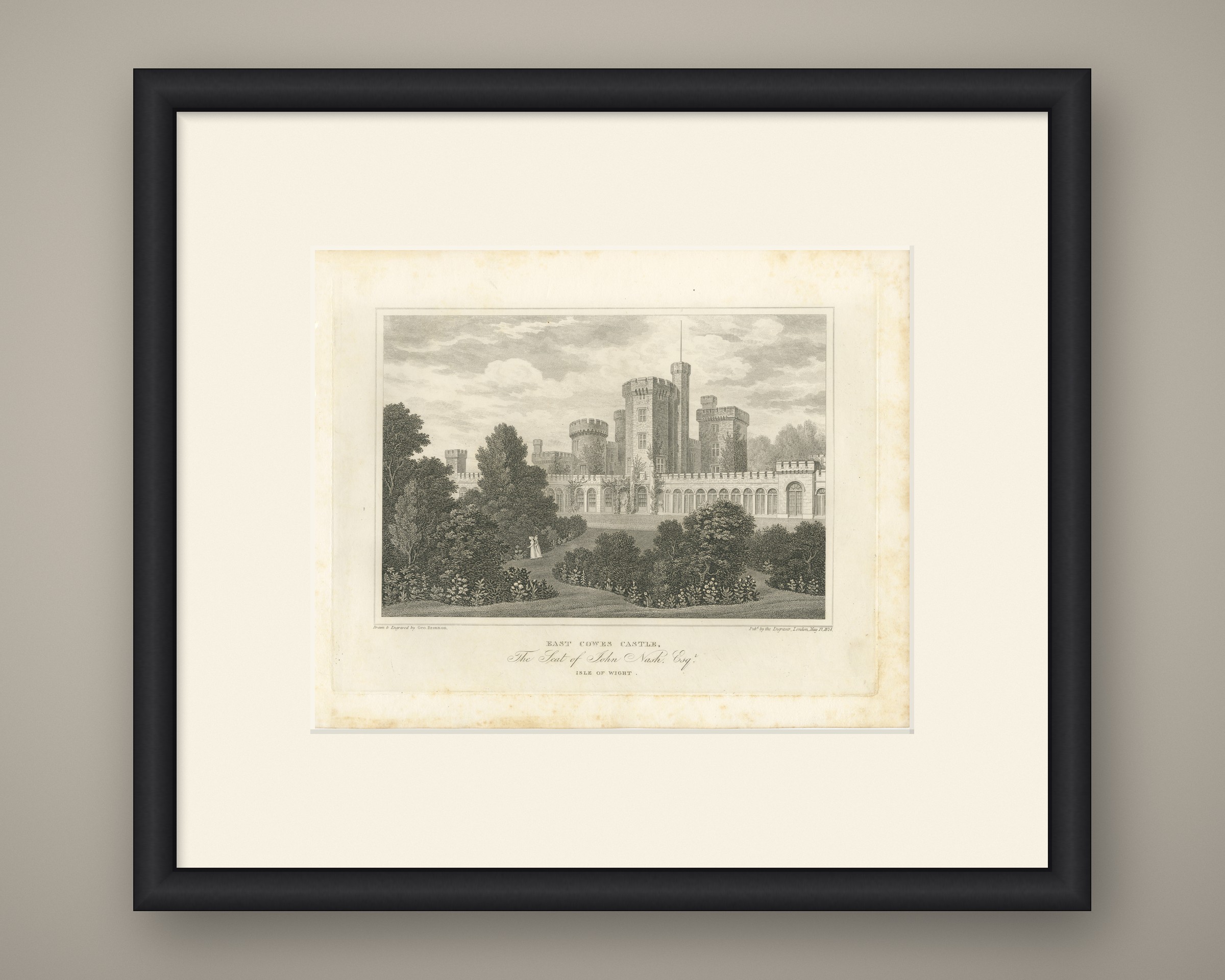
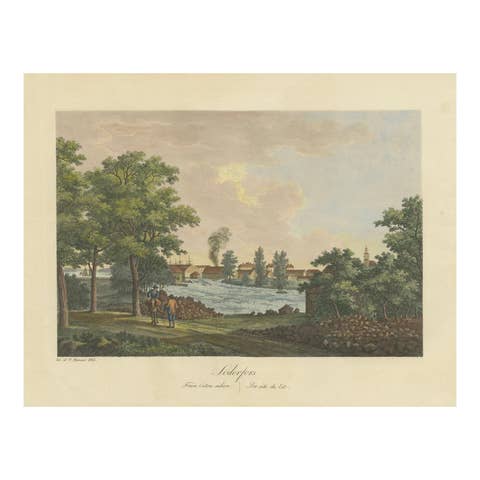
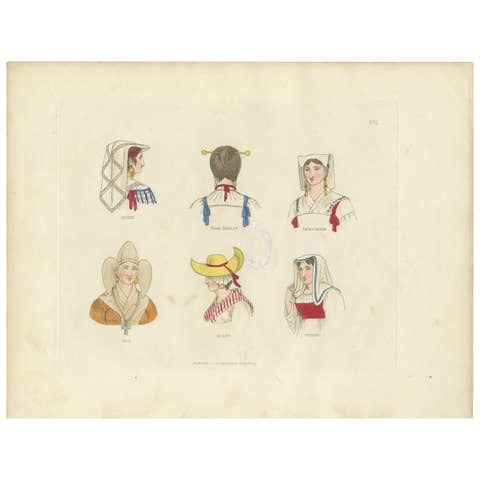
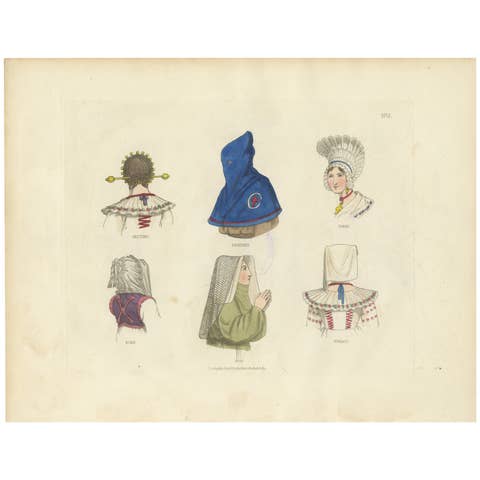
East Cowes Castle, Architect John Nash's Own Lost House, Brannon, 1824
€ 280
Original antique · The actual sheet photographed · Certificate of authenticity on request · Sold unframed · Worldwide shipping from € 15 (rates)
Date
1824
Mapmaker / artist
George Brannon (draughtsman and engraver)
Publisher
George Brannon, Wotton Common, Isle of Wight
Technique
Copper Engraving
Coloring
Uncolored
Sheet size
23 × 30 cm (9.1 × 11.8 in)
Condition
Good
Reference
BG-14210-6
What the condition grades mean
Excellent
Bright and clean, with no faults worth mentioning.
Very good
Only light signs of age, such as faint toning.
Good
Normal signs of age for a sheet of this period: toning, some foxing, small marks or neat old repairs.
Fair
Clear faults such as staining, tears or repairs, priced to match.
Every fault we see is written in the condition note, and the whole sheet is shown uncropped in the photos.
Condition
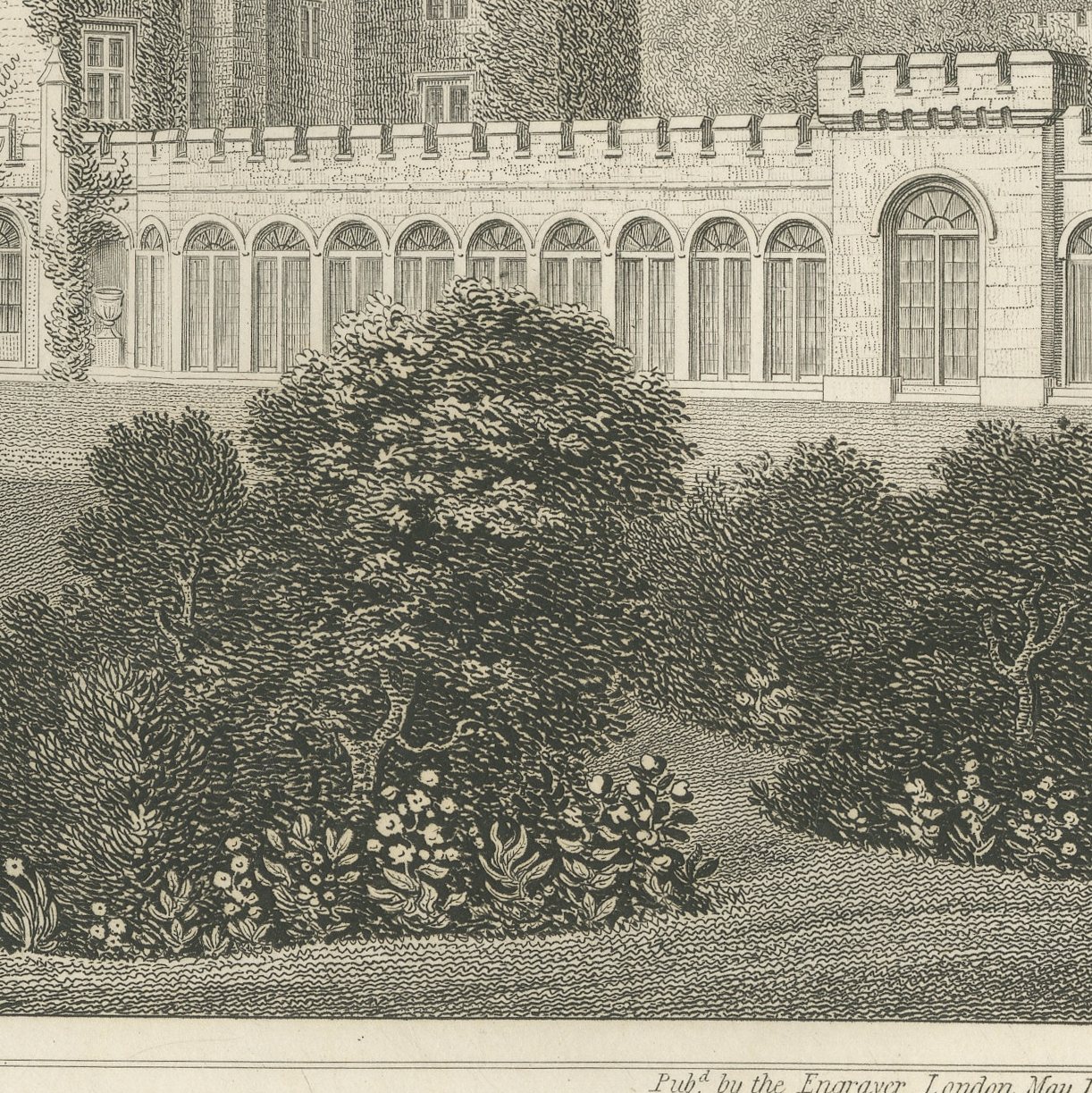
Light uneven toning, browner towards the edges. Marked handling soiling along the bottom, right and top edges. Scattered foxing in the margin. All four corners complete.
About this sheet
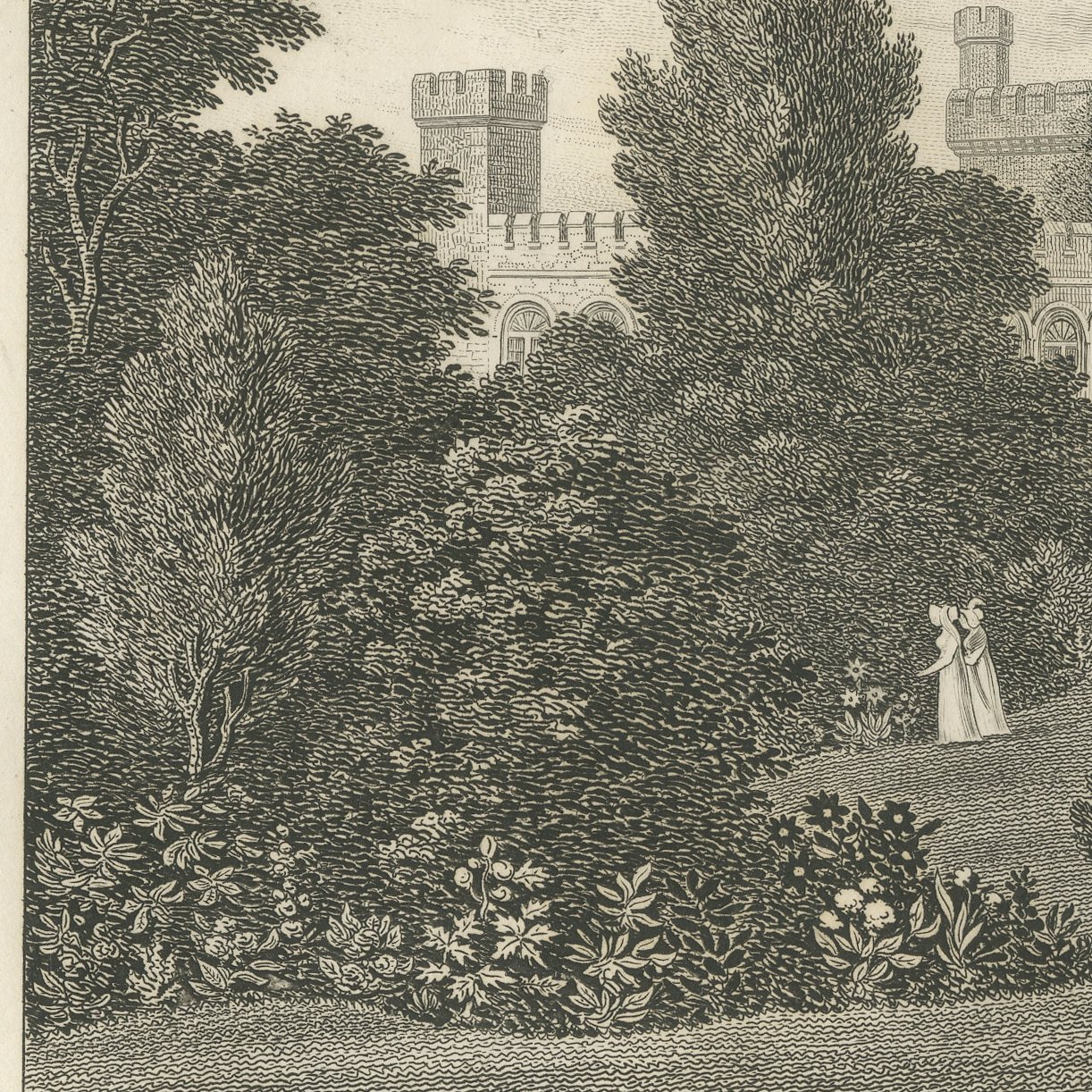
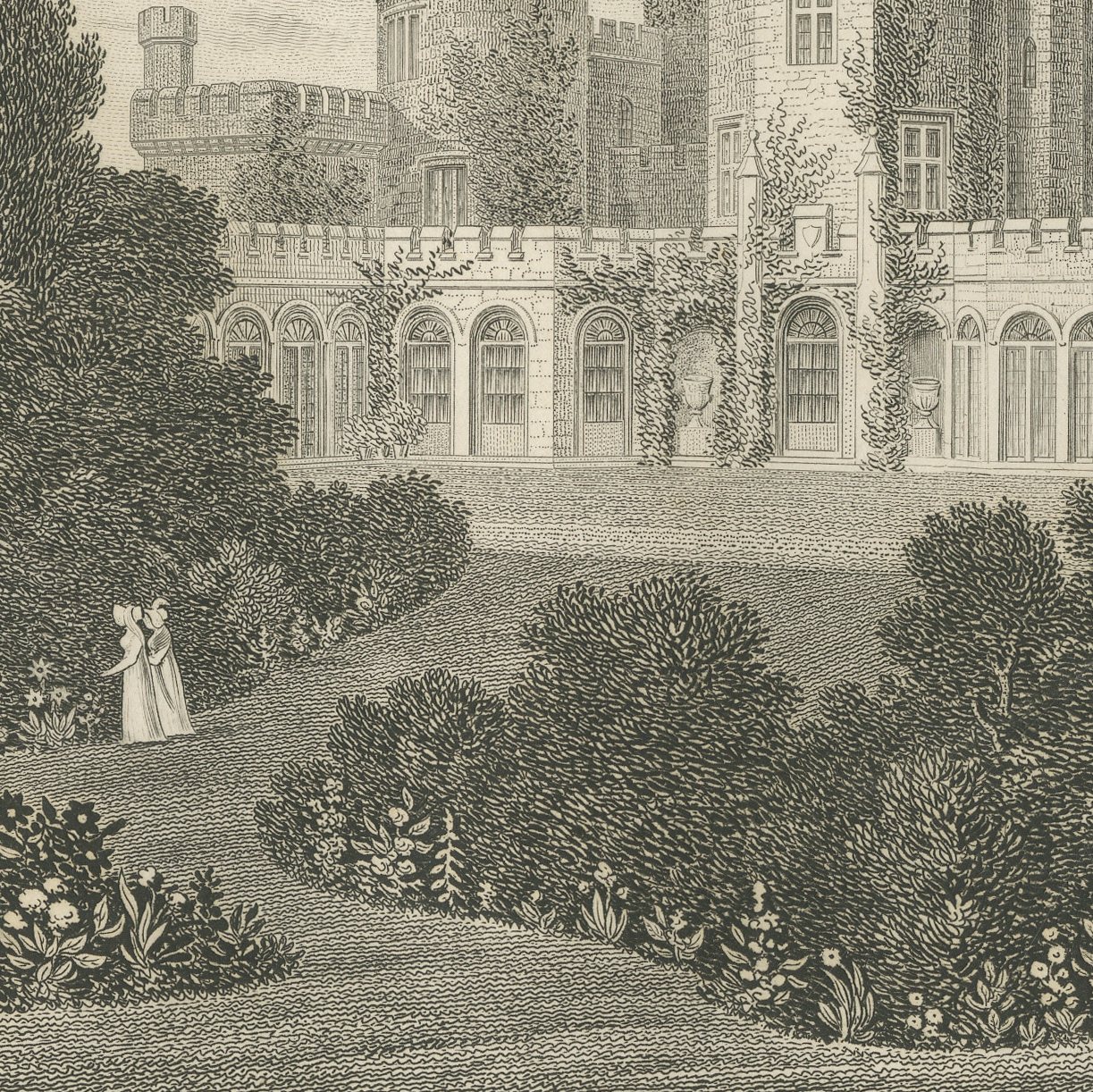
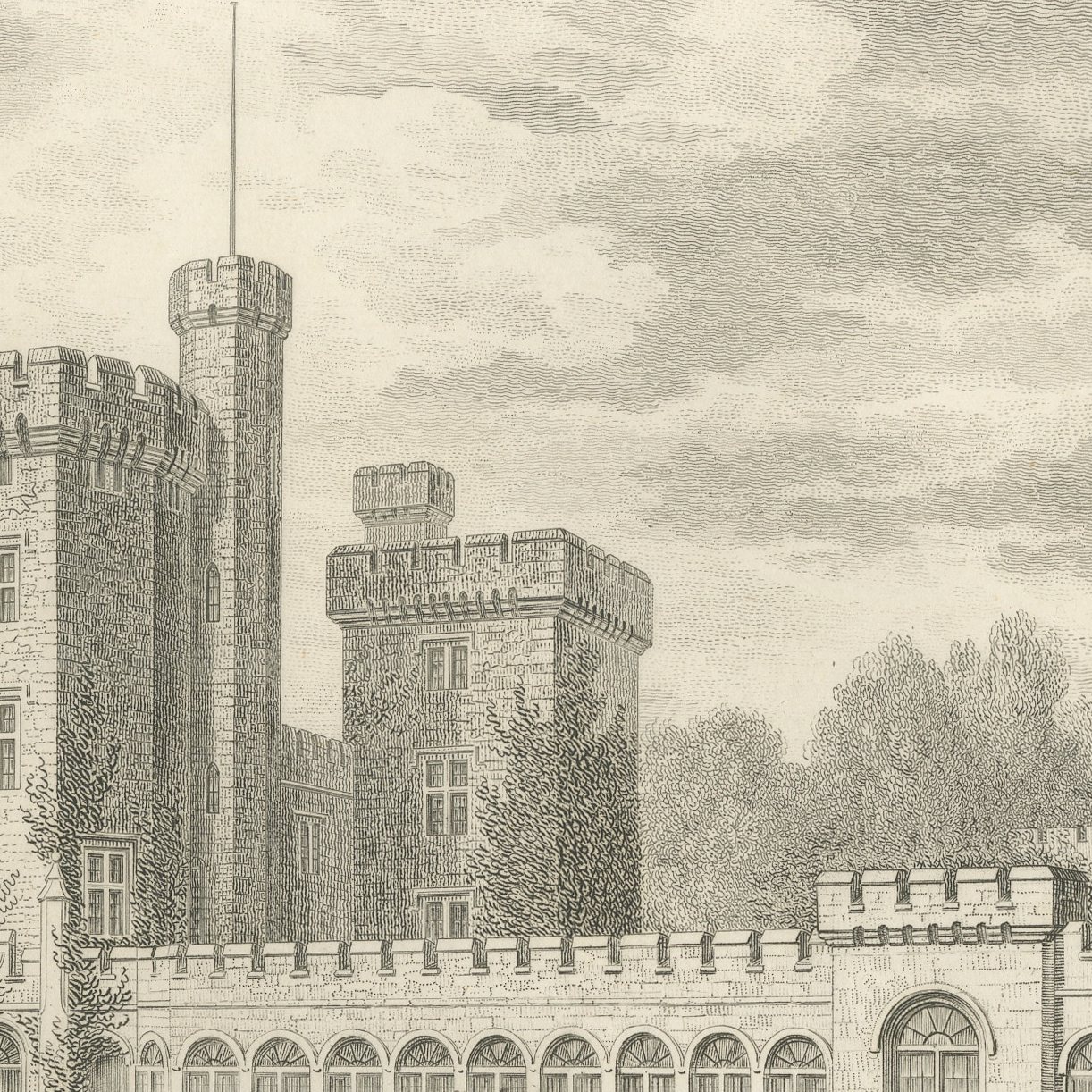
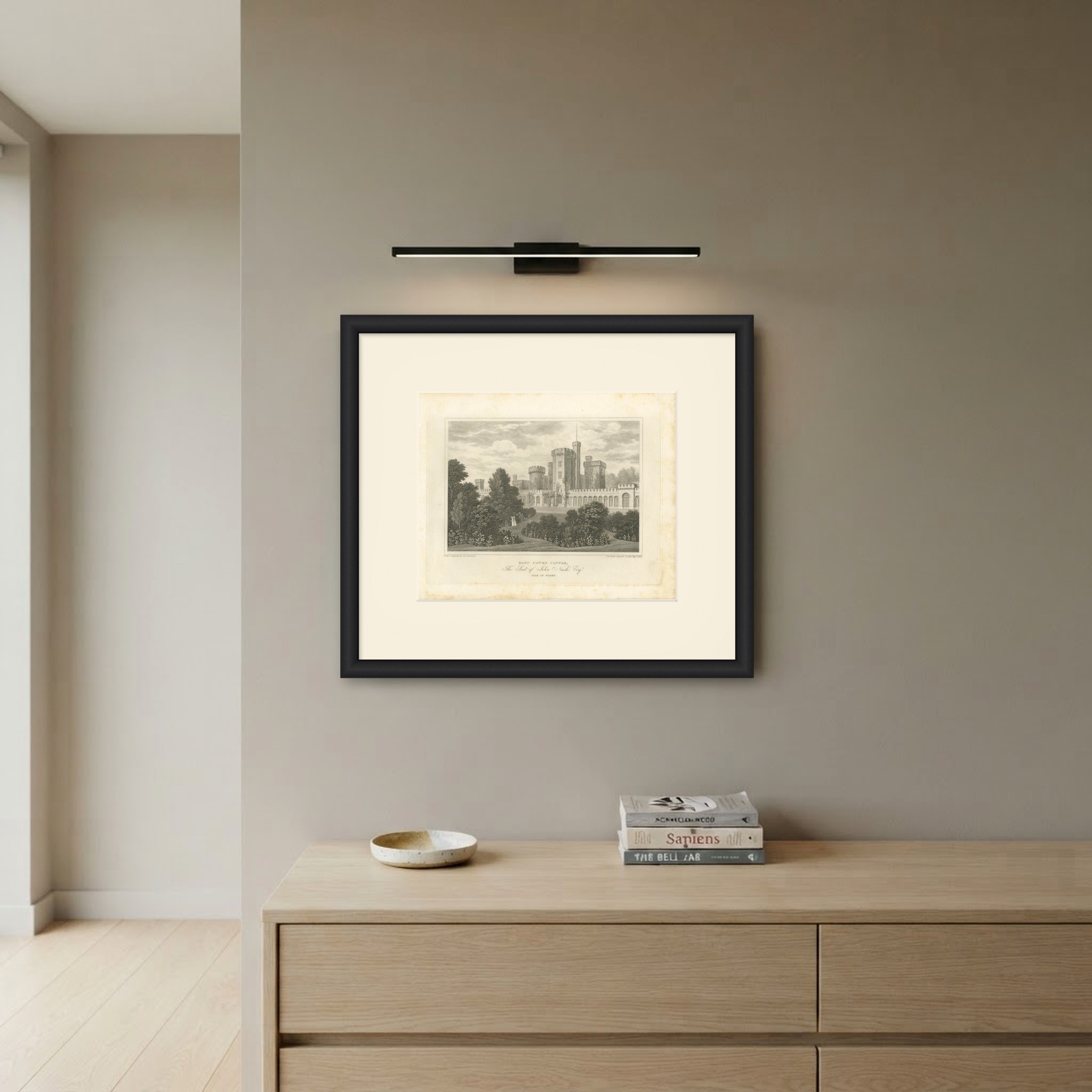
An original Brannon engraving of East Cowes Castle, Isle of Wight, lettered as the seat of John Nash, published on the seventeenth of May 1824. Nash, the architect of Regent Street and of the remodeled Buckingham Palace, built this castellated house for himself, and the plate shows it as its own designer meant it to be seen: towers, battlements and a round turret rising out of mature planting, with the Solent in the distance. The castle was demolished in the 1960s and the estate built over, so this uncolored copper engraving is now a primary record of one of the most personal buildings by the leading architect of Regency England. Foreground trees and a single figure on the drive are placed to lead the eye up to the entrance front.
This sheet is one of the plates of Vectis Scenery, the island views that George Brannon drew, engraved and published from his own house at Wotton Common in the Isle of Wight, the 1829 issue. Brannon worked without an intermediary: he made the drawing on the spot, cut the copper himself and sold the result through the island booksellers, which is unusual and is part of why the series ran for more than fifty years. The plates carry their own earlier publication dates because each view was first issued on its own. The technique is copper-plate line engraving. The views were issued uncolored, as line engravings on white paper, and this impression is uncolored.
An architect's own house is always the most revealing thing he builds, and East Cowes Castle was where Nash tested the picturesque castellated manner he then used for clients. Its loss makes early views genuinely useful as well as decorative: photographs of the house are late and few, while Brannon drew it from life and within Nash's own lifetime. That combination of a famous name and a vanished building gives the plate a strong hook for architectural collectors, and it makes a natural gift for an architect or a student of Regency design. It hangs well beside other country house engravings in a study.
Light uneven toning, browner towards the edges. Marked handling soiling along the bottom, right and top edges. Scattered foxing in the margin. All four corners complete.
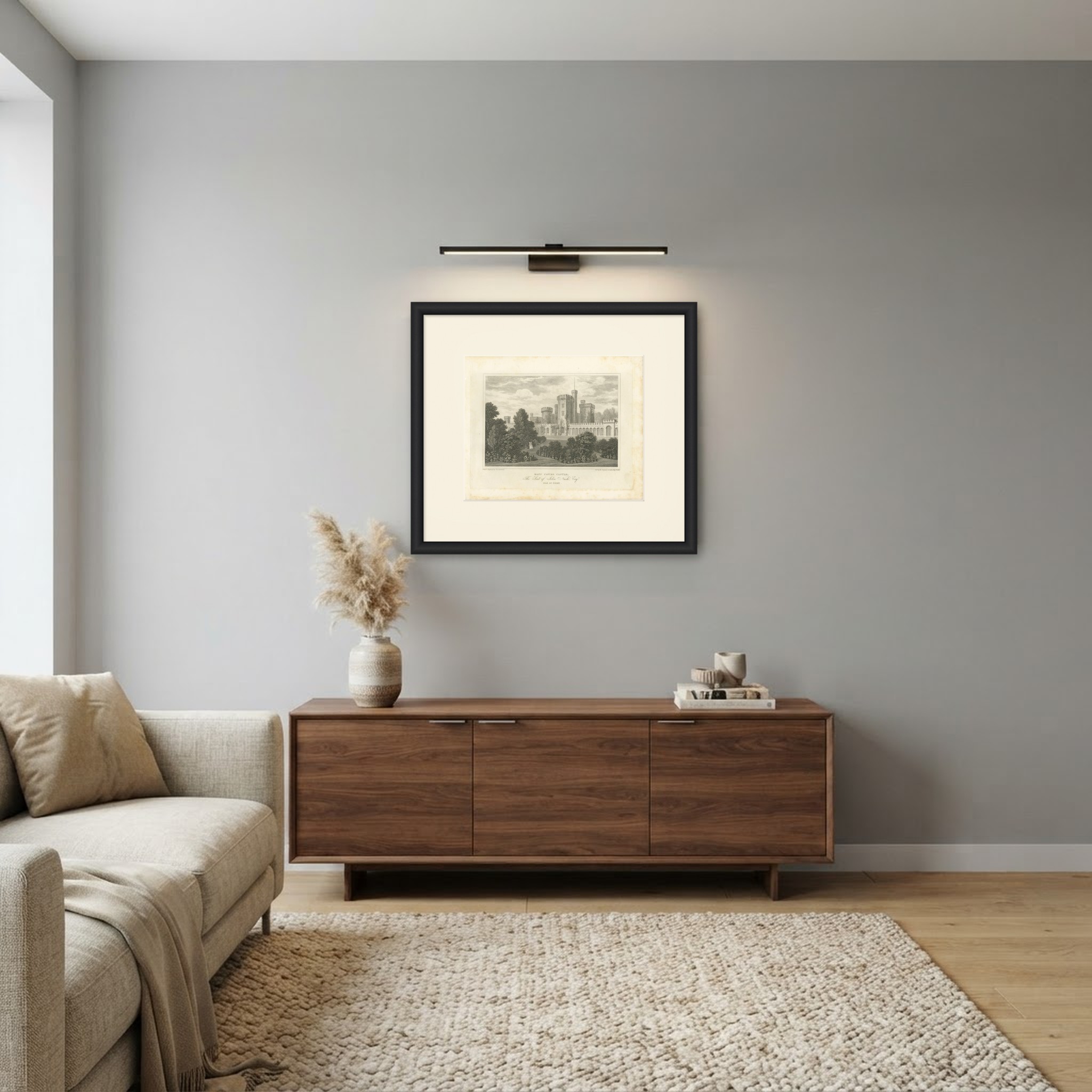
This is an original antique print, not a modern reproduction. This item is sold unframed. Any framed or interior images are shown for presentation and inspiration only, unless the listing explicitly states that the item is sold framed.