About this sheet
Allegories of the Cities of Asia – Antique Hand-Colored Print, Ferrario, 1815
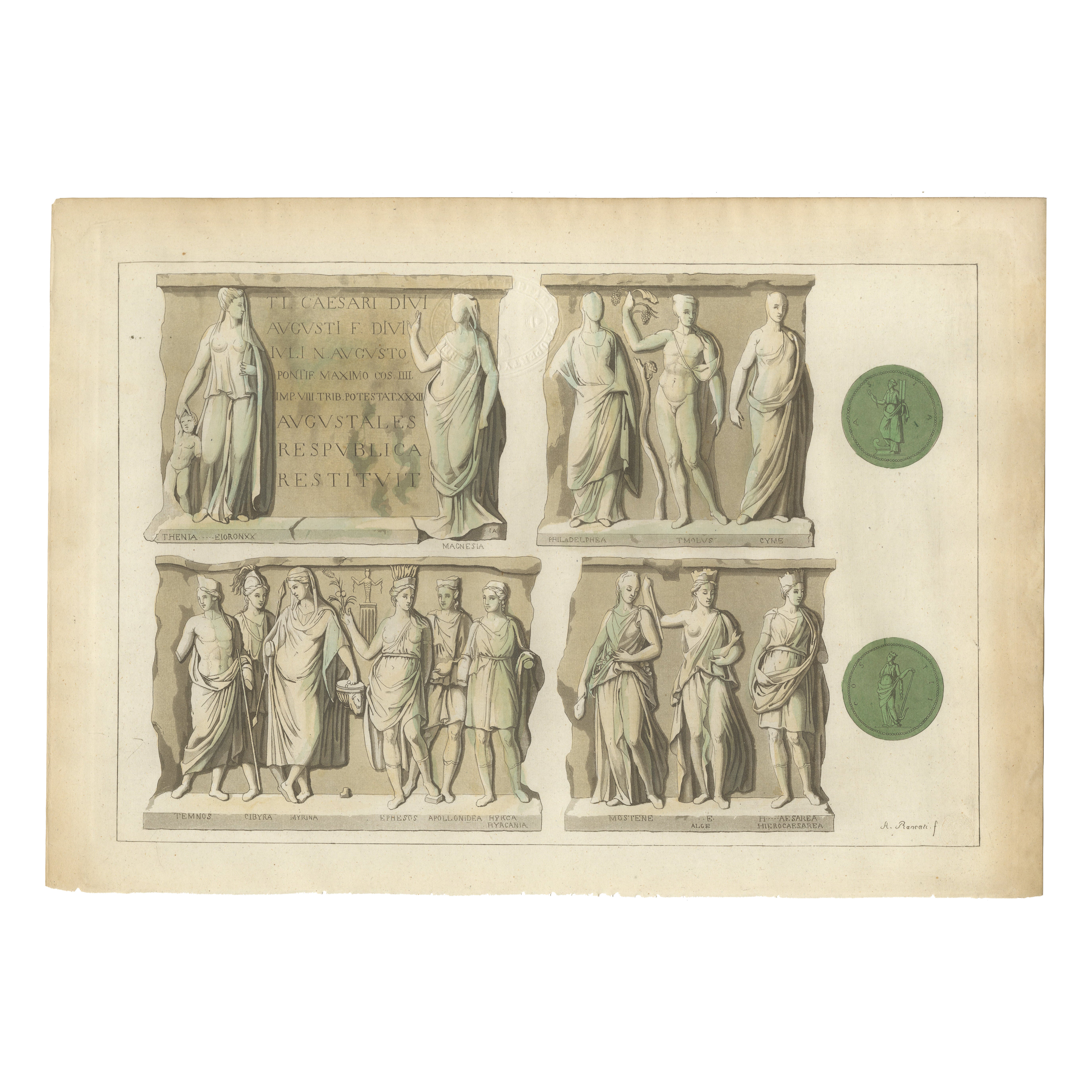
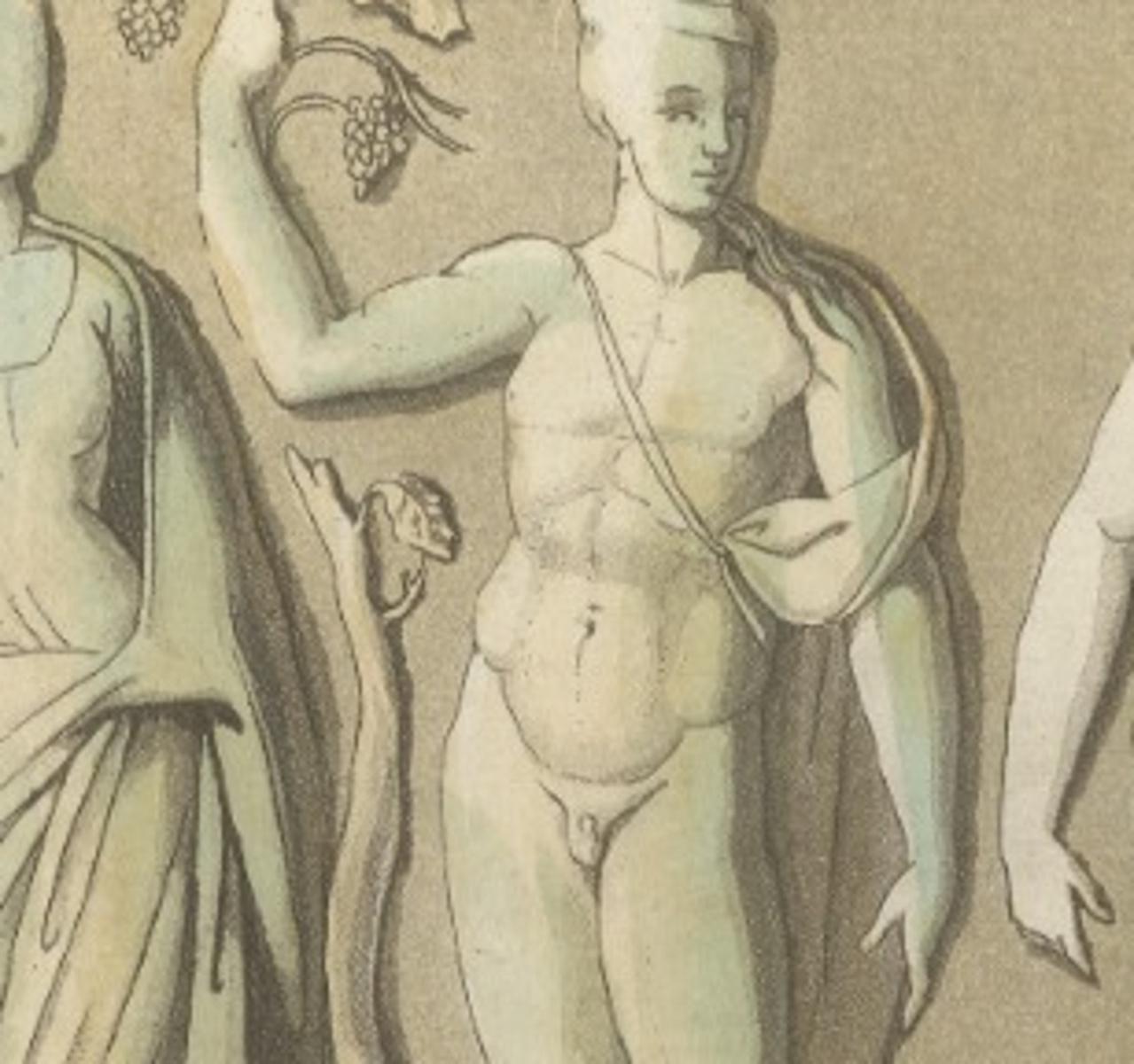
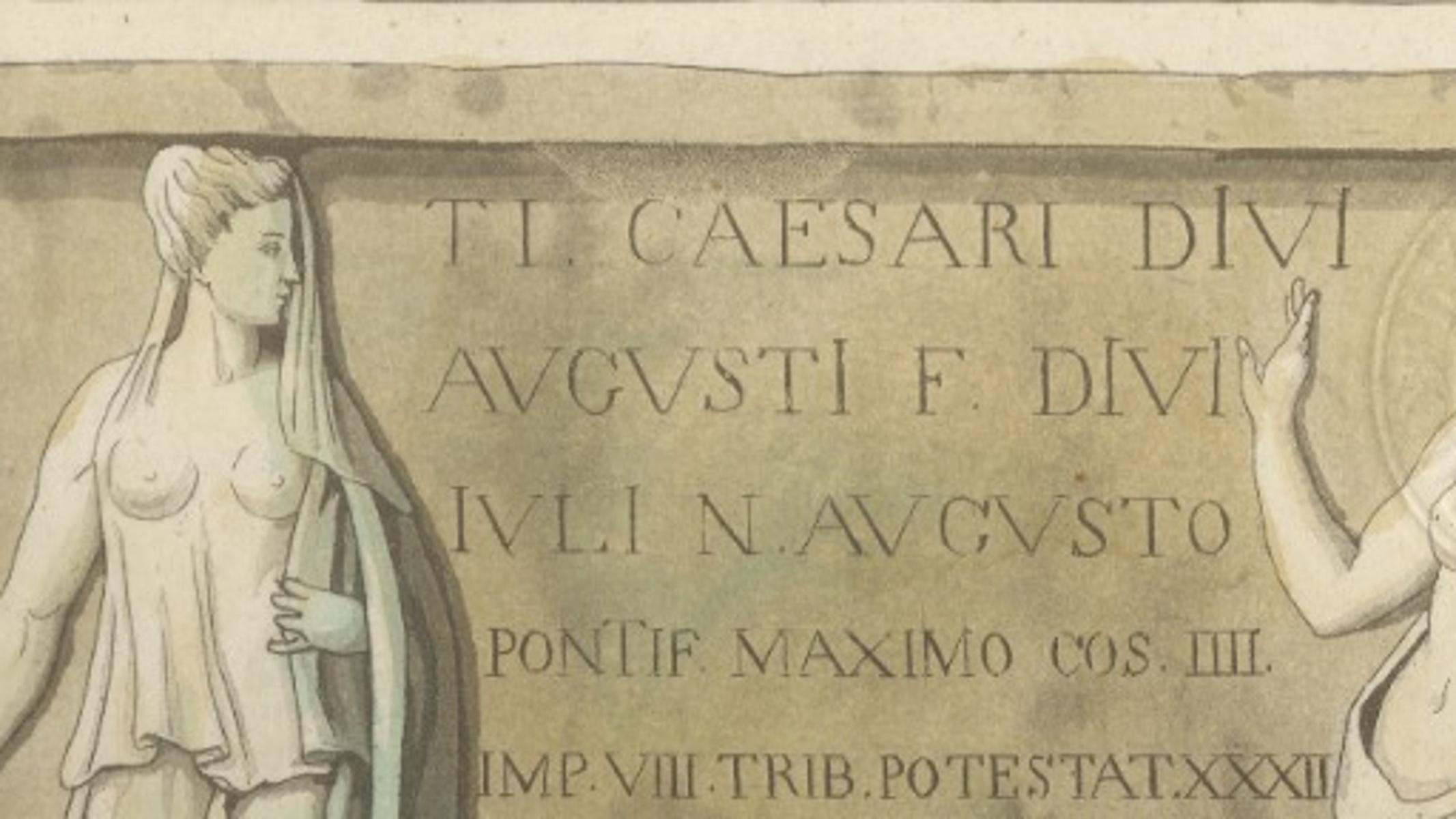
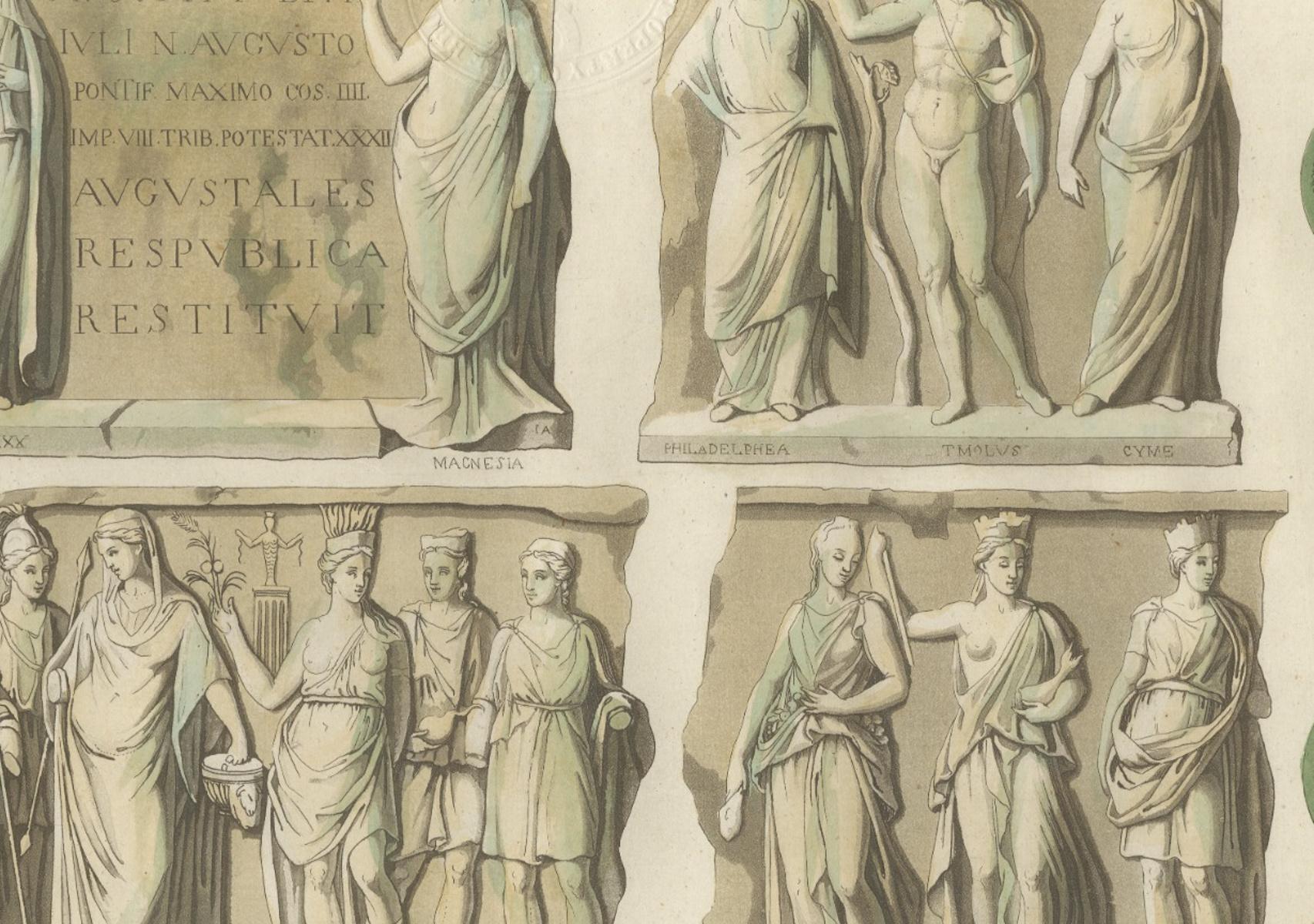
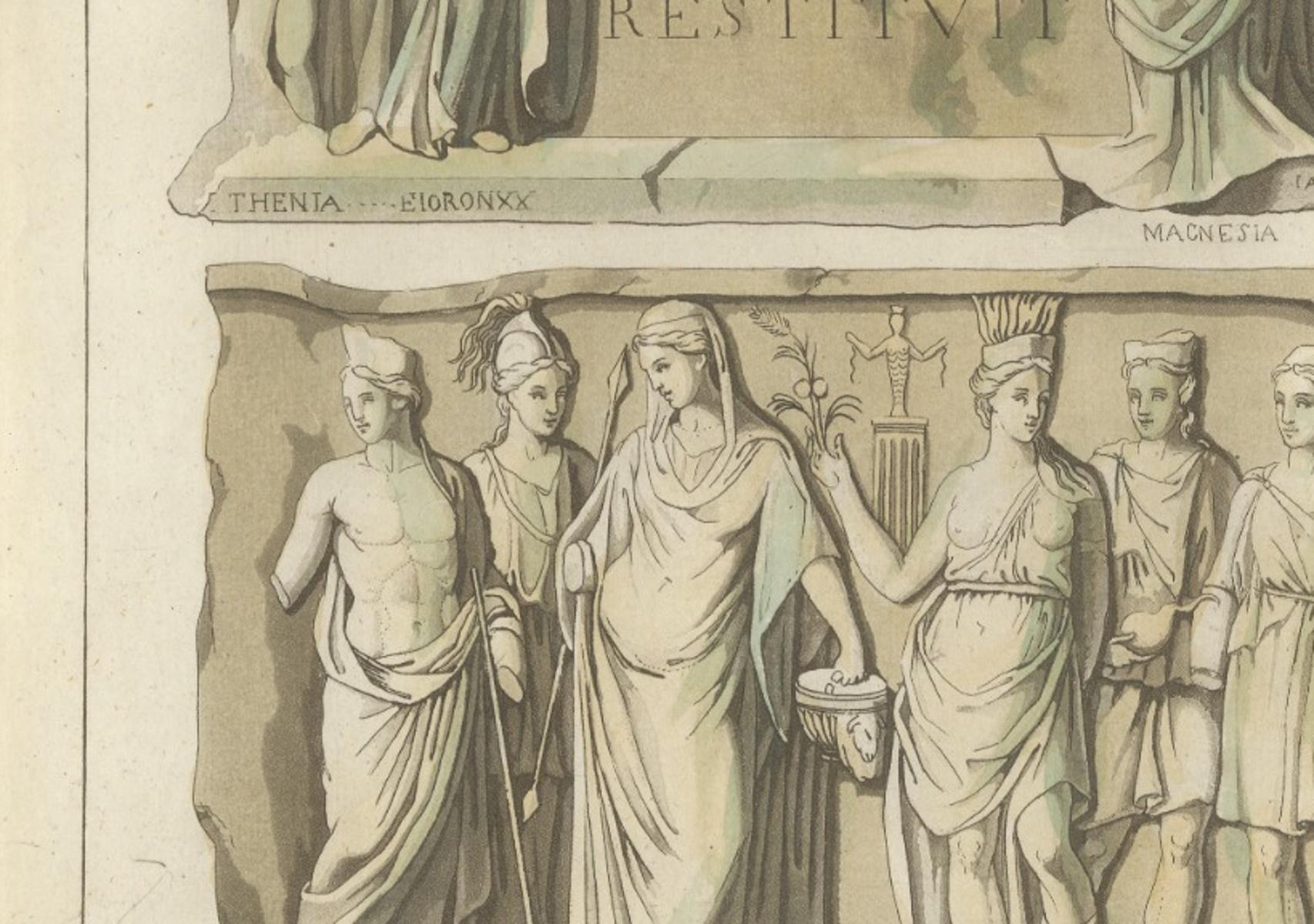
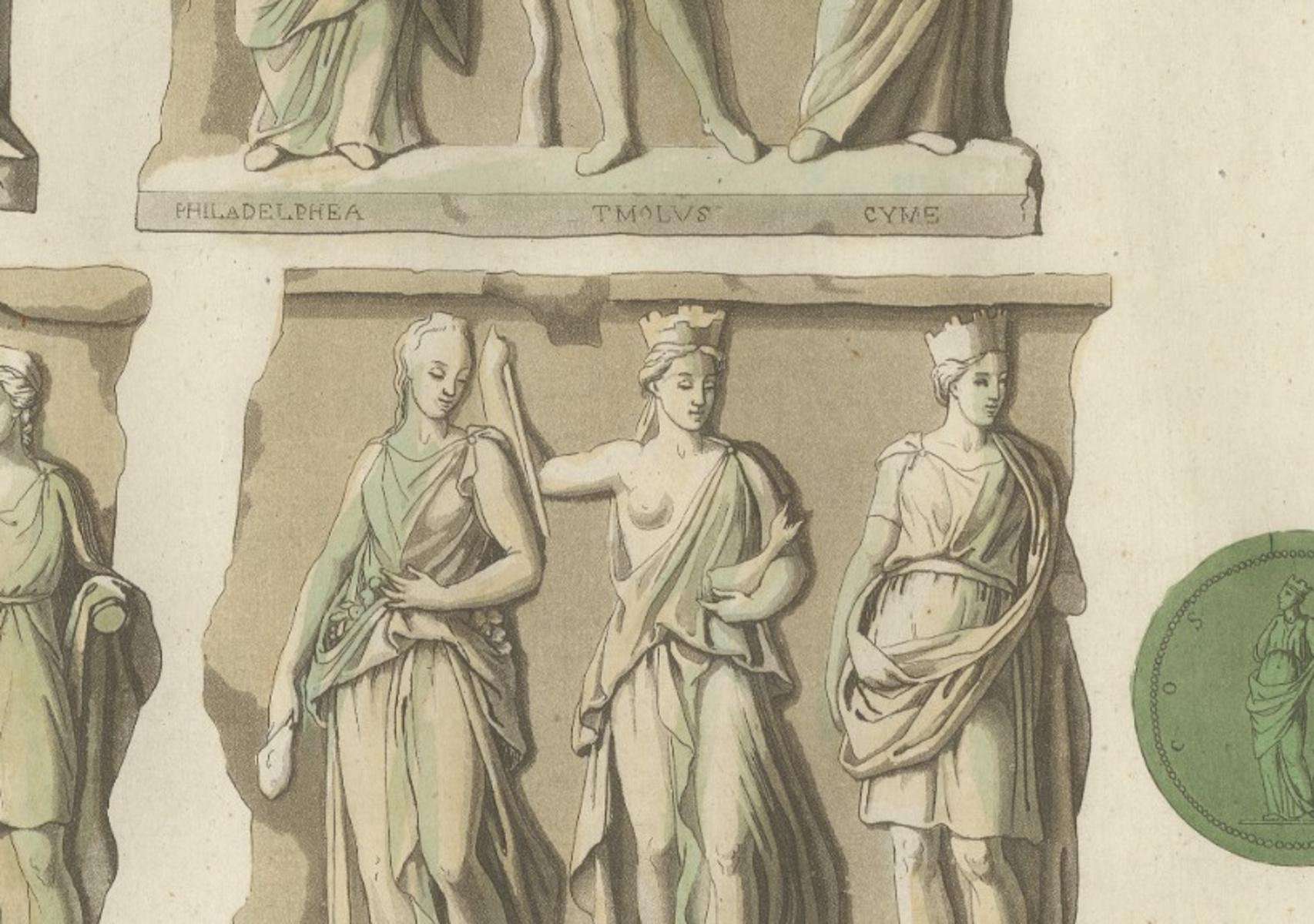
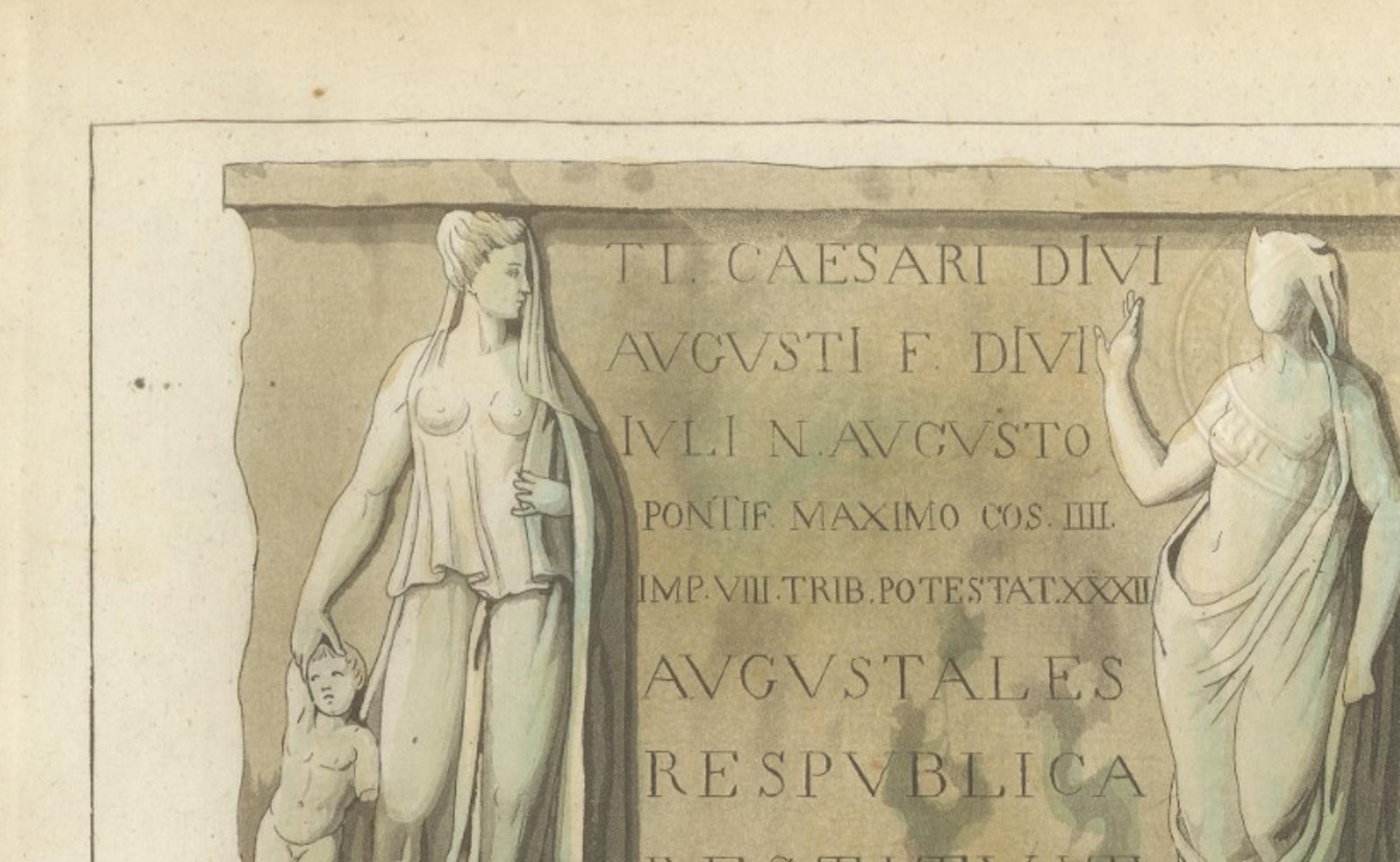
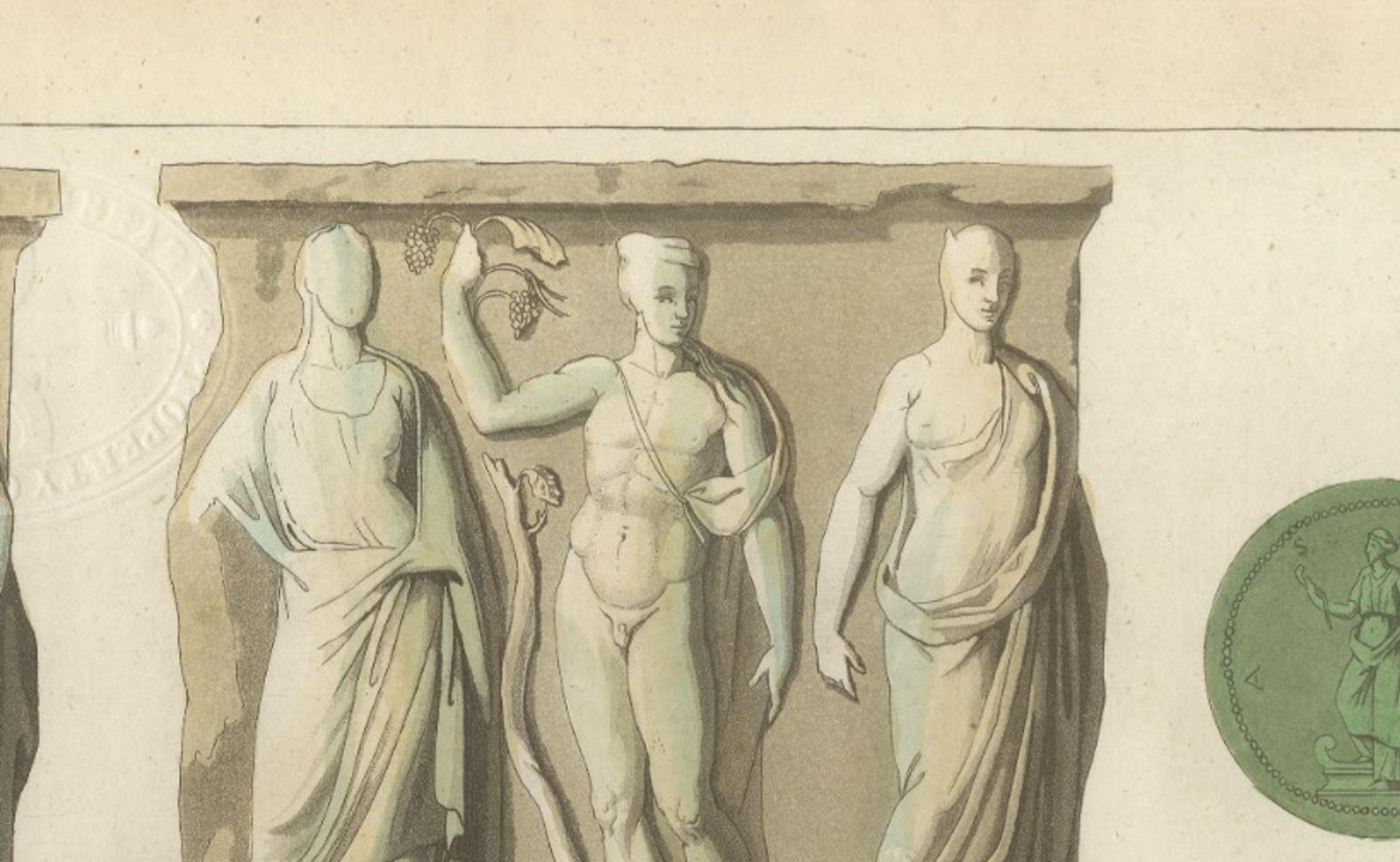
This impressive antique hand-colored copperplate engraving depicts a monumental composition of allegorical statues representing fourteen ancient cities of Asia Minor. The figures are presented as classical female personifications, arranged in architectural niches and relief-like groupings, echoing the visual language of Roman imperial monuments and ancient civic iconography.
The cities represented include Thenia, Magnesia, Philadelphia, Tmolus, Cyme, Temnos, Cybira, Myrina, Ephesos, Apollonidea, Hyrcania, Mostene, Aege, and Hierocaesarea. Each figure is rendered in classical drapery, adopting distinct poses and attributes intended to convey civic identity, virtue, and historical importance. Together, they form a unified allegorical monument celebrating the cultural and political legacy of Asia Minor in antiquity.
The print was engraved by Luigi Giarre and published in 1843 as part of Giulio Ferrario’s monumental series Ancient and Modern Costumes of all the Peoples of the World, issued in Florence. Ferrario’s work stands as one of the most ambitious nineteenth-century attempts to synthesize ethnography, history, and classical scholarship through richly illustrated plates. While widely known for its costume studies, the series also includes architectural, allegorical, and antiquarian subjects such as this plate, which bridges archaeology and neoclassical interpretation.
The composition is executed in copperplate engraving with subtle original hand coloring, emphasizing sculptural form and architectural depth rather than vivid color. The restrained palette enhances the illusion of carved stone relief, reinforcing the classical character of the scene.
As with other plates from the Florentine edition, this sheet bears the original embossed blind stamp applied at the time of publication. This dry stamp serves as an important indicator of authenticity and may, as issued, lightly overlap the image area.
Offered unframed, this work is particularly appealing to collectors of classical antiquity, neoclassical art, and nineteenth-century antiquarian prints, as well as interior designers seeking a sophisticated, architectural focal piece.
Condition Report:
Good antique condition. Light age-related toning and minor scattered spotting consistent with mid-19th-century paper. Original hand coloring remains subtle and intact. Original embossed blind stamp visible, as issued, possibly overlapping the image area. No major tears, losses, or restorations observed.
Framing Tips:
This architectural and allegorical composition benefits from a clean, classical presentation. A wide ivory or light stone-colored mat enhances the sculptural quality of the figures. Suitable frames include light gilt, pale oak, walnut, or restrained neoclassical profiles. A generous mat margin allows the blind stamp to remain visible and supports a museum-style display.
Technique:
Hand-colored copperplate engraving
Maker:
Luigi Giarre for Giulio Ferrario, Florence, 1843