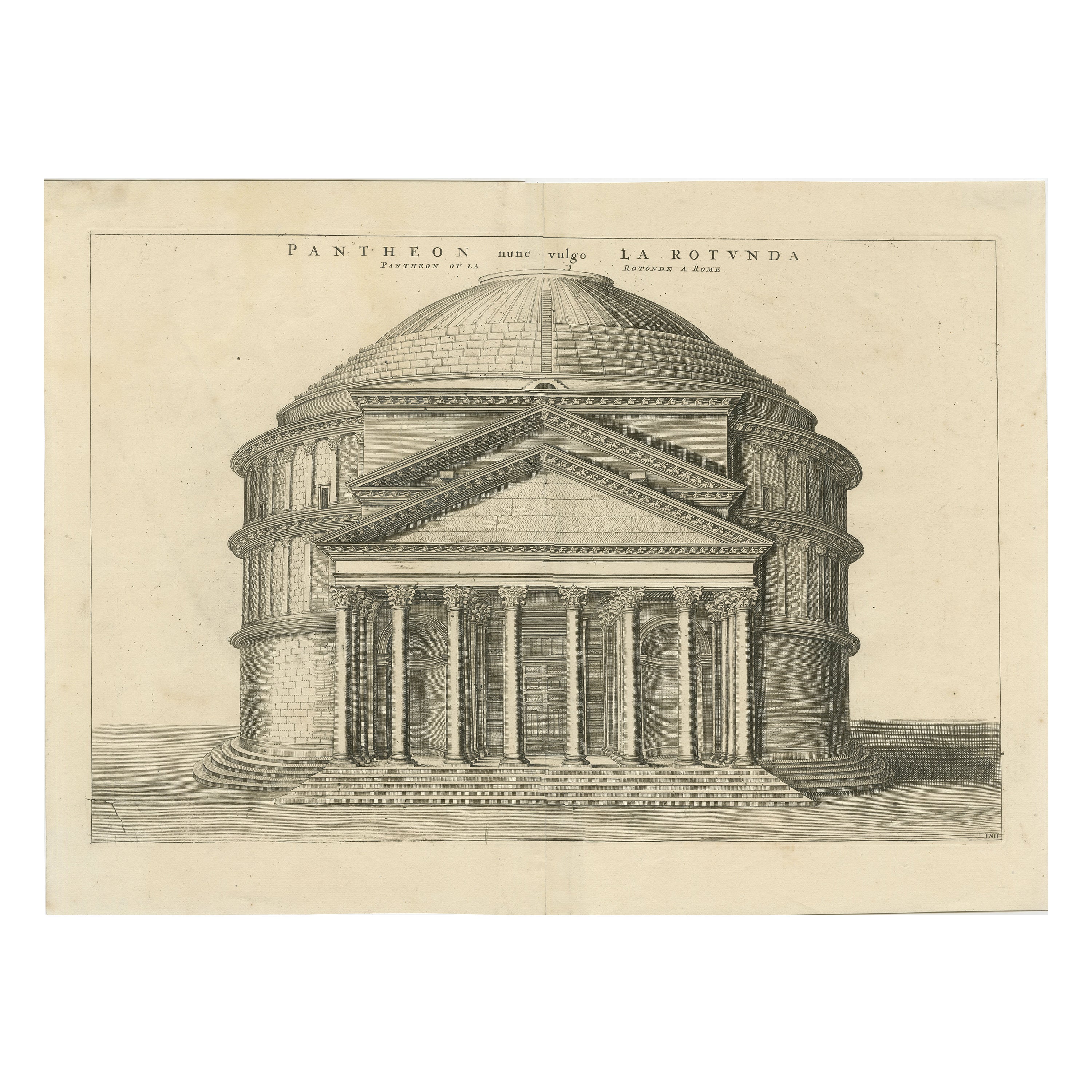
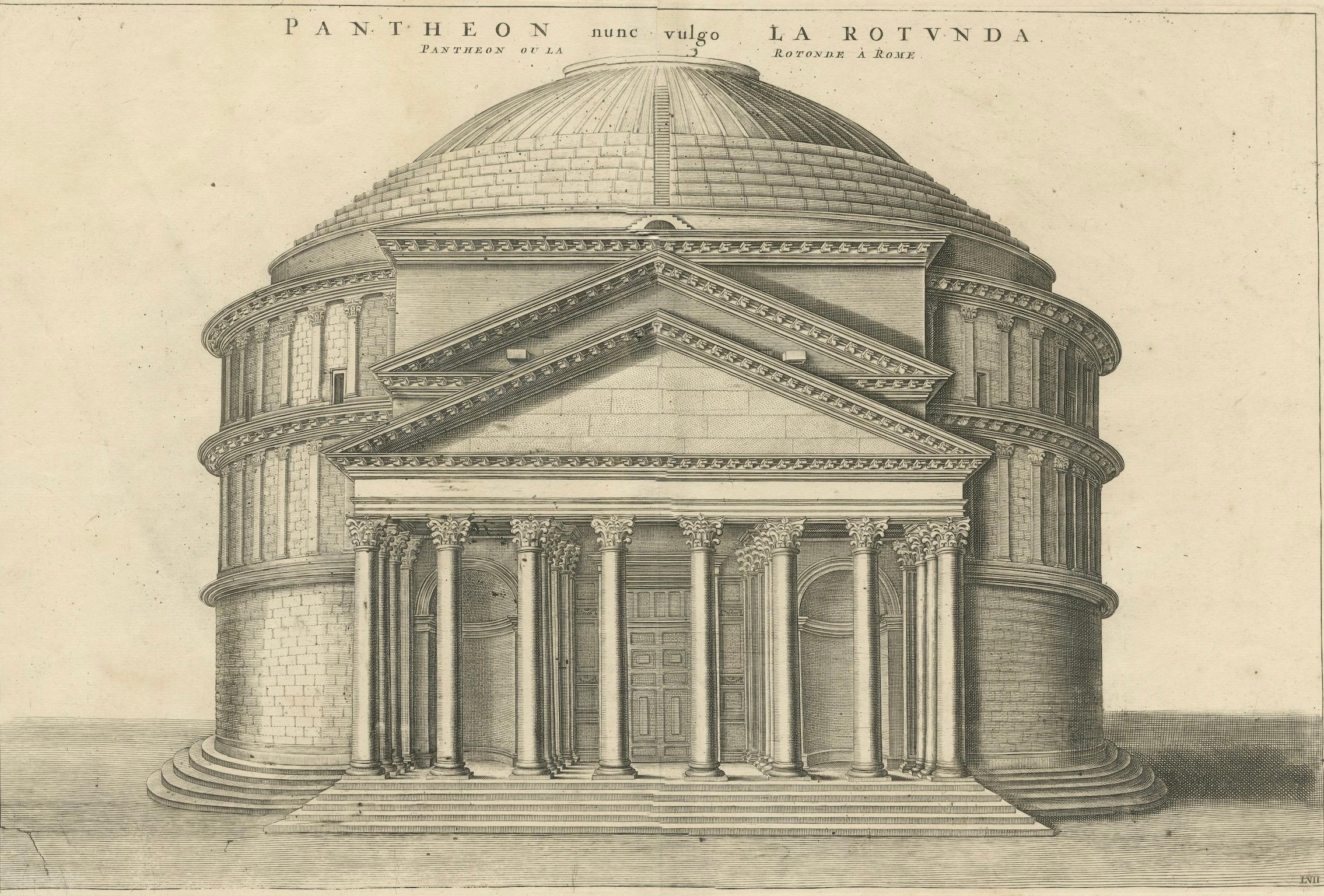
Eternal Echoes Engraved: The Pantheon, Rome's Ancient Marvel, circa 1705
€ 1 400
One of a kind: this is the sheet in the photographs. Ships from Langweer, the Netherlands.
Date
1705
Sheet size
41.5 × 57 cm (16.3 × 22.4 in)
Condition
Good
Reference
BG-13610-25
Condition
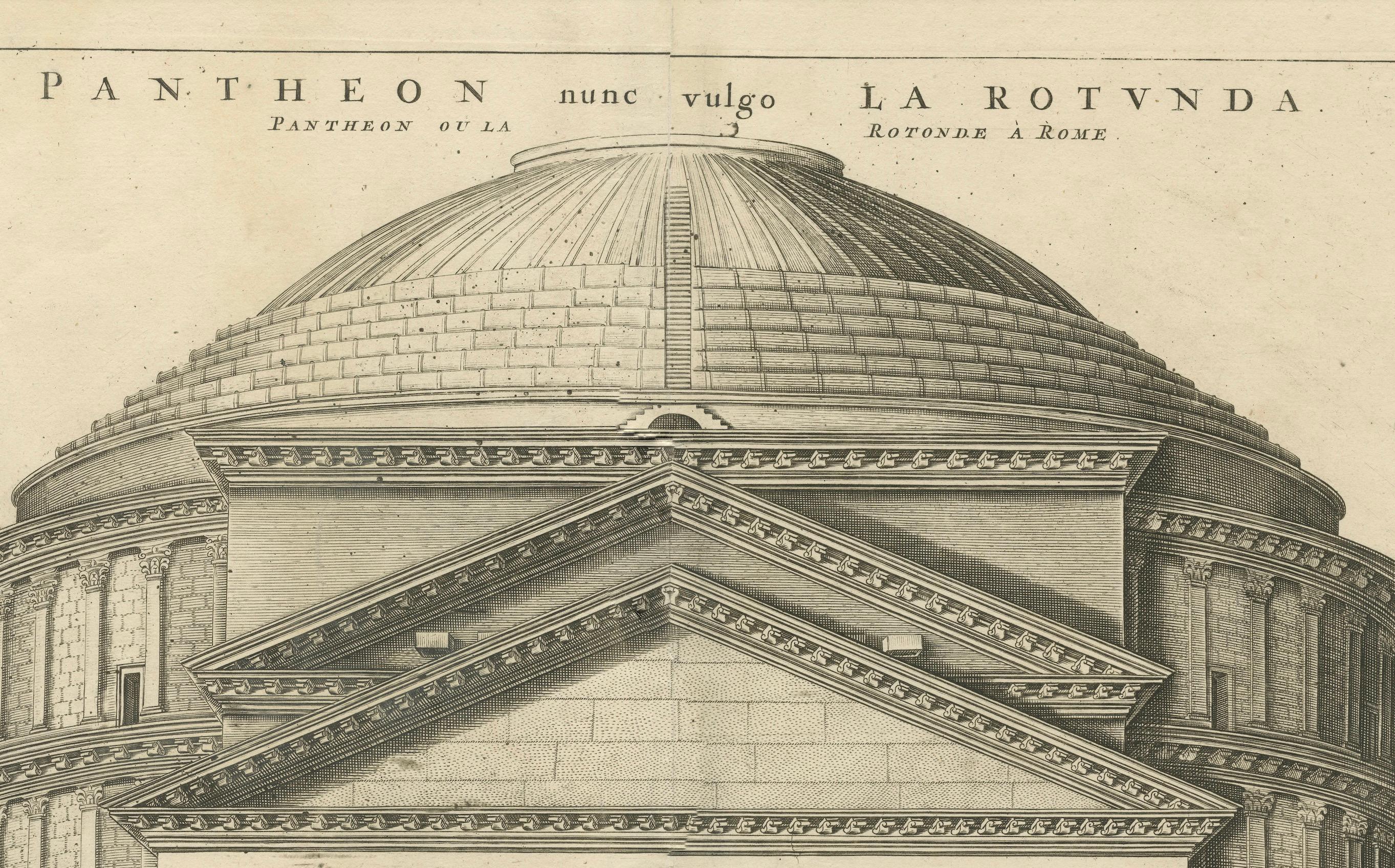
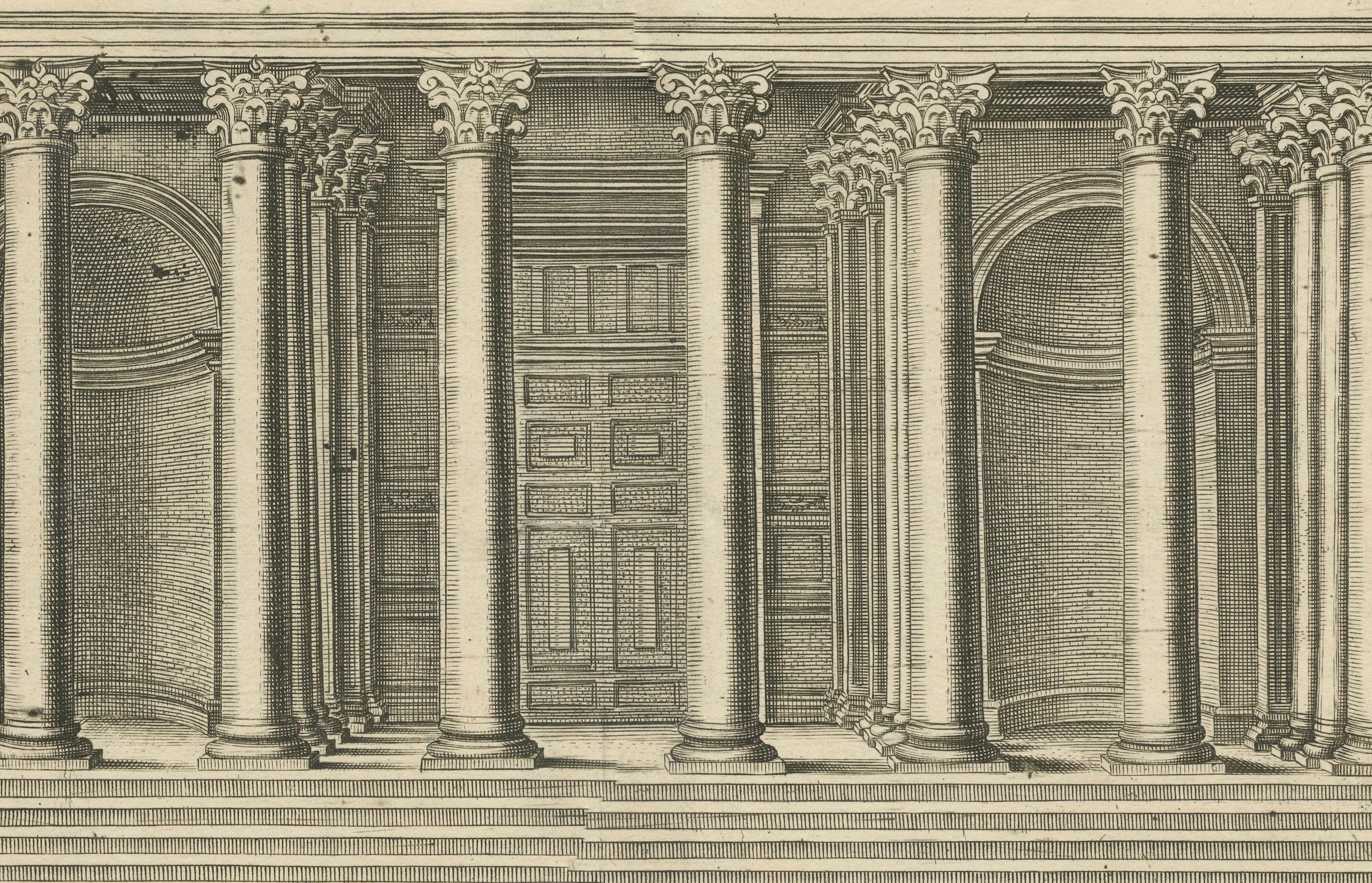
Repaired: two small remains of tape on reverse for support of the top corners. Good, considering age. A small tear in the folding line and two small remains of tape on reverse. Aged paper with typically warm, yellowish-brown hue. Light foxing and scattered tiny inkt spots. Study the scans carefu
About this sheet
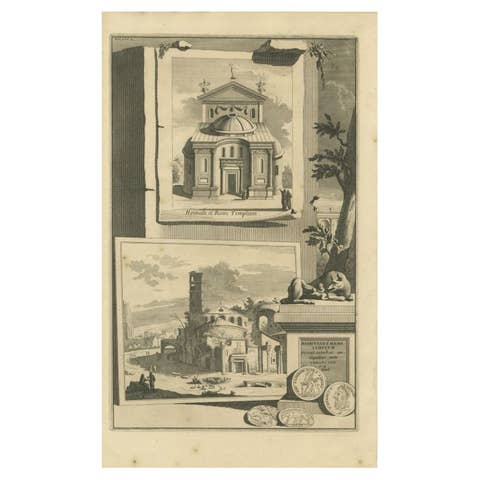
The engraving titled "Pantheon nunc vulgo la Rotunda" is attributed to the publishing efforts of Joan Blaeu and was part of a series published around the early 18th century. Joan Blaeu was a renowned Dutch cartographer born in 1599 and who passed away in 1673. His works often featured detailed engravings of notable locations. This particular piece would have been published posthumously, as part of a collection that his heirs continued, which was later reissued by publishers like Pierre Mortier. The exact date of publication for this specific engraving is not provided in the information, but it would be within the timeframe of the early 1700s, given the dates of the reissues mentioned.
The Pantheon, which is depicted in your engraving, was initially built around 27 BC by Marcus Vipsanius Agrippa, as mentioned on the façade's inscription. It was later rebuilt by Emperor Hadrian between 118 and 128 AD on the site of Agrippa's original temple, which had been destroyed. Contrary to what the inscription might suggest, Hadrian decided to credit Agrippa rather than himself. This choice contributed to some confusion regarding the origins of the building throughout history.
The structure is celebrated for its remarkable construction, particularly its dome, which was the largest built until modern times and remains the largest unreinforced concrete dome in the world today. The Pantheon's design has been influential in architecture, inspiring numerous buildings across the world. It has been continuously used throughout its history, which has contributed significantly to its excellent state of preservation. Since the 7th century, it has served as a church dedicated to St. Mary and the Martyrs but is informally known as "Santa Maria Rotonda".
Today, the Pantheon is not only a church but also a major tourist attraction, visited by millions of people every year. It also serves as a final resting place for notable figures such as the painter Raphael and several Italian kings.