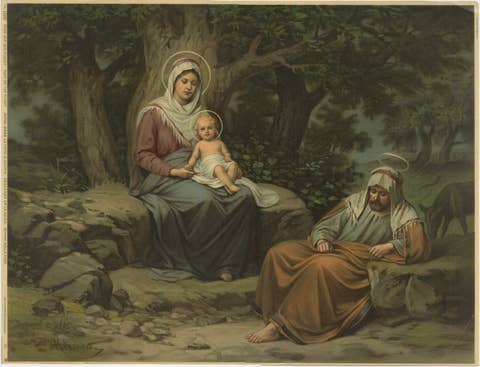
One of a kind: this is the sheet in the photographs. Ships from Langweer, the Netherlands.
Date
1900
Sheet size
33.5 × 25 cm (13.2 × 9.8 in)
Condition
Good
Reference
BG-13158-57
Condition
Condition report: Very good. Vibrant hand-coloring with especially strong tones in the golden mantle and red lion. Some minor age-toning at the margins, otherwise clean sheet with wide borders. Blank verso.
About this sheet
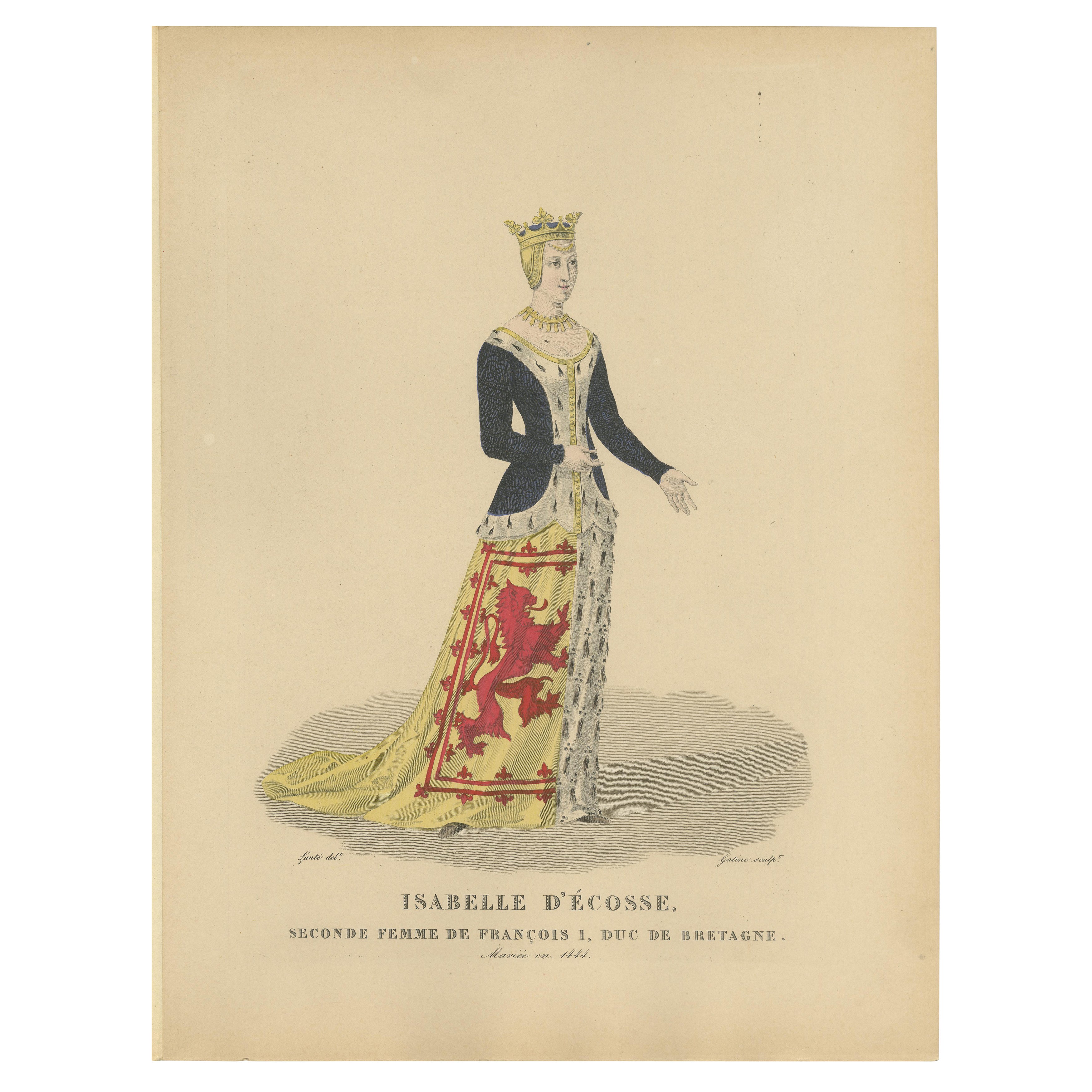
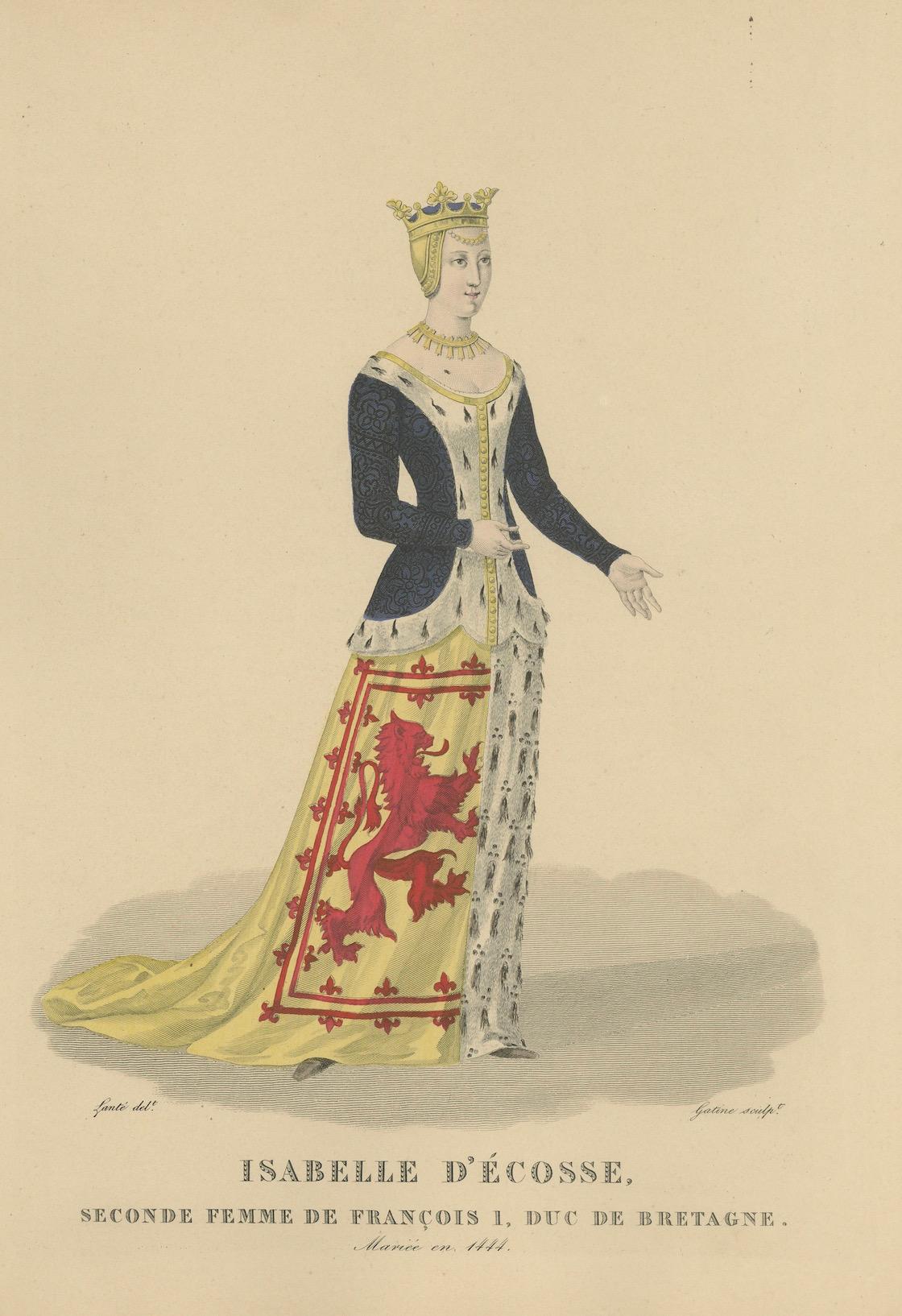
Hand-Colored Portrait of Isabelle d’Écosse, Duchesse de Bretagne (after 1827, ca. 1900 edition)
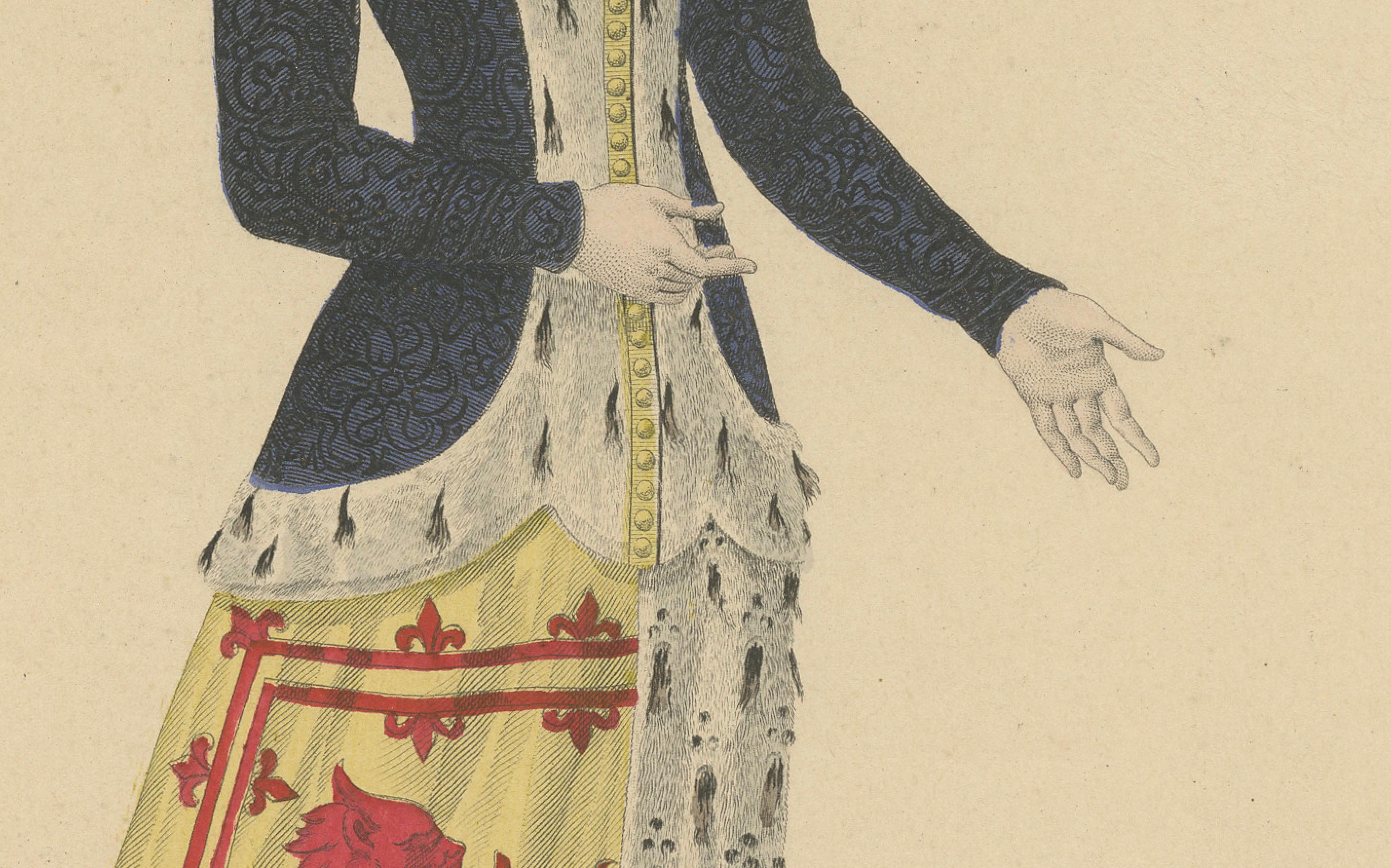
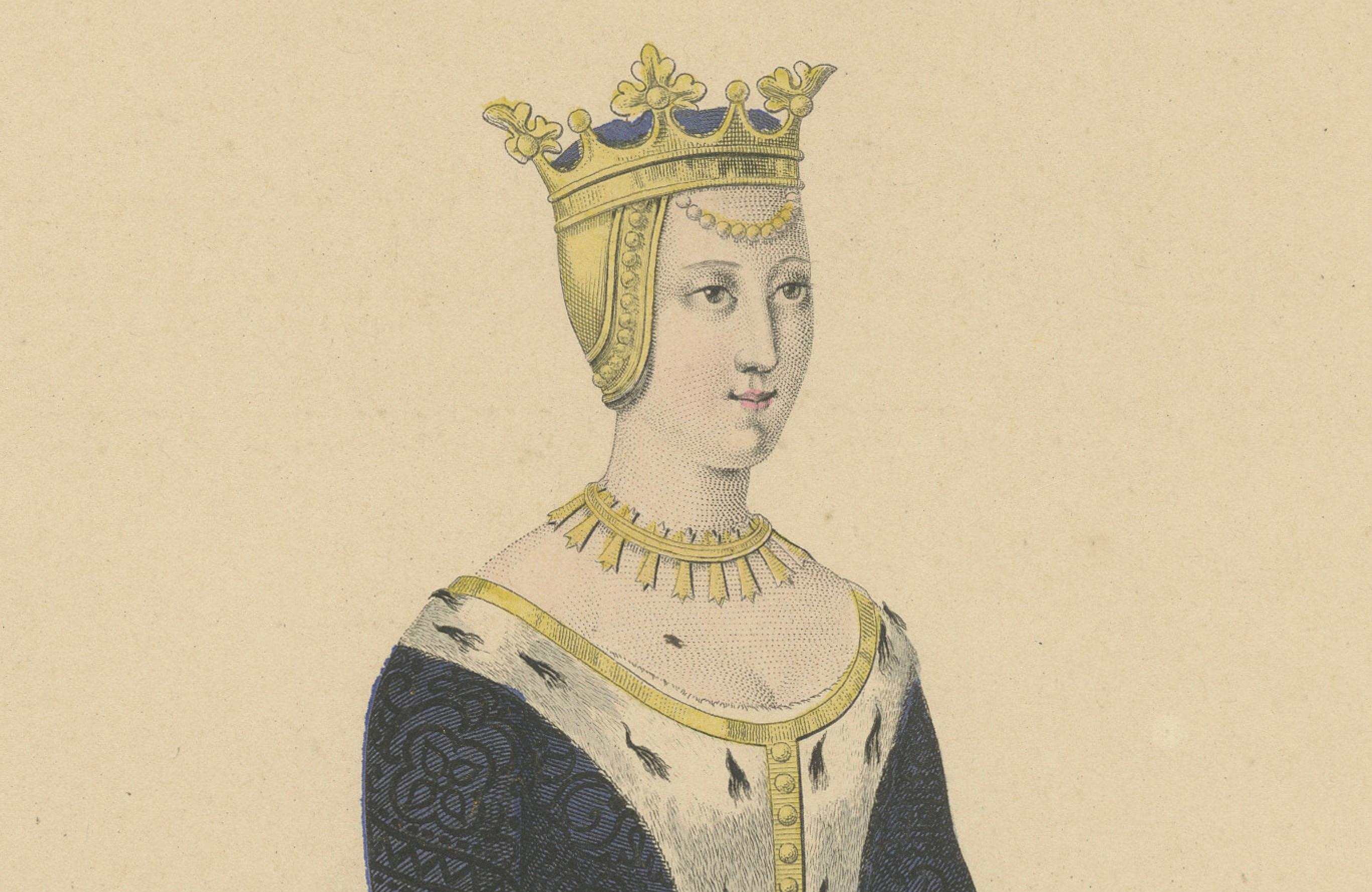
A richly detailed hand-colored engraving of Isabelle d’Écosse (1426–1494), also known as Isabella of Scotland, the second wife of François I, Duke of Brittany. She is depicted wearing an opulent gown with a long train displaying the royal arms of Scotland—a golden field with the red rampant lion within a double tressure fleur-de-lys—symbolizing her dynastic connection as daughter of King James I of Scotland. Her attire combines the deep black of her fitted bodice with fur-edged trimming and a long, heraldic mantle, topped by a golden crown, emphasizing her noble status and political significance.
The marriage between Isabelle and François I, Duke of Brittany, was arranged in 1442 to strengthen the alliance between Scotland and Brittany, both regions with histories of resisting powerful neighbors. As Duchess, Isabelle bridged two important dynasties, and her presence in this costume print reflects the interplay of political power, heraldry, and courtly fashion during the 15th century.
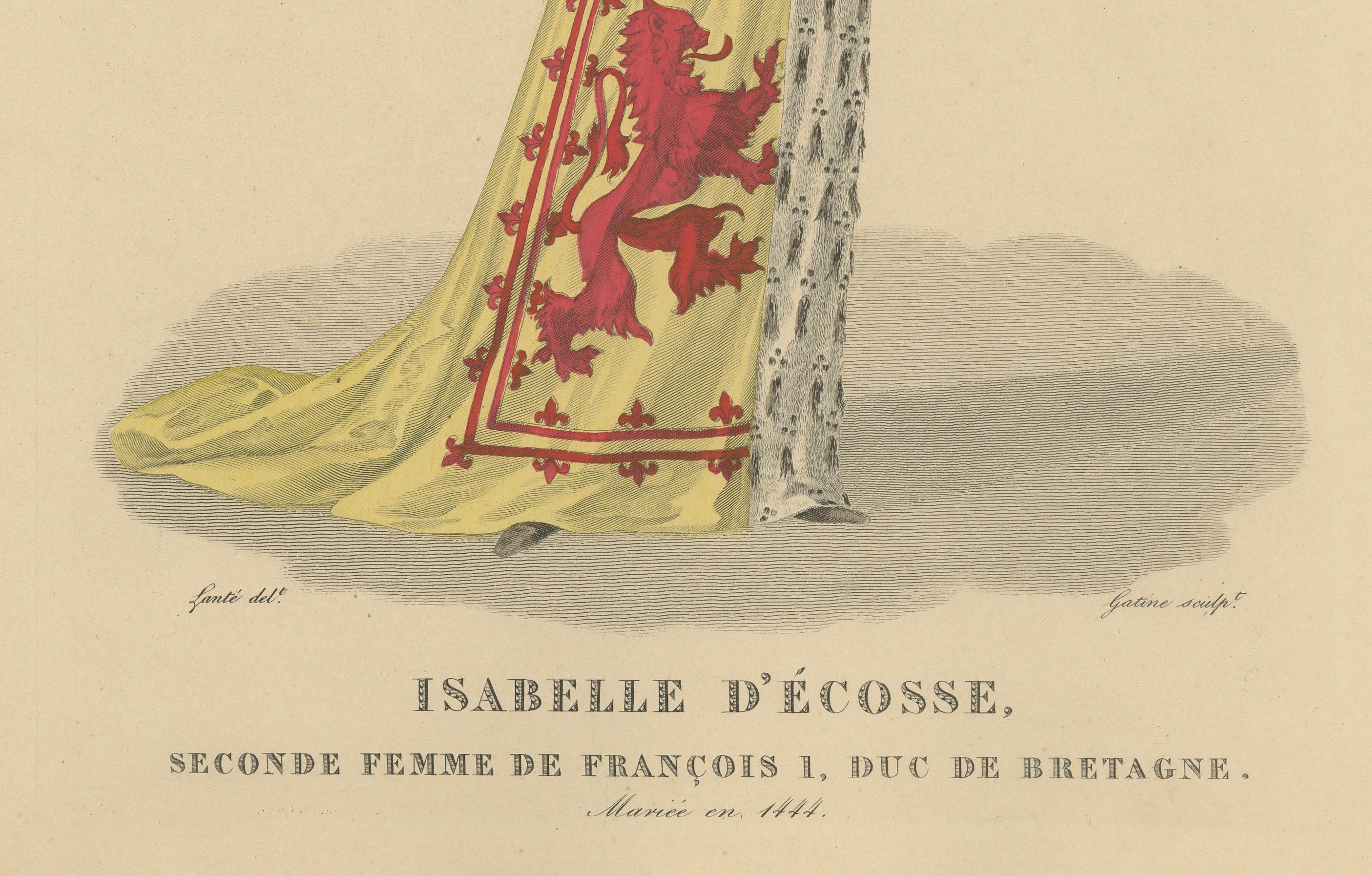
This print belongs to the celebrated series Galerie Française de Femmes Célèbres, first published in Paris in 1827 with designs by Louis-Marie Lanté and engraving by Georges Jacques Gatine. The present impression is from the ca. 1900 reissue of the plates, hand-colored to a high standard, enhancing both the heraldic symbolism and costume detail.
Condition report: Very good. Vibrant hand-coloring with especially strong tones in the golden mantle and red lion. Some minor age-toning at the margins, otherwise clean sheet with wide borders. Blank verso.
Framing tips: A cream or light ivory mat will highlight the richness of the heraldic gold and red tones. A black or dark wood frame creates a striking contrast, while a gilt frame enhances the regal quality of the portrait. Consider using a double mat with a fine red inner line to echo the lion of Scotland.
Technique: Hand-colored engraving (later impression, ca. 1900) Maker: After Louis-Marie Lanté (artist) and Georges Jacques Gatine (engraver), Paris, 1827