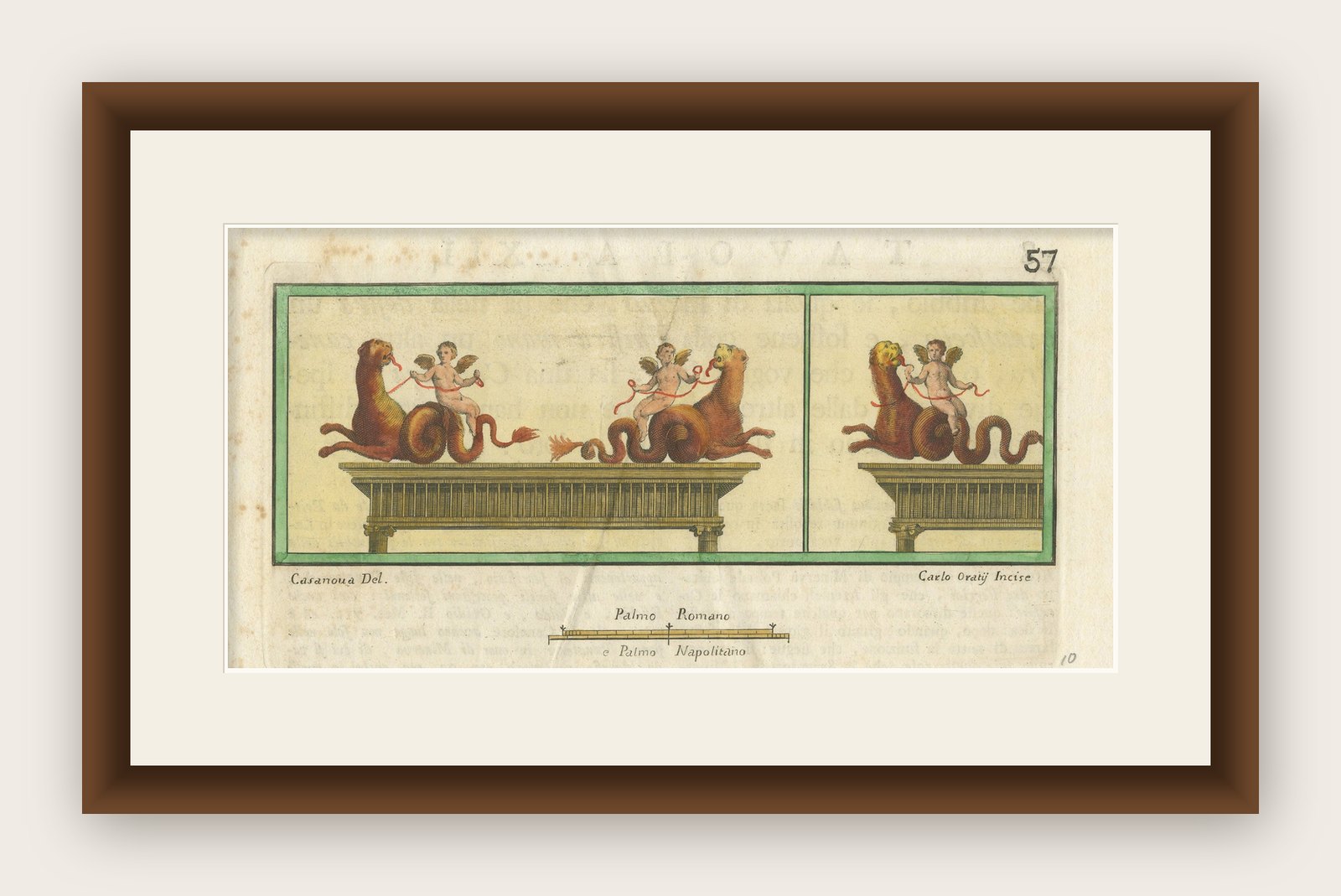
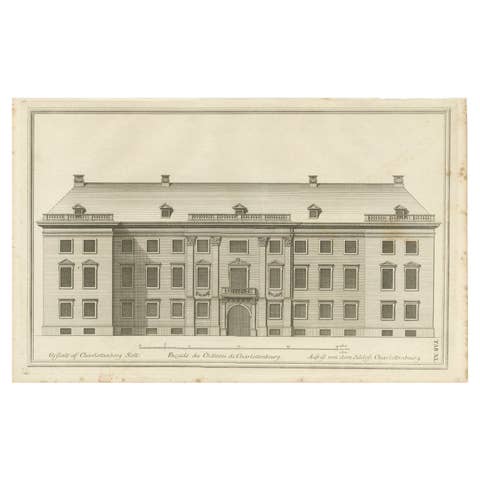
Antique Old Hand-Colored Print of Excavations found in Napels, Campania c.1790
€ 280
Original antique · The actual sheet photographed · Certificate of authenticity on request · Sold unframed · Worldwide shipping from € 15 (rates)
Date
1790
Sheet size
13.5 × 26 cm (5.3 × 10.2 in)
Condition
Good
Reference
BG-13009-53
What the condition grades mean
Excellent
Bright and clean, with no faults worth mentioning.
Very good
Only light signs of age, such as faint toning.
Good
Normal signs of age for a sheet of this period: toning, some foxing, small marks or neat old repairs.
Fair
Clear faults such as staining, tears or repairs, priced to match.
Every fault we see is written in the condition note, and the whole sheet is shown uncropped in the photos.
Condition
GoodWear consistent with age and use.
About this sheet
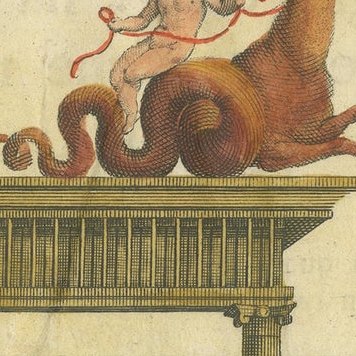
Untitled antique print of antiquities. This print most likely originates from an edition of 'Le Antichita di Ercolano Esposte' by Ottavio Antonio Bayardi. Published circa 1790.
This ancient Roman Scene is an original etching realized by Carlo Oraty in the late 18th century. Signed on the plate, on the lower right.
The etching belongs to the print suite “Antiquities of Herculaneum Exposed” (original title: “Le Antichità di Ercolano Esposte”), an eight-volume volume of engravings of the finds from the excavation of the ruins of Herculaneum in the Kingdom of Naples (now Campania, Italy). It was published between 1757 and 1792 by the Regia Stamperia, and copies were delivered to selected recipients across Europe. Despite the title, the Antiquity of Herculaneum shows objects from all the excavations undertaken by the Bourbons in the Gulf of Naples. These include Pompeii, Stabia and two sites of Herculaneum: Resina and Portici. The Bourbon King Carlo appointed fifteen scholars creating a new “Herculaneum Academy” to study the artifacts and publish the results of the archaeological excavations of the sites.
The engravings are of high quality and the accompanying text shows a large scholarship. They were realized by 25 prominent artists involved by the King to prepare drawings and engravings on the finds, among which we can find Giovanni Elia Morghen, Carlo Nolli, Luigi Vanvitelli and Giovanni Battista Casanova. The “Antiquities” was designed more to amaze readers with the quality of the objects in the collection of the King of Naples than to be used in research., following and increasing the interest of 18th century society for the classical culture and Art in particular.
Through the exaltation of the classical concept of proportions and harmony, the book was of inspiration to the neoclassical movement in Europe, giving artists and decorators access to a huge shop of Hellenistic motifs.