About this sheet
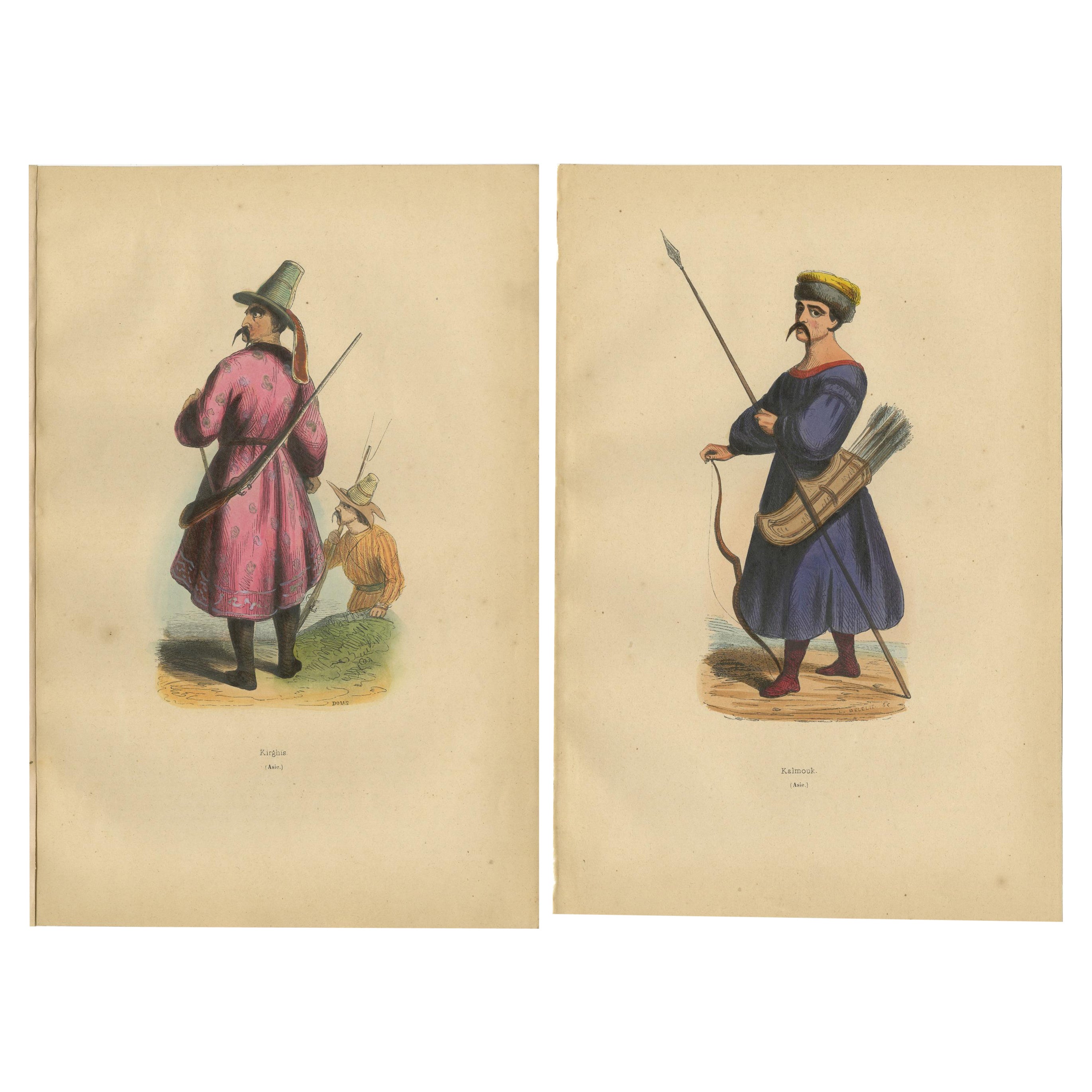
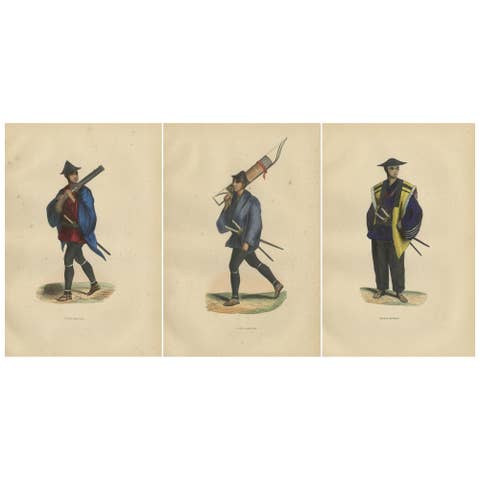
Traditional Archery and Infantry Gear: Kirghiz and Kalmouk Warriors in 1844
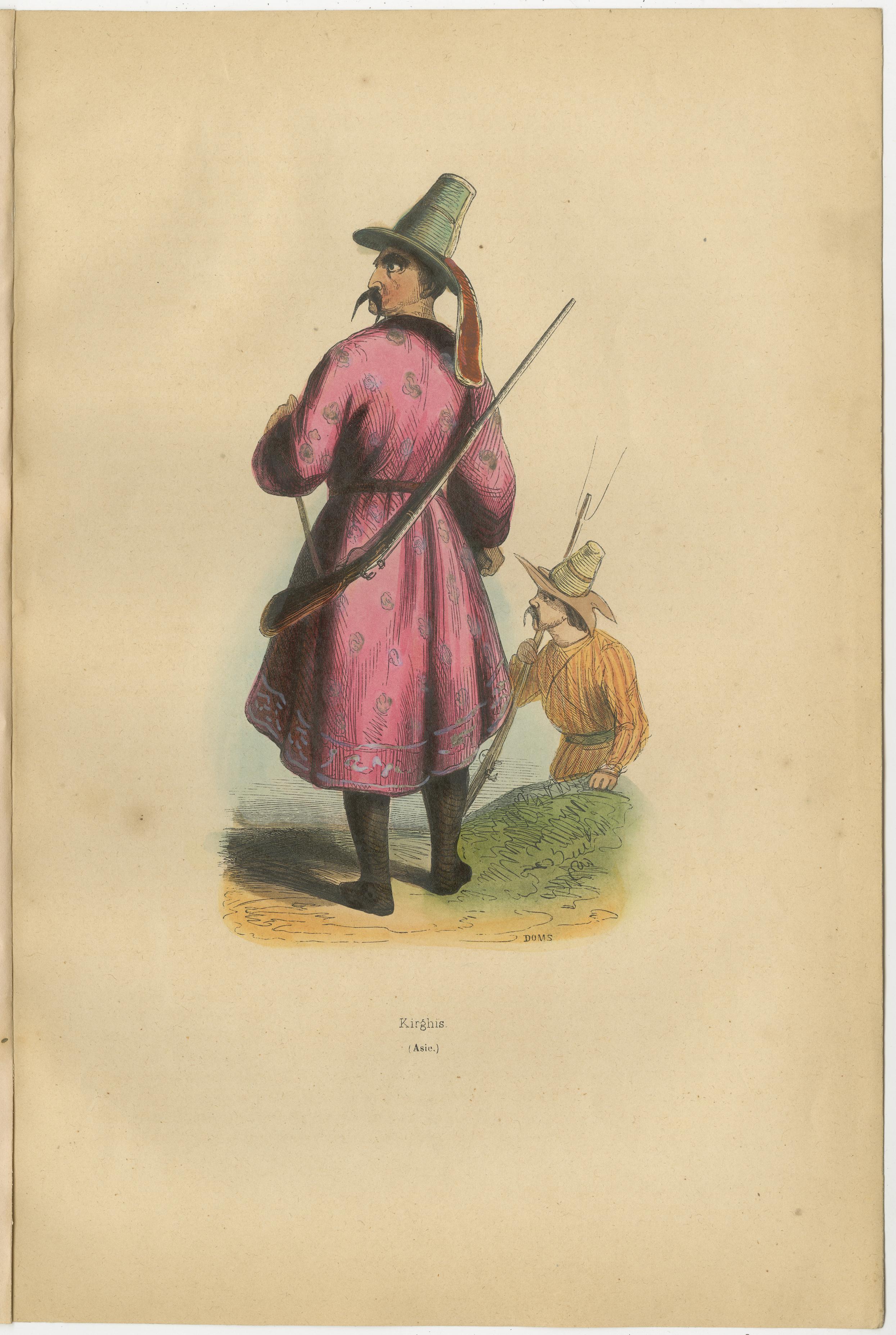
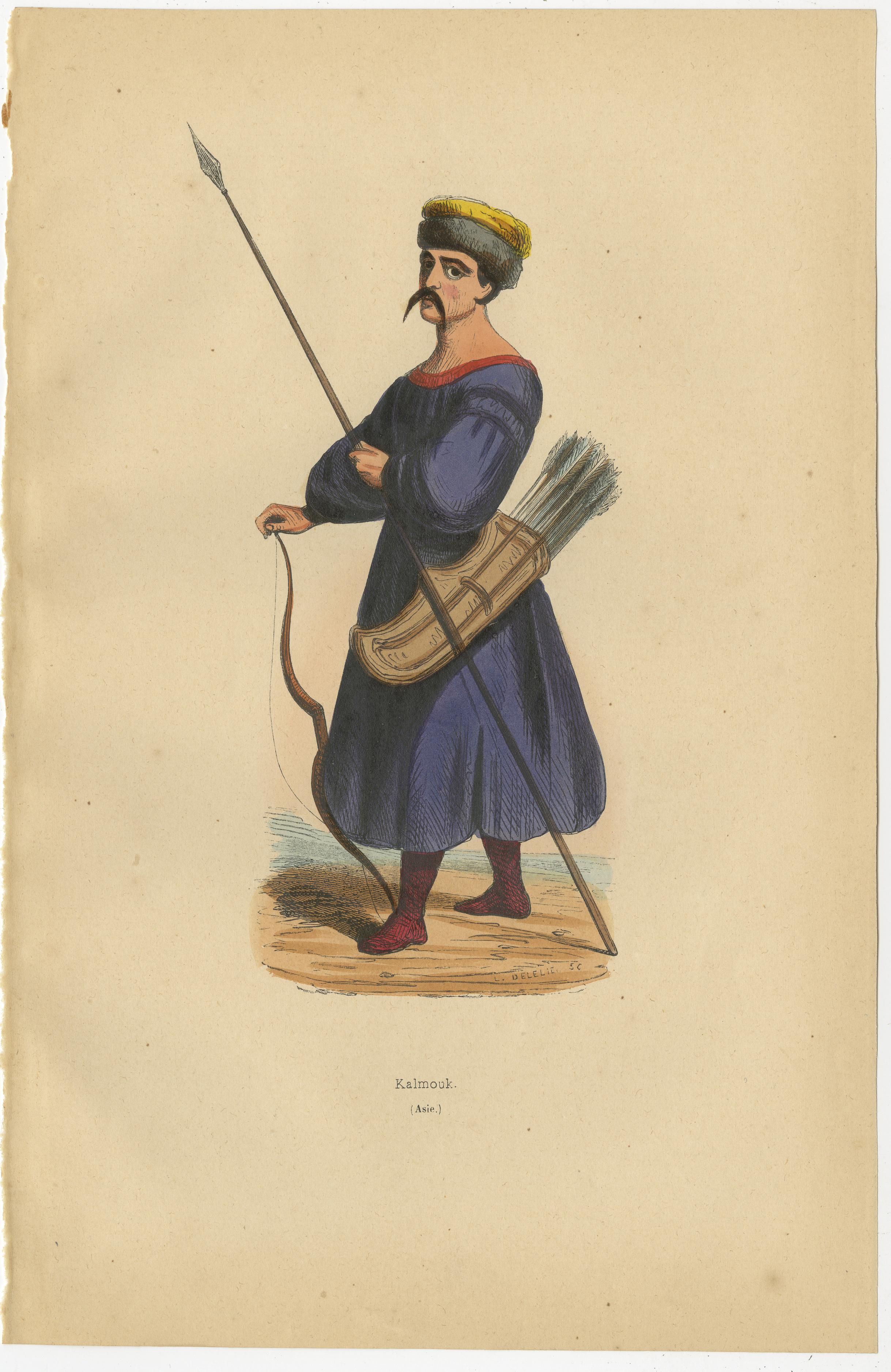
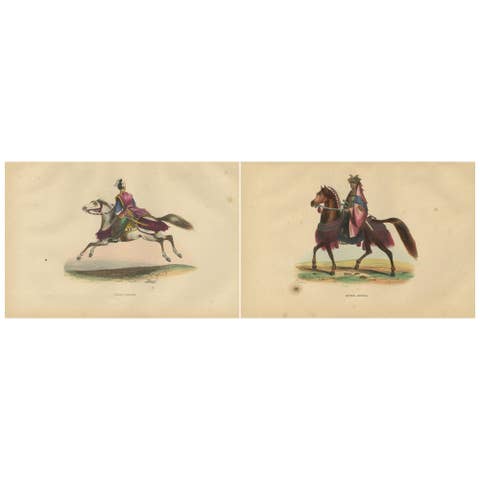
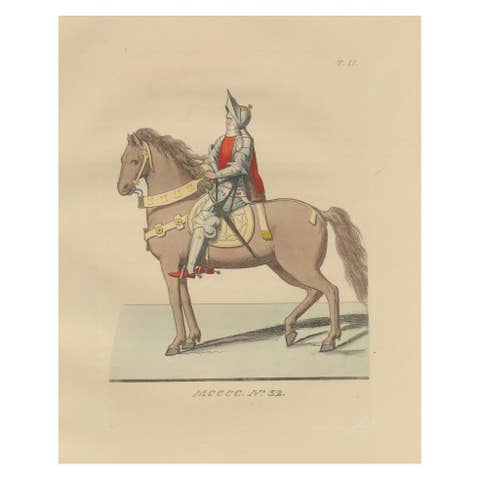
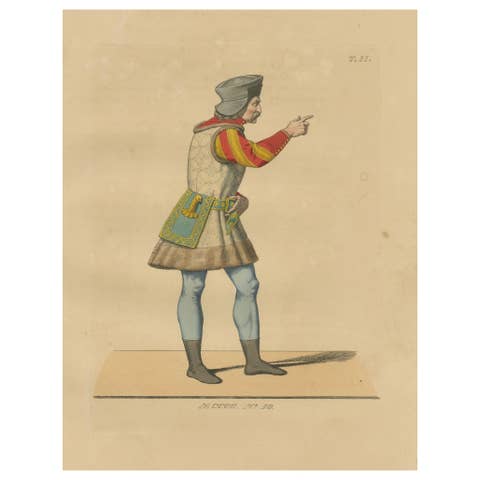
The two tribesmen depicted in the prints are from distinct ethnic groups:
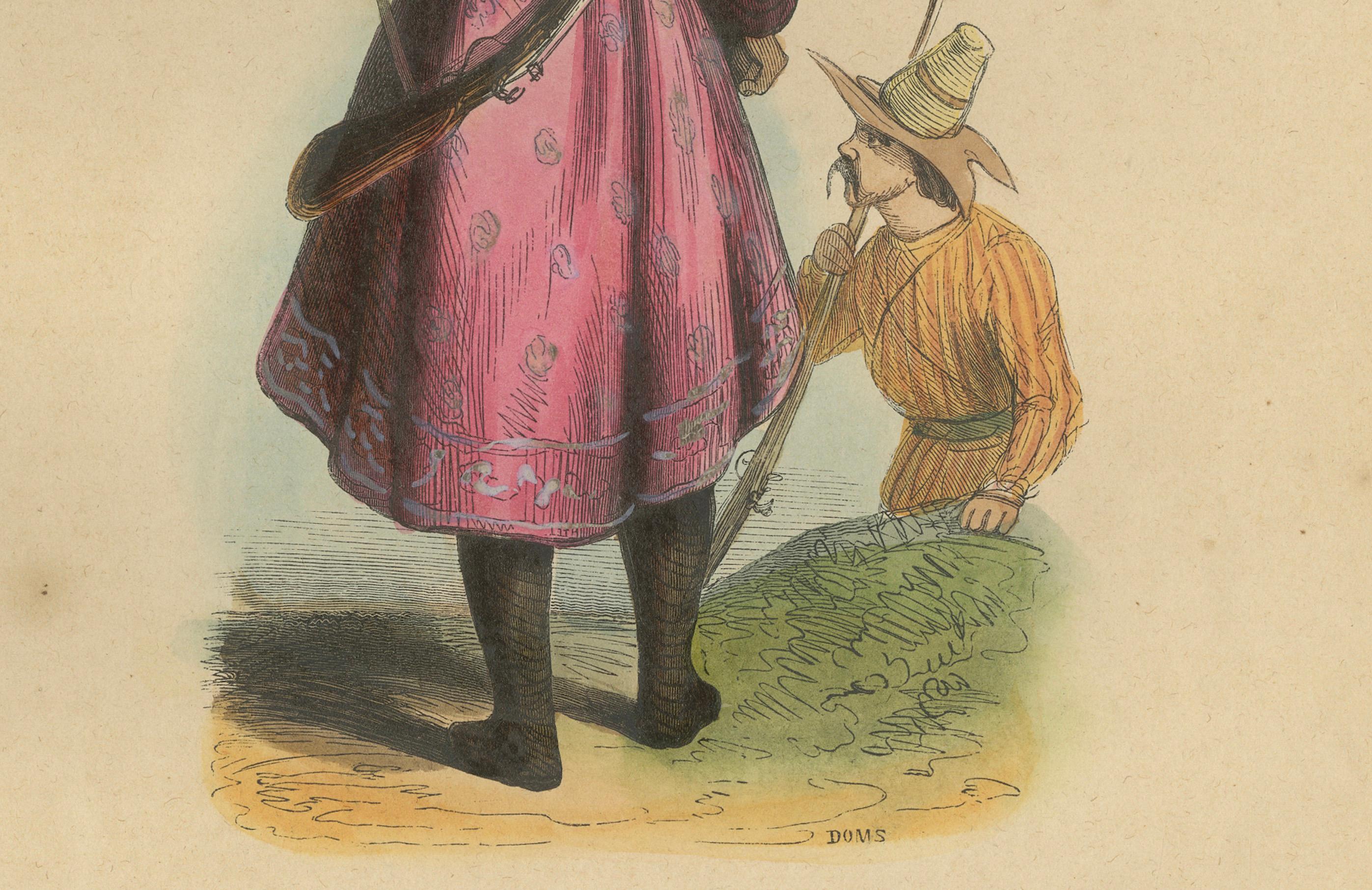
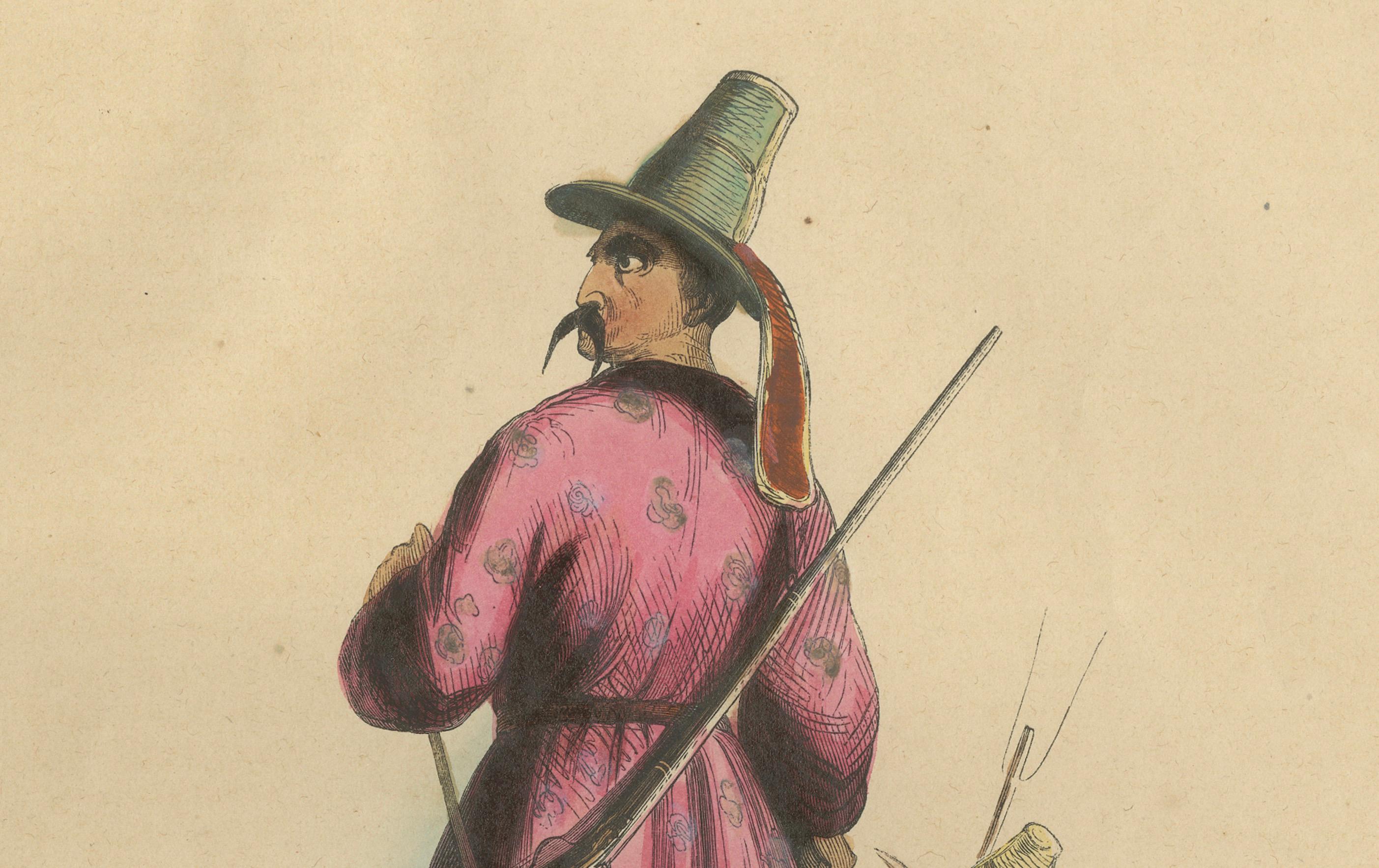
1. Kirghiz - The individual labeled "Kirghiz" is likely from the Kyrgyz people, a Turkic ethnic group primarily found in Kyrgyzstan in Central Asia. Historically, the Kyrgyz have been known for their nomadic lifestyle, predominantly involving pastoralism, living in mountainous regions of Central Asia. Their traditional attire, as depicted in the lithograph, often includes robust and practical elements suited for a life of movement across varied terrains.
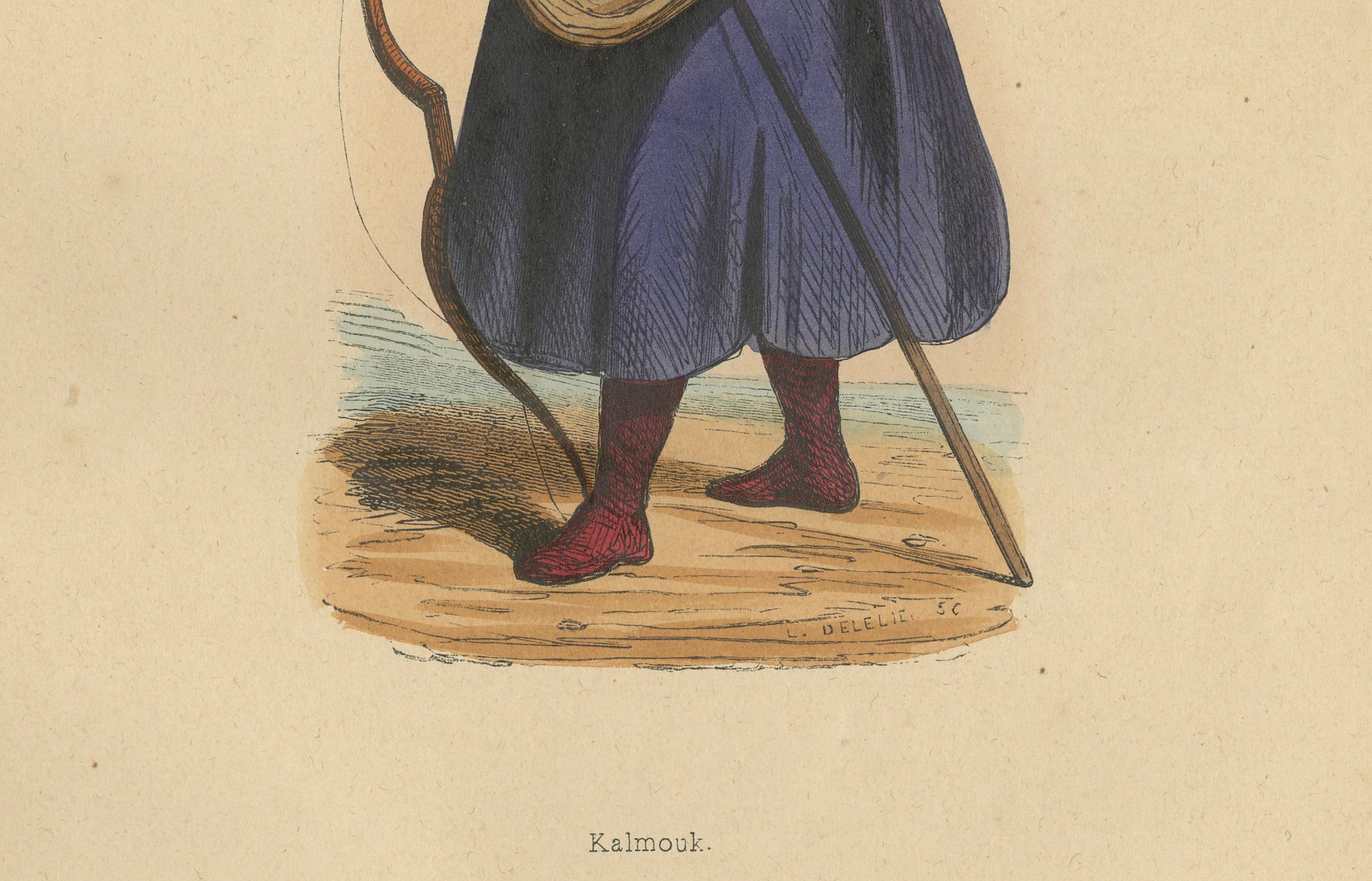
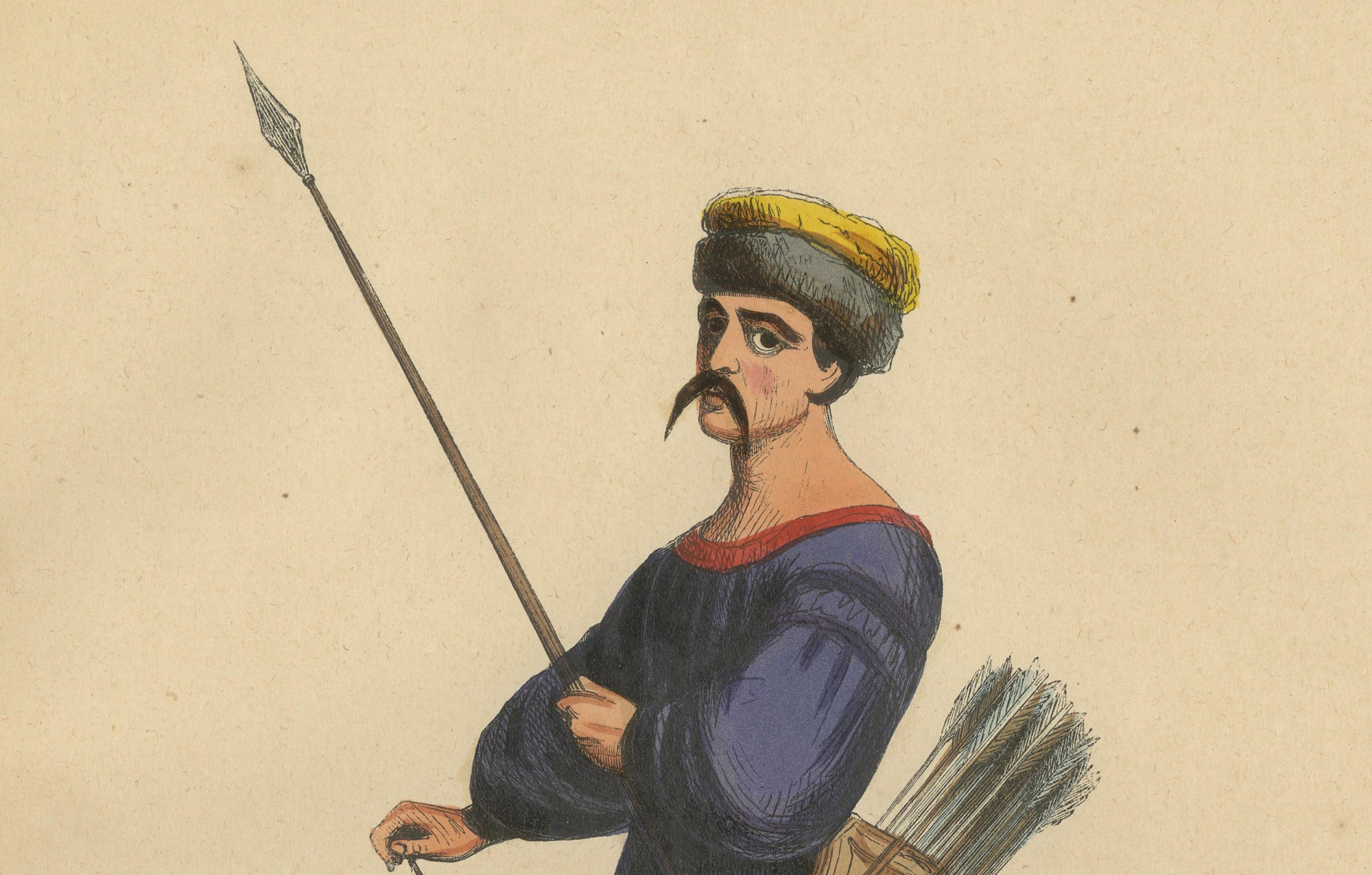
2. Kalmouk - The man labeled "Kalmouk" represents the Kalmyk people, who are of Mongolian descent and live primarily in the Republic of Kalmykia, part of the Russian Federation. The Kalmyks are Europe's only Buddhist people, and their traditional clothing as seen in the lithograph reflects their Mongolian heritage, which includes elements designed for horseback riding and archery, reflecting their nomadic and warrior culture.
Both prints are beautifully detailed, reflecting the unique cultural heritage and traditional lifestyles of these groups, with their clothing designed to suit their environmental and social needs.
This vibrant lithograph is a part of Auguste Wahlen's "Moeurs, Usages et Costumes de tous les Peuples de Monde" (Customs, Manners and Dress of All the Peoples of the World), published in the mid-19th century.
The work employs the technique of chromolithography, allowing for intricate color detailing that highlights the unique cultural attire of the depicted subjects. Each figure is richly dressed in traditional costumes that are not only colorful but also meticulously detailed, showcasing Wahlen's dedication to representing cultural diversity.
Publication and Technique:
The lithographs were produced through chromolithography, a method that was revolutionary at the time for its ability to produce vivid, multi-colored images. This printing technique was a significant advancement in the artistic portrayal of subjects, which added immense aesthetic value to Wahlen’s work.
Attractiveness of the Prints:
These prints capture the imagination with their vivid color palette and the precision of detail in the costumes, making them not only a visual treat but also an educational resource. The historical accuracy combined with artistic flair makes these lithographs appealing to both art collectors and cultural historians.