1844 Persian Elegance: From Smoking Nobility to Warfare in Art
€ 240
One of a kind: this is the sheet in the photographs. Ships from Langweer, the Netherlands.
Date
1844
Sheet size
17 × 25.7 cm (6.7 × 10.1 in)
Condition
Good
Reference
BG-12722-36, BG-12722-37
Condition
given age. Faintly browned, and with some small stains. Some glue remains (from binding) in the far left margin (not affecting image). General age-related toning and/or occasional minor defects from handling. Please study the scans.
About this sheet
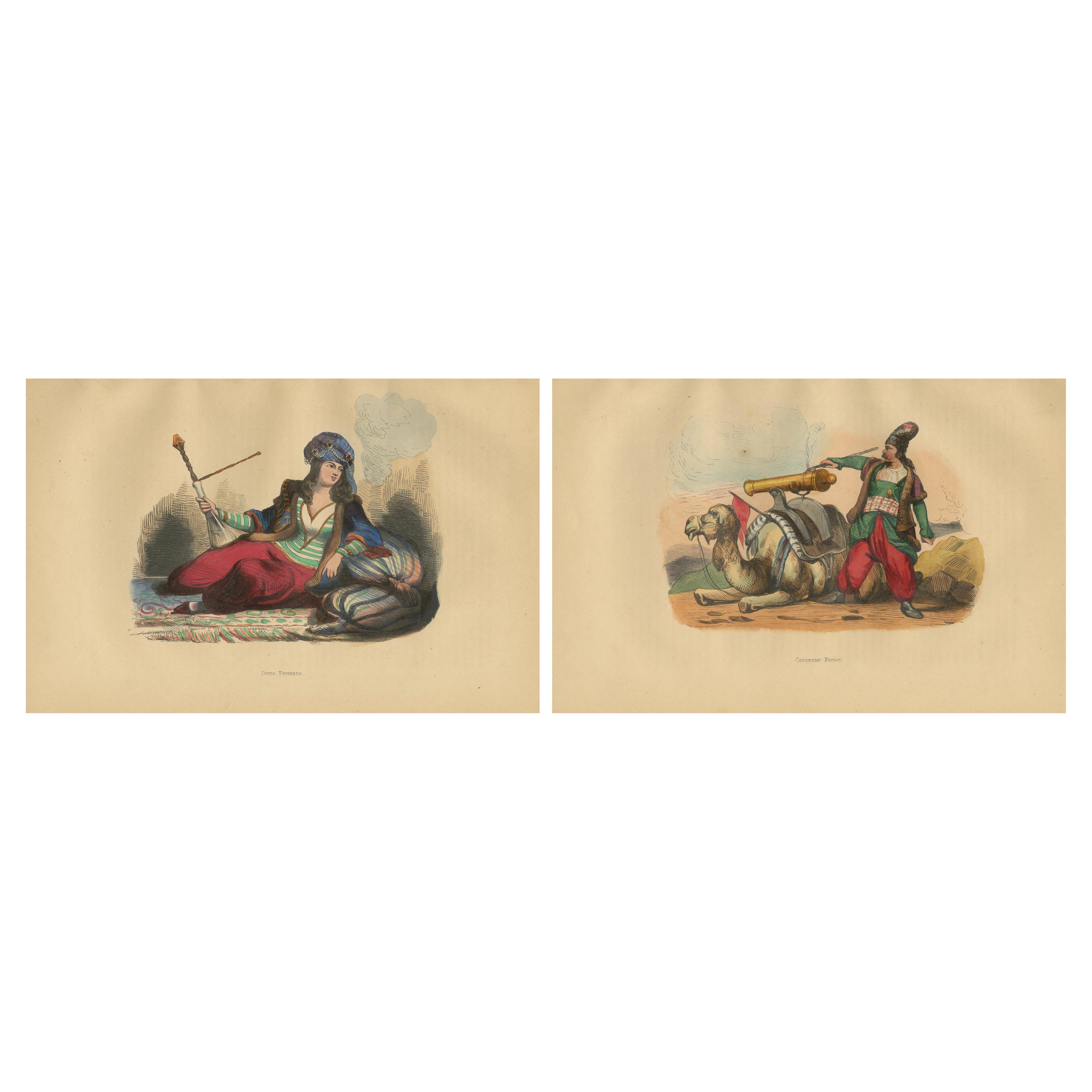
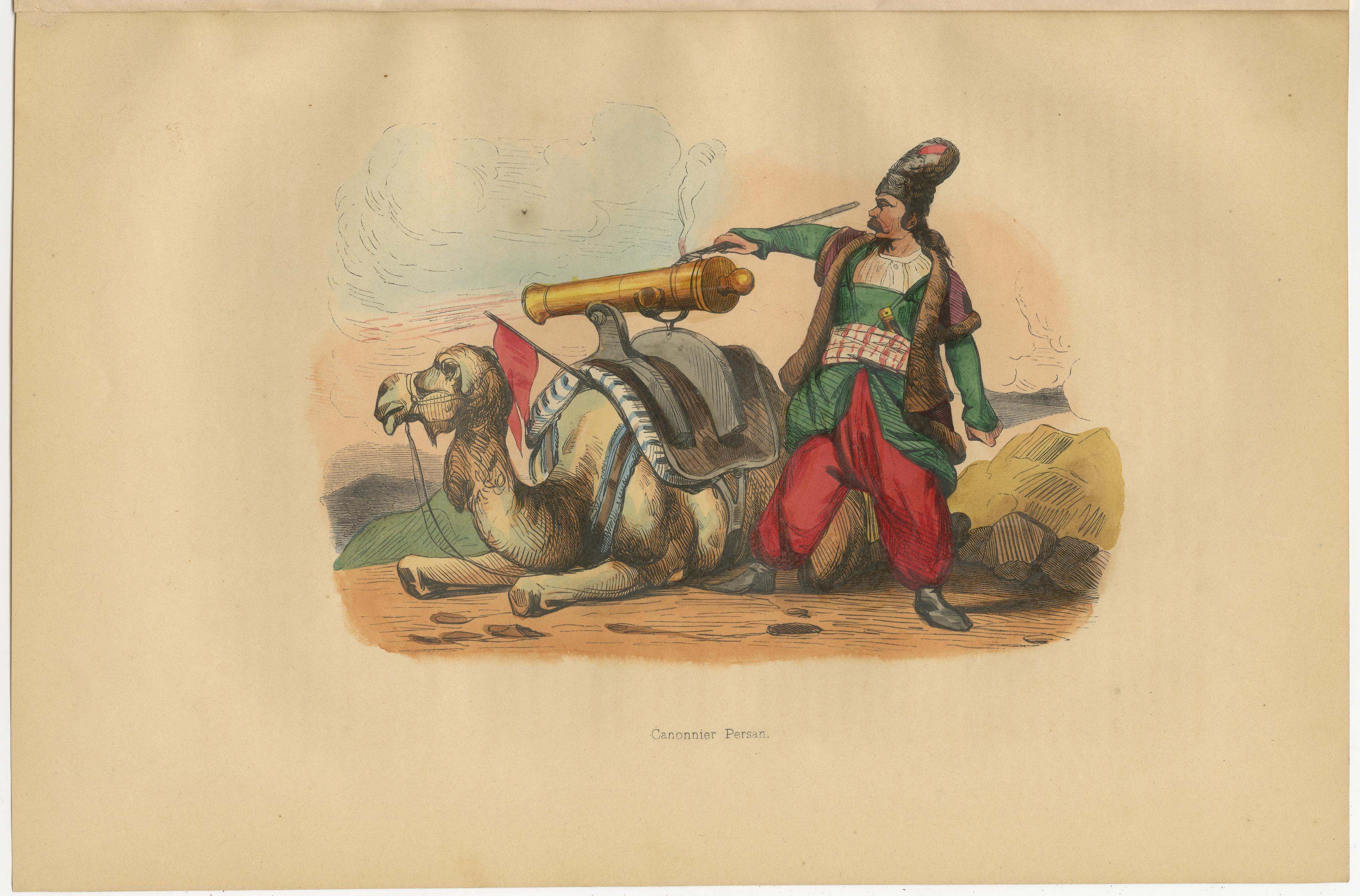
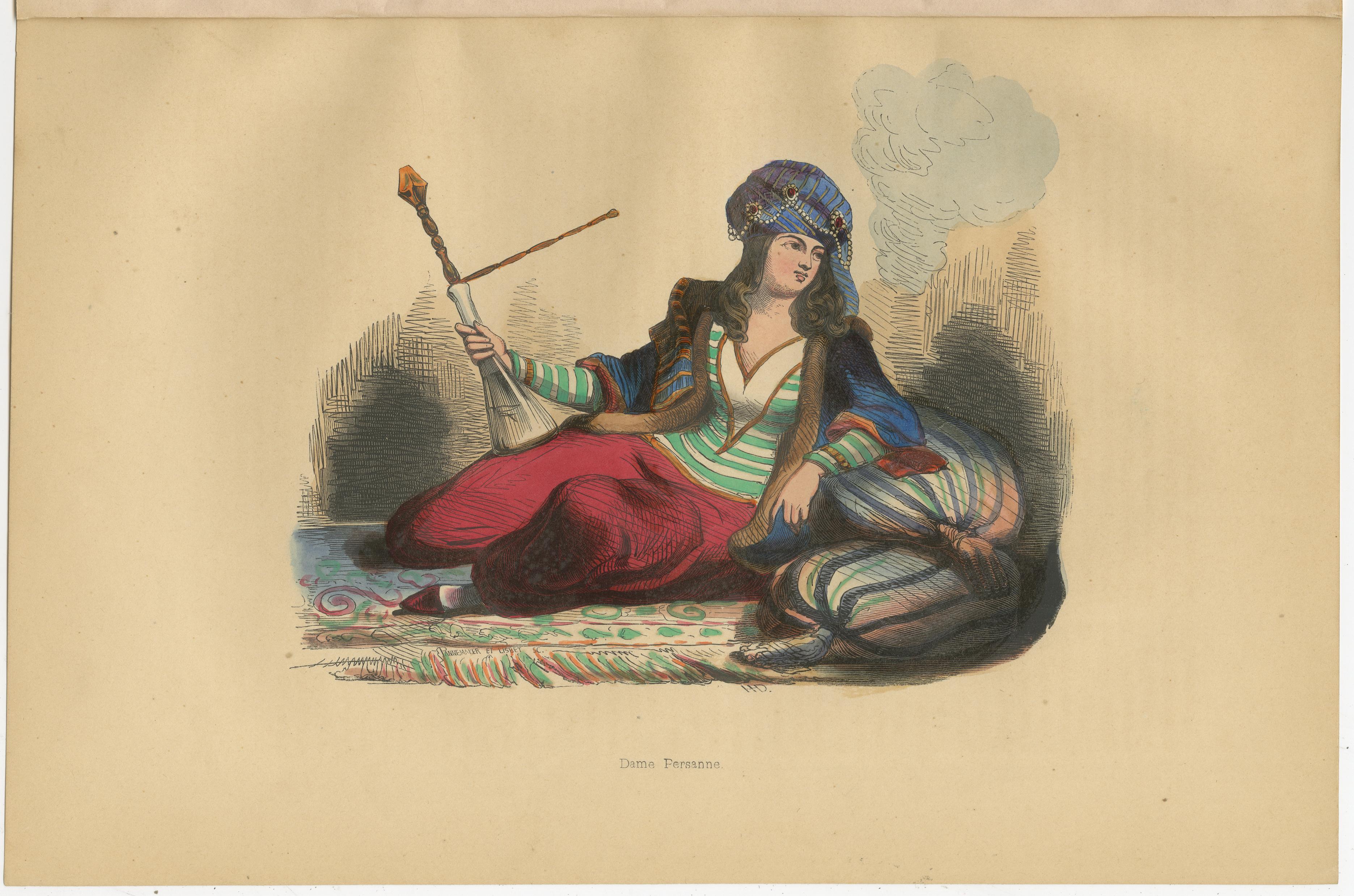
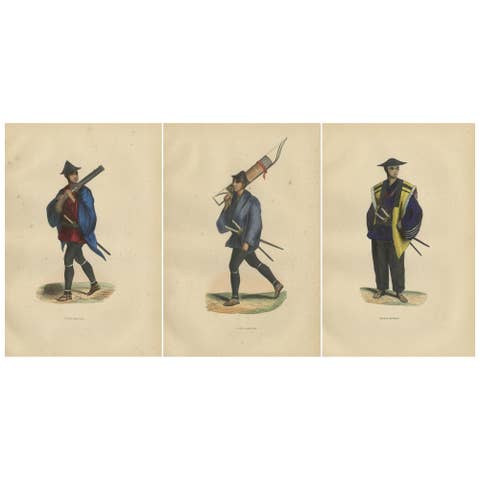
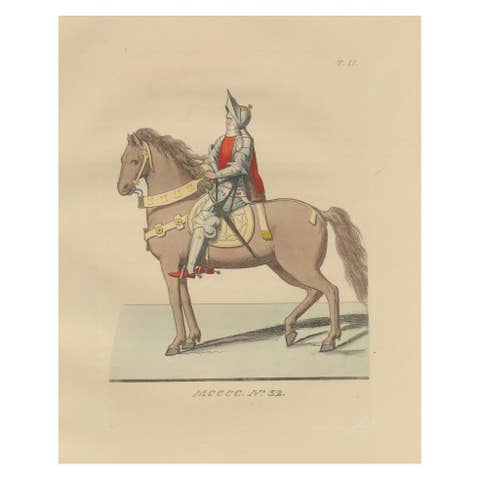
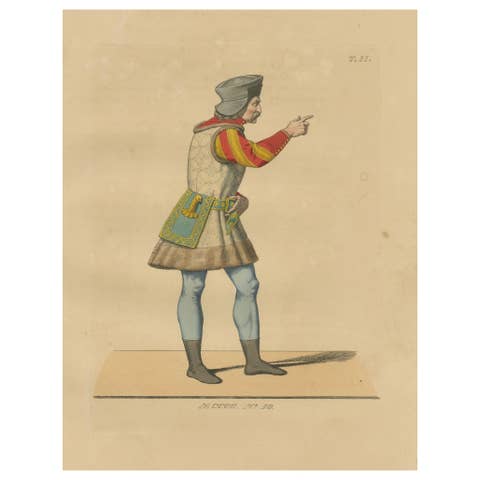
"1844 Persian Elegance: Exquisite Handcoloured Lithographs of Cultural Icons" Delve into the opulence of Persian culture with these striking 1844 handcoloured lithographs from "Moeurs, Usages et Costumes de tous les Peuples de Monde," authored by Auguste Wahlen and published in Paris.
Crafted using lithography and enhanced with Arabic gum on wove (vellin) paper, these prints captivate with their vivid colors and meticulous details, bringing historical Persian life vividly to the fore. Their allure lies in the intricate depiction of traditional costumes and everyday life, making them invaluable to collectors and enthusiasts of Middle Eastern historical art.
In the lithographs depicting Persian figures, there are some interesting details that reflect cultural and historical aspects:
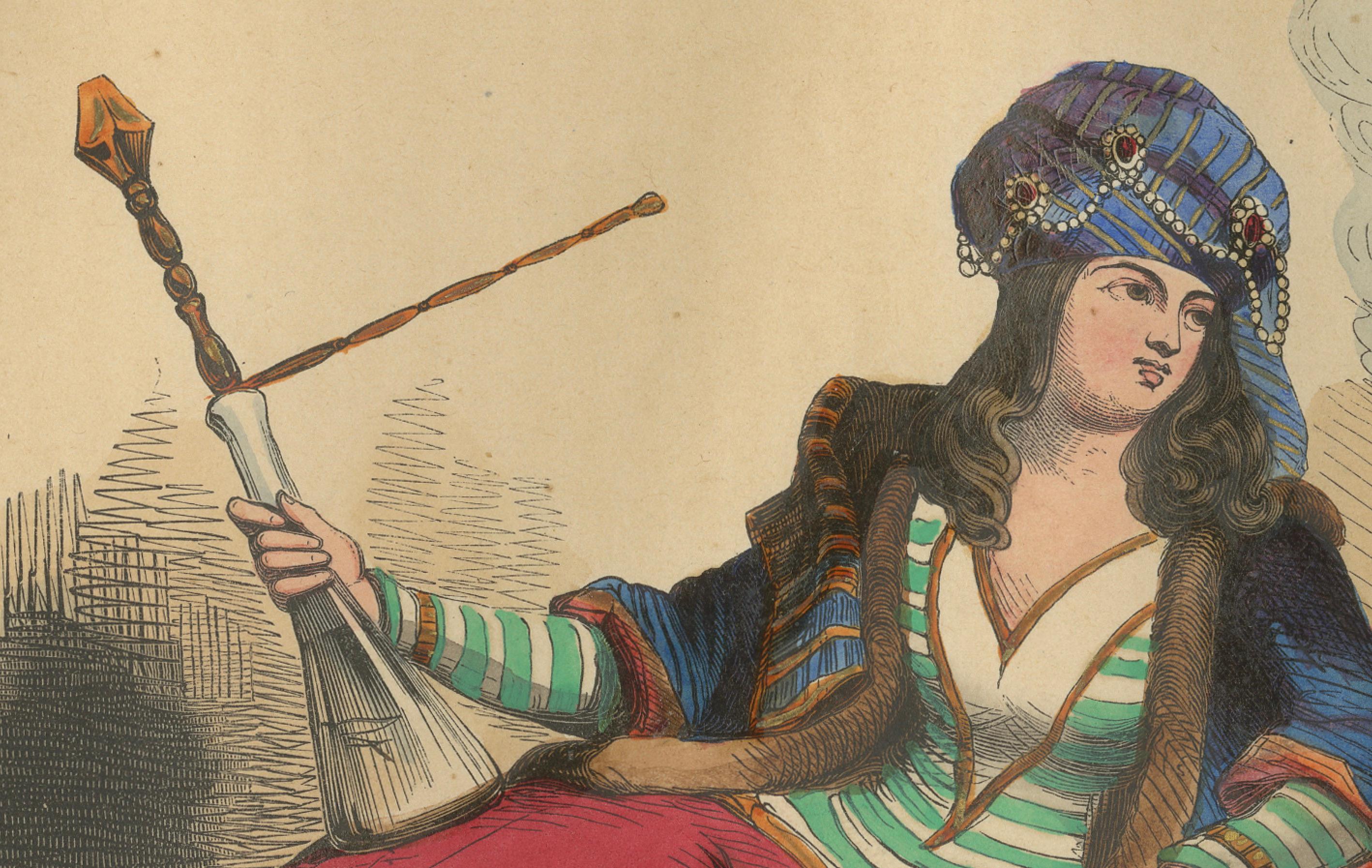
1. Dame Persane (Persian Lady): - Smoking Instrument: The Persian lady is depicted with a hookah (also known as shisha or water pipe), which is a traditional smoking device used widely across the Middle East and South Asia. The hookah is used to smoke flavored tobacco, often mixed with molasses or honey. It's a cultural artifact, often associated with social gatherings and leisure in Persian and broader Middle Eastern society. Smoking hookah has been a part of the social fabric, representing hospitality and a relaxed social status.
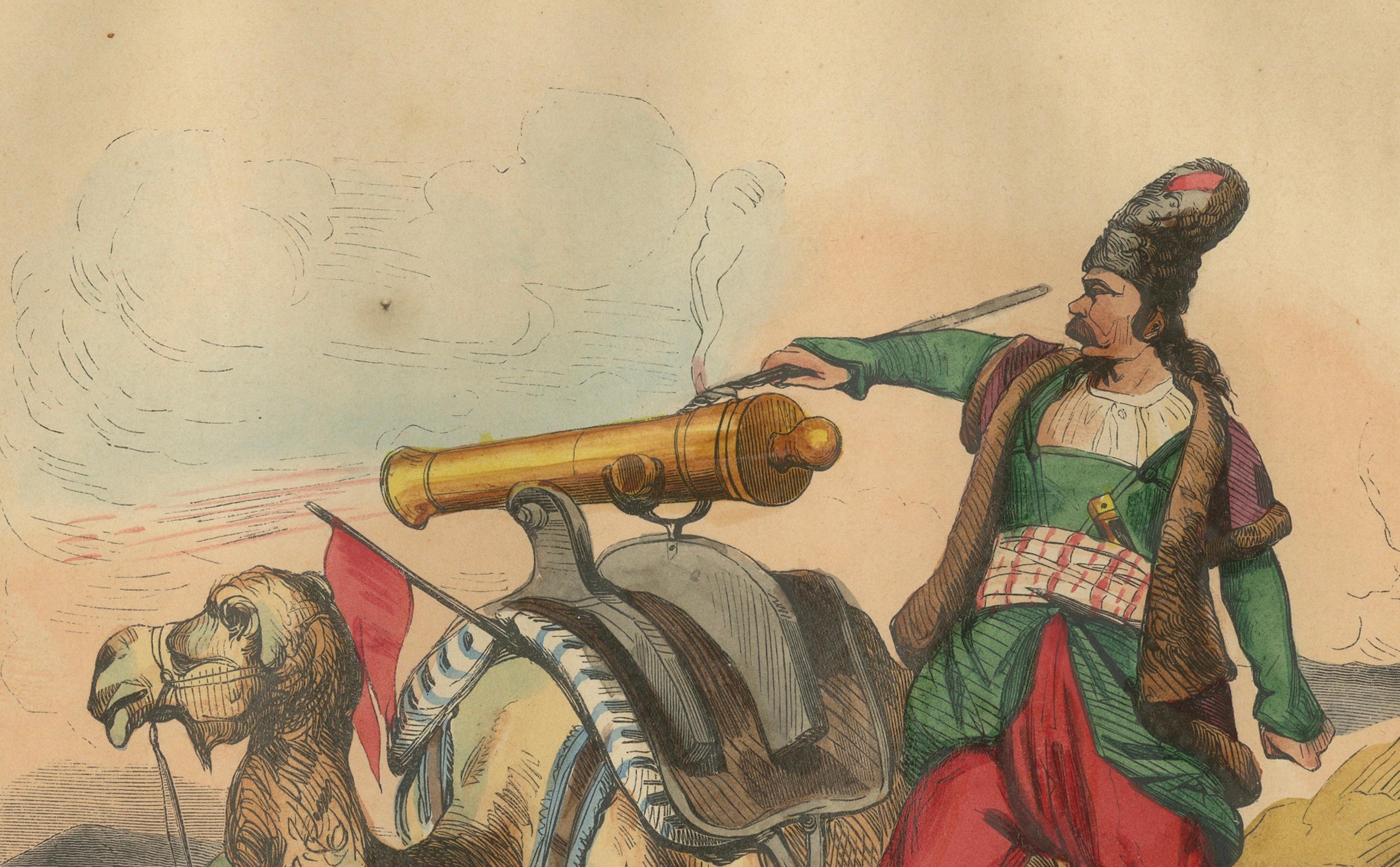
2. Cannonier Persan (Persian Cannoneer): - Cannon Details: The cannon depicted with the Persian cannoneer is interestingly mounted on the back of a camel. This reflects a historical method of warfare used in desert regions, where camels were employed for mobility over sandy and difficult terrains. Camel artillery units were a strategic advantage in desert warfare due to their ability to move quickly and efficiently across vast desert landscapes. The combination of camels and artillery was used in various historical contexts, including by Ottoman and Persian empires.
These details not only add depth to the prints but also provide a glimpse into the technological and social advancements of the time. The inclusion of a hookah and a camel-mounted cannon in these prints illustrates the intricacies of Persian lifestyle and military tactics during the 19th century, showcasing the blend of daily life and the necessities of warfare.
Keywords: - Antique Persian lithographs - Handcoloured prints - 19th-century cultural prints - Traditional Persian costumes - Historical Persian society - Auguste Wahlen prints - Middle Eastern art collection - Vintage lithographic art - Collectible Persian prints - Ethnographic art prints
These keywords cater to art collectors, historians, and cultural enthusiasts searching for detailed and authentic representations of 19th-century Persian life and attire.