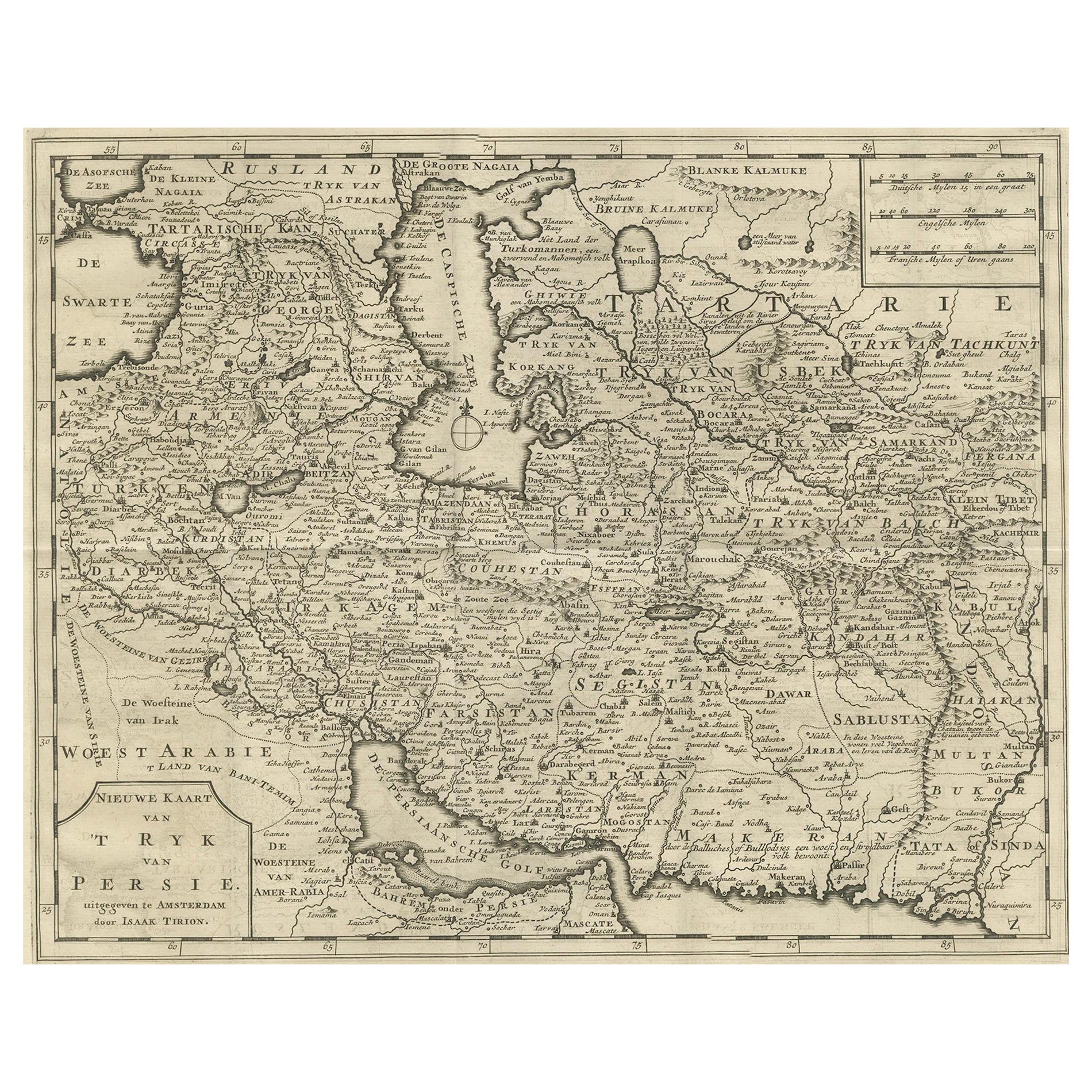
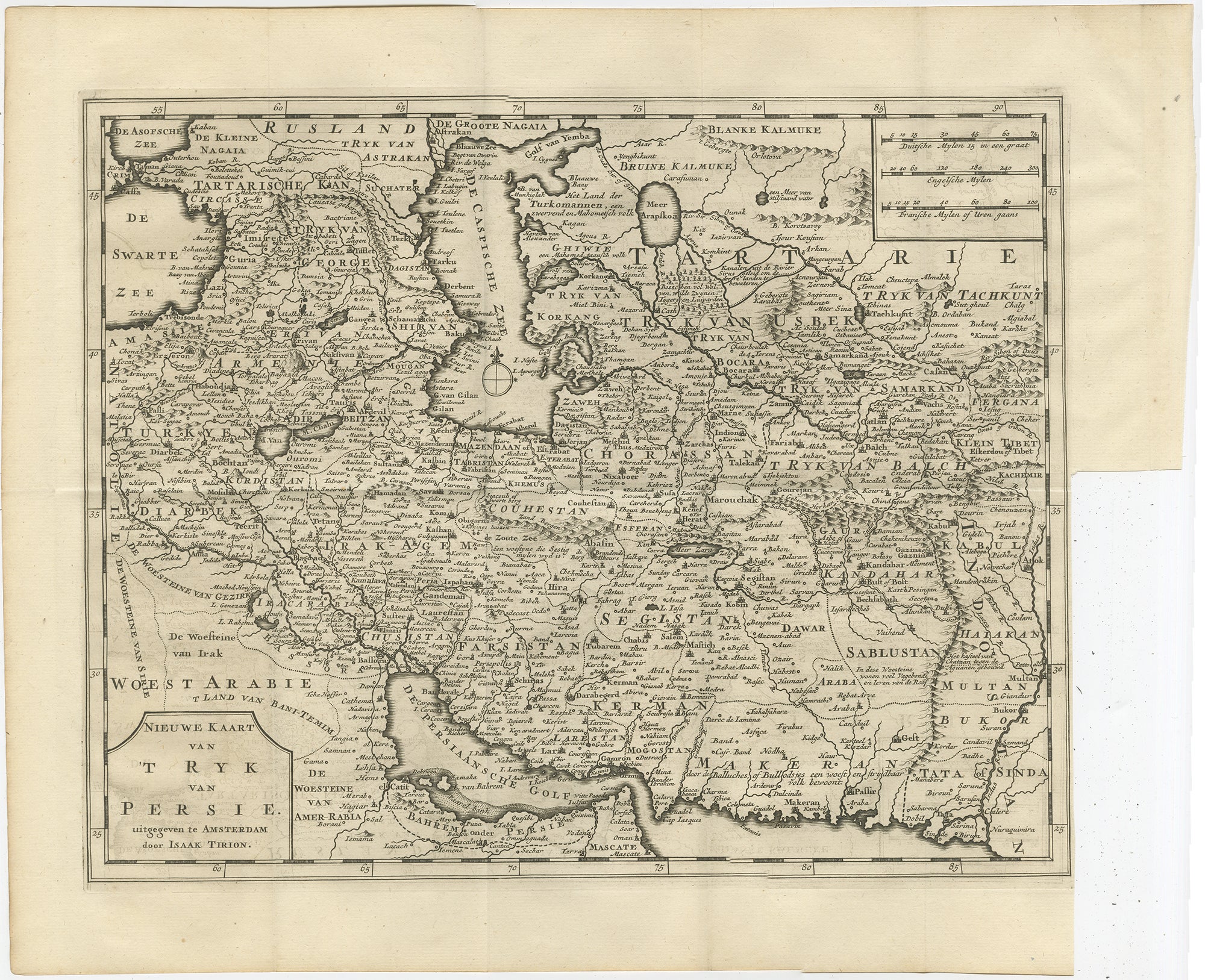
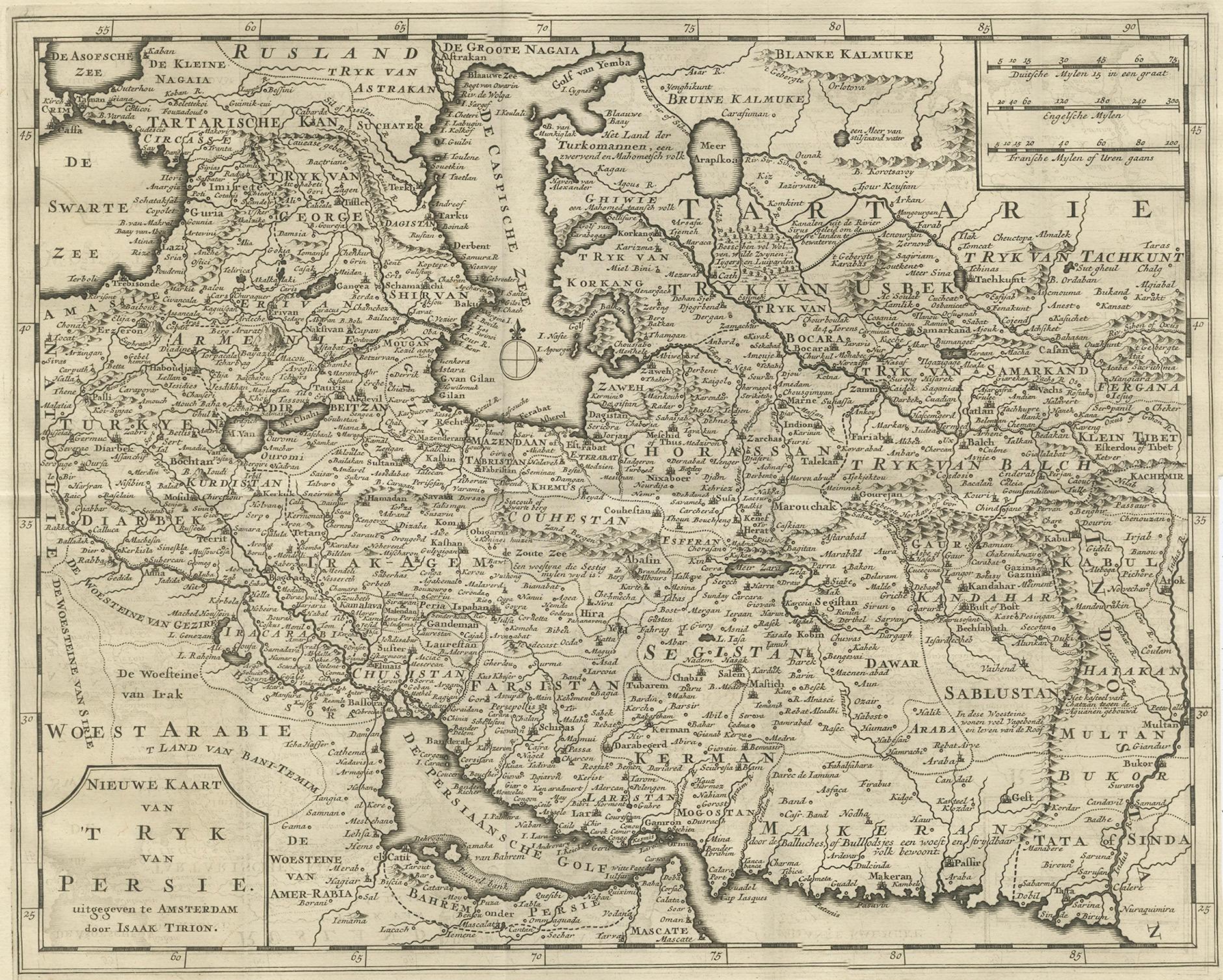
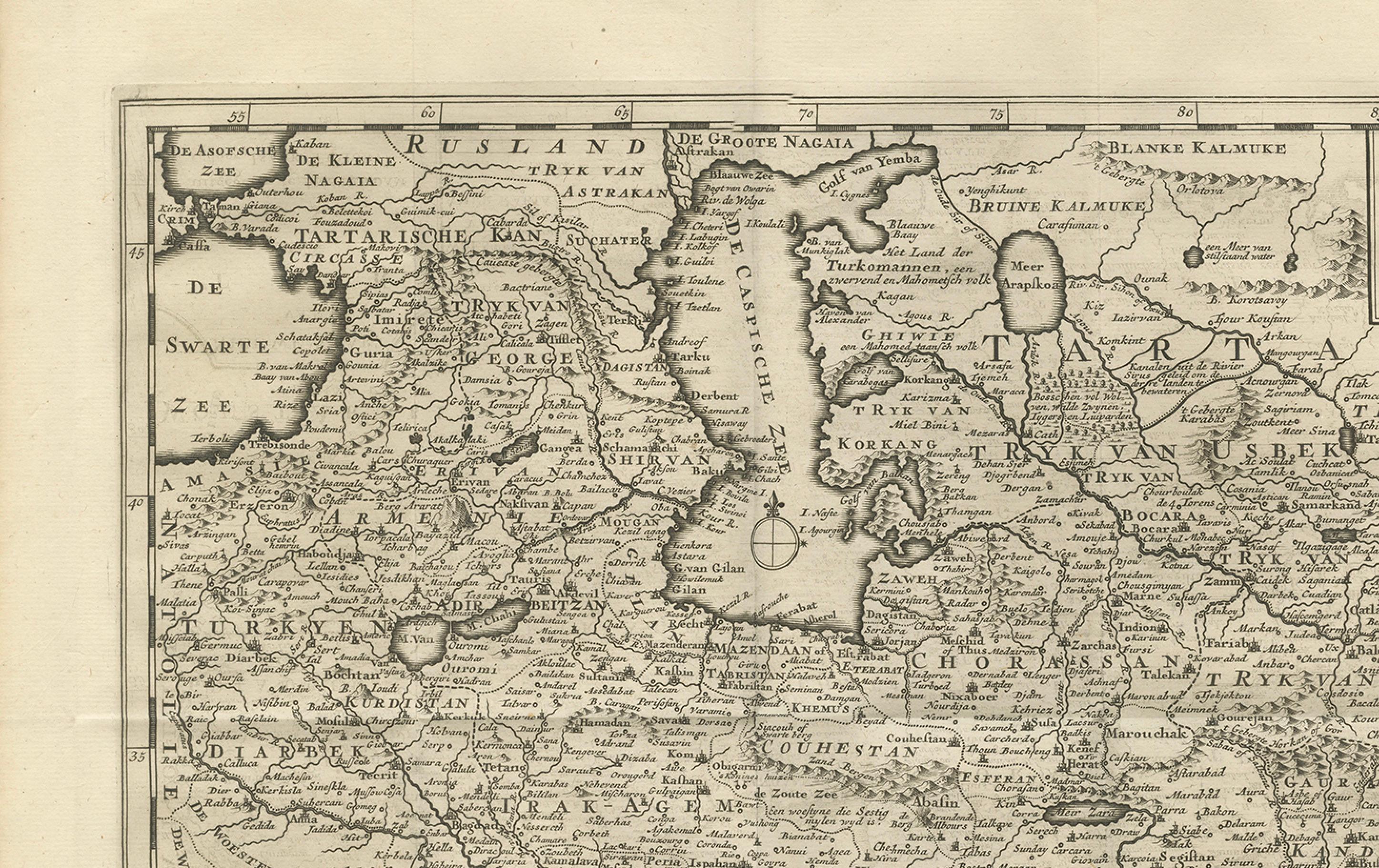
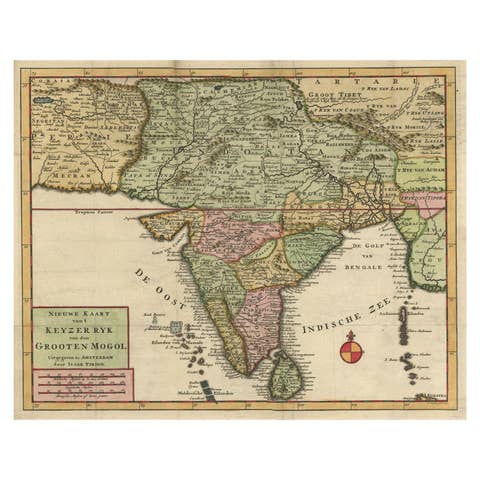
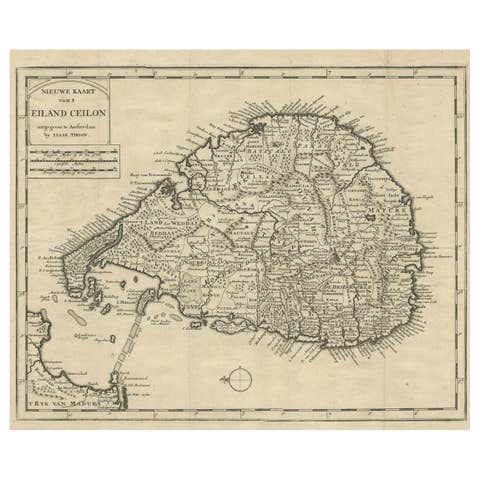
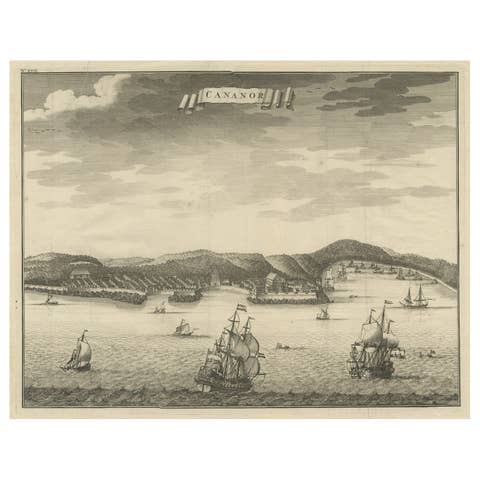
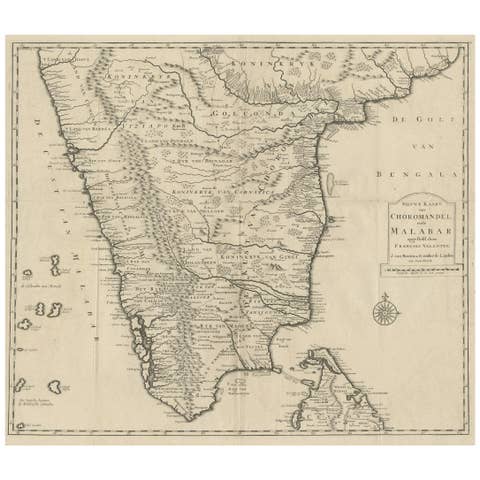
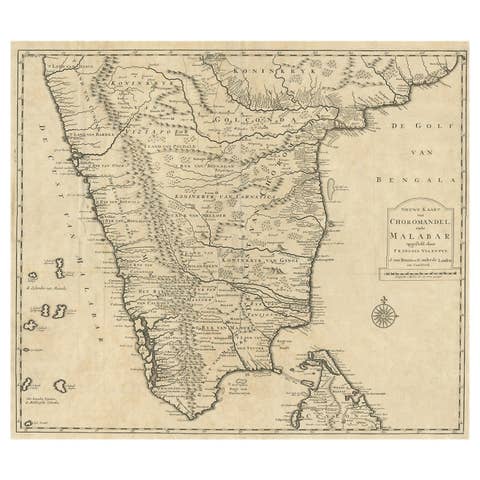
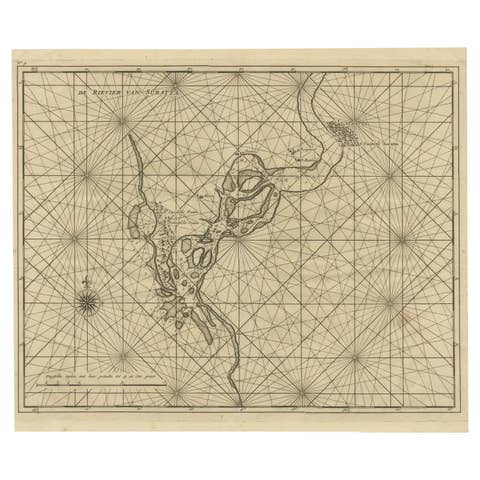
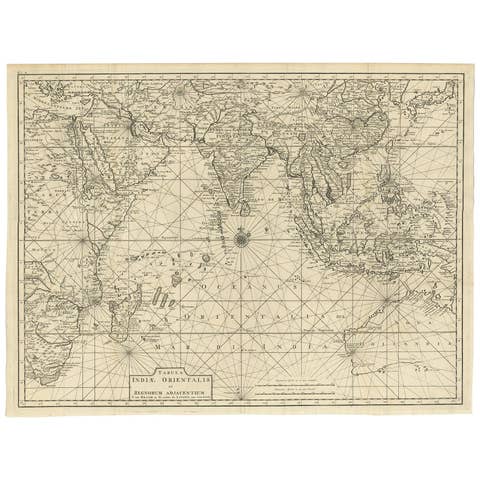
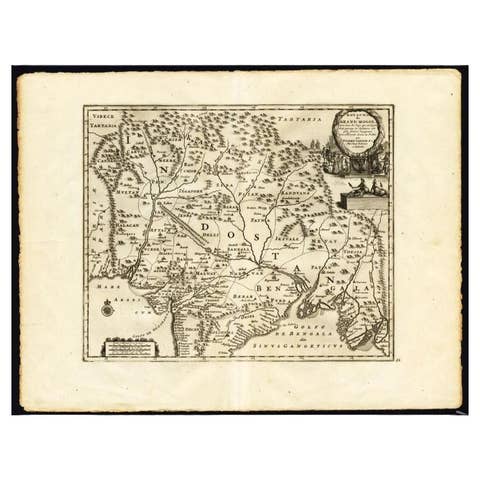
Map of Persia, the Caspian & India – Isaak Tirion, c.1730
€ 520
One of a kind: this is the sheet in the photographs. Ships from Langweer, the Netherlands.
Date
1730
Sheet size
35.5 × 44 cm (14.0 × 17.3 in)
Reference
BG-11491-9
Condition
Very good impression with original folds as issued. Ample margins. Minimal toning with slight creasing to upper corners and a small tear to the extended right margin, well away from the printed area. Paper remains strong and stable.
About this sheet
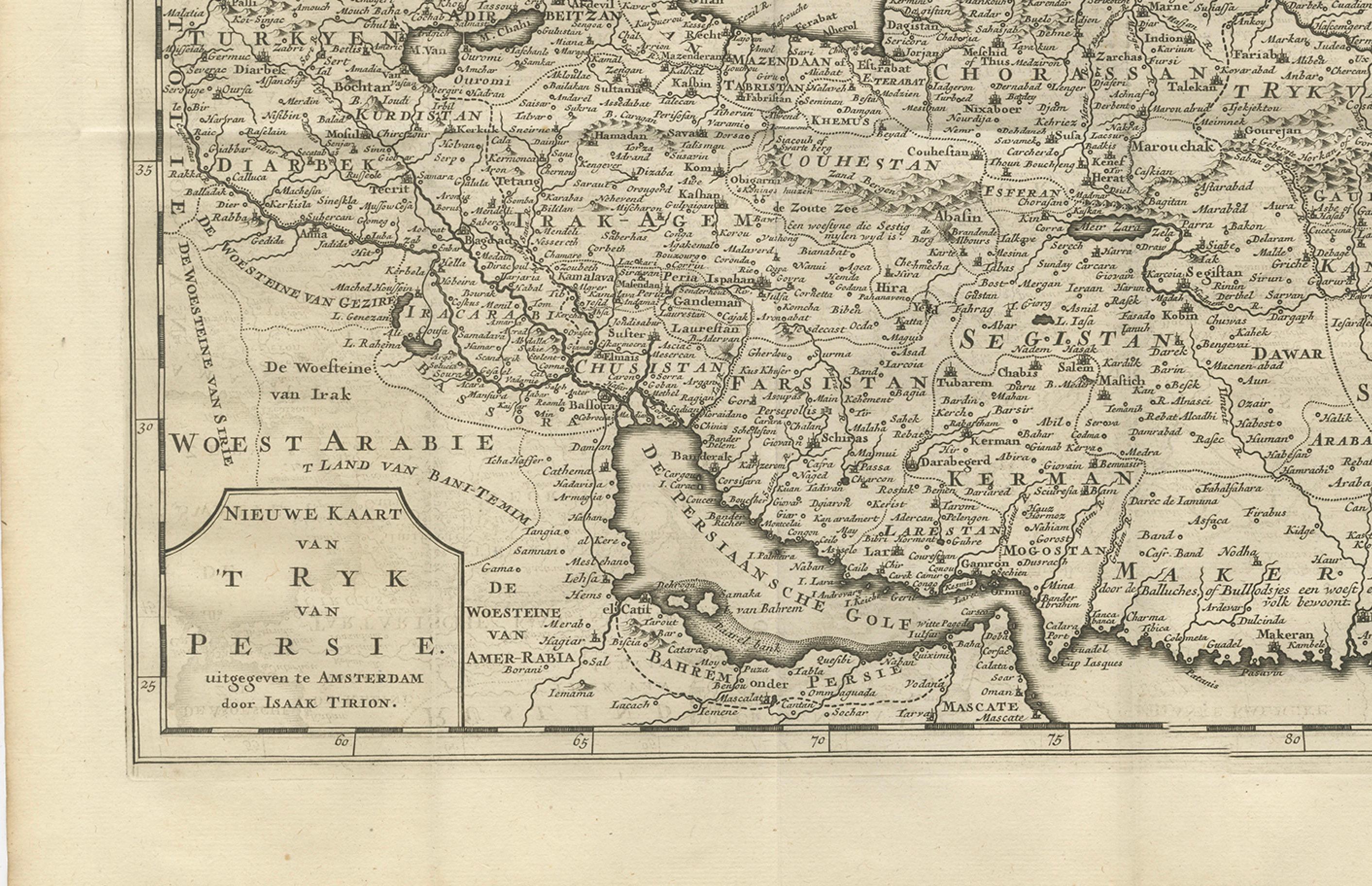
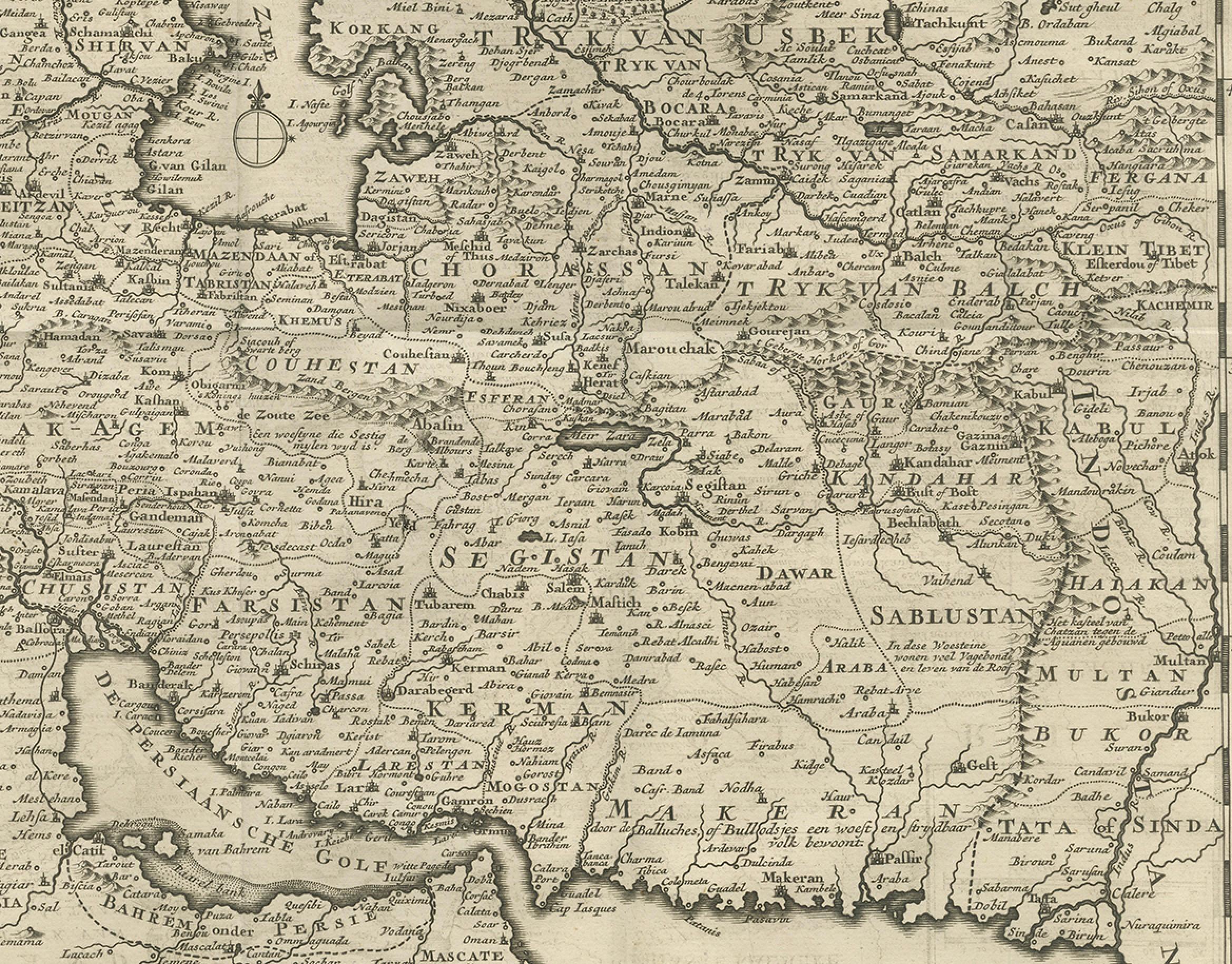
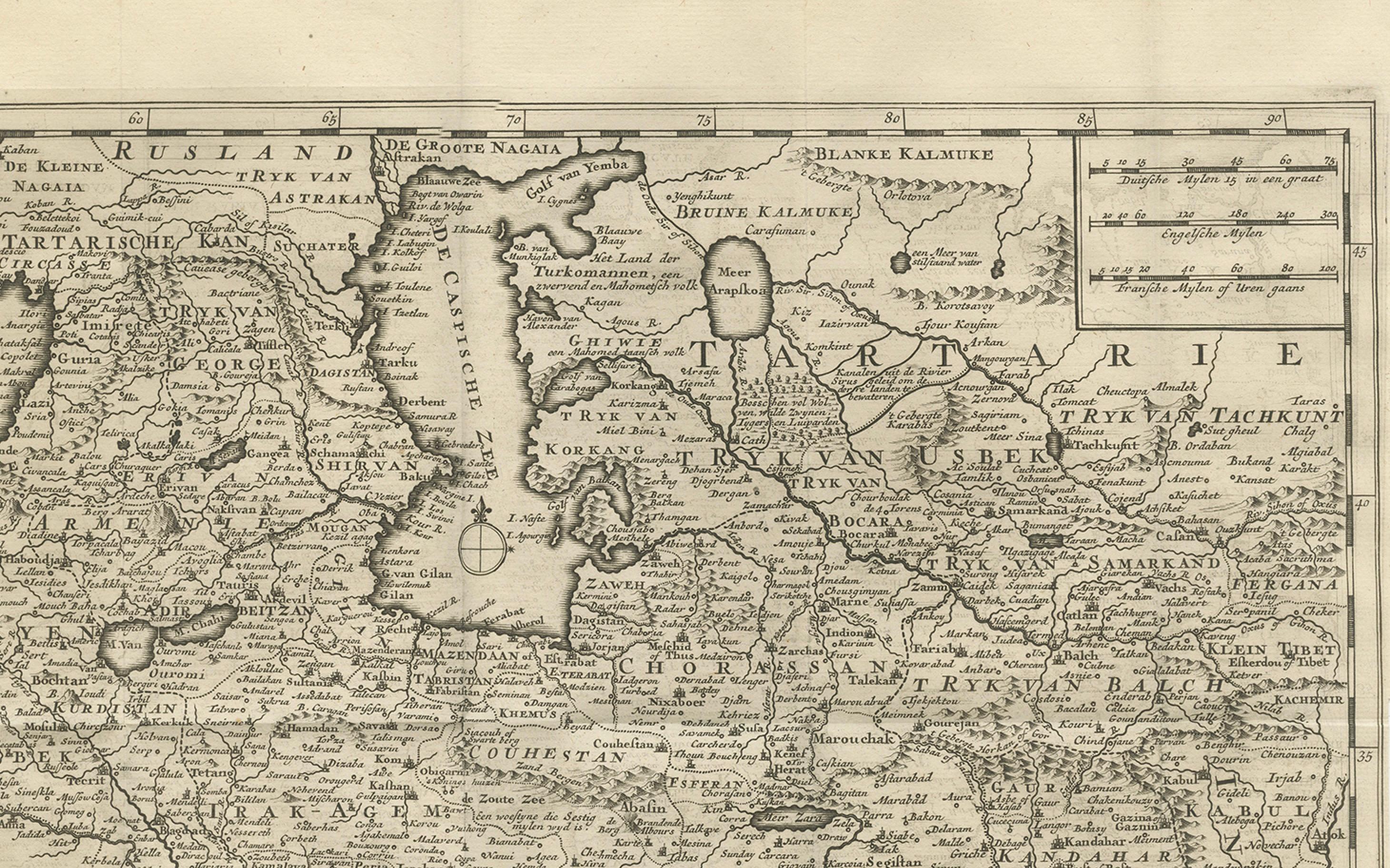
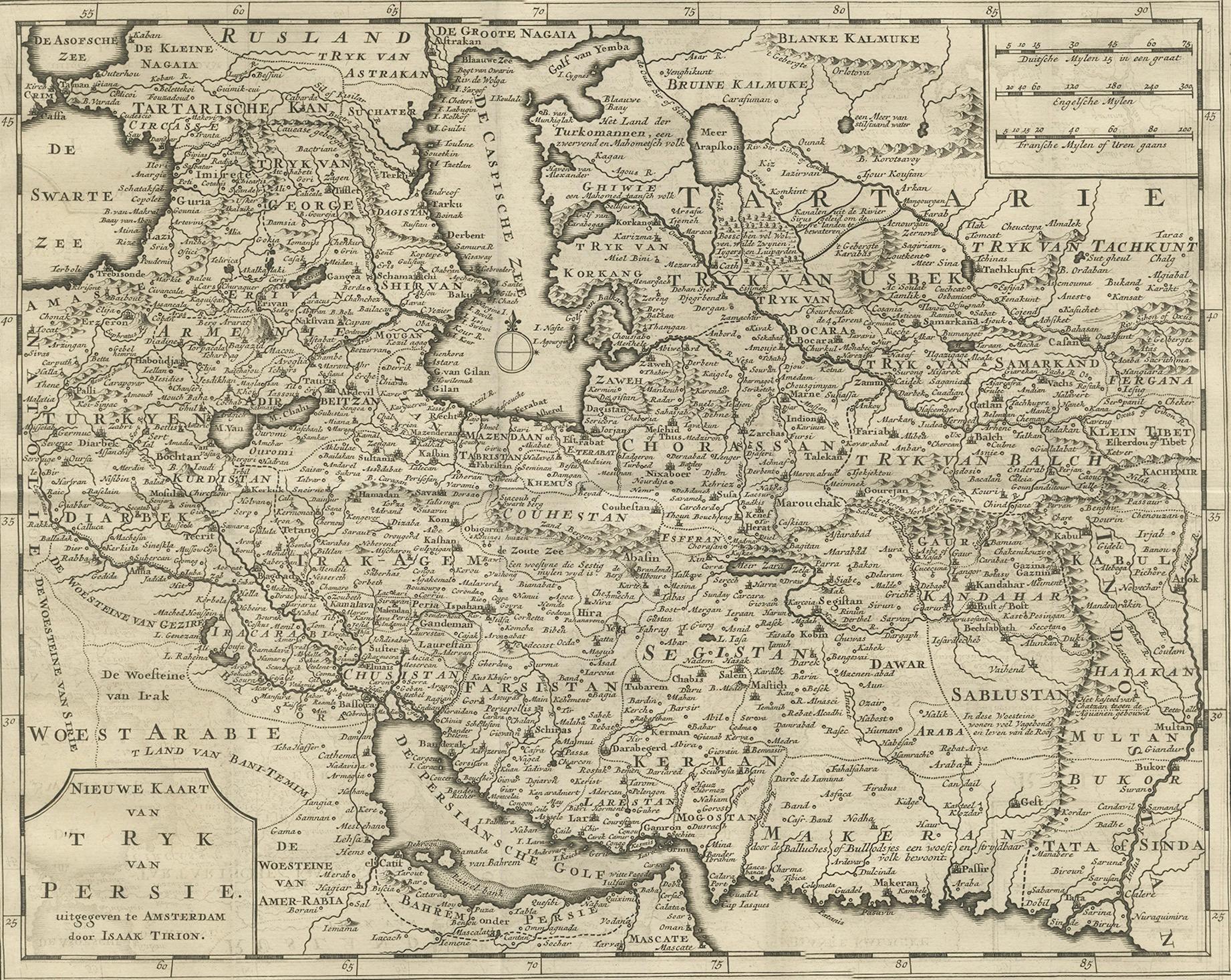
Map of Persia and Surrounding Regions – “Nieuwe Kaart van 't Ryck van Persie” by Isaak Tirion, Amsterdam, c. 1730
This finely detailed copperplate map titled “Nieuwe Kaart van 't Ryck van Persie” (New Map of the Empire of Persia) was published in Amsterdam around 1730 by the prominent Dutch cartographer Isaak Tirion. It offers a broad view of the Persian Empire and its surrounding territories at the height of Dutch Enlightenment cartography.
Centered on present-day Iran, the map stretches from the eastern shores of the Mediterranean and the Caspian Sea to the frontiers of India and Tartary, and from the Russian steppe in the north to the Persian Gulf and Arabian deserts in the south. Cities such as Isfahan, Shiraz, and Tehran are marked, along with extensive tribal and regional divisions, deserts (such as “De Woestijnen van Irak”), and mountain ranges rendered pictorially. Neighboring regions are labeled as the “Ryck van Usbeck,” “Turkije,” “Tartarie,” and “Mogolsche Ryk.”
Typical of Tirion’s maps, it features clear, legible Dutch-language place names and a fine engraving style. The inset at the top right provides a key for understanding symbols used to distinguish towns, fortresses, and caravan routes.
This map is significant for collectors interested in historical Middle Eastern cartography, reflecting early 18th-century European geopolitical understanding of Persia (modern Iran) and Central Asia. Tirion's work was widely admired for its accuracy, clarity, and decorative yet restrained aesthetic.
Condition: Very good impression with original folds as issued. Ample margins. Minimal toning with slight creasing to upper corners and a small tear to the extended right margin, well away from the printed area. Paper remains strong and stable.
Framing tips: A dark wood or black frame with a warm cream or ivory mat will complement the engraving’s tones and historical character. Consider UV-filtering glass to preserve the paper’s quality over time.
Technique: Copper engraving Maker: Isaak Tirion, Amsterdam, circa 1730