About this sheet
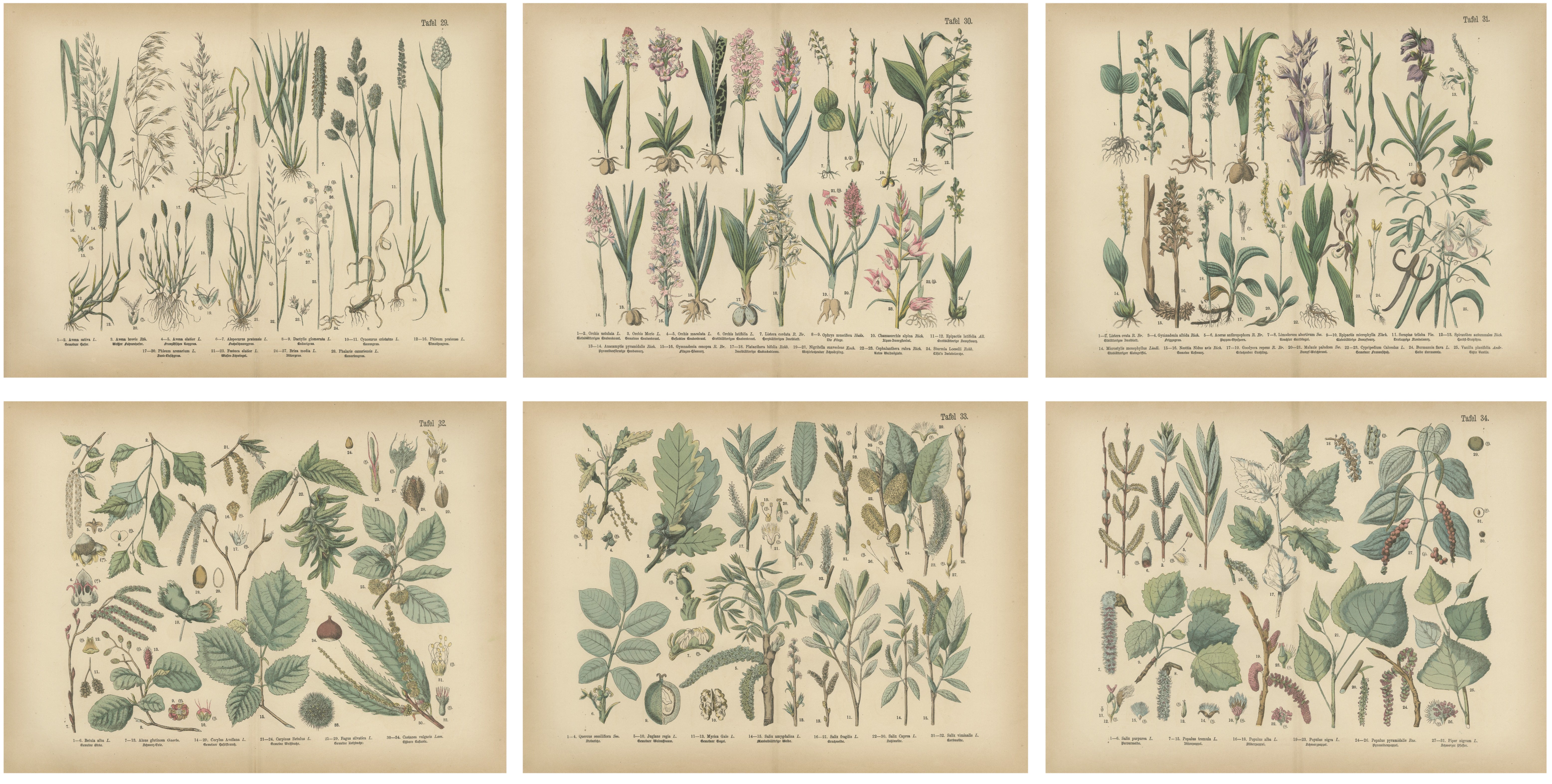
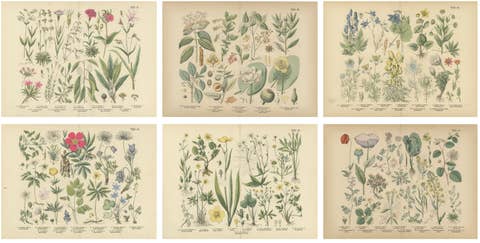
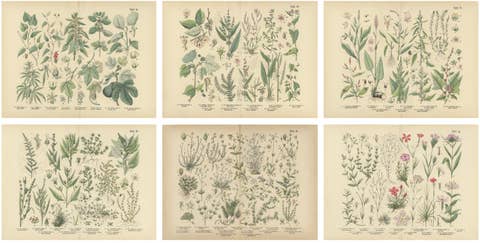
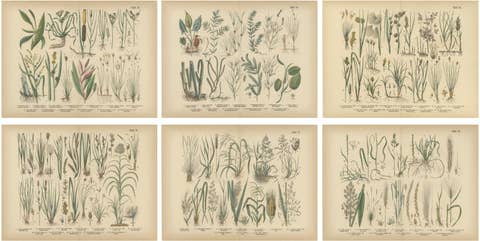
Antique Botanical Prints Set, German Flora & Orchids Atlas, Stuttgart 1885
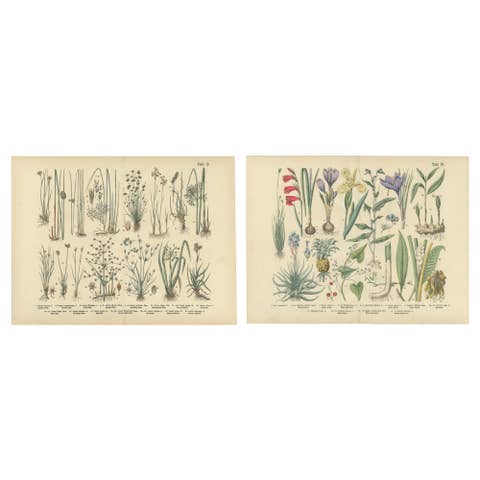
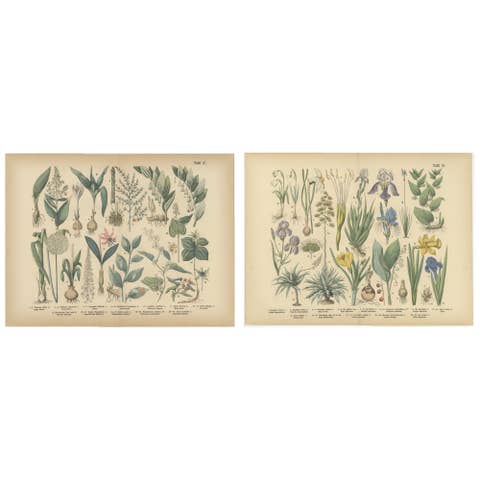
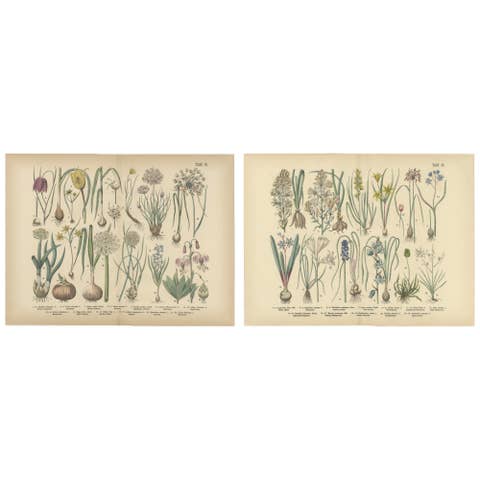
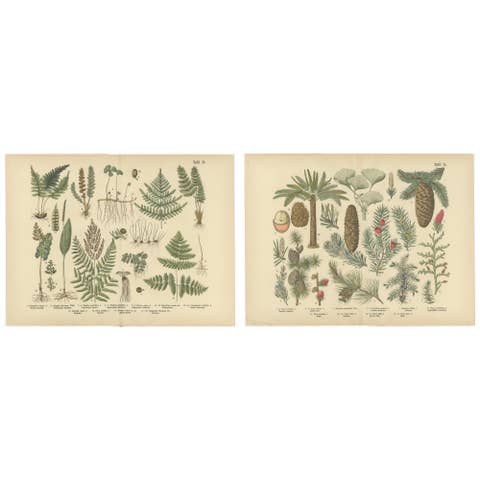
This elegant group of late nineteenth-century botanical plates originates from Naturgeschichte des Pflanzenreichs by M. Fünfstück, published in Stuttgart circa 1885. Produced during the golden age of scientific illustration, these prints unite academic botanical study with refined decorative design, making them exceptionally suitable for both collectors and interior-led presentation.
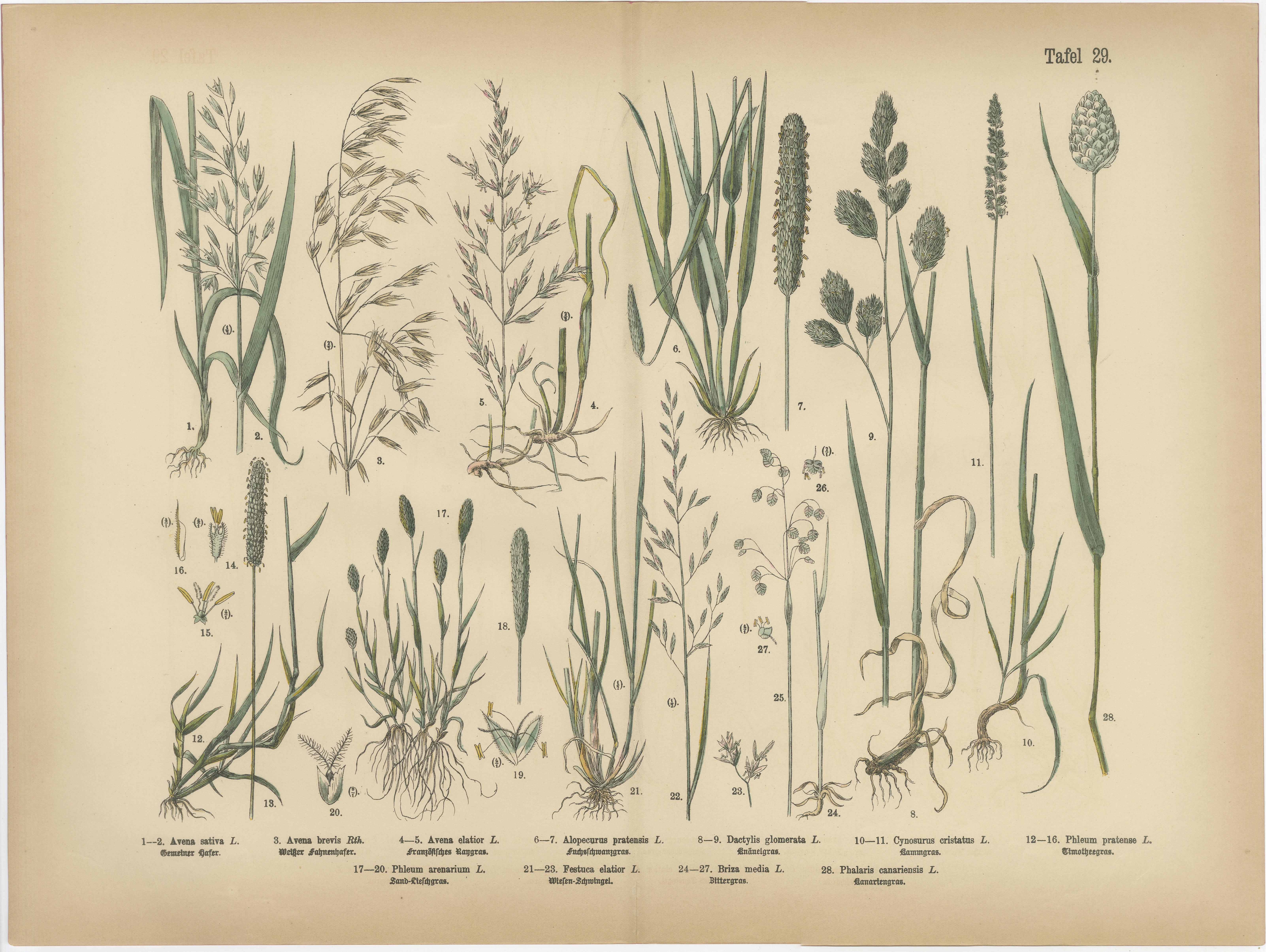
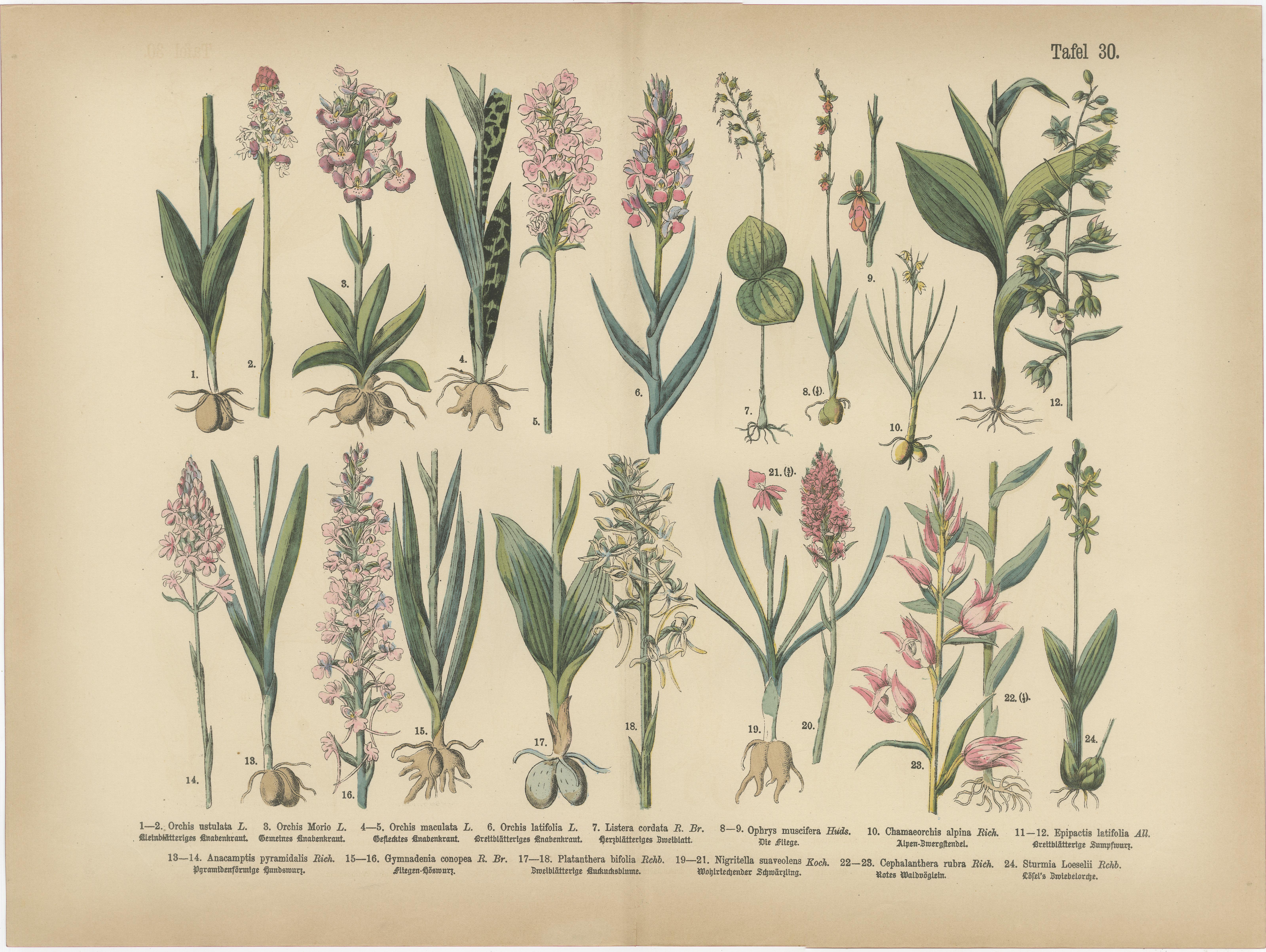
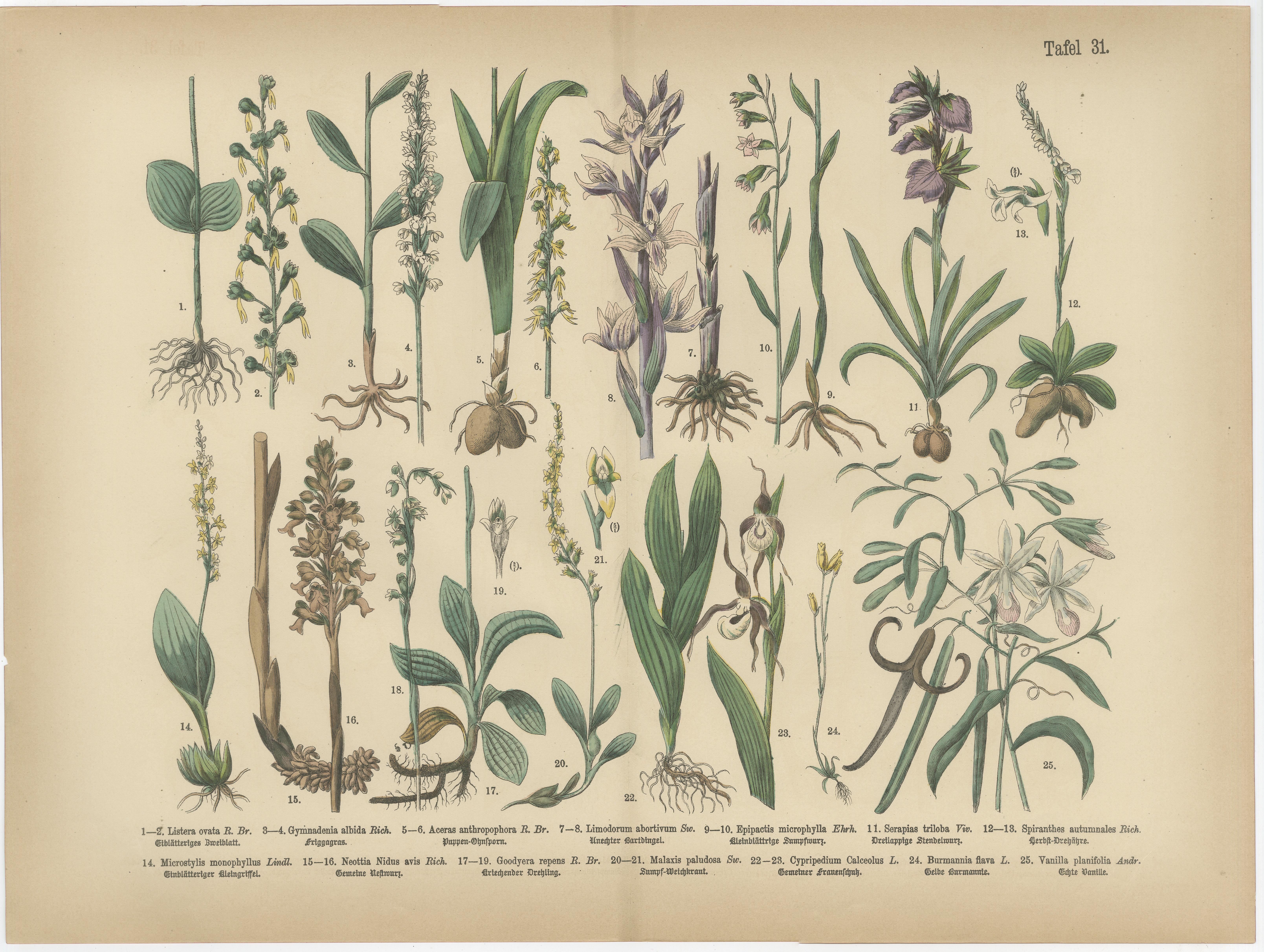
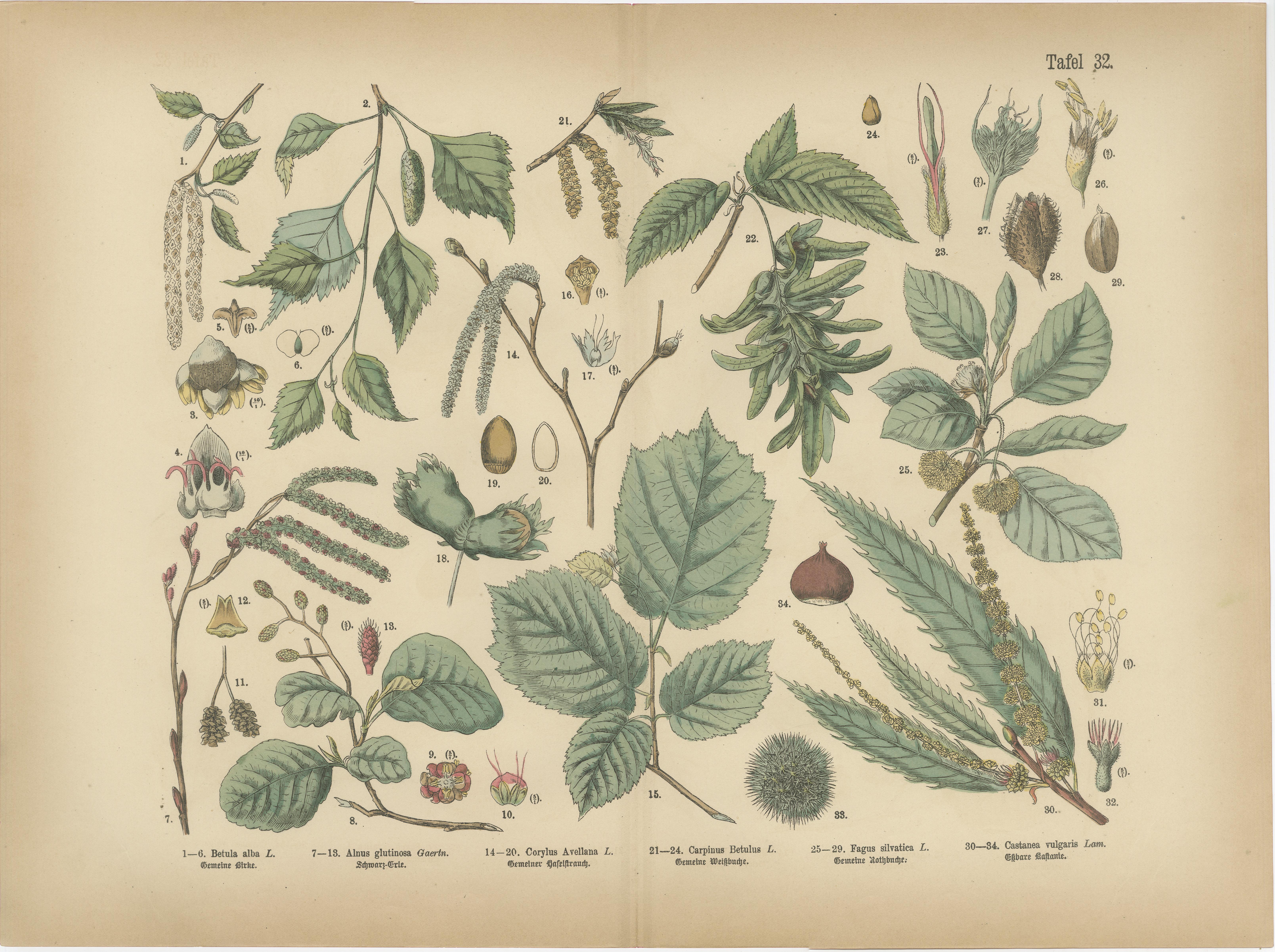
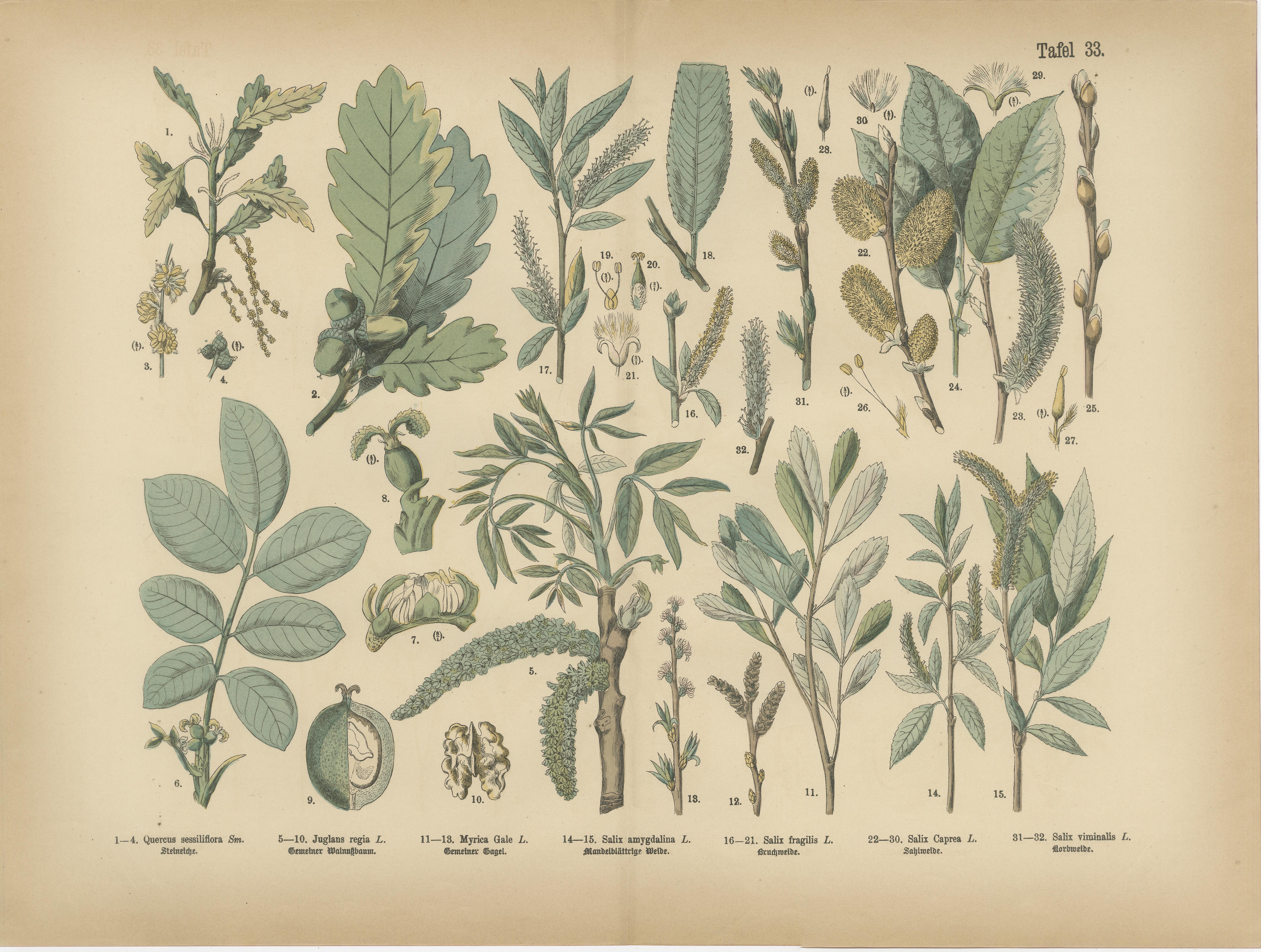
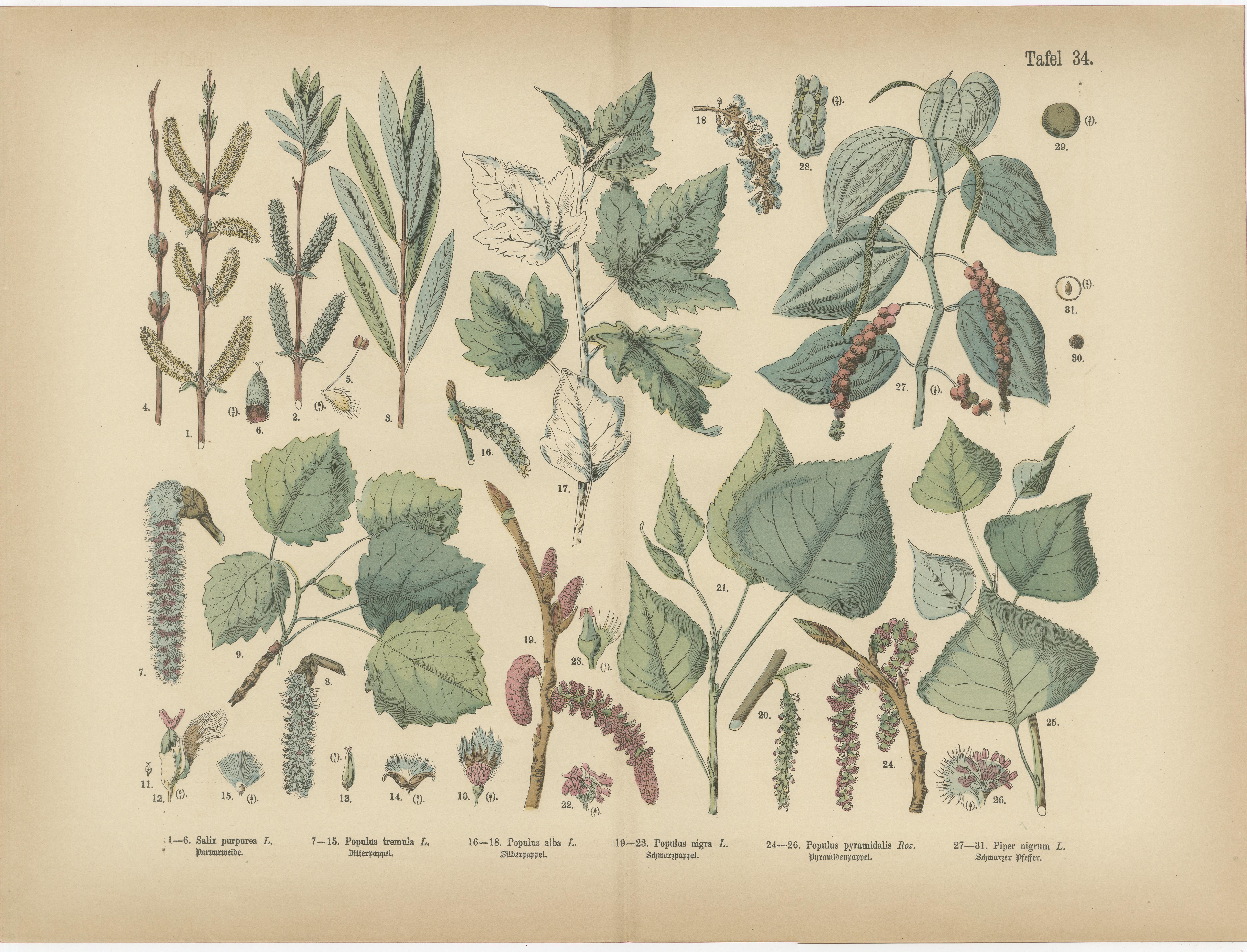
The plates illustrate a rich cross-section of European plant life rendered in soft naturalistic color and precise linework. Species represented include meadow grasses such as Avena sativa (oat), Phleum pratense (timothy grass), and Dactylis glomerata (orchard grass); flowering orchids including Orchis, Ophrys, Epipactis, and Cypripedium varieties; woodland plants and forest-floor species; and tree studies featuring oak (Quercus), hazel (Corylus avellana), birch (Betula alba), alder (Alnus glutinosa), beech (Fagus sylvatica), willow (Salix), poplar (Populus), walnut (Juglans regia), and pepper plant (Piper nigrum). The diversity of forms — from delicate blossoms to structured leaves and botanical specimens — creates a visually balanced series rich in texture and rhythm.
The restrained palette of sage greens, muted pinks, and warm ivory paper tones allows the compositions to function as sophisticated architectural décor rather than purely scientific charts. Their airy layouts and vertical plant forms lend themselves beautifully to contemporary interiors, including organic modern, Scandinavian, country house, biophilic, or hospitality settings. Displayed as a series, the plates form a calm botanical narrative that introduces nature, structure, and historical authenticity into a space.
The prints are offered unframed, allowing full flexibility for collectors and designers to tailor presentation to individual interiors. Any framed examples shown are intended purely as inspiration.
Condition report:
Good antique condition with general age-related toning consistent with late nineteenth-century paper. Light surface wear and occasional minor spotting visible upon close inspection. Original centerfolds as issued. Paper remains structurally sound and presents beautifully overall.
Framing tips:
These botanical plates frame exceptionally well with generous ivory or warm off-white matting to emphasize the delicate compositions and preserve visual breathing space around each specimen. A dark walnut, natural oak, or muted gilded frame complements both traditional and modern interiors. Hanging as a structured grid or linear salon arrangement enhances their architectural impact and creates a refined botanical wall installation.