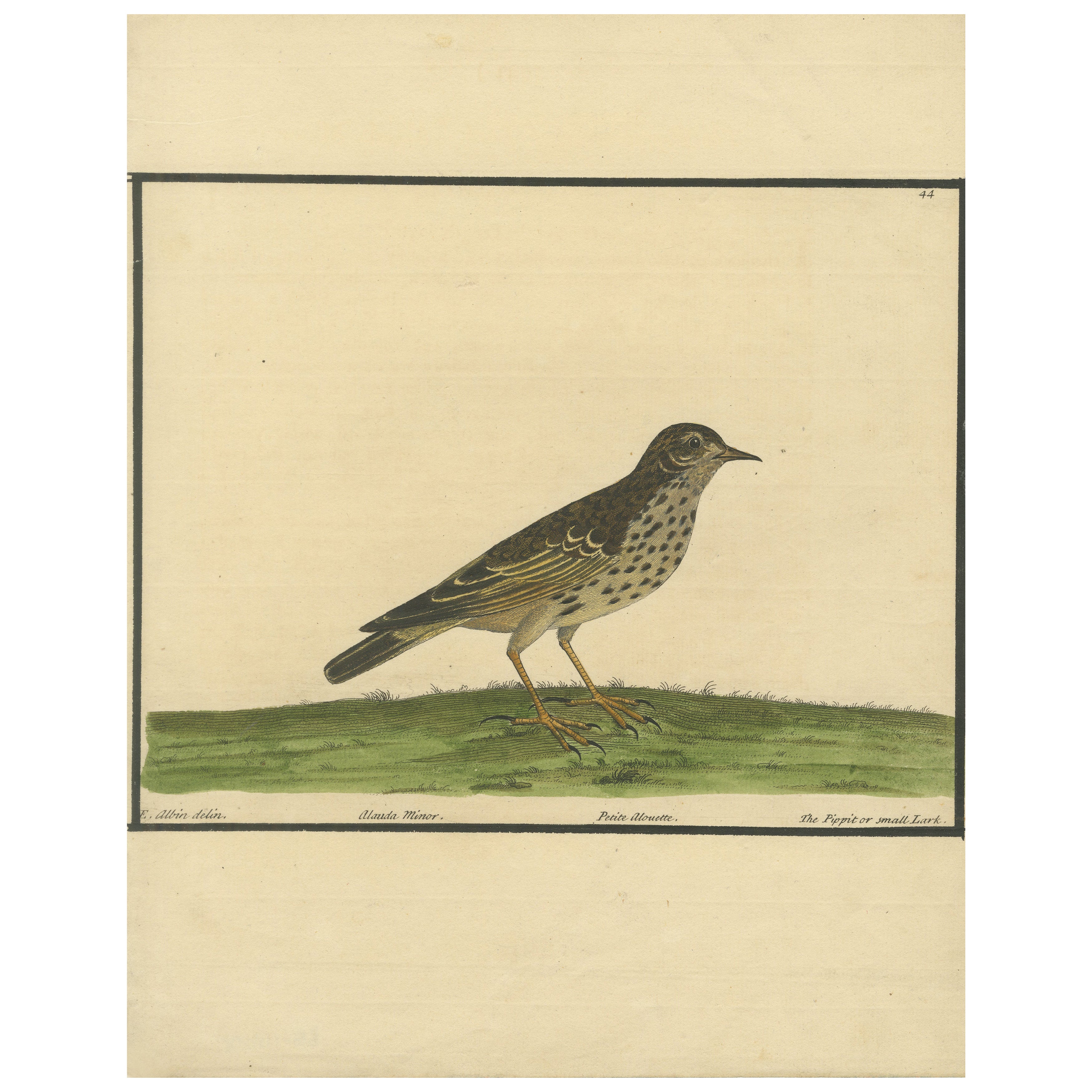
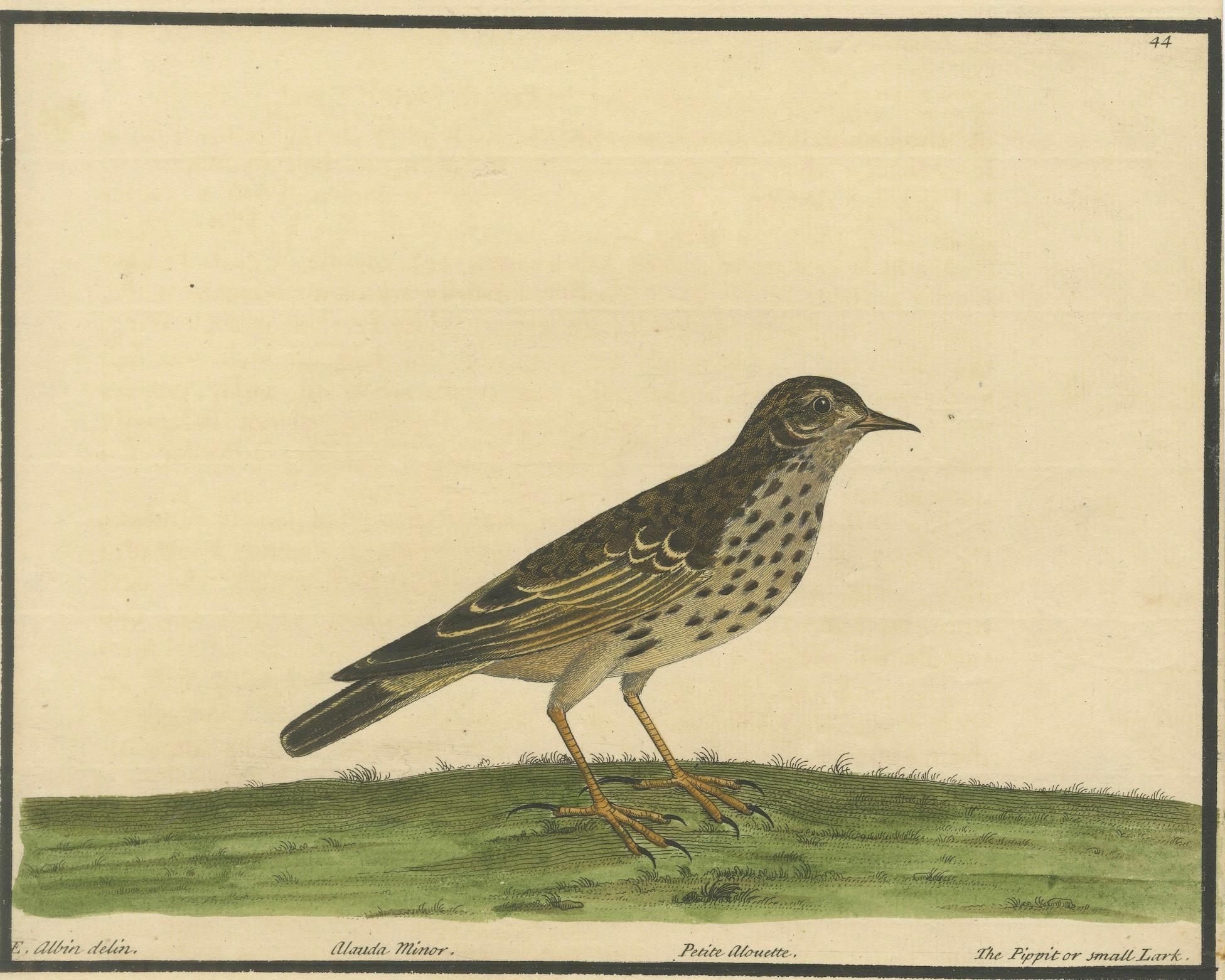
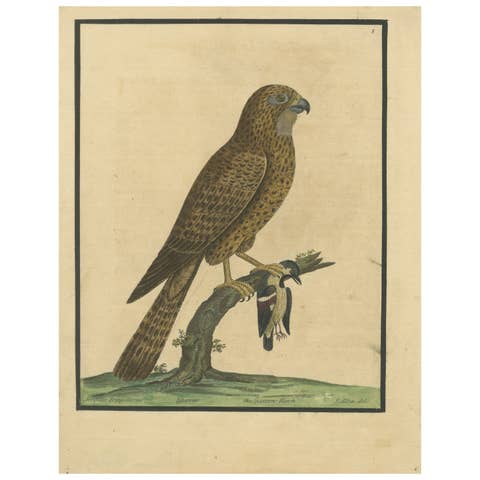
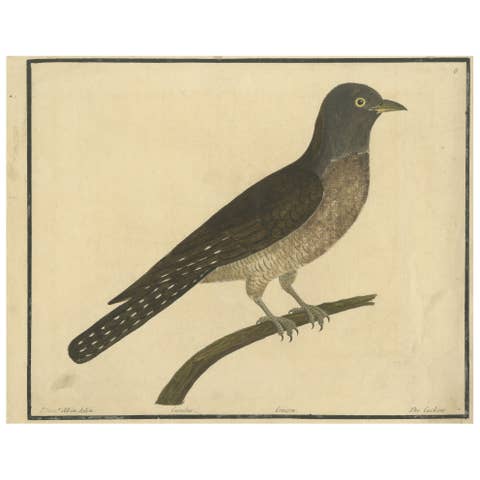
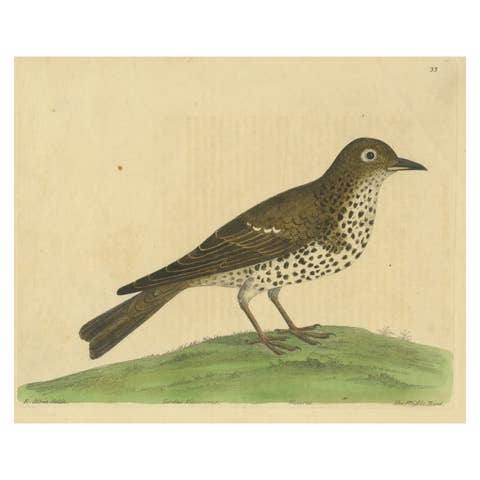
Antique Hand-Colored Engraving of The Pipit or Small Lark by Eleazar Albin, 1730
€ 350
One of a kind: this is the sheet in the photographs. Ships from Langweer, the Netherlands.
Date
1730
Sheet size
28.4 × 22.7 cm (11.2 × 8.9 in)
Condition
Good
Reference
BG-10605
Condition
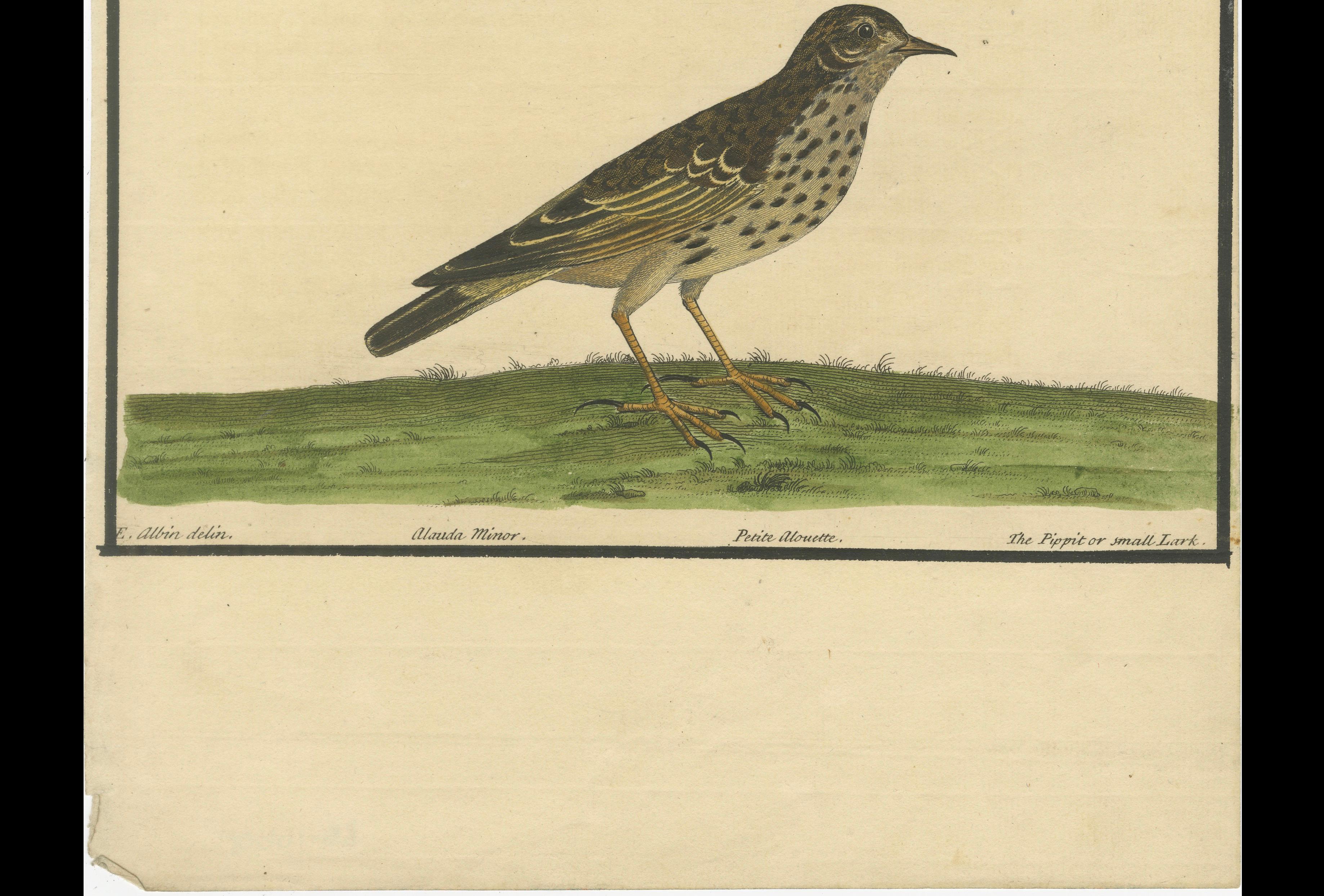
The print is in good condition with light age toning and a horizontal fold line towards the lower margin, not affecting the image. Minor foxing is present in the outer margin. The hand coloring is vivid, and the engraving lines remain strong.
About this sheet
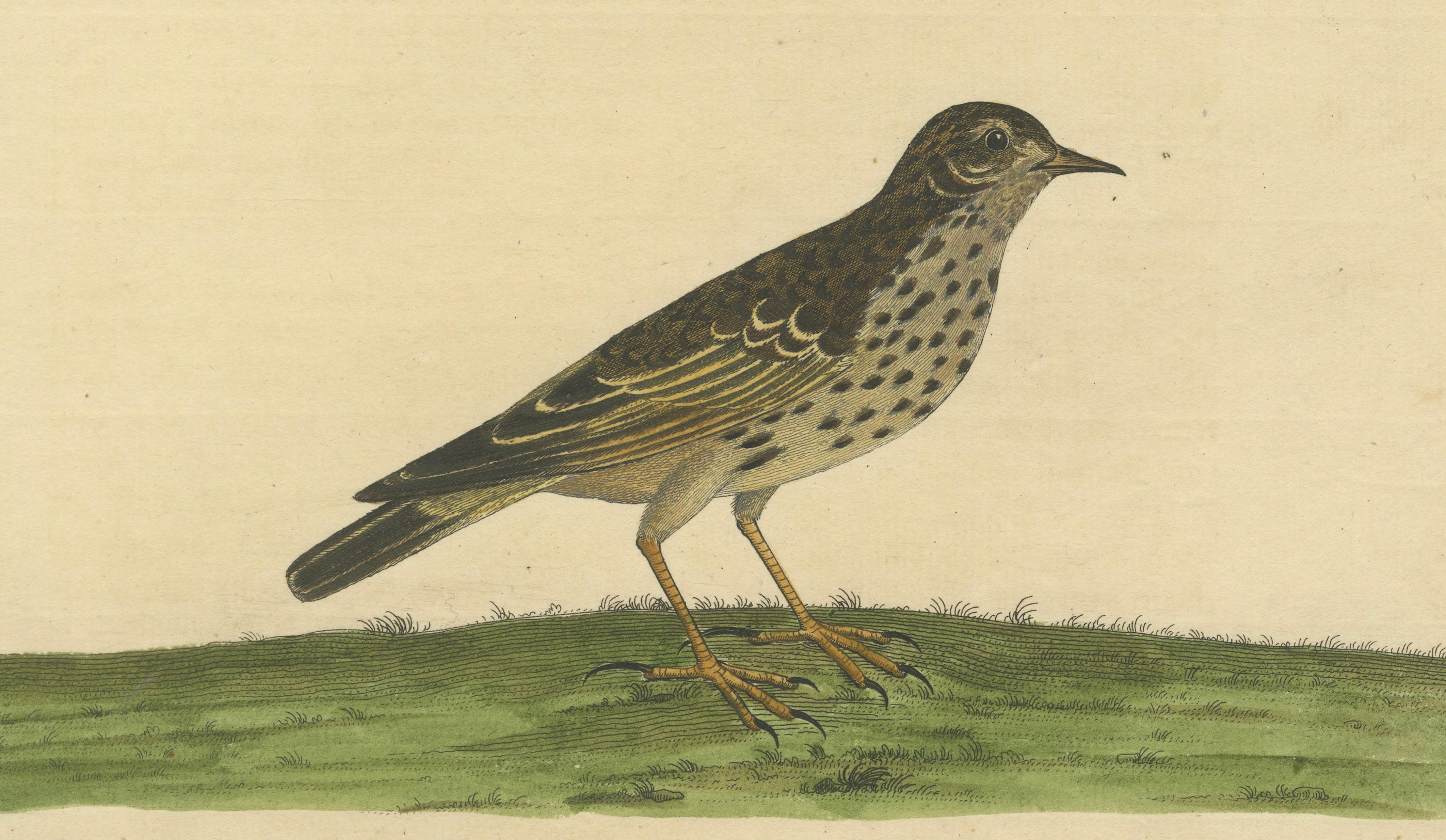
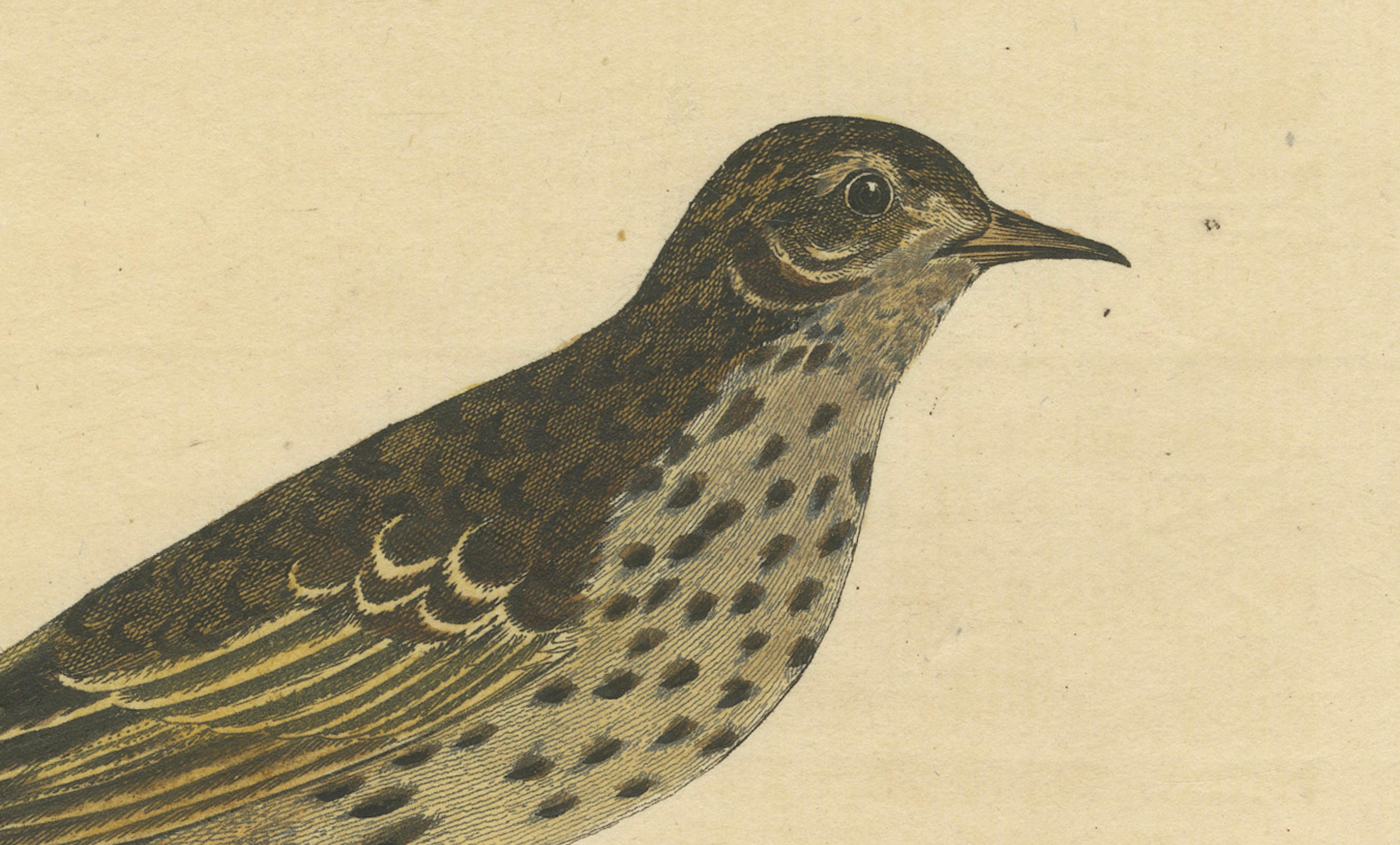
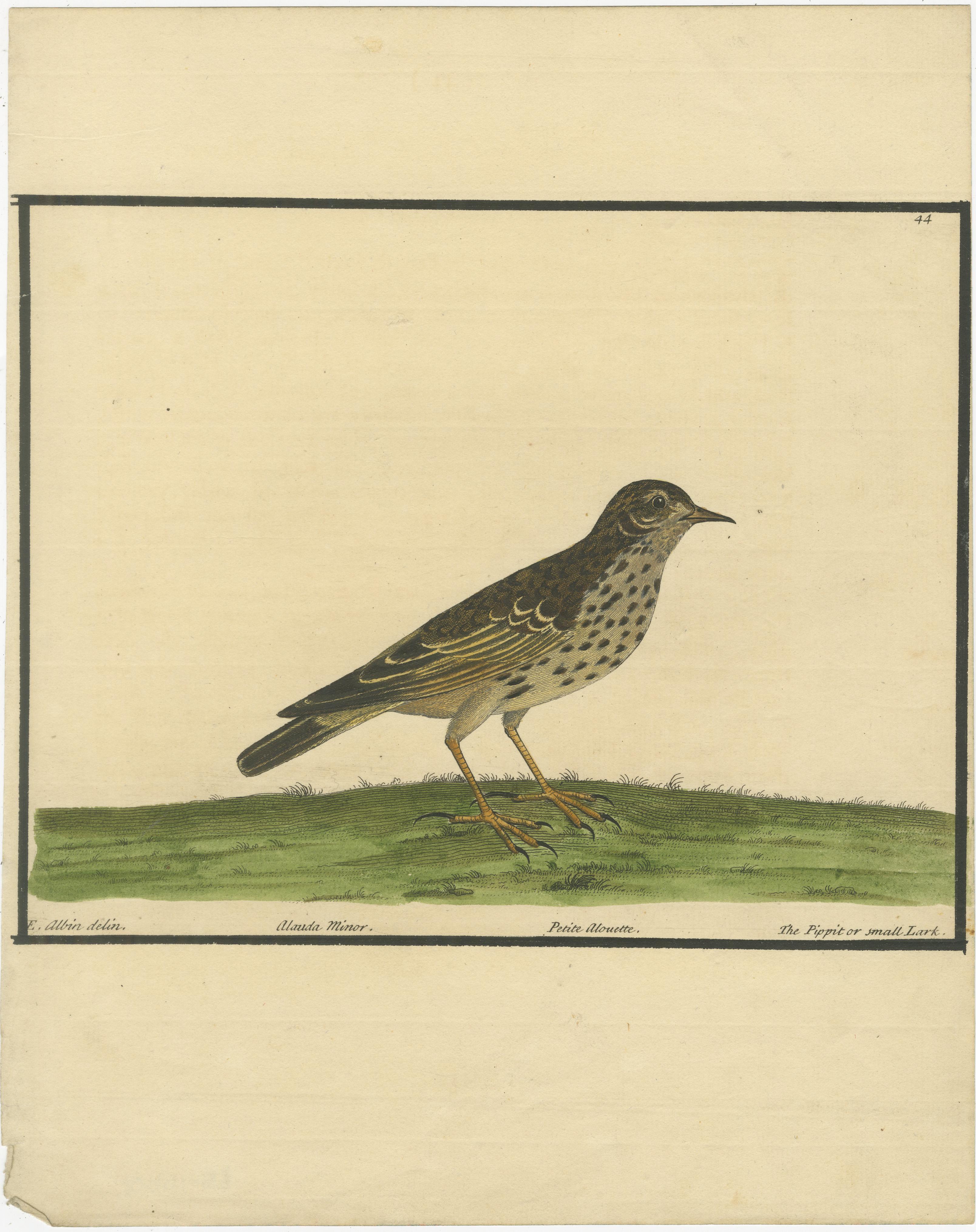
This delicate antique hand-colored engraving depicts The Pipit or Small Lark, titled Alanda Minor, drawn and engraved by Eleazar Albin around 1730. The bird is shown standing gracefully on a grassy mound, with its slender legs, fine claws, and distinctive speckled breast carefully detailed. The engraving includes its Latin name Alanda Minor and French name Petite Alouette along with its English common name The Pipit or small Lark, and bears the inscription E. Albin delin., confirming its place in Albin’s influential ornithological works.
Eleazar Albin was a pioneering English natural history illustrator whose publications, including A Natural History of Birds, were among the first to combine scientific precision with artistic illustration based directly on live observation. His works offered unprecedented detail and accuracy to Enlightenment-era naturalists and wealthy patrons, combining educational value with elegant decorative appeal.
The Pipit, part of the lark family, is recognized for its understated plumage with brown and grey tones, streaked chest, and subtle yellow markings on the wings. Albin’s illustration captures the bird’s poised and alert posture, highlighting both its anatomical features and natural behaviour. These prints remain highly collectible today for their contribution to early ornithology and their timeless aesthetic.
Condition report: The print is in good condition with light age toning and a horizontal fold line towards the lower margin, not affecting the image. Minor foxing is present in the outer margin. The hand coloring is vivid, and the engraving lines remain strong with no tears or repairs.
Framing tips: This engraving would display elegantly in a dark wood or slim black frame with a gold inner edge to reflect its historical character. Pair with a cream or pale green mat to complement the grassy tones and enhance the natural beauty of the illustration, making it ideal for a study, library, or natural history-themed gallery wall.