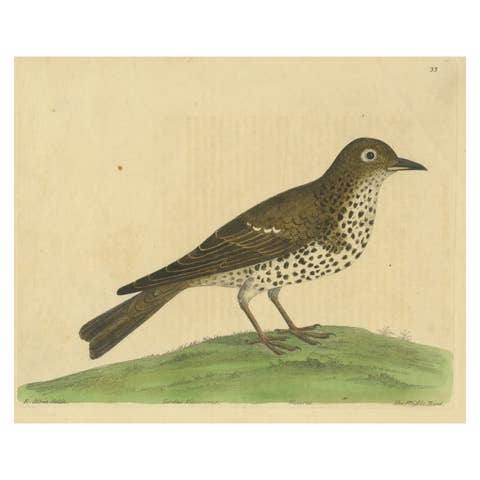
Antique Hand-Colored Engraving of The Cuckoo by Eleazar Albin, circa 1730
€ 370
One of a kind: this is the sheet in the photographs. Ships from Langweer, the Netherlands.
Date
1730
Sheet size
22.8 × 28 cm (9.0 × 11.0 in)
Condition
Good
Reference
BG-10639
Condition
Good , considering its age, with slight age toning and faint scattered foxing mostly confined to the margins. The engraving lines remain strong and the original hand coloring is clear and well-preserved. One small tear touching the lower image border.
About this sheet
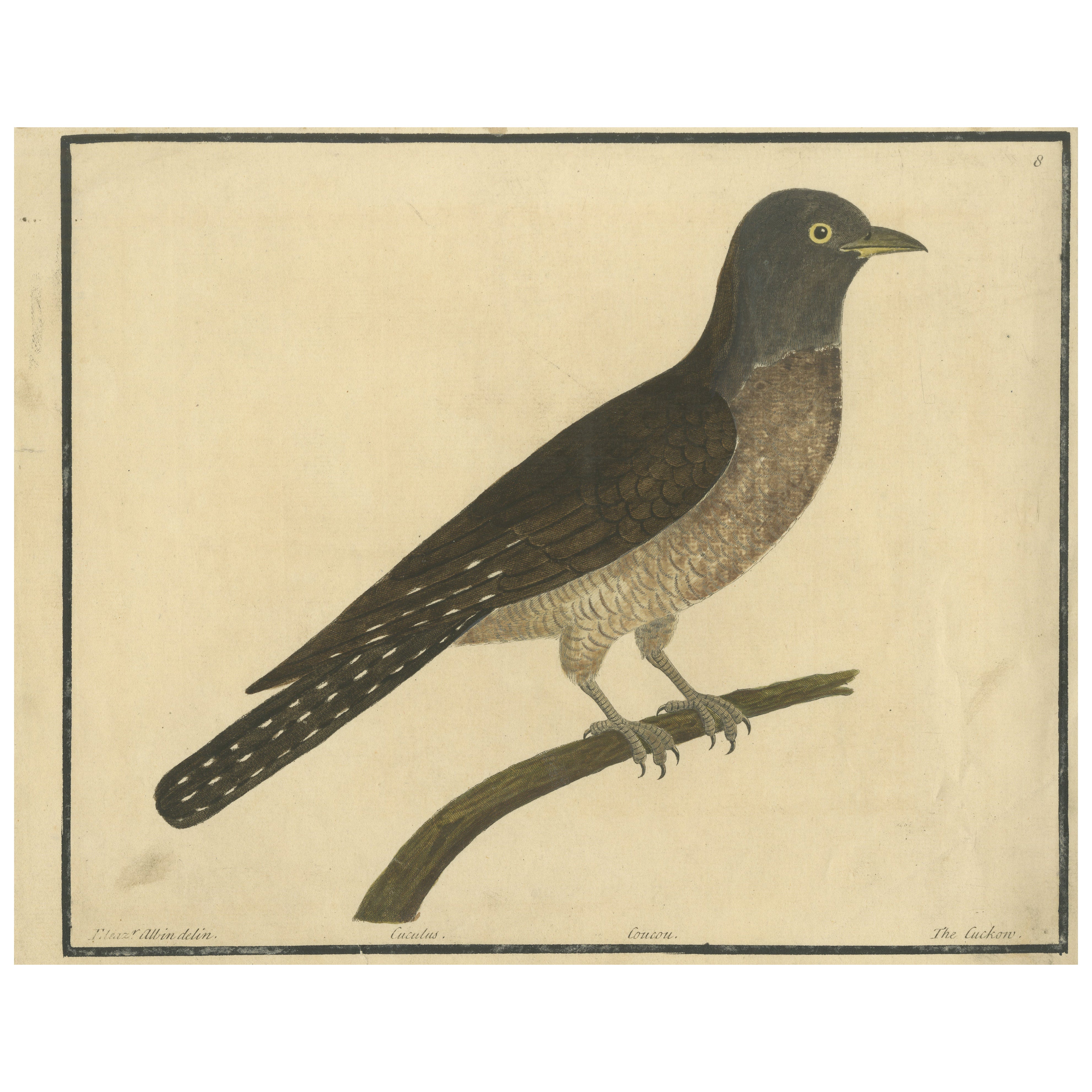
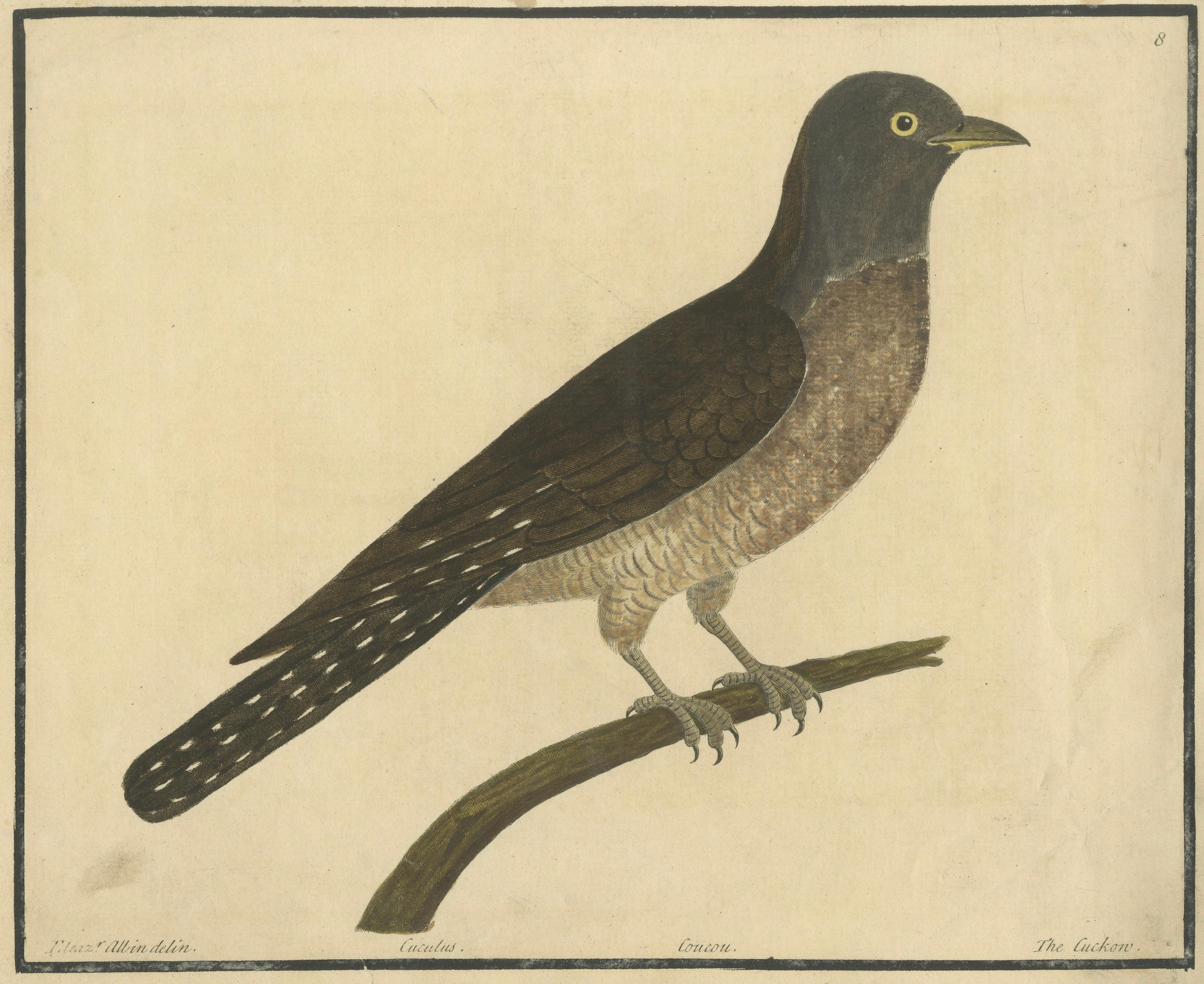
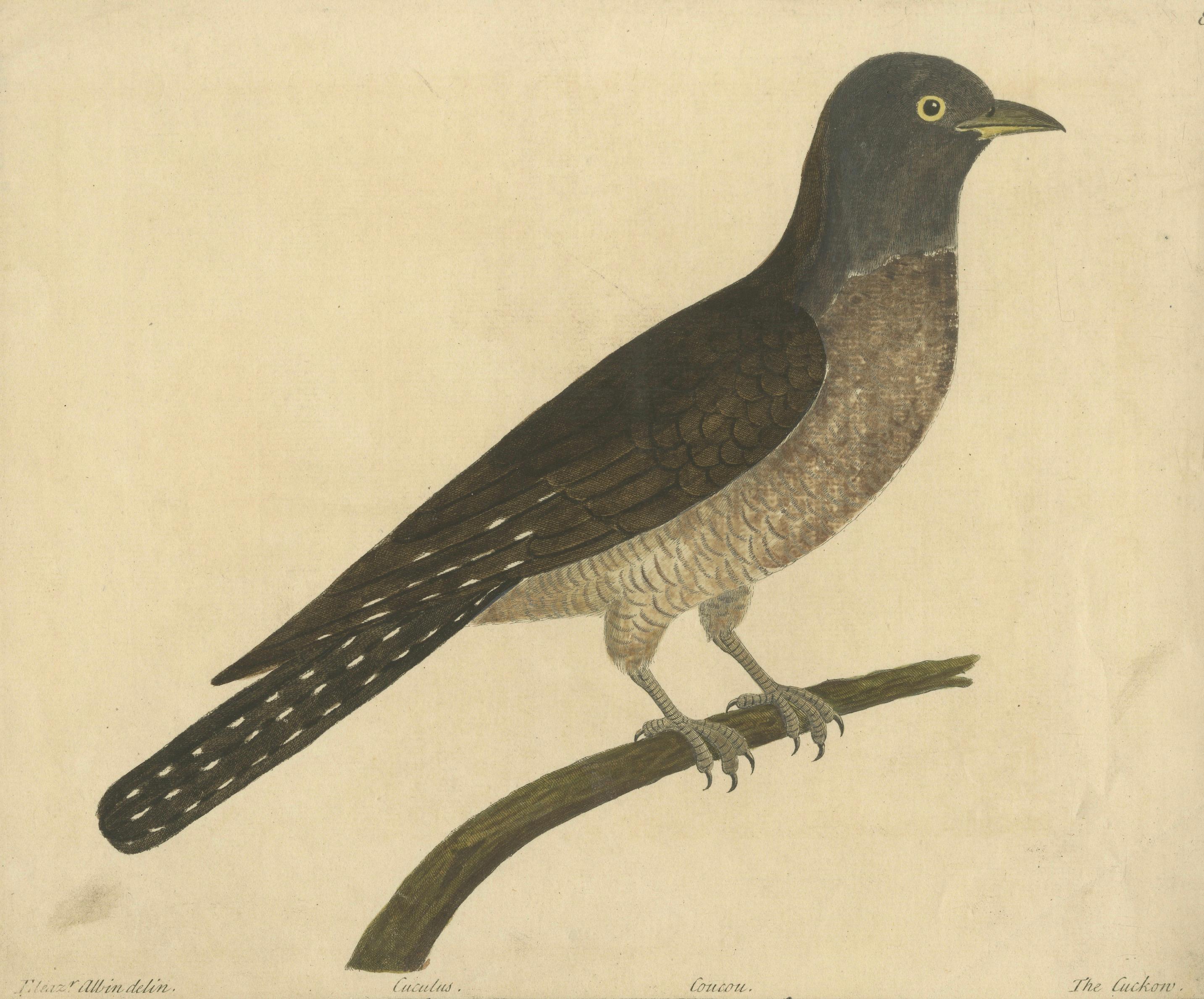
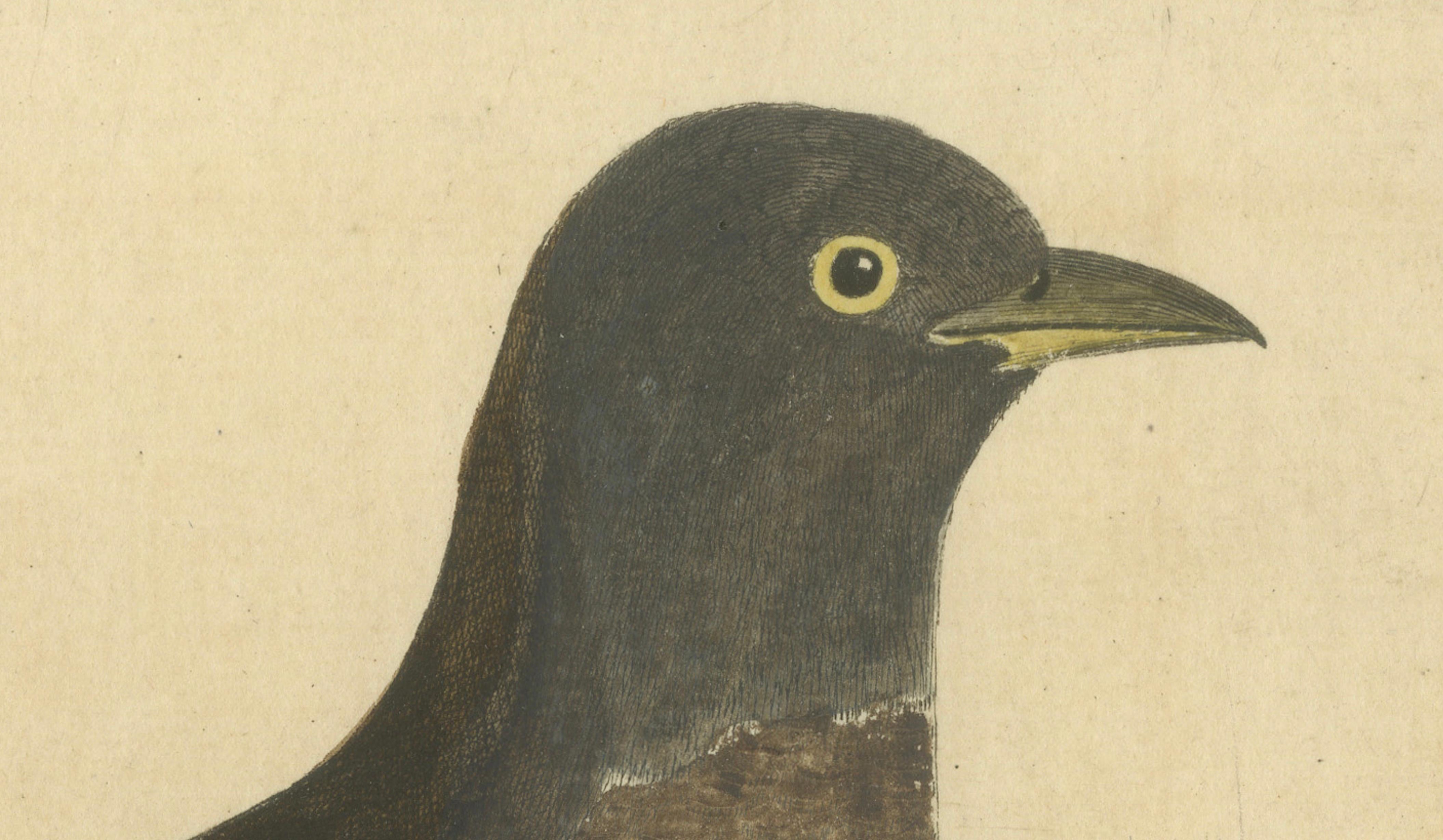
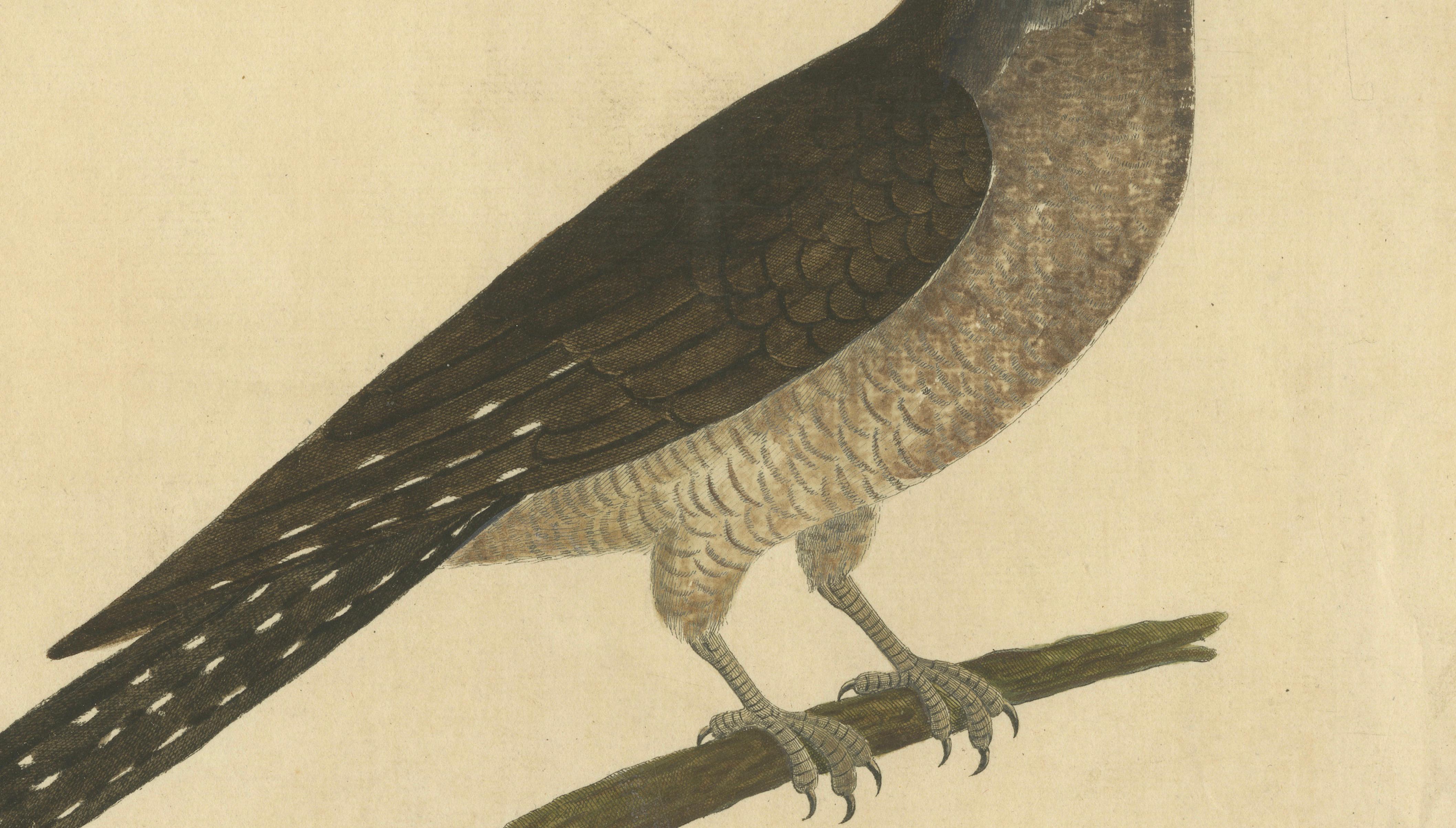
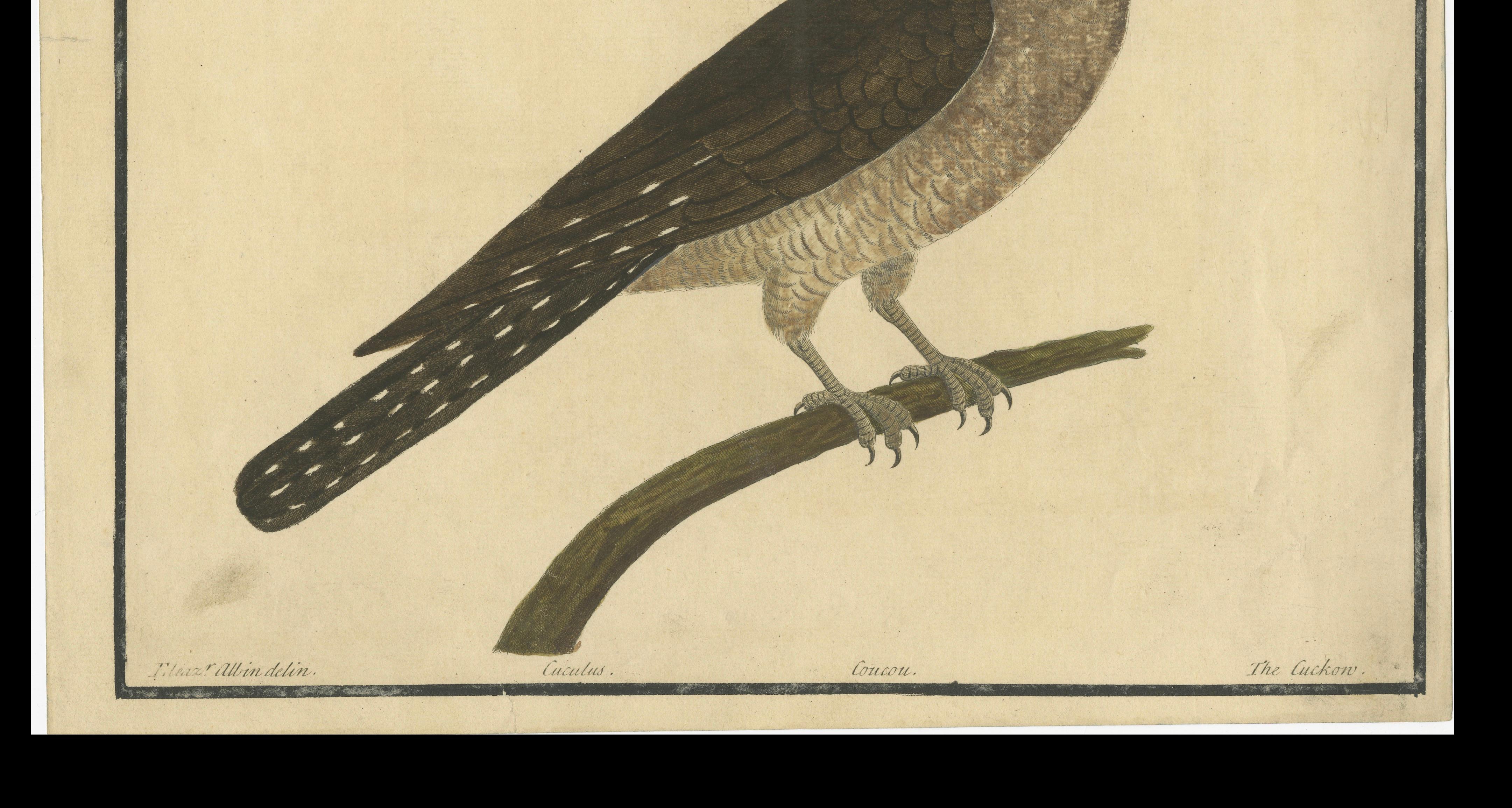
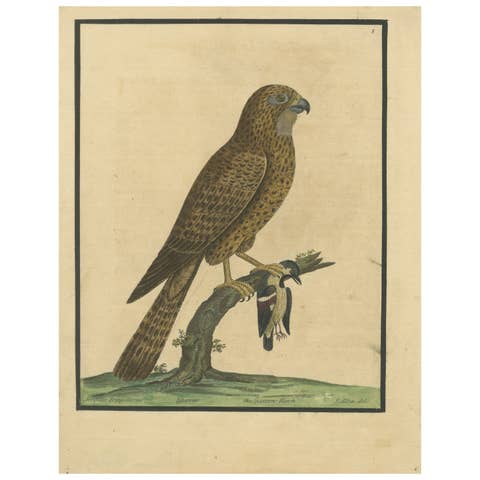
This finely detailed hand-colored engraving depicts the cuckoo, titled Cuculus, The Cuckow, created by the English natural history illustrator Eleazar Albin around 1730. The print shows the cuckoo perched gracefully on a simple branch against a pale background, highlighting the bird’s distinctive long barred tail, grey-brown plumage, and alert yellow-ringed eye. The engraving carries the inscription Eliz: Albin delin., identifying it as part of Albin’s influential ornithological works.
Eleazar Albin was a pioneering naturalist and illustrator active in early 18th-century London. His renowned publications, such as A Natural History of Birds, were among the first English works to combine scientific descriptions with hand-colored engravings drawn directly from live specimens. His work offered an unprecedented level of accuracy for its time, intended to educate and delight both scholars and wealthy patrons interested in the natural sciences.
The cuckoo, Cuculus canorus, is famous for its call heralding spring in Europe and its unique brood parasitic behaviour of laying eggs in other birds’ nests. Albin’s illustration captures its elegant posture, subtle plumage patterns, and characteristic long tail markings with clarity and understated artistic charm. These early ornithological prints are prized today for their historical significance, decorative appeal, and contribution to the development of natural history illustration in Britain.
Condition report: The print is in good condition considering its age, with slight age toning and faint scattered foxing mostly confined to the margins. The engraving lines remain strong and the original hand coloring is clear and well-preserved. One small tear touching the lower image border.
Framing tips: This engraving will display beautifully in a black or dark wood frame with a gold inner edge to complement its historic character. A cream or antique white mat will enhance the subtle natural tones and ensure an elegant presentation, ideal for libraries, studies, or natural history-themed gallery walls.