About this sheet
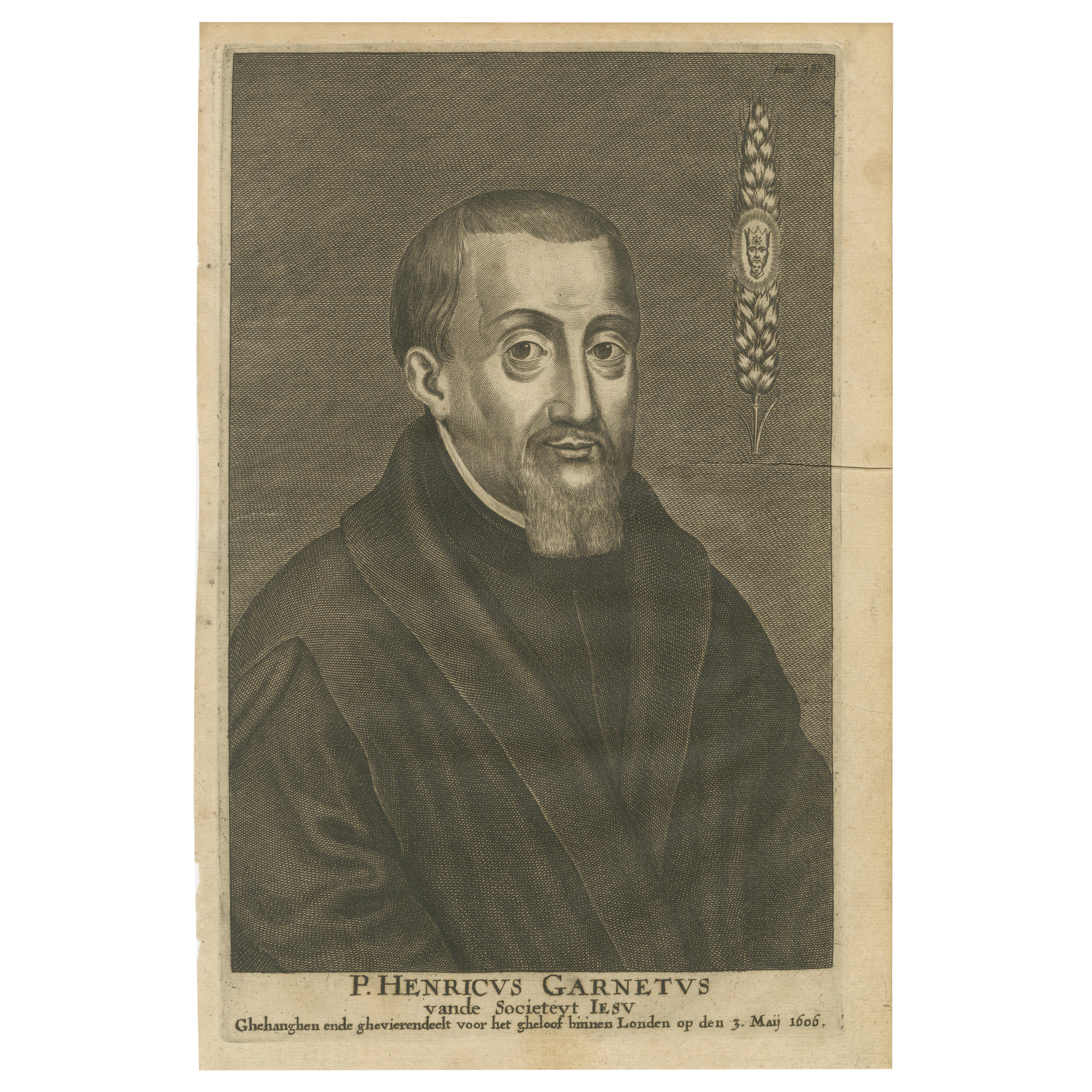
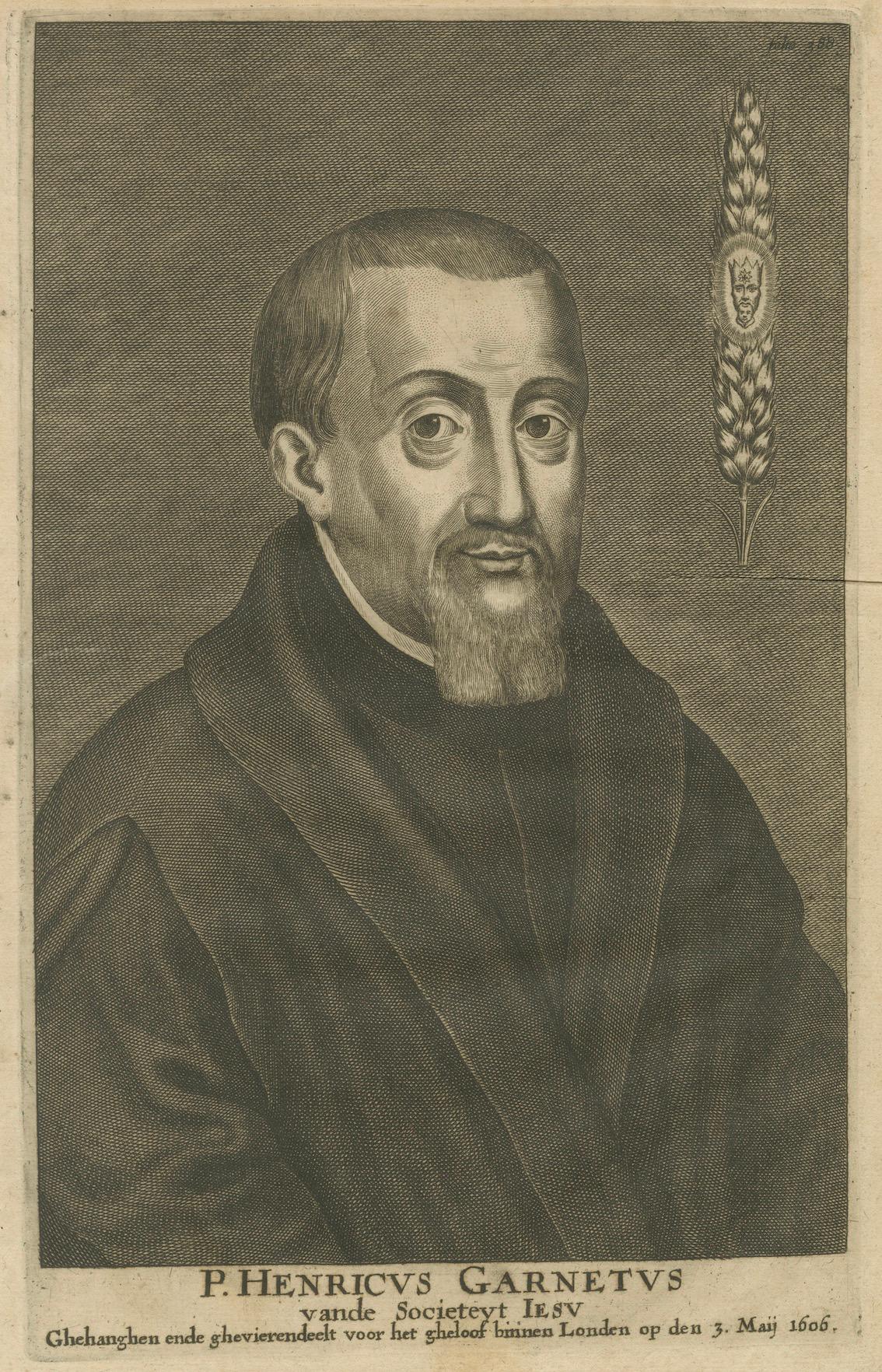
This fine copper engraving from around 1670 depicts Henry Garnet, a Jesuit priest born in Heanor, England, in 1555. A key figure in the Catholic mission to England during the reign of James I, Garnet is remembered for his involvement in controversial events and his steadfast commitment to his faith, leading to his execution on May 3, 1606, in London. The engraving commemorates his legacy as a martyr for the Catholic cause.
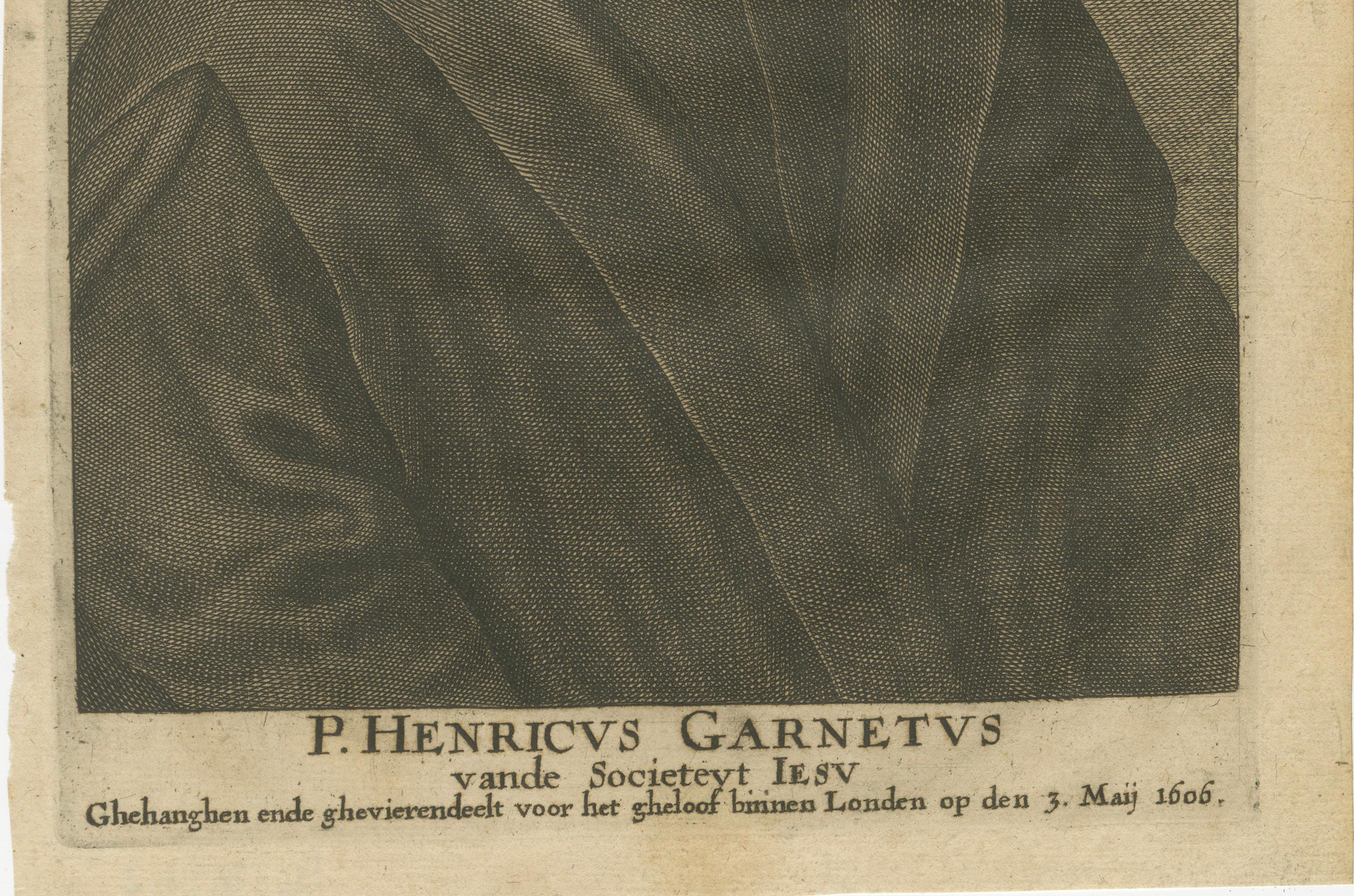
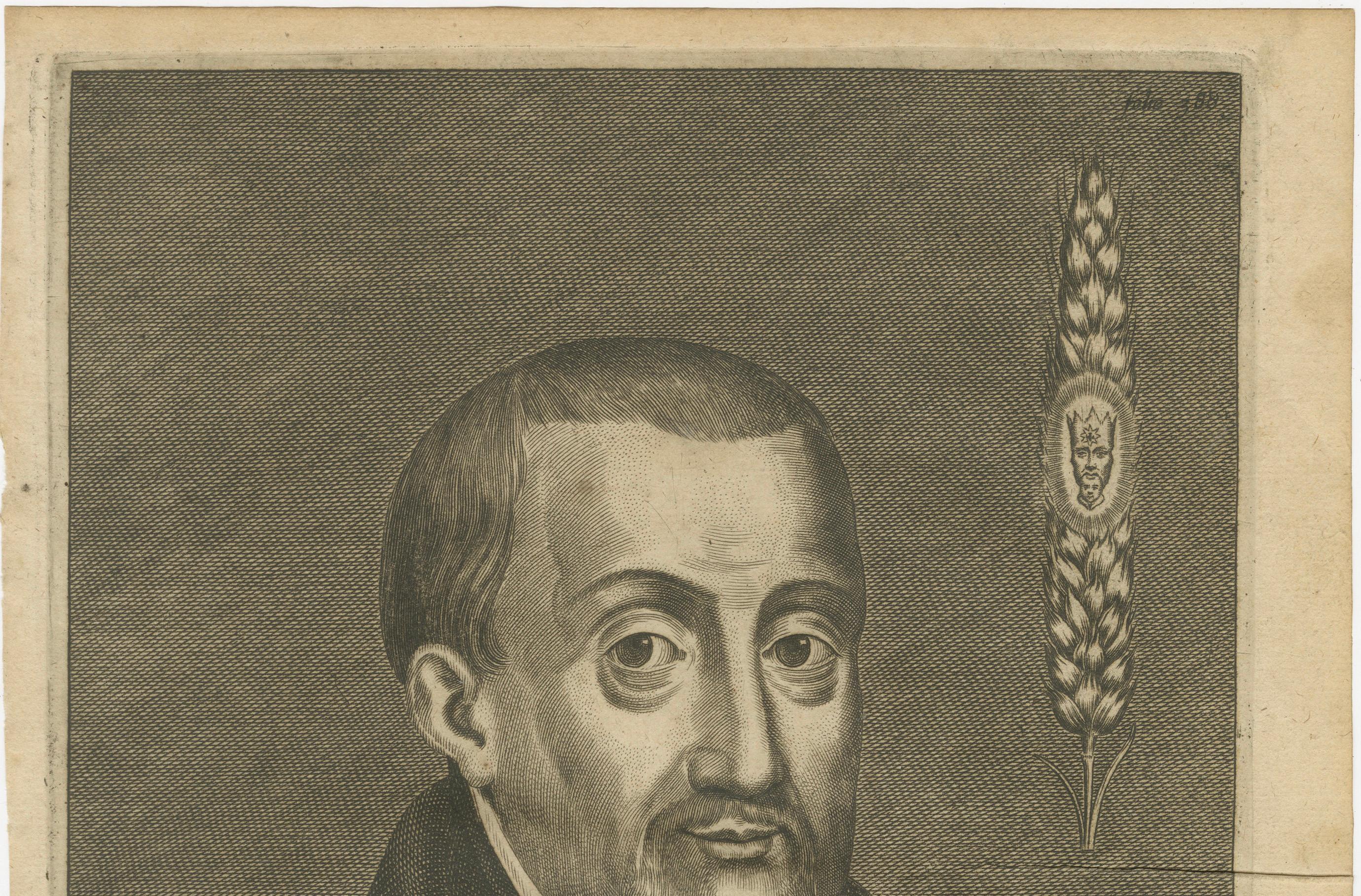
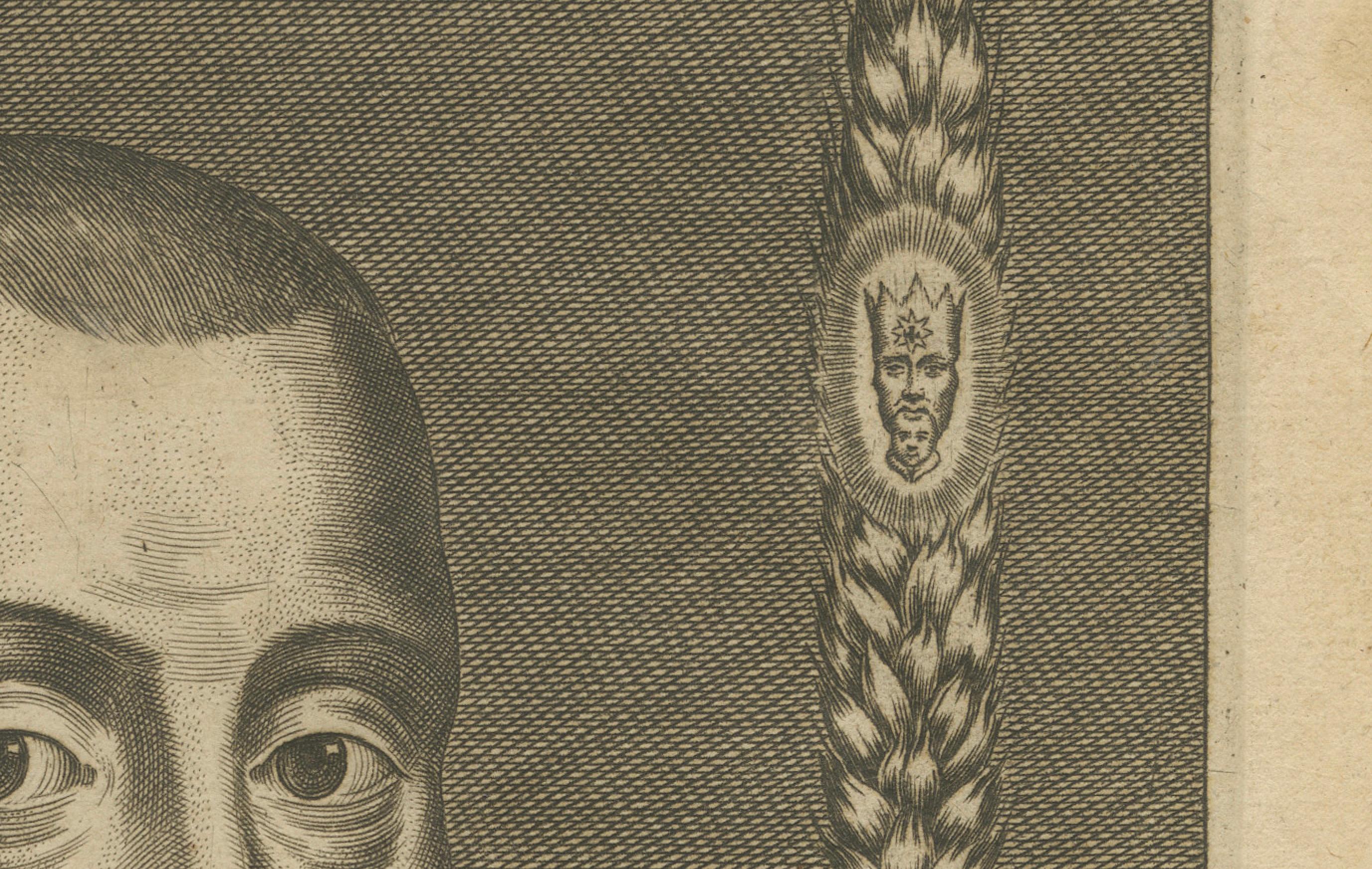
The portrait presents Garnet in traditional Jesuit attire, with a serene expression reflecting his devotion and sacrifice. Notably, the wheat motif beside him symbolizes the Eucharist, faith, and martyrdom, serving as a powerful reminder of his religious conviction. The inscription below reads:
"P. Henricvs Garnetvs van de Societeyt IESV. Ghehanghen ende ghevierendeelt voor het geloof binnen London op den 3. May 1606"
(Father Henry Garnet of the Society of Jesus, hanged and quartered for the faith in London on the 3rd of May, 1606).
Note: portrayed with the bloodstained straw husk saved from his execution and said to bear his image.
- Dimensions: 256 × 169 mm
- Technique: Copper engraving
- Artist: Anonymous
- Period: Circa 1670
This engraving was likely created posthumously as a devotional piece, honoring Garnet's life and martyrdom. Despite being implicated in the infamous Gunpowder Plot, he was admired by many for his eloquence and piety. His story continues to evoke discussions about religious freedom and persecution in 17th-century England.
Keywords: Henry Garnet portrait, Jesuit martyr, Gunpowder Plot, antique Catholic engraving, 17th-century religious print, martyrdom artwork, copper engraving of Henry Garnet, Christian history print, English Jesuits, historical Catholic figures.
This rare engraving is a significant historical artifact, offering a glimpse into the turbulent religious landscape of post-Reformation England. It is ideal for collectors of Catholic art and historical prints, as well as those interested in English religious history.