About this sheet
Antique Portrait Prints – British Artists John Hoppner, Joseph Farington & Henry Tresham – 19th Century
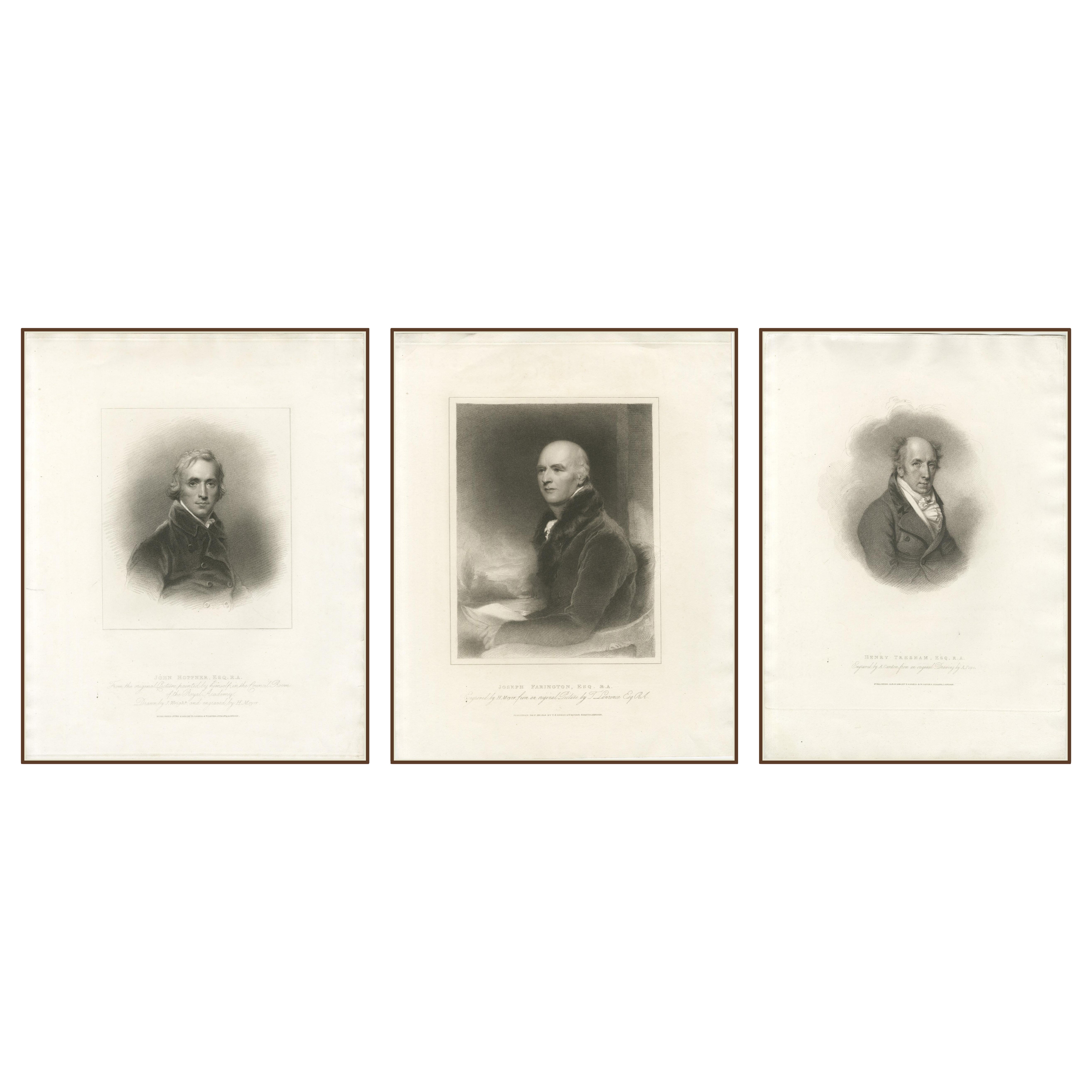
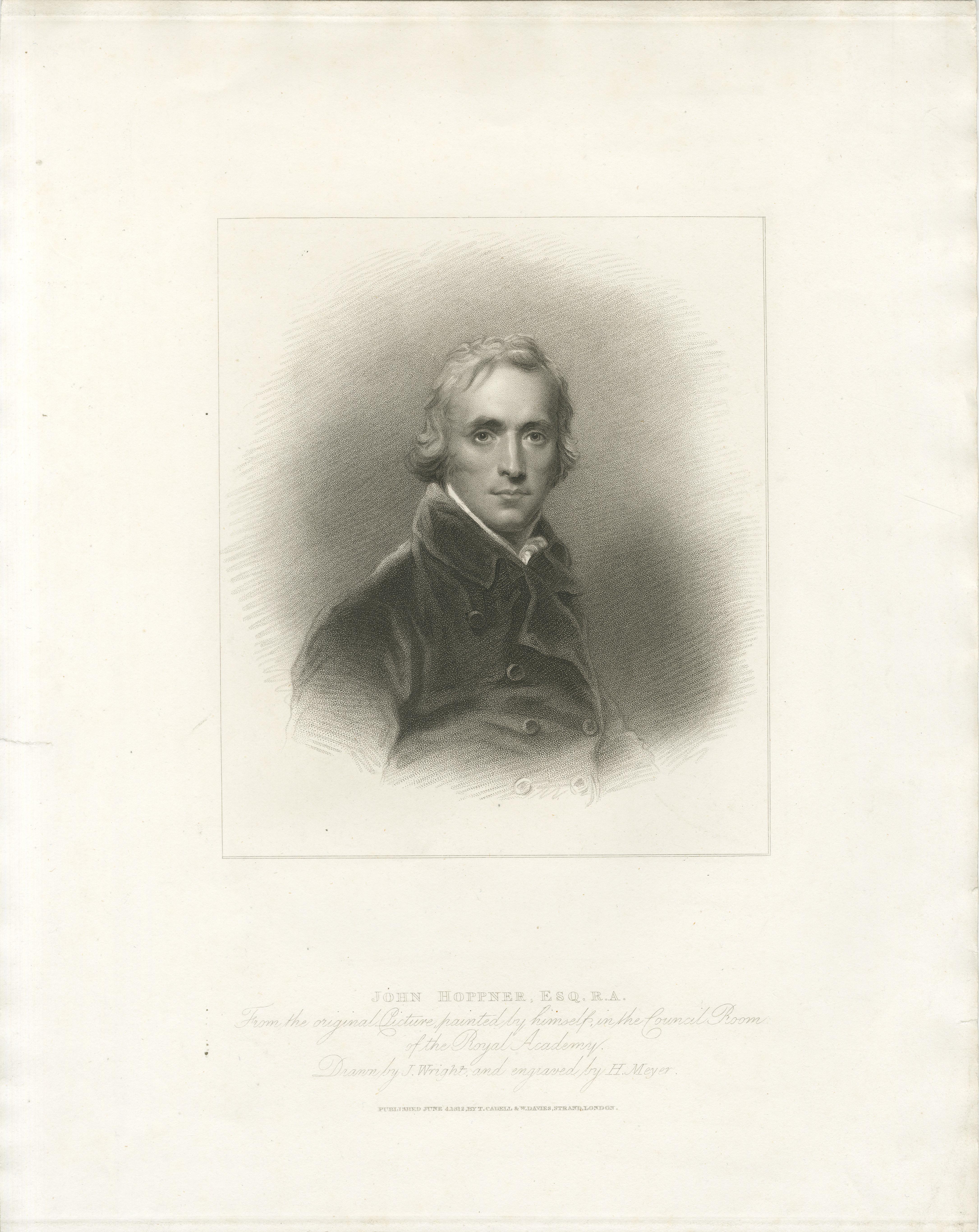
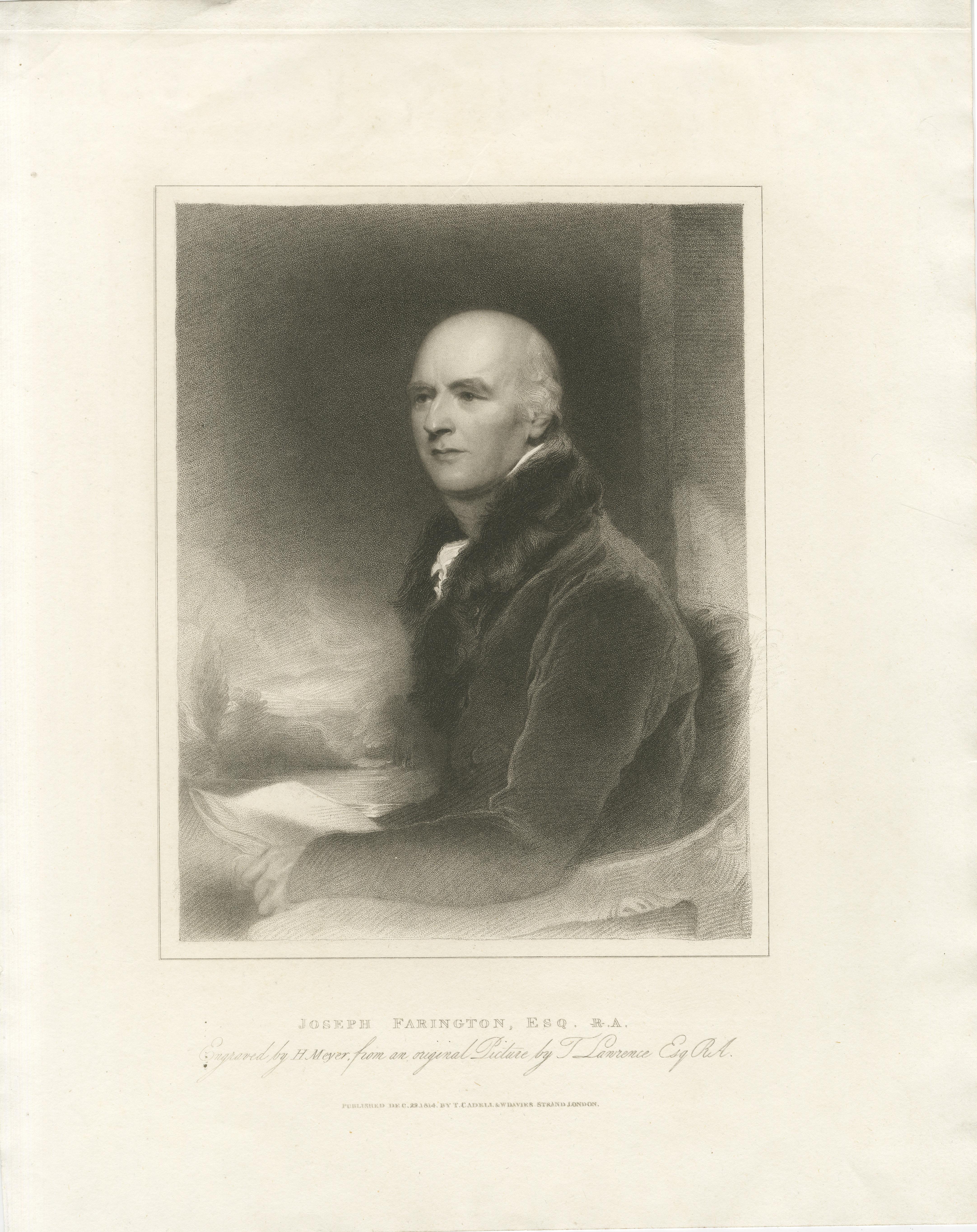
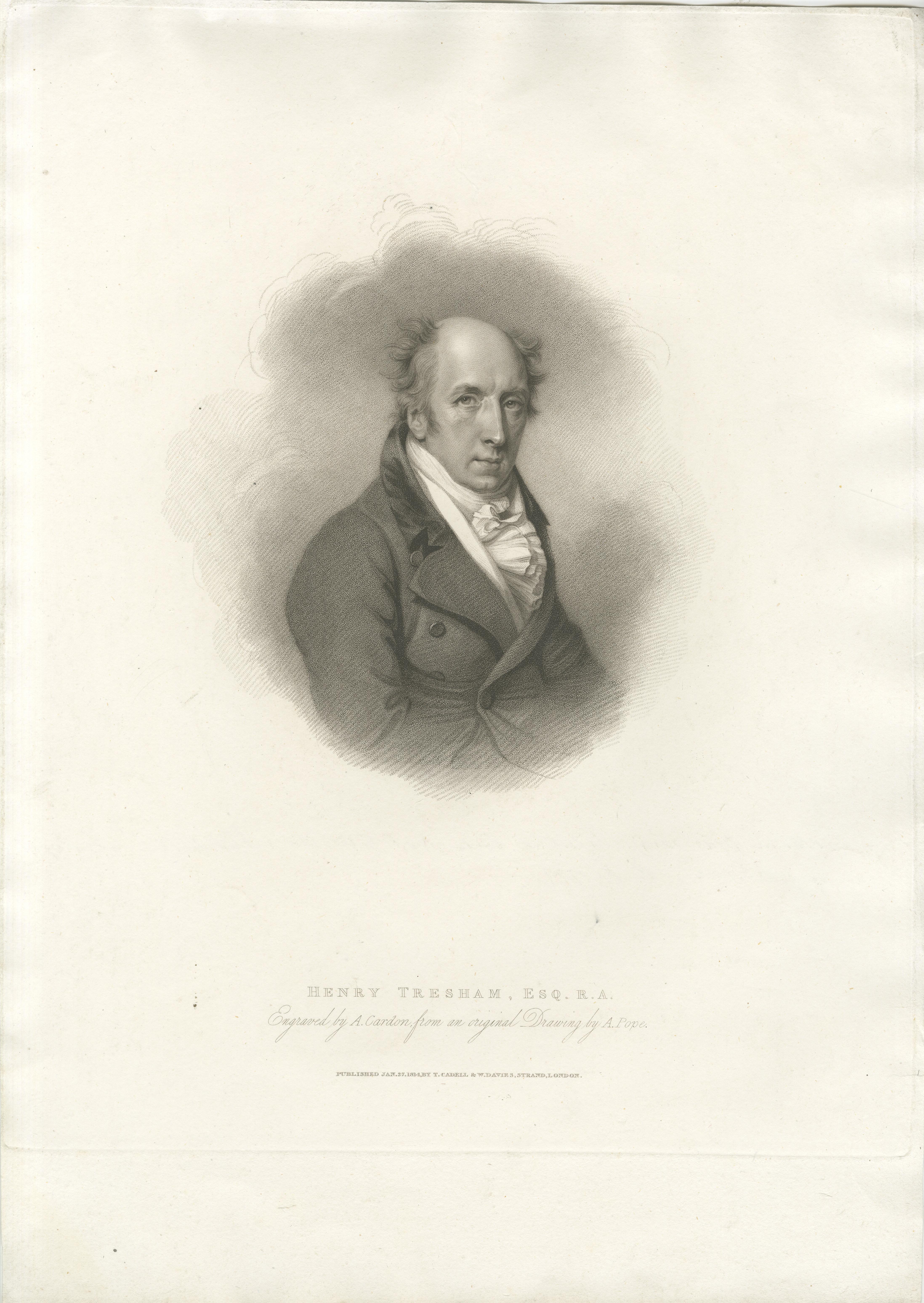
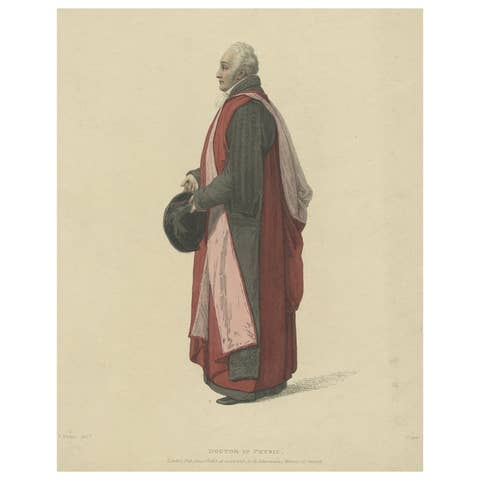
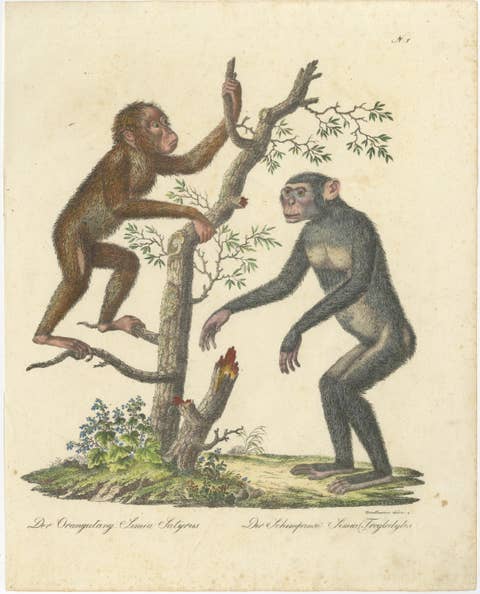
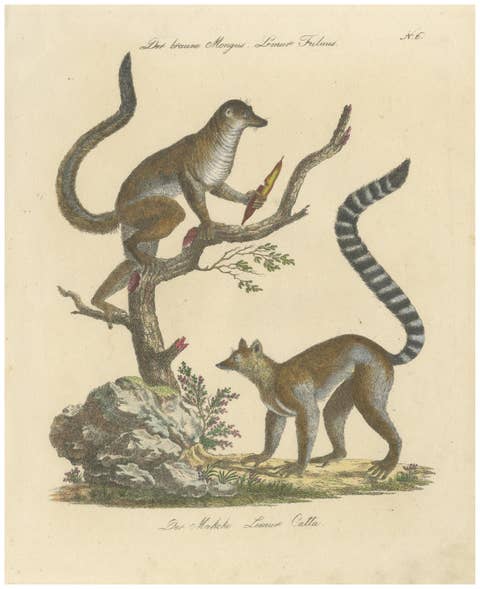
This fine set of three antique portrait engravings presents celebrated figures of the British artistic world around the turn of the nineteenth century. Each portrait is engraved with meticulous attention to facial character, clothing, and background tone, demonstrating the high quality of British printmaking in this era.
The first portrait depicts John Hoppner, Esq. R.A. (1758–1810), one of the leading portrait painters of Georgian England. A rival of Sir Thomas Lawrence, Hoppner painted members of the royal family and many prominent figures of the age. His engraved likeness captures his alert expression, refined attire, and artistic presence.
The second portrait shows Joseph Farington, Esq. R.A. (1747–1821), painter, draughtsman, and diarist. Farington is remembered not only for his landscapes and historical works, but also for his extensive diary, which provides one of the most important firsthand accounts of the British art world in the late eighteenth and early nineteenth centuries. His engraved image conveys a thoughtful dignity, with careful shading suggesting depth and texture.
The third portrait features Henry Tresham, Esq. R.A. (1749–1814), a painter of historical and classical subjects who was also known for his scholarly pursuits and teaching. His portrait emphasizes a reserved yet intellectual character, typical of academic portraits of artists of this period.
Each engraving notes the artists and engravers involved. They were engraved “by H. Meyer from an original painting” (Hoppner and Farington) or “by H. Cook from an original drawing by H. Edridge” (Tresham). These works were published in London and reflect the period’s practice of issuing engraved portraits of members of the Royal Academy, preserving the likenesses of leading cultural figures for both scholarly and public appreciation.
Condition summary: The prints are in very good condition with strong impressions and clear plate marks. Paper is generally clean with minor toning at the edges and a few faint spots typical of age. No tears or repairs visible.
Framing tips: These portraits form a distinguished trio and are well suited to be displayed together. Matching black, dark mahogany, or gilt frames with ivory or pale cream mounts will create a cohesive presentation. They are ideal for a study, library, or gallery wall where their academic and artistic associations can be appreciated.
Technique: Stipple and line engraving
Maker: H. Meyer & H. Cook after original paintings and drawings, published in London, early 19th century