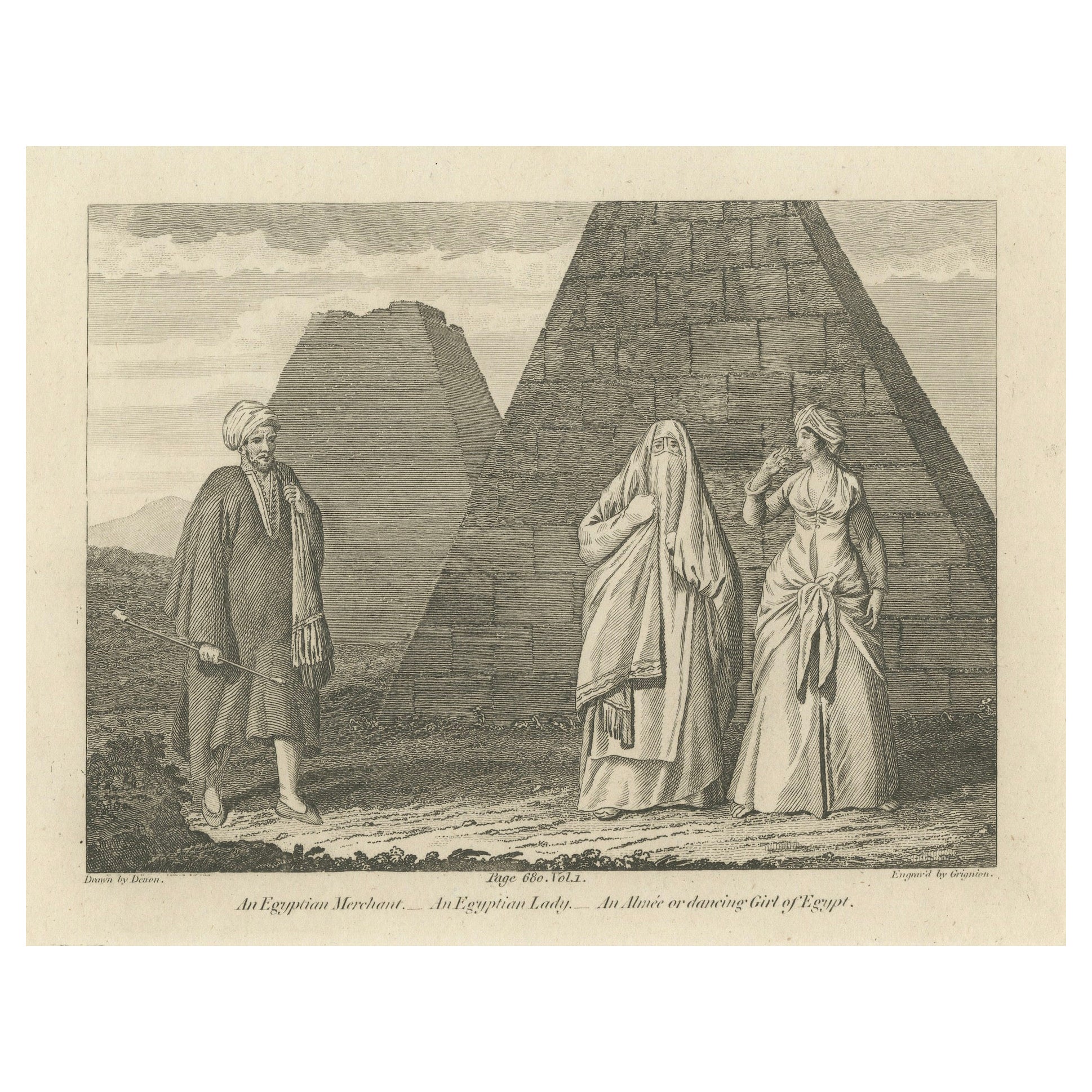
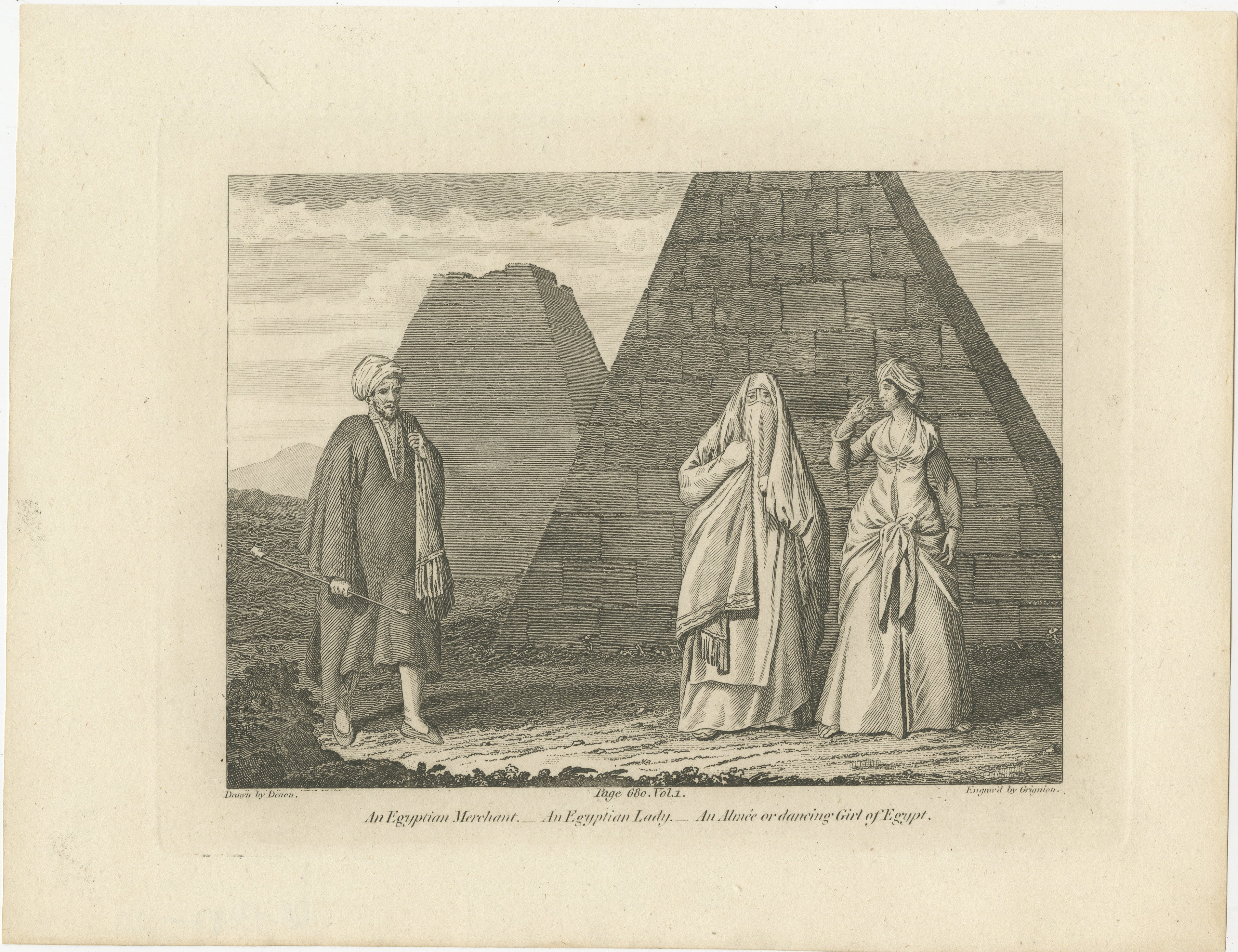
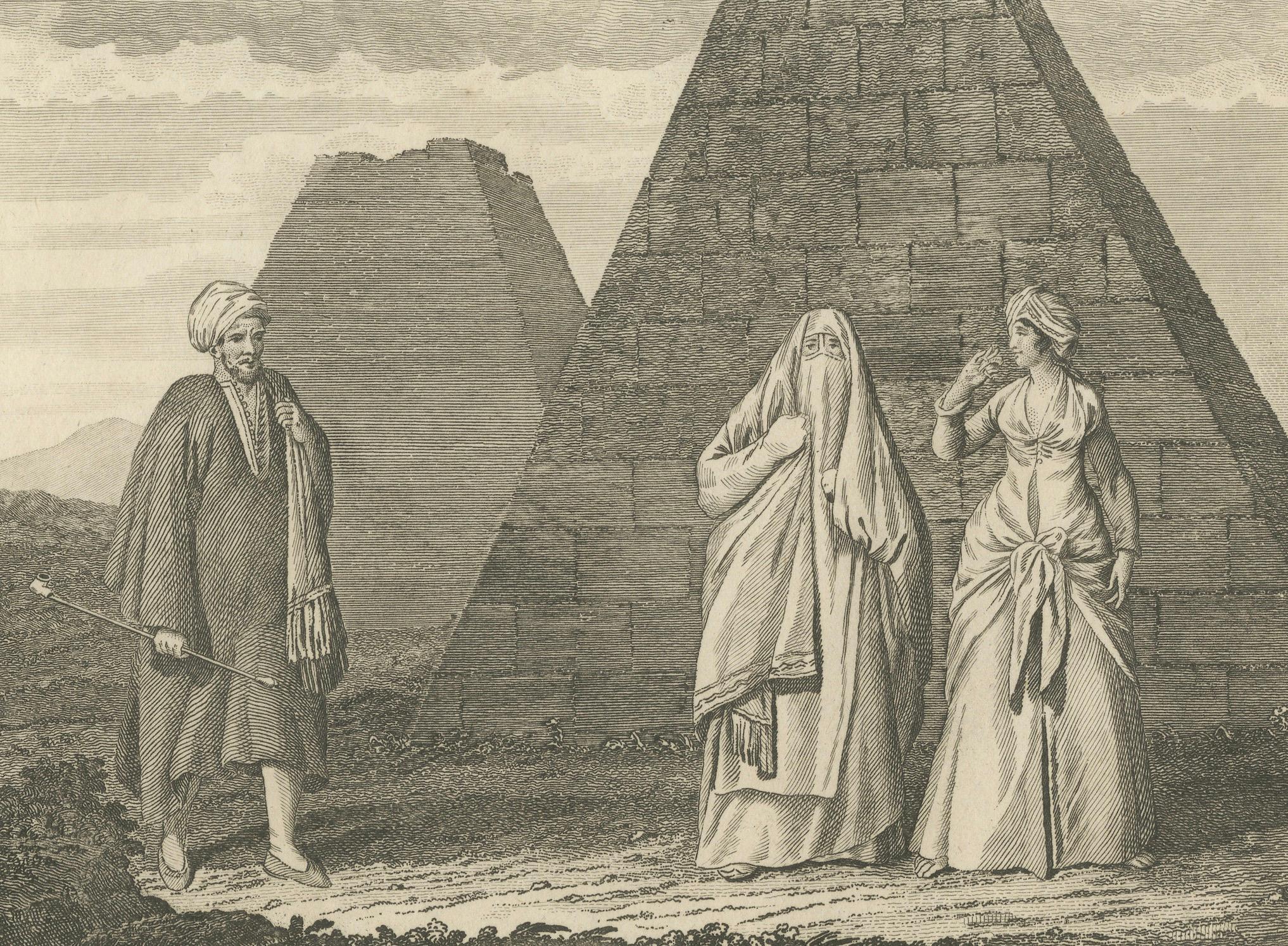
Society of the Nile: Mamluk, Lady, and Almee in Egypt, 1801
€ 440
One of a kind: this is the sheet in the photographs. Ships from Langweer, the Netherlands.
Date
1801
Sheet size
20 × 26.5 cm (7.9 × 10.4 in)
Condition
Good
Reference
BG-13597-22
Condition
Good. Some soiling around the edges due to handling. This is not a reproduction but an original engraving of over 200 years old. Aged paper with typically warm, yellowish-brown hue. Study the image carefully.
About this sheet
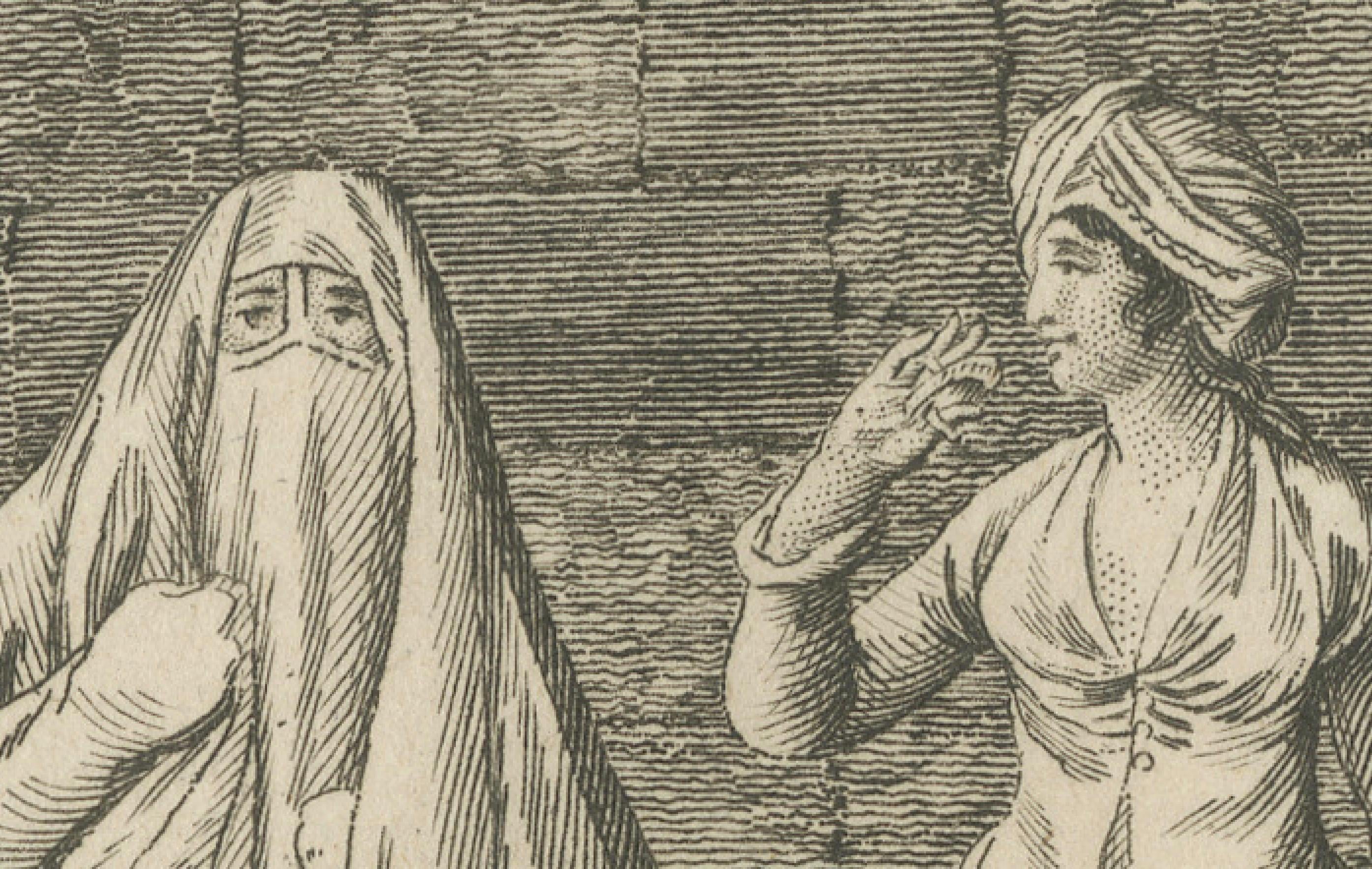
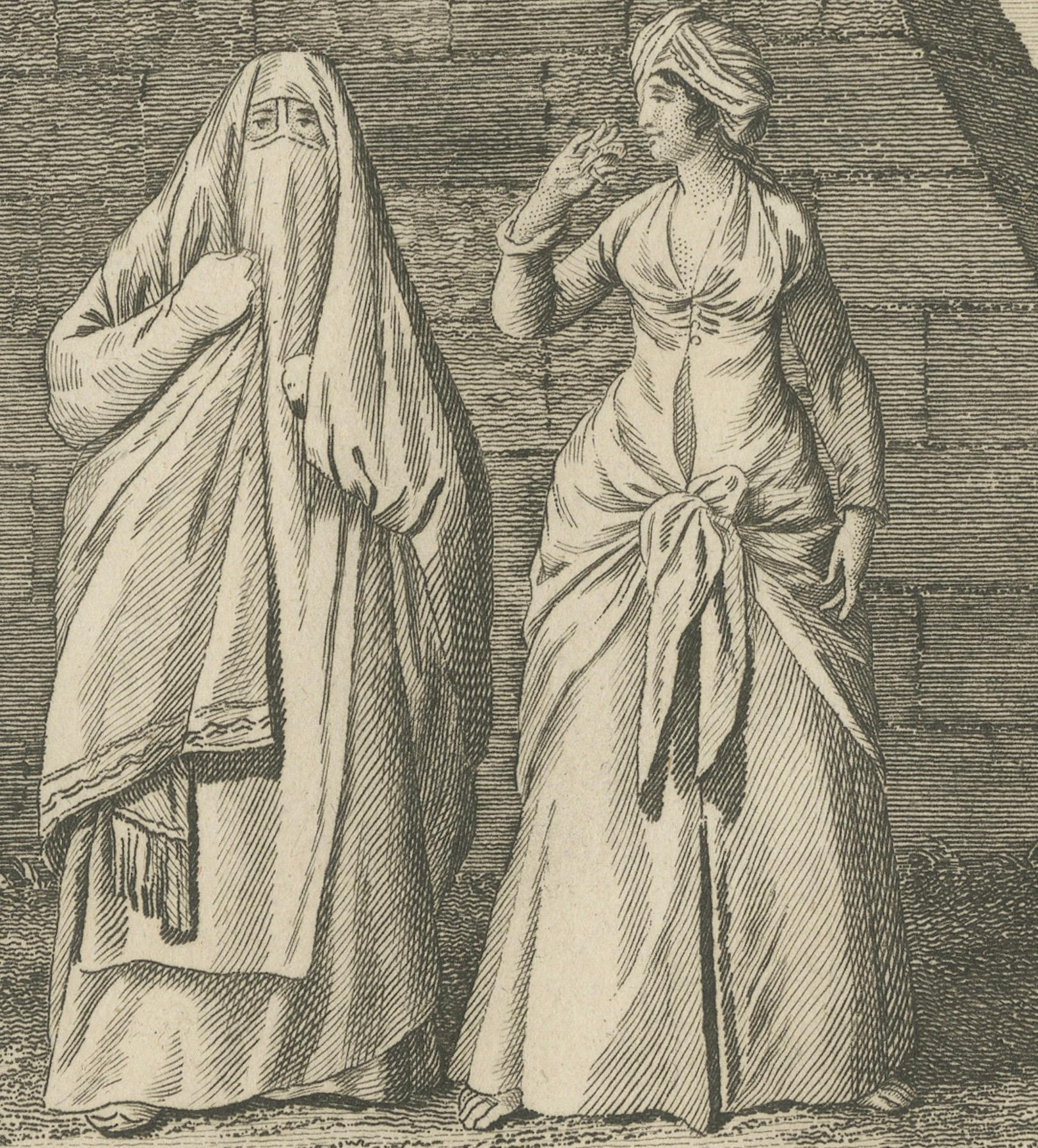
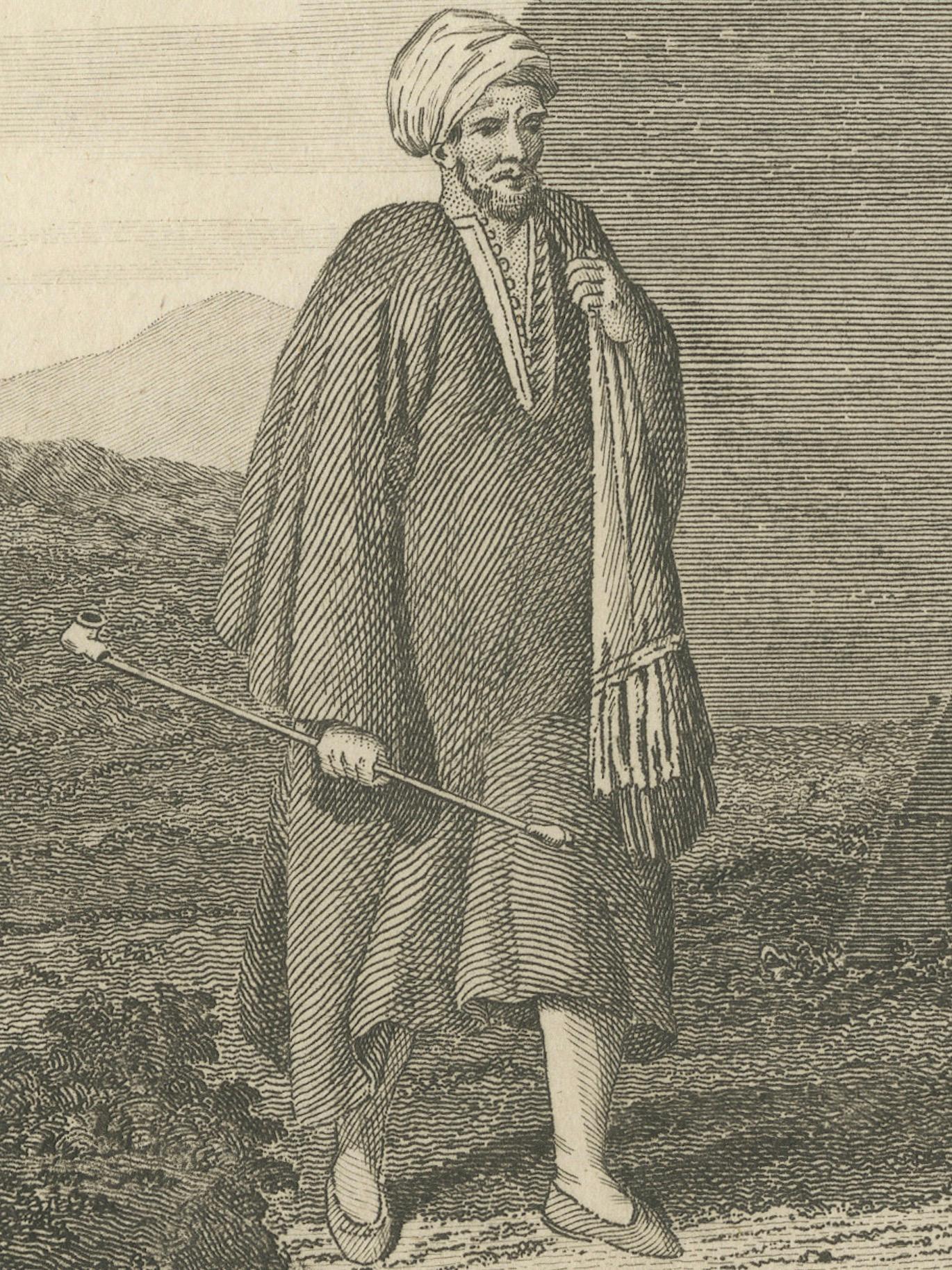
This engraving portrays three distinct figures: an Egyptian Mamluk, an Egyptian lady, and an Almee or dancing girl, representative of Egypt's social diversity. The Mamluk stands prominently, symbolizing military authority, while the women illustrate the cultural and social spheres, with the Almee suggestive of performance arts prevalent in Egyptian culture. Set against the backdrop of the iconic pyramids, this scene captures the essence of 19th-century Egyptian society.
The Mamluks were a warrior class who originated as slave soldiers. They held power in Egypt from the 13th to the early 16th centuries, establishing a sultanate that lasted until the Ottoman conquest. Renowned for their military prowess, the Mamluks successfully defended Egypt against the Mongols and the Crusaders. Their governance was characterized by a complex social and political structure, with a hierarchy based on military achievements and patronage. Despite their slave origins, Mamluks could rise to high positions of power and influence, with many going on to become sultans and governors. This is a circa 1801 copperplate engraving from George Alexander Cooke's "Universal Geography" .
The print is part of George Alexander Cooke's comprehensive work "A Modern and Authentic System of Universal Geography." This book was a significant compilation of geographical knowledge during the late 18th century, offering descriptions and accounts of various parts of the world, influenced by the age of exploration. It includes narratives of famed explorers like Captain James Cook and Ferdinand Magellan, detailing their discoveries and journeys that expanded the European understanding of the globe. Cooke's work served as both a chronicle and reference for the territories and cultures encountered by these voyagers.