About this sheet
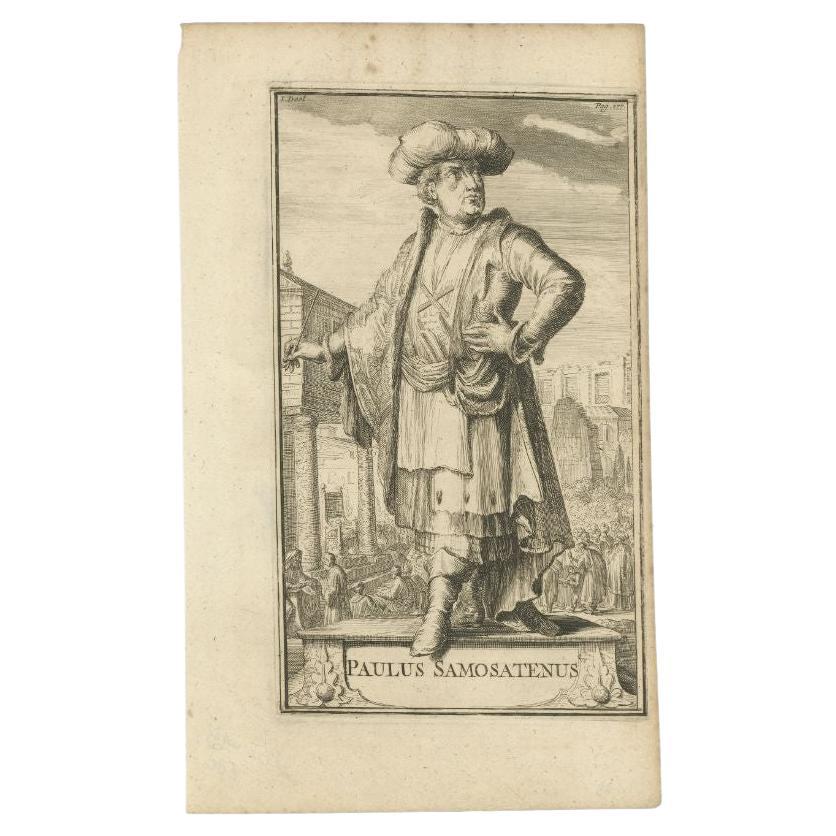
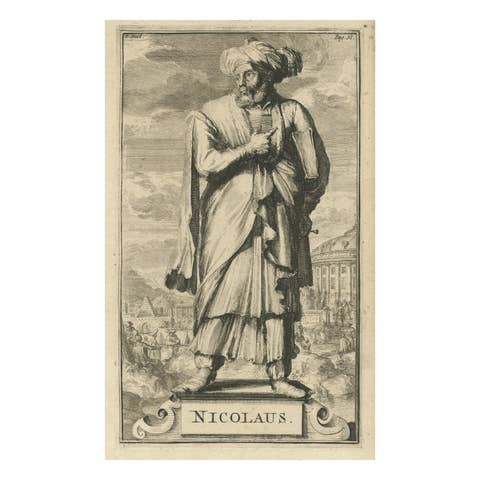
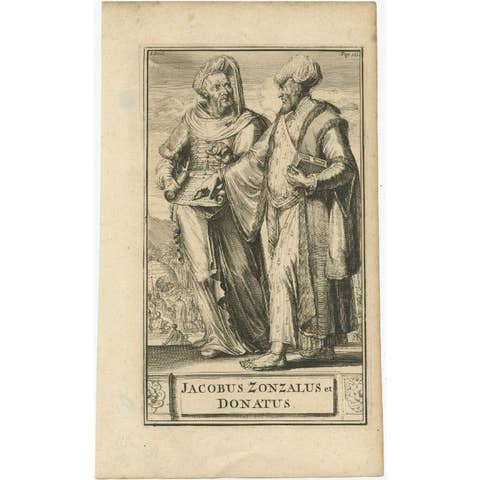
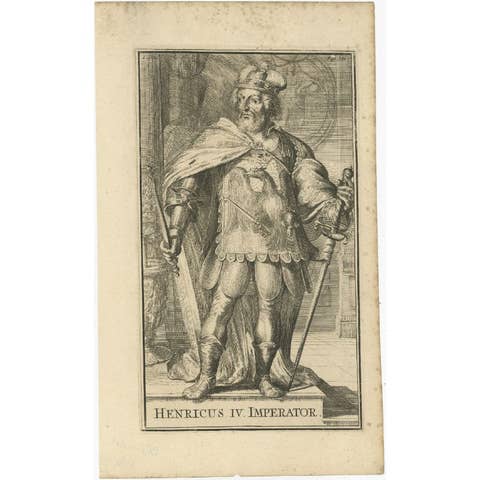
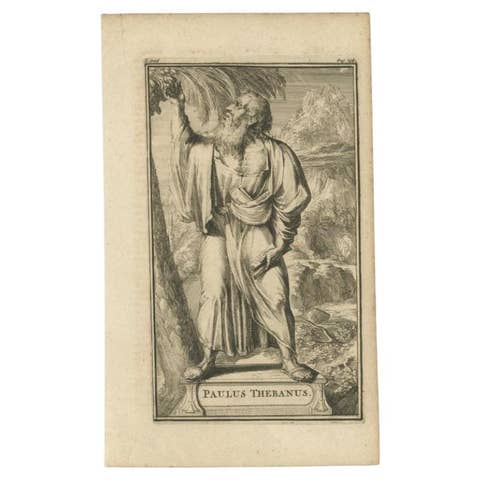
Antique portrait titled 'Paulus Samosatenus'. Portrait of Paul of Samosata. Paul of Samosata (lived from 200 to 275 AD) was Bishop of Antioch, Palestine from 260 to 268. He was a believer in monarchianism, a doctrine about the Trinity; his teachings anticipate adoptionism. His Monarchianist teachings aroused strong opposition in the church. He was also accused of corruption on a grand scale. This print originates from 'Historie der kerken en ketteren van den beginne des Nieuwen Testaments tot aan het jaar onses Heeren 1688. In het Neederduyts vertaald' by G. Arnold.
Artists and Engravers: Gottfried Arnold (1666 – 1714) was a German Lutheran theologian and historian. Etching by Romeyn de Hooghe.
The antique portrait titled 'Paulus Samosatenus' is a depiction of Paul of Samosata, a historical figure prominent in the early Christian church during the third century AD.
The portrait presents Paul of Samosata in a dignified manner, reflecting his significance as a key figure in early Christian history. He served as the Bishop of Antioch and was known for his controversial teachings, particularly related to Christology, which led to his condemnation as a heretic by the Church.
The portrait might show Paul of Samosata in clerical attire or regal robes, standing, portraying a sense of authority and intellectual prowess. His facial features could display a mix of determination, intellect, and possibly a hint of controversy, reflecting the complexities of his character and historical role within the Church.
As an antique portrait, 'Paulus Samosatenus' would serve as a testament to the historical significance of early Christian figures, offering a glimpse into the religious and intellectual debates that shaped the early Church and theological thought during that era.
The maker, Romeyn de Hooghe, was a renowned Dutch artist and etcher during the late 17th and early 18th centuries, celebrated for his intricate and detailed etchings. His works often spanned various subjects, including historical events, politics, mythology, and more.
De Hooghe's etchings were characterized by their meticulous detail, elaborate compositions, and often intricate and ornate designs. He had a distinct style that made his etchings instantly recognizable. He was also known for his skill in storytelling through his art, conveying narratives and ideas through visual storytelling.
Whether depicting historical events, allegorical scenes, or detailed illustrations, Romeyn de Hooghe's etchings were highly valued both artistically and historically. They provided a window into the visual culture and political landscape of the time, often reflecting the societal and political nuances of the period.
Given the breadth and diversity of de Hooghe's works, an etching by him could encompass a wide range of subjects and themes, each showcasing his mastery of the etching technique and his artistic vision.
They were the product of engraved, etched or lithographed plates. These plates were handmade out of wood or metal, which required an incredible level of skill, patience and craftsmanship. Whether you have a house with Victorian furniture or more contemporary decor an old engraving can enhance your living space. We offer a wide range of authentic antique prints for any budget.