About this sheet
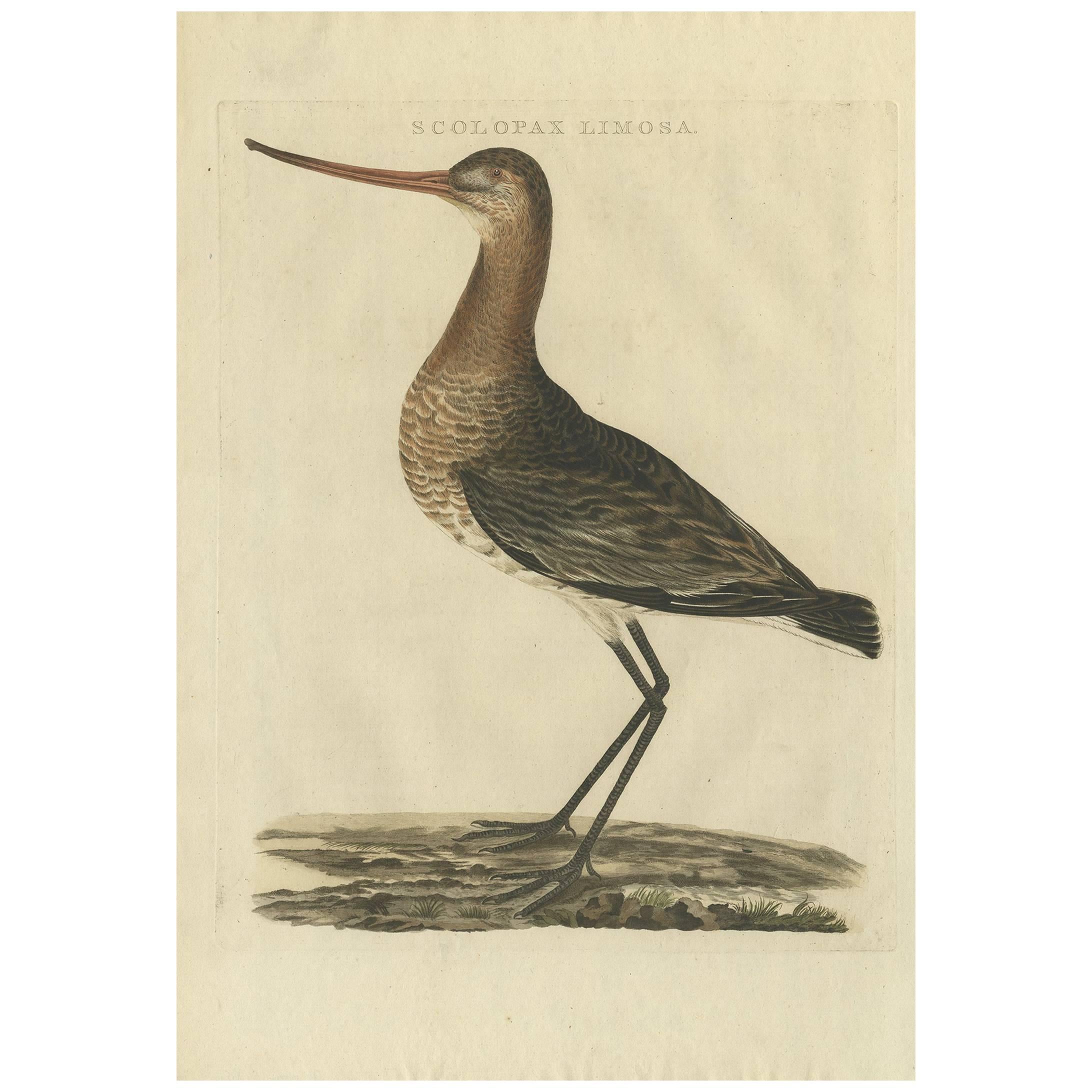
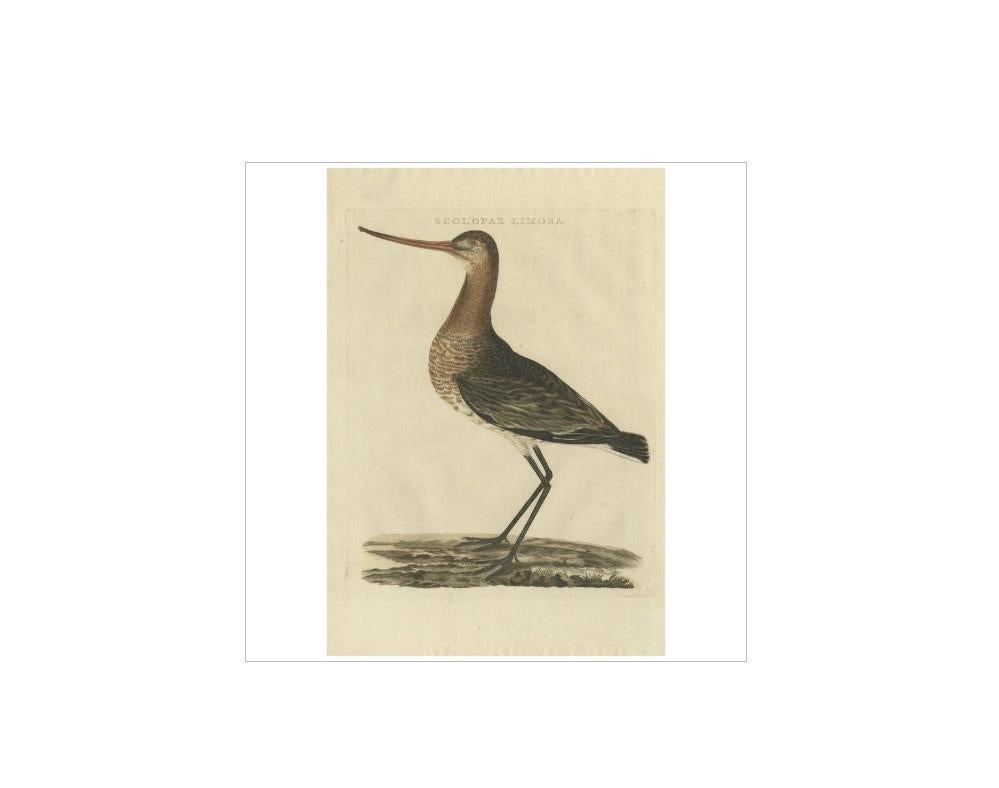
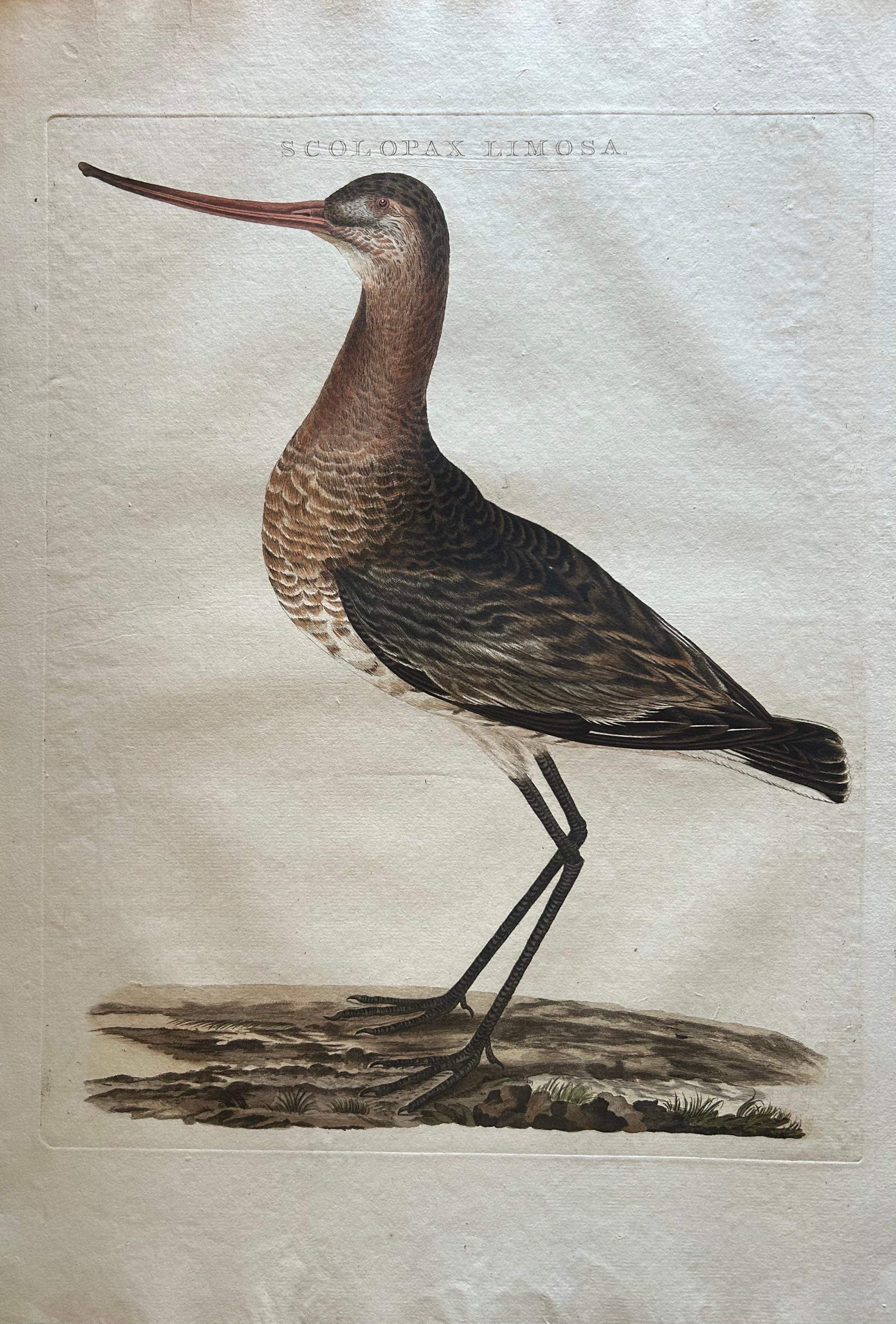
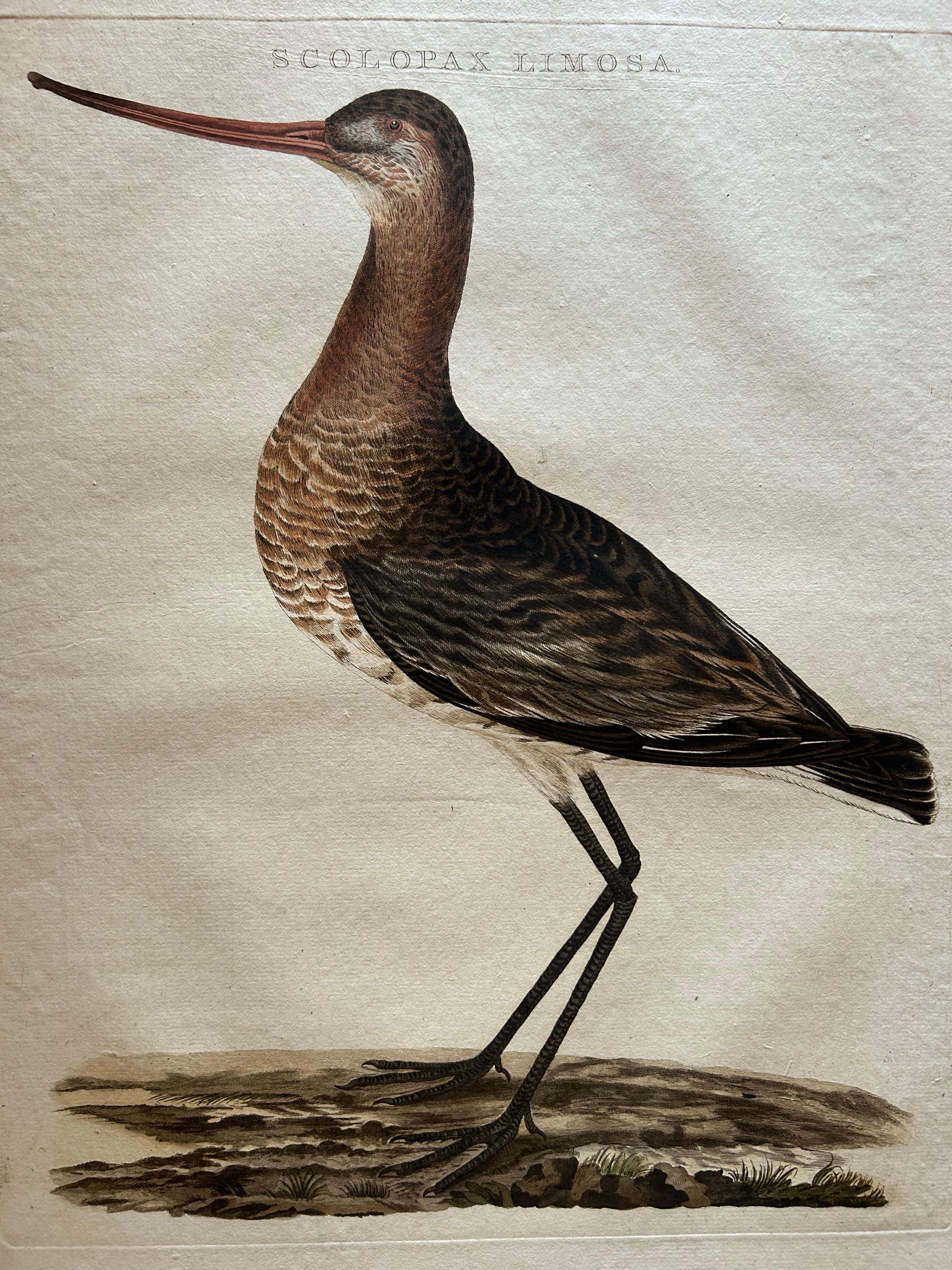
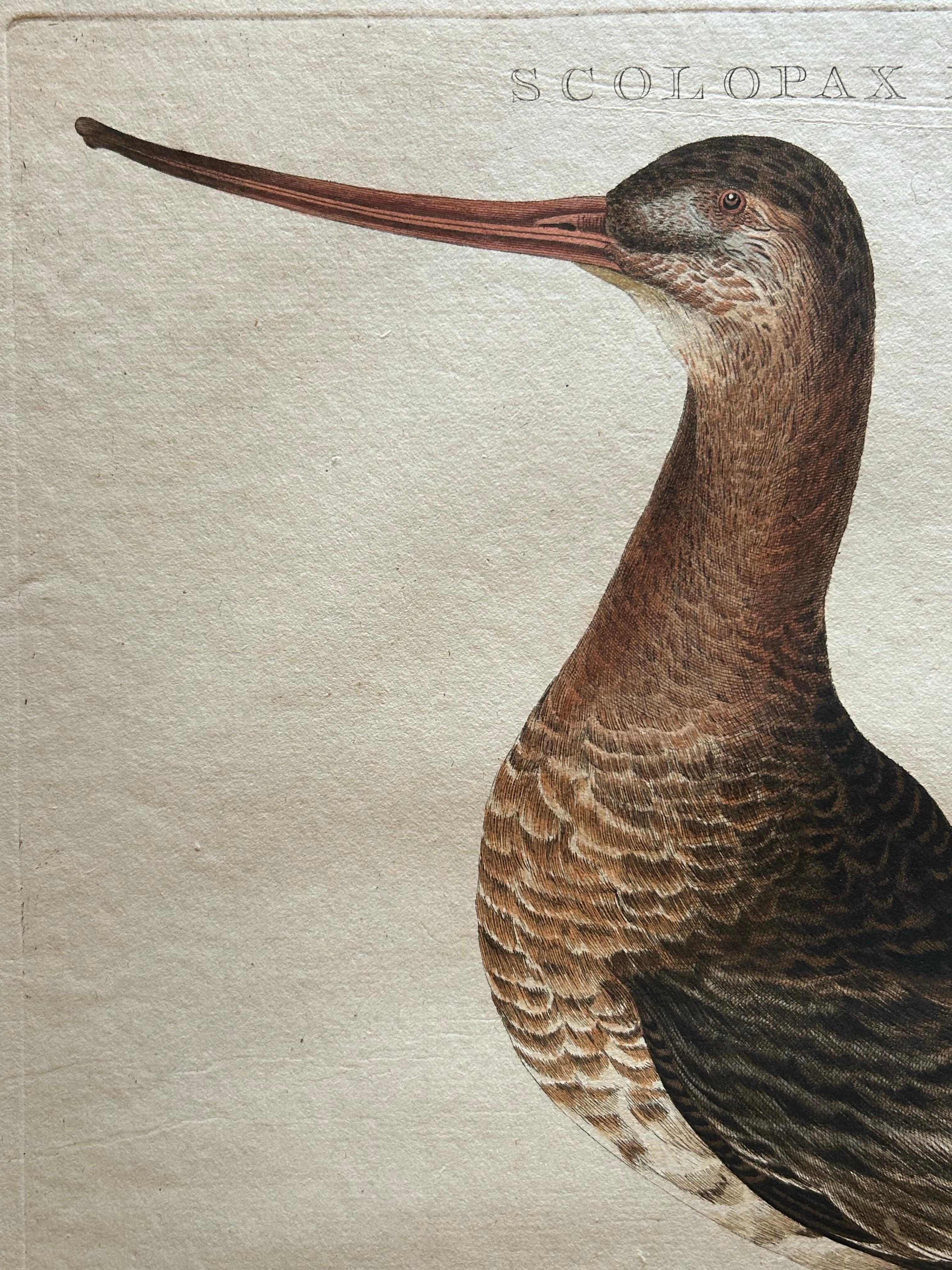
Scolopax Limosa – Antique Black-Tailed Godwit Print by Nozeman & Sepp, 1809
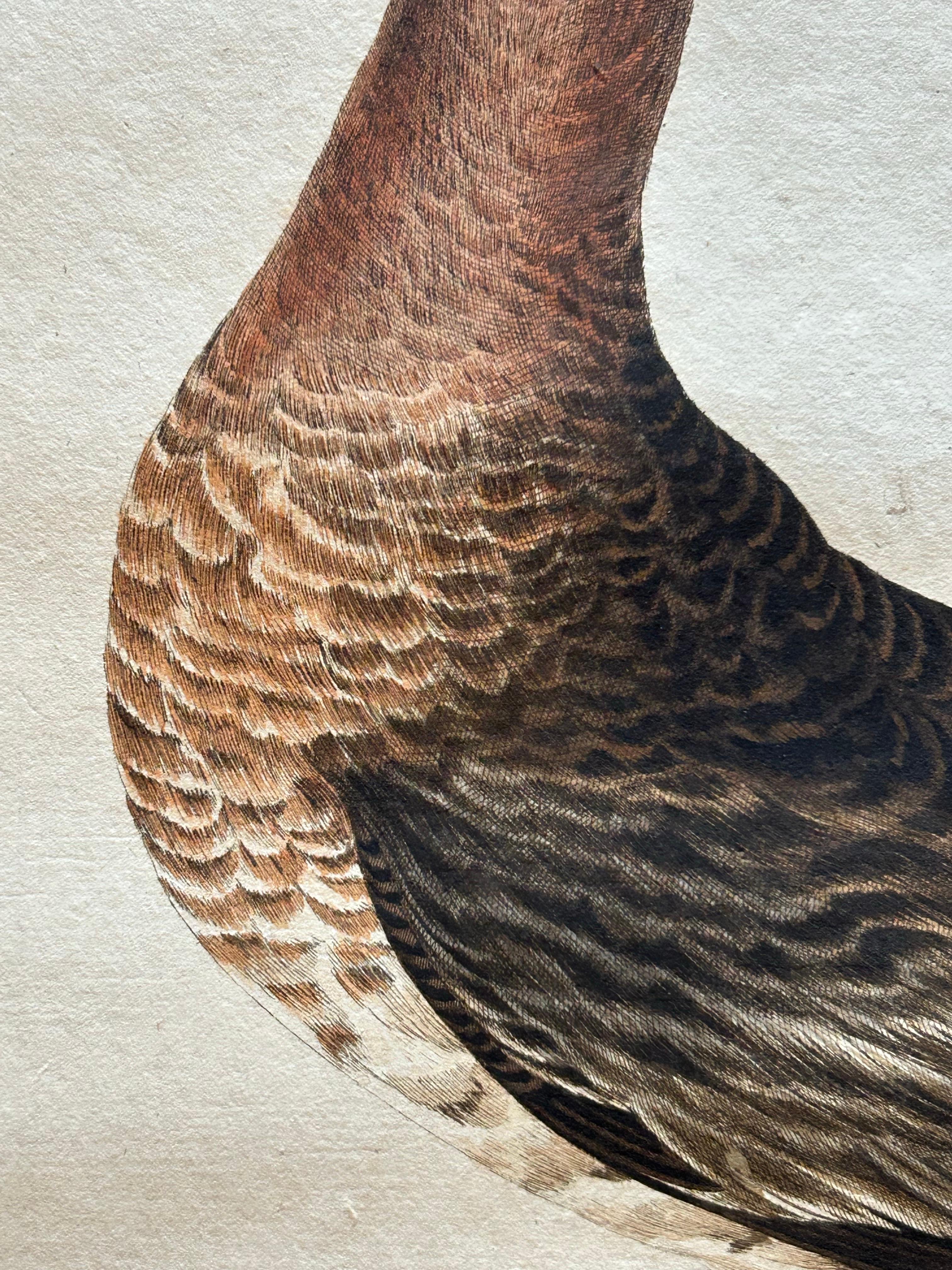
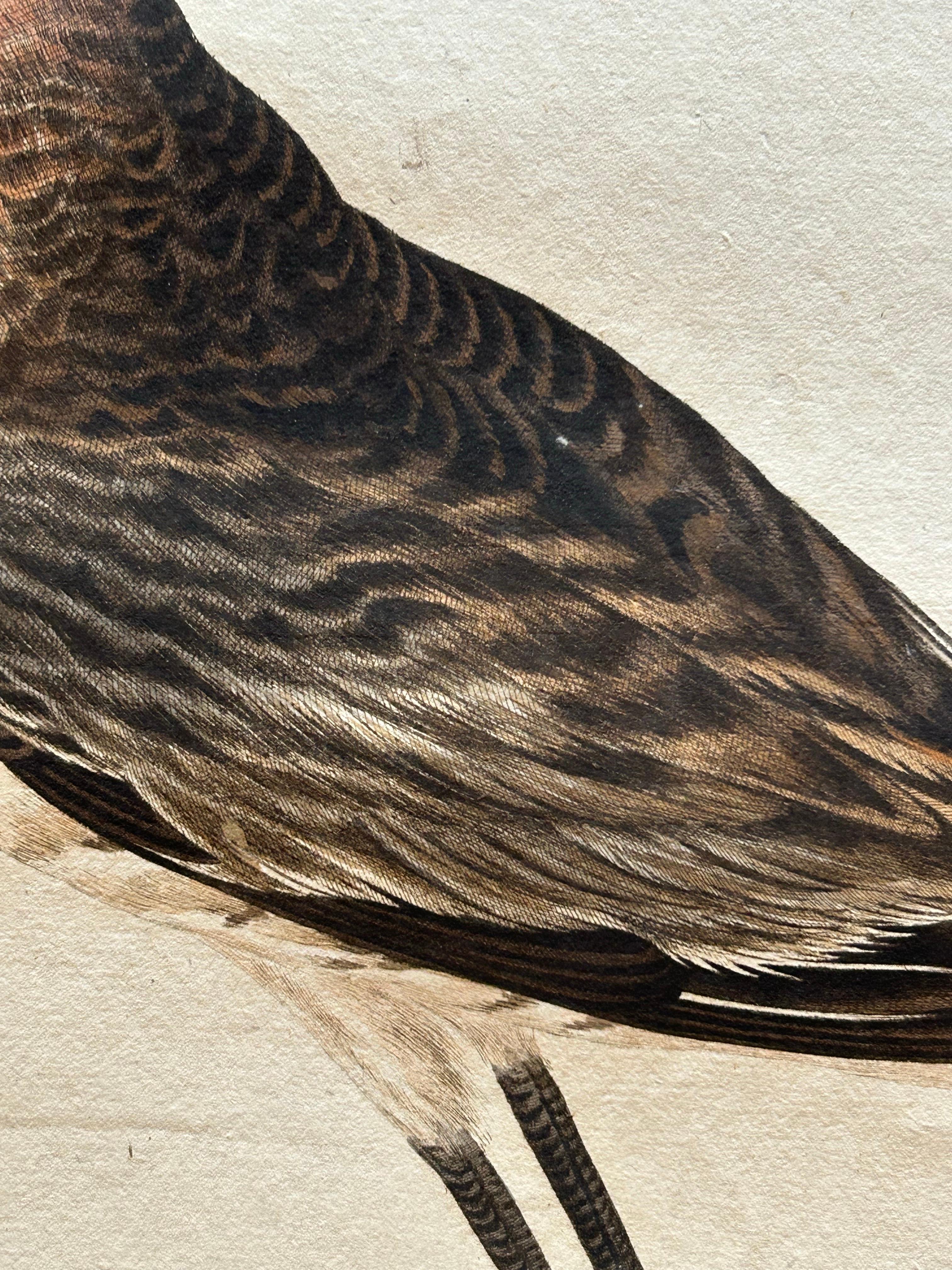
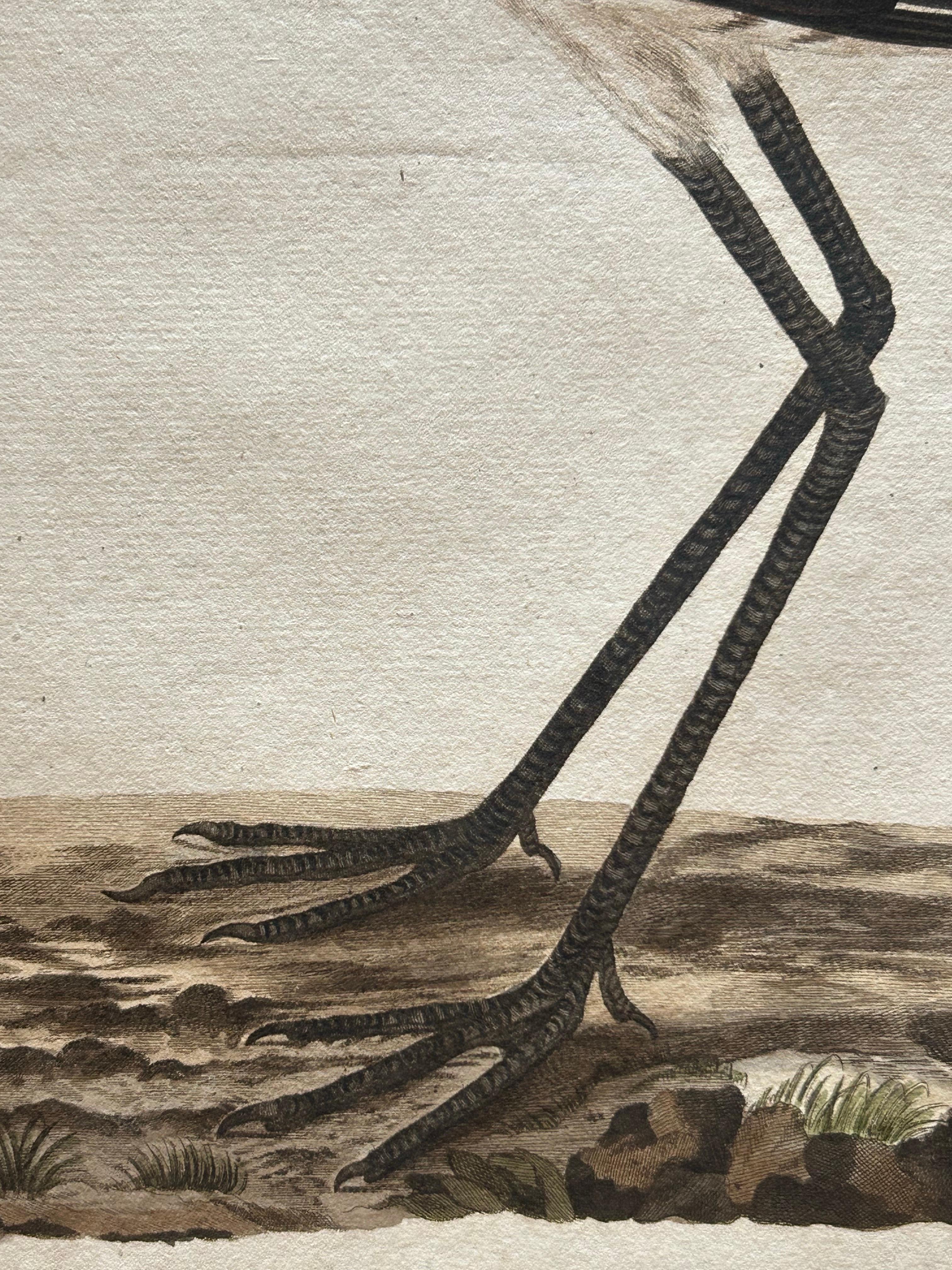
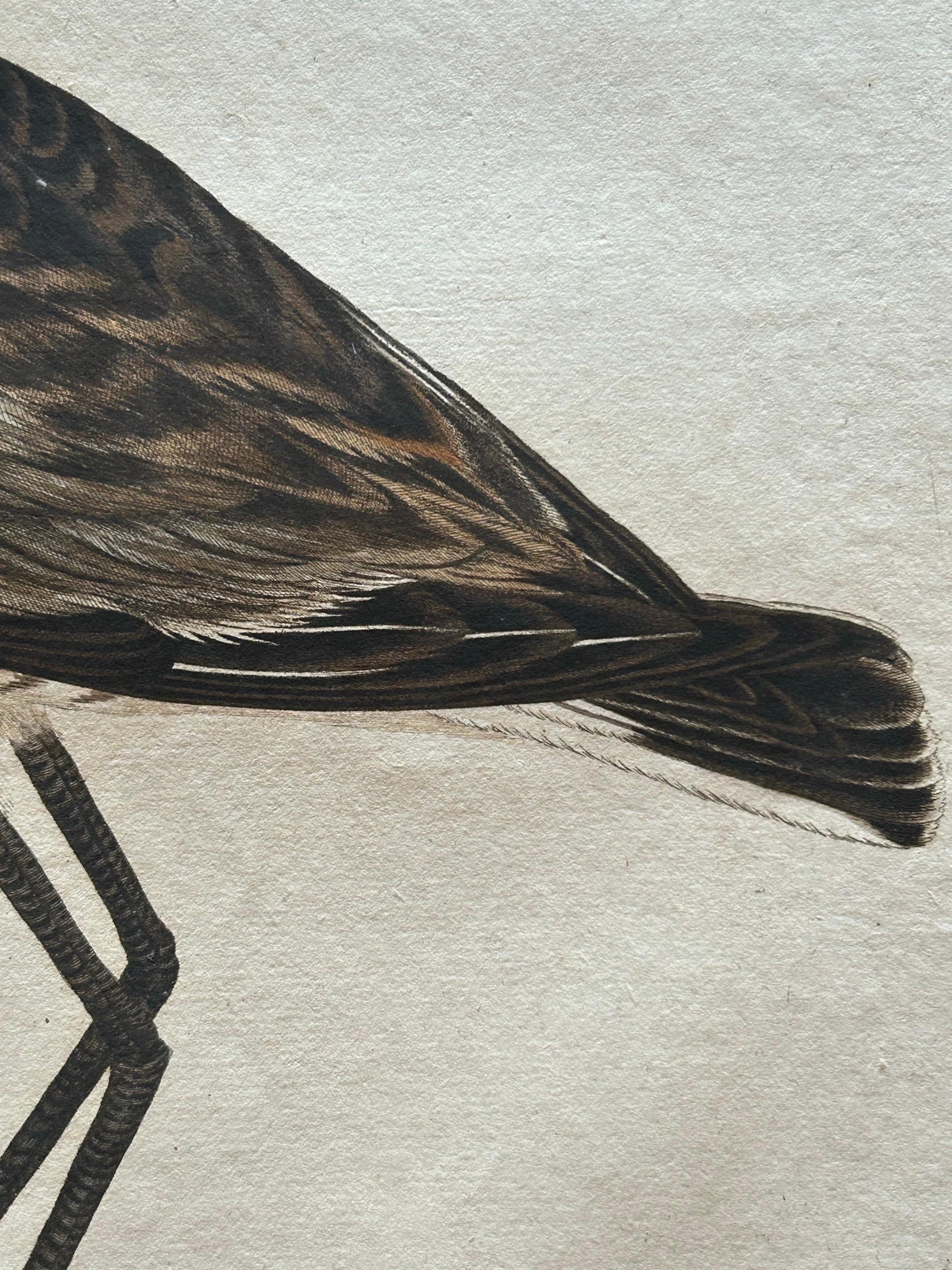
This finely hand-coloured engraving depicts the black-tailed godwit (Limosa limosa), a large, elegant shorebird known in Dutch as the “grutto.” Standing tall with its long, slender legs and strikingly elongated bill, the godwit is portrayed with the meticulous detail characteristic of Nederlandsche Vogelen. The warm brown tones of its plumage, subtly graded along the body, and the delicate feather patterning are rendered with great accuracy, capturing the bird’s graceful stature.
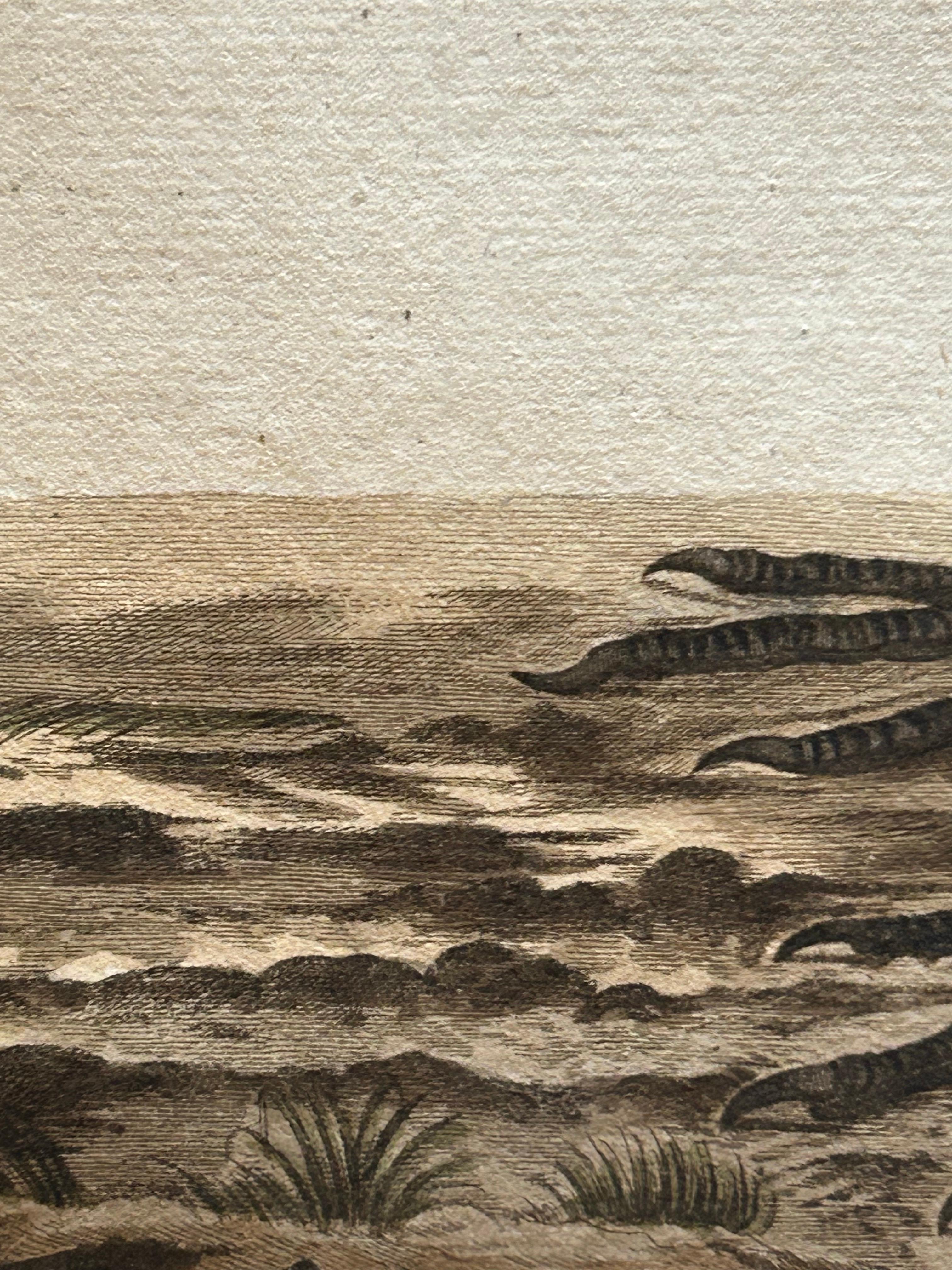
Originating from Nederlandsche Vogelen; volgens hunne huisdouding, aert, en eigenschappen beschreeven (Amsterdam, 1770–1829), this plate is part of the first comprehensive ornithological study of Dutch birdlife. Produced by Cornelis Nozeman, Martinus Houttuyn, and Jan Christiaan Sepp, the work is celebrated for its combination of scientific precision and artistic refinement. Each plate was printed on fine laid paper and hand-coloured to lifelike effect, reflecting the natural appearance of the species in its habitat.
The black-tailed godwit breeds in wetlands, meadows, and marshes across Europe and Asia, and is particularly associated with Dutch lowland landscapes. Recognised by its black-and-white wing markings and black tail with white base, it is also the national bird of the Netherlands, admired for its beauty and elegant flight. In the early 19th century, it was a familiar sight in rural Holland, where its seasonal migrations marked the changing year.
Collectors value Nederlandsche Vogelen plates for their historical significance, ornithological importance, and decorative quality, making this godwit engraving a fine example for both study and display. The accompanying original Dutch text pages provide rich historical and scientific observations on the species, its behaviour, nesting habits, and physical characteristics, as understood in the late 18th and early 19th centuries.
Condition: Very good. Clean sheet with light, even age toning and a well-defined plate impression. Original text pages present and good, with mild toning and almost no scattered spots; one small tear on bottom right edge.
Framing tips: A soft cream or pale grey mount will bring out the warm brown and subtle grey hues of the plumage. A slim black or dark oak frame will provide a refined, natural history aesthetic. For an elegant presentation, consider a double mount with a fine inner line in muted rust or terracotta to echo the bird’s breeding colours. UV-protective glazing is recommended.