About this sheet
Captain Cook in the New Hebrides – Tanna Landing & Erromango Escape, c.1780
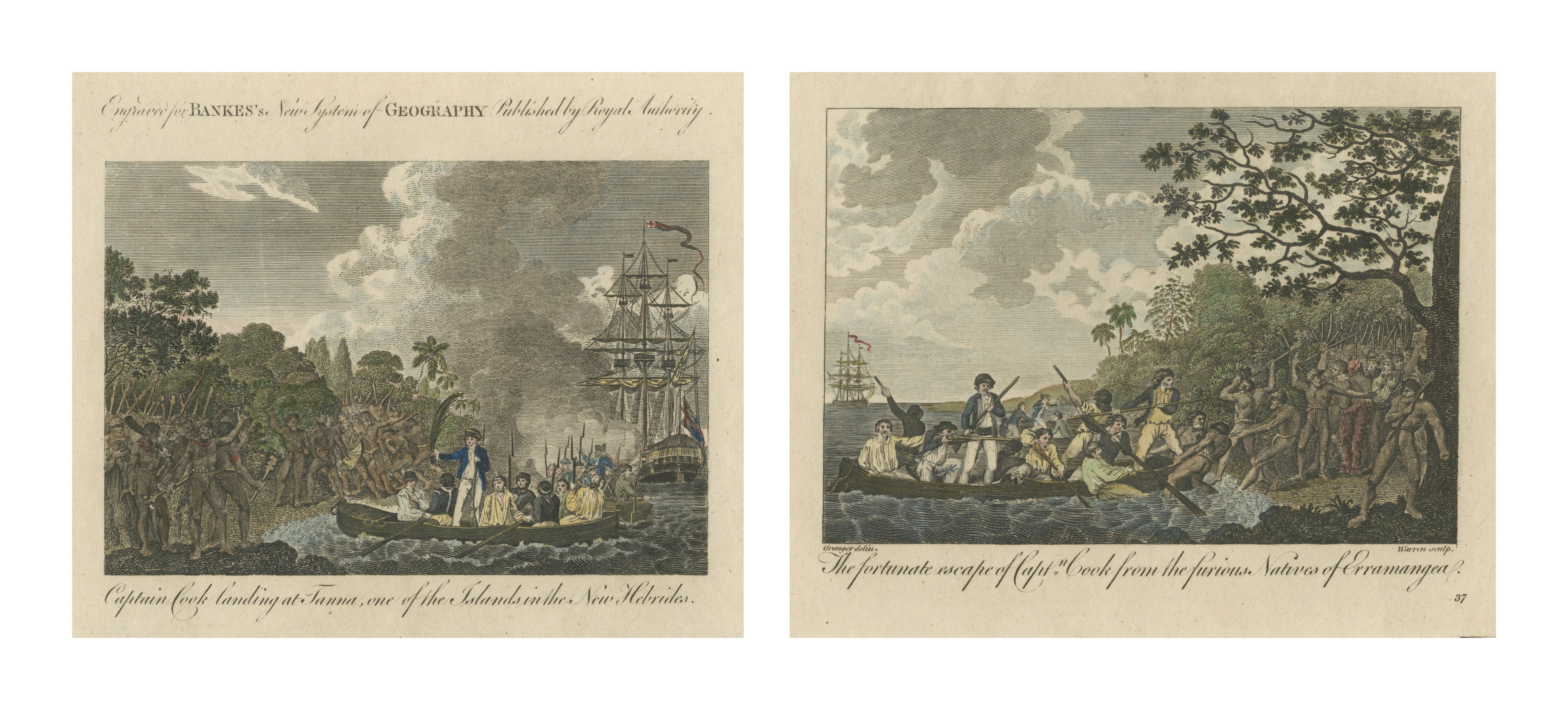
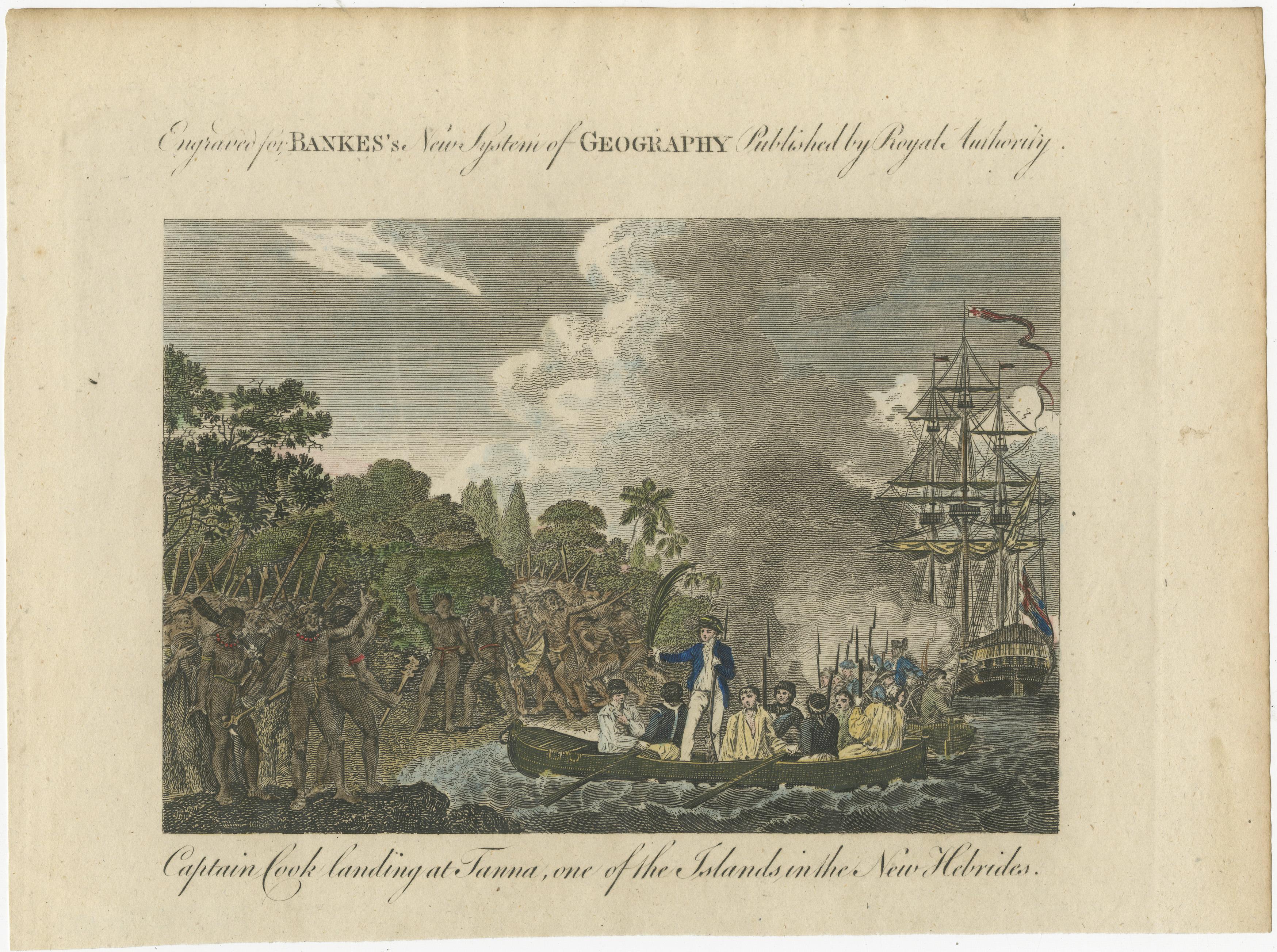
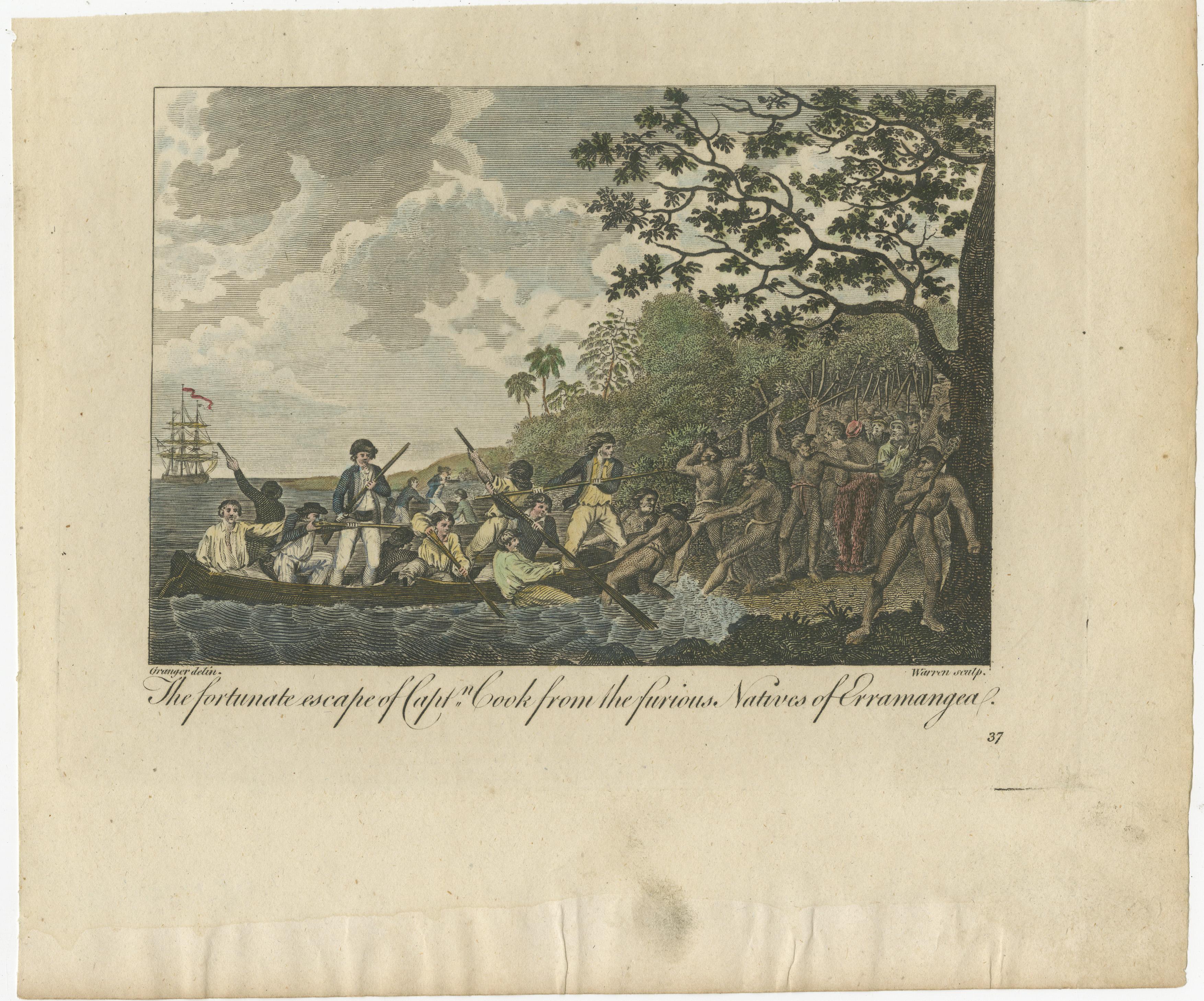
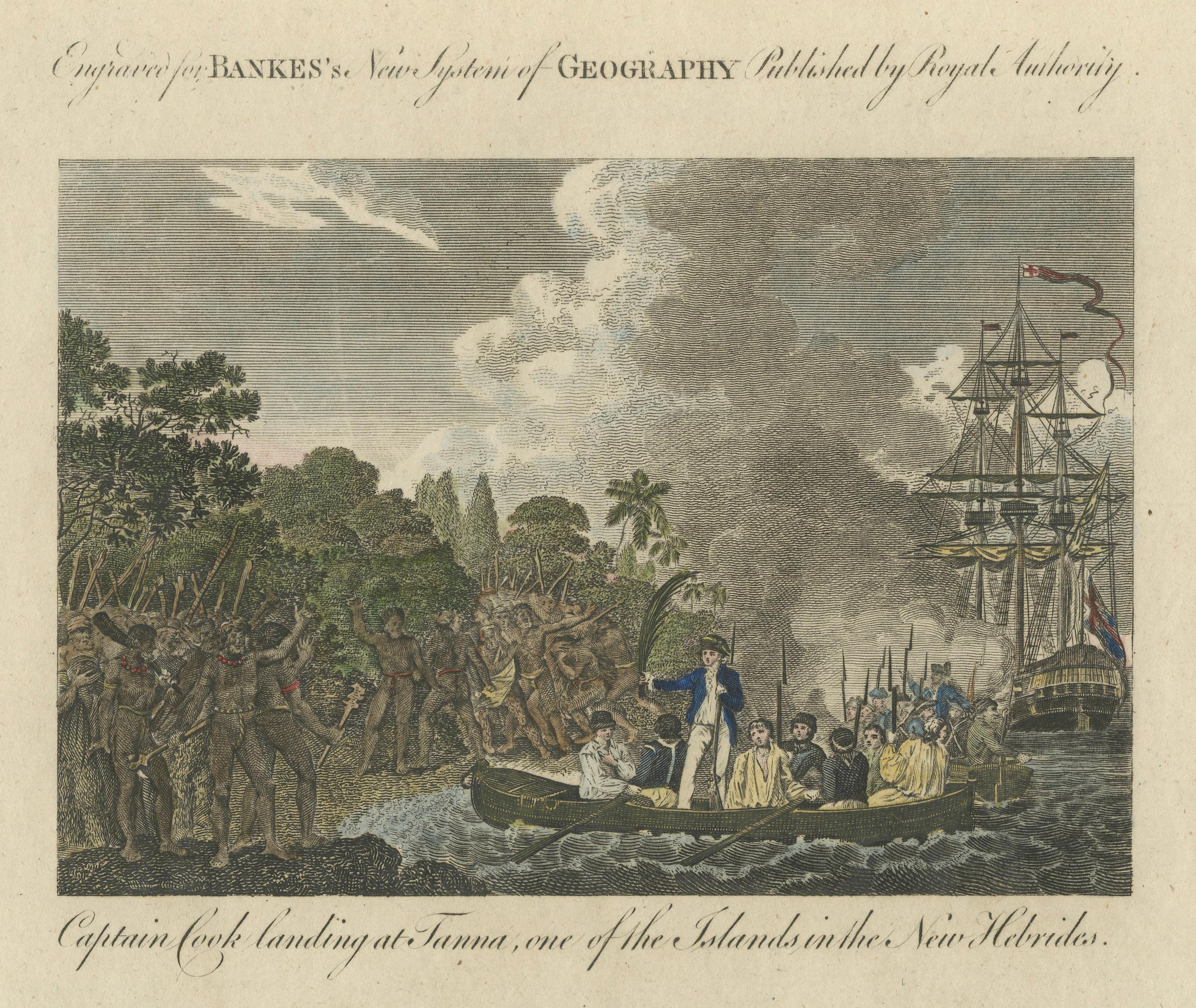
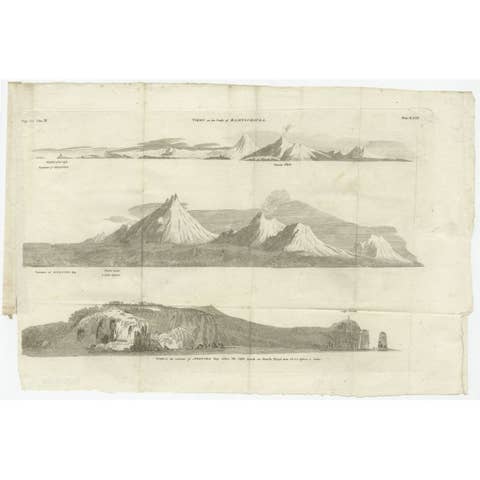
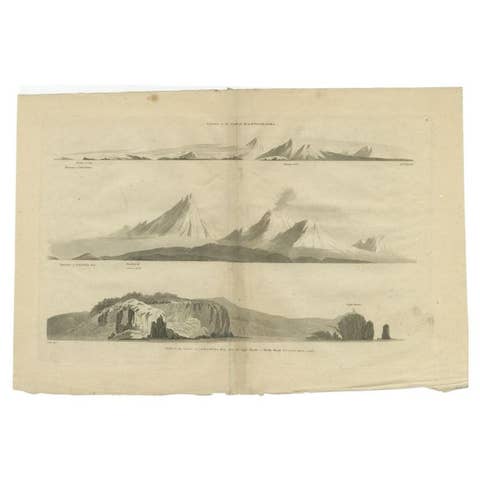
This striking pair of late 18th-century copperplate engravings illustrates two dramatic episodes from the voyages of the British explorer Captain James Cook in the islands of the South Pacific. The scenes relate to Cook’s encounters in the New Hebrides (modern Vanuatu) during his famous second voyage (1772–1775), one of the most important exploratory expeditions of the Enlightenment era.
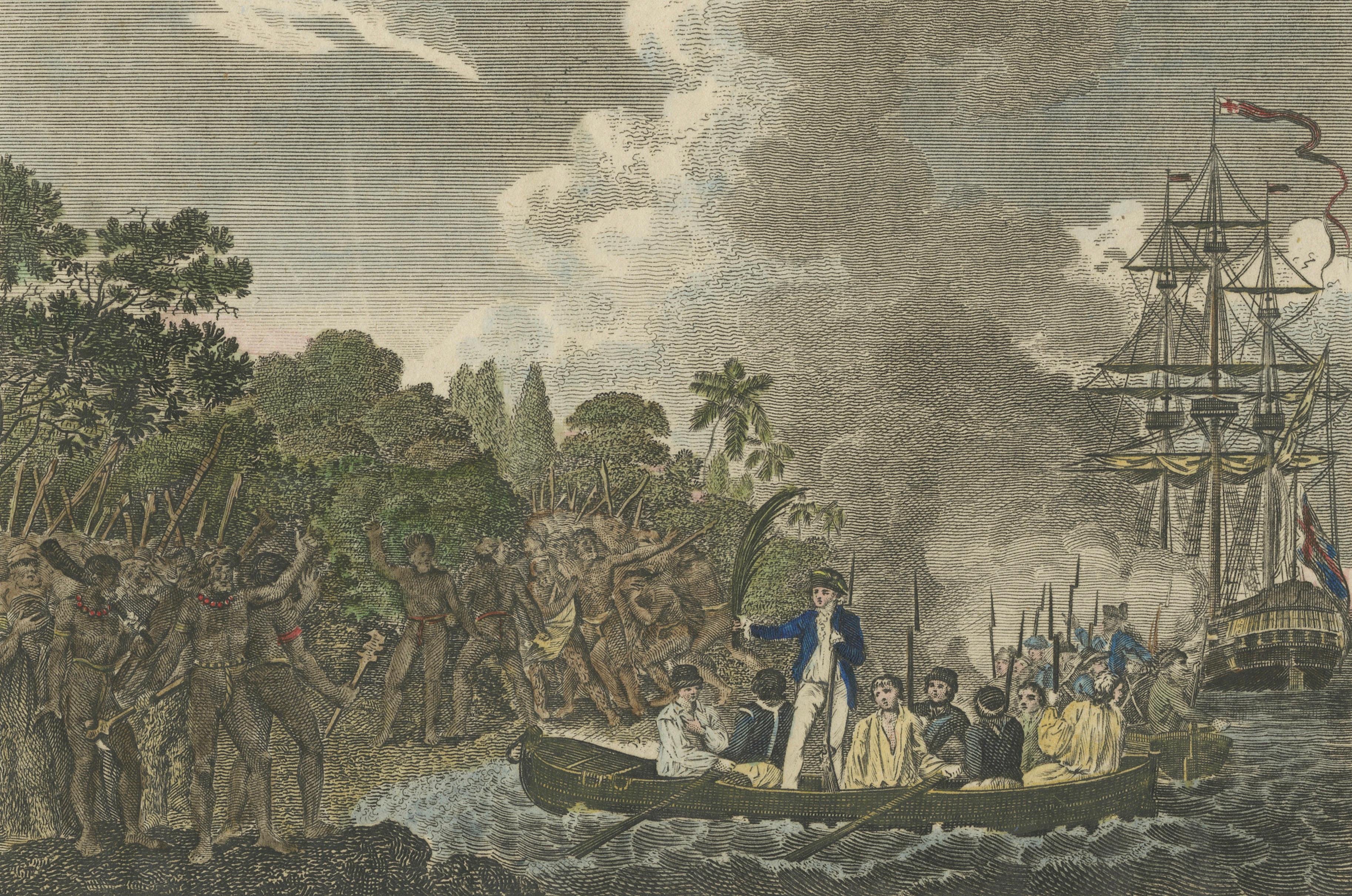
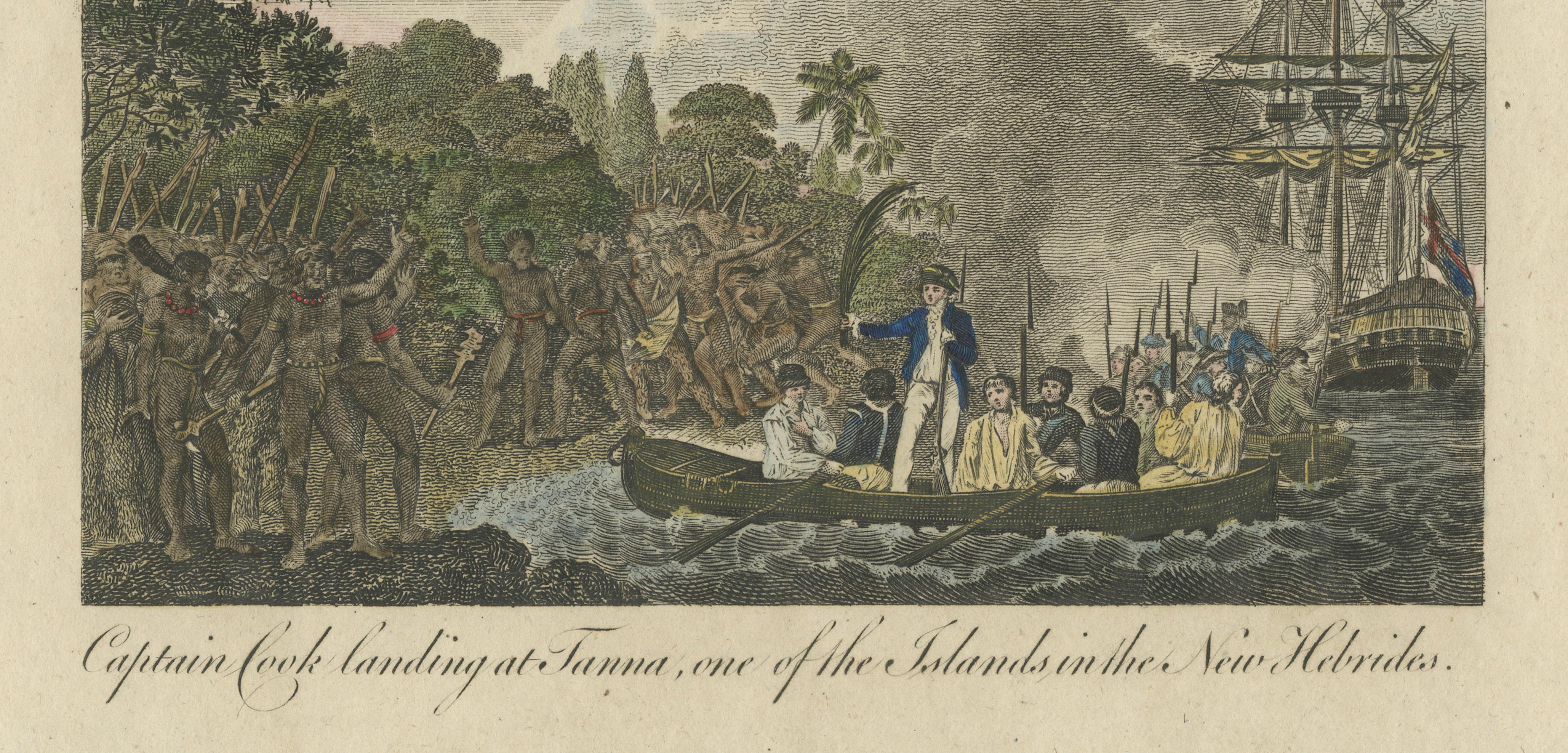
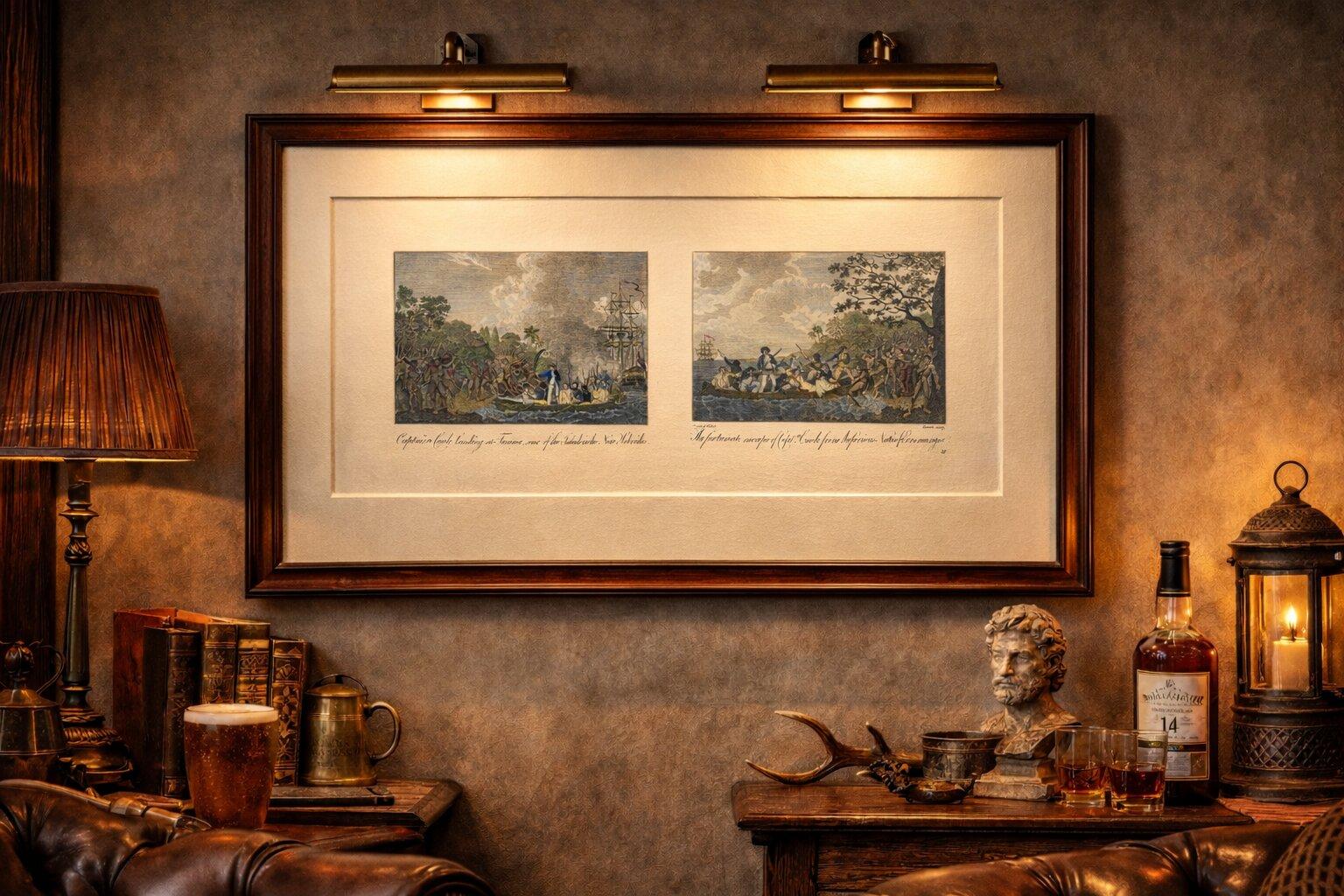
The first engraving, titled “Captain Cook landing at Tanna, one of the Islands in the New Hebrides,” depicts the moment Cook and members of his crew approach the island of Tanna in August 1774. The composition shows Cook standing prominently in a longboat while armed sailors accompany him toward the shore. A crowd of indigenous islanders gathers along the beach, some gesturing and holding spears, reflecting the cautious and often tense first meetings between European explorers and Pacific communities. Behind the landing party lies Cook’s sailing vessel anchored offshore, its tall rigging silhouetted against a dramatic sky. The scene captures both the adventurous spirit of the expedition and the uncertainty of these early cross-cultural encounters.
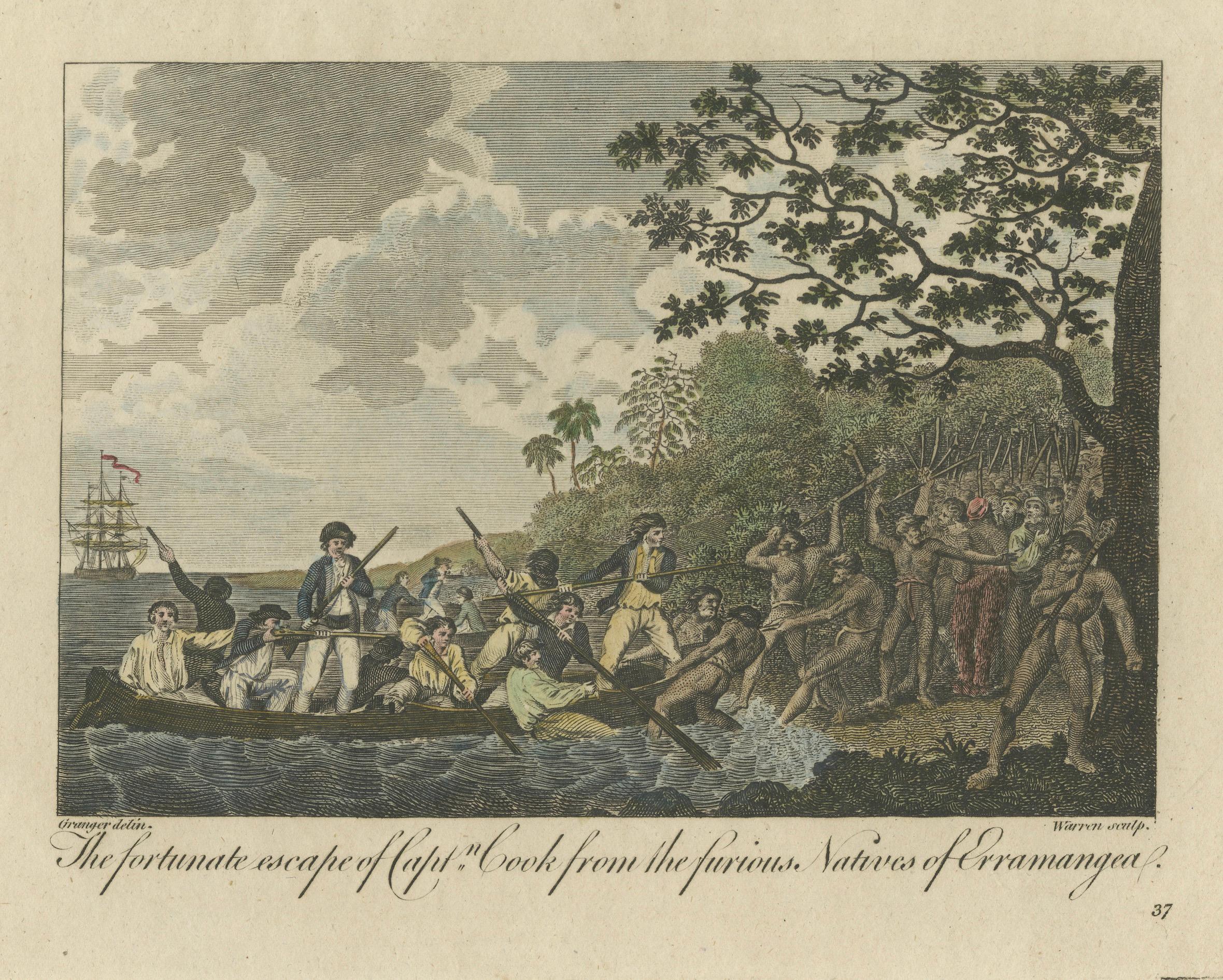
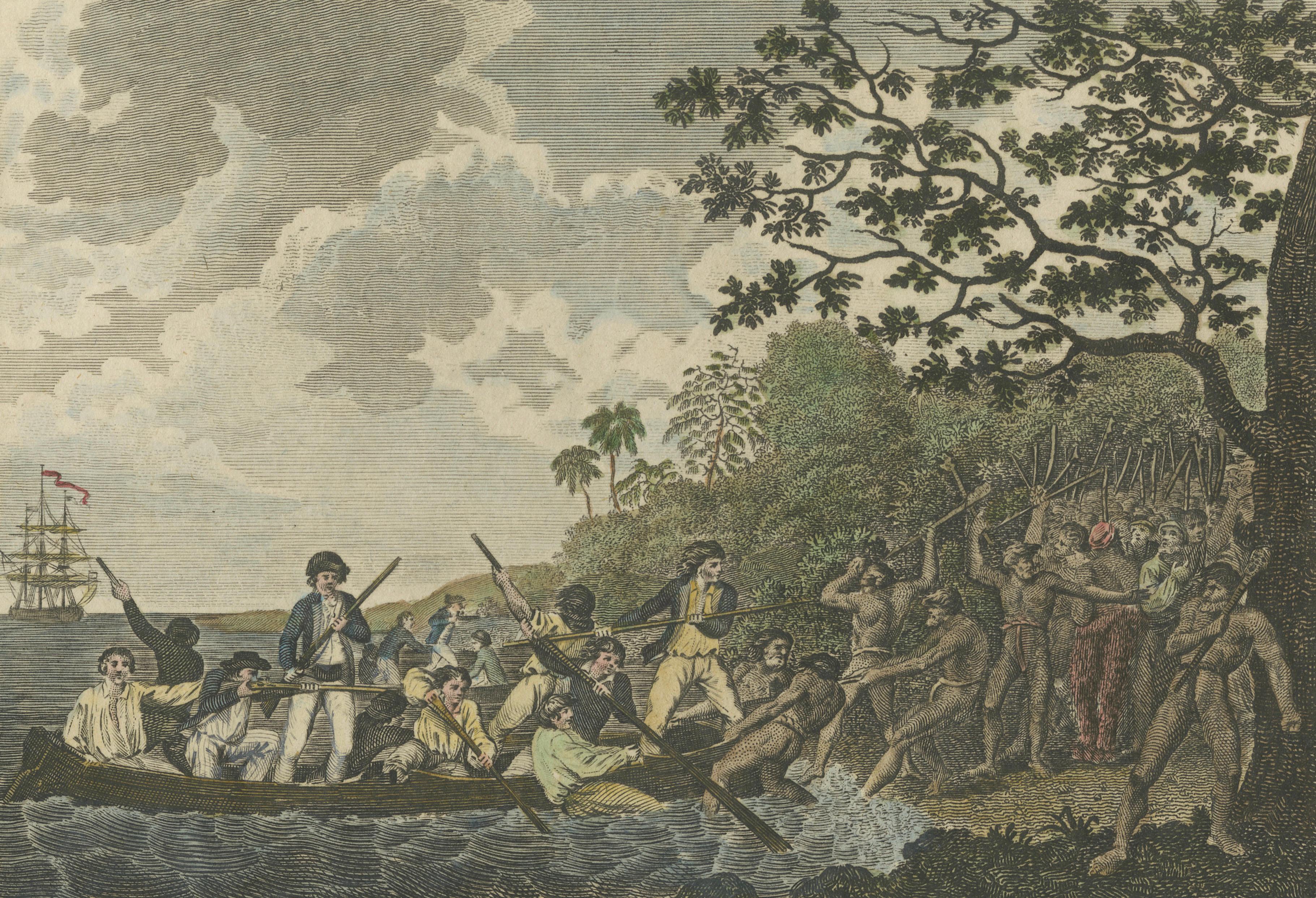
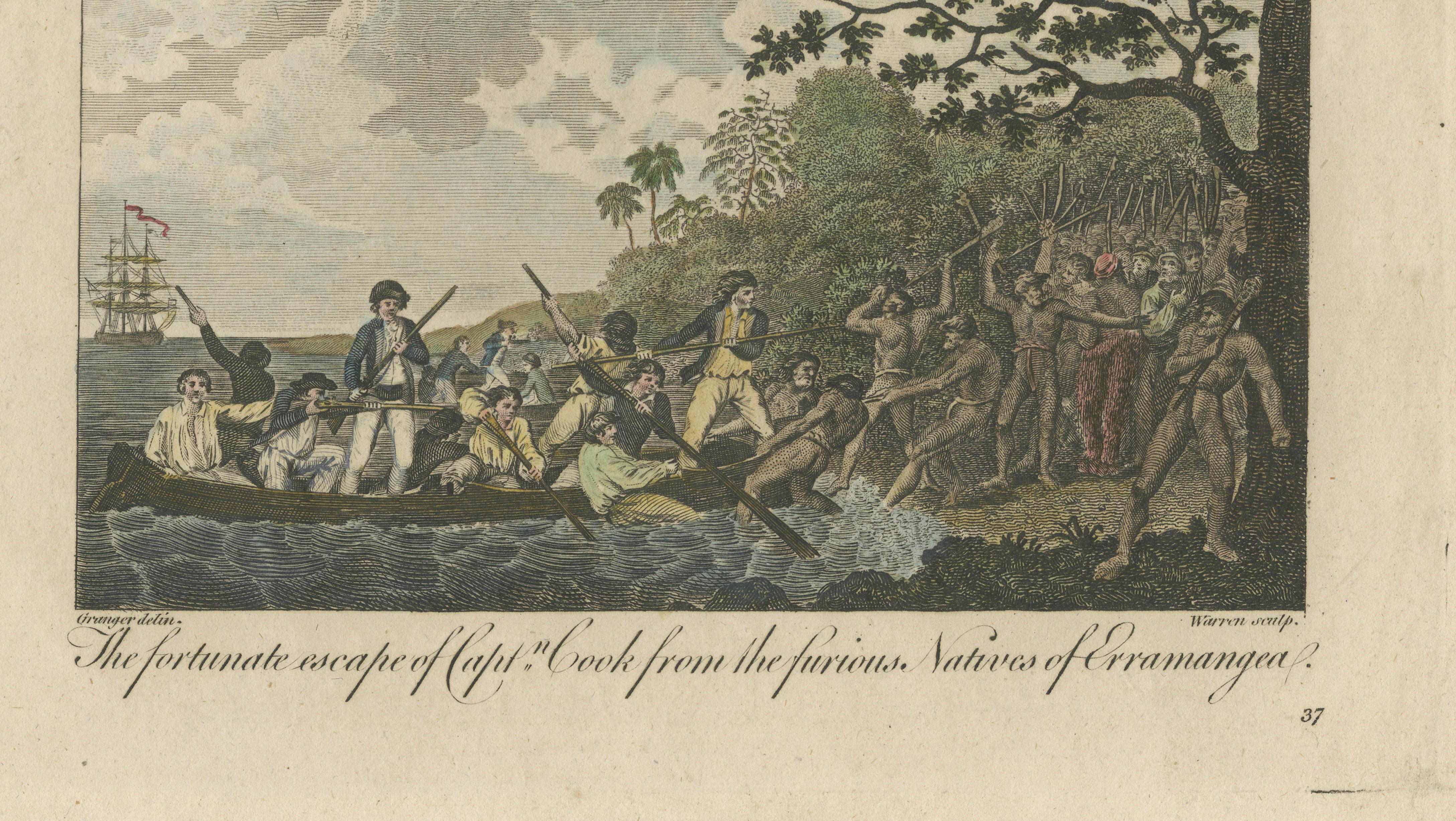
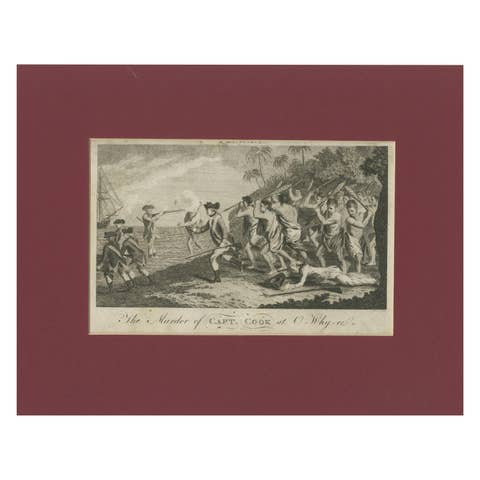
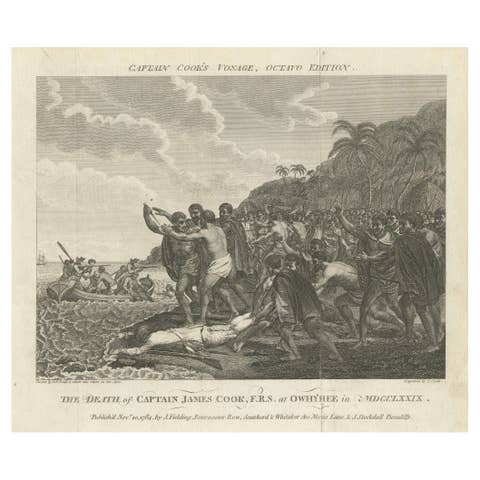
The second engraving portrays a far more dramatic episode, titled “The fortunate escape of Captn. Cook from the furious Natives of Erramangea.” This scene illustrates a violent confrontation between Cook’s crew and the inhabitants of Erromango (spelled “Erramangea” on the print), another island in the New Hebrides visited during the same voyage. In this tense composition, Cook and his men are shown hastily retreating to their boat while defending themselves with muskets against a group of armed islanders along the shore. The action-filled image reflects the difficult and sometimes hostile interactions that occurred during European exploration of the Pacific in the 18th century.
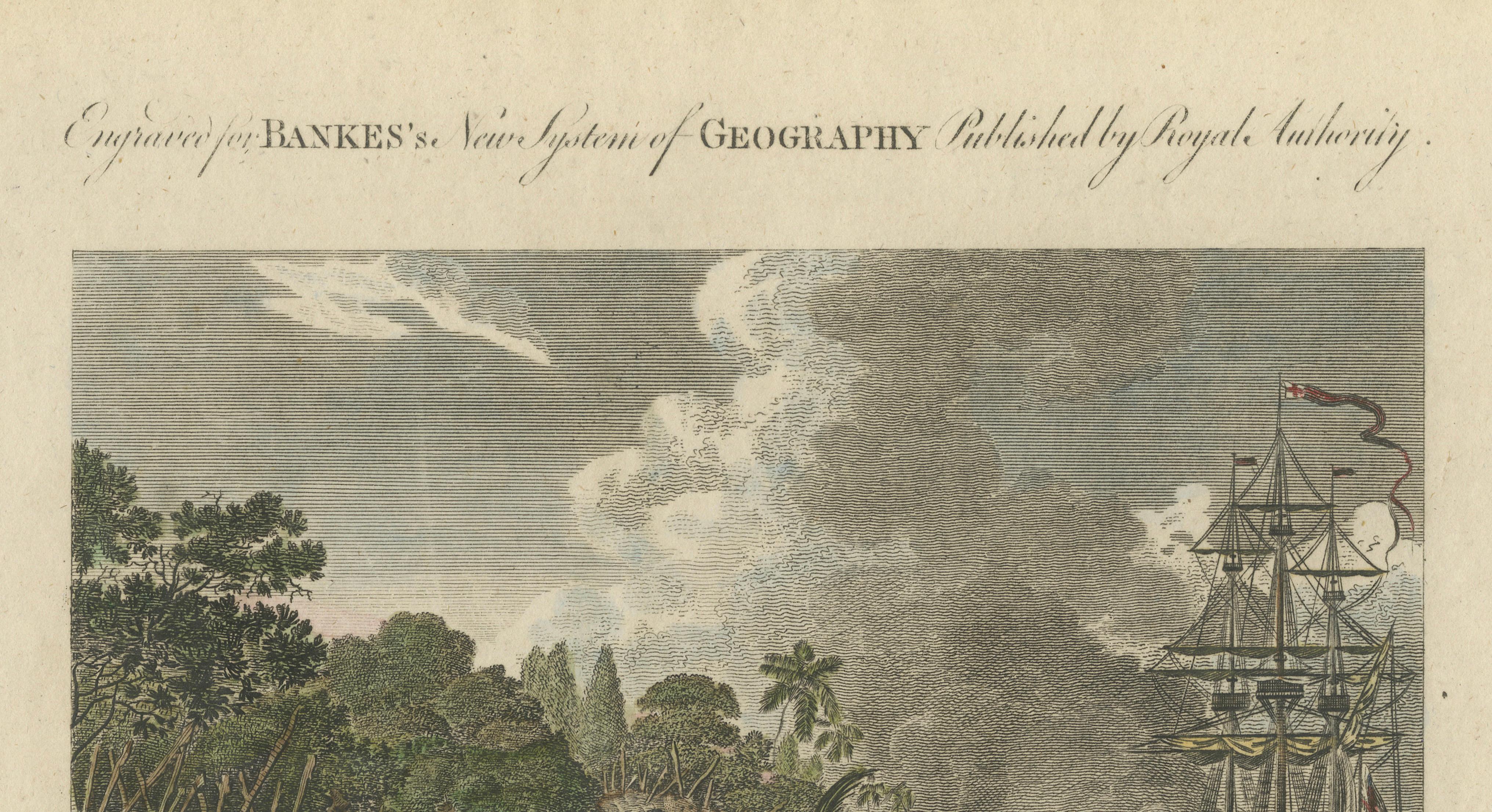
Both engravings were produced for Bankes’s New System of Geography, a widely circulated British geographical compendium published in the late 18th century. Works such as this combined maps, travel narratives, and illustrative engravings to bring the discoveries of global exploration to a broad European audience. The prints are finely executed copperplate engravings, enriched with subtle original hand coloring that highlights the figures, landscape, and maritime elements of the scenes.
Note: These engravings are offered unframed, allowing the buyer full freedom of framing choice.
Together, these engravings offer a vivid visual record of Cook’s voyages and the early European representation of Pacific encounters. They are particularly appealing as a pair, presenting two contrasting moments: the cautious arrival of an explorer on a distant shore and the dramatic retreat from a hostile encounter. As historical illustrations from one of the most celebrated voyages of discovery, they hold strong interest for collectors of exploration prints, maritime history, and Pacific ethnography.
Framing tips: These prints display beautifully when framed as a pair in dark walnut or ebonized frames with generous ivory or off-white mats. A wide mat emphasizes the narrative scenes and enhances the subtle hand coloring, making them ideal for study rooms, libraries, or maritime-themed interiors.