About this sheet
Stunning Vintage Butterfly and Moth Illustration Compilation, Plate 2 and 4
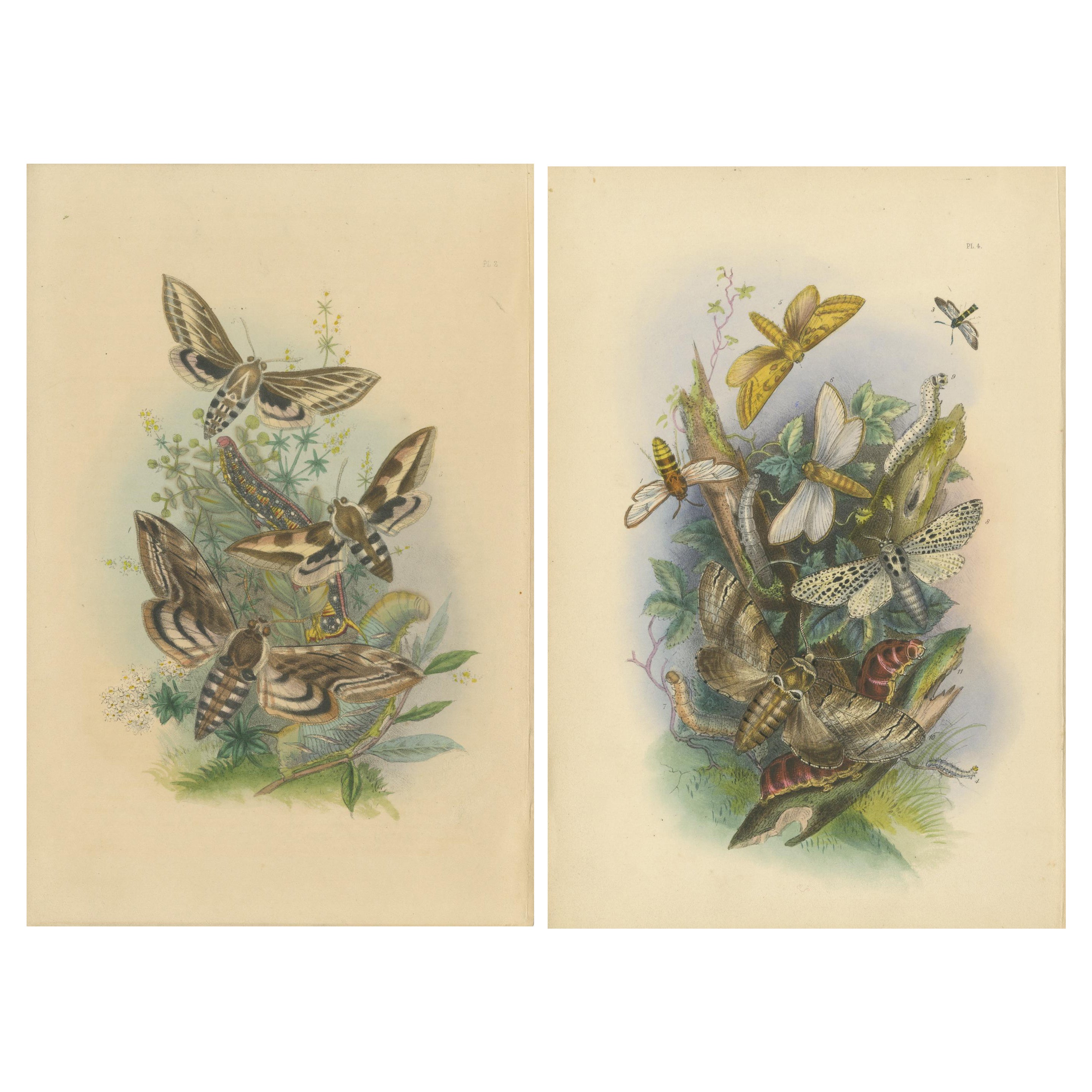
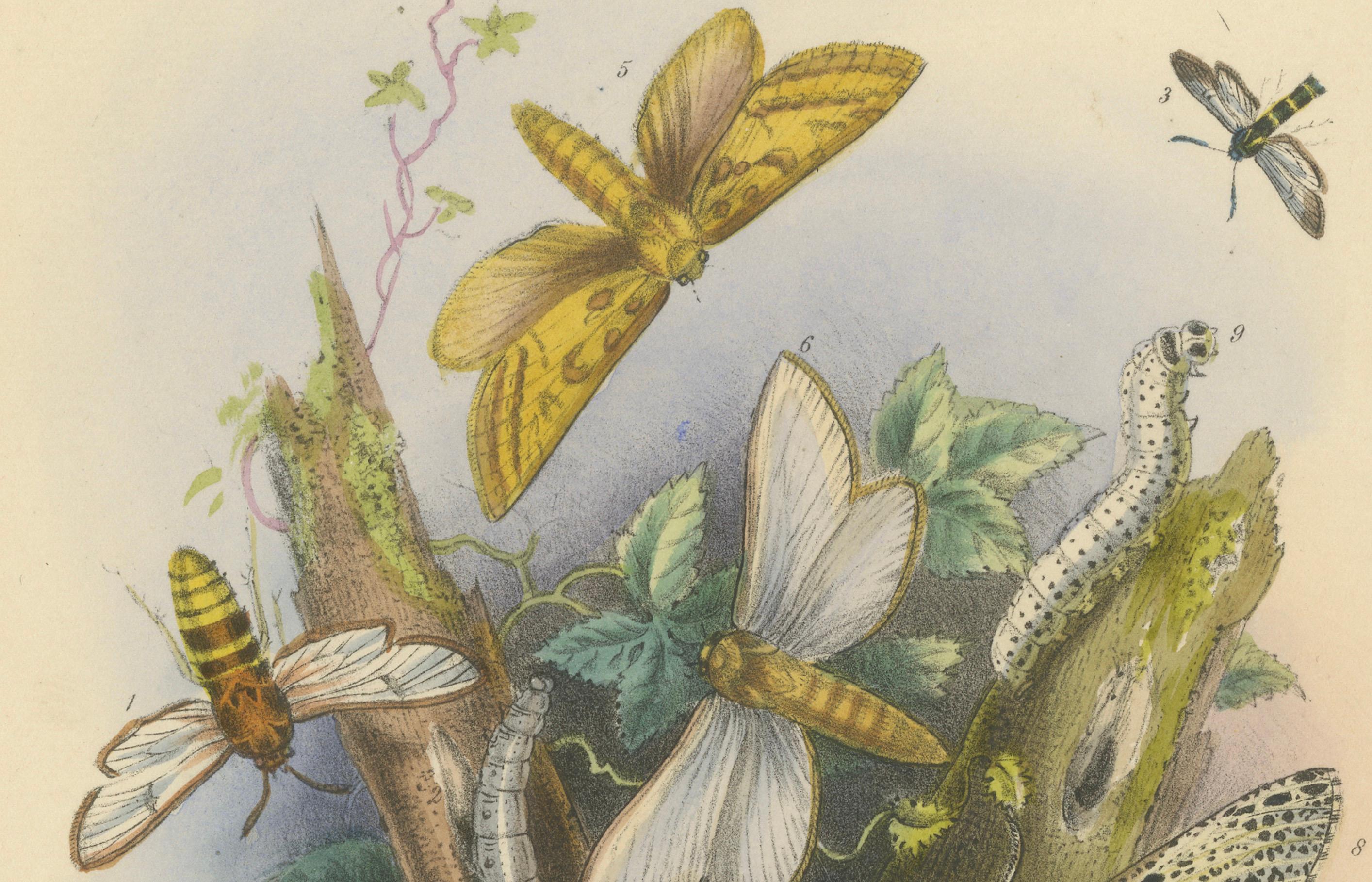
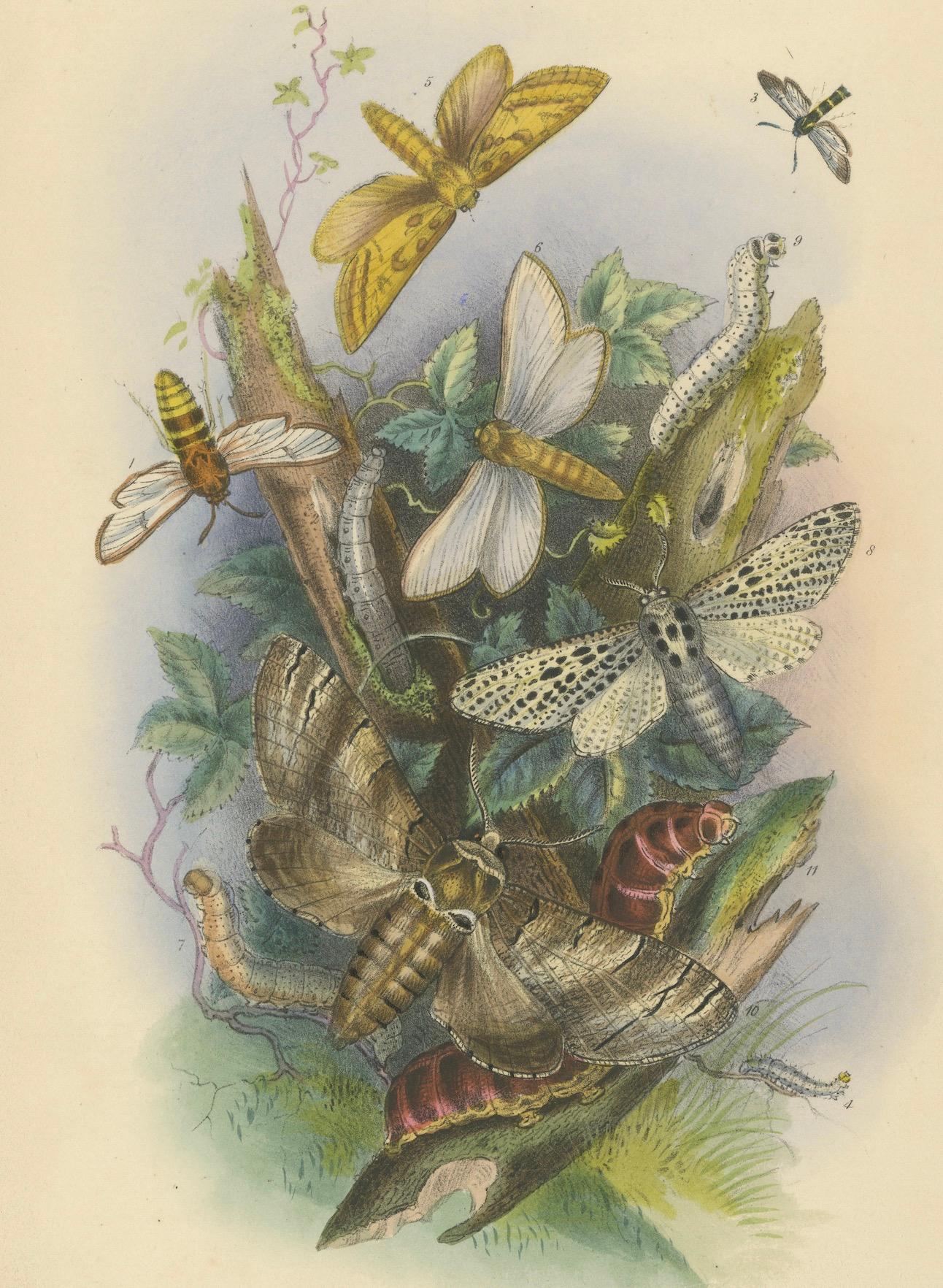
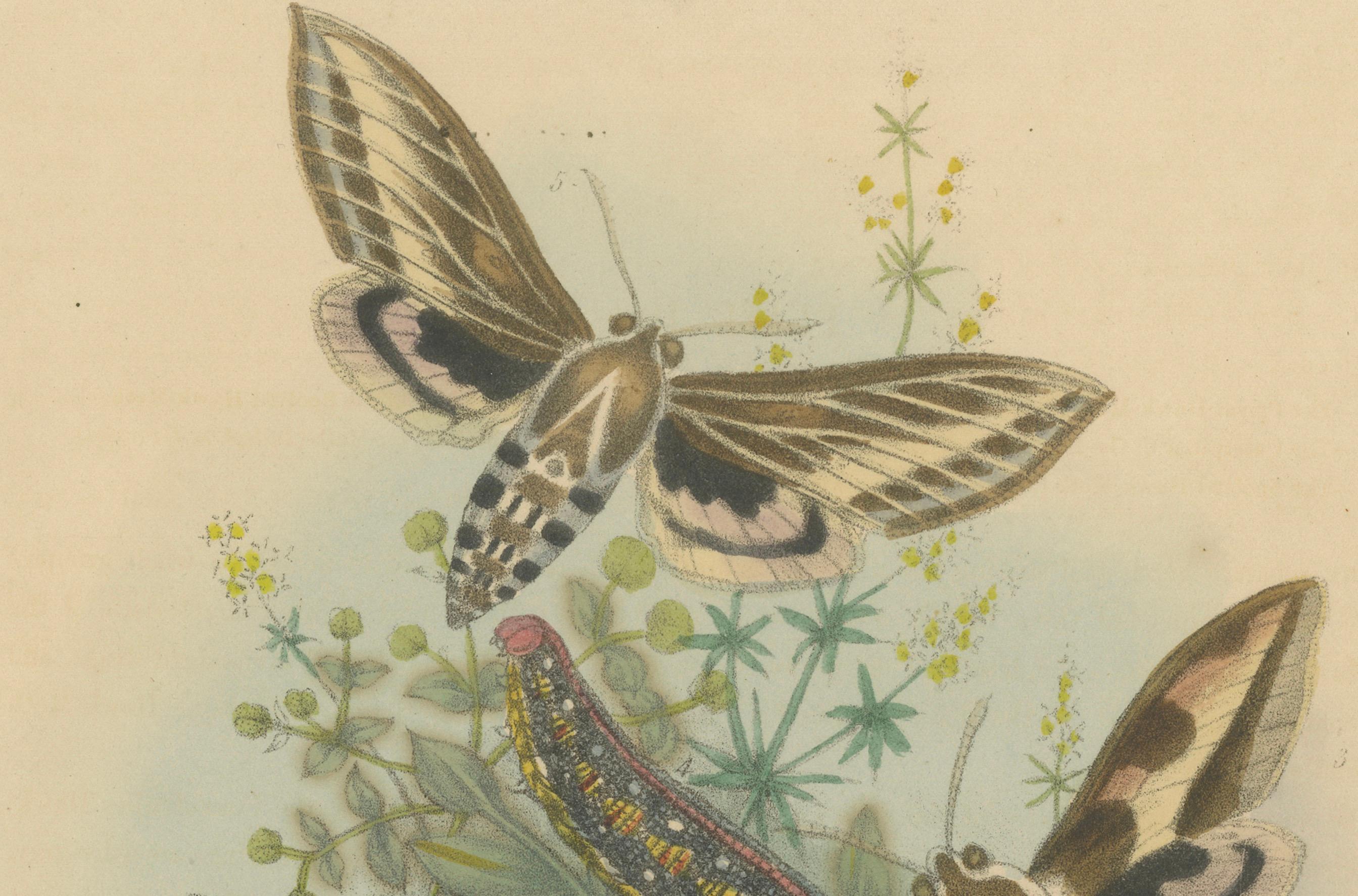
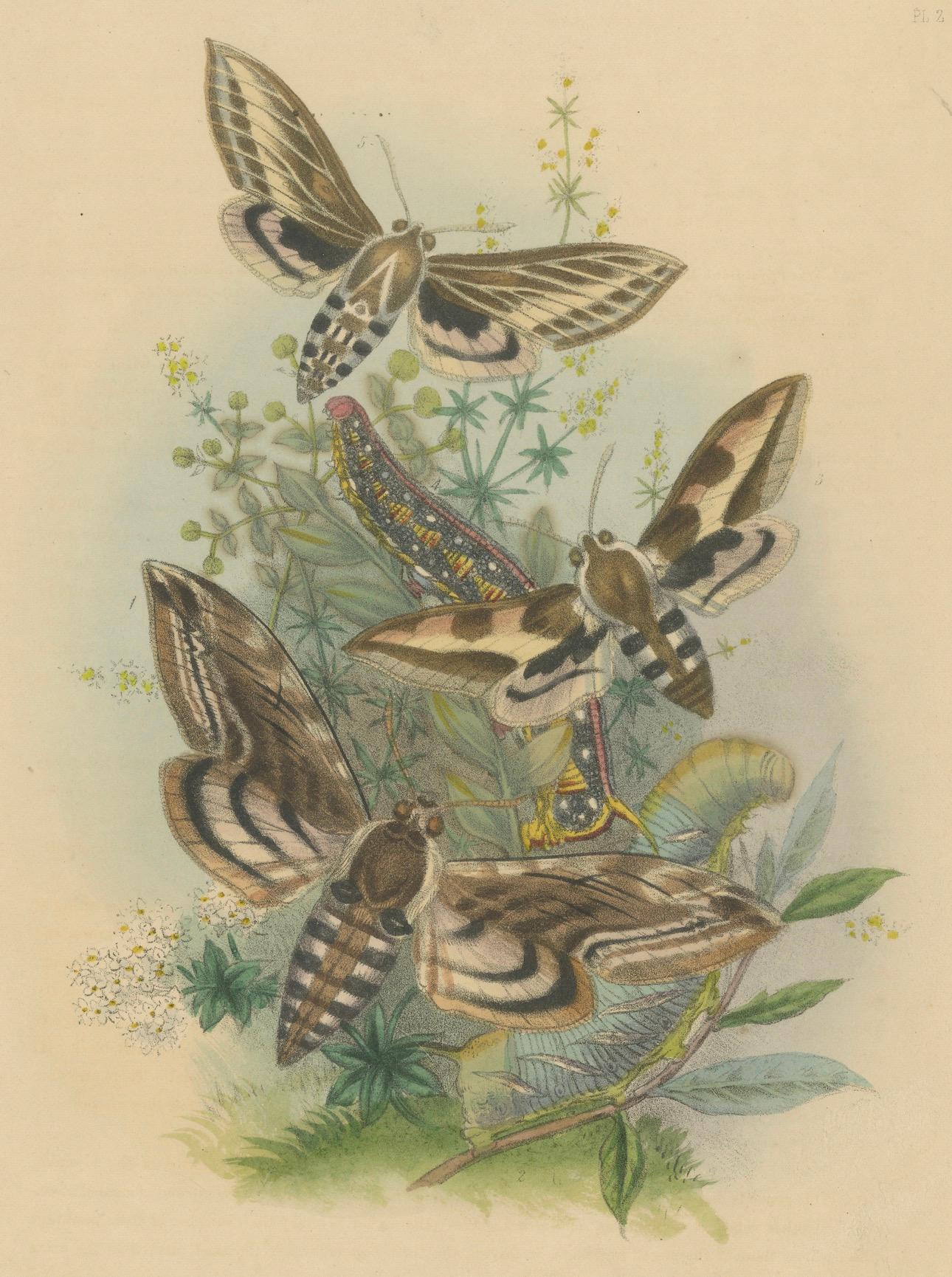
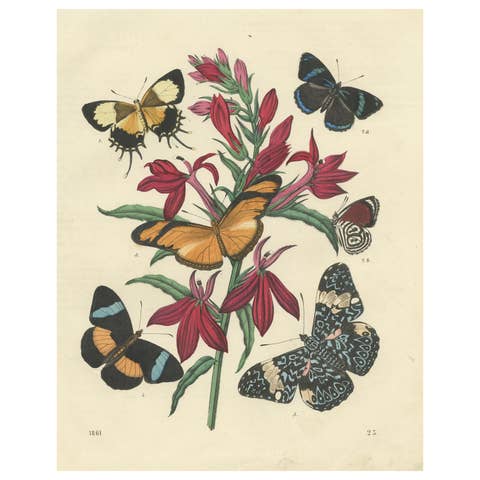
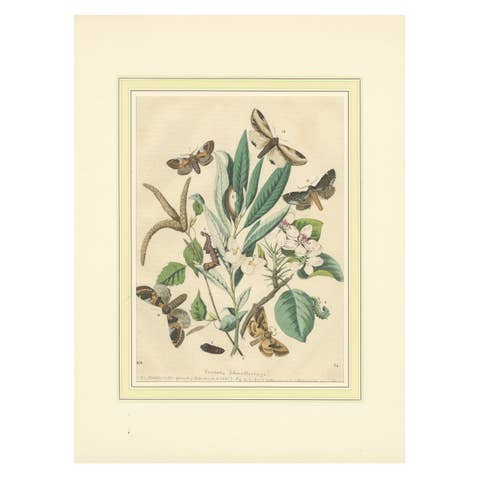
This beautiful compilation showcases two vintage illustrations featuring various butterfly and moth species, meticulously depicted in Plates 2 and 4. The artwork highlights the delicate details of these insects, including their vibrant patterns, varied shapes, and intricate wing structures. Each element—from the butterflies' colorful wings to the surrounding foliage—demonstrates the artist's skill in capturing the essence of these stunning creatures.
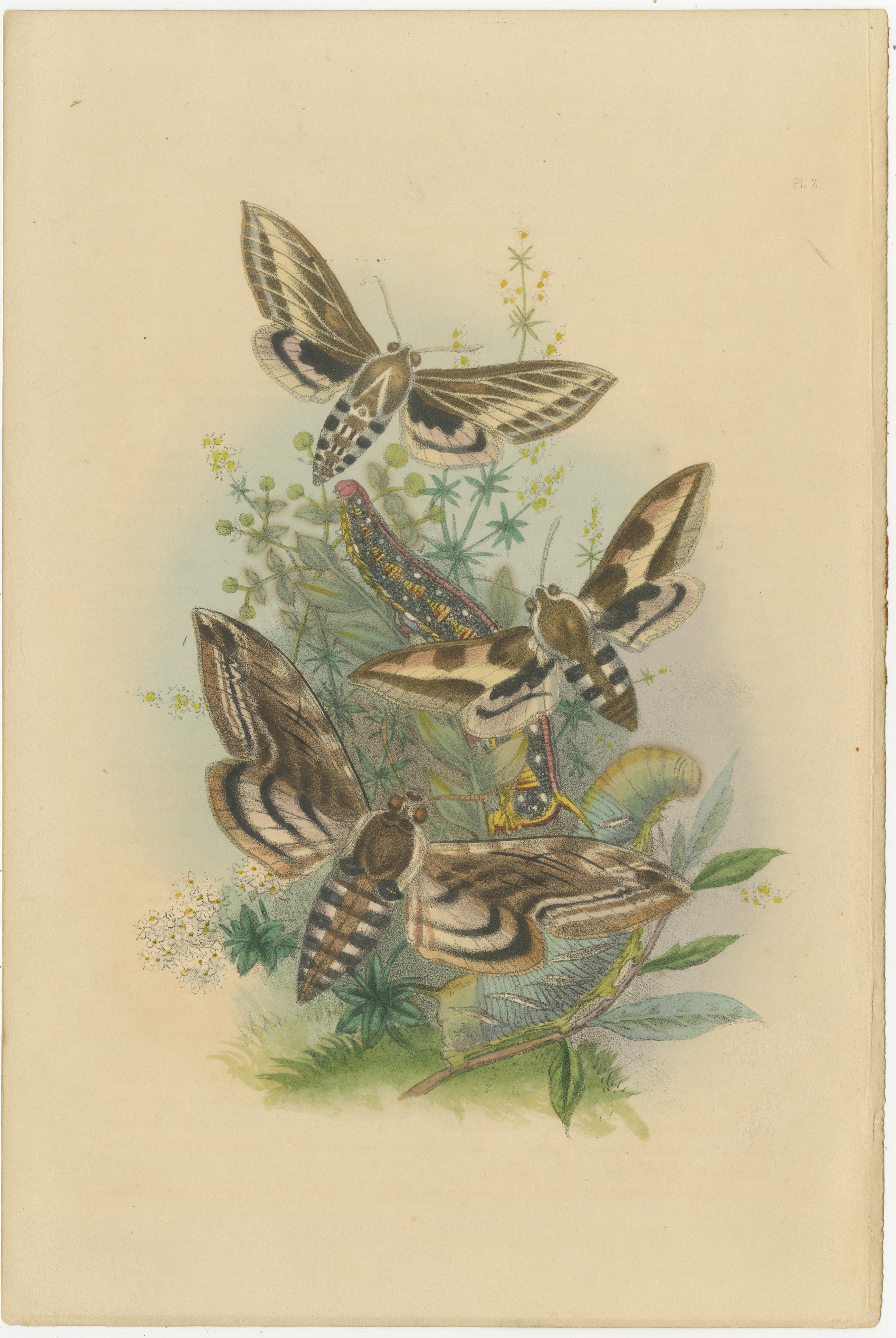
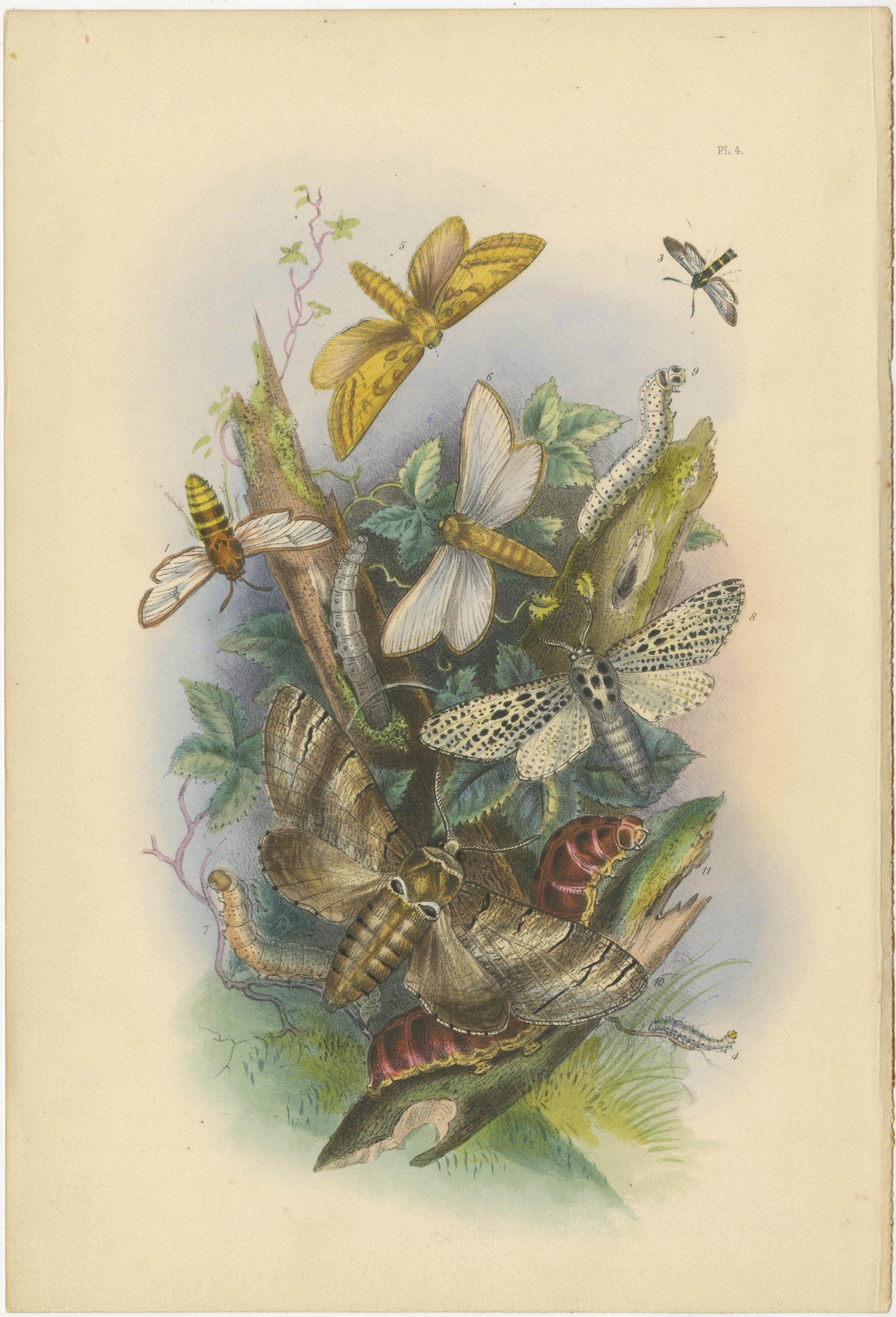
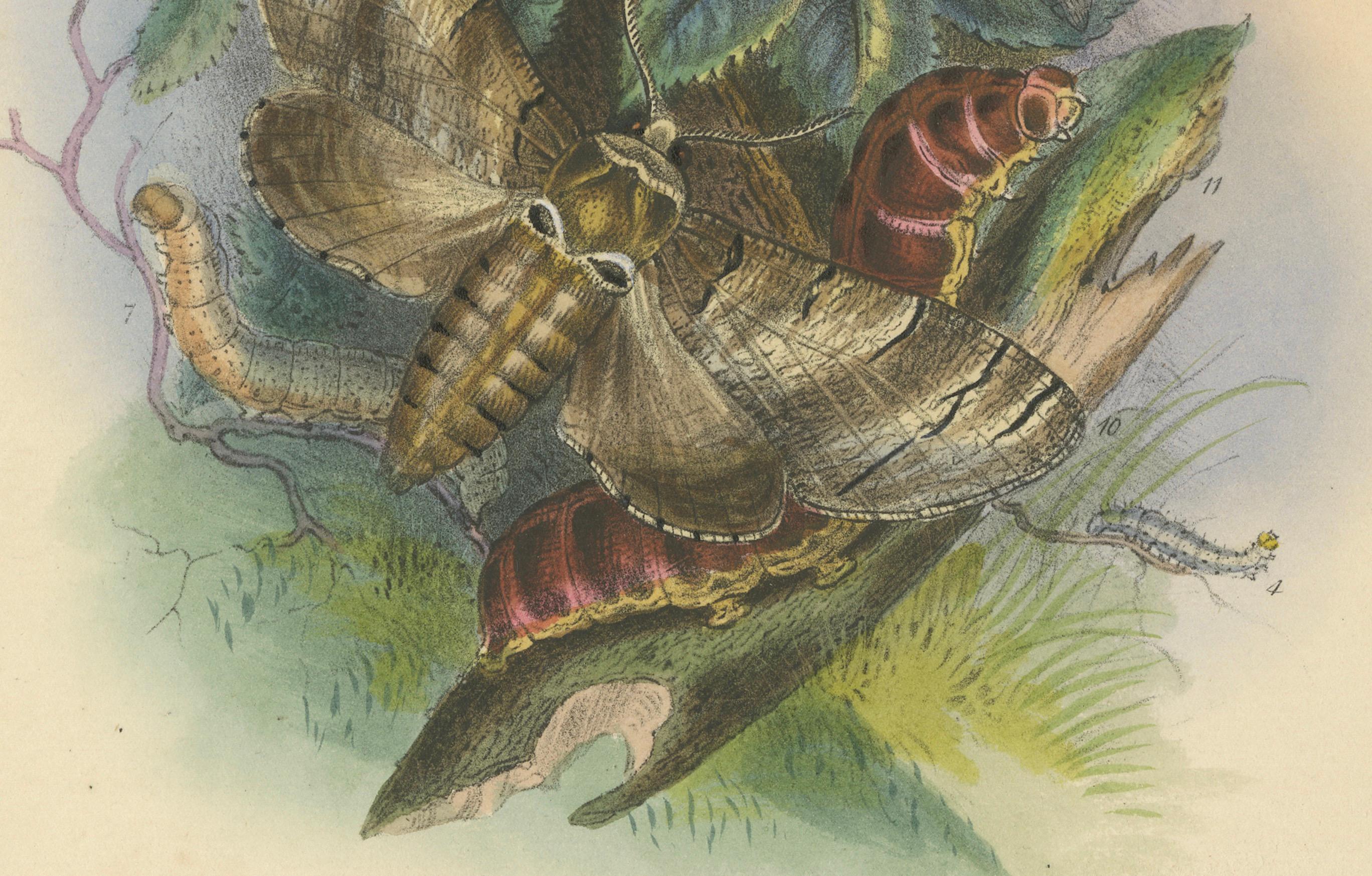
The left side of the compilation, Plate 2, portrays four different species of butterflies and moths, along with a vividly illustrated caterpillar resting on a stem. The artwork conveys a naturalistic, almost lifelike quality, offering a glimpse into the fascinating world of lepidopterology. The right side, Plate 4, is equally enchanting, presenting a collection of moths, butterflies, caterpillars, and pupae interacting with branches and leaves in a harmonious composition. The natural environment is portrayed in fine detail, providing an immersive and informative representation of their habitat.
The butterflies and moths depicted in these illustrations represent a diverse group of species, each with unique features that make them special. Although the specific names of the species in these plates are not explicitly labeled, I can provide some insight into the general types that are commonly represented in such natural history prints from the 19th century.
Hawk moths (Sphingidae) are depicted in Plate 2, characterized by their robust bodies and long, narrow wings. Hawk moths are remarkable due to their ability to hover like hummingbirds while feeding on nectar. Their rapid wing movements allow them to access flowers that other insects cannot reach, and they are often active during dusk or dawn.
One of the moths in Plate 2 resembles the Death's-head Hawkmoth (Acherontia spp.), famous for the unique skull-like marking on its thorax. This distinct feature, along with their ability to produce a squeaking sound when disturbed, makes these moths truly fascinating. They have been subjects of myth and folklore, often associated with omens due to their eerie markings.
The butterfly in Plate 4 with elongated tails on its hindwings resembles a swallowtail (Papilionidae). Swallowtail butterflies are known for their vivid coloration and elegant, tail-like extensions. These features help them evade predators, as the tails often draw attacks away from their vital body parts, allowing them to escape more easily.
Another species represented in Plate 4 has a speckled, white, and black pattern reminiscent of a tiger moth (Arctiinae). Tiger moths are notable for their striking warning coloration, which signals to predators that they are toxic or unpalatable. Their vivid wing patterns serve as a defense mechanism, helping them survive in the wild.
One of the moths appears similar to the Luna moth (Actias luna), which is characterized by its pale green wings and long tail extensions. Luna moths are part of the Saturniidae family and are known for their striking appearance and relatively short adult lifespan, as they do not feed and live only to reproduce.
These species have special features that make them unique:
Adaptations for survival are evident in each of these species, such as coloration for camouflage or warning, specialized wing shapes, and the ability to hover. These traits help them survive and thrive in their environments.
The illustrations also include various life stages—caterpillars, pupae, and adult butterflies or moths. This depiction highlights the fascinating transformation these insects undergo, known as metamorphosis. Caterpillars are often vividly colored or camouflaged to blend into their surroundings, while pupae are hidden or disguised to avoid predators.
The variety in wing patterns, from bold and bright to subtle and camouflaged, showcases the incredible diversity among Lepidoptera. Each pattern serves a purpose, whether to attract mates, deter predators, or blend into their environment.
These butterflies and moths are not only beautiful but also serve as an example of nature's adaptability and creativity. The intricate details captured by the artist in these illustrations give us a glimpse into the complexity and elegance of the insect world.
What makes these butterflies and moths particularly captivating is the diversity they represent. This artwork captures both the beauty and the biological life cycle of these insects, displaying caterpillars, pupae, and mature butterflies in one frame. The variety in coloration and wing patterns helps differentiate each species, showcasing their adaptability and evolution in response to their respective environments. Furthermore, the illustrations represent both diurnal (day-active) butterflies and nocturnal (night-active) moths, highlighting the contrast between their wing patterns and behaviors.
Overall, this compilation is a...