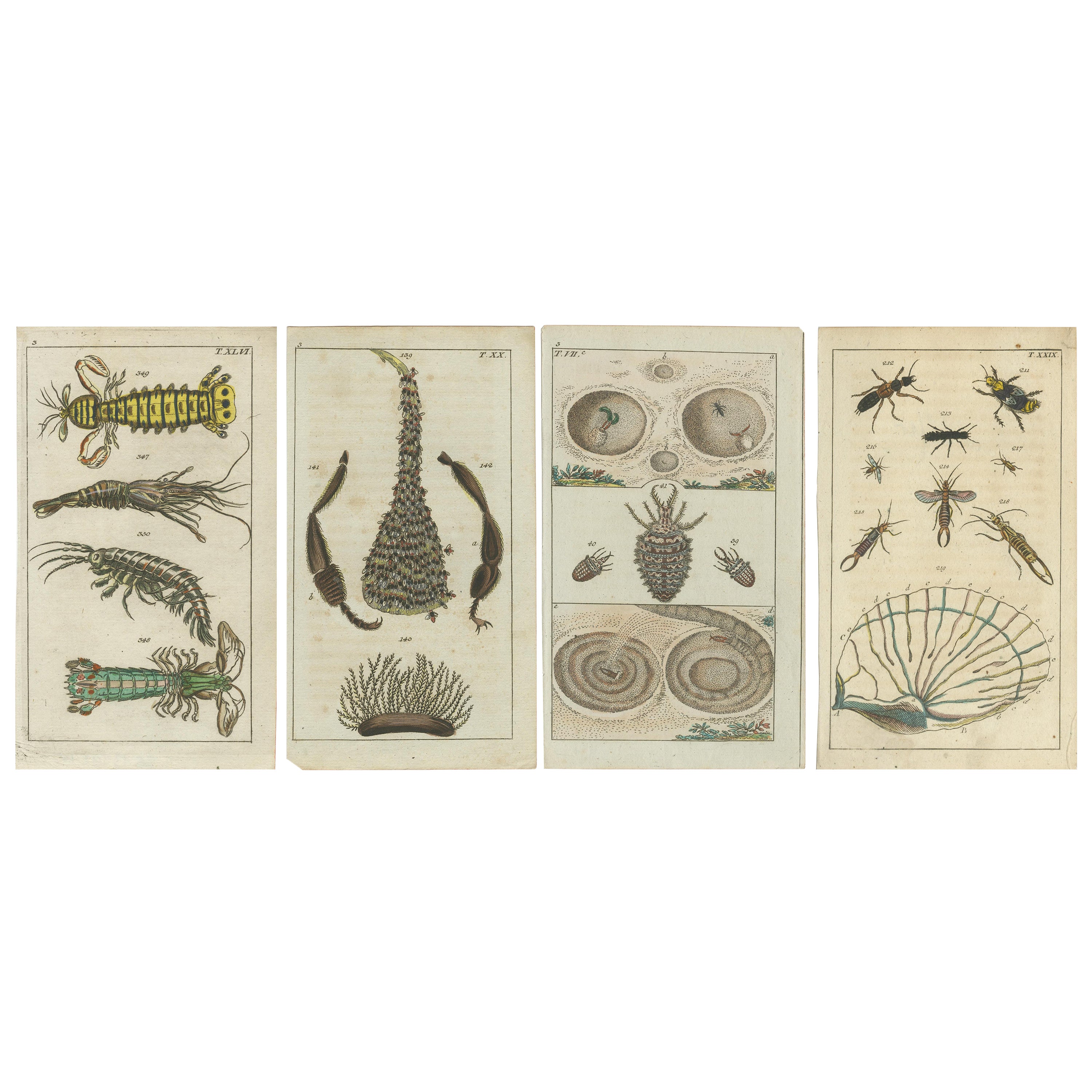
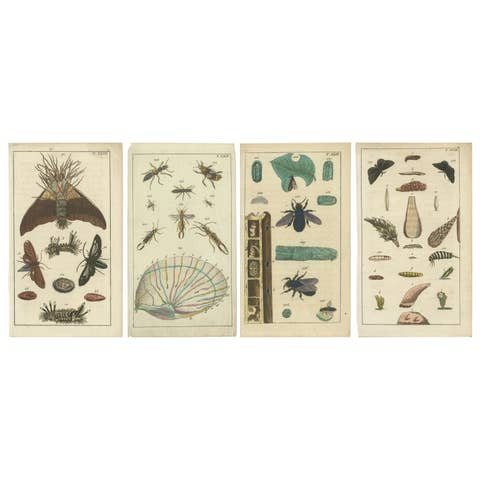
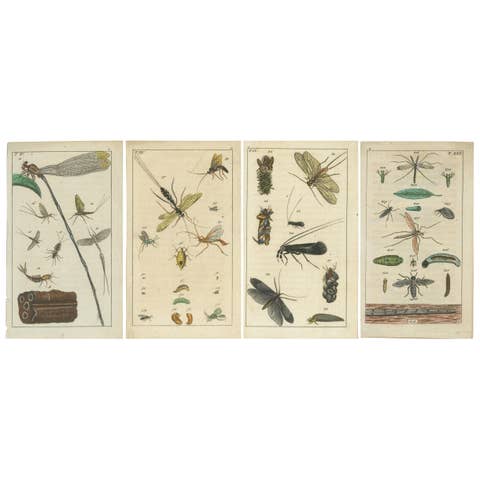
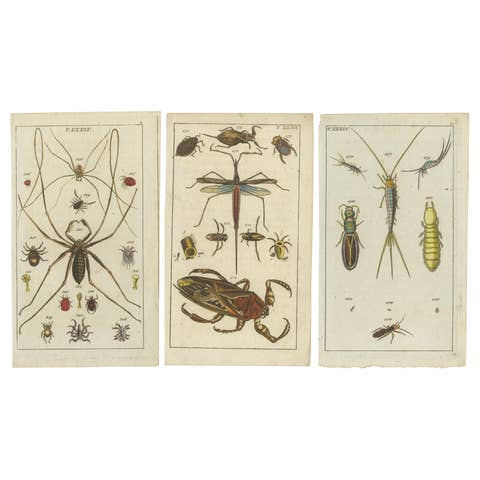
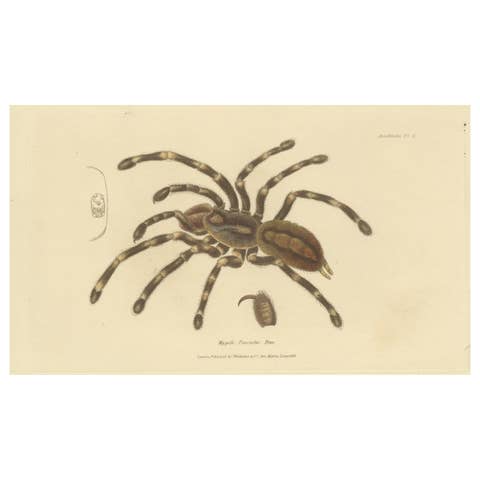
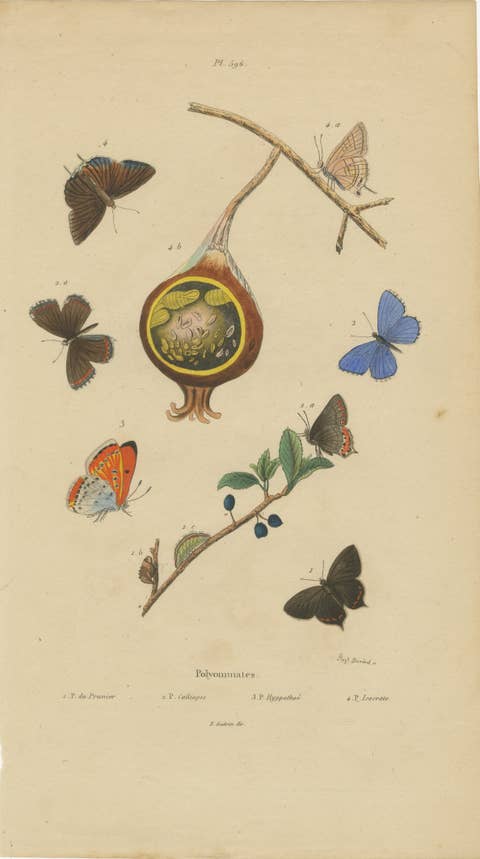
Small History Prints Showing Crustaceans, Marine Life and Detailed Insects, 1832
€ 290
One of a kind: this is the sheet in the photographs. Ships from Langweer, the Netherlands.
Date
1832
Sheet size
11 × 18 cm (4.3 × 7.1 in)
Reference
BG-13292-155, -156 -157, -158
Condition
Clean and crisp with vibrant hand-coloring. Light age toning is consistent with its era. Slight foxing in places, not detracting from the overall appeal.
About this sheet
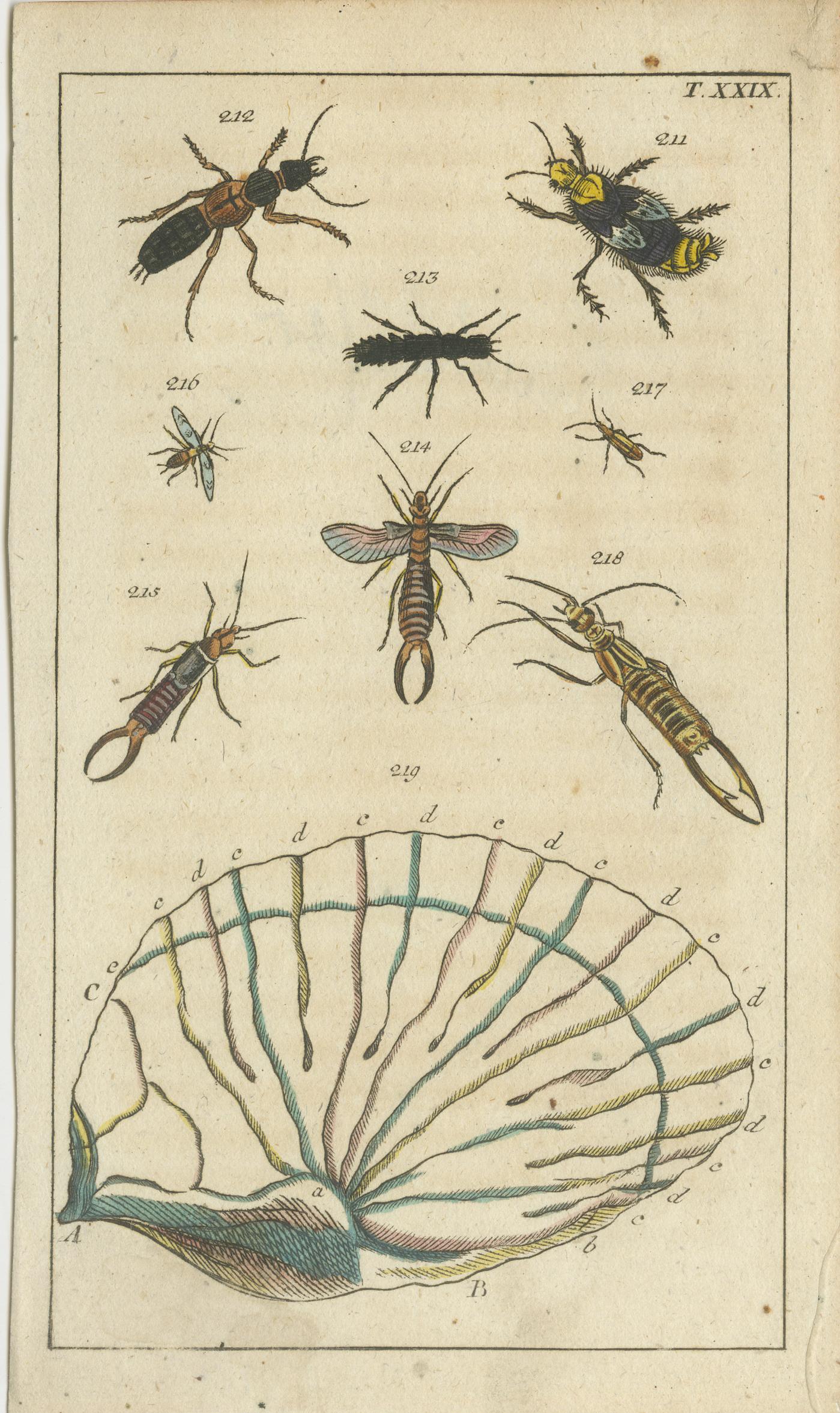
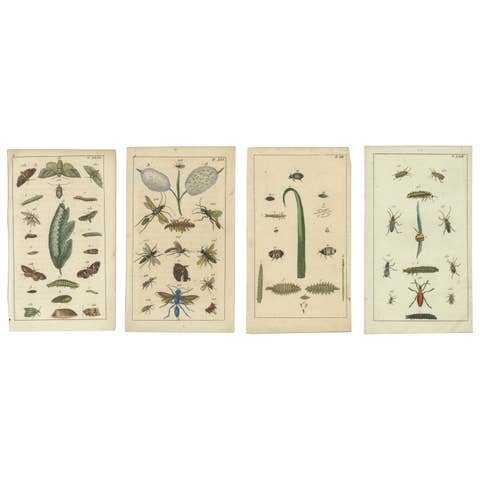
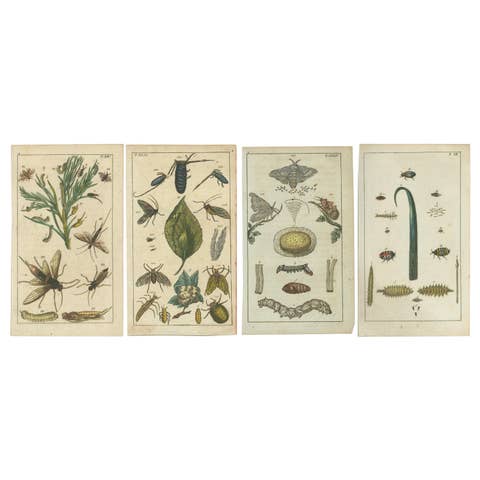
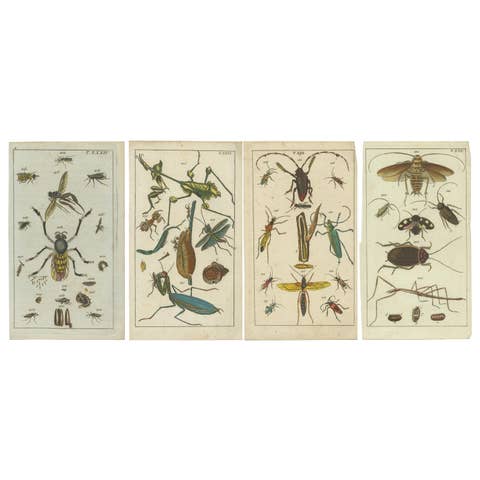
This exquisite set of four original antique prints offers a fascinating glimpse into the world of natural history as illustrated in the 19th century. Published in 1832, these hand-colored engravings are part of Gottlieb Tobias Wilhelm’s monumental work "Unterhaltungen aus der Naturgeschichte," a series that spanned 25 volumes and showcased the unrivaled craftsmanship of Augsburg’s famed engravers.
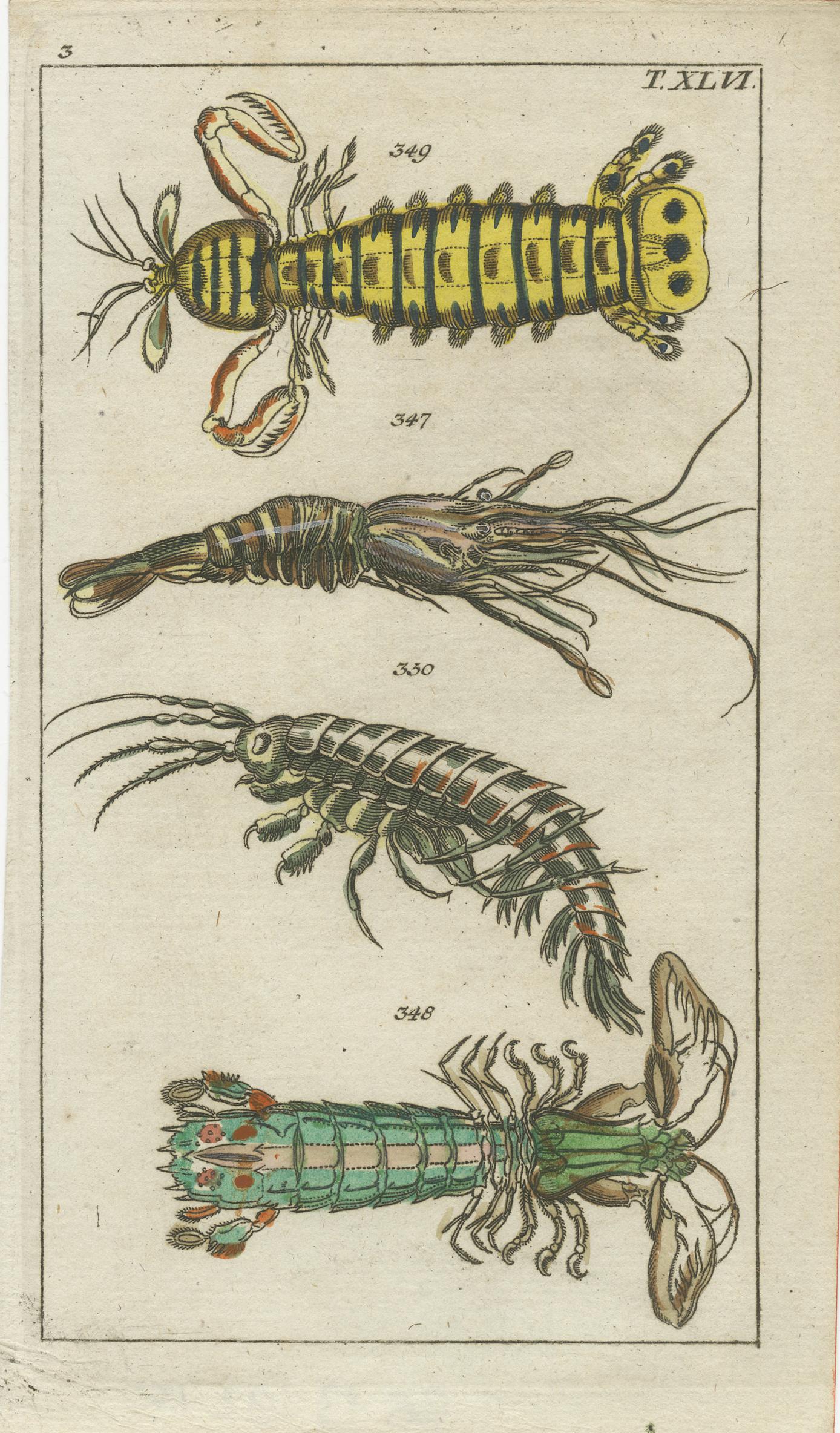
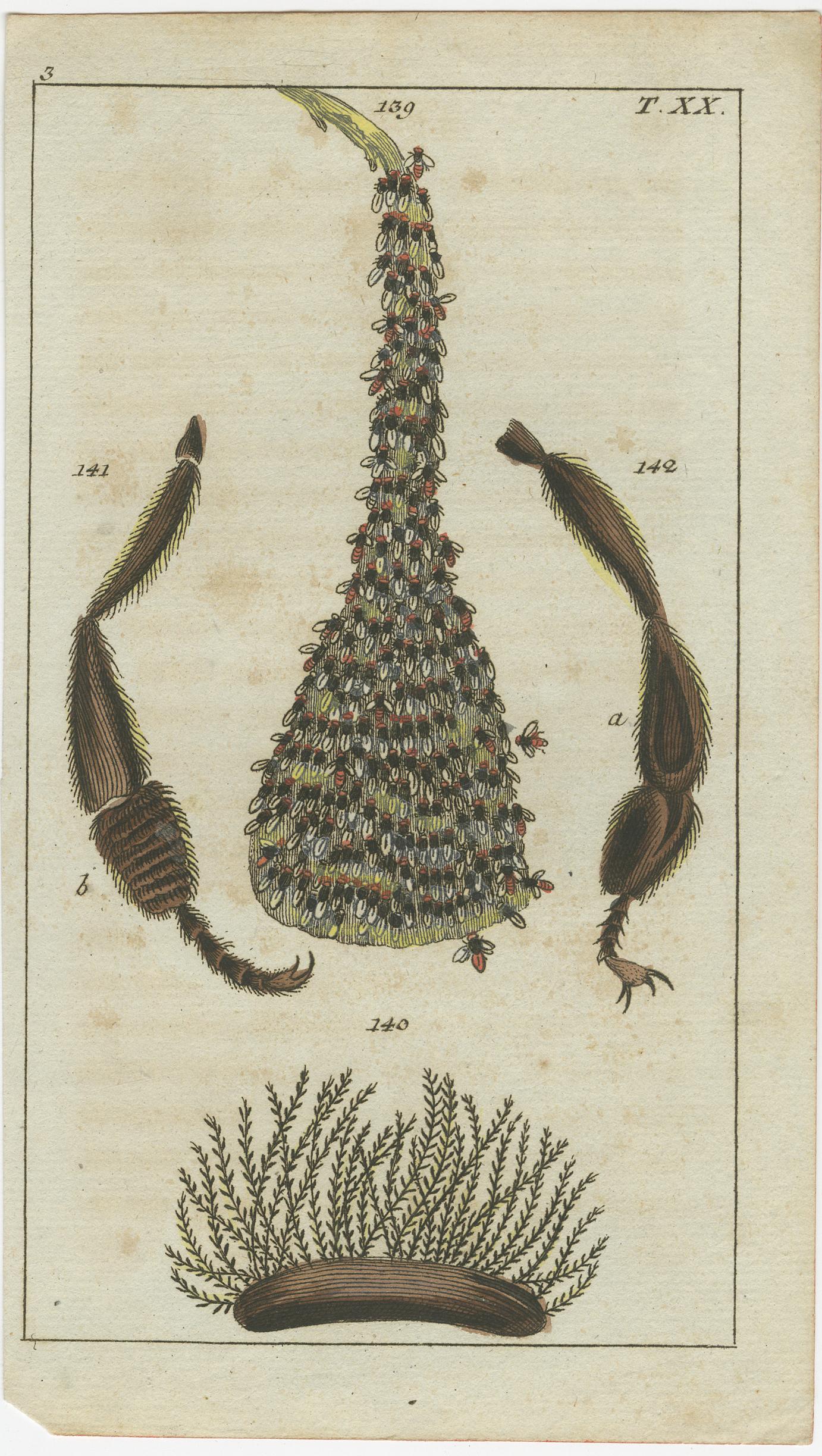
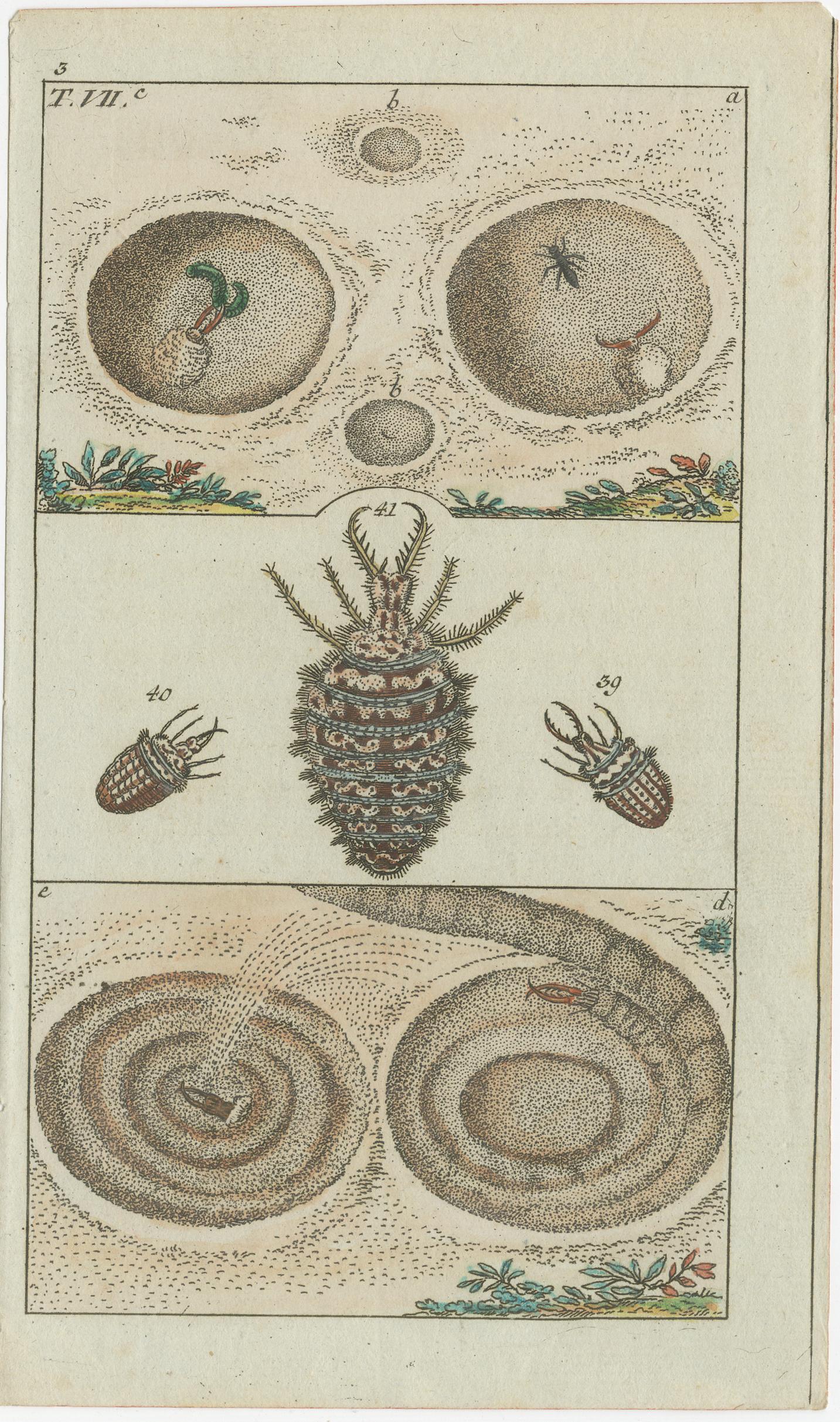
Each print is a stunning representation of marine life, insects, and their detailed anatomical features, brought to life through the meticulous copperplate engraving technique. The vibrant hand-coloring adds depth and realism, showcasing creatures like lobsters, crabs, and other crustaceans in unparalleled detail. Highlights include an intricate depiction of mantis shrimps and their segmented bodies, as well as antlion larvae set against textural sand environments. These illustrations were not only artistic achievements but also served as scientific documentation during a time when the natural world was being explored and categorized.
The engravings' sharp lines and vivid hues reveal the precision and dedication of the artisans involved. The natural history genre remains a beloved subject among collectors, making this set both a beautiful decorative piece and a valuable addition to any antique print collection.
Condition: Clean and crisp with vibrant hand-coloring. Light age toning is consistent with its era. Slight foxing in places, not detracting from the overall appeal.
Framing Tip: For an elegant presentation, consider framing each print individually with a neutral mat to emphasize the intricate details, or display them as a set in a multi-opening frame to preserve their unity. A museum-grade UV protective glass is recommended to maintain the color vibrancy.