About this sheet
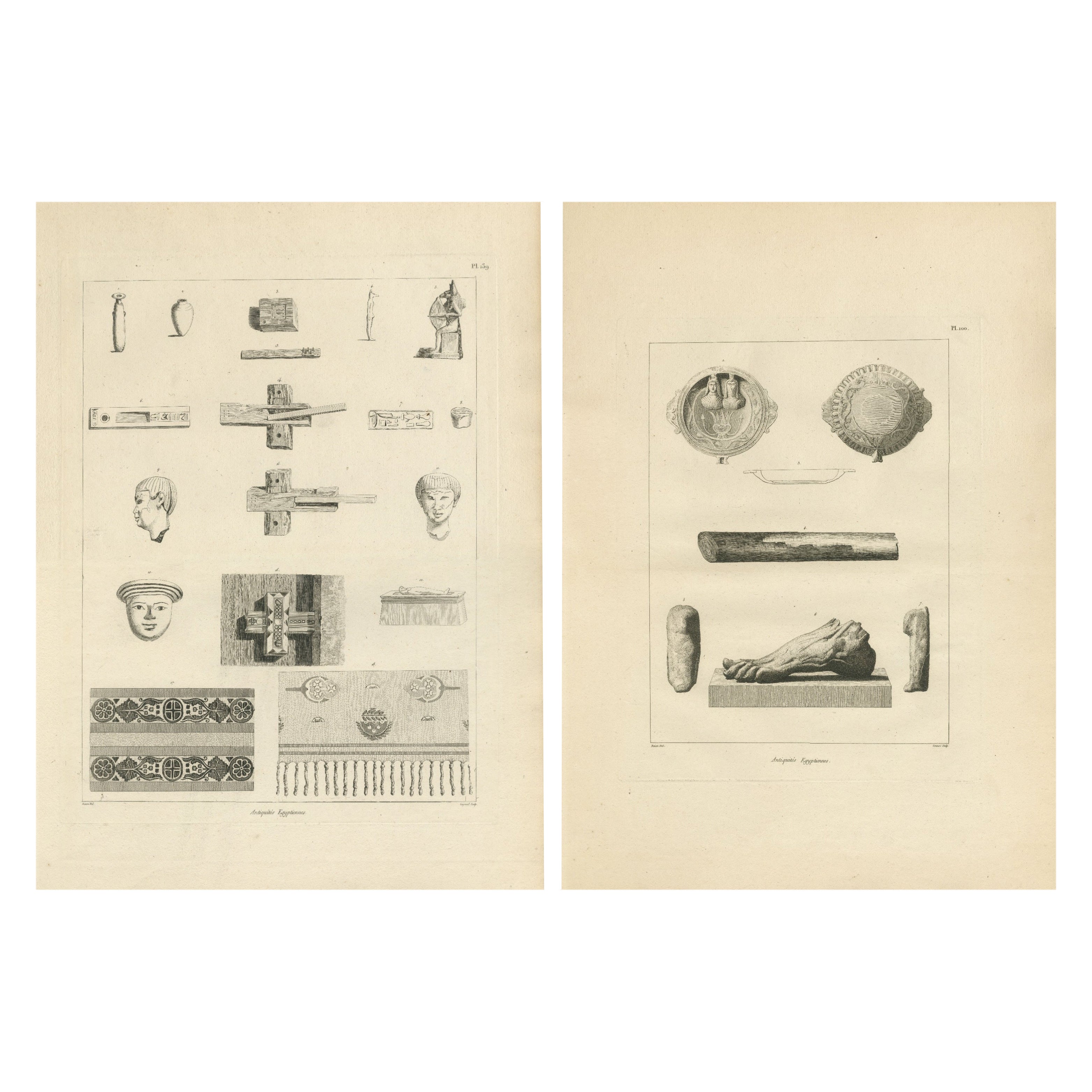
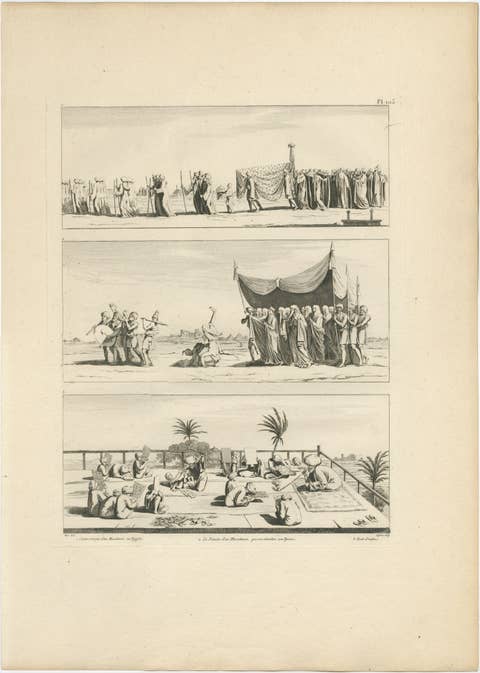
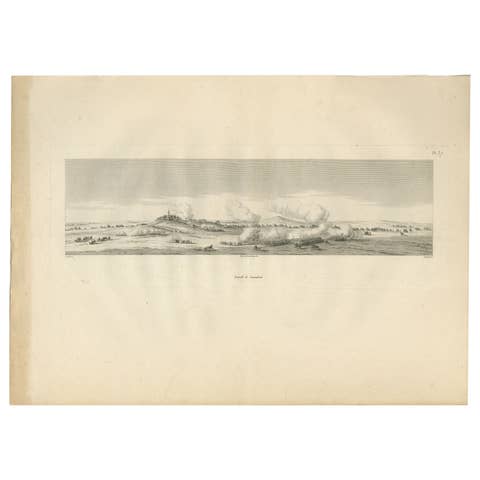
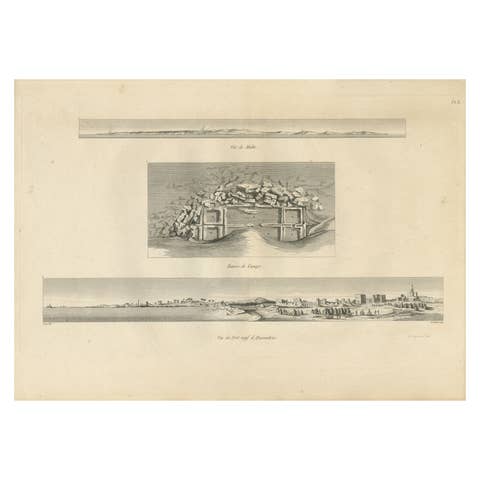
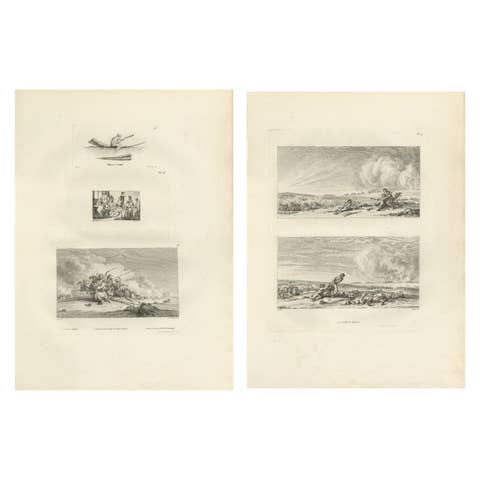
Egyptian Antiquities – Objects, Reliefs and Sculptural Fragments, Set of Two Engravings, c.1802
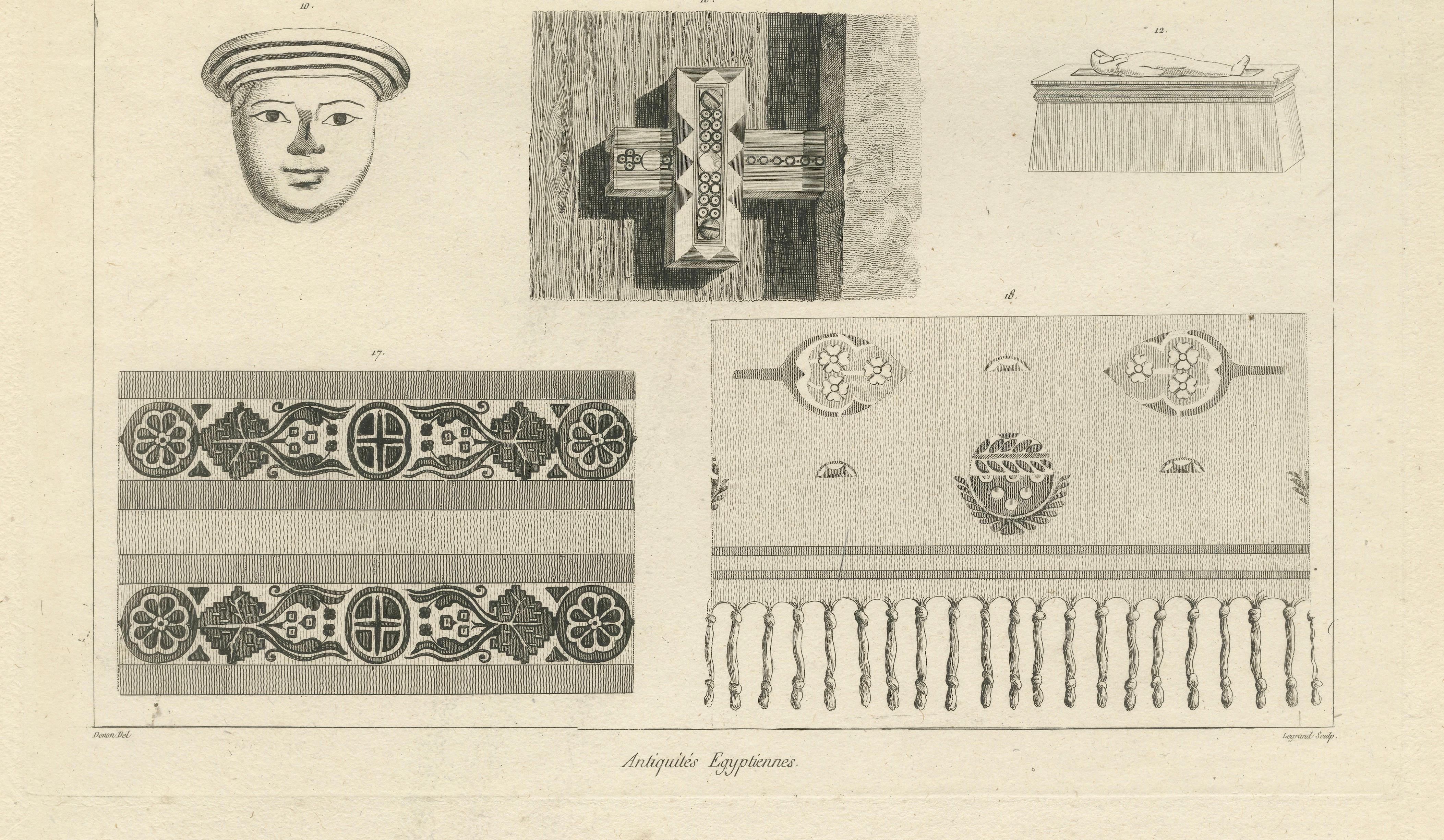
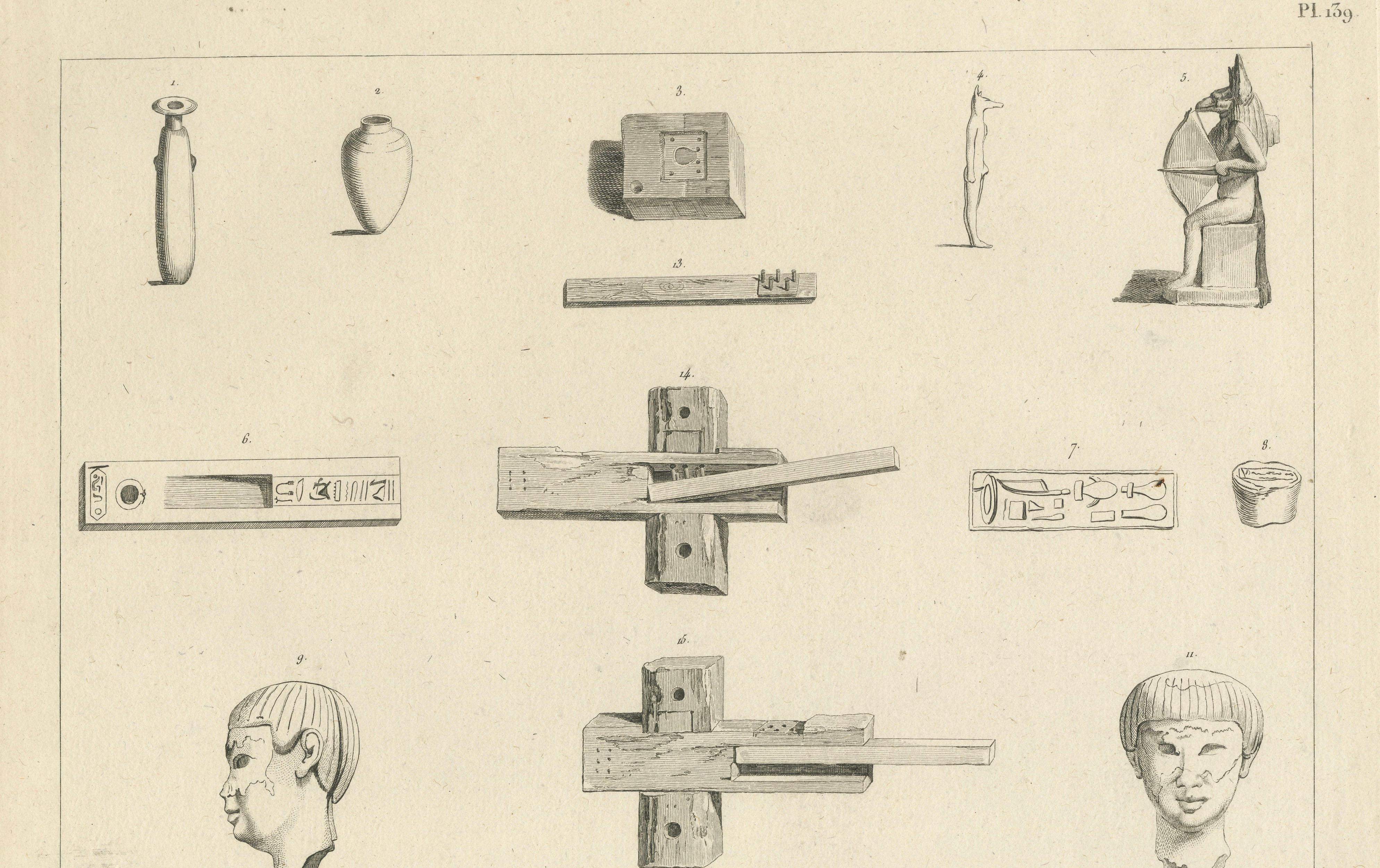
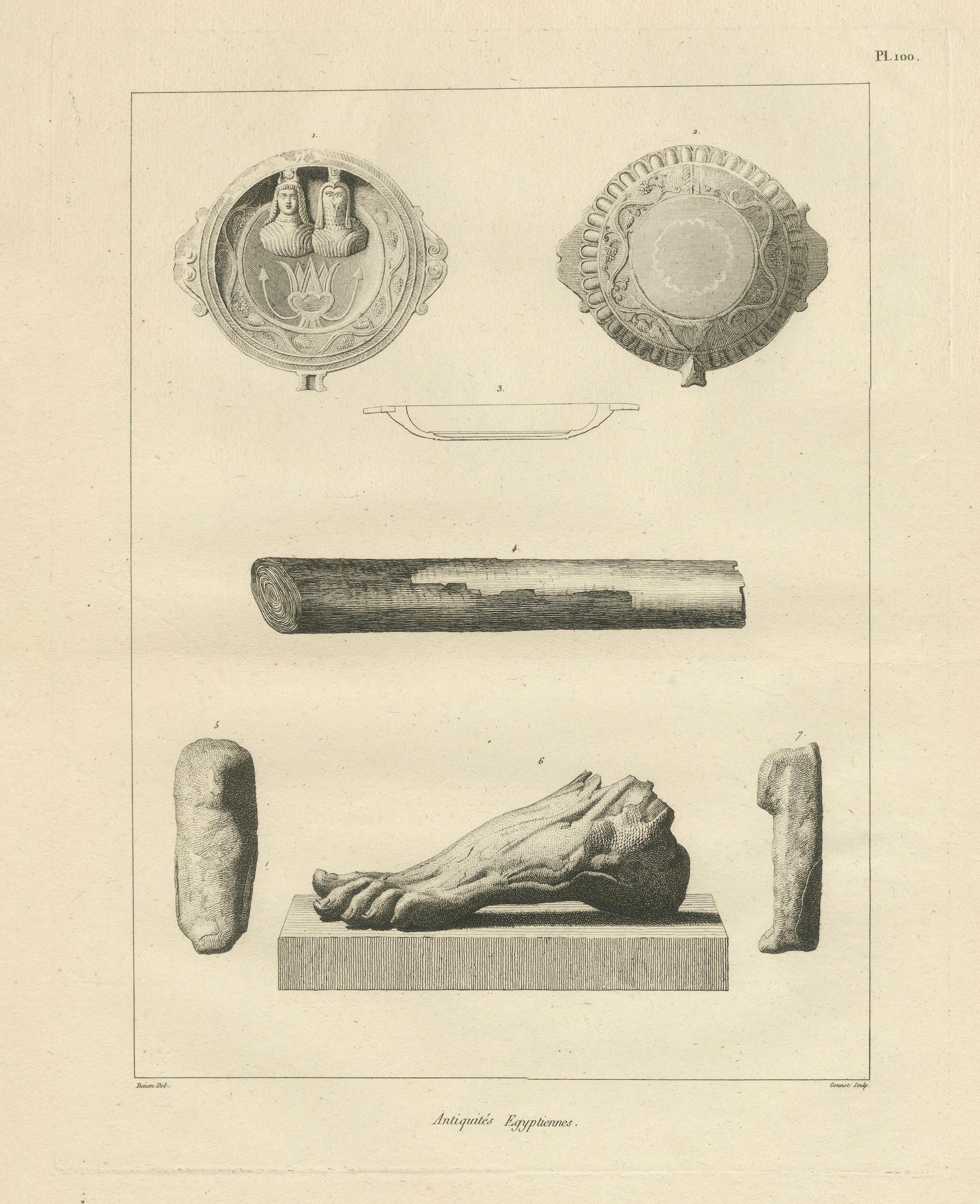
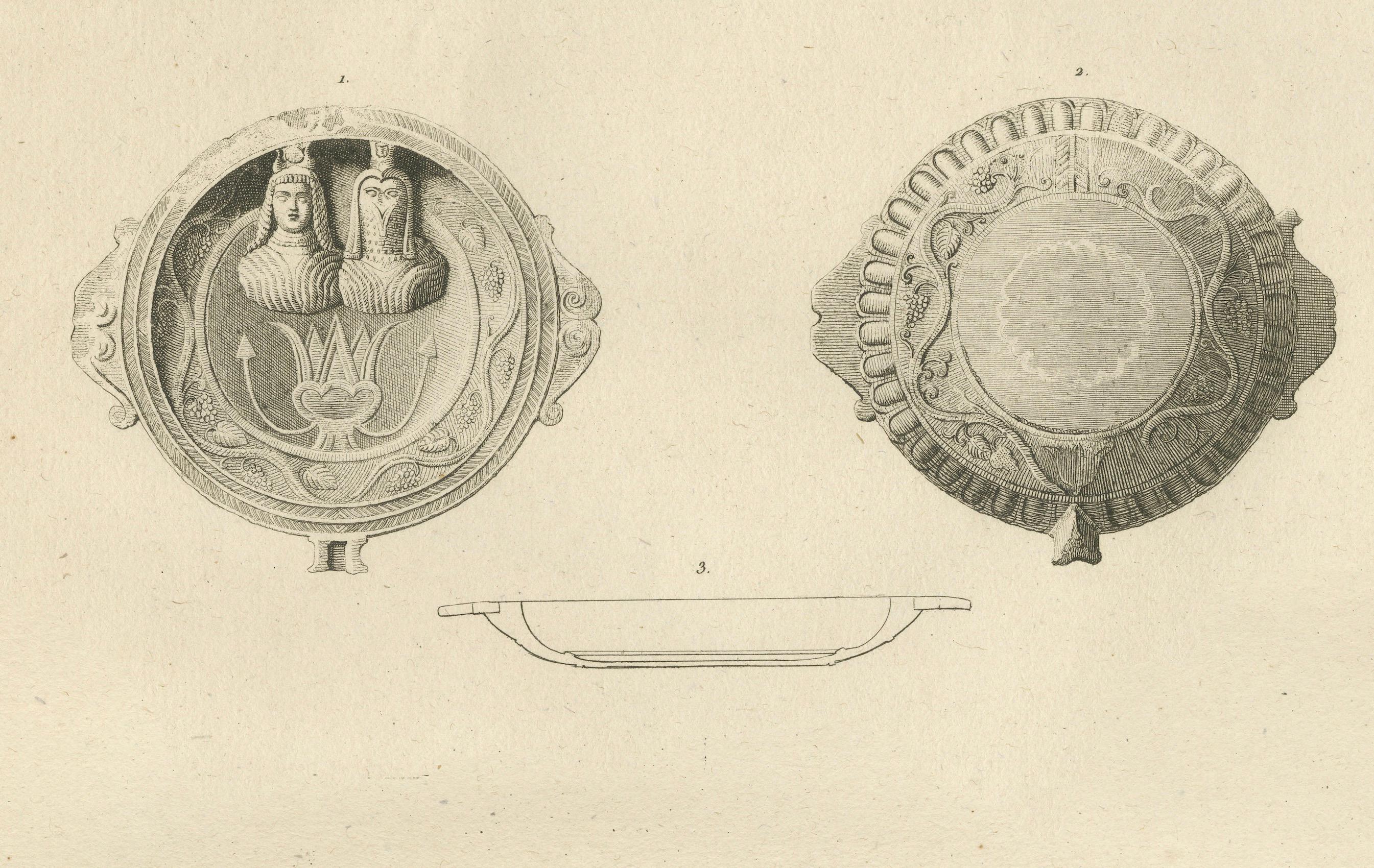
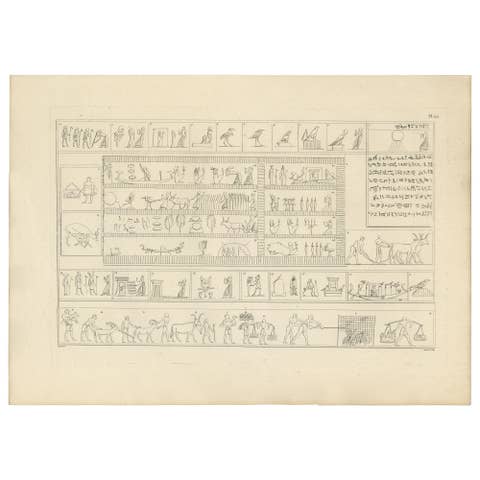
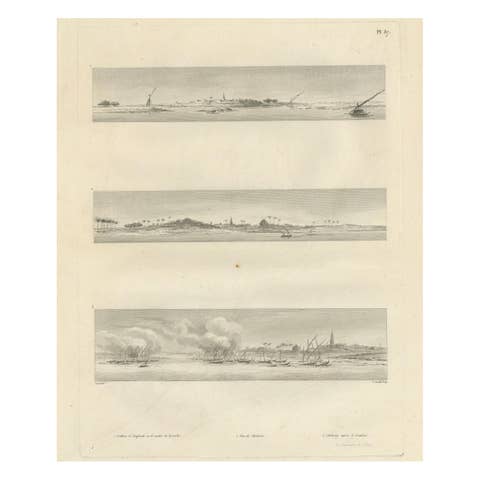
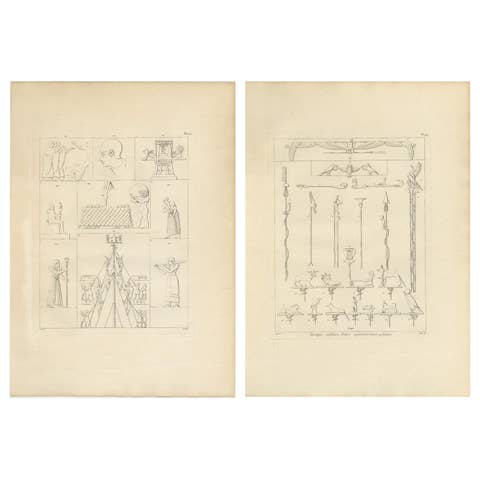
This curated set of two finely engraved plates presents a systematic visual survey of Egyptian antiquities, combining portable objects, sculptural fragments, relief elements, and architectural details. Shown as measured studies rather than dramatic scenes, the plates reflect the early nineteenth-century scholarly approach to documenting the material culture of ancient Egypt.
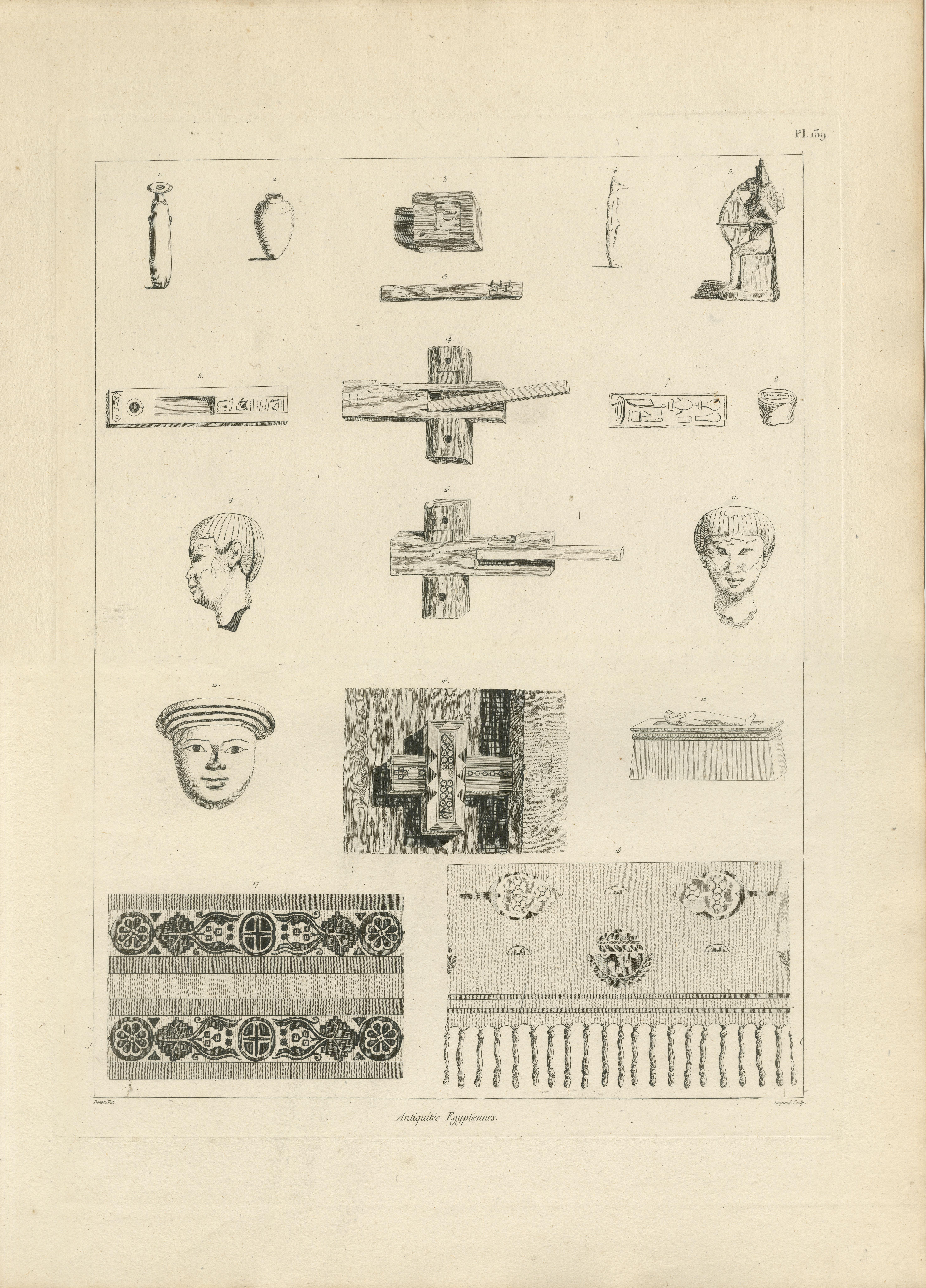
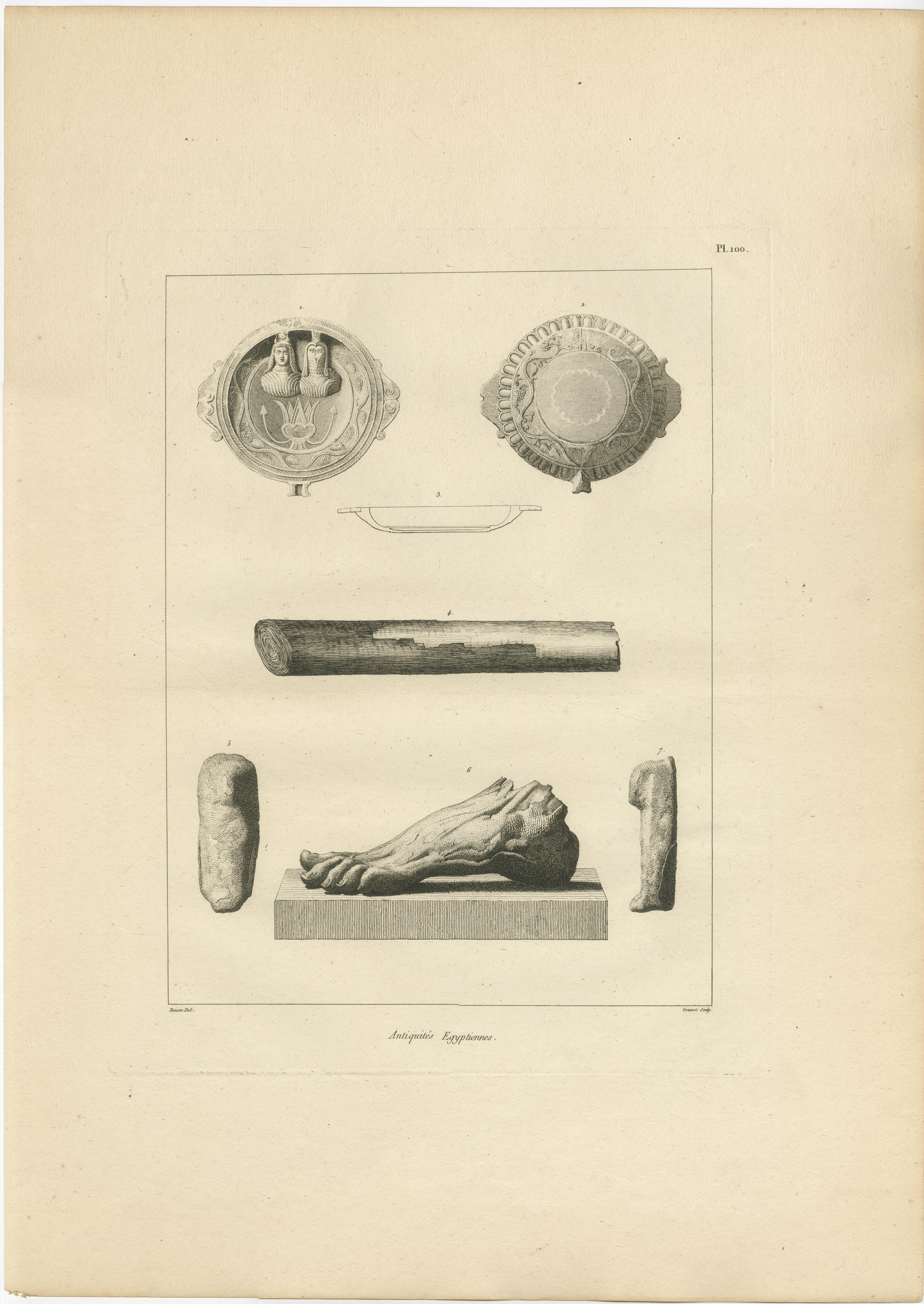
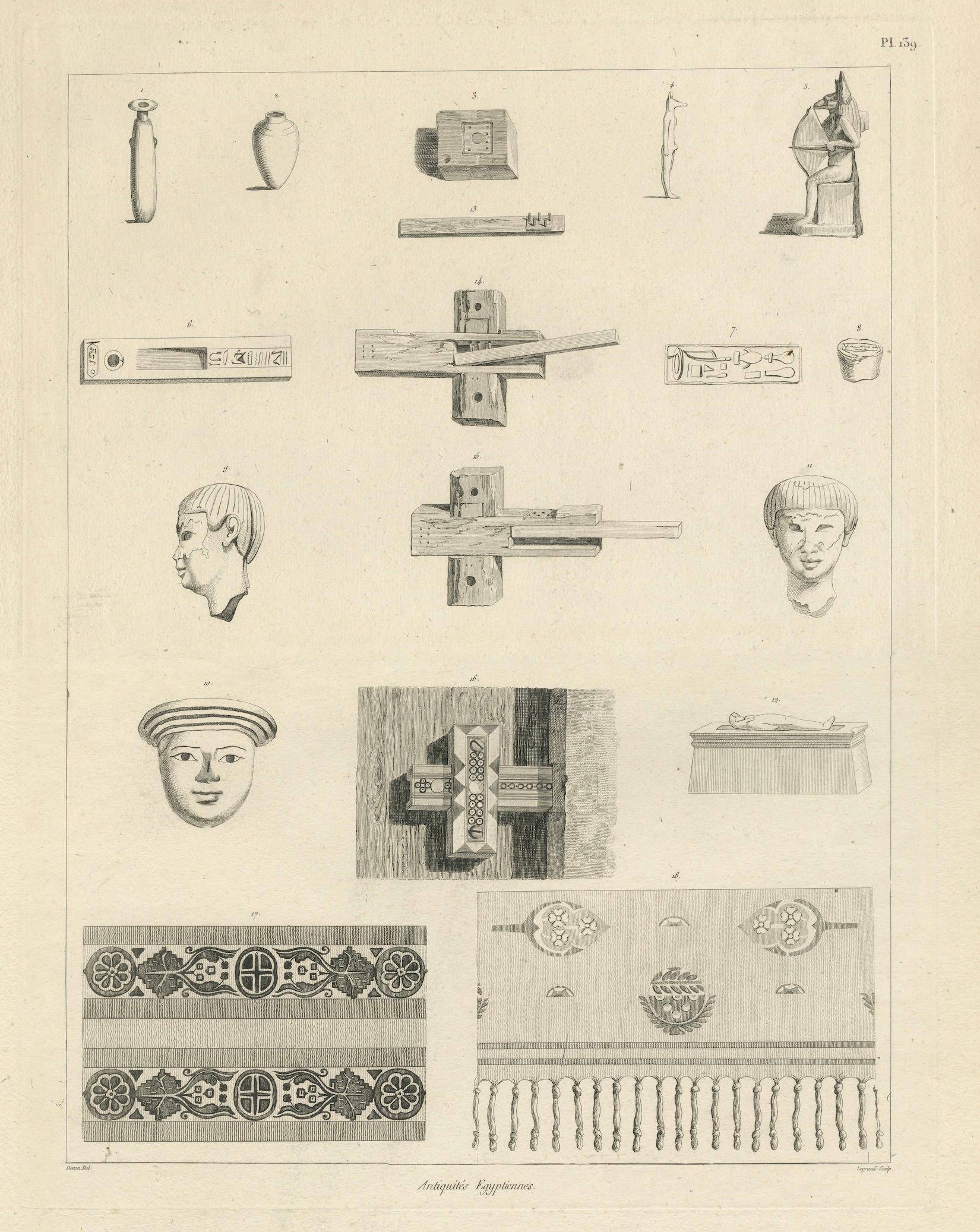
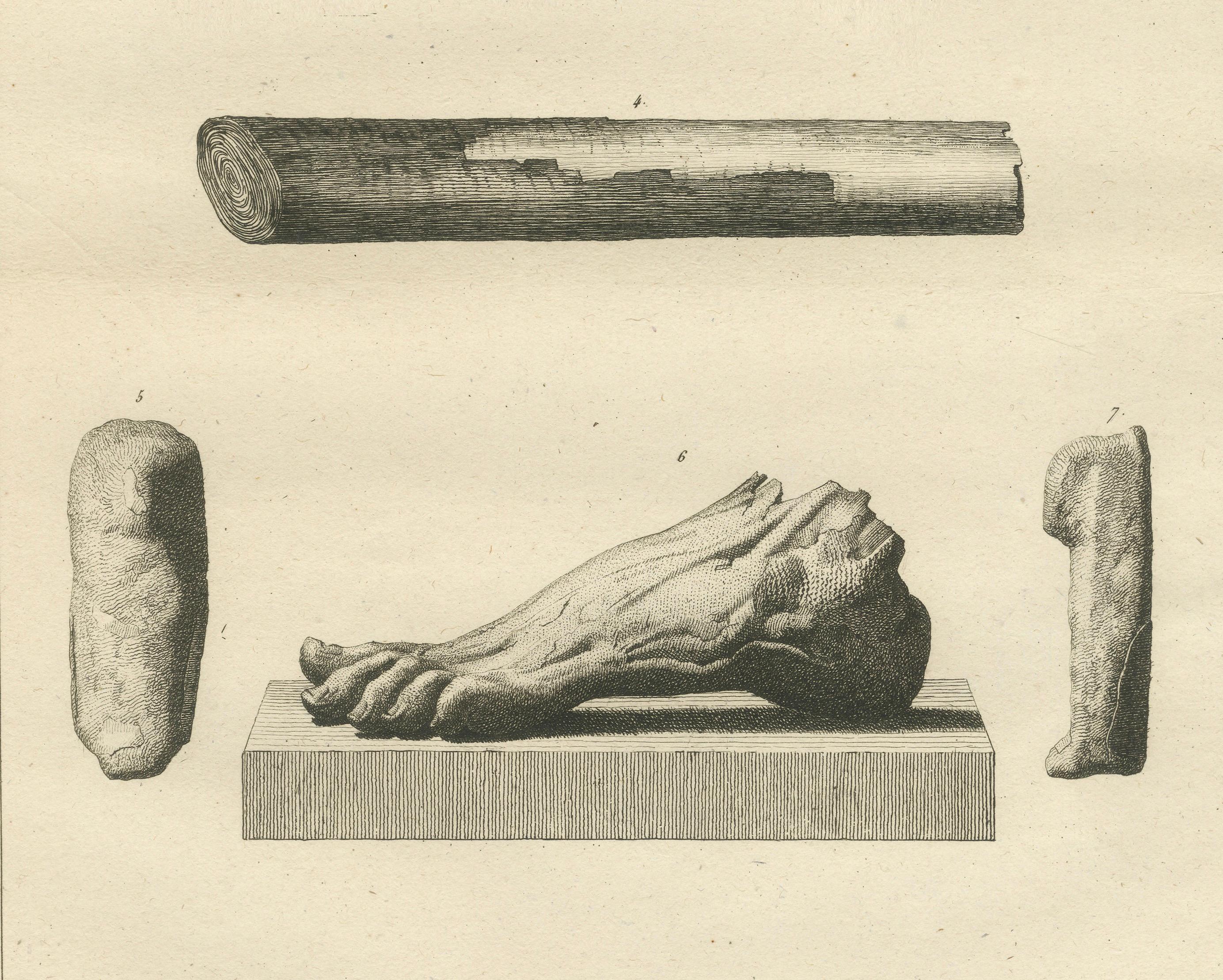
The first plate focuses on a broad typology of artefacts, including vessels, relief fragments, tools, carved heads, structural elements, and decorative textiles. Each object is rendered with clarity and restraint, arranged to allow direct visual comparison of form, proportion, and surface detail. The second plate complements this overview with a more sculptural emphasis, featuring carved fragments, circular reliefs, a prominent sculpted foot, and additional architectural and material elements. Together, the two sheets read as a coherent museum-like presentation rather than isolated images.
These engravings originate from an important early Egyptological publication produced in the aftermath of the French expedition to Egypt, a period that marked the transition from antiquarian curiosity to systematic archaeological documentation. Artists and scholars associated with this movement sought to record artefacts accurately, presenting them as evidence within a broader historical and cultural framework. The pairing of these two plates closely reflects that original intent, offering both breadth and focus.
Visually, the plates are restrained and analytical, with fine line engraving and generous surrounding margins. When framed as a pair, they create a calm, intellectual presence, well suited to libraries, studies, academic interiors, or contemporary spaces that value subtle, content-rich works on paper. The set appeals particularly to collectors of early Egyptology, archaeology, and the history of travel and exploration, as well as to interior designers seeking a curated rather than decorative statement.
Condition: Two original antique engravings on laid paper. Light overall age toning and scattered spotting consistent with age. Both sheets retain wide margins. Plate marks faintly visible.
Framing tips: Best framed as a matching pair with wide off-white or pale stone-coloured mats. Dark walnut, ebonised, or black frames will enhance contrast and reinforce a museum-style presentation. Hanging side by side with equal spacing is recommended.
Technique: Engraving
Maker: After Dominique Vivant Denon, France, early 19th century