About this sheet
Yakut People in Traditional Attire, 1844 Handcolored Lithographs
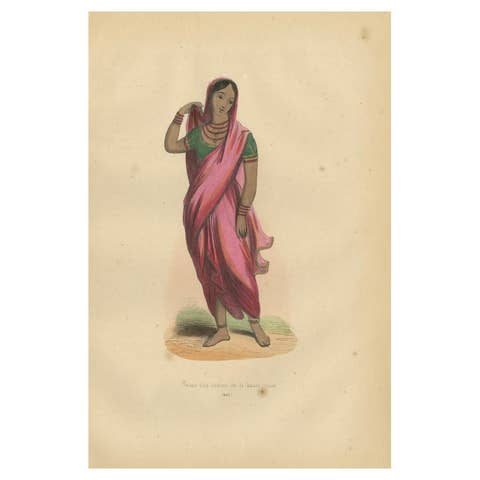
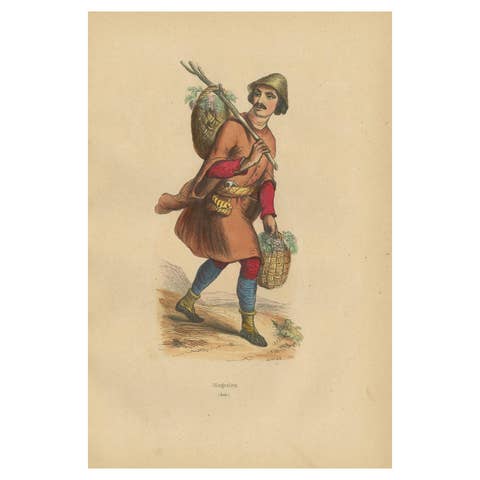
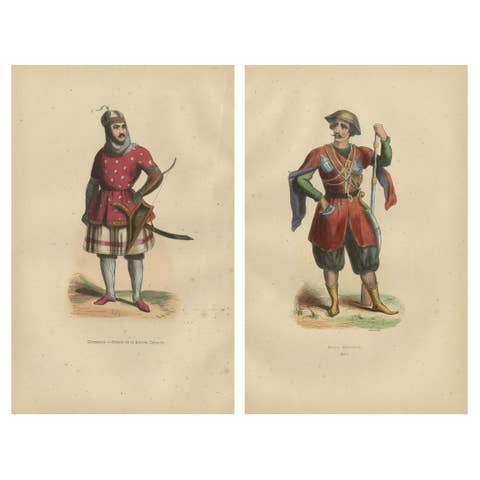
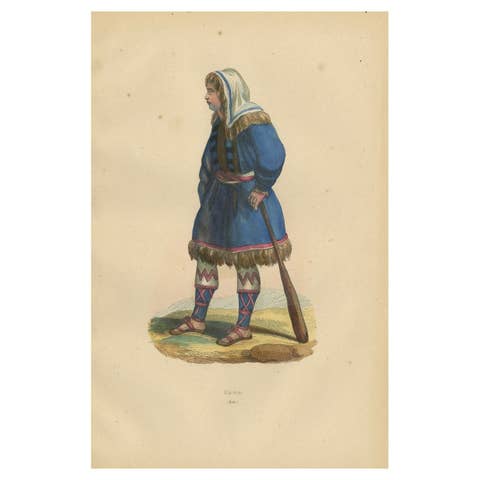
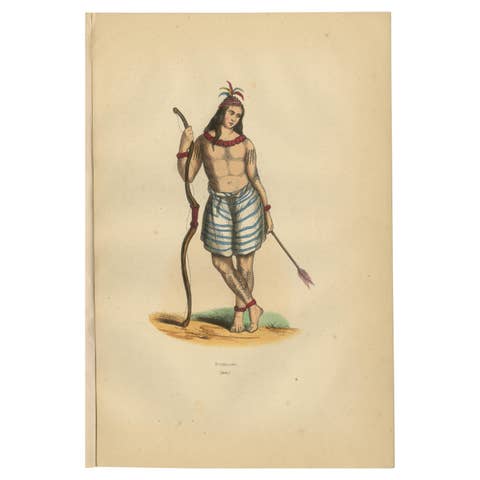
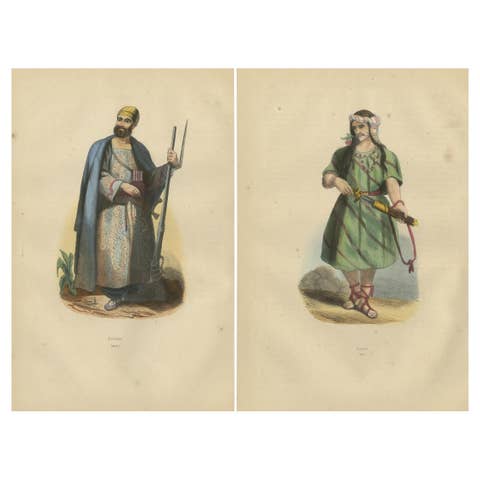
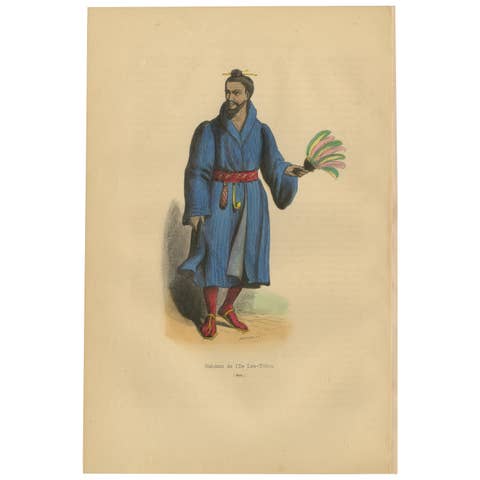
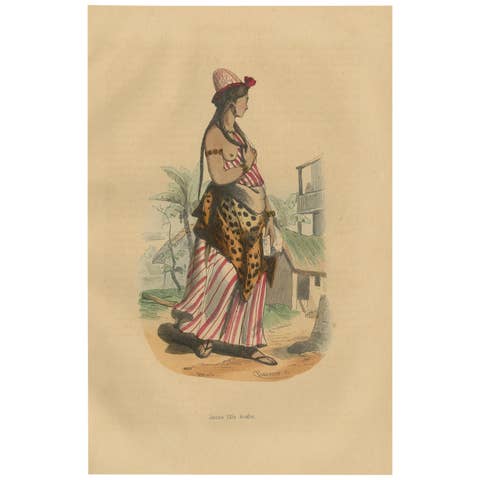
These 1844 handcolored lithographs feature individuals from the Yakut community, part of Auguste Wahlen's extensive series "Moeurs, Usages et Costumes de tous les Peuples de Monde."
Published in Paris, these prints vividly capture the traditional clothing and accessories of the Yakut people, an ethnic group primarily found in Siberia, Russia.
The Yakut people, also known as the Sakha, have a rich cultural heritage deeply intertwined with the extreme environment of Siberia.
1. Clothing for Extreme Cold: The traditional clothing worn by the Yakut in the prints is highly functional, designed to withstand the subarctic climate of Siberia. It often includes layers of fur and intricate decorations, which serve both practical and aesthetic purposes.
2. Spiritual Beliefs: The Yakut have a strong connection to animism and shamanism, which is reflected in their cultural practices and sometimes in their attire, which may include symbolic motifs and amulets meant to offer protection or spiritual power.
3. Horse Culture: The Yakut are renowned for their horse breeding, and the horse holds a significant place in their society. This is not directly depicted in these prints but is a central aspect of their lifestyle, impacting their transport, food, and social rituals.
4. Economic Adaptations: Traditionally, the Yakut engaged in cattle and horse breeding, hunting, and fishing. Their economic practices are adapted to the cyclic seasons of the Arctic, demonstrating a deep understanding of local ecology.
5. Language and Art: The Yakut language belongs to the Turkic group of languages, and it has preserved many ancient Turkic elements. Their folklore is rich with epic poetry and music, which often features traditional instruments that are unique to their culture.
6. Ysyakh Festival: One of the most significant cultural events for the Yakut is the Ysyakh festival, held in June during the summer solstice. It includes a variety of rituals, dances, games, and singing, celebrating renewal and fertility. The attire during this festival is especially ornate and symbolic.
These aspects make the Yakut an intriguing subject for ethnographic study and artistic representation, as their way of life and adaptations to one of the harshest climates on Earth are both unique and fascinating.
The detailed artwork highlights their unique cultural attire, including fur garments and ornamental headdresses, which are essential for survival in the harsh Siberian climate.
The prints are striking for their vibrant use of color and meticulous attention to detail, which bring to life the intricate patterns and designs of Yakut clothing. The use of handcolored lithography allows for a vivid portrayal of textures and colors, enhancing the visual appeal and the ethnographic accuracy of the representations.