Scenes from 17th Century Chile: A Glimpse of Early Indigenous Cultures, 1673
€ 450
One of a kind: this is the sheet in the photographs. Ships from Langweer, the Netherlands.
Date
1673
Sheet size
31 × 19 cm (12.2 × 7.5 in)
Condition
Good
Reference
BG-13596-32
Condition
Expected age-related tonality changes and potential marginal foxing. The paper shows signs of handling, such as soft creases and wear along left edge. Please study the image carefully.
About this sheet
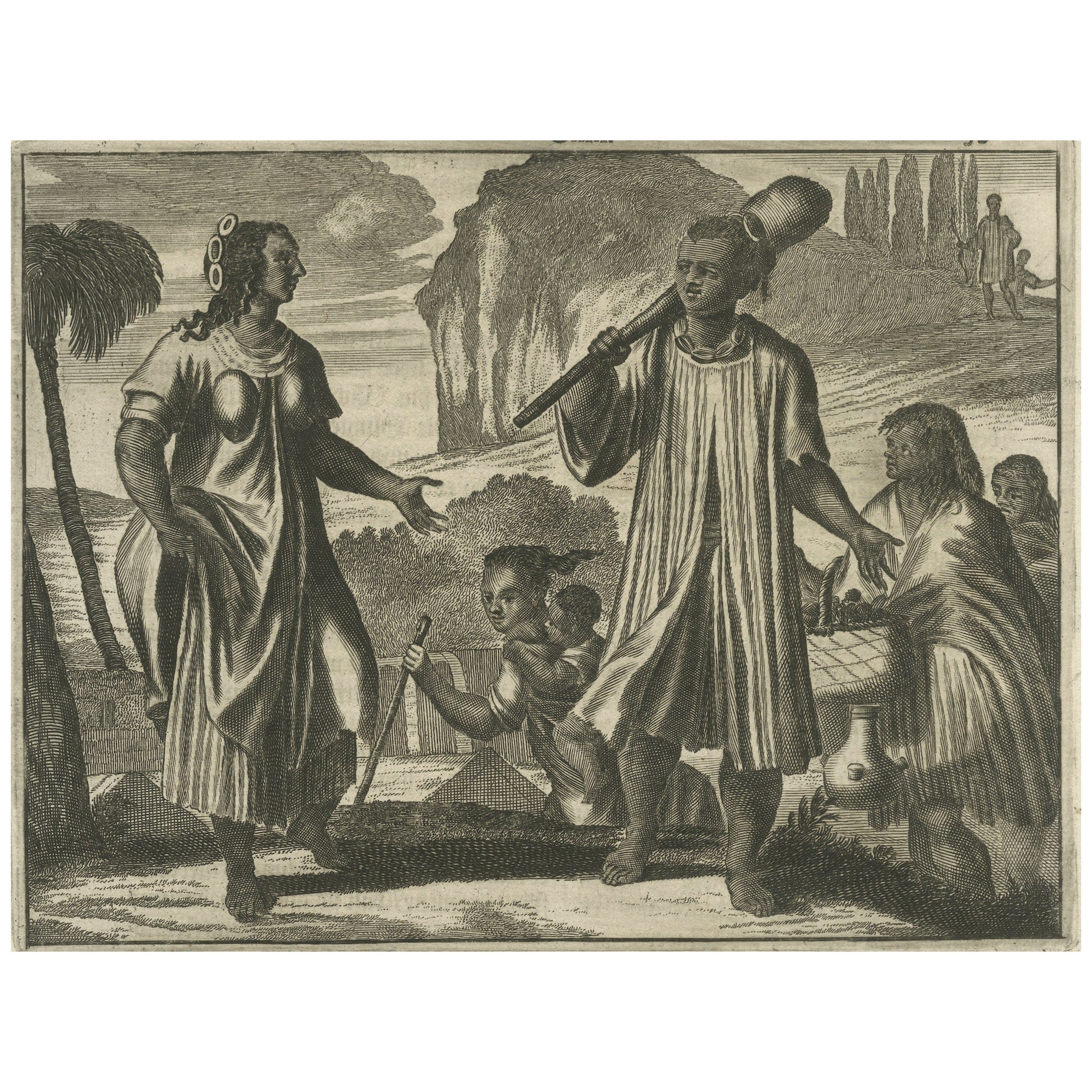
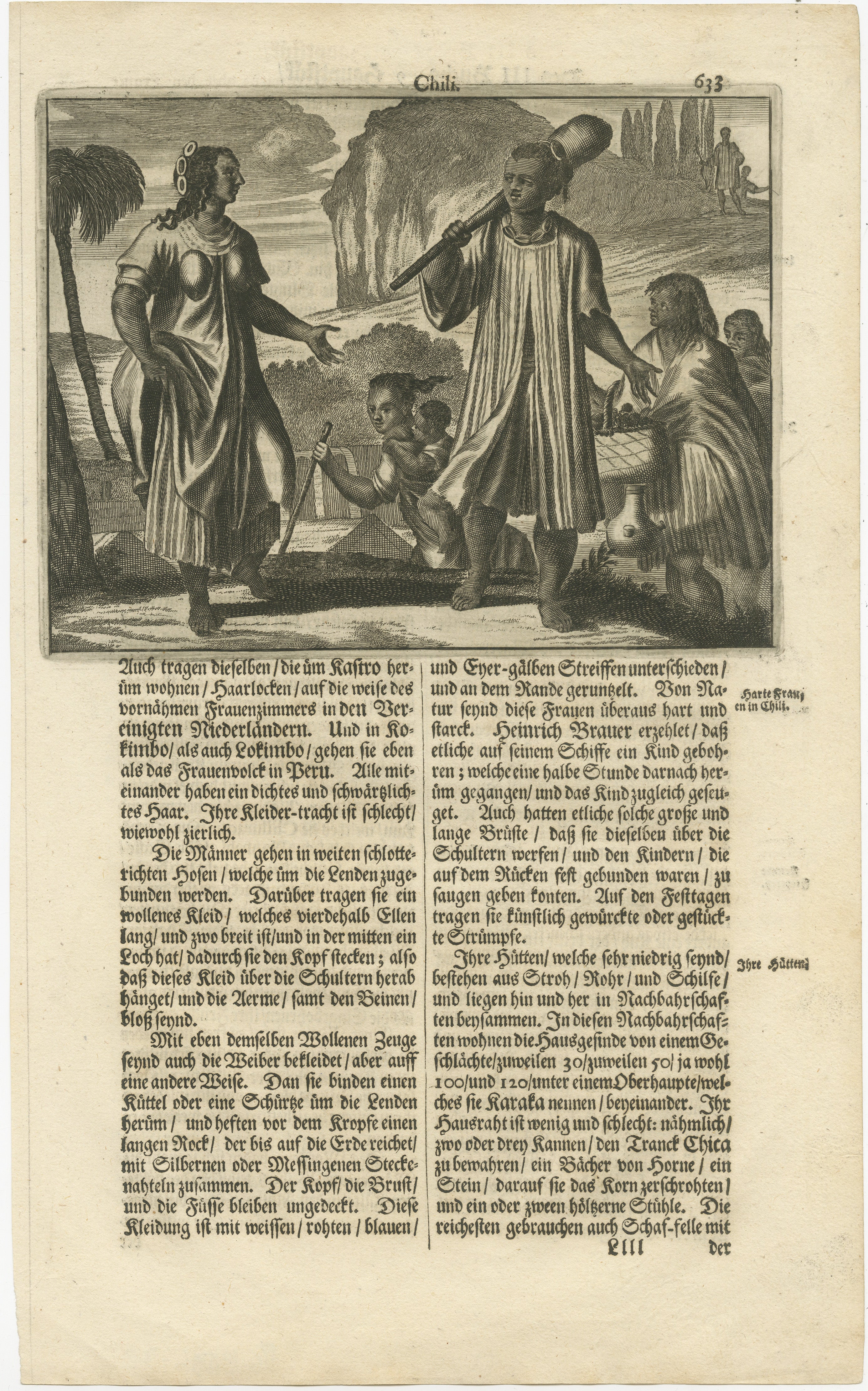
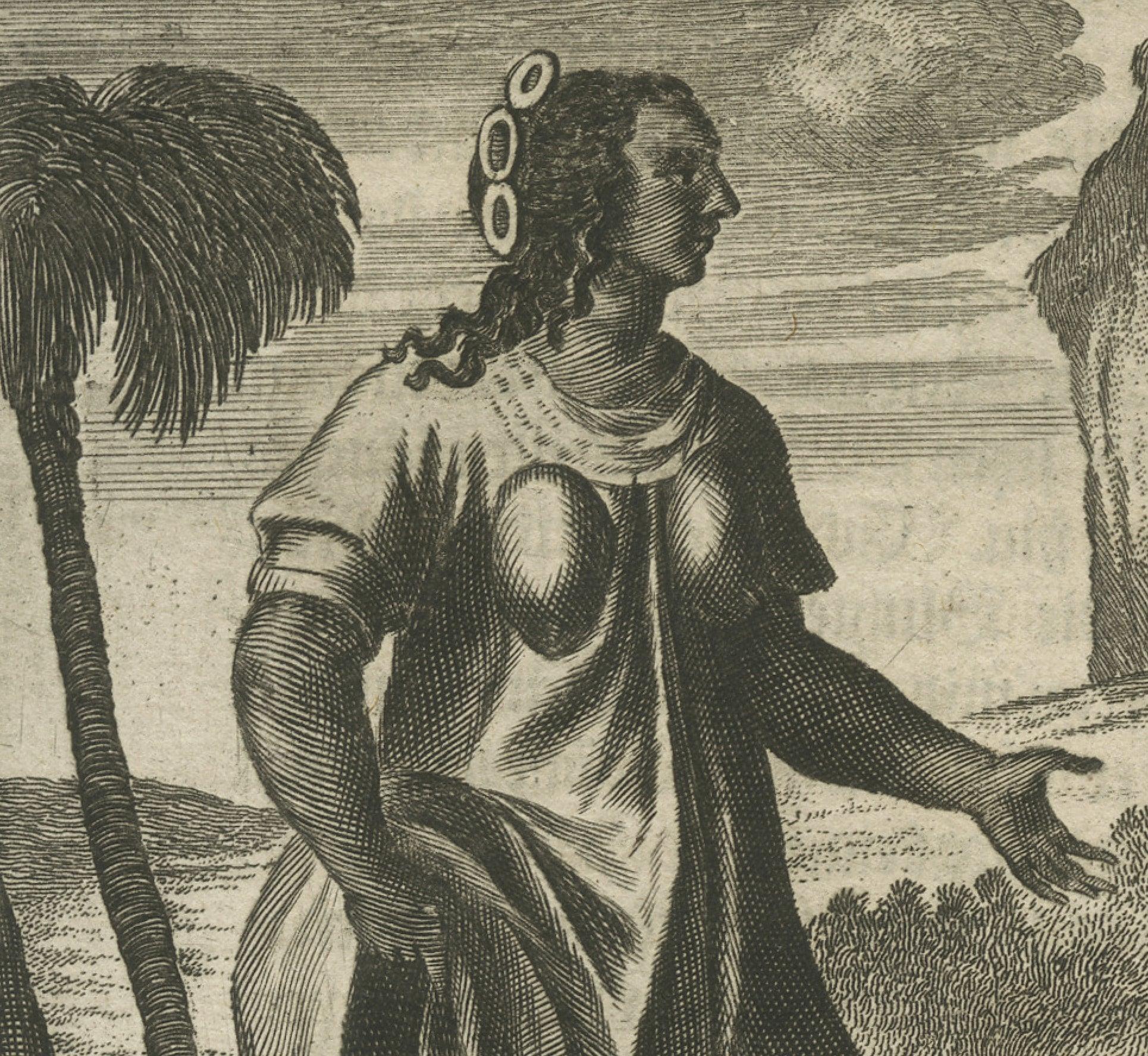
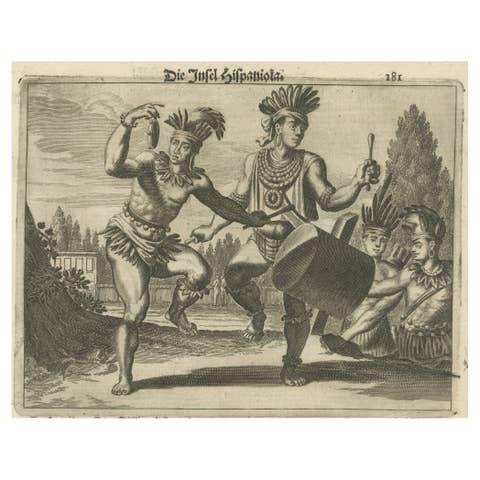
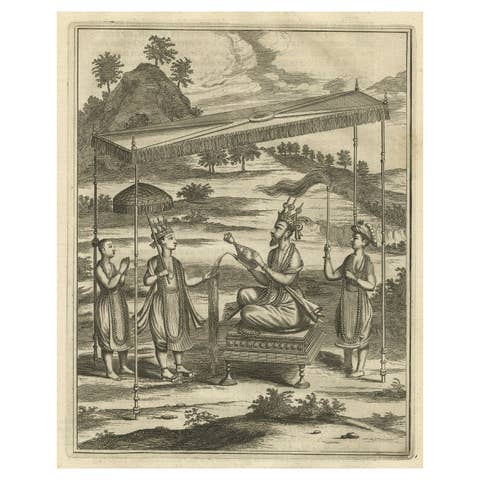
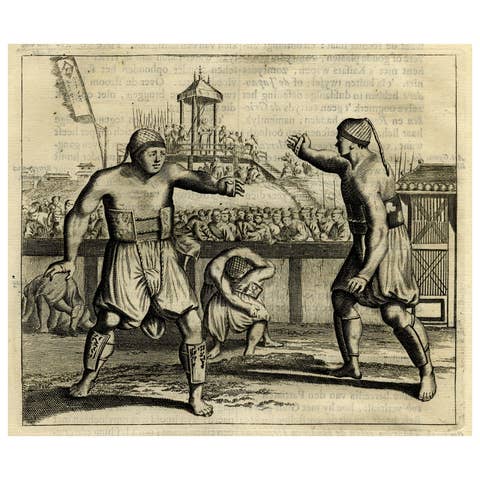
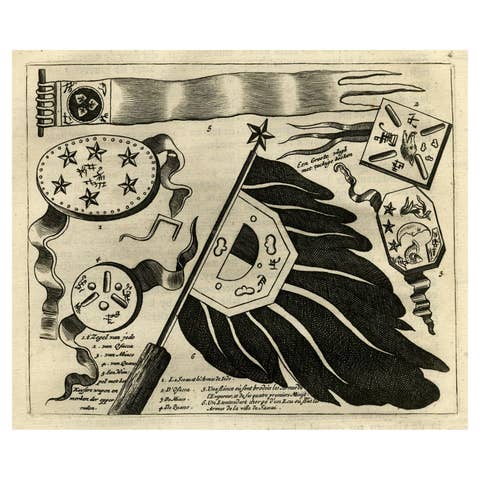
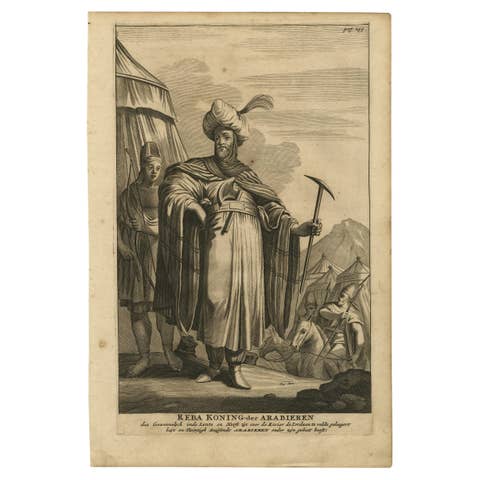
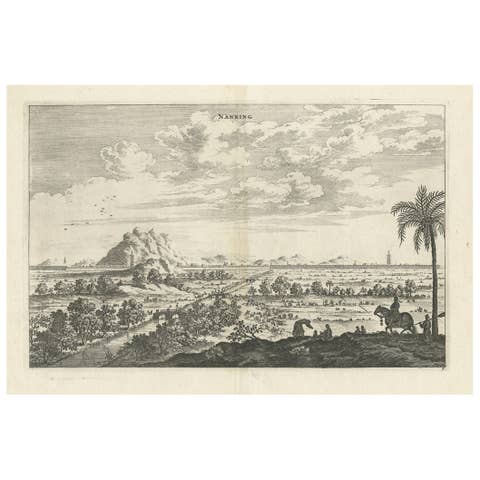
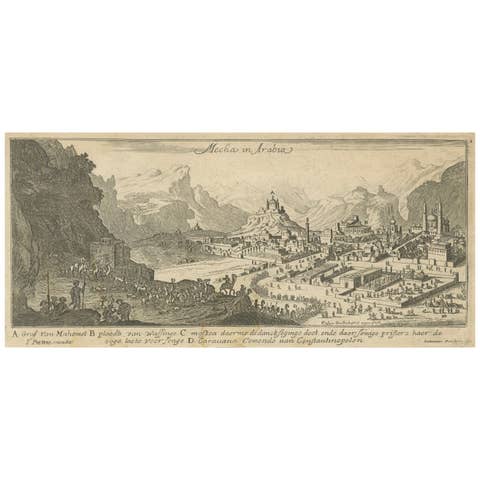
The image is a historical copper engraving from 1673, taken from the German edition of Arnoldus Montanus' work, which is known for its depiction of the Americas and the Southern lands. It illustrates the cultural diversity of the New World with a series of figures in various attire, representing the indigenous peoples and possibly early European settlers or explorers.
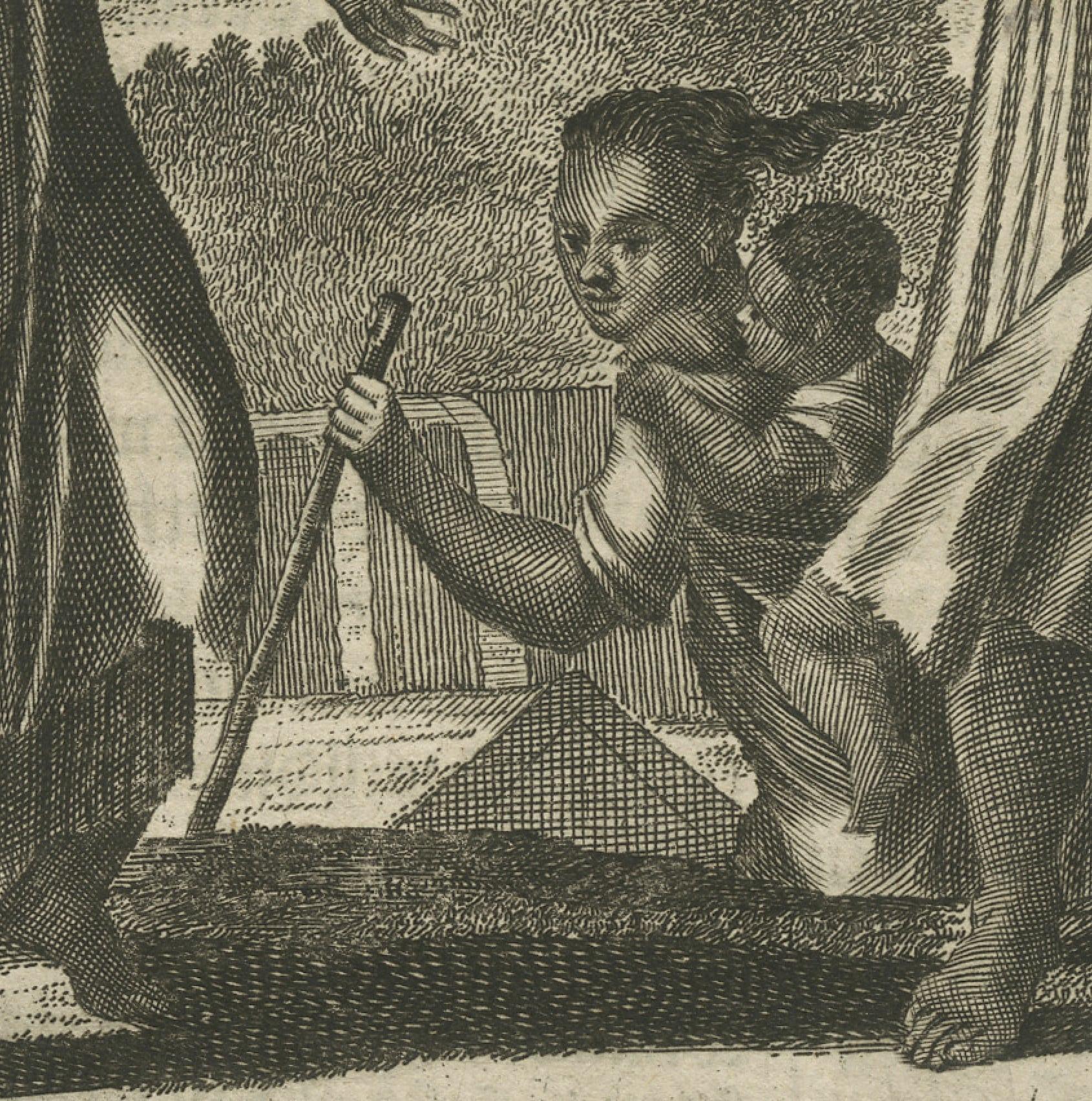
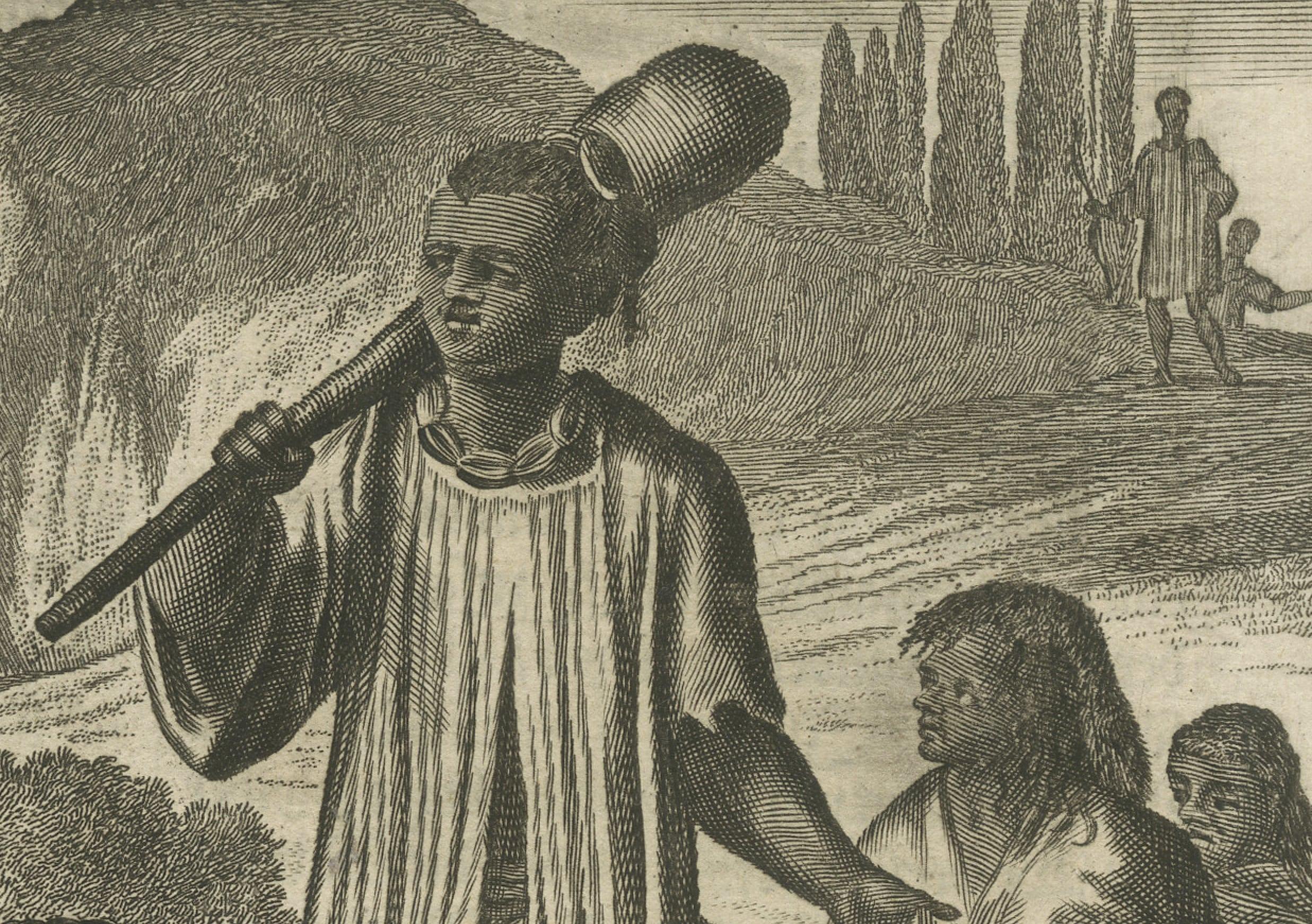
The background shows a landscape that could be indicative of the natural environment of the region at that time. The attire of the figures and the items they carry or wear would be of particular interest to historians, as these details provide insights into the daily lives, social structures, and economies of the depicted cultures. The title of this original copper engraving, which indicates that these individuals are from Chile (referred to as "Chili" in the text), suggests that it is intended to depict scenes from that specific region of South America. The engraving is likely to illustrate the attire, customs, and daily activities of the indigenous peoples of Chile and possibly interactions with European explorers or settlers, typical of the period it was created.
The detailed attire and objects carried by the figures would be reflective of the cultural practices and the environment of Chile in the 17th century. The text accompanying the image would typically provide further explanation and context, enhancing the viewer's understanding of the depicted scene and its cultural significance.
Condition Report: The print is a fine example of 17th-century copperplate engraving, published by Jacob Meurs in Amsterdam in 1673. Considering its age, the page appears to be in good condition. It has some signs of aging such as foxing, discoloration, or edge wear or loss typical of paper artifacts of this period. The integrity of the image and text seems to be intact, with no significant tears or losses to the central depiction, making it a valuable piece for collectors of early American historical prints.