About this sheet
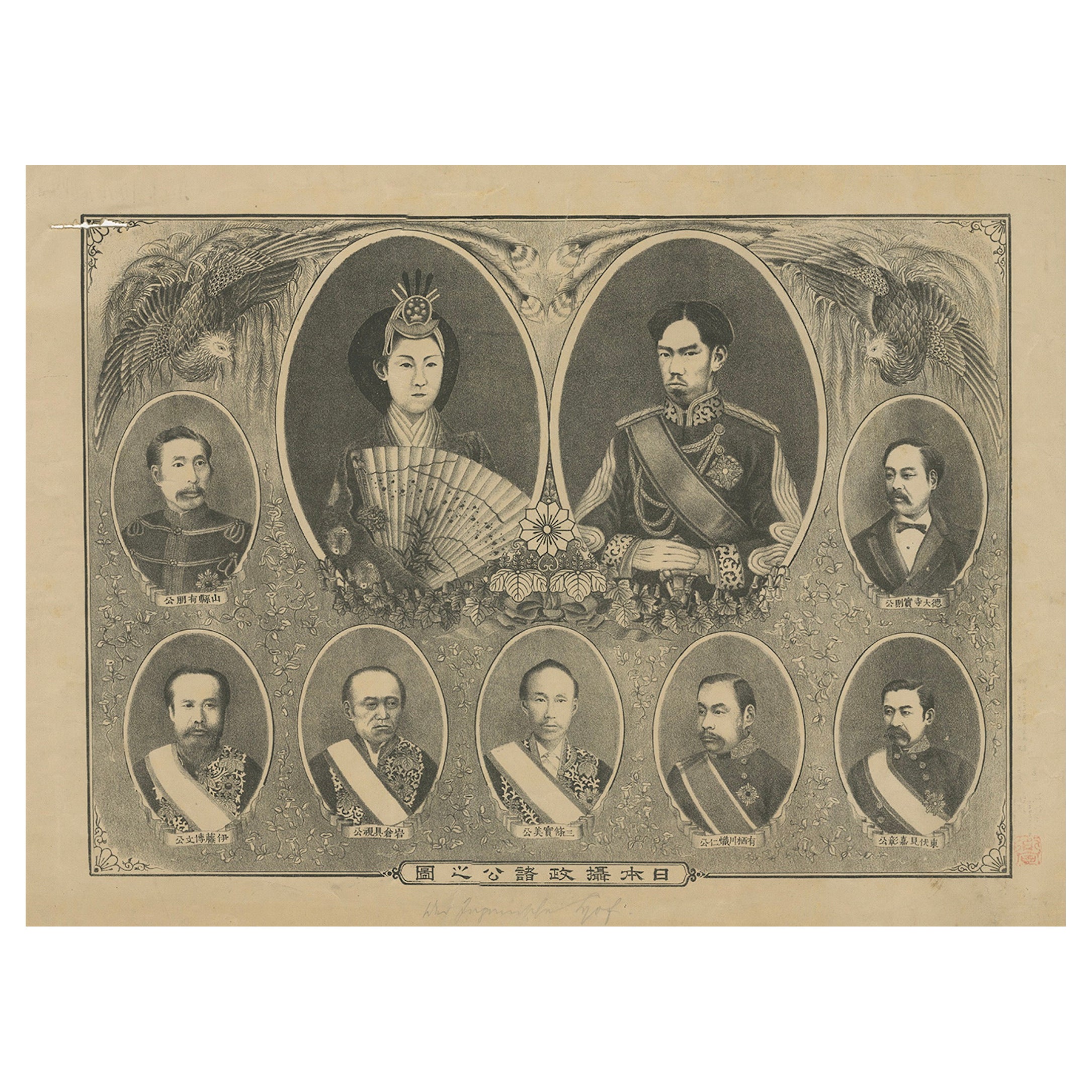
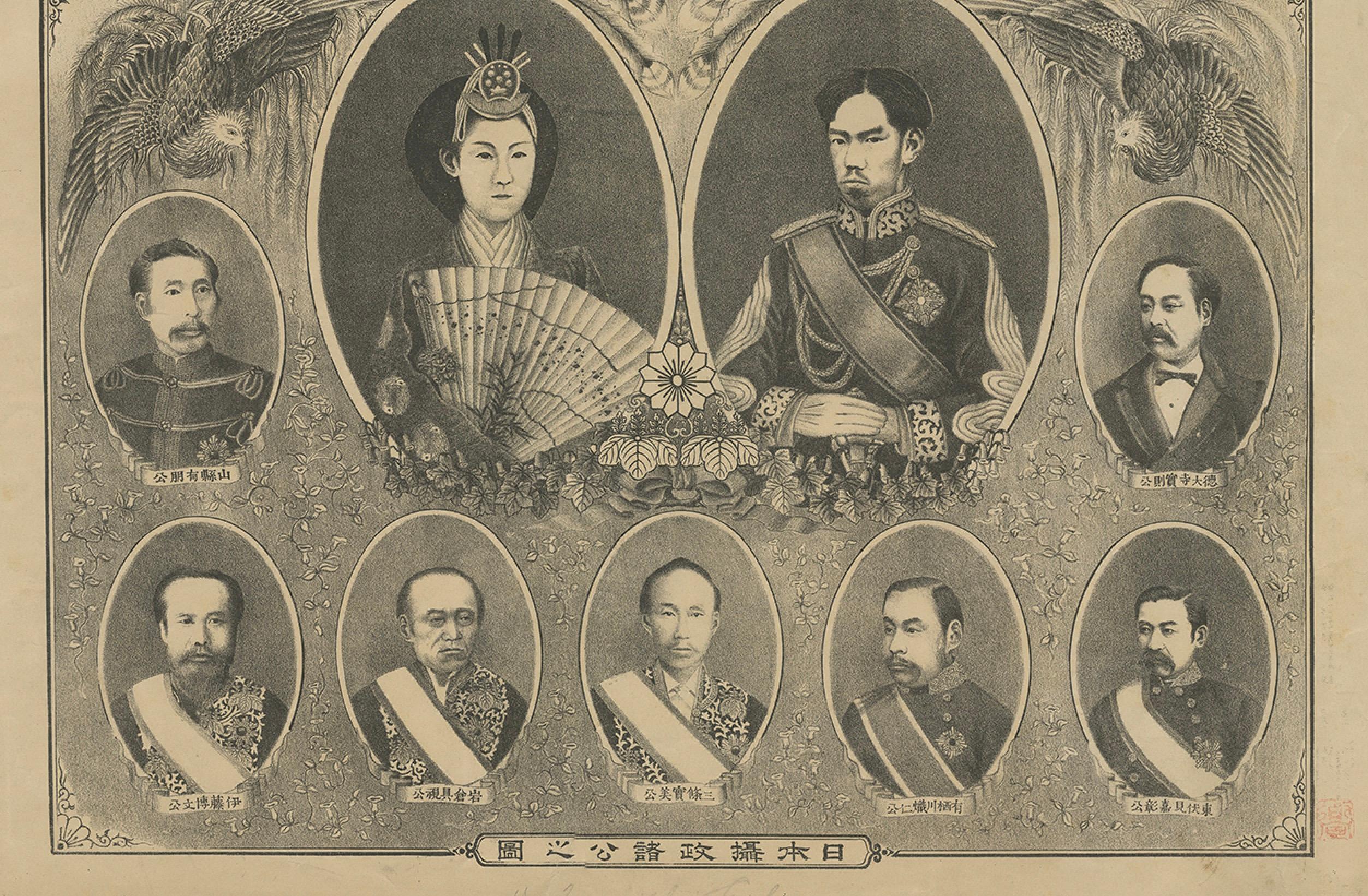
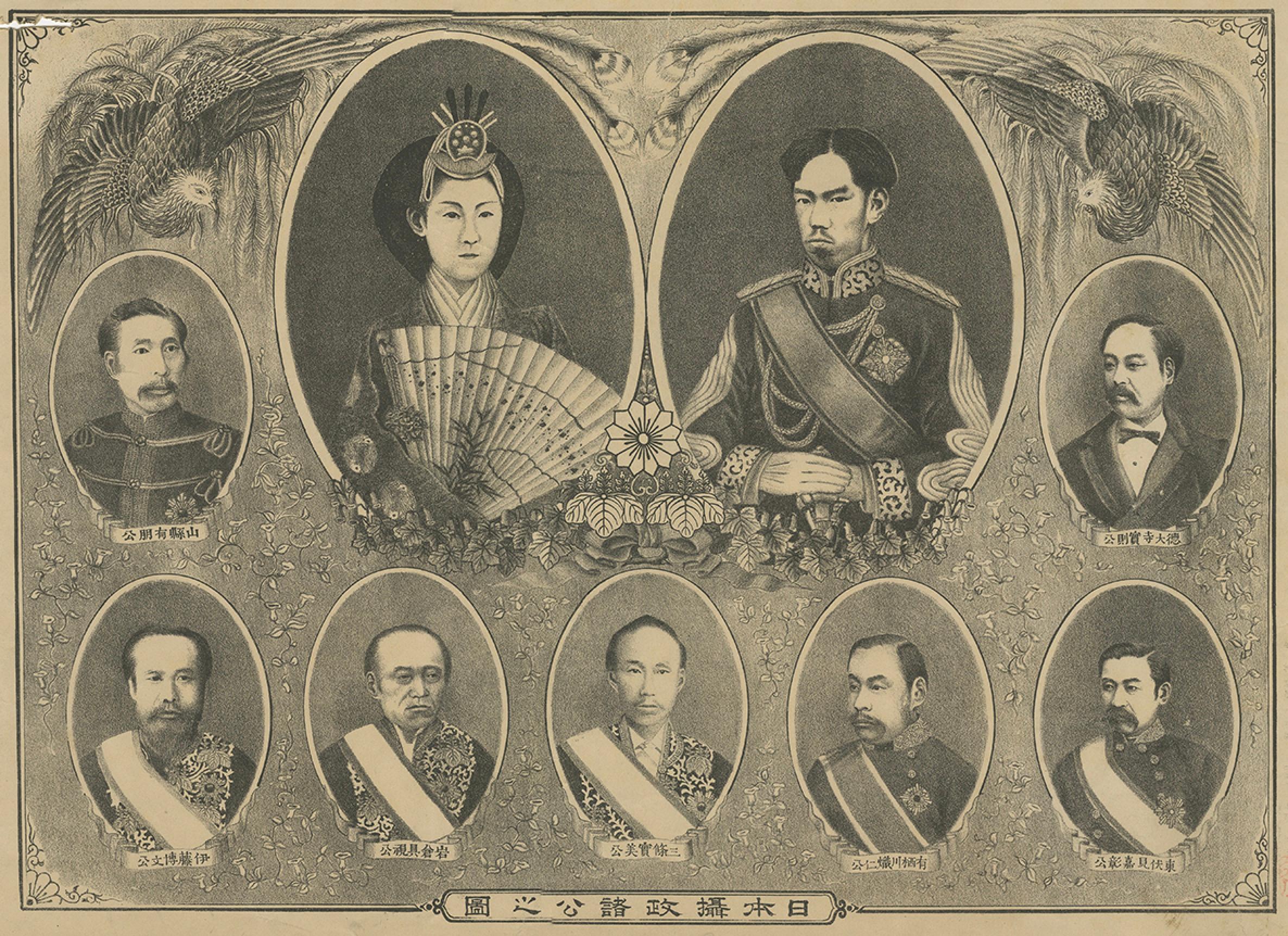
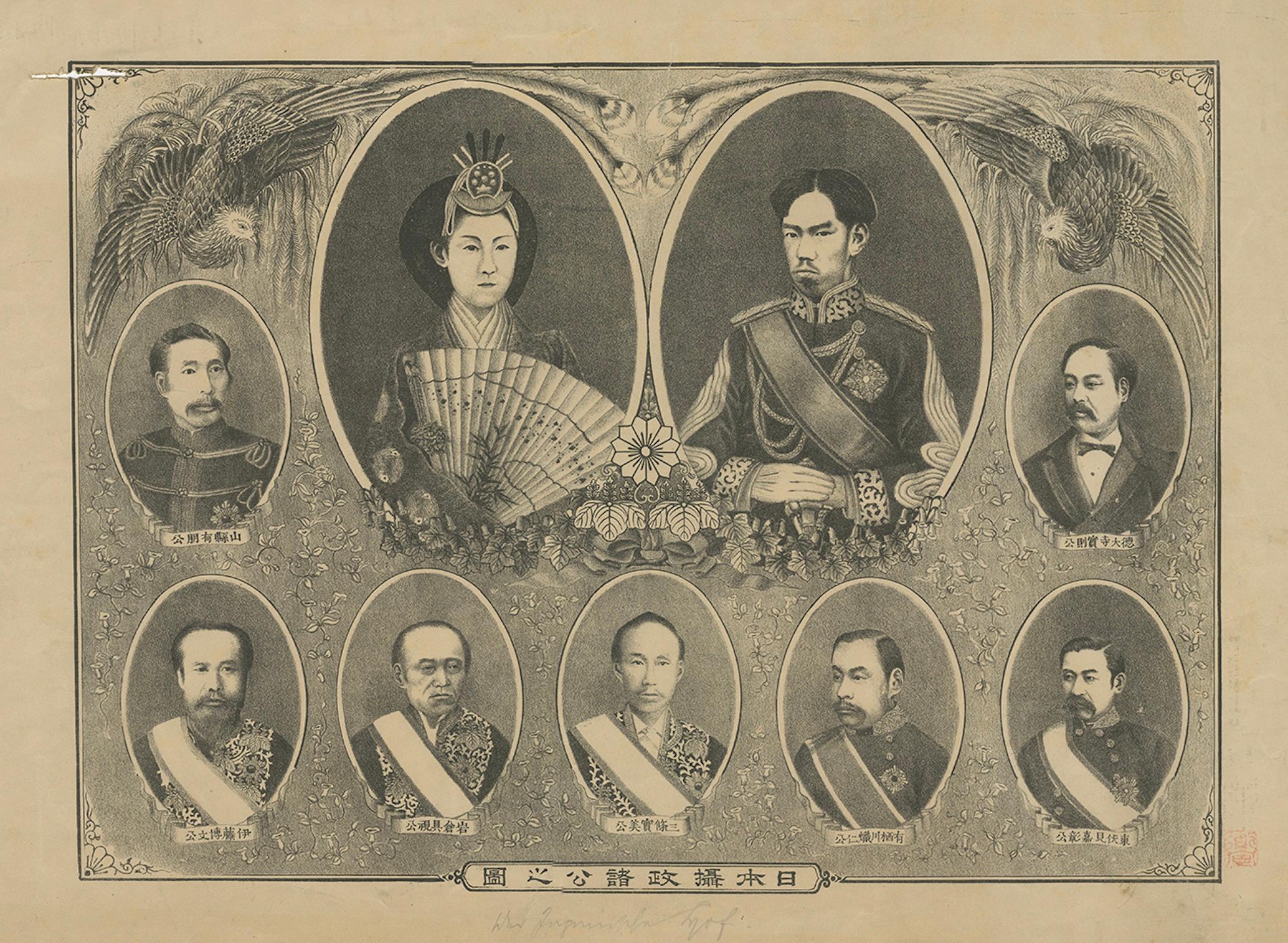
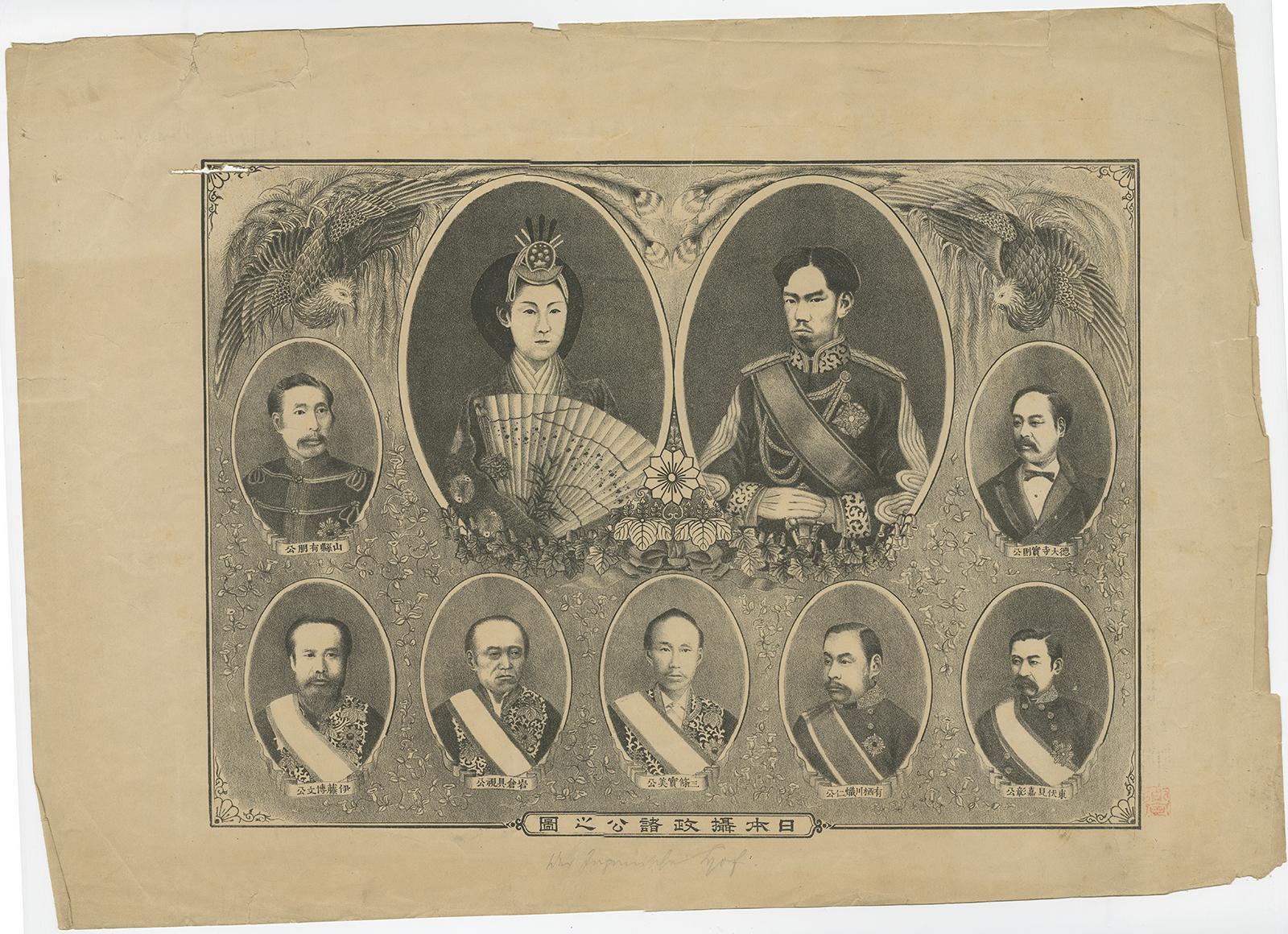
This lithograph depicts a series of portraits of key figures from the Japanese Meiji period (1868–1912), likely including the Emperor and Empress alongside prominent political and military leaders of the time.
Key Figures:
1. Central Portraits:
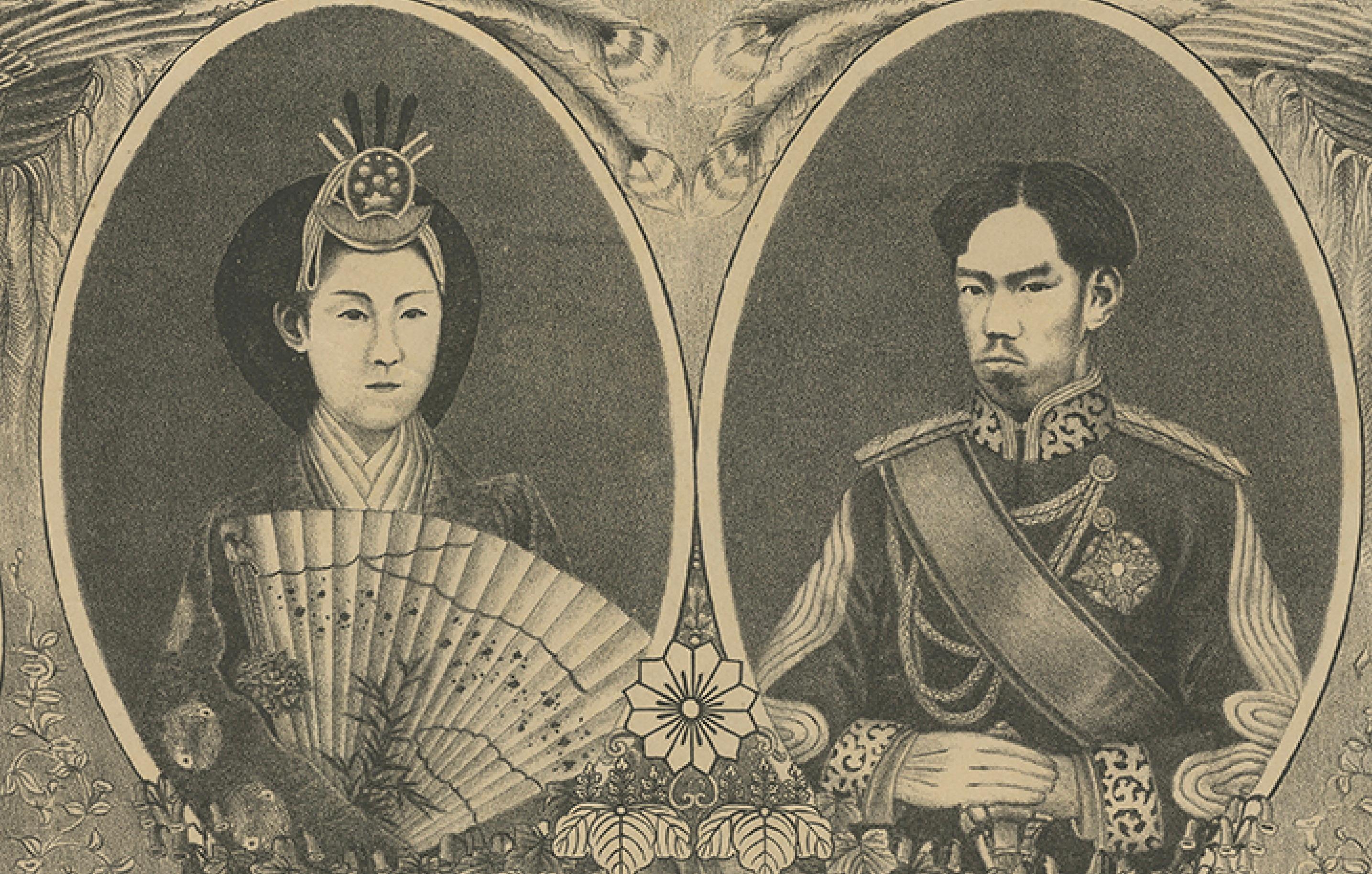
- The portrait on the right represents Emperor Meiji (1852–1912), who led Japan through a period of major modernization and transformation.
- The portrait on the left is Empress Shōken (1849–1914), known for her involvement in social reforms and philanthropy during the Meiji era. She is depicted holding a traditional Japanese fan, symbolizing grace and nobility.
2. Surrounding Figures:
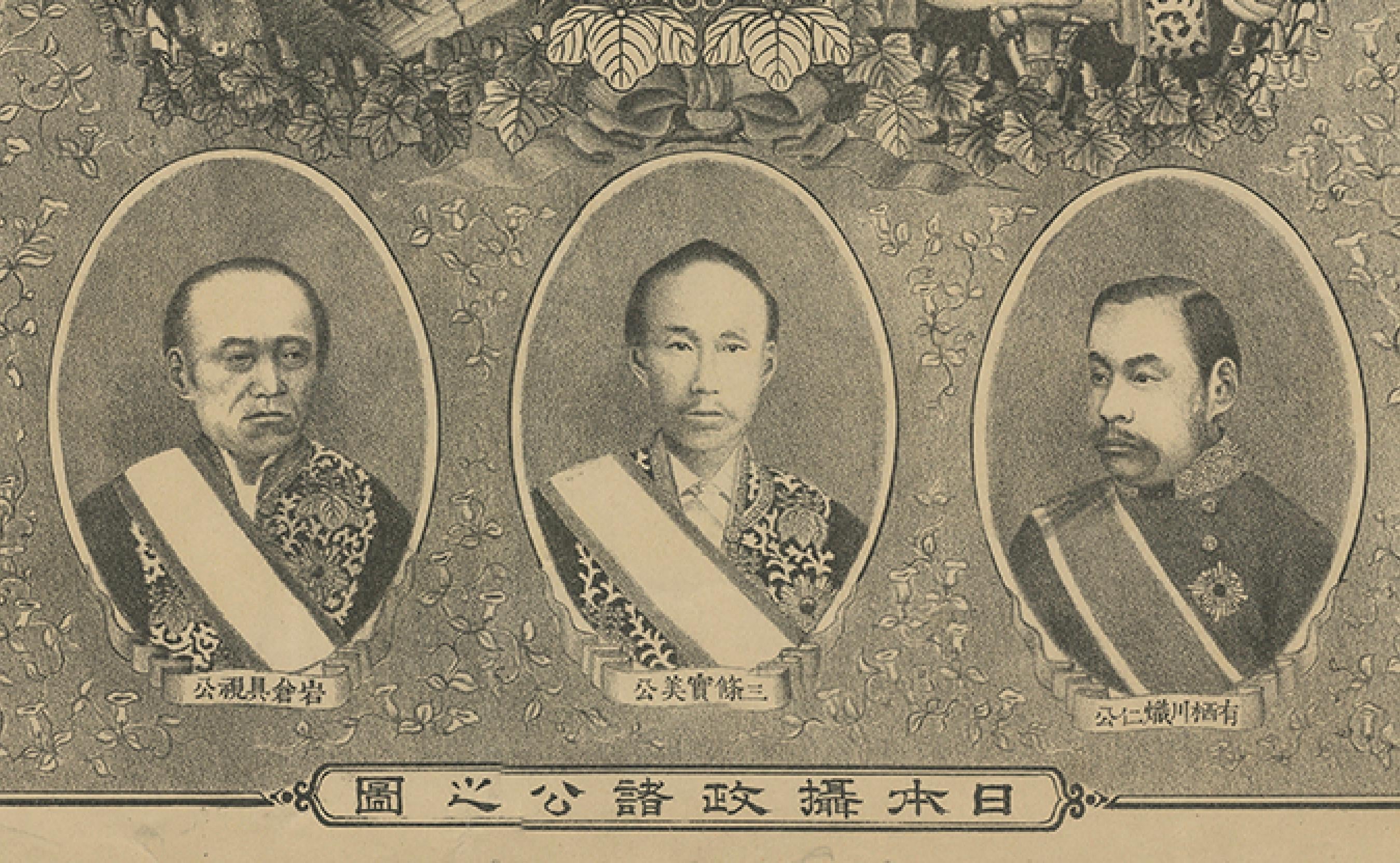
- The smaller oval portraits feature notable political and military leaders, possibly including ministers, generals, or influential figures who were part of Japan's modernization efforts. Each portrait is labeled with the person's title, though the resolution makes it challenging to read the names clearly. These individuals likely played key roles in government, foreign policy, or military strategy during the Meiji Restoration.
3. Floral and Symbolic Imagery:
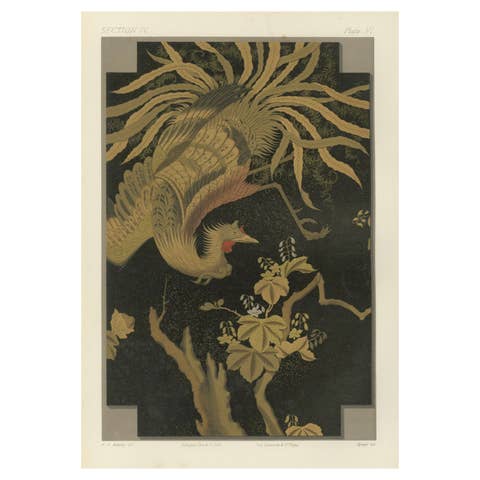
- The portrait of the Emperor and Empress is framed by symbolic images, such as flowers and birds, which were often used to represent peace, prosperity, and the divine nature of the monarchy in Japan. The birds, likely phoenixes, symbolize renewal and strength, reflecting Japan’s rebirth as a modern nation during the Meiji period.
Translation of Text:
The text at the bottom reads:
日来諸政繋図
This can be translated as: "Illustration of Various Japanese Leaders."
This lithograph highlights the key figures who helped shape Japan’s transition into a modernized nation, making it a valuable historical artifact from the Meiji period. Despite some signs of wear and tear, the composition and fine details reflect the importance of these leaders in Japanese history.
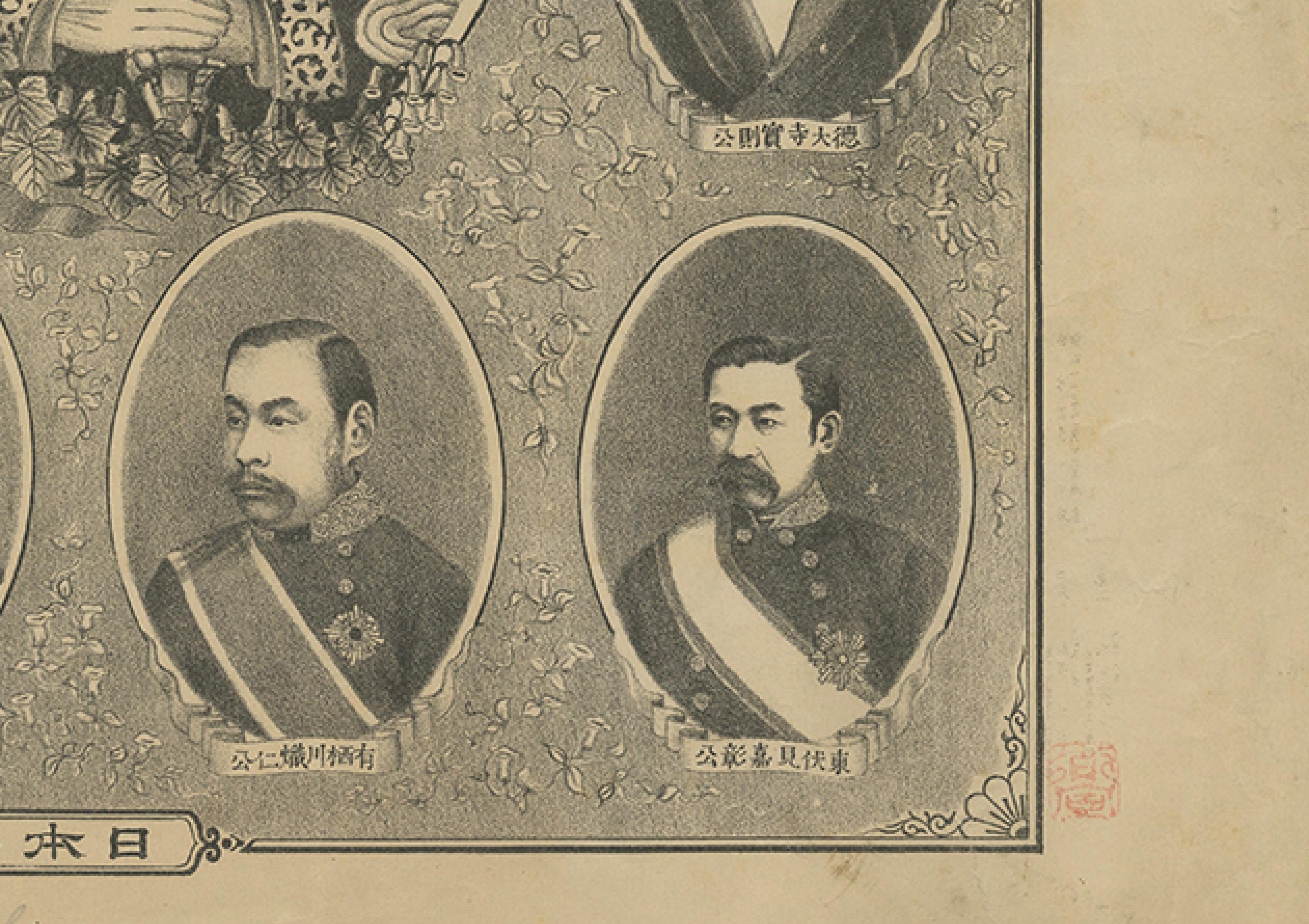
Here is the translation of the names in the oval portraits at the bottom on the right of the lithograph:
- Left Oval: 公仁南薩川
Translation: "Kawamura Kōnin" (likely referring to a noble or official figure from Satsuma, as 南薩 refers to "South Satsuma," a prominent domain in Japan).
- Right Oval: 公彰嘉見東
Translation: "Tokugawa Yoshinobu" (the final Shogun of the Tokugawa Shogunate, who played a pivotal role in the transition of Japan from feudal rule to modern governance during the Meiji Restoration).
Red Stamp:
The red stamp seen on the lower right of the lithograph is likely a "hanko" or "seal", which was commonly used in Japan to authenticate documents, artworks, or official items. These seals are usually personal or institutional identifiers that serve as signatures. In this case, it may belong to the publisher or artist who produced the lithograph, confirming its authenticity.
Hanko stamps in historical artwork often add value and historical significance, as they provide a record of who was responsible for creating or endorsing the work. If this print was part of a formal publication or created under official patronage, the seal might also connect it to a government office or noble family.