About this sheet
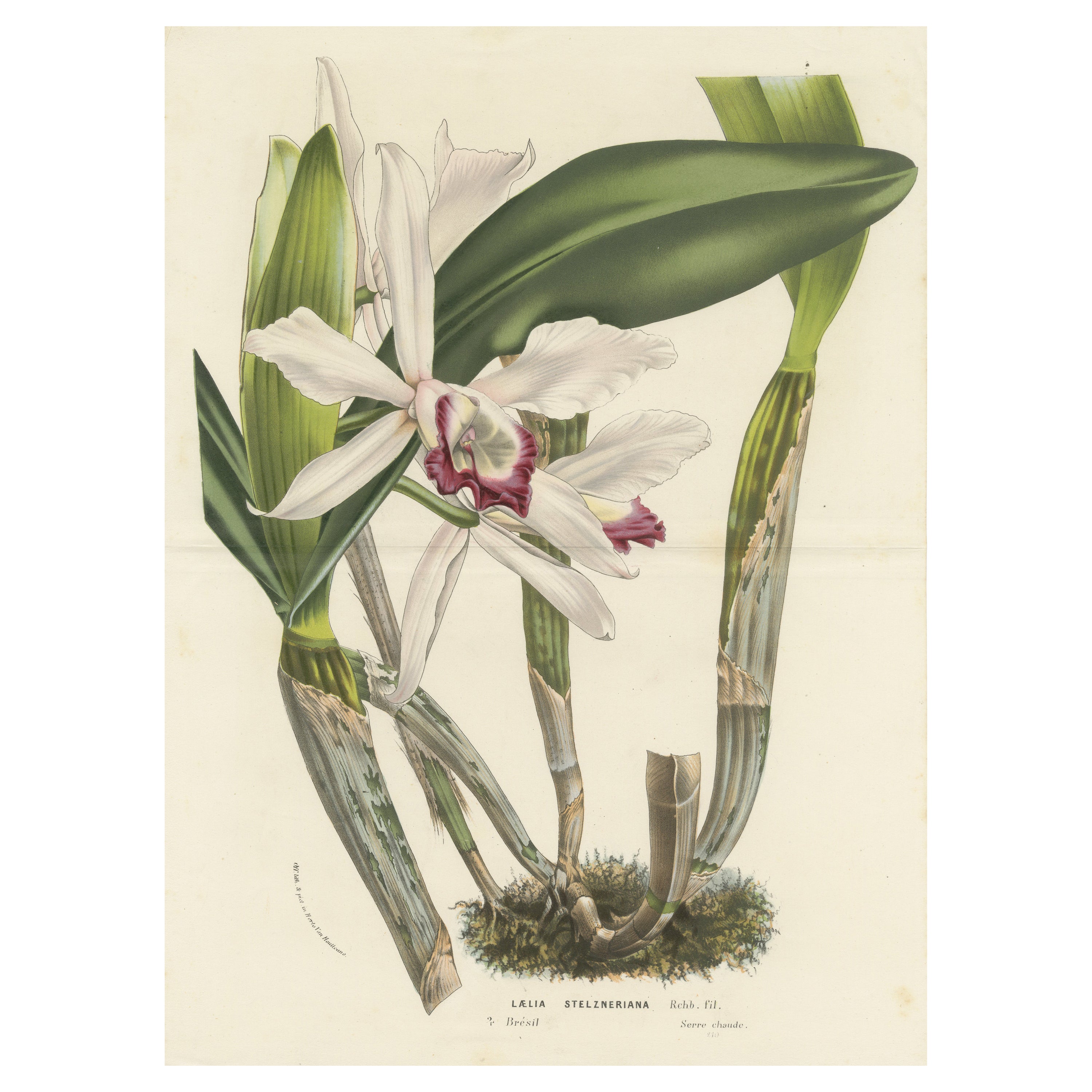
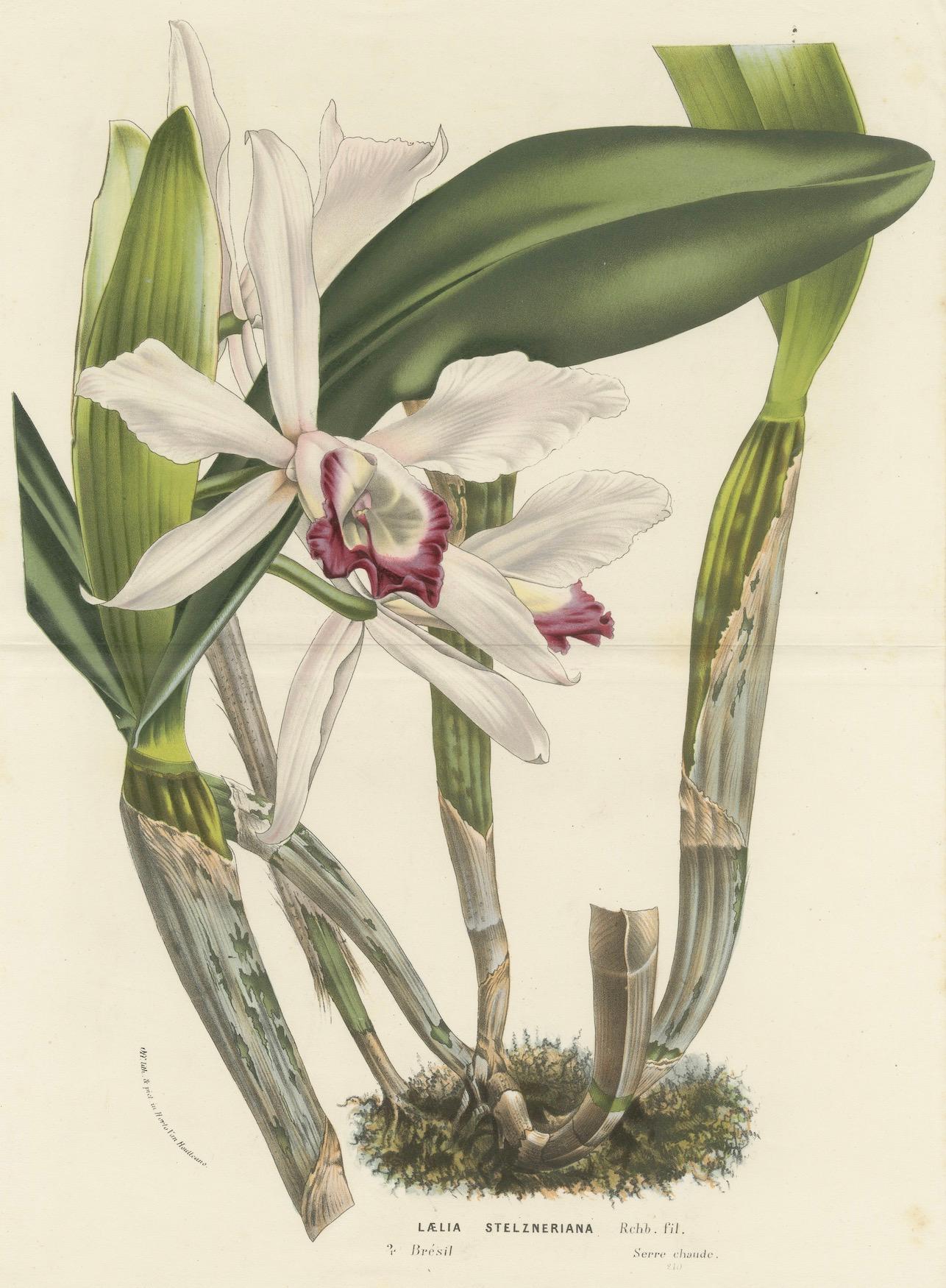
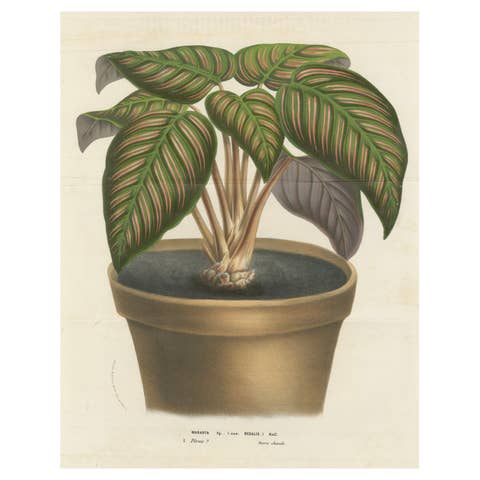
This hand-colored lithograph features *Laelia stelzneriana*, an orchid native to Brazil, and is part of Louis van Houtte’s *Flore des Serres et des Jardins de l'Europe*, published between 1854 and 1855.
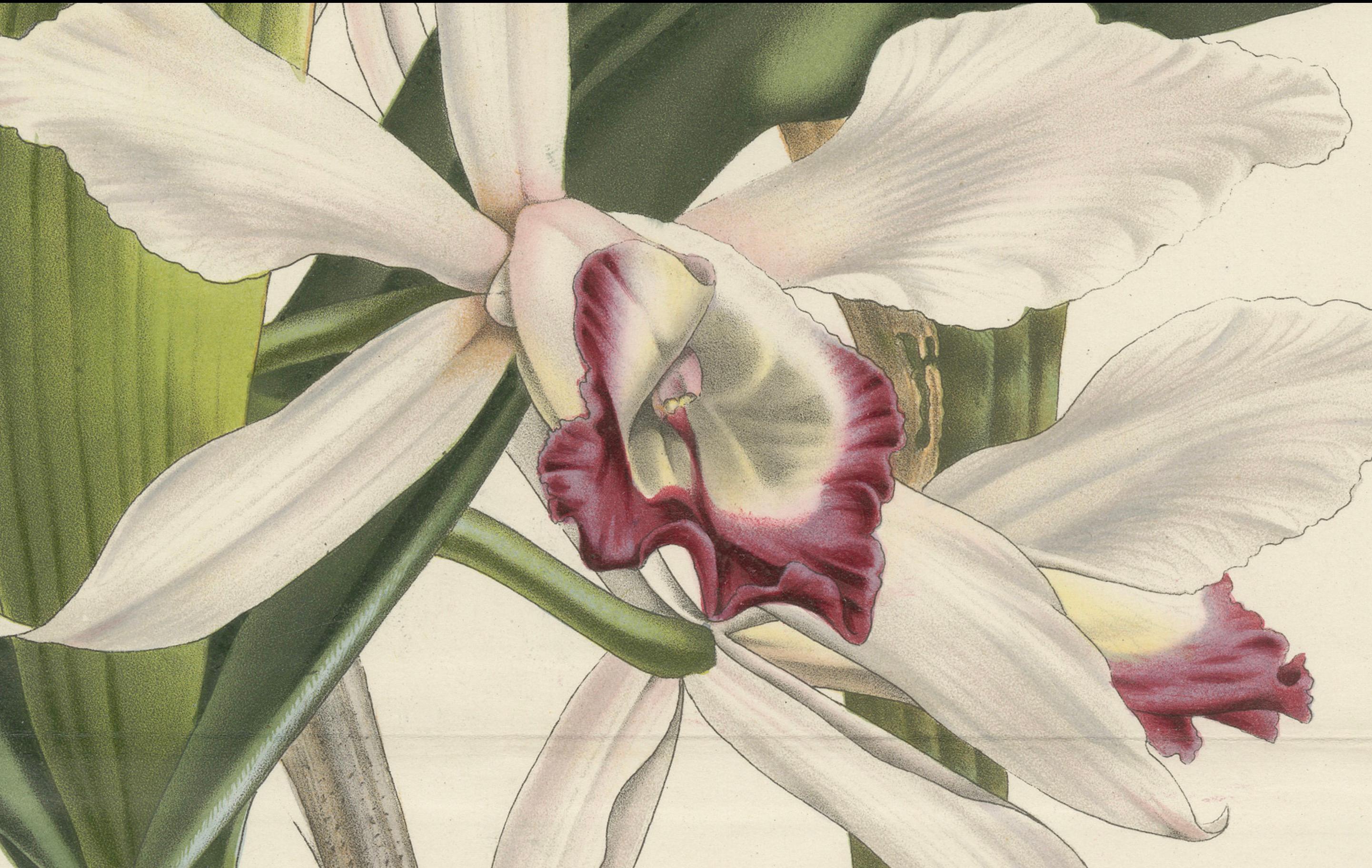
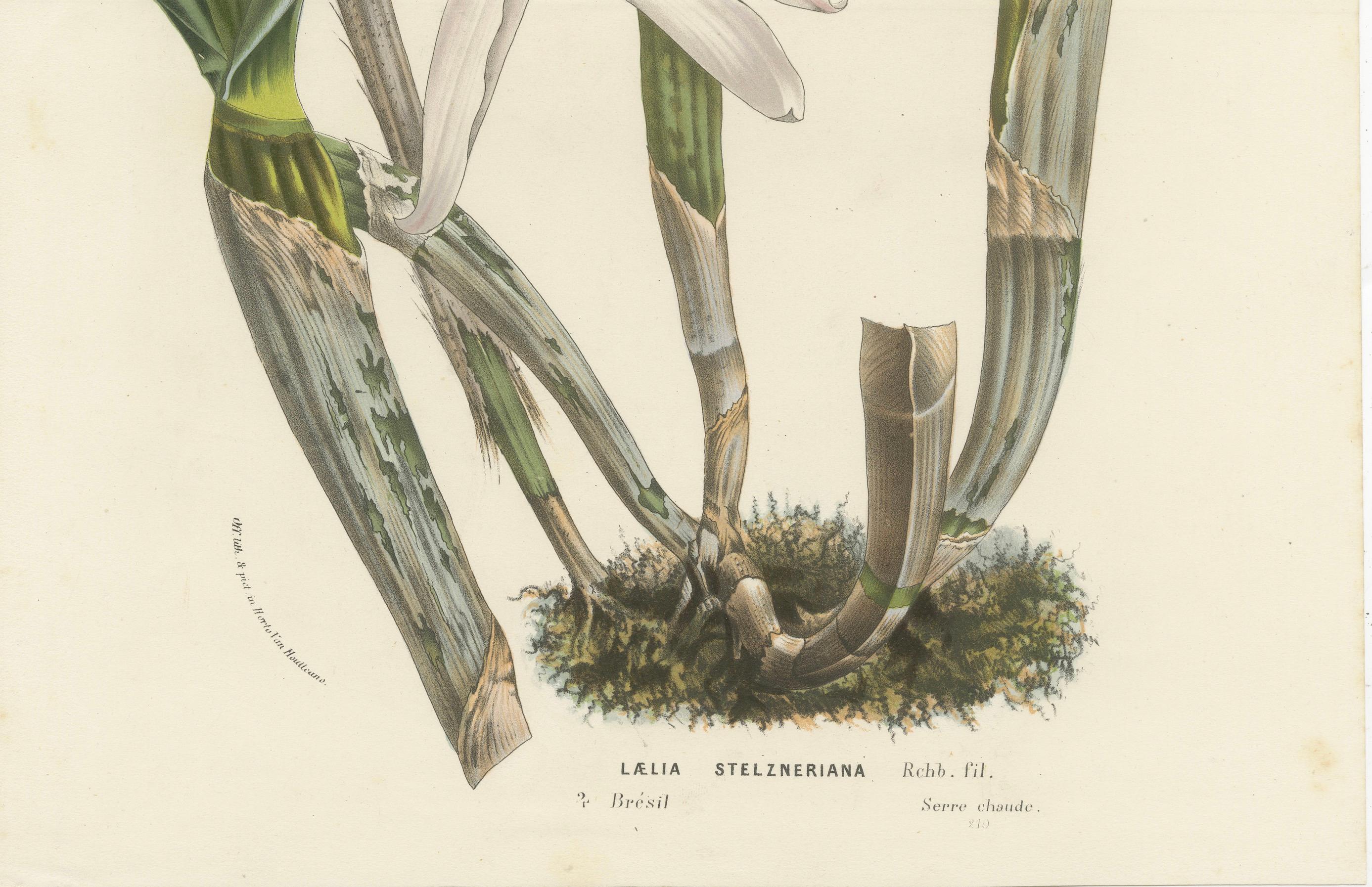
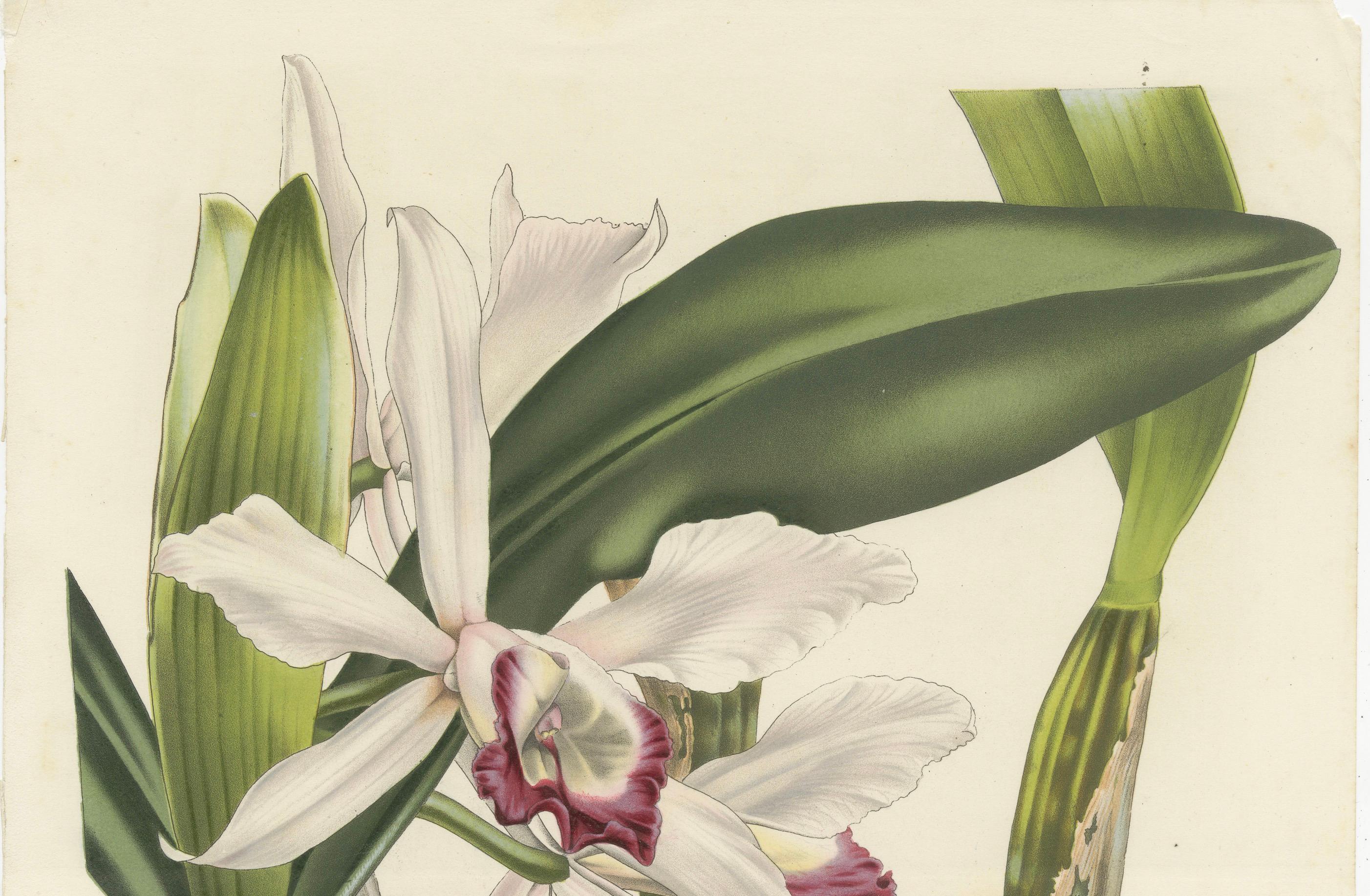
The *Laelia* genus is known for its stunning and often fragrant orchids, and *Laelia stelzneriana* is no exception. This lithograph depicts the orchid’s striking white flowers, with deep burgundy accents on the lips of the blossoms. The delicate petals and sepals contrast beautifully with the thick, dark green leaves and the textured pseudobulbs, which are typical of the plant’s growth habit. The fine details of the flower's veins and the intricate shading on the leaves are captured with precision, emphasizing the orchid's exotic beauty.
The hand-coloring brings out the natural beauty of the plant, with a central fold present, as typical of prints bound in Van Houtte’s volumes. Despite the fold, the lithograph remains a vivid and accurate representation of this prized Brazilian orchid, showcasing both its elegance and botanical importance.
Louis van Houtte (1810–1876) was a significant 19th-century Belgian horticulturist and nurseryman, playing a pivotal role in the advancement of botanical gardens and plant collecting throughout Europe. His nursery and botanical publications left a lasting impact on the world of horticulture.
Van Houtte began his professional life working in commerce, but after spending time in Brazil and France, he shifted his focus to horticulture. His experiences abroad, especially in Brazil, ignited his passion for exotic plants, which became central to his work.
In 1839, he established a horticultural nursery in Ghent, Belgium, which eventually grew to be the largest in Europe. The nursery spanned several acres and specialized in growing and distributing rare and exotic plants. Van Houtte’s vast knowledge of plants, combined with his ability to source them from around the globe, made his nursery a key destination for botanists and collectors.
Van Houtte is most famous for founding and publishing *Flore des Serres et des Jardins de l'Europe* (Flowers of the Greenhouses and Gardens of Europe), a celebrated horticultural journal that was published from 1845 to 1883. The publication was known for its beautifully hand-colored lithographs, which featured a wide variety of plants. To achieve this, Van Houtte collaborated with talented botanical artists such as Pieter de Pannemaeker and François Stroobant, producing detailed and vibrant illustrations that were highly regarded for their accuracy and beauty.
In order to expand his collection of plants, Van Houtte employed plant collectors who traveled to far-flung regions, including South America, Asia, and Africa. These collectors brought back many exotic species, such as orchids, palms, and other rare flowering plants, which were then documented and illustrated in *Flore des Serres*.
Van Houtte’s nursery became a central hub for introducing and popularizing new plant species in Europe, contributing to the widespread cultivation of exotic plants in gardens and conservatories. His work greatly influenced the ornamental horticulture movement of the Victorian era, particularly among Europe’s upper class, who were fascinated by the beauty and rarity of these exotic species.
In addition to his horticultural pursuits, Van Houtte also played a role in civic affairs. He served as the director of the Ghent Botanic Garden and held key positions within various Belgian horticultural societies. His expertise and contributions earned him significant recognition, and he became a leading figure in the horticultural community of his time.
After his death in 1876, Van Houtte’s legacy endured through his nursery and the continued appreciation of *Flore des Serres*. His contribution to the introduction and documentation of exotic plants has left a lasting mark on horticulture, and his work continues to be revered for both its scientific and artistic value.
Louis van Houtte's work represents an important era in European horticulture, marked by a combination of botanical exploration, artistic excellence, and a deep appreciation for the beauty of plants. His publications remain some of the finest examples of 19th-century botanical art and knowledge.