About this sheet
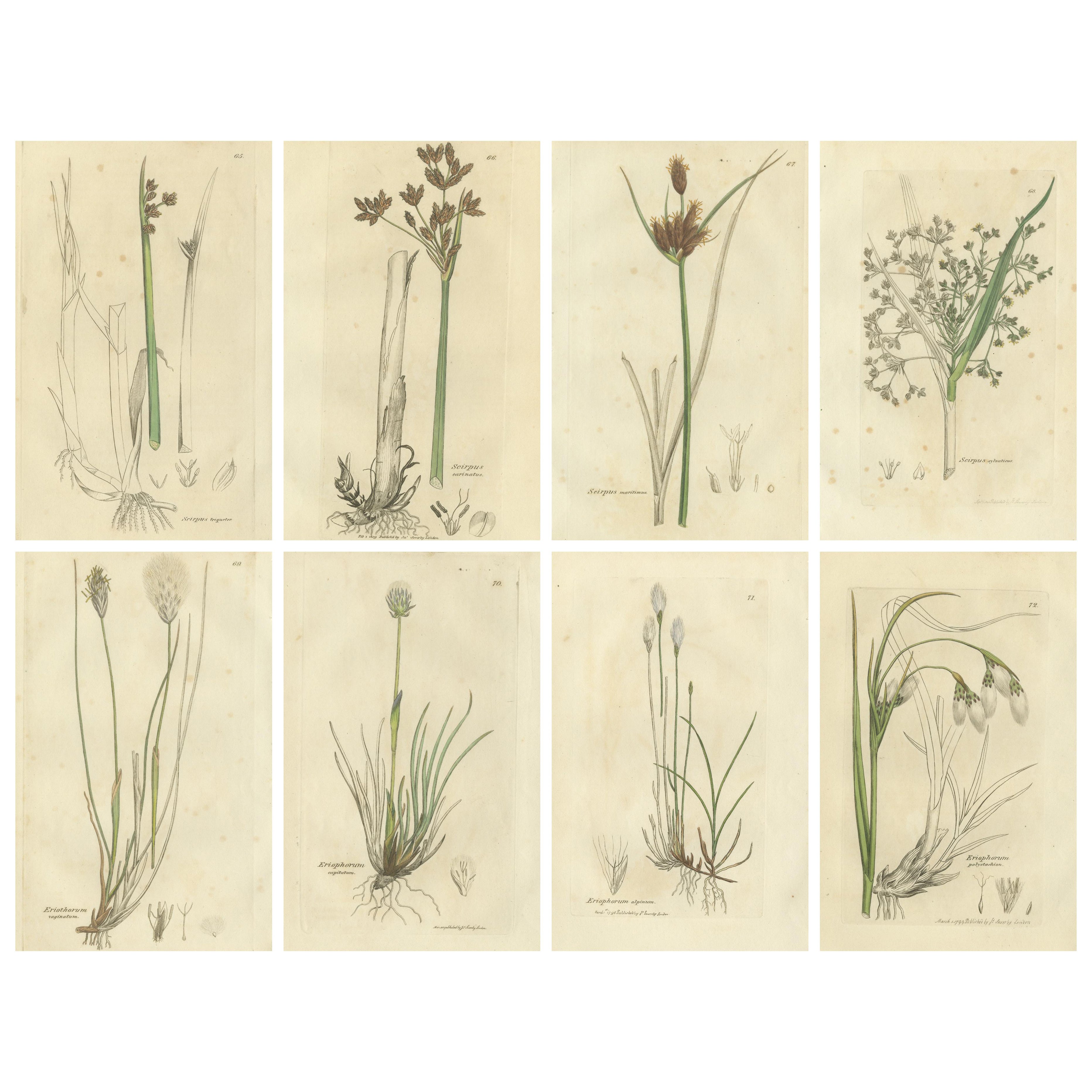
Set of 8 Antique Botanical Engravings of Bulrush, Cottongrass & Arrowgrass, c.1830
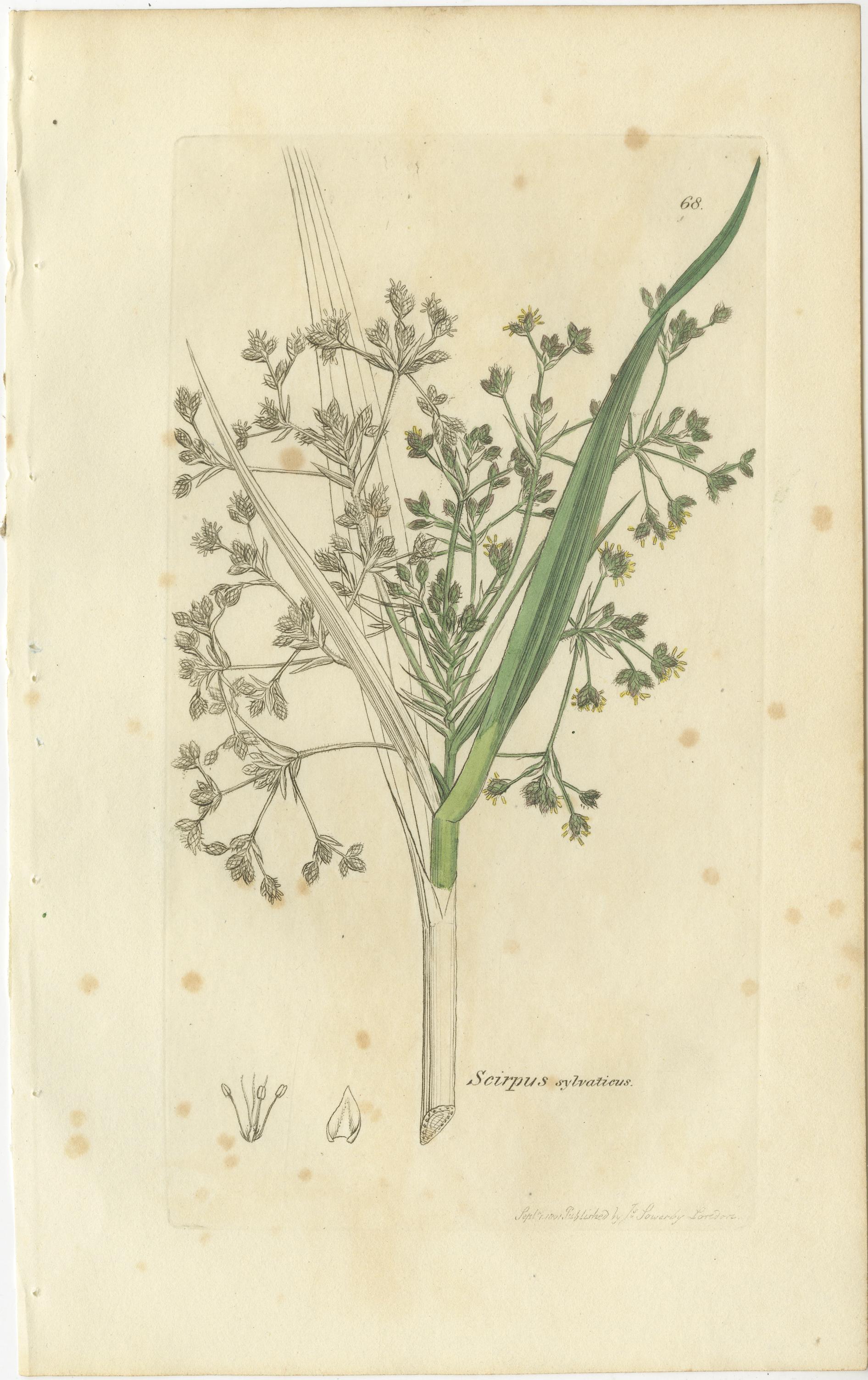
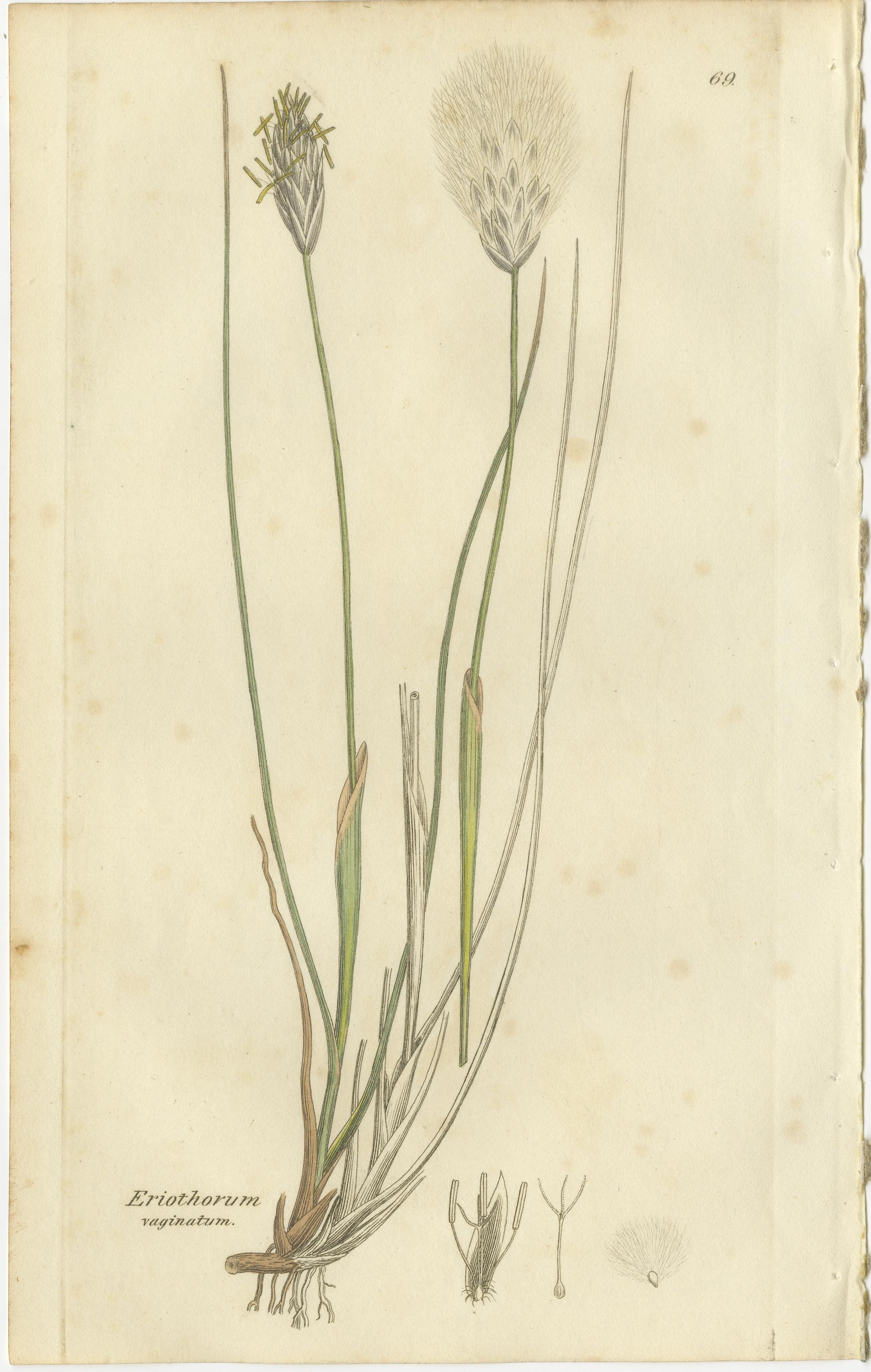
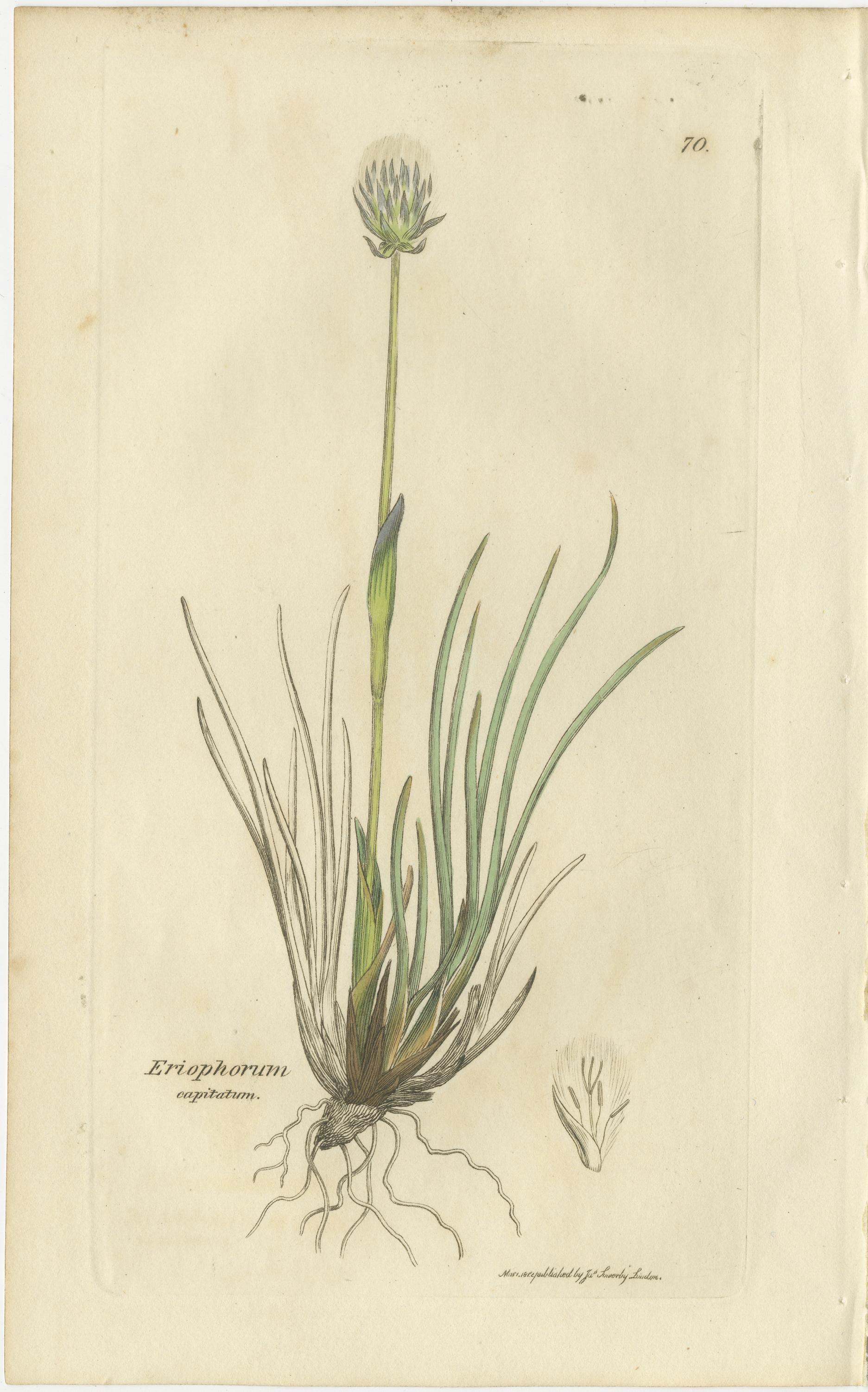
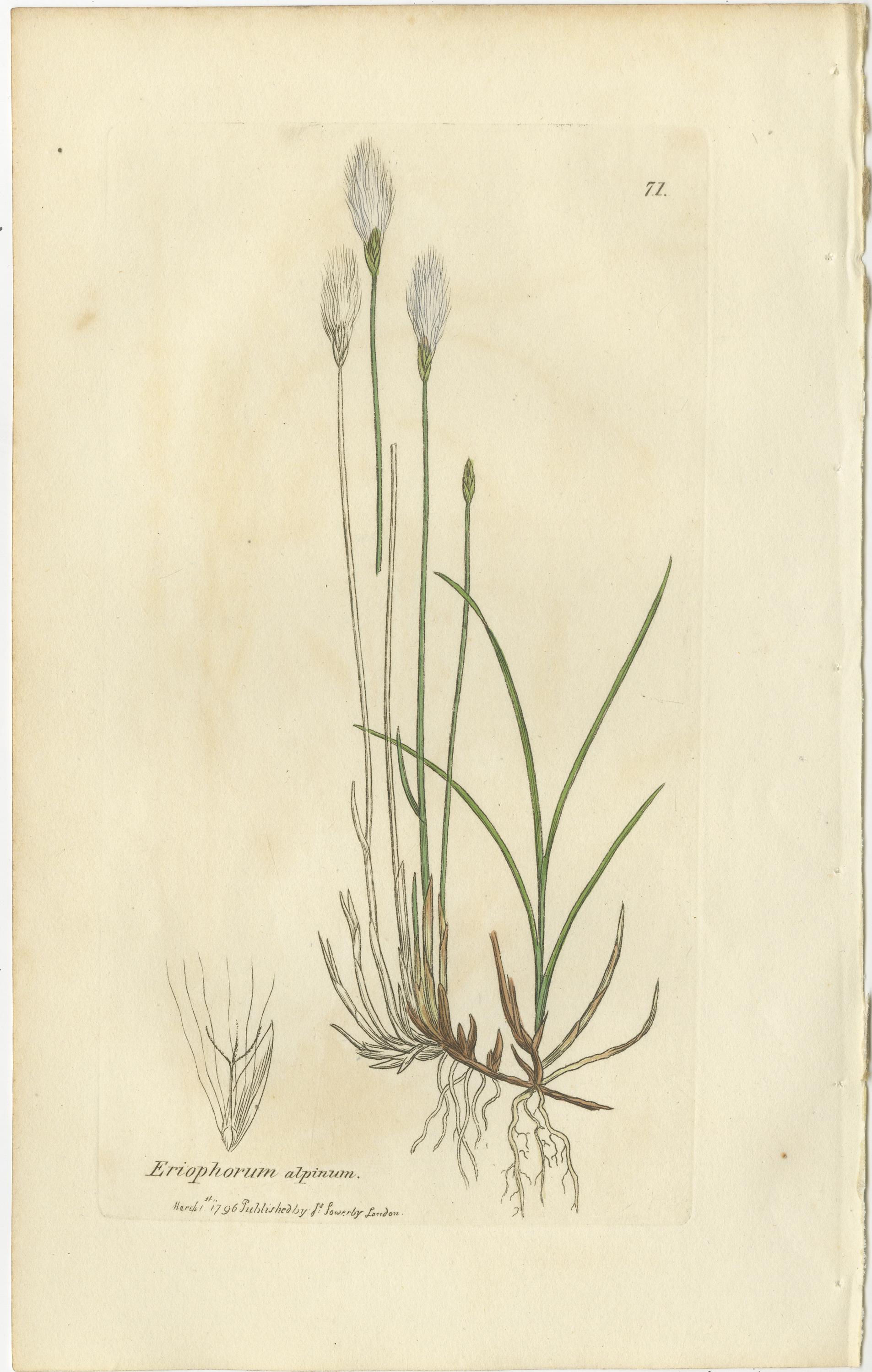
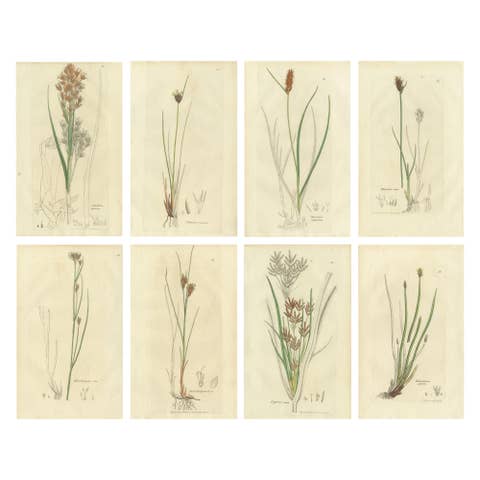
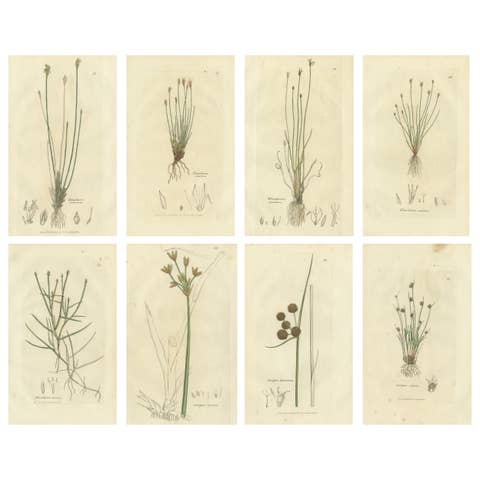
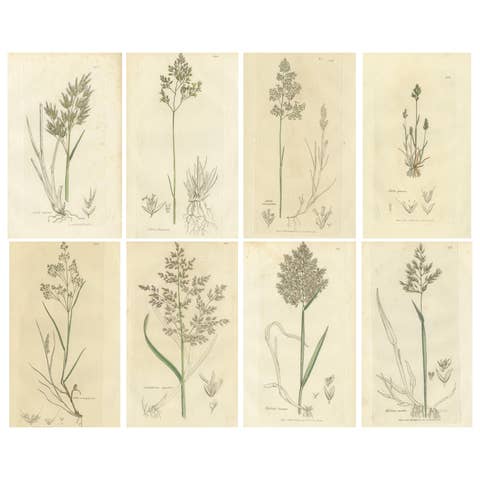
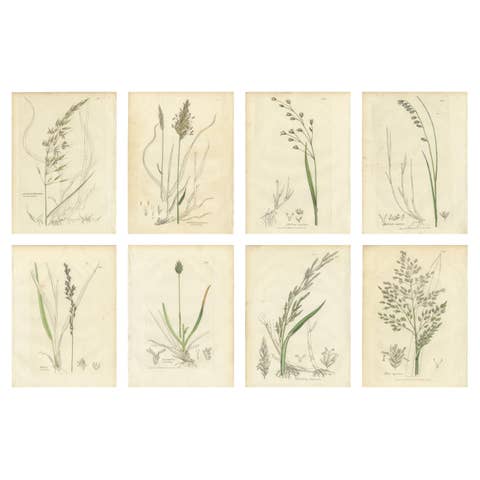
This set of eight antique botanical engravings presents a graceful collection of early nineteenth-century British wetland species, illustrated with the precision and clarity that define the finest natural-history works of the period. Created around 1830, the engravings depict several species of Scirpus (bulrush), Eriophorum (cottongrass), and Triglochin (arrowgrass)—plants noted for their elegant vertical forms and distinctive seed and flower structures.
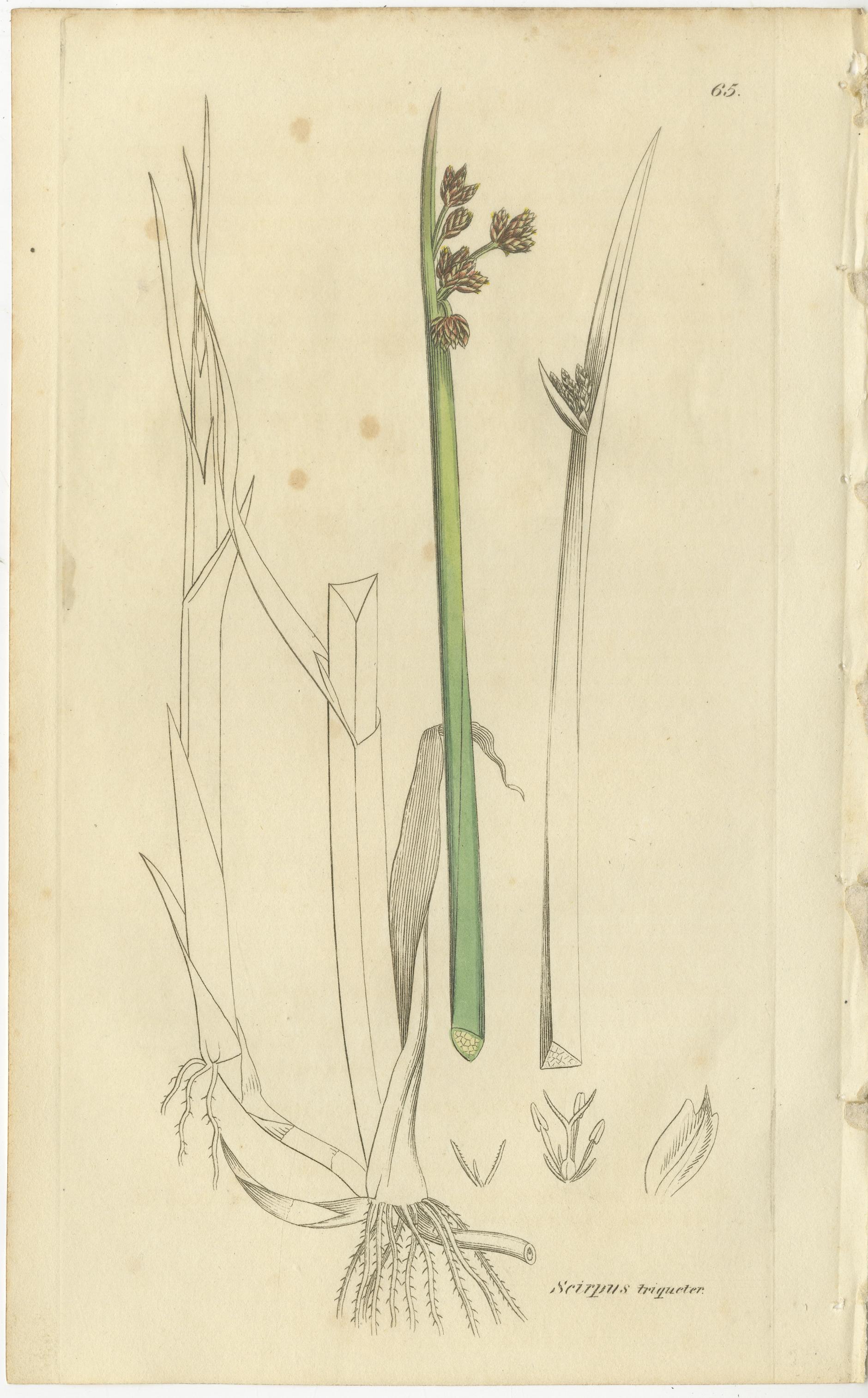
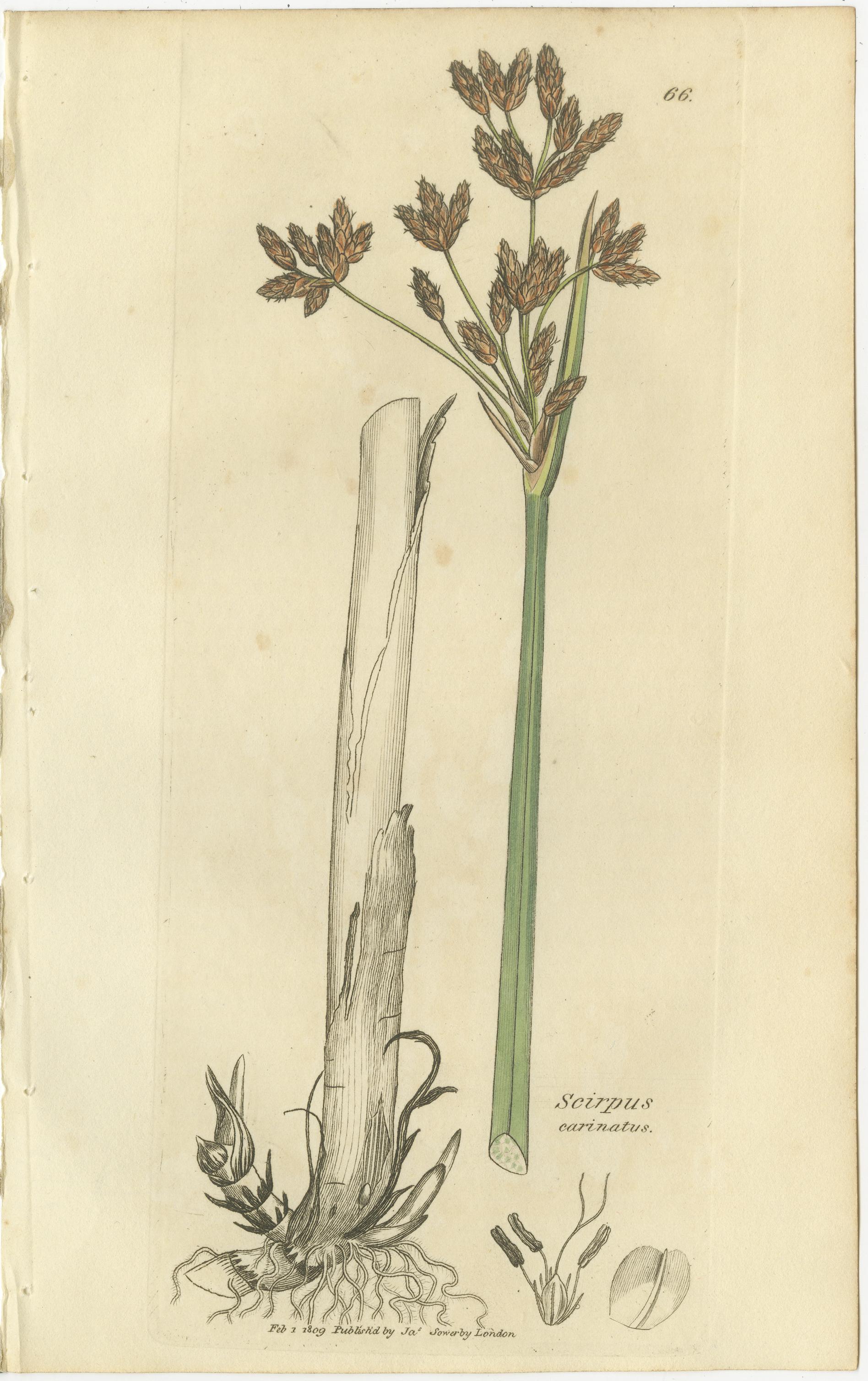
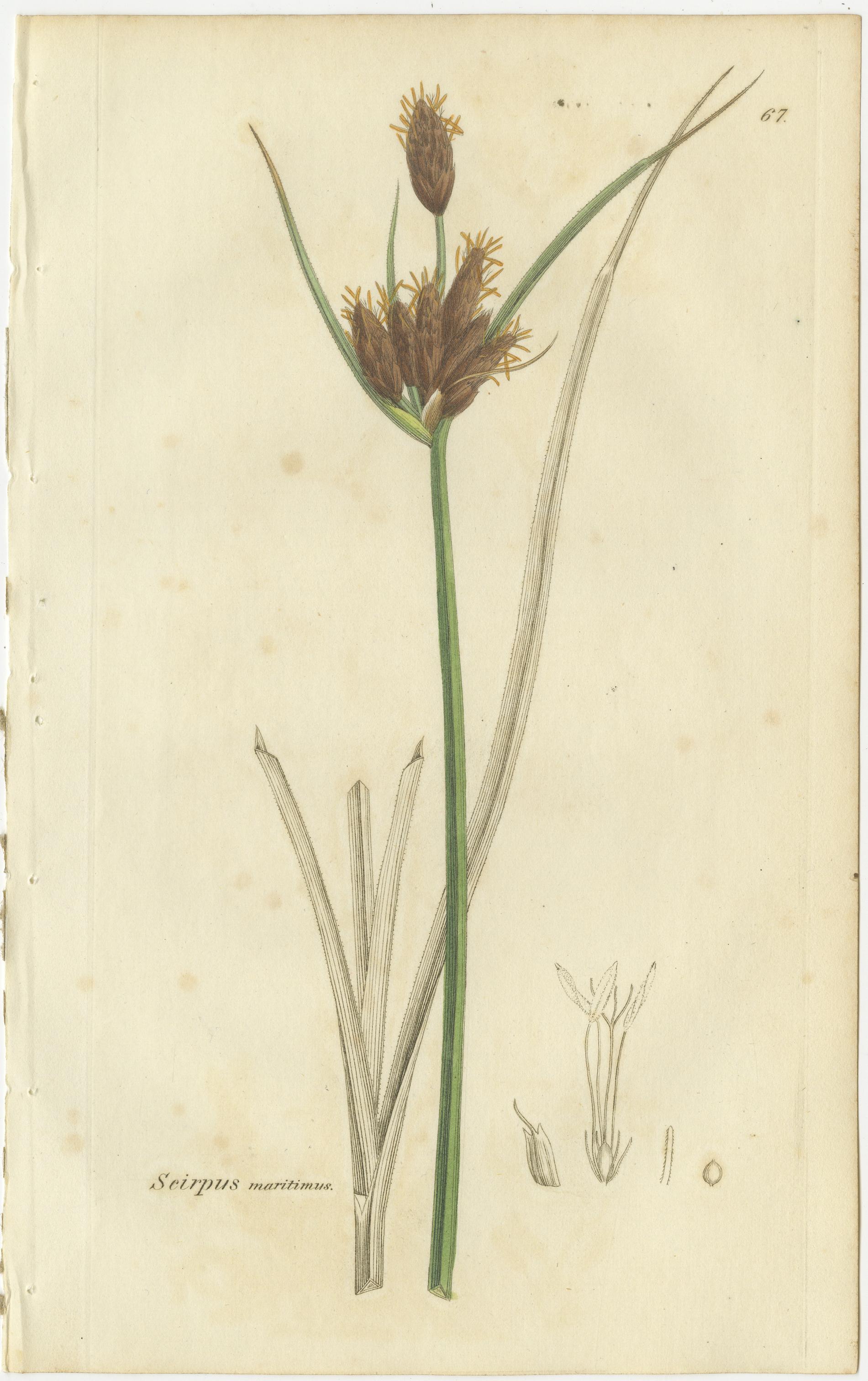
The first four plates feature Scirpus species, each showing the plant’s characteristic upright stems, clustered inflorescences, and fine anatomical details. These plates capture subtle variations in shape and structure between species, from dense brown flower heads to more open and airy arrangements. Their minimalistic compositions and soft touches of original hand coloring give them an understated botanical beauty.
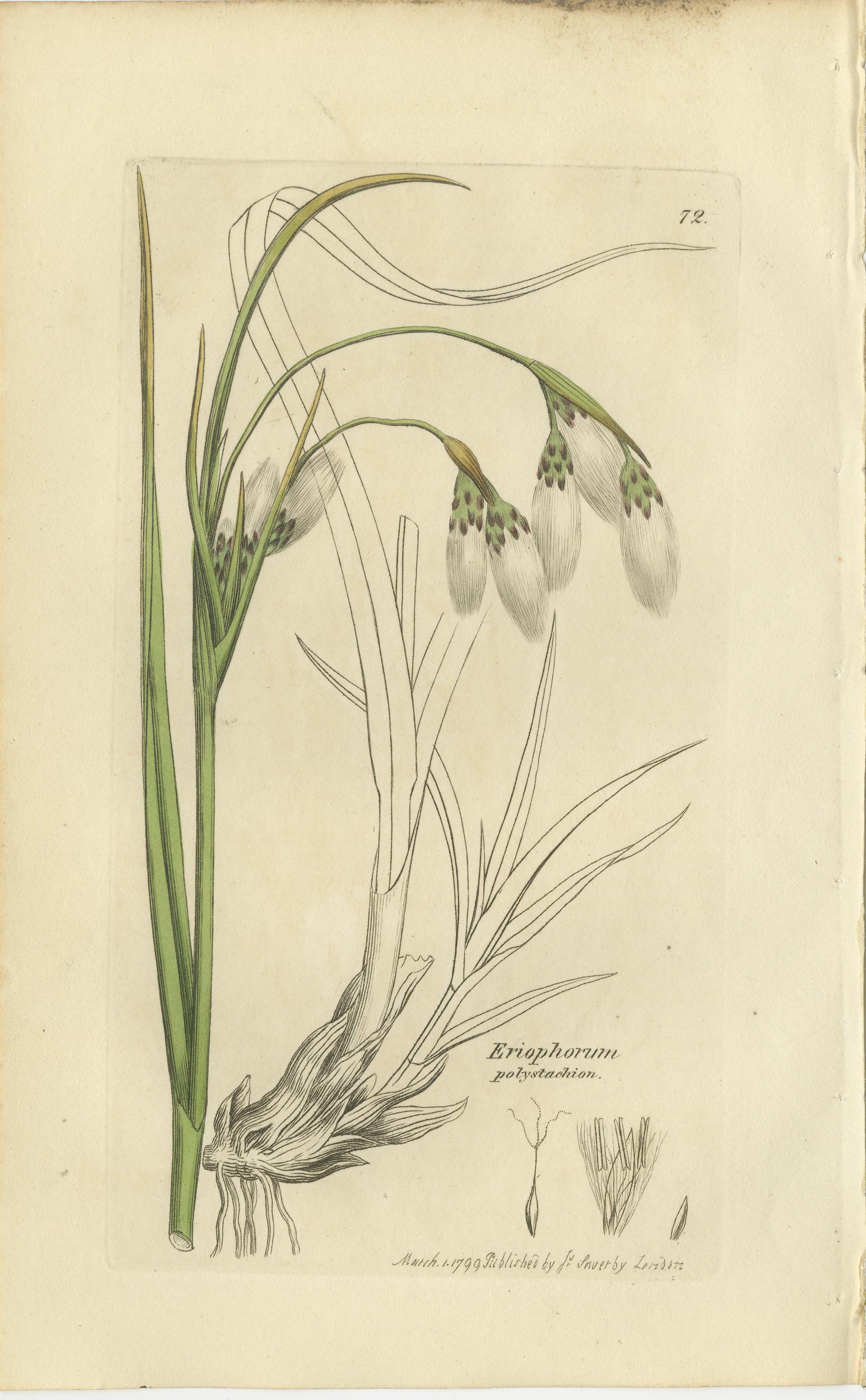
The next three plates depict Eriophorum—commonly known as cottongrass—instantly recognizable by its delicate, silky white seed heads. These engravings highlight the plant’s slender stems, soft plume-like tufts, and small botanical details, creating a serene and atmospheric visual effect.
The final plate features Triglochin species (arrowgrass), shown with its narrow, arching leaves and graceful flowering structures. The engraving balances clean linework with light hand coloring, adding variety and completion to the set.
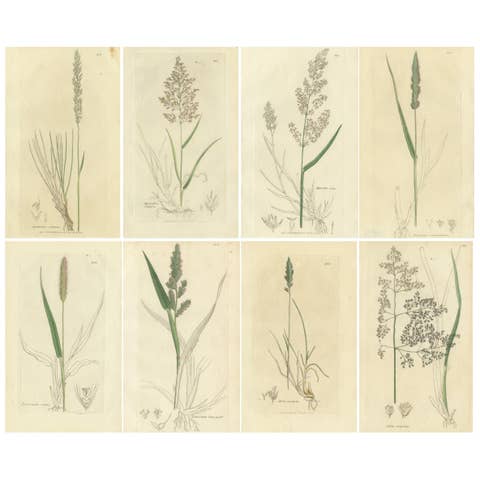
Together, these eight prints form a cohesive decorative ensemble with consistent paper tone, clear plate marks, and vertically oriented compositions. Their tall, linear shapes make them particularly suitable for contemporary interiors, where they can be displayed in a clean two-row arrangement, or used to create a calm, nature-inspired botanical panel.
Condition Report:
Good condition with light age toning and scattered foxing consistent with early nineteenth-century paper. Plate marks visible on all sheets. Edges show minor wear only; no significant tears or losses. Well preserved and ideal for framing.
Framing Tips:
These engravings pair beautifully with narrow natural-wood or brushed-metal frames, which complement their vertical plant forms. Warm white or ivory mats help balance the paper tone and highlight the fine botanical details. Double matting enhances depth and accentuates the plate marks.
Technique: Copperplate engraving with original hand coloring
Maker: James Sowerby, London, c.1830