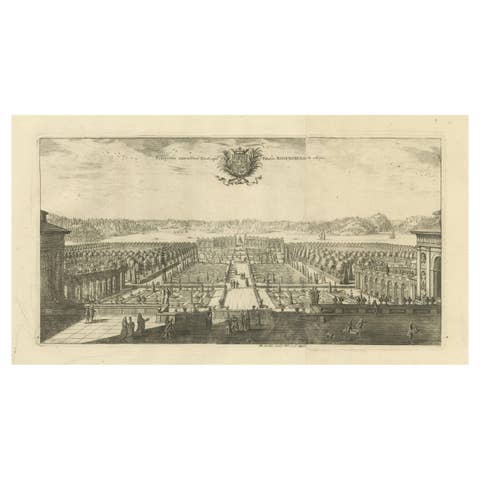
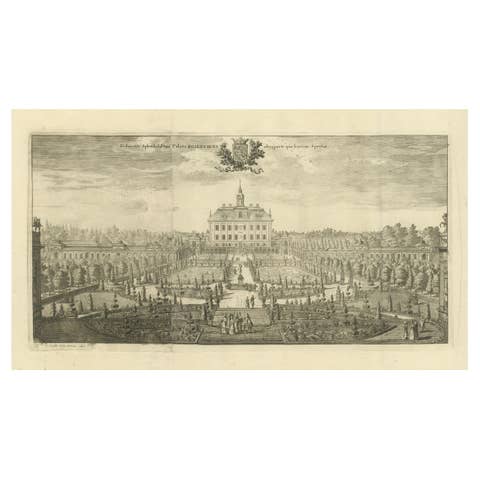
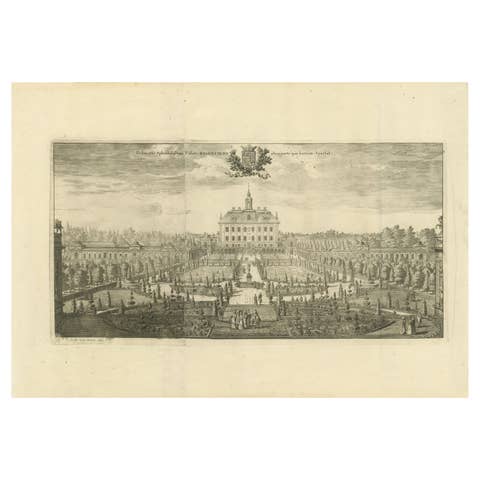
Set of 3 Rare Botanical Engravings – Cracca, Lotus & Foenugracum, ca.1690
€ 560
Original antique · The actual sheet photographed · Certificate of authenticity on request · Sold unframed · Worldwide shipping from € 15 (rates)
Date
1690
Mapmaker / artist
Attributed to Augustus Quirinus Rivinus, Ordo plantarum, Leipzig, 1690s (likely 1699)
Technique
Copper engraving with period hand-color on laid paper (plate impressions present; sheets show partial two-letter countermarks typical of Dutch paper)
Sheet size
43 × 29 cm (16.9 × 11.4 in)
Condition
Fair
Reference
BG-13747-59, -61, -62
What the condition grades mean
Excellent
Bright and clean, with no faults worth mentioning.
Very good
Only light signs of age, such as faint toning.
Good
Normal signs of age for a sheet of this period: toning, some foxing, small marks or neat old repairs.
Fair
Clear faults such as staining, tears or repairs, priced to match.
Every fault we see is written in the condition note, and the whole sheet is shown uncropped in the photos.
Condition
Strong, well-colored impressions with overall age toning. Light scattered spots and small handling marks; occasional marginal smudges; faint tide mark at lower margin on some sheets; tiny edge nicks and short tears confined to blank margins.
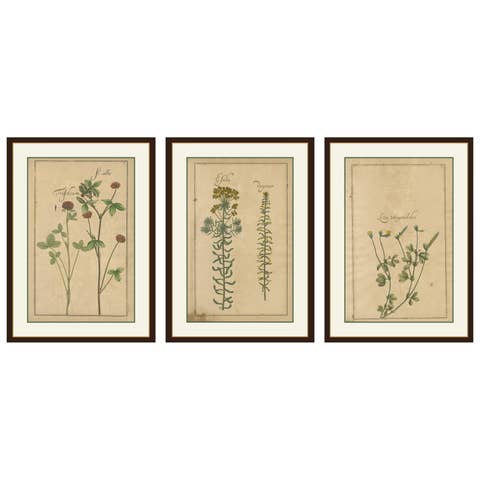
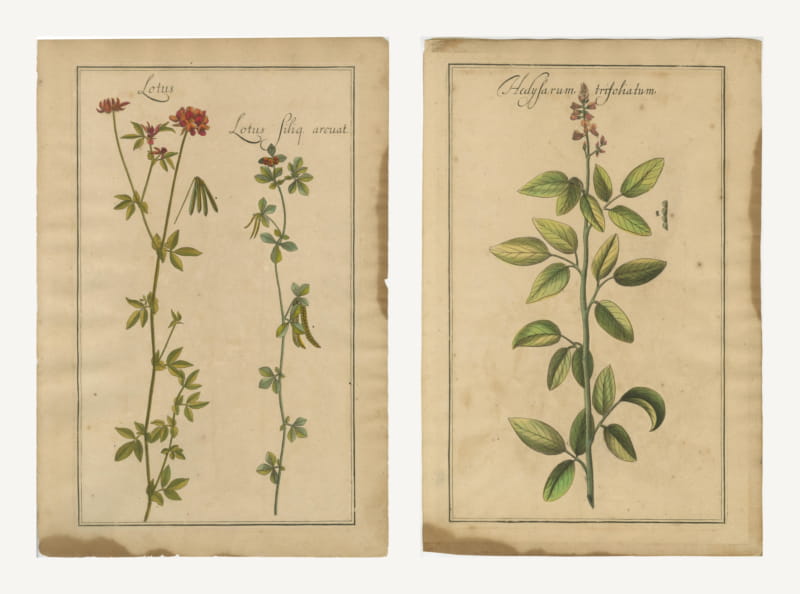
Set of three late-17th/early-18th-century botanical copper engravings with period hand-color, attributed to Augustus Quirinus Rivinus and his Ordo plantarum series produced in Leipzig in the 1690s (very likely the 1699 “flore irregulari pentapetalo” volume). Each sheet is printed within a neat double-ruled border and titled in a contemporary hand. The plates read: “Cracca fl. ochroleuco” (a vetch with pale yellow-tinged blossoms shown on lateral racemes; small manuscript number “52.” at upper right), “Lotus Lybica” (a striking North-African lotus with rounded, fleshy leaflets and rosy yellow flowers), and “Foenugracum polyceraton” (a wiry stem with whorled, yellow papilionaceous flowers and multiple pods). Transparent hand-color preserves the burin hatching beneath. True plate impressions are visible around each image. The laid paper shows fragmentary two-letter countermarks along the outer edges, consistent with Dutch paper commonly used by Leipzig printers of the period. As a trio they form a coherent Fabaceae group illustrating the irregular, five-petalled papilionaceous corolla central to Rivinus’s taxonomy.
Sold here as three loose prints, unframed and unmatted. Any frames or mounts shown in visuals are for illustration only; the price covers the prints only.
Condition report: Strong, well-colored impressions with overall age toning. Light scattered spots and small handling marks; occasional marginal smudges; faint tide mark at lower margin on some sheets; tiny edge nicks and short tears confined to blank margins; one sheet with small manuscript number at the top corner. Image fields clean and fresh. Plate marks clearly visible. Blank versos.
Framing tips: Mount in wide ivory or soft-cream mats; a very thin olive or warm-gray fillet echoes the foliage. Ebonized or dark-walnut frames give crisp contrast; a narrow gilt slip adds a restrained classical accent. Hang as a horizontal trio with consistent sight windows and generous spacing. Use UV-filter glazing.