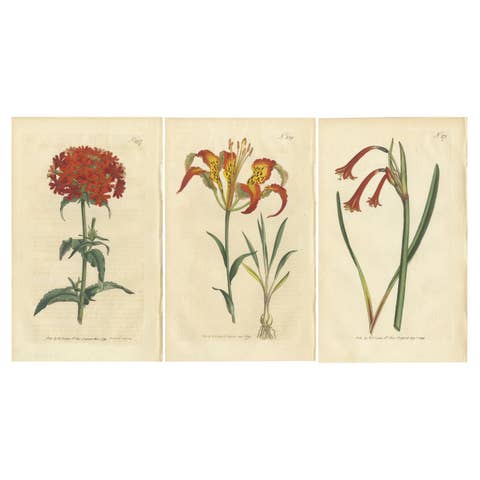
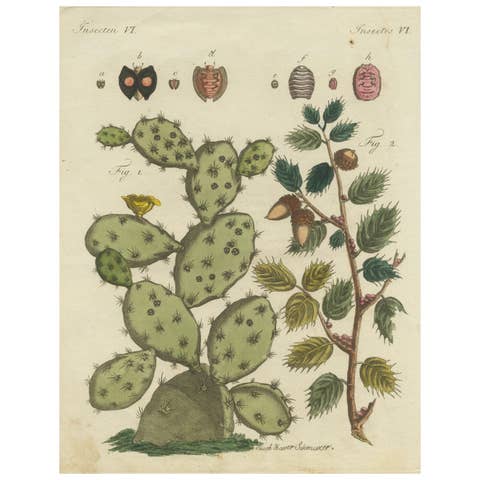
One of a kind: this is the sheet in the photographs. Ships from Langweer, the Netherlands.
Date
1796
Sheet size
24 × 15 cm (9.4 × 5.9 in)
Condition
Good
Reference
BG-13748-78
Condition
The engraving is in good condition with slight edge wear and minimal foxing, typical for its age. The hand-colored illustrations are well-preserved, maintaining their vibrant yellow and green hues. The paper remains sturdy.
About this sheet
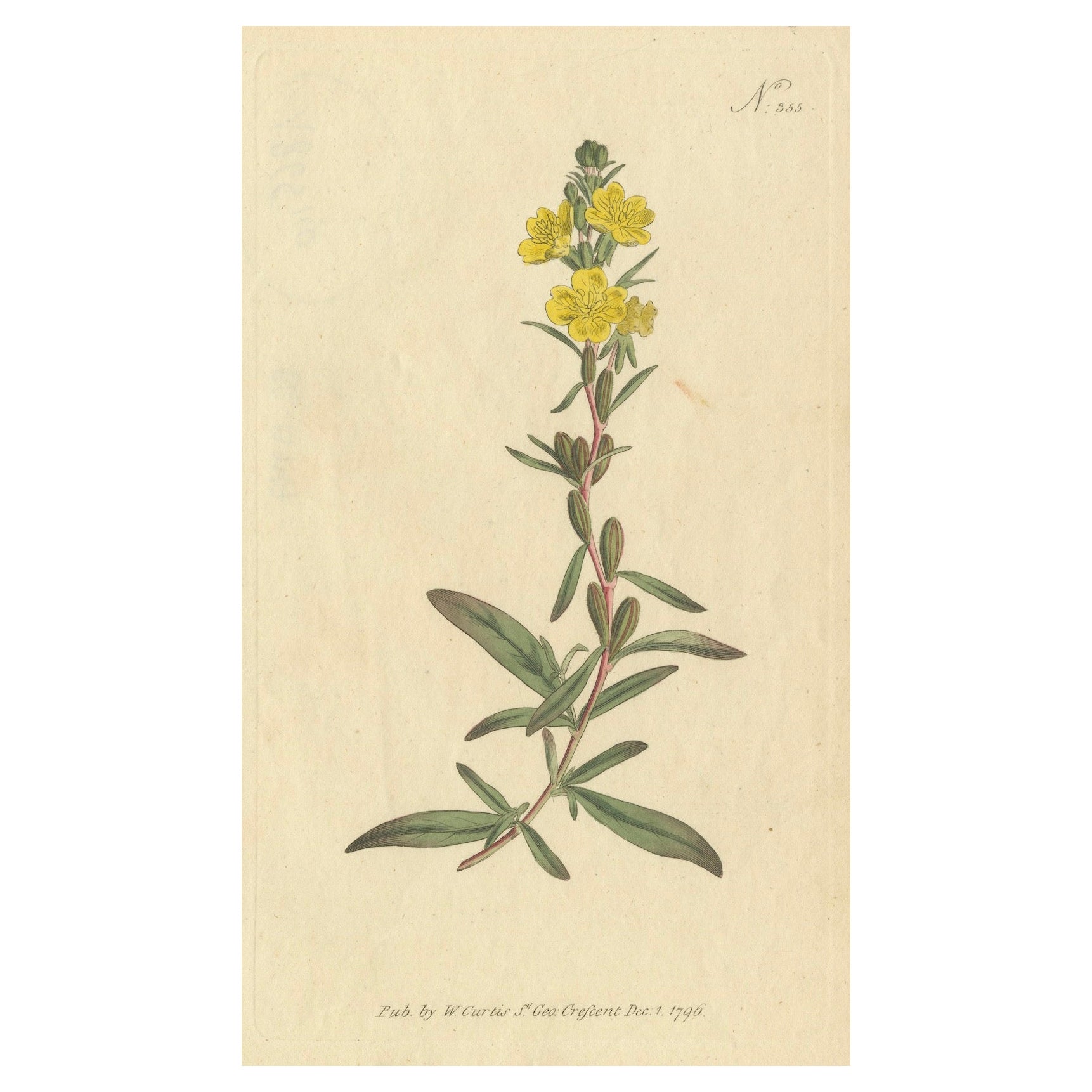
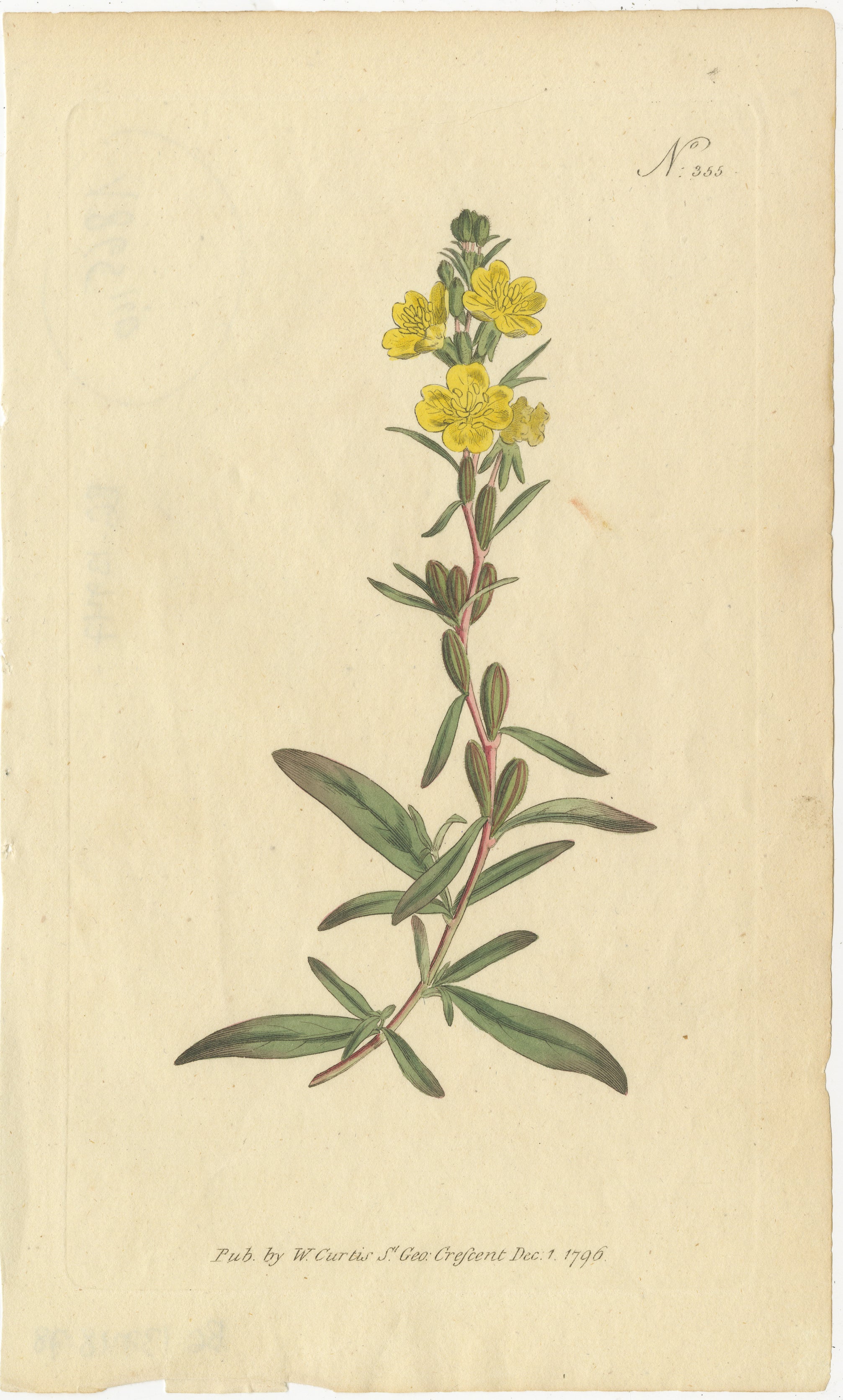
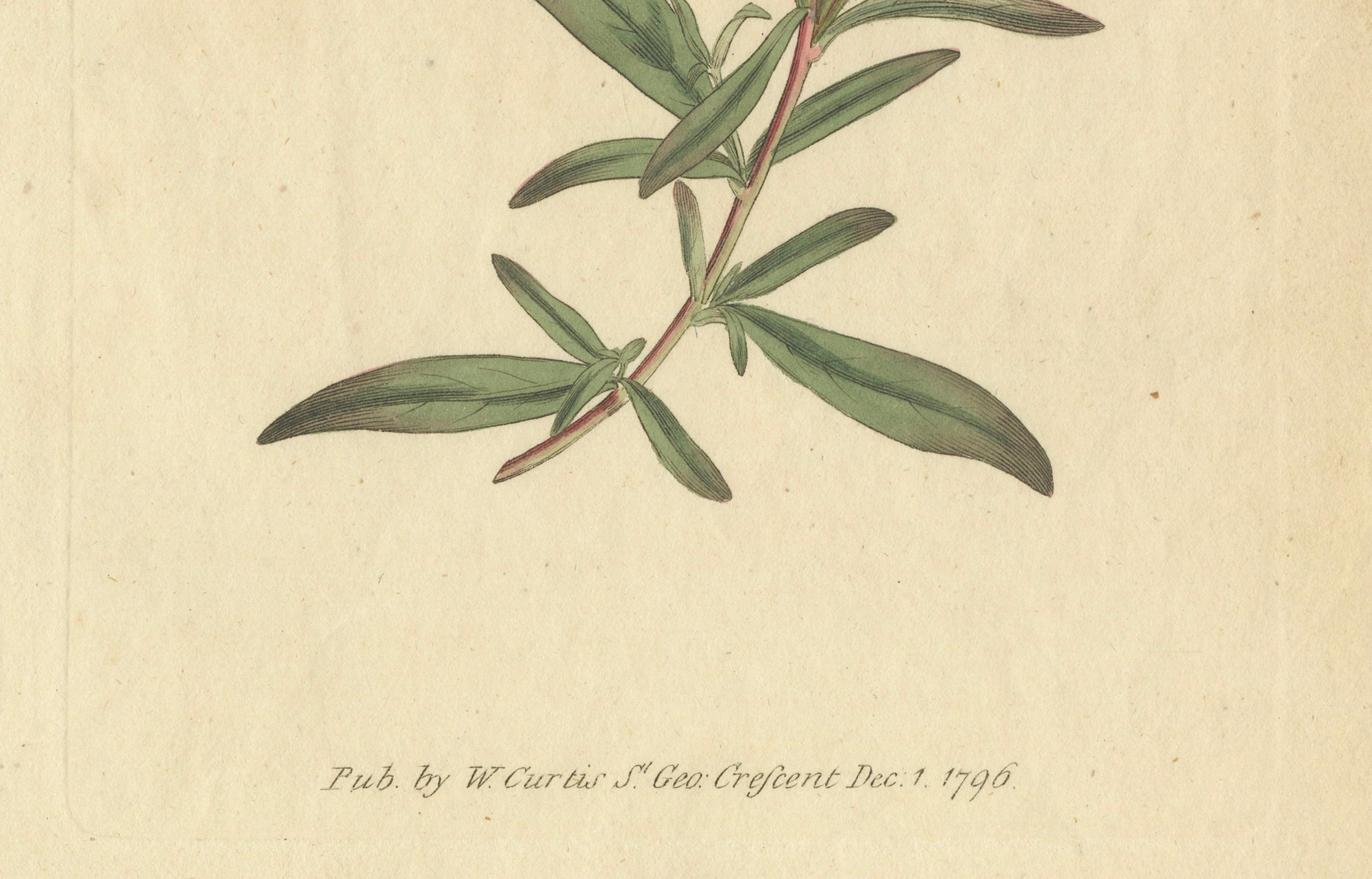
Antique Botanical Engraving of Yellow Loosestrife (Lysimachia) - Rare 1796 Floral Print by William Curtis This engraving is from "The Botanical Magazine," specifically from Volume 10, published by William Curtis on December 1, 1796.
The plate, numbered 355, features a detailed illustration of the Yellow Loosestrife (*Lysimachia* species), showcasing the vibrant yellow flowers and slender green leaves. This print highlights the delicate beauty of the plant, meticulously captured through hand-coloring, typical of Curtis's commitment to accuracy and artistry in botanical illustration.
About the Artist: William Curtis (1746–1799) was an eminent botanist and botanical artist of the 18th century, renowned for founding "The Botanical Magazine." His work combined scientific accuracy with artistic skill, making significant contributions to the popularization and understanding of botany. Curtis's engravings are noted for their attention to detail and vibrant use of color, providing valuable insight into plant species of the time.
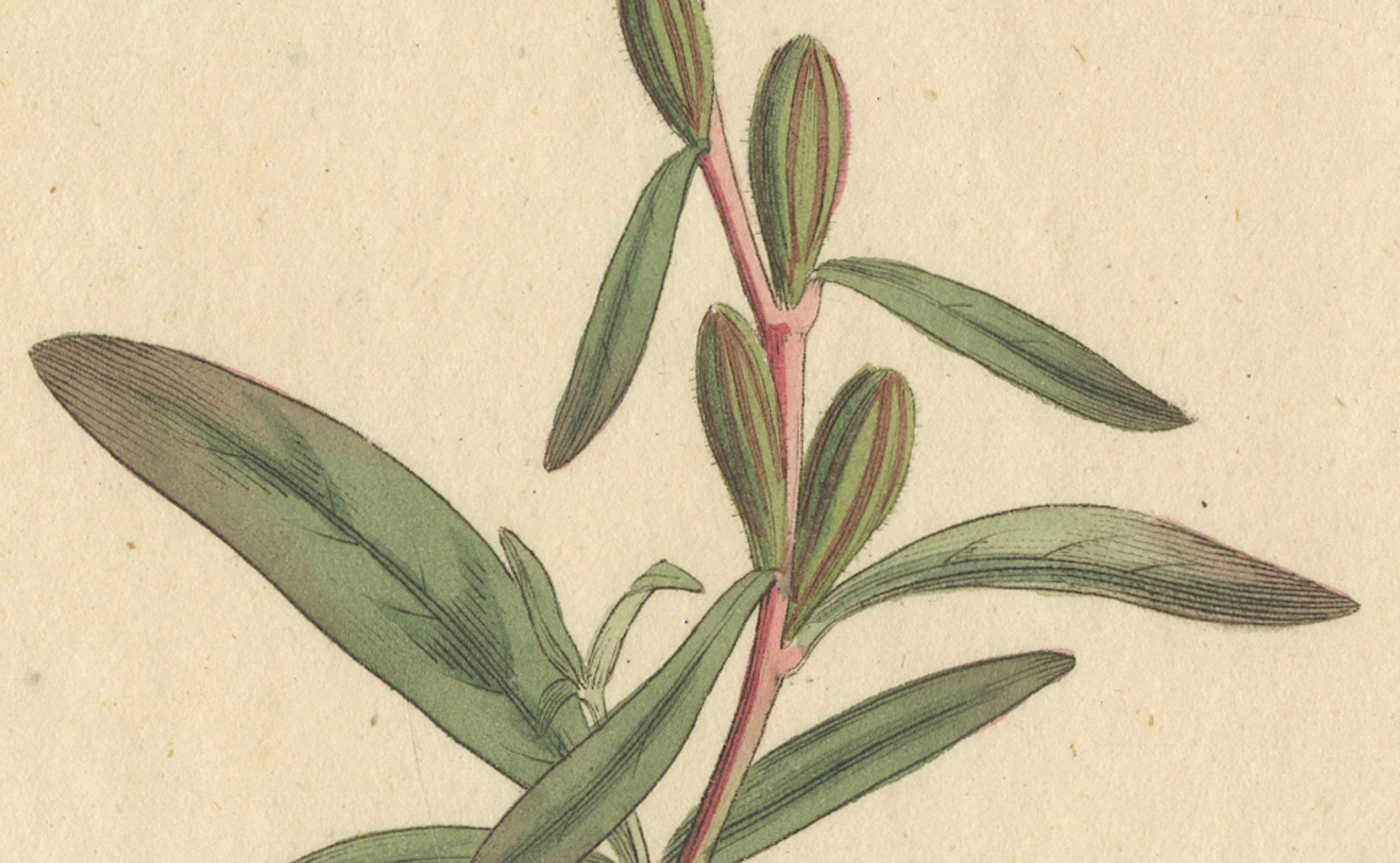
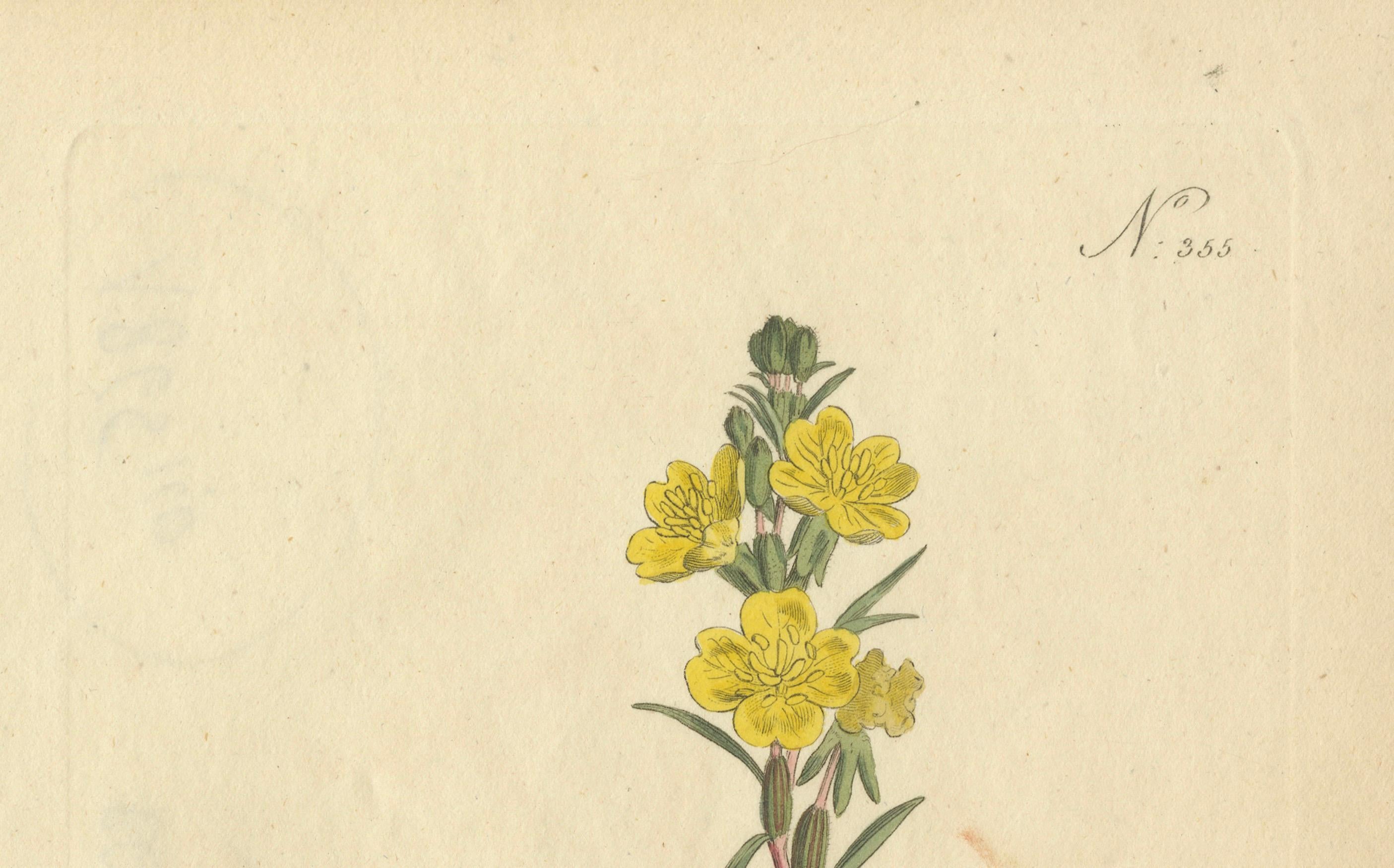
Description of the Engraving: The engraving features a sprig of Yellow Loosestrife with several open flowers and buds. The plant is depicted with long, pointed leaves and bright yellow flowers with a central cluster of stamens. The detailed botanical illustration captures the essence of the plant, with the hand-coloring emphasizing the vividness of the flowers against the green foliage. This work is not only a visual delight but also an important scientific record, reflecting the botanical interests and horticultural practices of the late 18th century.
The engraving is in good condition with slight edge wear and minimal foxing, typical for its age. The hand-colored illustrations are well-preserved, maintaining their vibrant yellow and green hues. The paper remains sturdy, ensuring the botanical details are clearly visible.