Original antique · The actual sheet photographed · Certificate of authenticity on request · Sold unframed · Worldwide shipping from € 15 (rates)
Date
1897
Sheet size
24 × 15.5 cm (9.4 × 6.1 in)
Condition
Good
Reference
BG-13692-3-78
What the condition grades mean
Excellent
Bright and clean, with no faults worth mentioning.
Very good
Only light signs of age, such as faint toning.
Good
Normal signs of age for a sheet of this period: toning, some foxing, small marks or neat old repairs.
Fair
Clear faults such as staining, tears or repairs, priced to match.
Every fault we see is written in the condition note, and the whole sheet is shown uncropped in the photos.
Condition
This 1897 botanical print is well-preserved with vibrant colors, minimal edge yellowing, and crisp details, making it a stunning piece for display or collection.
About this sheet
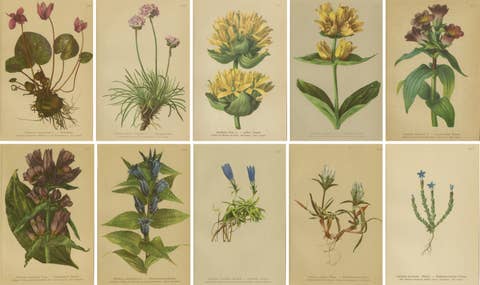
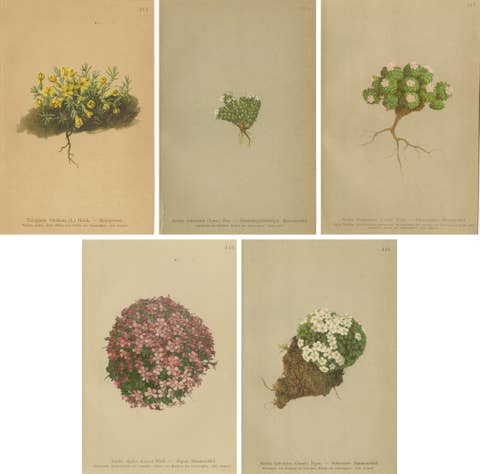
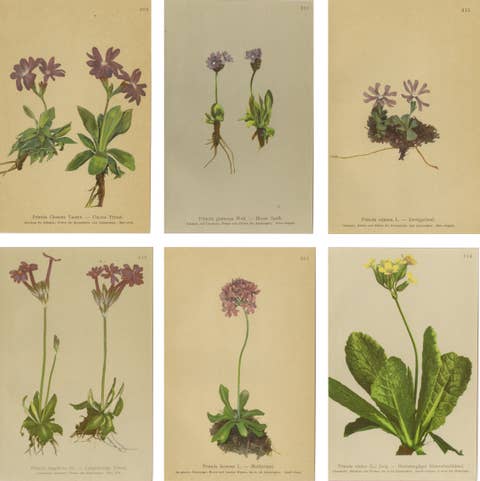
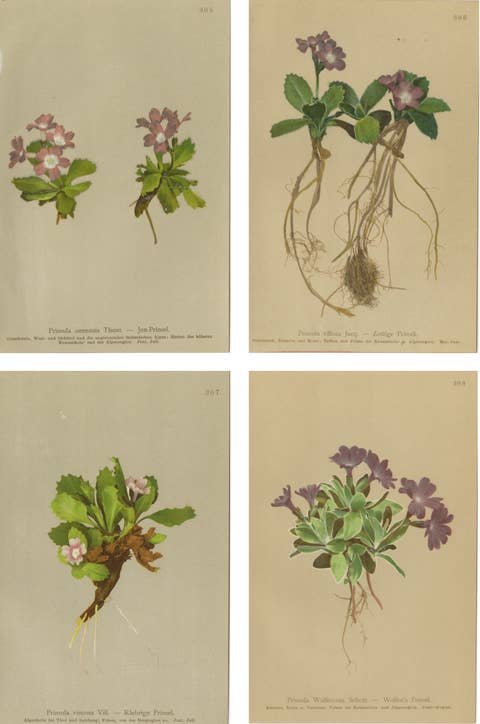
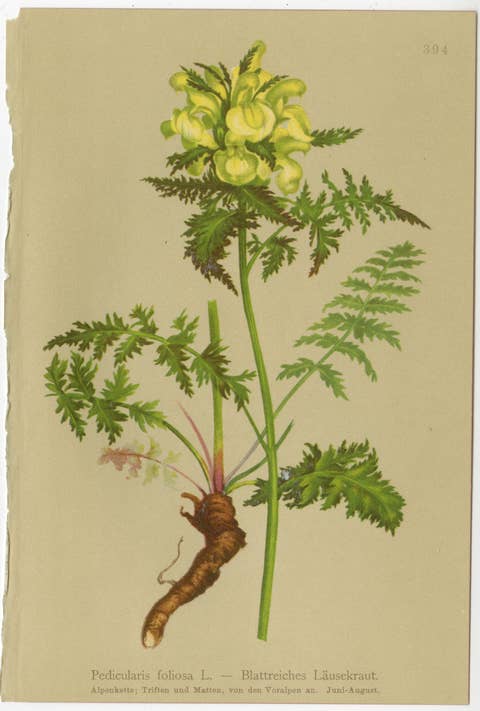
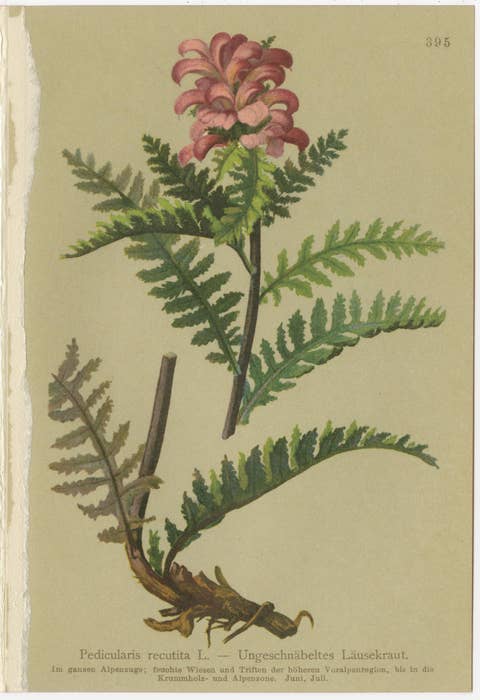
This original botanical print from 1897 features the castor-oil plant (Ricinus communis), a striking and detailed illustration published in Favorite Flowers of Garden and Greenhouse. The print showcases the plant’s large, lobed green leaves and clusters of distinctive yellow and green flowers, meticulously rendered to highlight both its ornamental and botanical characteristics.
The castor-oil plant has long held significance for its practical uses, particularly in the production of castor oil, renowned for its medicinal and industrial applications. The intricate depiction captures the textures and anatomy of the plant, including the flowering spikes and seed capsules, with exceptional attention to botanical detail. The rich color palette and precise shading reflect the artistry and scientific accuracy of Victorian botanical illustration.
This print remains in excellent condition, with vibrant colors and crisp lines preserved for over a century. It is ideal for framing and makes a stunning addition to any home, study, or gallery space. Perfect for collectors of antique botanical prints, lovers of historical decor, or those interested in medicinal plants, this work celebrates the timeless beauty and significance of Ricinus communis, captured through the lens of 19th-century botanical artistry.