1897 Antique Botanical Prints – Cornflower, Immortelle, Canterbury Bells
€ 340
Original antique · The actual sheet photographed · Certificate of authenticity on request · Sold unframed · Worldwide shipping from € 15 (rates)
Date
1897
Sheet size
24 × 15.5 cm (9.4 × 6.1 in)
Condition
Good
Reference
BG-13692-3-2
What the condition grades mean
Excellent
Bright and clean, with no faults worth mentioning.
Very good
Only light signs of age, such as faint toning.
Good
Normal signs of age for a sheet of this period: toning, some foxing, small marks or neat old repairs.
Fair
Clear faults such as staining, tears or repairs, priced to match.
Every fault we see is written in the condition note, and the whole sheet is shown uncropped in the photos.
Condition
These 1897 botanical prints are well-preserved with vibrant colors, minimal edge yellowing, and crisp details, making it stunning pieces for display or collection.
About this sheet
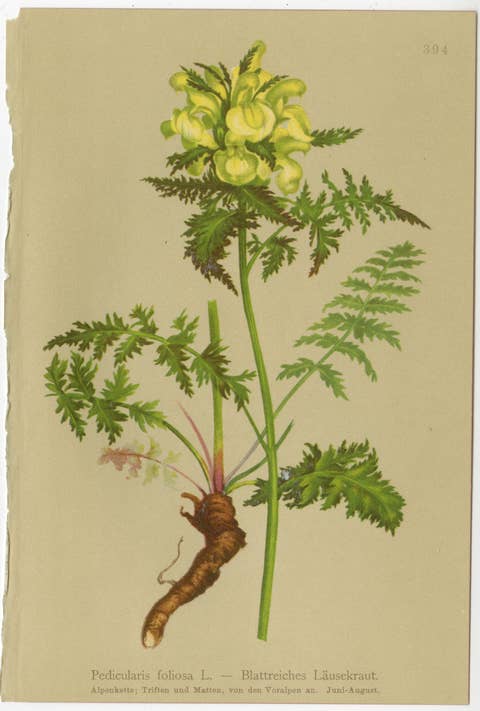
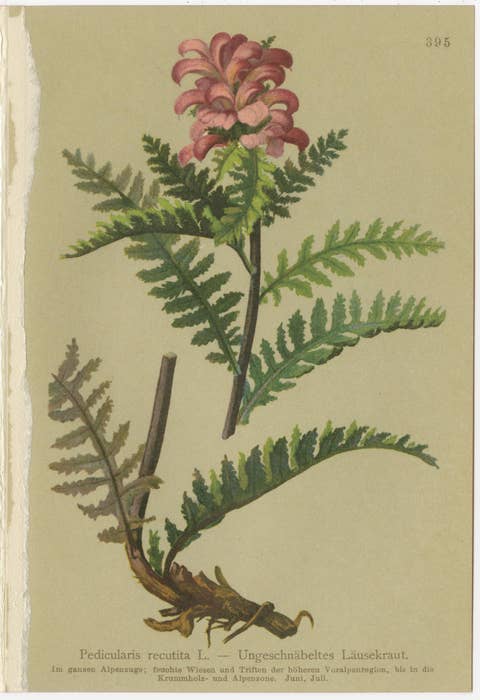
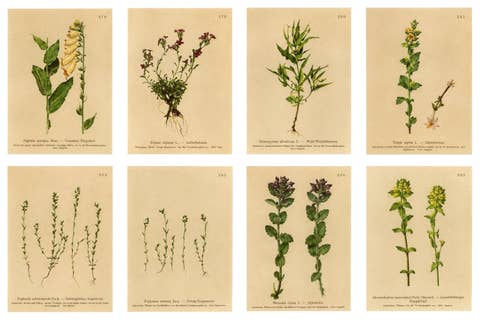
This set of three original botanical prints from 1897 features "Mountain Cornflower" (Centaurea montana), "Annual Immortelle" (Xeranthemum annuum), and "Canterbury Bells" (Campanula medium). Published in 'Favorite Flowers of Garden and Greenhouse', these stunning illustrations are a testament to Victorian botanical artistry, capturing the beauty and structure of these timeless garden favorites.
Each plate offers vivid detail and naturalistic color, showcasing the plants’ unique characteristics – the spiky elegance of the blue cornflower, the delicate rose-hued immortelle, and the vibrant pink and white Canterbury bells. The finely drawn floral parts, including petals and stamens, reflect scientific precision and artistic finesse, making these prints both educational and decorative.
The condition is remarkable for their age, with colors still bright and clear. These prints are ideal for framing, adding vintage charm to a study, living room, or gallery wall. For collectors of antique botanical art, nature enthusiasts, or lovers of historical decor, this trio offers a glimpse into a time when natural beauty was meticulously documented and celebrated. Whether displayed together or separately, these works evoke the elegance of the 19th century and a passion for the botanical world.