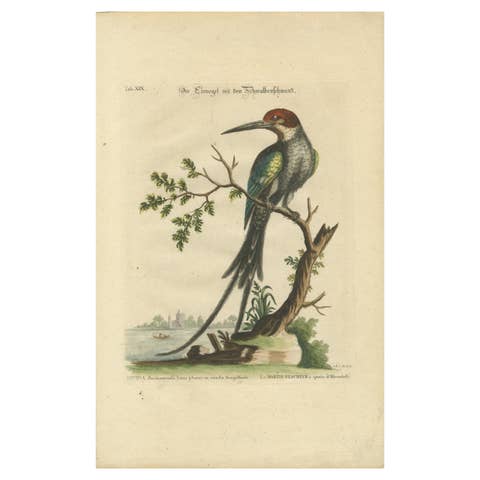
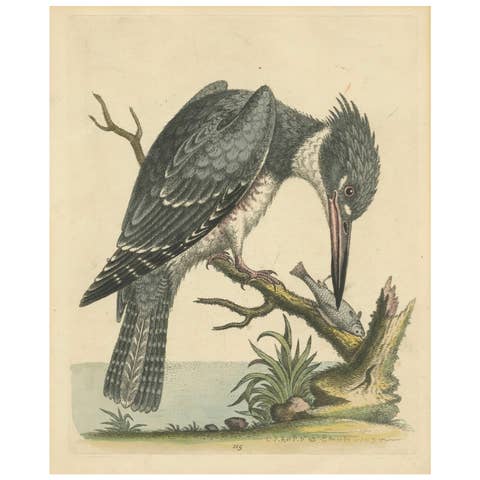
Regal Golden Thrush Perched, 18th Century Seligmann's Rare Bird Series, 1749
€ 550
One of a kind: this is the sheet in the photographs. Ships from Langweer, the Netherlands.
Date
1749
Sheet size
37 × 25 cm (14.6 × 9.8 in)
Condition
Good
Reference
BG-13674-1
Condition
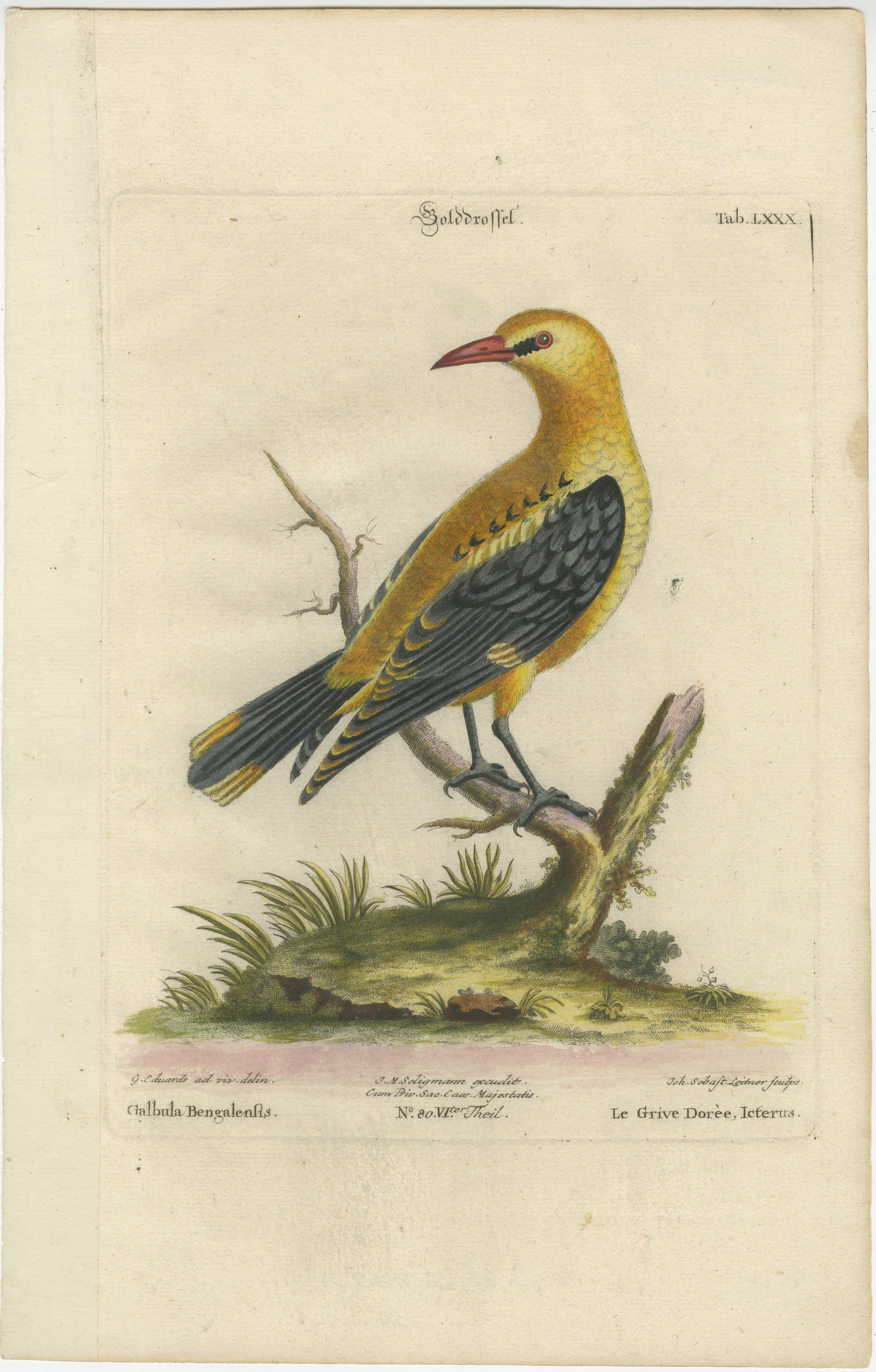
Good condition with the original hand coloring still very vivid and vibrant. The paper is strong & chain-lined with strong plate marks. Left border supported. General age related toning and minor foxing.
About this sheet
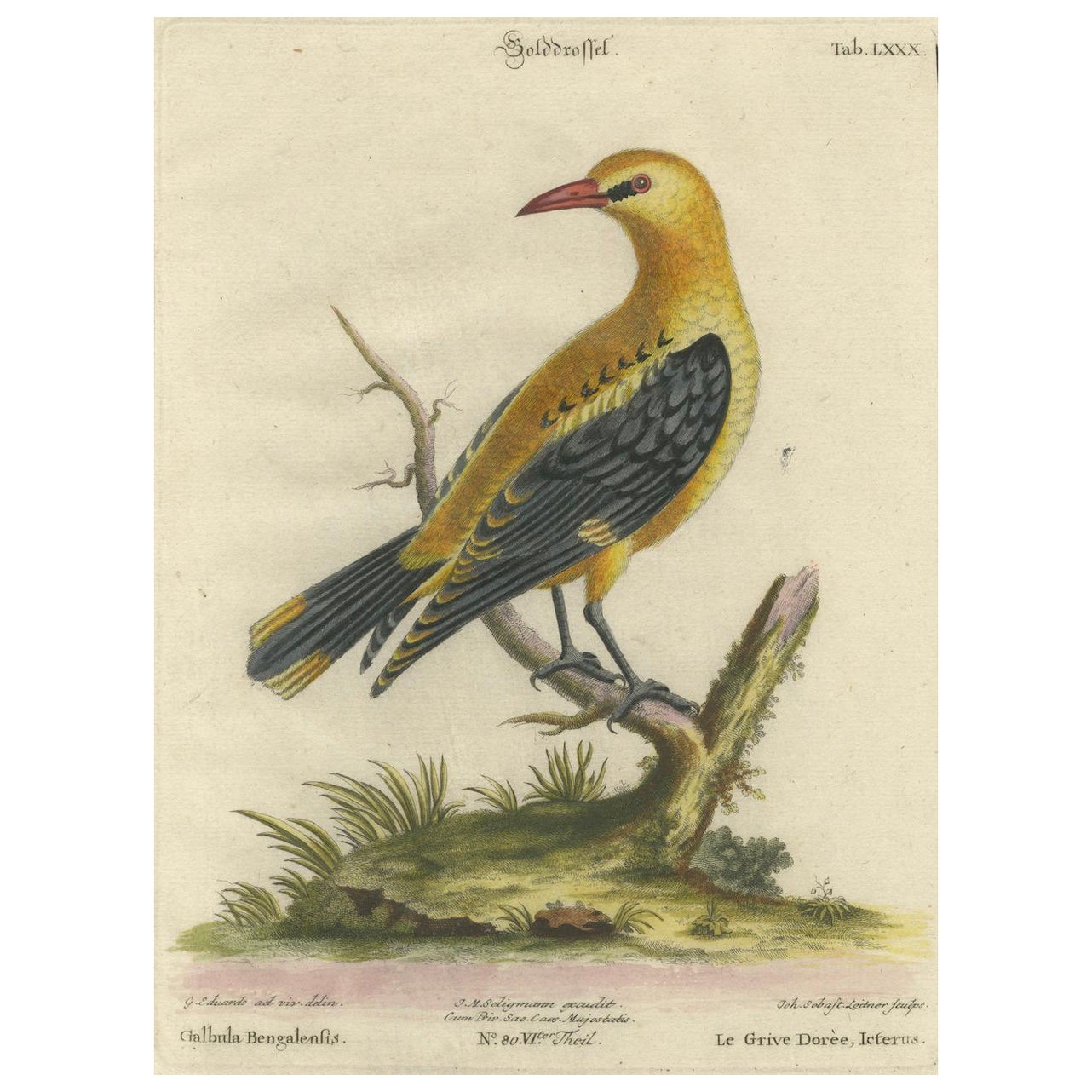
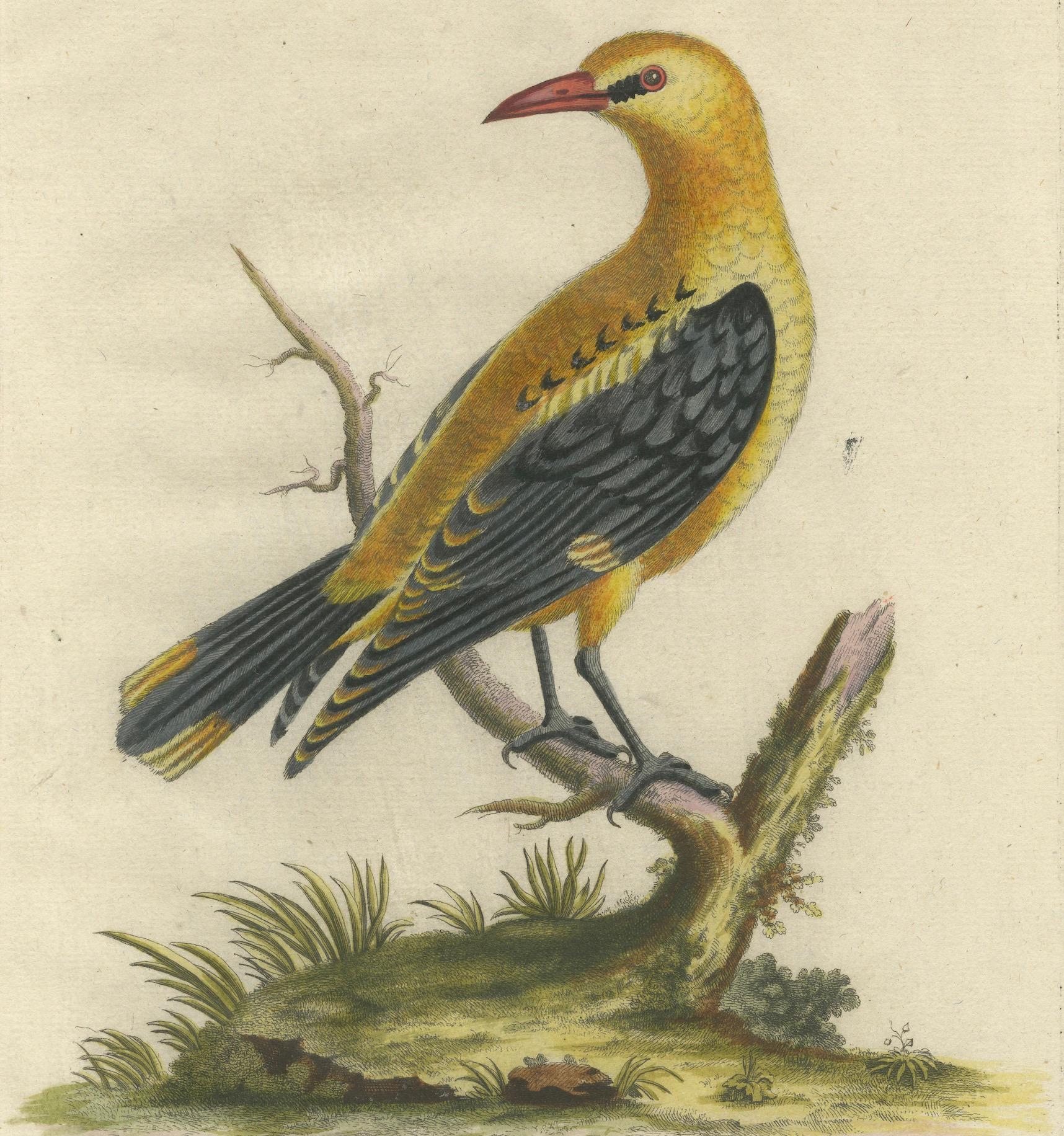
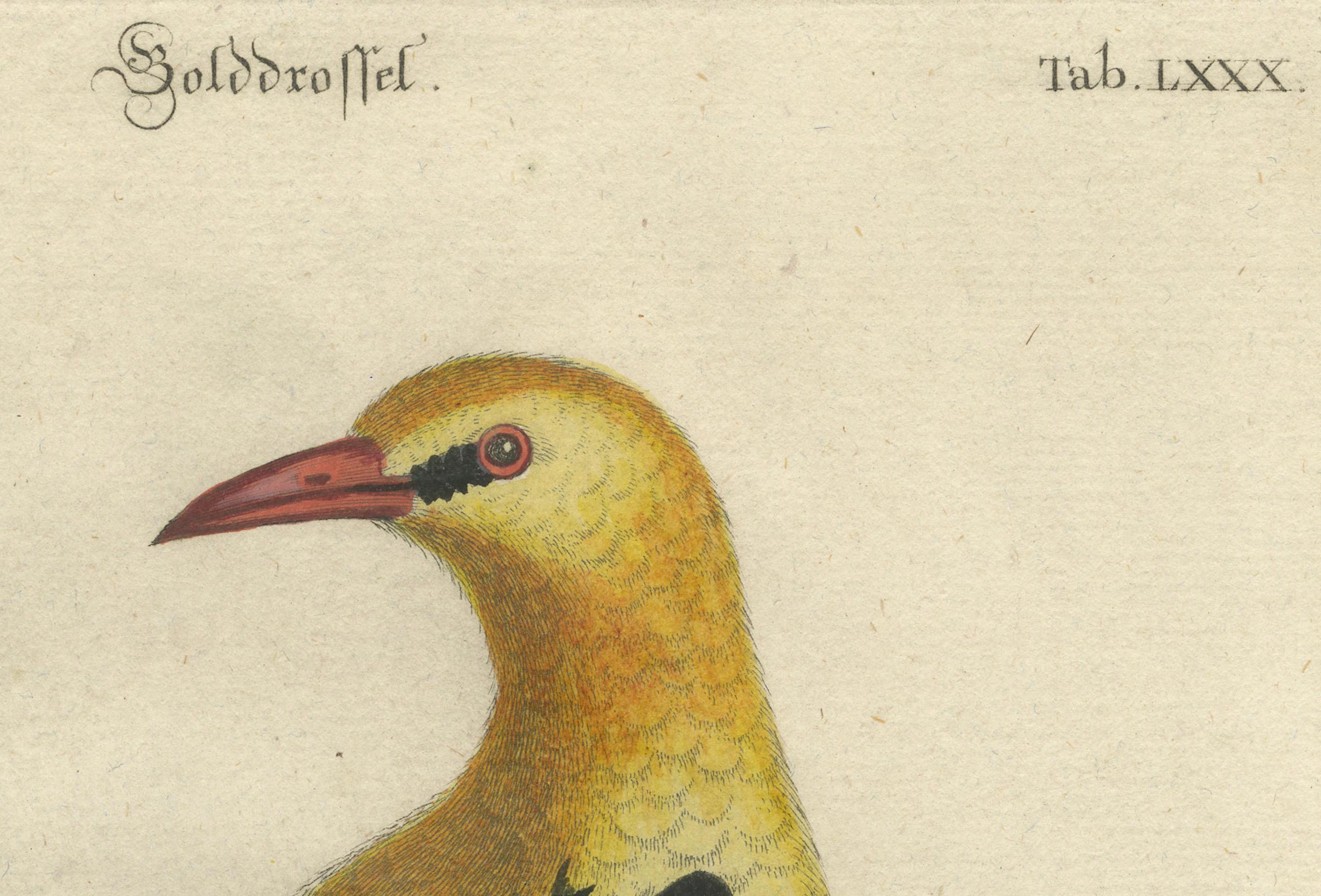
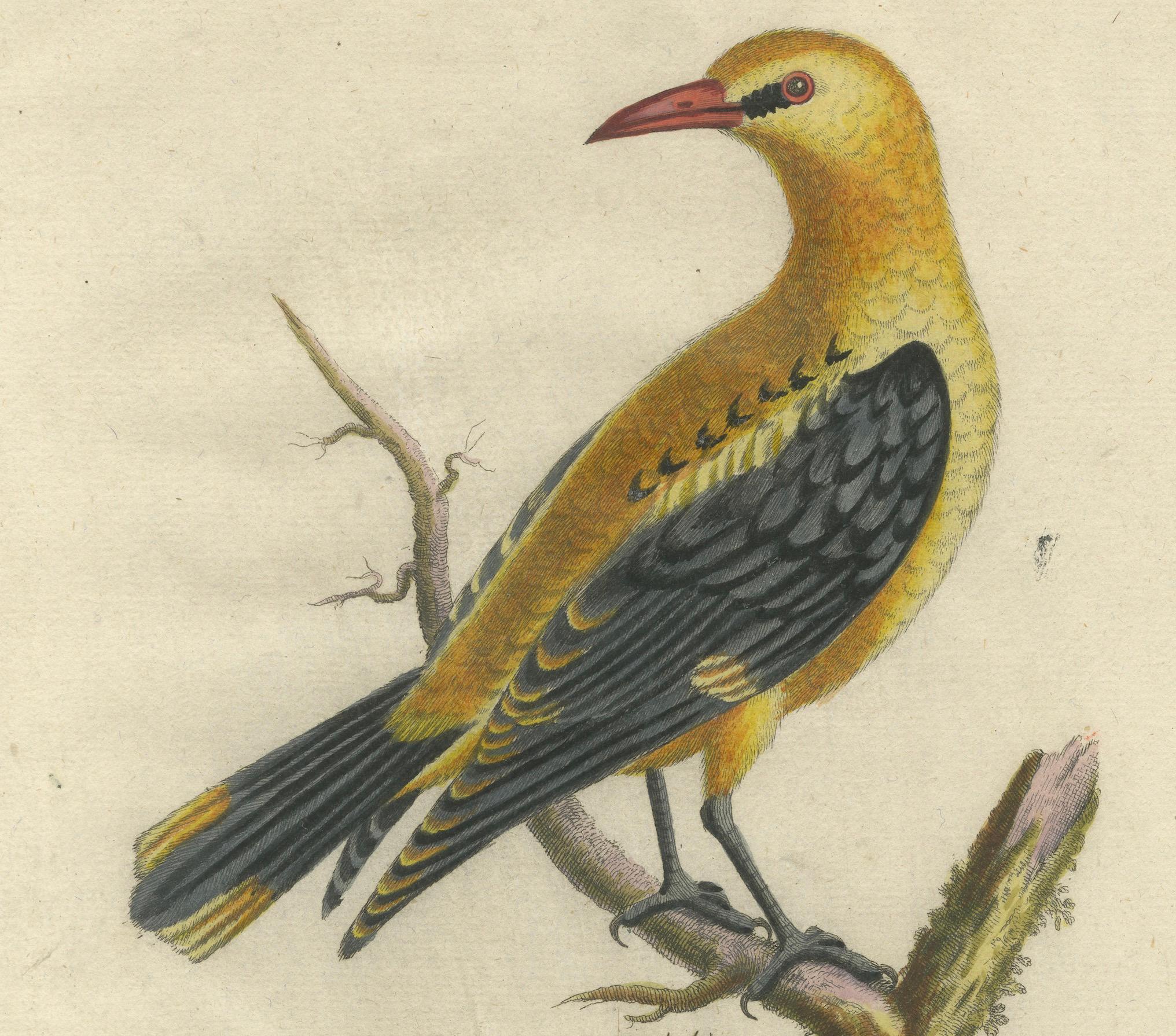
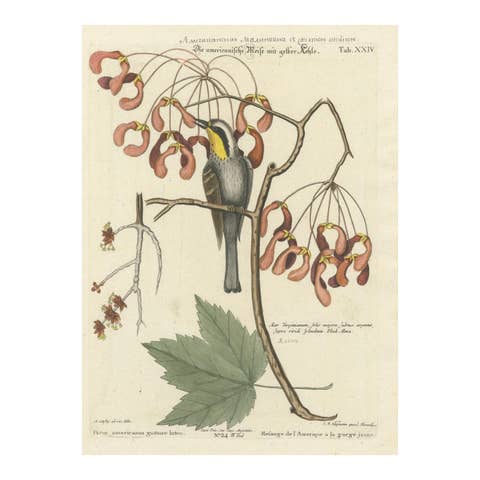
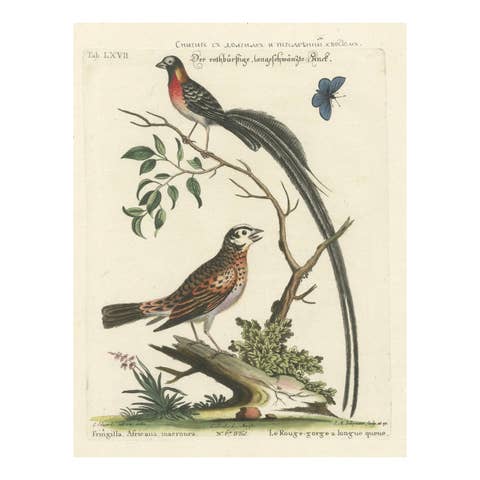
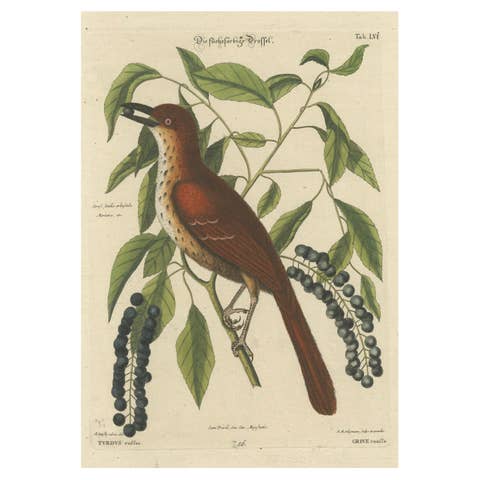
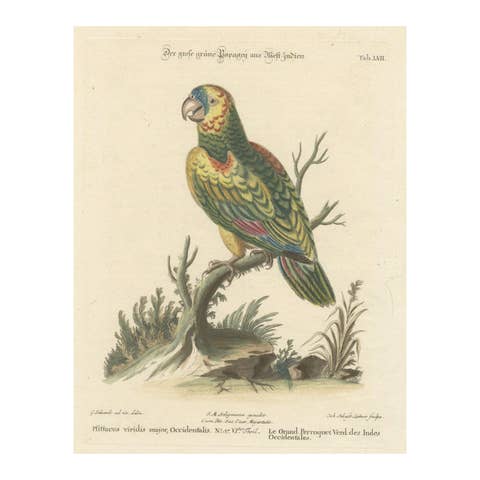
This original antique hand-colored engraving by Johann Michael Seligmann is a representation of the Golden Thrush, derived from George Edwards' "Natural History of Uncommon Birds" and "Gleanings of Natural History." The artwork was part of Seligmann's own work, "Sammlung Verschiedener Auslandischer und Seltener Vogel," which translates to "Collection of Various Foreign and Rare Birds," published in 1749.
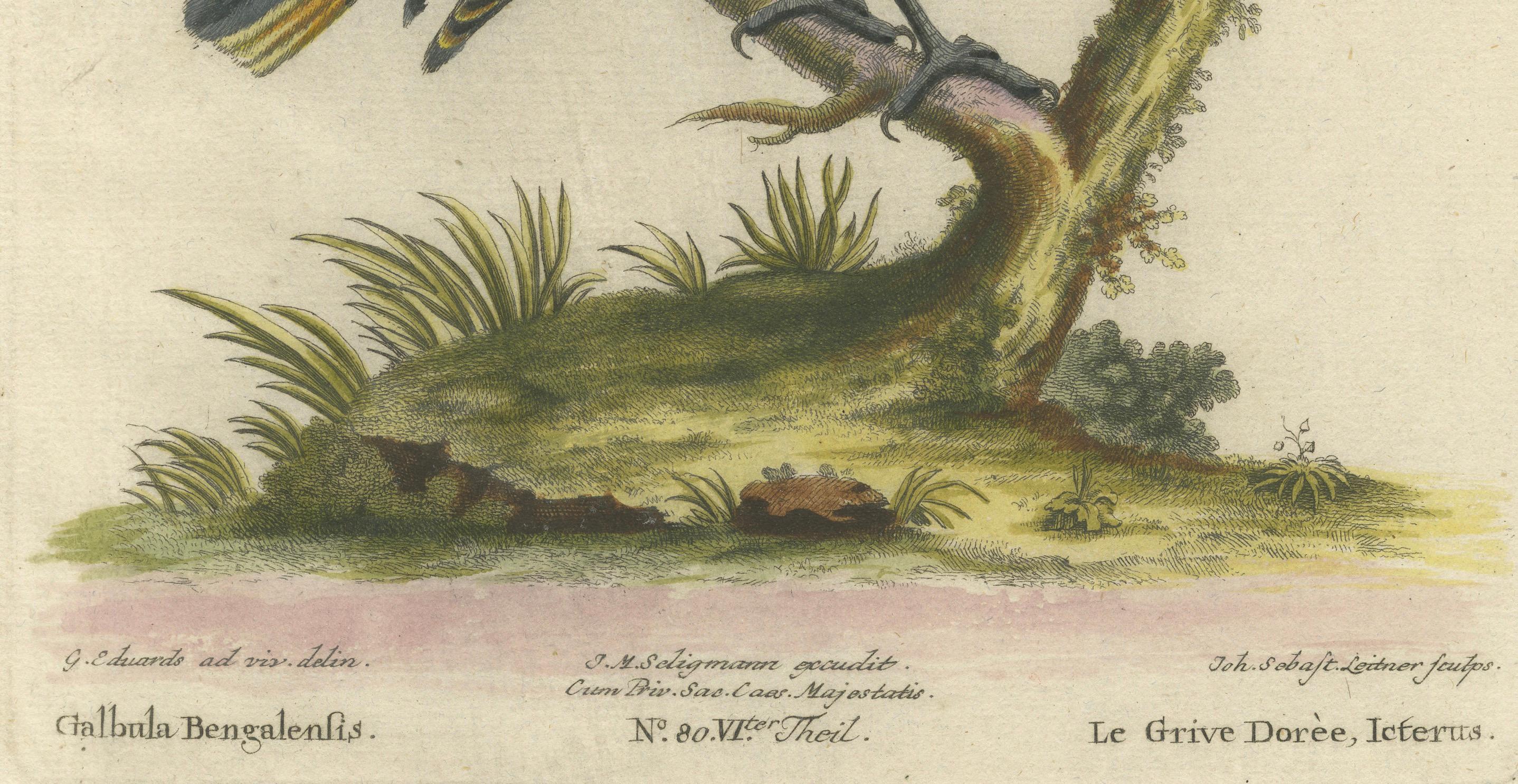
The engraving contains several lines of text in different languages, likely identifying the bird and giving references to the work it was derived from. Here’s the transcription and translation of the visible text:
- "Gallula Bengalensis." - This is Latin, likely the scientific name of the bird at the time, which translates to "Bengal Gallula" or "Bengal Thrush." - "N:o 80./VII.Heft." - This seems to be a reference to the plate number and the volume or issue number of the collection. - "Le Grive Dorée, Icterus." - In French, this means "The Golden Thrush, Icterus." 'Icterus' refers to the genus that includes birds commonly known as orioles, which are often characterized by their yellow and black plumage. - "Goldbrostel." - This could be an old or regional name for the bird in German, which might translate to something like "Gold Breast" referring to the bird's golden chest. - "Tab. LXXX." - This is shorthand for "Table 80," which refers to the illustration or plate number in the collection.
The bird is depicted with a high level of detail, showcasing the artist's ability to capture the delicate features of its plumage. The engraving style is typical of the 18th century, with fine lines creating texture and depth, and the hand coloring adds a vibrant, lifelike quality to the bird. The scene is composed with the bird perched on a branch, surrounded by a serene background of foliage and grass, which enhances the naturalistic presentation that was a hallmark of scientific illustrations of this era.