About this sheet
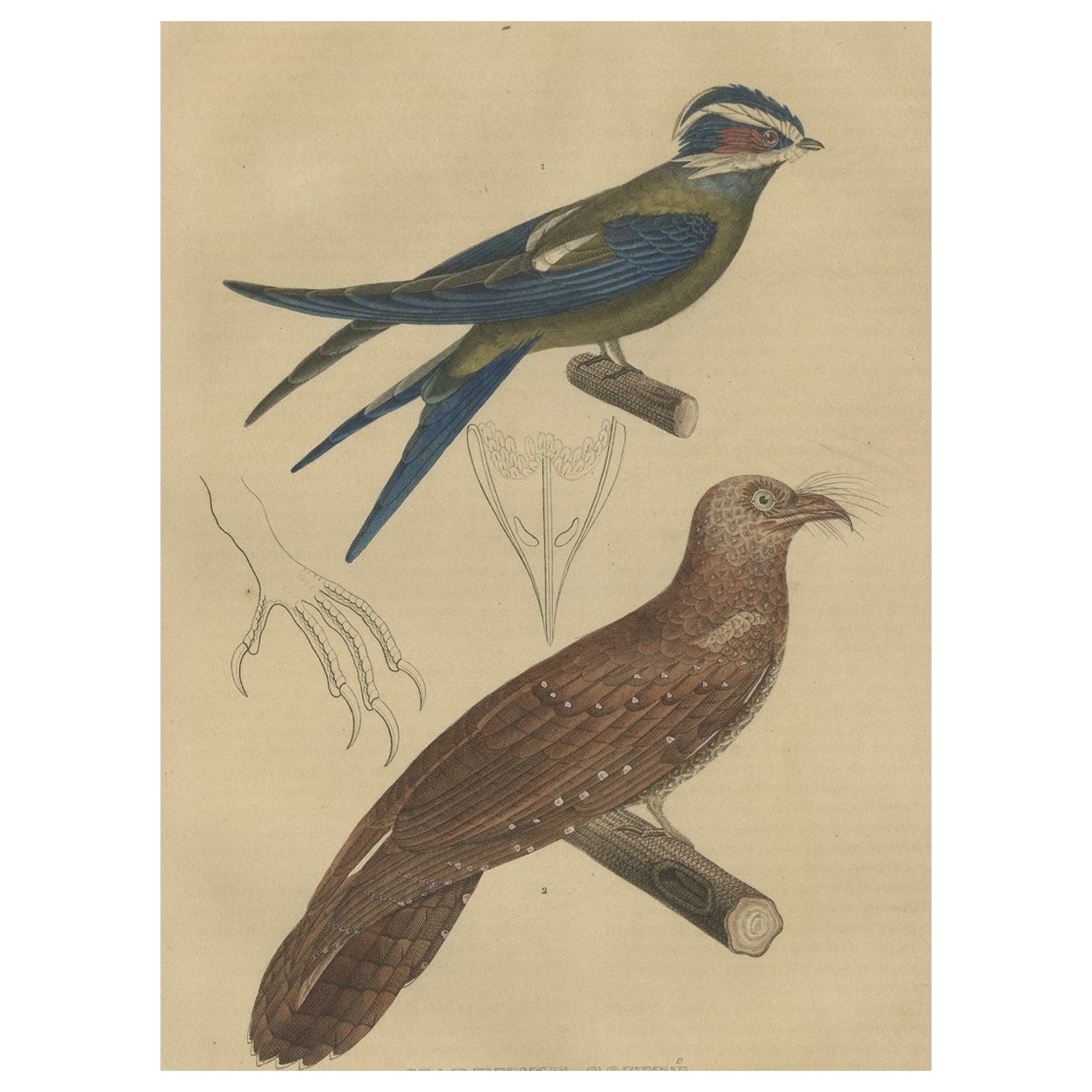
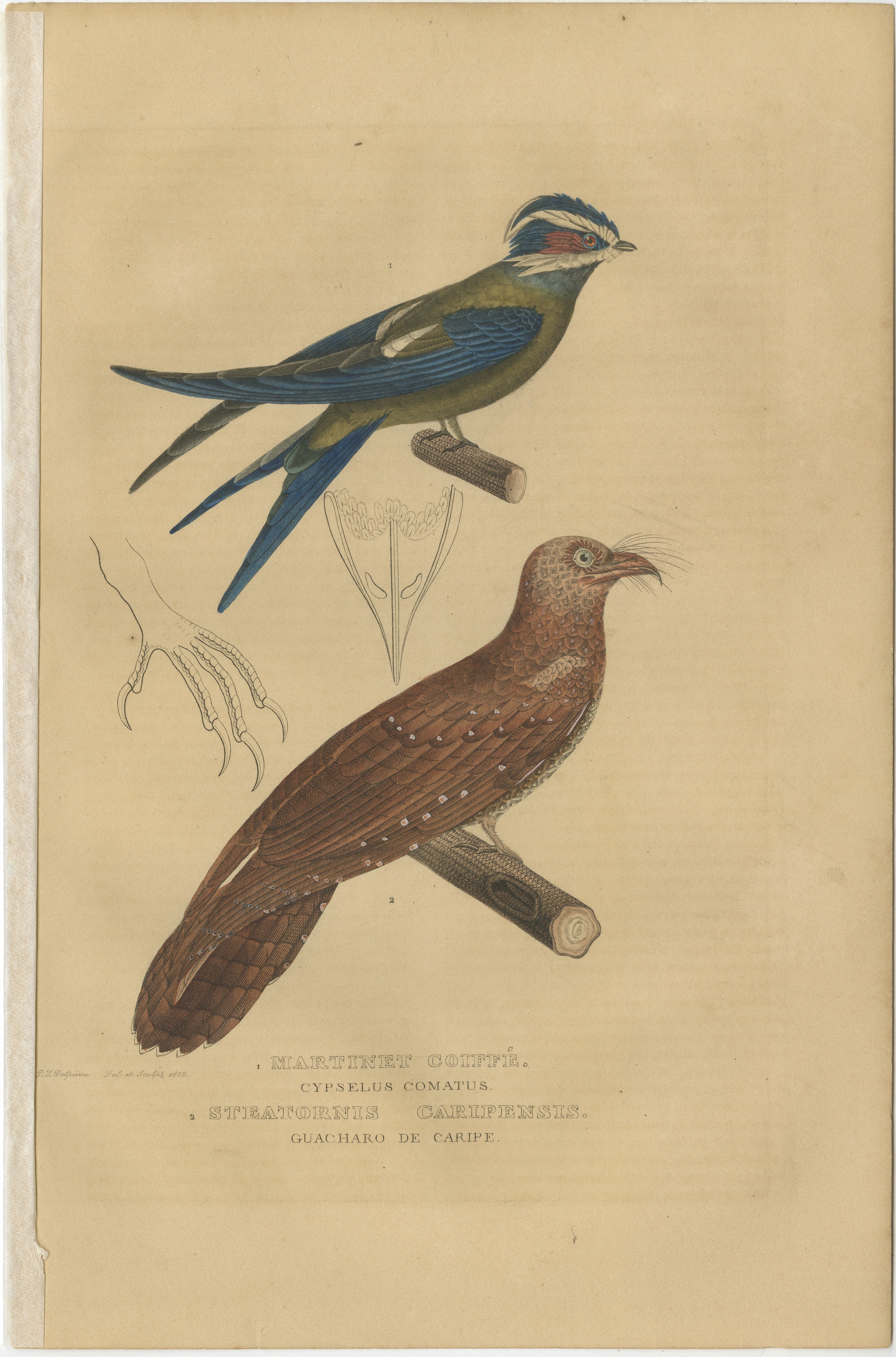
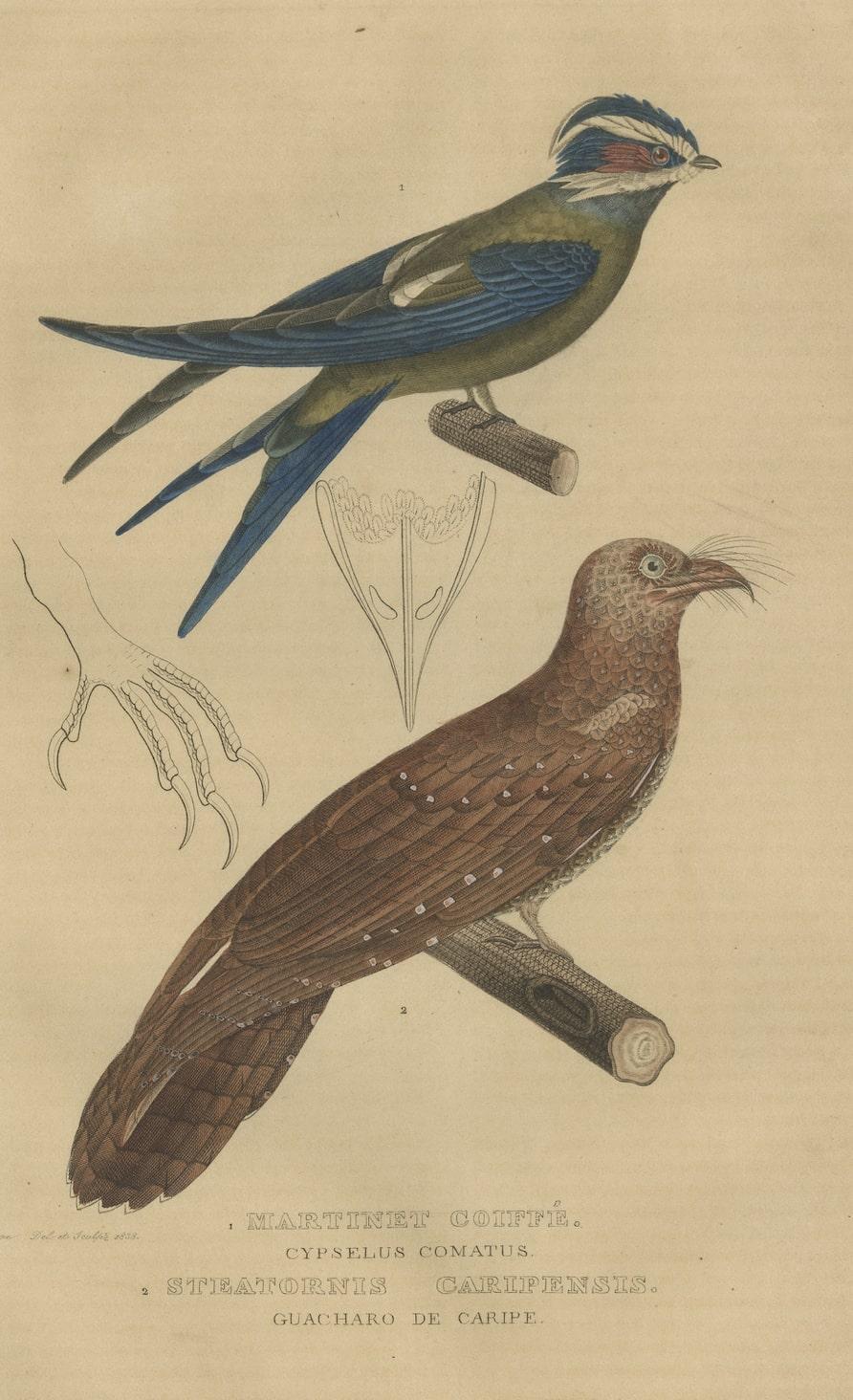
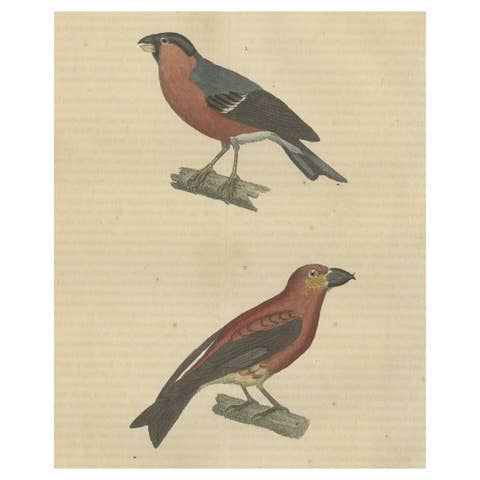
"Martinet coiffe" translates to "Crested Swift" in English. The Crested Swift is a bird species known for its distinctive crested appearance, often found in various parts of Africa and Asia. Its notable feature is the crest or tuft of feathers on its head, which distinguishes it from other swift species. These swifts are skilled aerialists, spending much of their time flying and catching insects on the wing.
The Oilbird, or Guácharo de Caripe, is a fascinating nocturnal bird species found in caves, forests, and cliffs in northern South America, particularly in Venezuela, Colombia, and Trinidad. Renowned for its unique habits, it's the only nocturnal flying bird in the world, relying on echolocation for navigation in complete darkness.
This bird's name originates from its feeding habits; it consumes fruits rich in oil, aiding in the formation of fat deposits, which are later used during periods of fasting. The Oilbird's vocalizations produce guttural sounds, often resembling the noise of someone stirring oil, hence contributing to its name.
Due to its nocturnal lifestyle, the Oilbird has specialized adaptations, including large eyes to aid in low-light vision and echolocation clicks to navigate in caves and dark environments. Known for nesting in large colonies in caves, these birds play a significant ecological role in seed dispersal within their habitats.
The Guácharo de Caripe holds cultural significance in Venezuela, particularly in Caripe, where it is protected and revered. The local population has recognized the importance of these birds in their natural heritage, and efforts are made to conserve their habitats and nesting sites.
More info on the book in which it was published:
The 'Dictionnaire Classique des Sciences Naturelles' by Pierre Auguste Joseph Drapiez stands as a remarkable testament to 19th-century natural sciences. Published in Brussels in 1845, this work represents an expansive collation of knowledge, building upon the pioneering works of Buffon, Daubenton, Lacepede, Cuvier, de Jussieu, and other influential naturalists.
The prints within this compendium likely showcase a rich amalgamation of artistic precision and scientific accuracy. Drapiez, himself a Belgian naturalist, would have aimed for detailed representations of flora, fauna, and scientific phenomena, mirroring the illustrative styles prevalent during his time. Given the era's emphasis on illustration, these prints were likely engraved meticulously, possibly portraying intricate anatomical details or lifelike depictions of the natural world.
With Drapiez's background in natural history, the prints might bear testament to his commitment to scientific authenticity, aiming to educate and inspire scholars and enthusiasts alike. These engravings would have complemented the text, offering visual aids that elucidate the concepts and specimens discussed in the volume.
Overall, the prints of 'Dictionnaire Classique des Sciences Naturelles' likely serve as both artistic representations and invaluable scientific resources, encapsulating the essence of 19th-century natural history exploration and documentation.