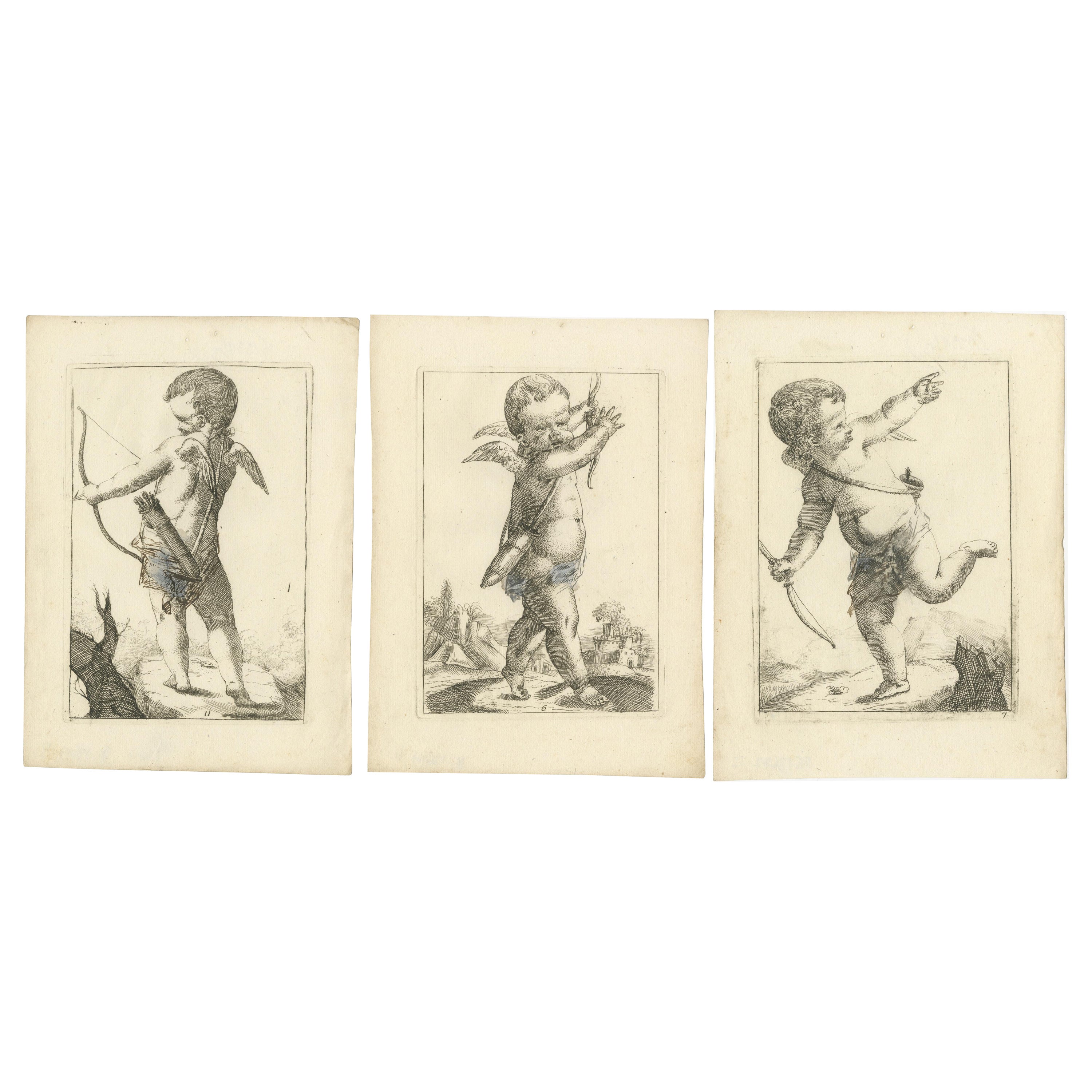
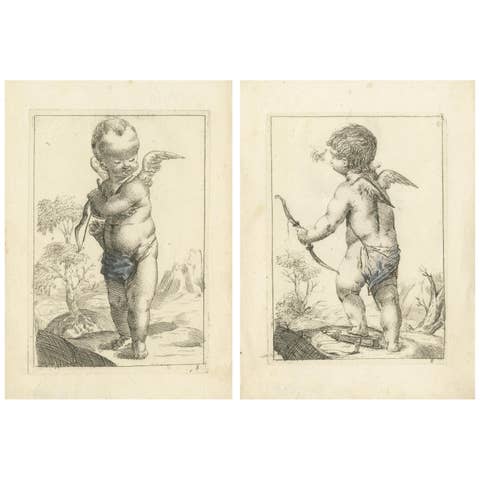
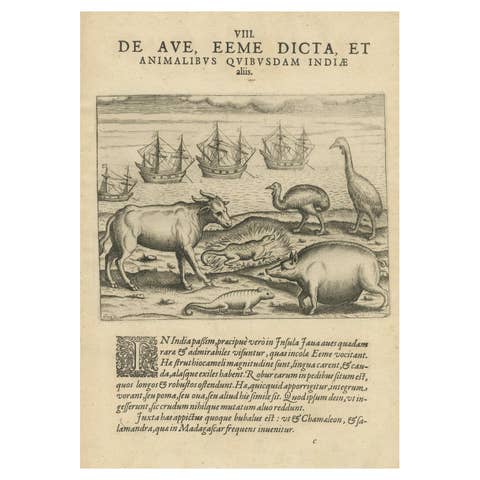
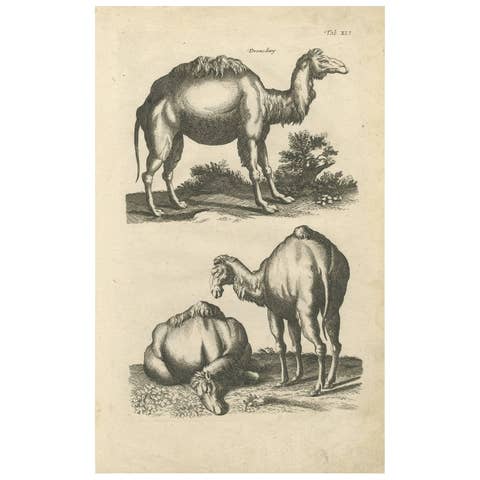
Harmonious Mischief: A Triptych of Baroque Putti, circa 1620
€ 440
One of a kind: this is the sheet in the photographs. Ships from Langweer, the Netherlands.
Date
1620
Sheet size
20 × 14.7 cm (7.9 × 5.8 in)
Condition
Good
Reference
BG-13677-8, BG-13677-11, BG-13677-12
Condition
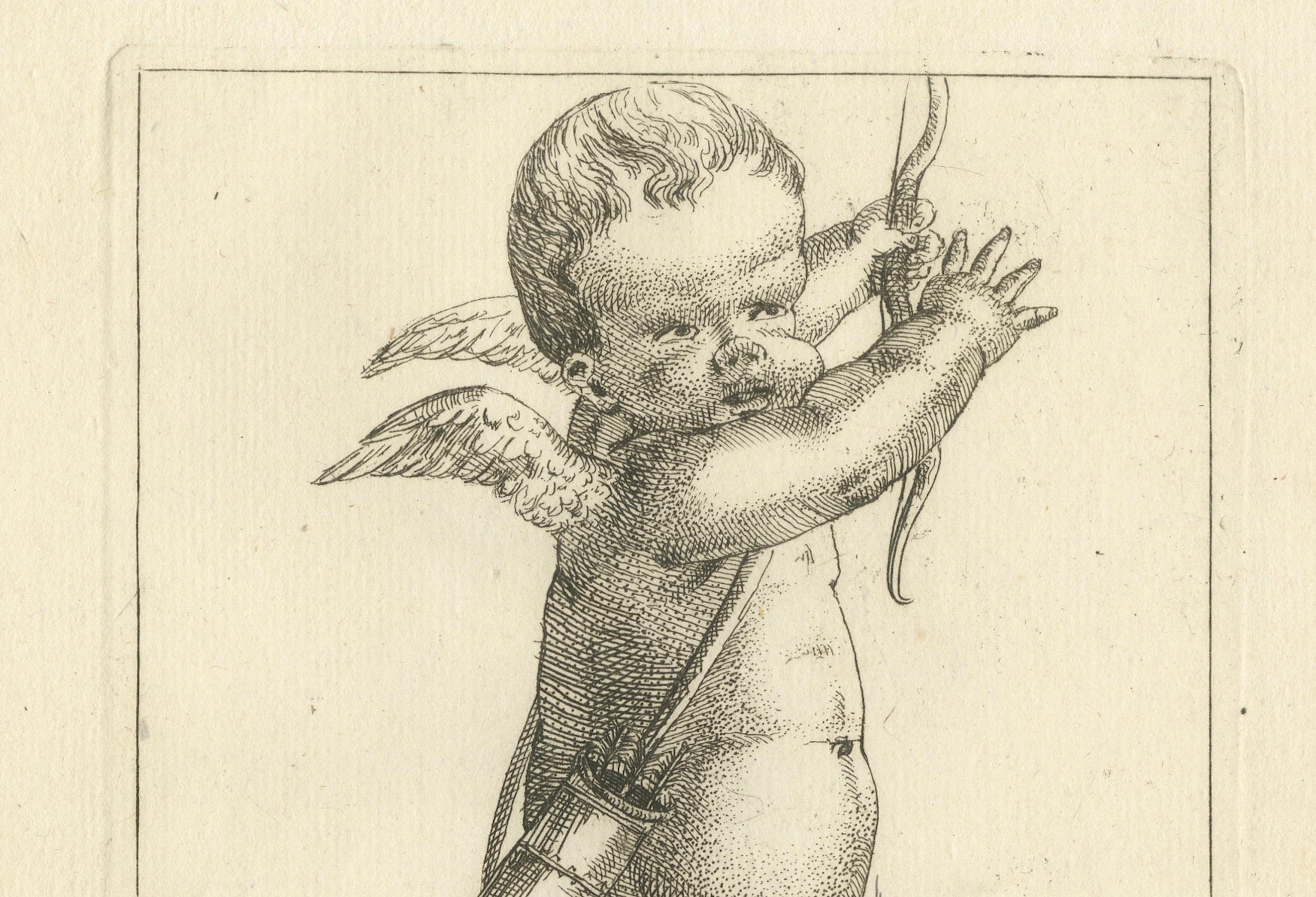
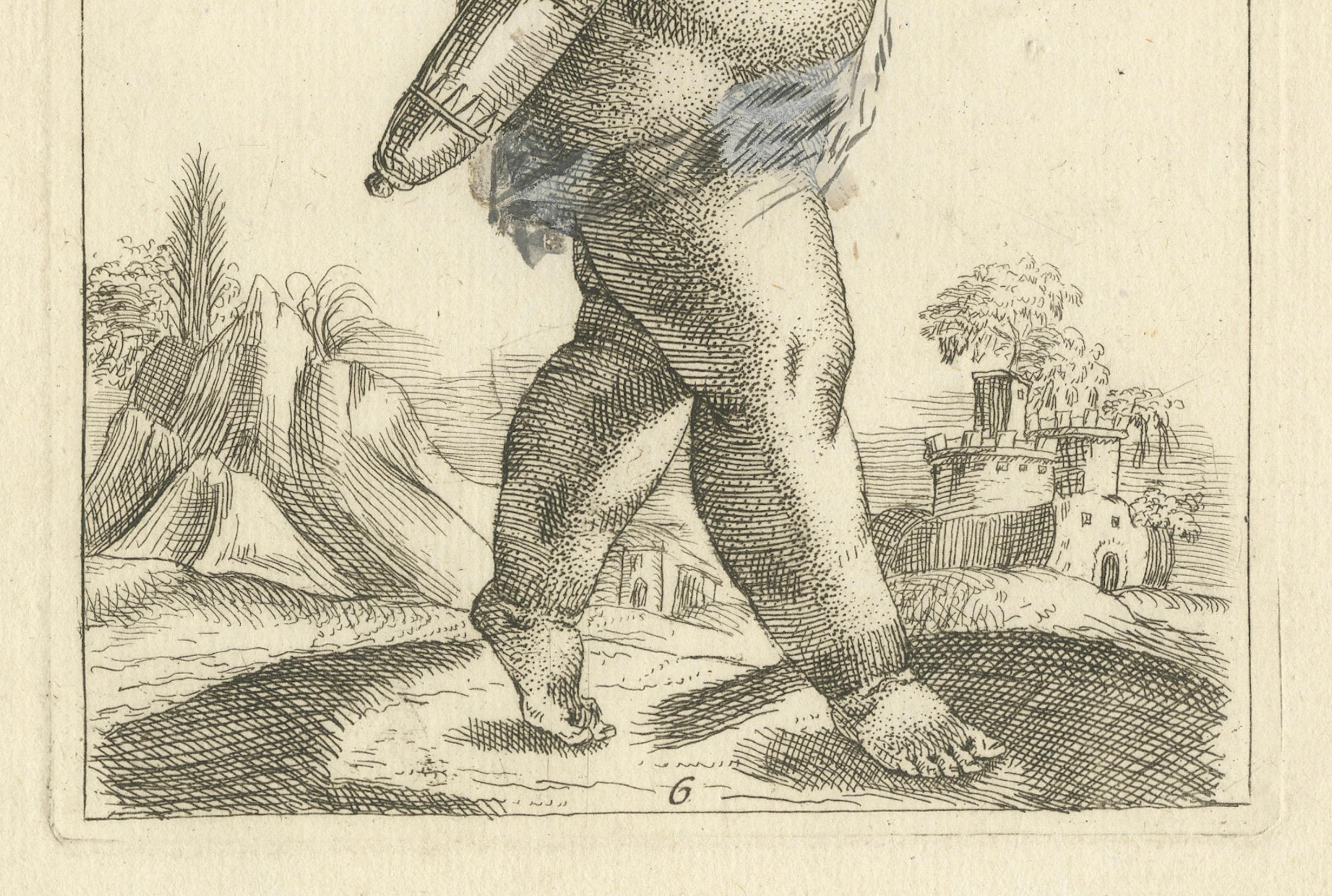
Good, given age. Some light staining in margins, not affecting image. General age-related toning and/or occasional minor defects from handling. Waist of putti lightly covered with blueish colour. Study scans carefully.
About this sheet
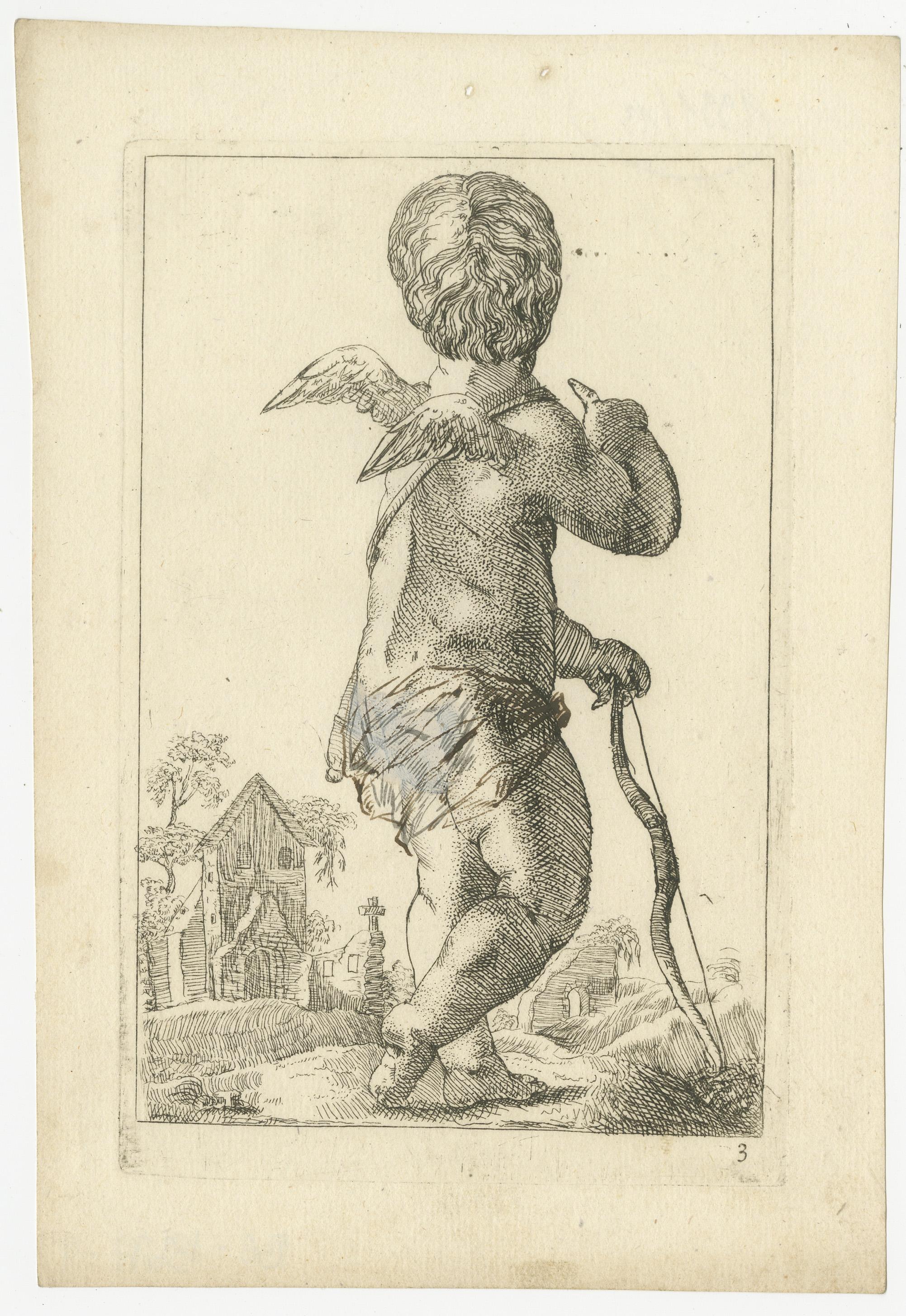
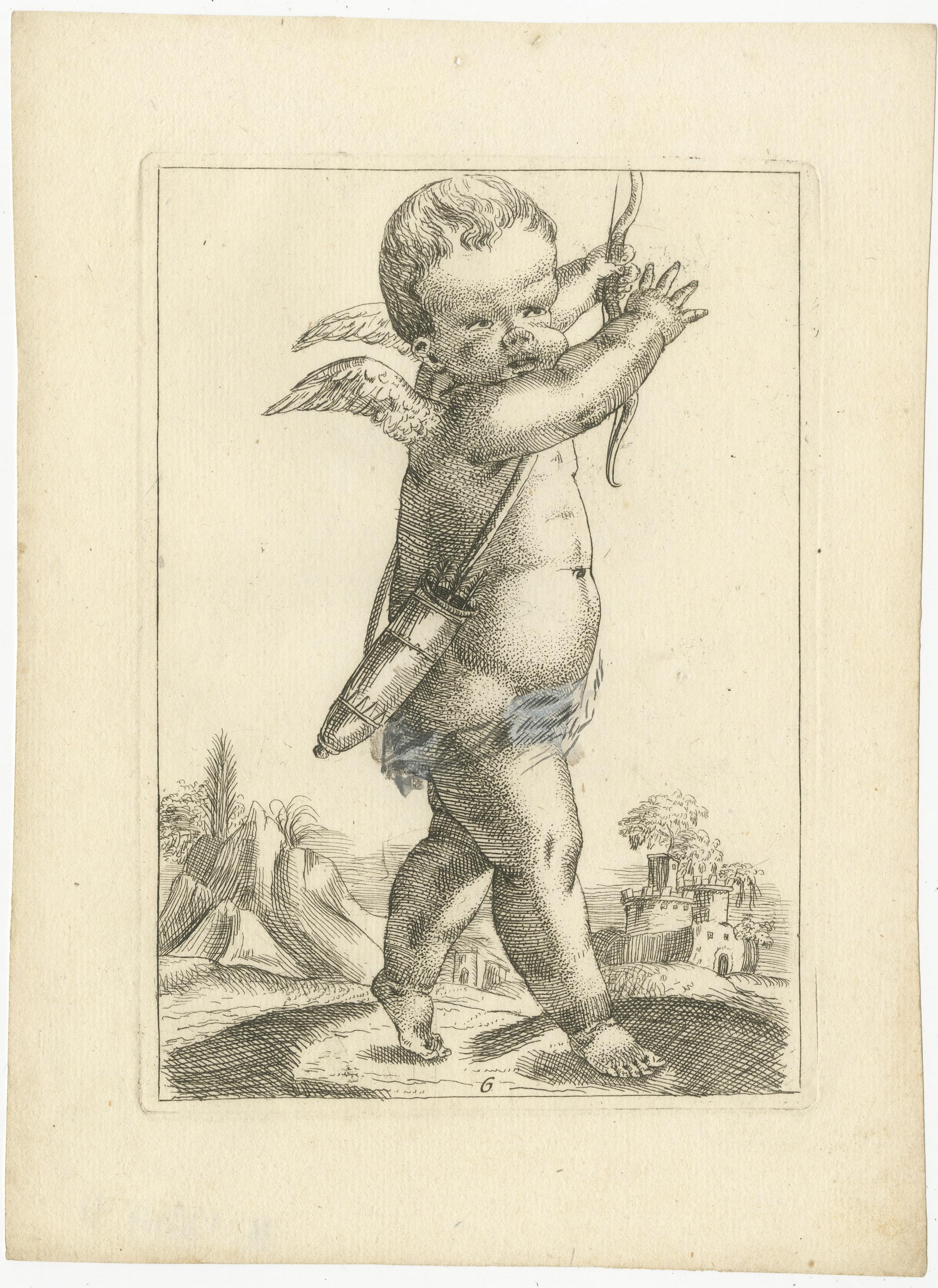
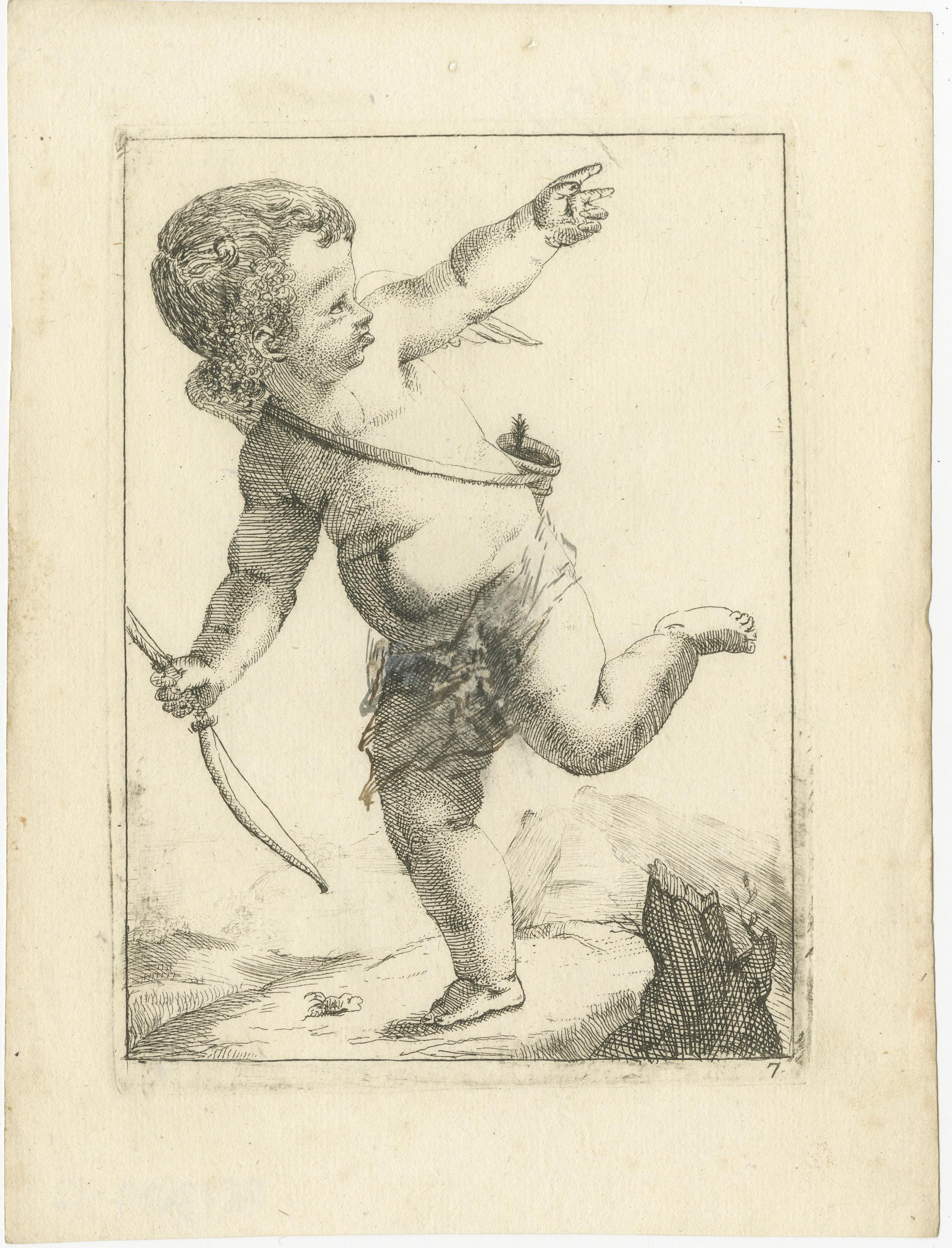
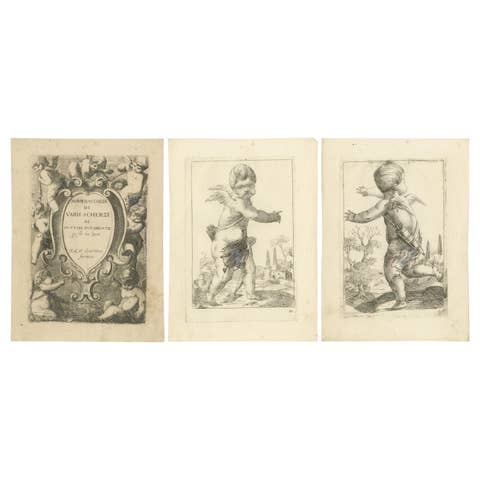
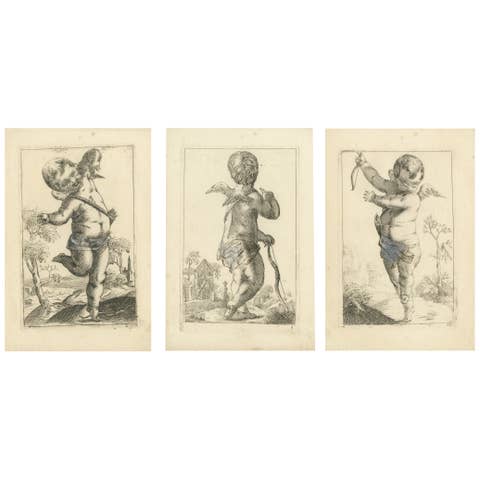
These images are rare but fine examples of original 17th-century European engravings, displaying characteristics that might point to an Italian origin based on stylistic analysis. They depict putti, cherubic figures commonly featured in Baroque art. These figures are traditionally shown as plump male infants, often unclothed and sometimes with wings, embodying a non-religious yet allegorical or ornamental essence.
The engravings belong to a collection entitled "NOVA RACCOLTA DI VARII SCHERZI DI PUTTINI NOVAMENTE POSTI IN LUCE," which translates from Italian as "New collection of various jokes of little boys newly brought to light." The indication "F.L.D. Ciartres. foruis" suggests an association with an individual with the initials "F.L.D.," and potentially implies publication in Chartres, France. The term "foruis" may denote a name or pertain to the publishing realm.
Further historical context is provided by a French catalogue from 1858 named "Catalogue des livres, gravures, dessins, estampes et tableaux composant le cabinet," which lists this work and describes it as "348. Nova raccolta di varii scherzi di Puttini, posti in luce F. L. D. Ciartres fornis. 13 p." This translates to "348. New collection of various jests of little boys, newly published by F. L. D. Ciartres fornis. 13 pages." The mention of "fornis" likely refers to the publisher or printer, associated with "F. L. D. Ciartres."
The documents hint that the creation of this work was contemporary to or before the reign of Louis XIII of France, suggesting a time frame but not confirming a precise publication date. Additional research would be necessary to ascertain more detailed information about the engravings' origins, authorship, and historical context.