About this sheet
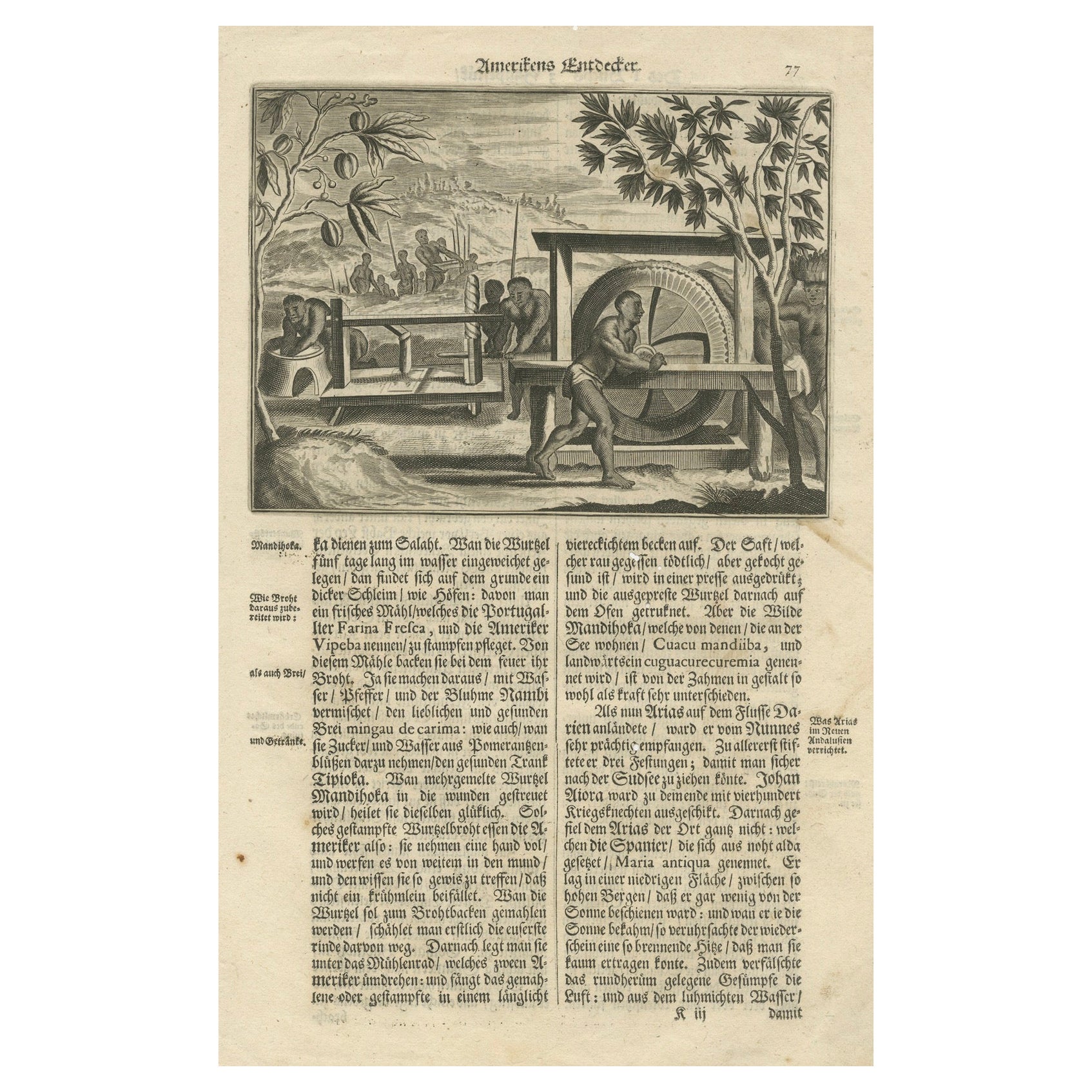
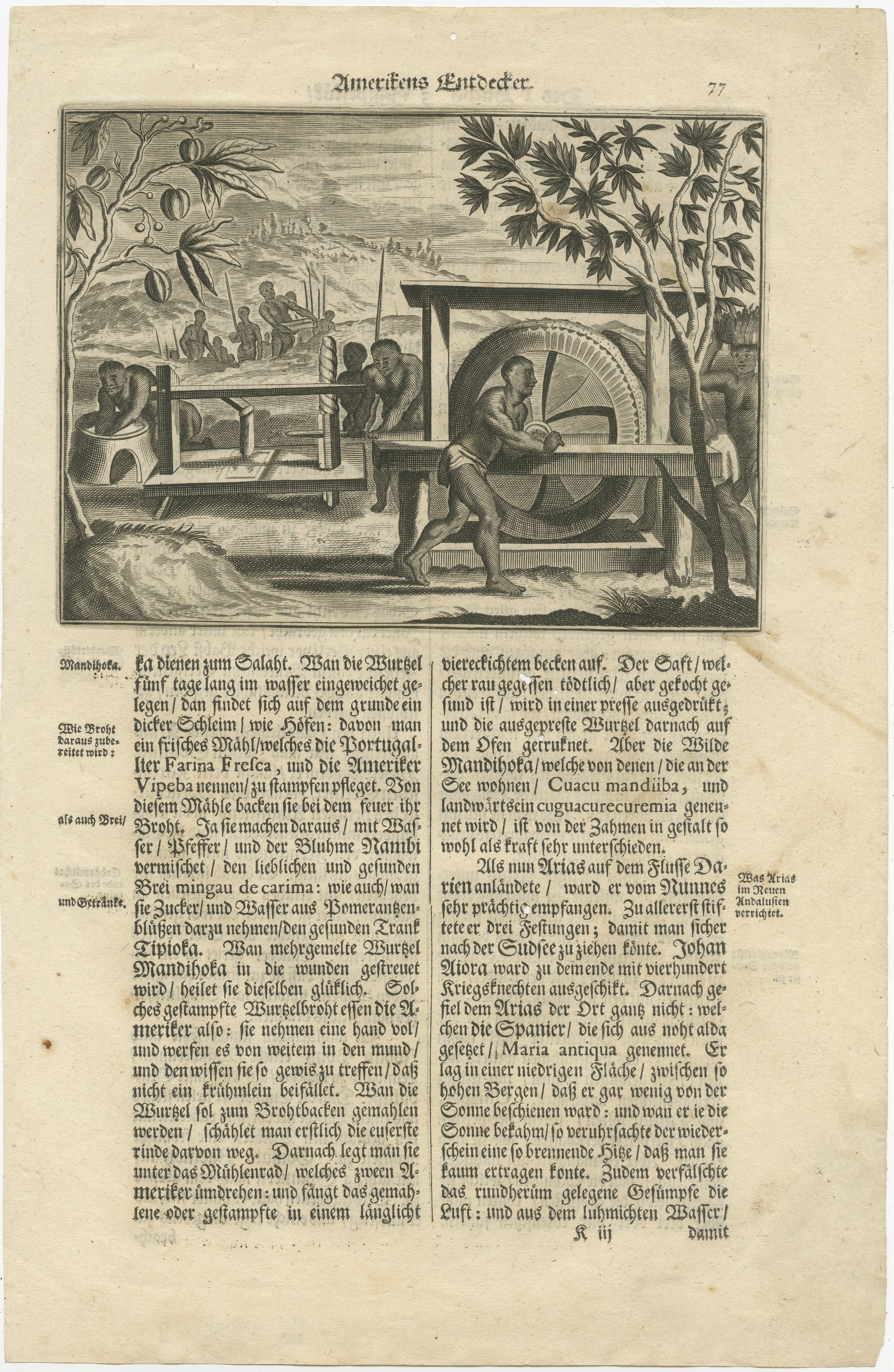
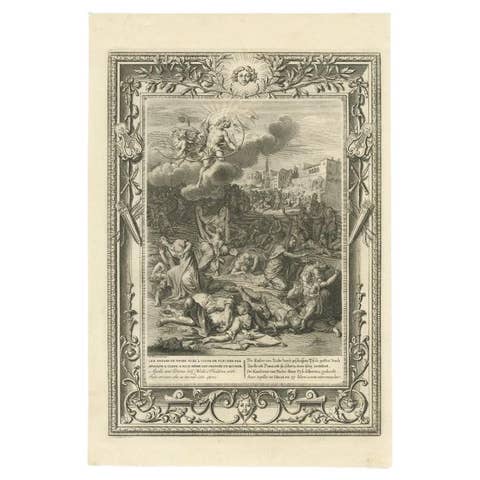
The print titled "AMERIKENS ENTDECKER" is a striking antique copper engraving, crafted in 1673 during the 17th century as part of the German edition of Arnoldus Montanus' influential work, "Die Unbekante Neue Welt" ("The New and Unknown World"). The engraving was executed by Jacob van Meurs, a renowned Dutch engraver and publisher known for his detailed works on geography and history, and it was published in Amsterdam.
Description of the Print:
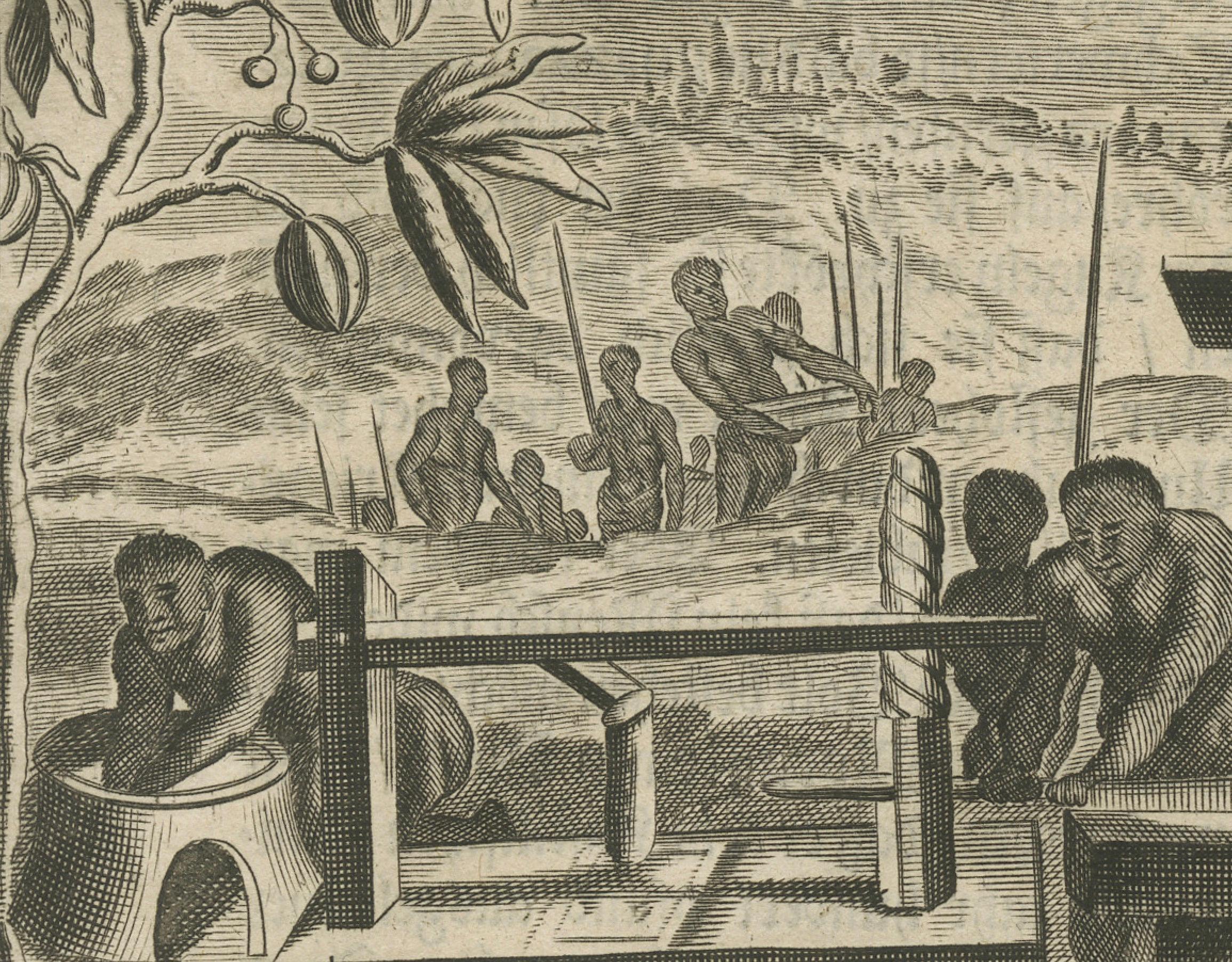
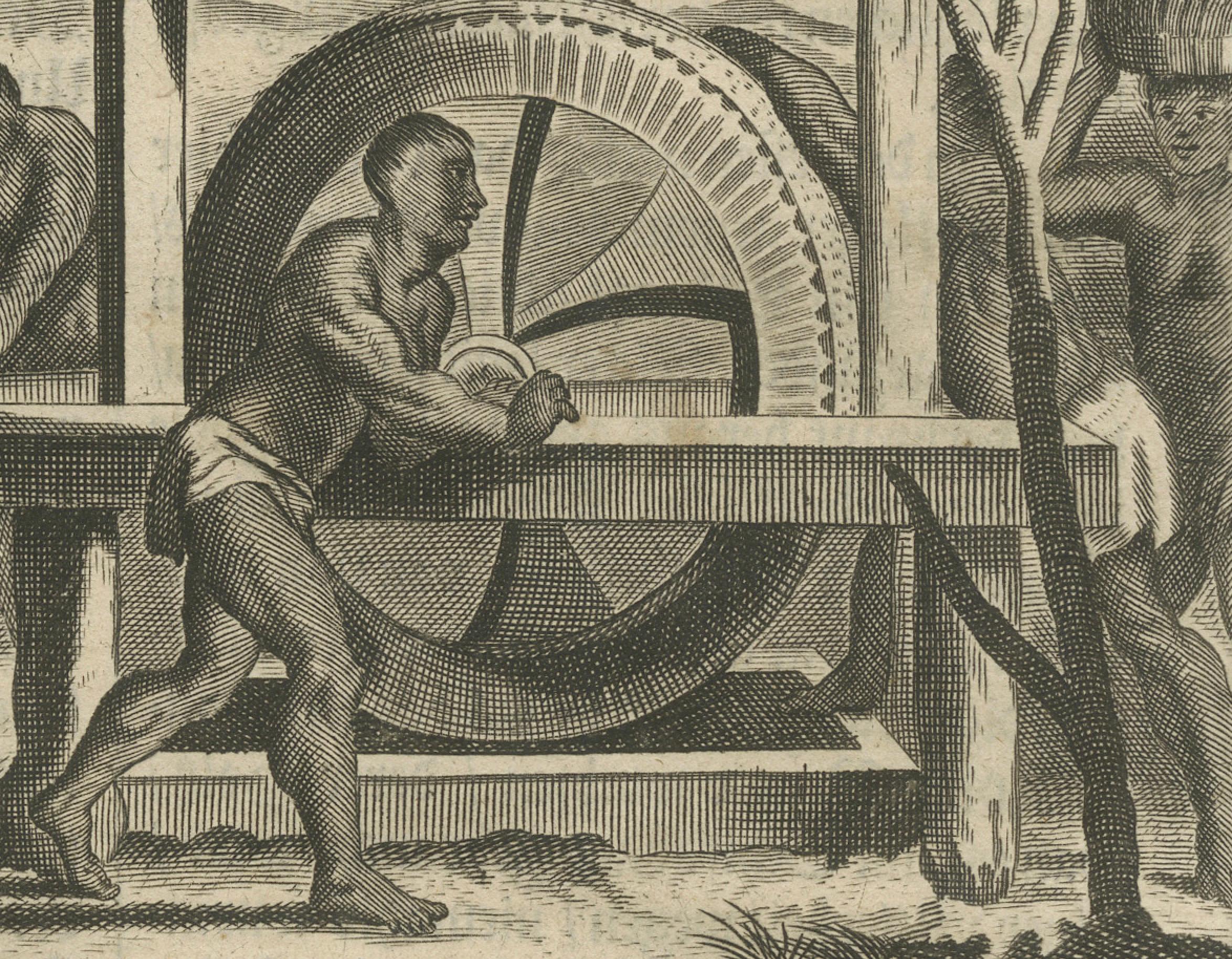
The engraving measures 17 x 13 cm (approximately 6.6 x 4.7 inches) and is set on a page that is 31 x 19.5 cm (about 12.2 x 7.4 inches). It depicts a vivid scene that illustrates the discovery of America, embodying the era's European perspective on New World explorations. The scene likely captures a moment of interaction between European explorers and indigenous peoples, set against a backdrop of the American landscape, which is rendered with attention to detail typical of the period's engraving work.
About the Makers:
- Arnoldus Montanus (1625-1683) was a Dutch teacher and author with a prolific output spanning theology, history, and geography. His works, particularly on the "new" and "unknown" parts of the world, aimed to educate European readers about distant lands. His narratives were among the primary sources of information about the Americas and the Southland for his contemporaries.
- Jacob van Meurs (1617-1680) was an active engraver and publisher based in Amsterdam from 1651 to 1680. His expertise lay in creating and publishing detailed engravings that accompanied works of geography and history, contributing visually rich illustrations that enhanced the textual descriptions provided by authors like Montanus.
Condition and Presentation:
The print is in good condition, suggesting that it has been well-preserved over the centuries. The clarity of the engraving allows for detailed observation of the historical context and artistic skill involved in its creation.
This particular edition, being part of the German translation edited by Jacob van Meurs in Amsterdam, represents a significant historical artifact, reflecting the collaboration between a skilled engraver and a scholarly author. The print not only serves as a piece of visual history but also as a testament to the Dutch Golden Age's contribution to printed media and early modern cartography and exploration narratives.
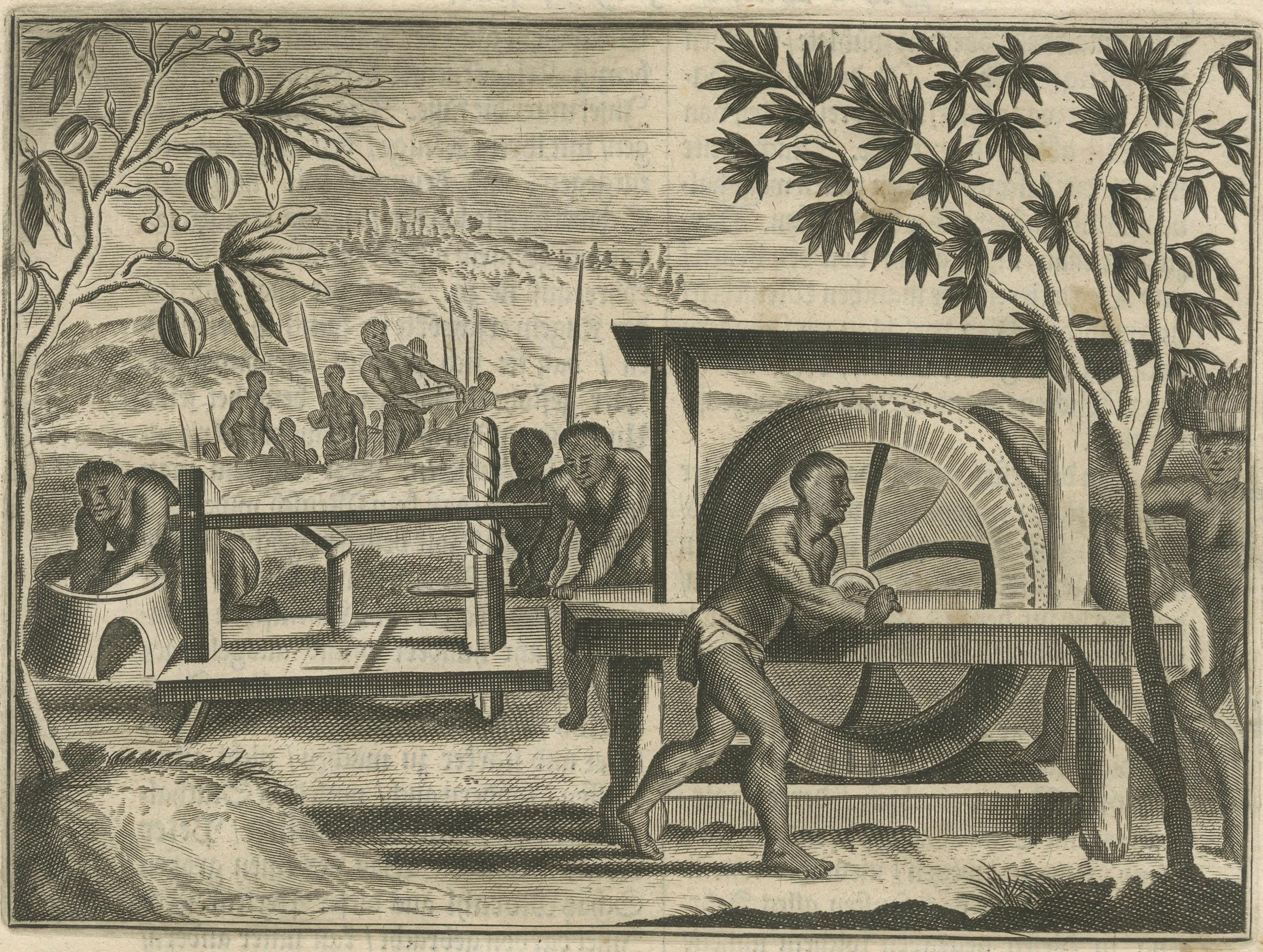
The engraving "Amerikens Entdecker" (Discoverers of America) shows a scene that likely illustrates European explorers and their initial interactions with the Americas, but the process depicted in the text alongside the image is specifically about the production of sugar in the New World. The scene in the image likely aims to represent various aspects of European exploration and colonization efforts, possibly including aspects of agricultural practices introduced or utilized by Europeans in the Americas.
The detailed description of the sugar production process in the text involves several steps:
1. Harvesting: The sugar-rich fruits or plants are collected when they have matured sufficiently.
2. Extracting Juice: The harvested produce is crushed or pressed to extract liquid.
3. Boiling the Juice: The extracted liquid is boiled to concentrate the sugar by evaporating water.
4. Molding: The concentrated sugar is then poured into molds to form solid blocks.
5. Drying and Packing: The sugar blocks are dried and prepared for transport or sale.
This process would be an essential part of the economic activities that European colonizers established in the Americas, which involved the intensive cultivation of cash crops like sugar cane. Such activities had significant economic and social impacts, including the establishment of plantations and the utilization of forced labor, dramatically affecting indigenous populations and landscapes. The engraving, therefore, provides a historical snapshot of both the technological aspects of sugar production and the broader context of European exploration and exploitation in the New World.
Translation of the text on page
The text in the image you uploaded appears to be in German. Here is the translation:
"American Mills
The initial stage is the salvation. When the fruit has been hanging long enough to become soft, they lay it on the ground, which becomes a solid mass. This mass is then placed in vats made of various types of wood, where the sugar and water separate. From this, a liquid flows, called Guarapo by the natives, and is collected. The Indians who oversee this process have to be very diligent and constantly check the temperature and state of the sugar.
The process continues by taking the sugar-rich liquid and boiling it. After this, it is cooled and poured into molds. These molds, called Tapas de dulce in local language, are lined with a type of manioc flour, which comes from a plant called Cacua mandioca, and are treated with a sugar syrup called guaracucuremia to solidify it into a solid form. This solid mass is not only good for...