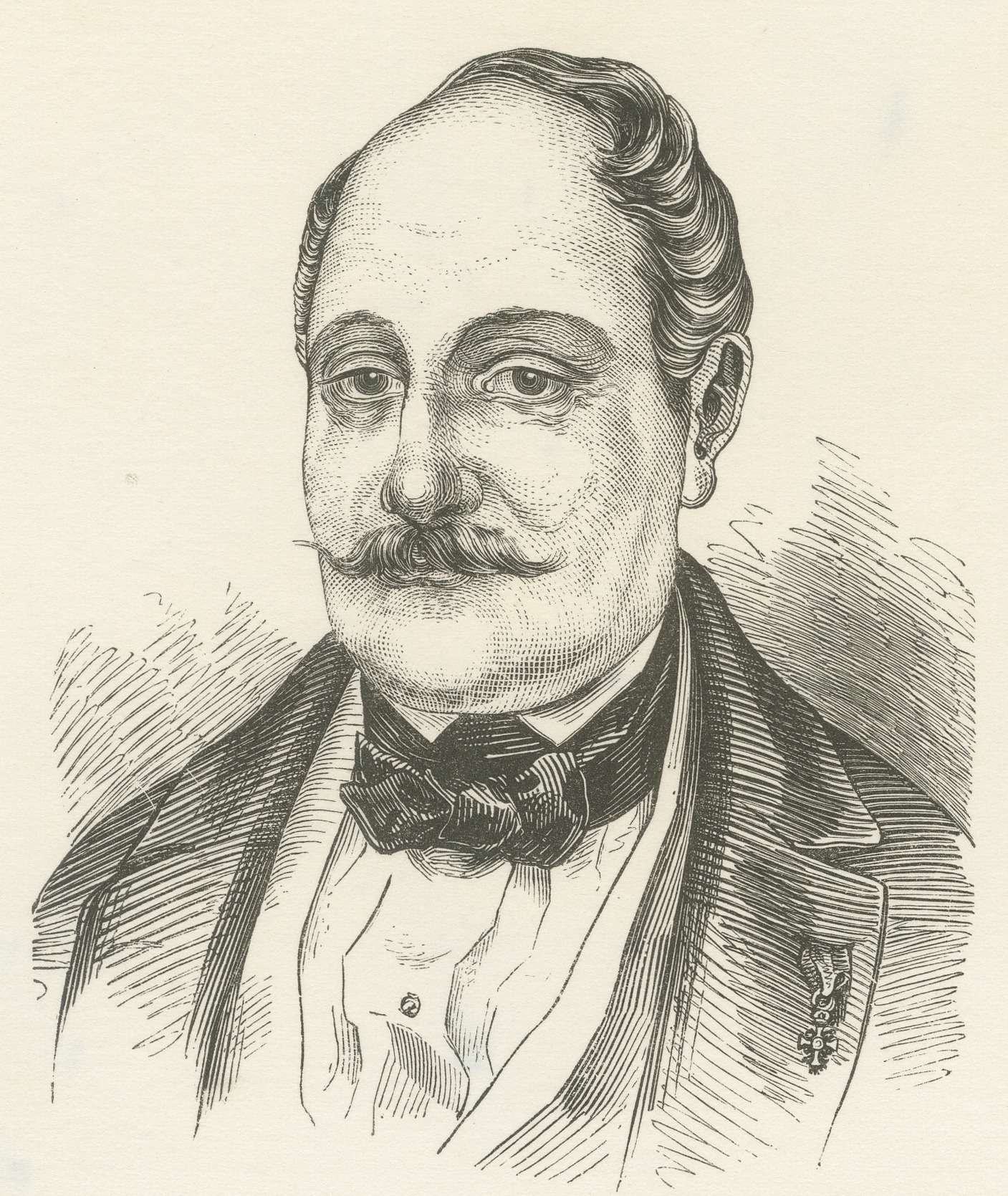
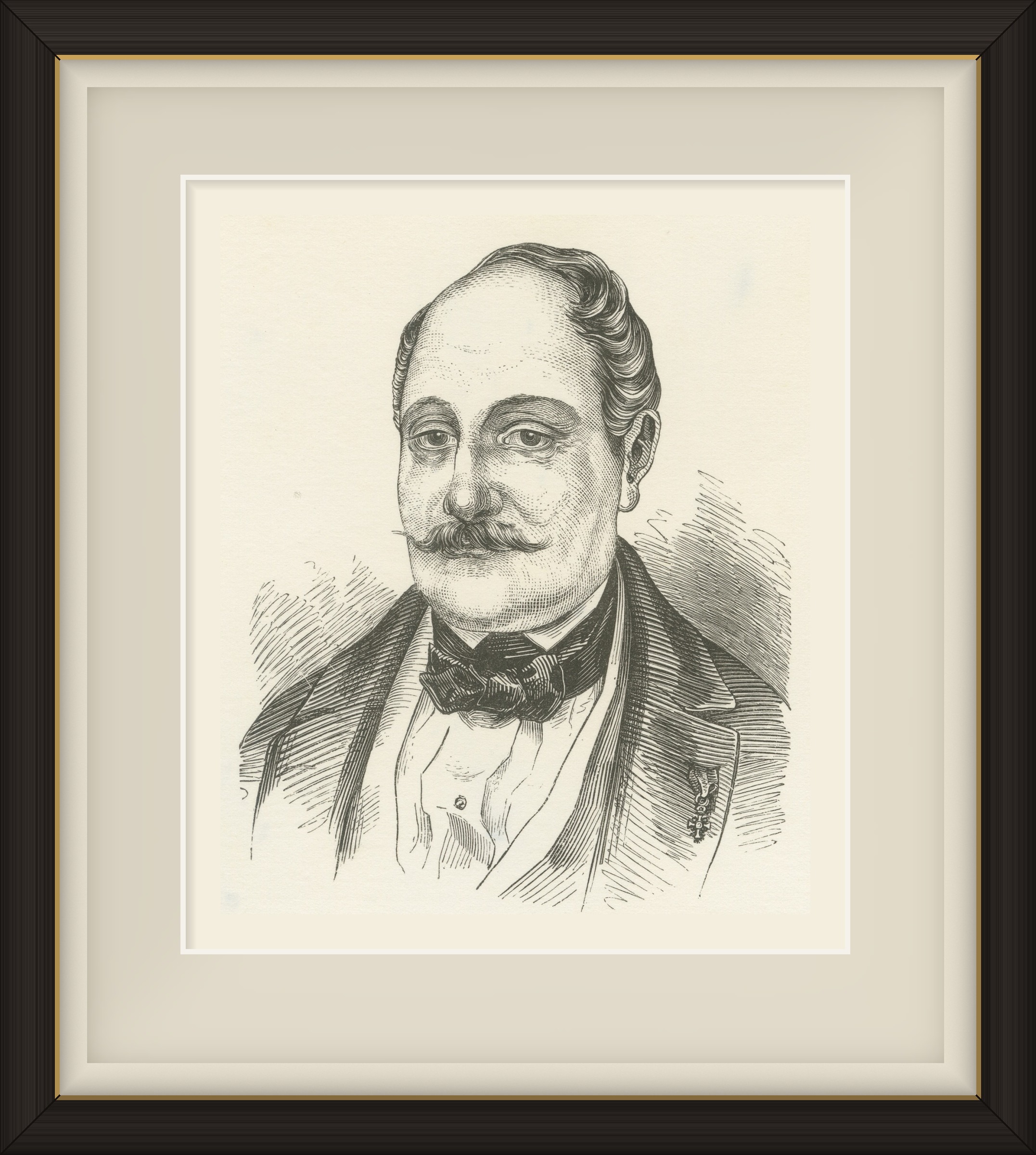
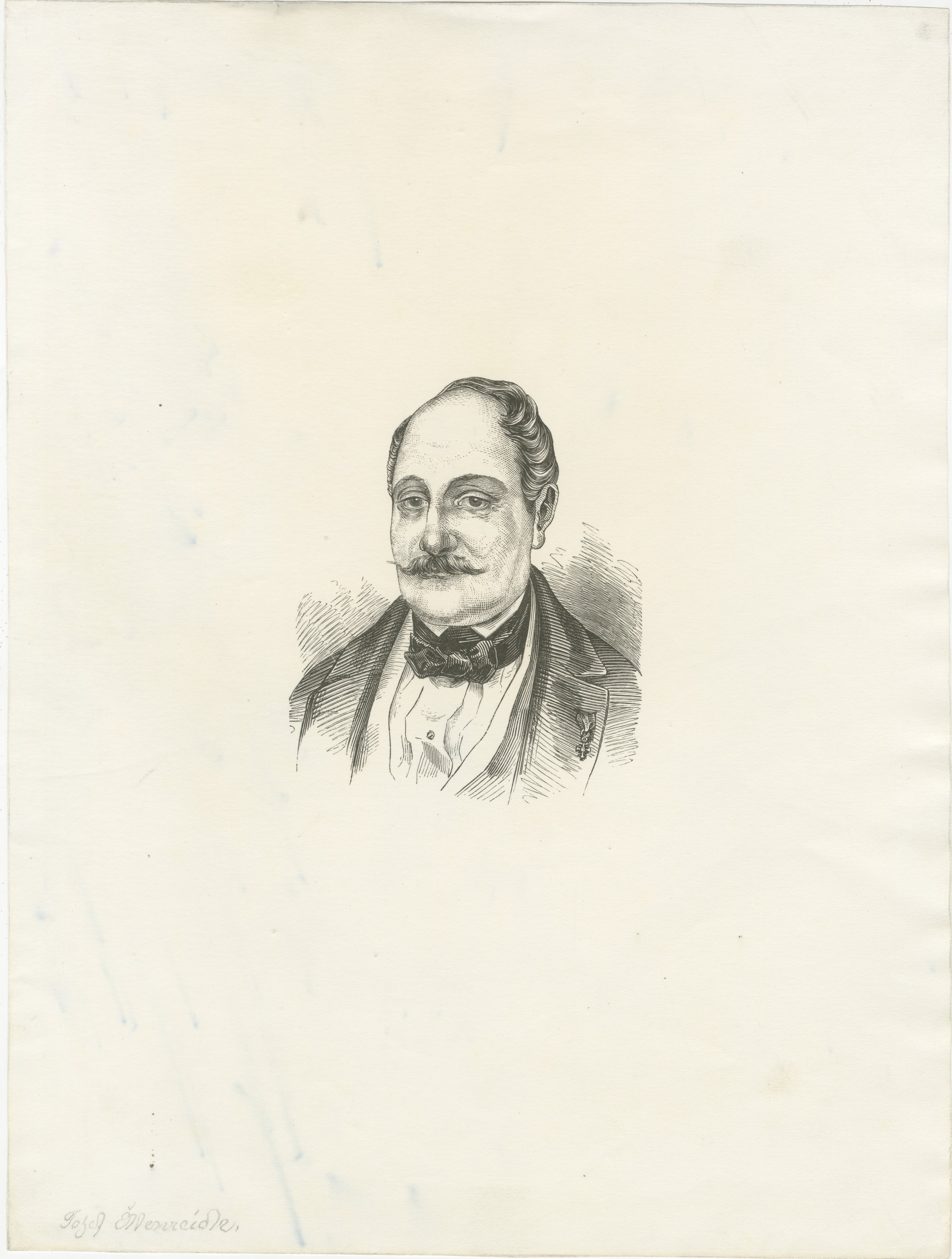
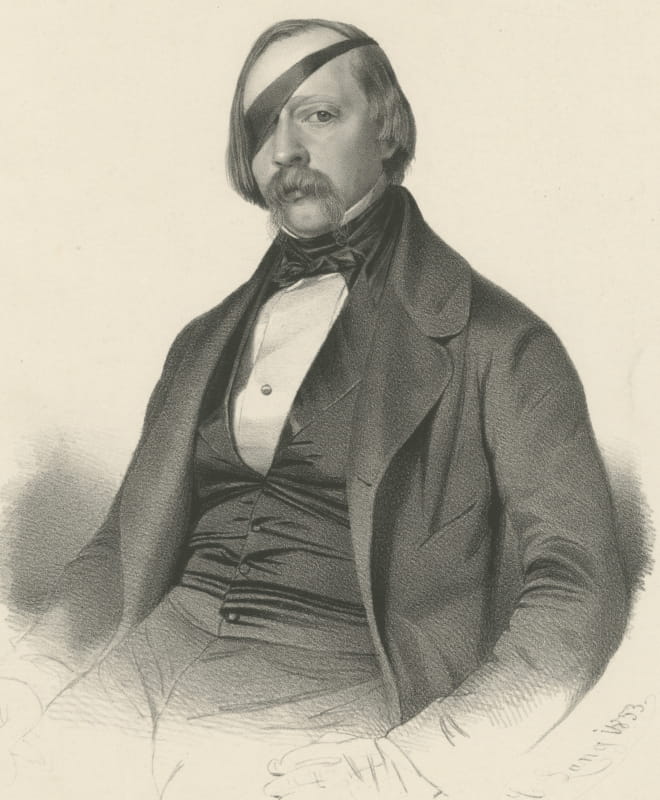
Josef Ettenreich, Rescuer of Emperor Franz Joseph, Wood Engraving, circa 1853
€ 75
Original antique · The actual sheet photographed · Certificate of authenticity on request · Sold unframed · Worldwide shipping from € 15 (rates)
Date
circa 1853
Mapmaker / artist
Unsigned wood engraving
Publisher
Not named on the sheet
Technique
Wood engraving
Coloring
Uncolored
Sheet size
33 × 25 cm (13.0 × 9.8 in)
Condition
Good
Reference
BG-14343-57
What the condition grades mean
Excellent
Bright and clean, with no faults worth mentioning.
Very good
Only light signs of age, such as faint toning.
Good
Normal signs of age for a sheet of this period: toning, some foxing, small marks or neat old repairs.
Fair
Clear faults such as staining, tears or repairs, priced to match.
Every fault we see is written in the condition note, and the whole sheet is shown uncropped in the photos.
Condition
Good condition for its age. Light toning; faint bluish marks and a few small spots in the margins; old pencil inscription in the lower left margin. The image is clean. Please review the images for further condition details.
About this sheet
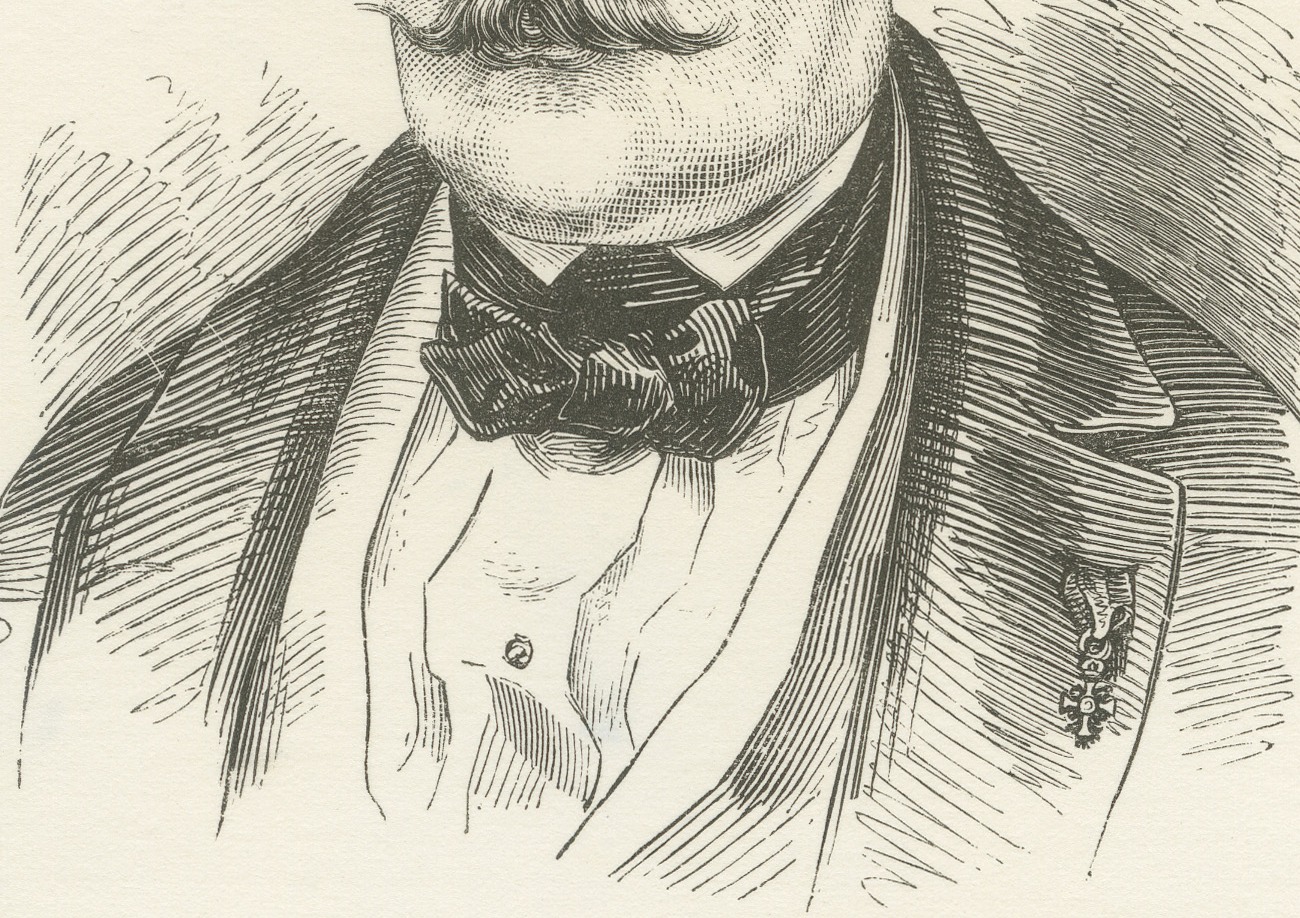
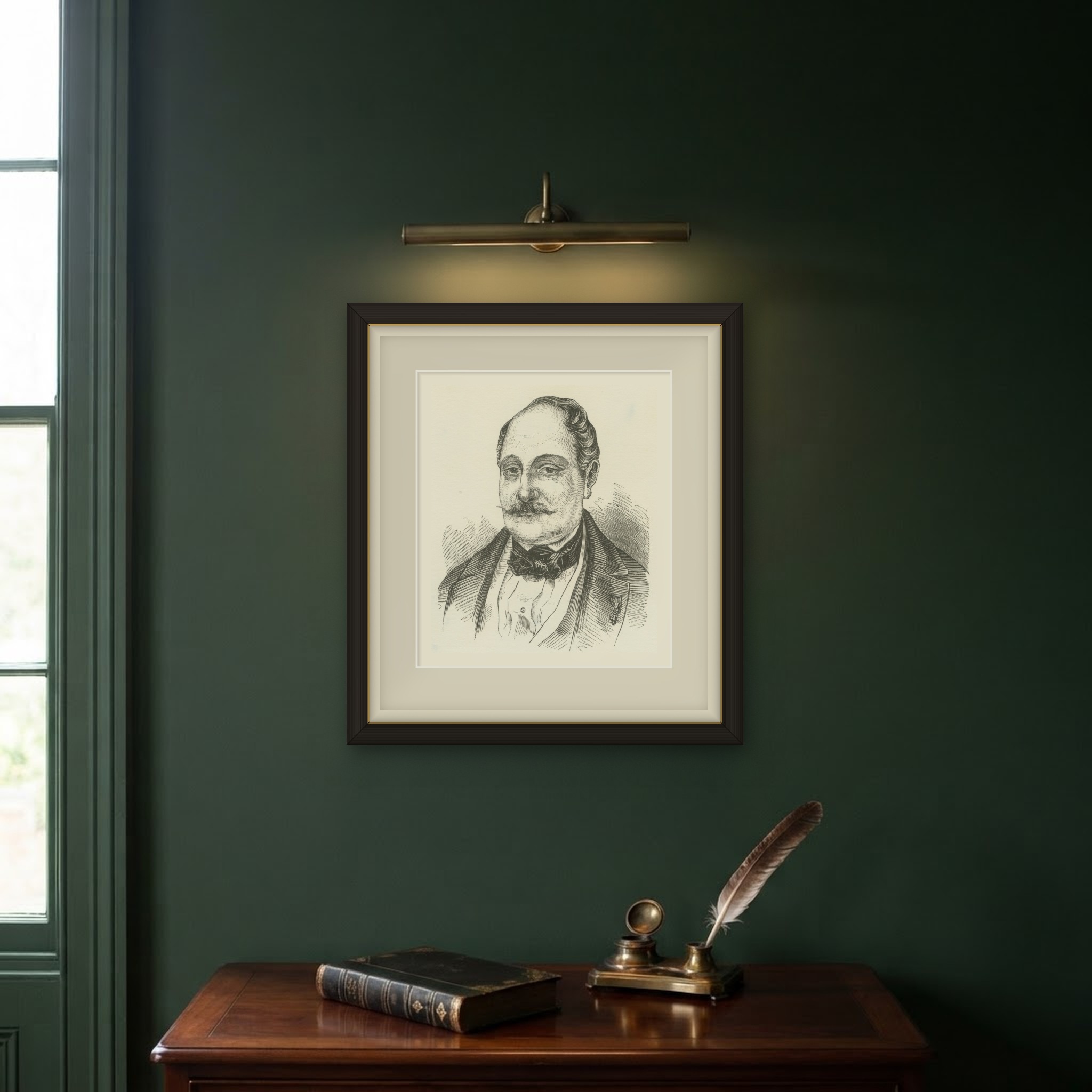
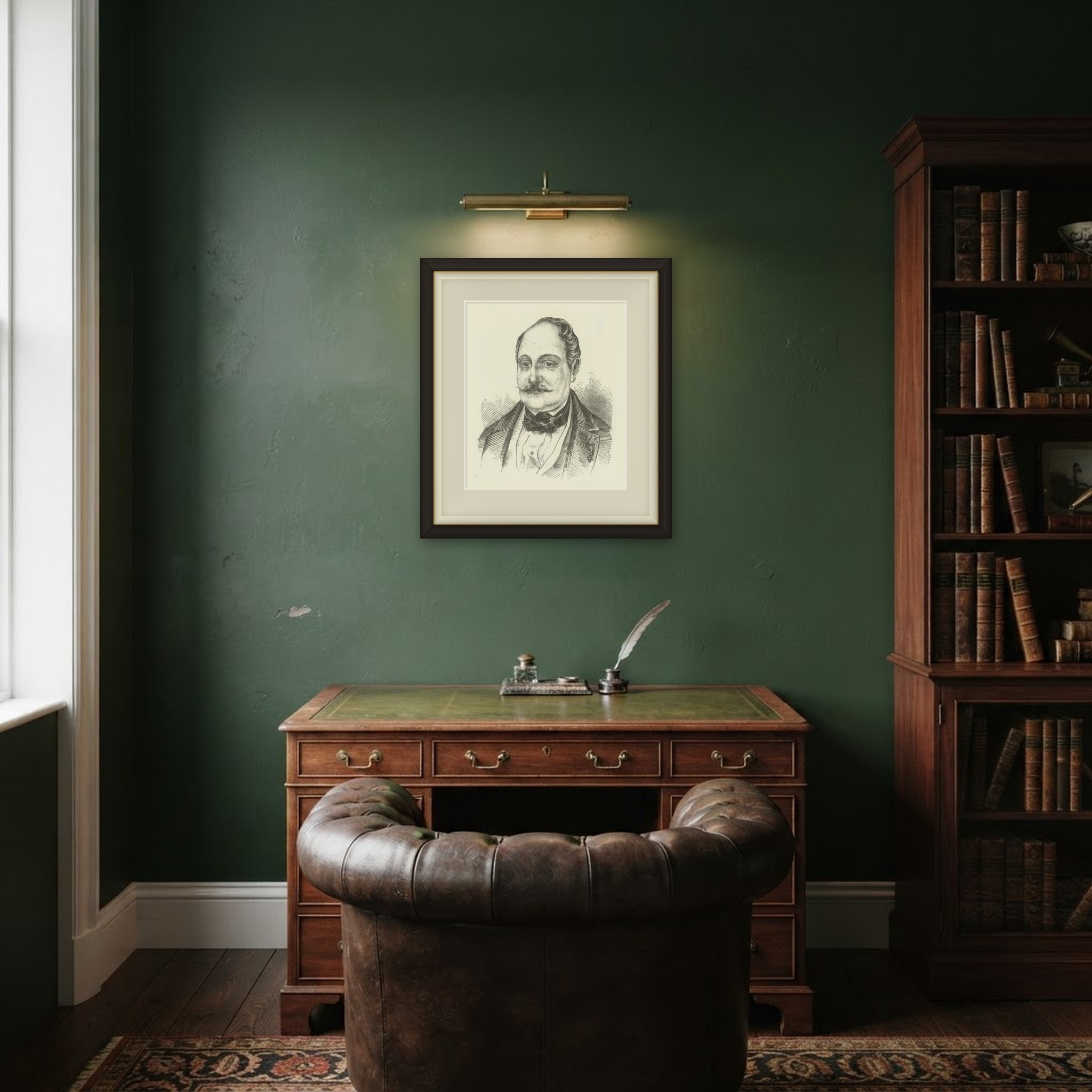
This original wood engraving is a portrait of a well fed, balding gentleman with a curled moustache, identified by an old pencil inscription in the lower left margin as Josef Ettenreich, the Viennese citizen who helped save the young Emperor Franz Joseph from an assassin in 1853. The print itself carries no title, signature or imprint.
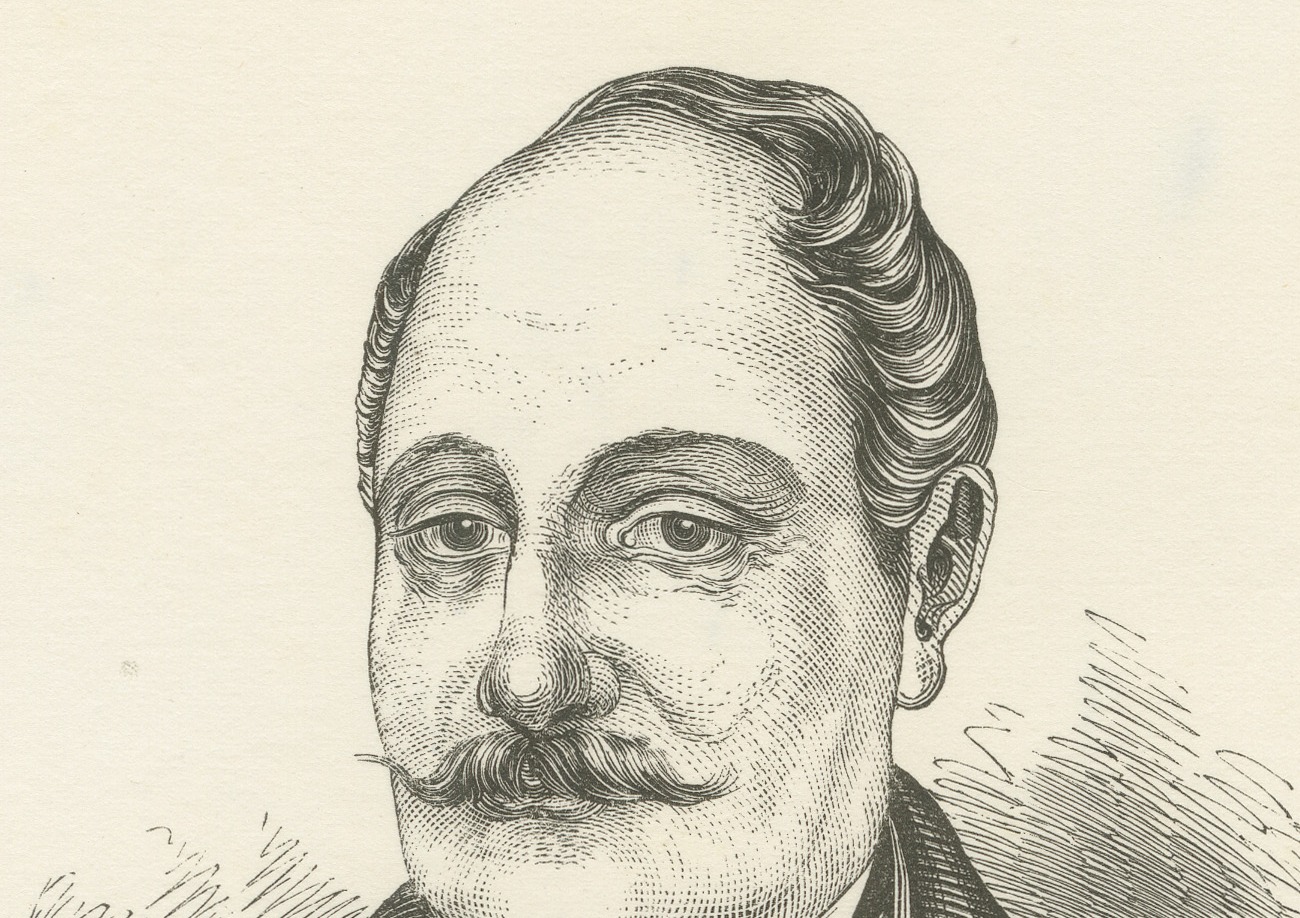
The sitter is shown head and shoulders, turned slightly to the left, with his hair brushed into waves at the sides of a high forehead. He wears a large dark bow tie at the neck, a pleated shirt with a single stud, a waistcoat and a dark coat, and a small cross of an order hangs from a ribbon on his lapel. The face is cut in fine parallel lines and cross hatching, and the figure is set against a lightly hatched background that fades out at the edges.
On 18 February 1853 the Hungarian journeyman tailor János Libényi attacked Franz Joseph with a knife as the emperor walked on the Vienna bastions. The emperor's adjutant, Count Maximilian O'Donell, and Ettenreich, a passing Viennese citizen, overpowered the attacker. Ettenreich was rewarded by the emperor for his part. Portraits of the rescuers appeared in illustrated papers in the weeks that followed, and the attack also led to the building of the Votivkirche in thanks for the emperor's survival.
Wood engraving, cut on the end grain of a hard boxwood block and printed with type, was the medium of the illustrated newspapers of the 1850s, and this portrait is printed on its own on a large, clean sheet.
It is an appealing document of a dramatic moment in Habsburg history, and it would frame neatly with a wide mat for a study or a collection of Viennese and Austrian subjects.
This is an original antique print, not a modern reproduction. This item is sold unframed. Any framed or interior images are shown for presentation and inspiration only, unless the listing explicitly states that the item is sold framed.