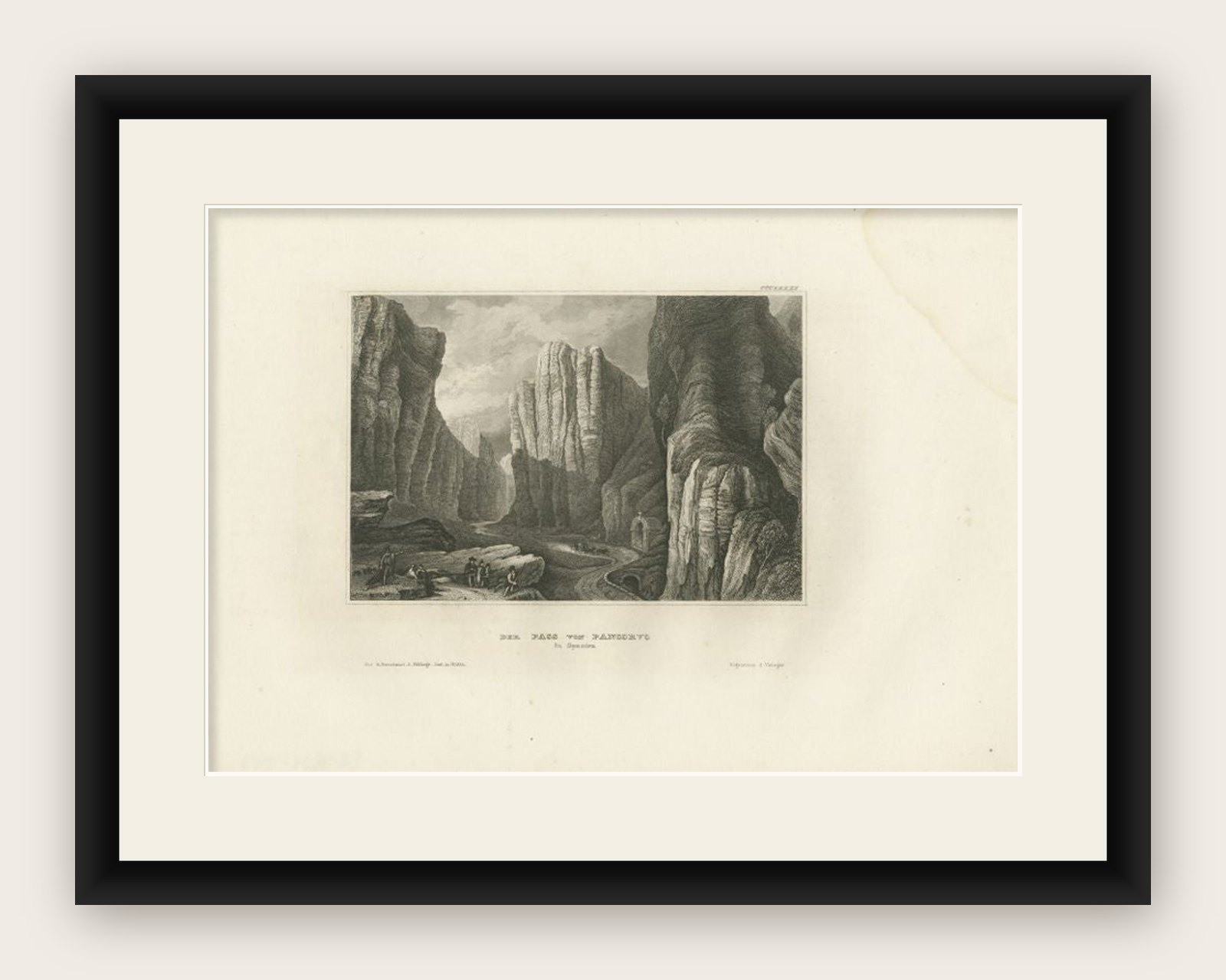
Antique Print of the Pass of Pancorbo in Spain, 1840
€ 120
Original antique · The actual sheet photographed · Certificate of authenticity on request · Sold unframed · Worldwide shipping from € 15 (rates)
Date
1840
Sheet size
19 × 26 cm (7.5 × 10.2 in)
Condition
Good
Reference
BG-11671-207
What the condition grades mean
Excellent
Bright and clean, with no faults worth mentioning.
Very good
Only light signs of age, such as faint toning.
Good
Normal signs of age for a sheet of this period: toning, some foxing, small marks or neat old repairs.
Fair
Clear faults such as staining, tears or repairs, priced to match.
Every fault we see is written in the condition note, and the whole sheet is shown uncropped in the photos.
Condition
General age-related toning. Minor wear and foxing. Blank verso. Please review the images for further condition details.
About this sheet
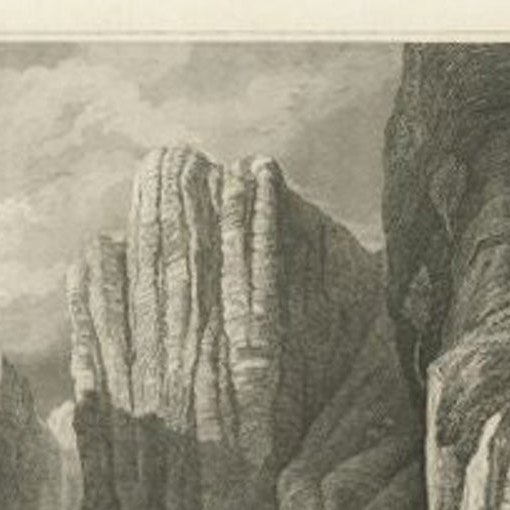
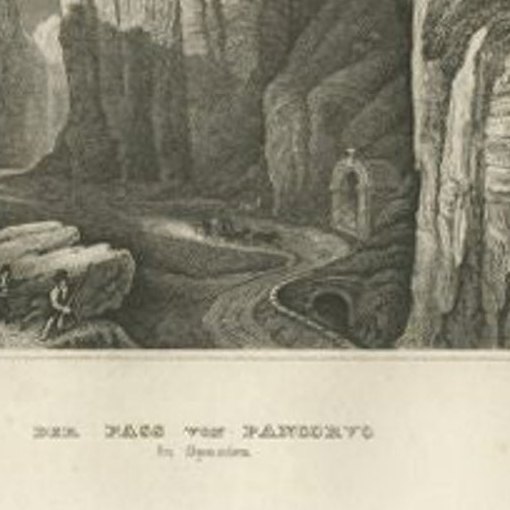
Antique print titled 'Der Pass von Pancorvo in Spanien'. View of the Pass of Pancorbo, Spain. Originates from 'Meyers Universum'.
The Battle of Pancorbo was a battle that took place in the year 816 between a Moorish army from the Emirate of Cordoba sent by Al-Hakam I and under the control of Abd al-Karim ibn Abd al-Wahid ibn Mugit and the pro-Frankish forces under the control of Balask al-Yalasqi. The battle was fought when the Córdoban forces attempted to cross the pass at Pancorbo. The battle resulted in a Córdoban victory and was instrumental in the Basque revolt and the establishment of Íñigo Arista of Pamplona as a major player in the contemporary Iberian political scene.
Artists and Engravers: Joseph Meyer (May 9, 1796 - June 27, 1856) was a German industrialist and publisher, most noted for his encyclopedia, Meyers Konversations-Lexikon. Meyer operated very successfully as a publisher, employing a system of serial subscription to publications, which was new at that time. To this end he founded a company, Bibliographisches Institut, in Gotha in 1826. It published several editions of the Bible, works of classical literature (""Miniatur-Bibliothek der deutschen Classiker"", ""Groschen-Bibliothek""), atlases, the world in pictures on steel engravings (""Meyers Universum"", 1833–61, 17 volumes in 12 languages with 80,000 subscribers all over Europe), and an encyclopaedia.