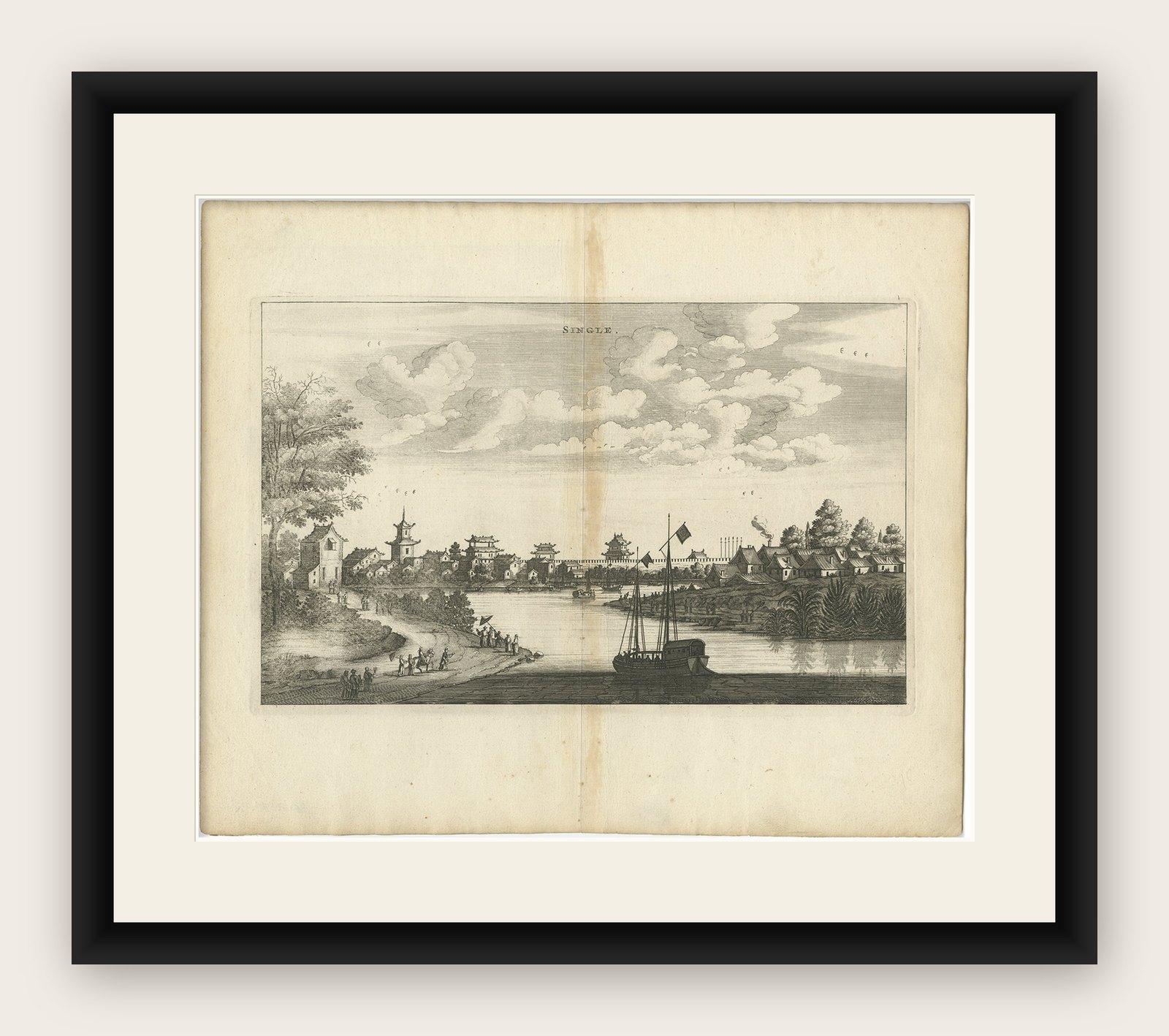
Antique Print of the City of Single in China, by Nieuhof, 1666
€ 280
Original antique · The actual sheet photographed · Certificate of authenticity on request · Sold unframed · Worldwide shipping from € 15 (rates)
Date
1666
Sheet size
30.5 × 37 cm (12.0 × 14.6 in)
Condition
Good
Reference
BGI-00500
What the condition grades mean
Excellent
Bright and clean, with no faults worth mentioning.
Very good
Only light signs of age, such as faint toning.
Good
Normal signs of age for a sheet of this period: toning, some foxing, small marks or neat old repairs.
Fair
Clear faults such as staining, tears or repairs, priced to match.
Every fault we see is written in the condition note, and the whole sheet is shown uncropped in the photos.
Condition
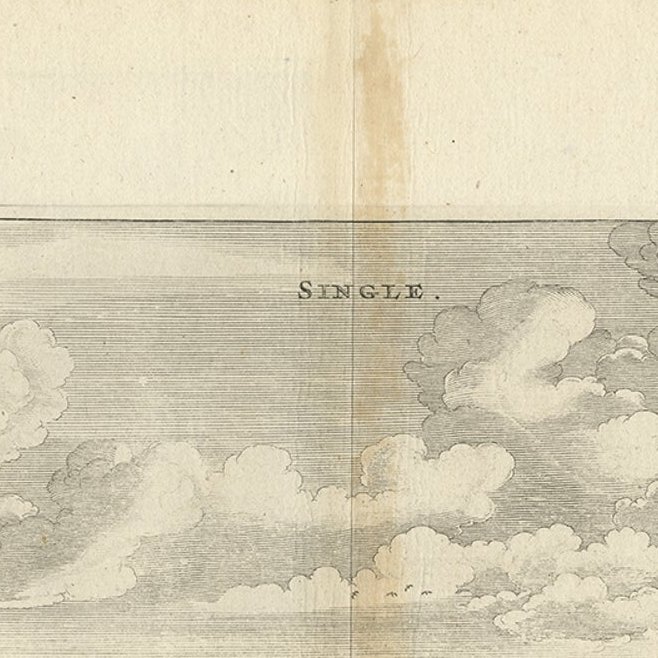
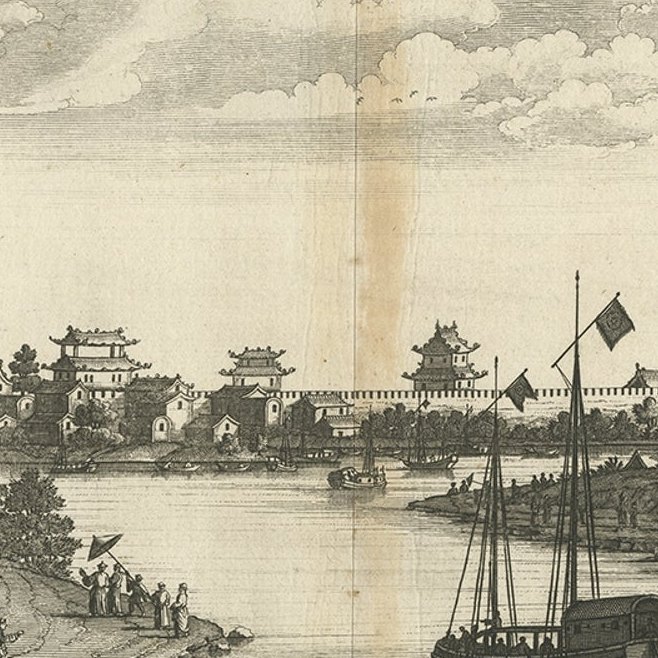
General age-related toning, mainly at folding line. Please review the images for further condition details.
About this sheet
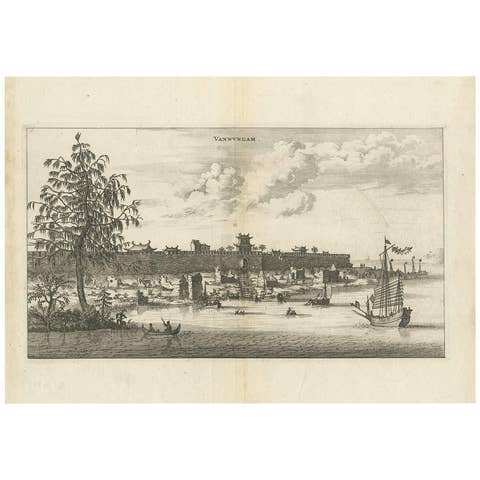
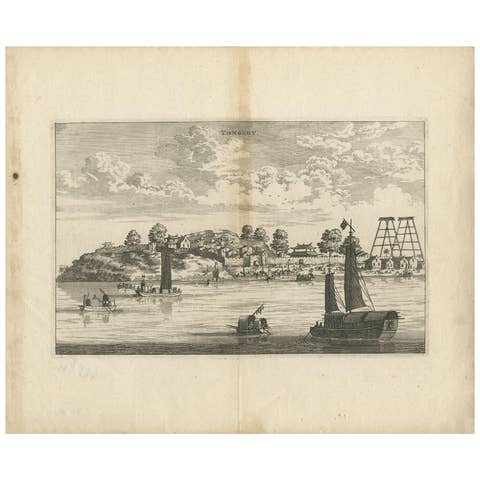
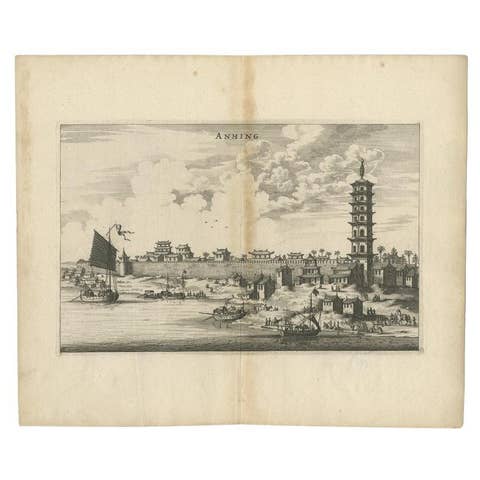
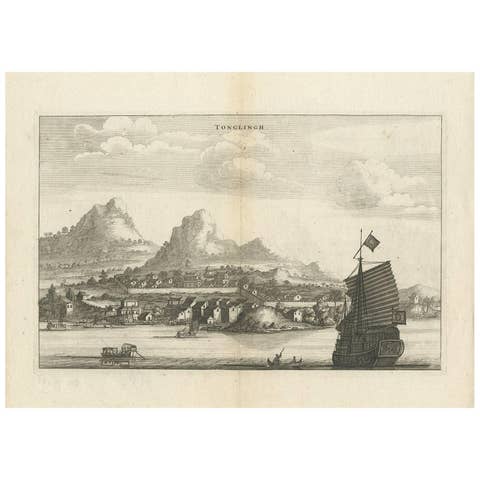
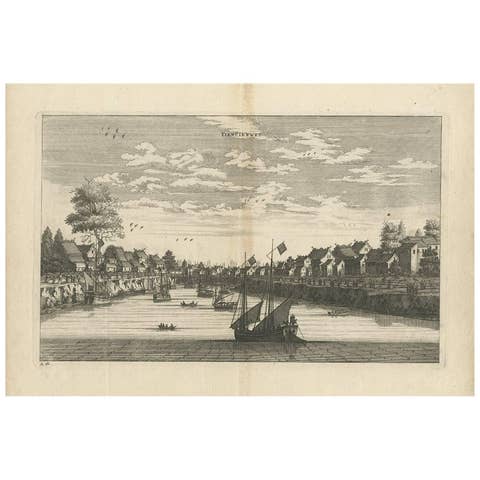
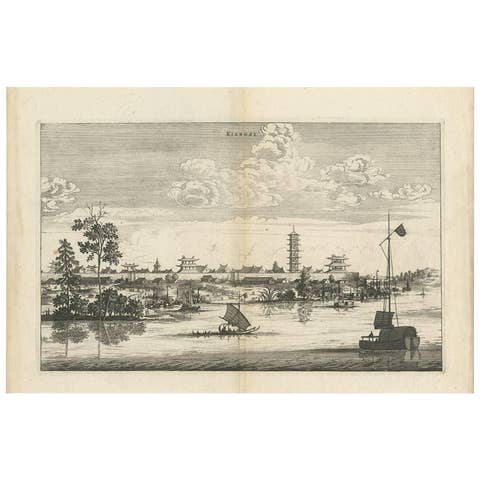
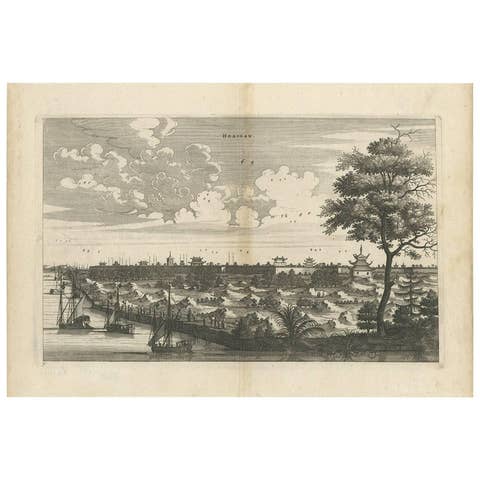
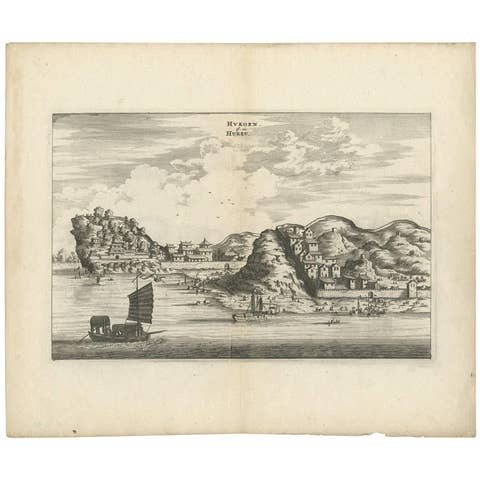
Antique print titled 'Single'. This plate shows a view on the Chinese city of Single with its ramparts. Also depicted are boats on the river. This print originates from a German edition of : 'Gezandtschap der Nederlandtsche Oost-Indische Compagnie ... aan den grooten Tartarischen Cham, den tegenwoordigen keizer van China.' (Nieuhof's China expedition from 1655-1657.) by J. Nieuhof. This German edition was published in 1666, a year after the first Dutch edition of 1665. The work was famous for its wealth of engravings, while the text was based on earlier (Jesuit) sources as well.
Artists and Engravers: Johan / Jan / Johannes Nieuhof / Nieuhoff / Neuhof (1618-1672) was a Dutch traveler who wrote about his journeys to Brazil, China and India. The most famous of these was a trip of 2,400 km from Canton to Peking in 1655-1657, which enabled him to become an authoritative Western writer on China. Johan Nieuhof was born in Uelsen, Germany, of which his father (originally from Zwolle) was mayor. Nieuhof left for Brazil in 1640 as a reserve officer-candidate - from then on, barring two short family visits in 1658 and 1671, he spent all the rest of his life abroad. After an adventurous career in the service of the Dutch East India Company (or VOC) - between 1660 and 1667 he occupied posts in India and on Ceylon - he then lived in Batavia until 1670. He then disappeared without trace on Madagascar, traveling in a sloop from which he had landed to seek drinking water. The engravings are made after Nieuhoff’s drawings.