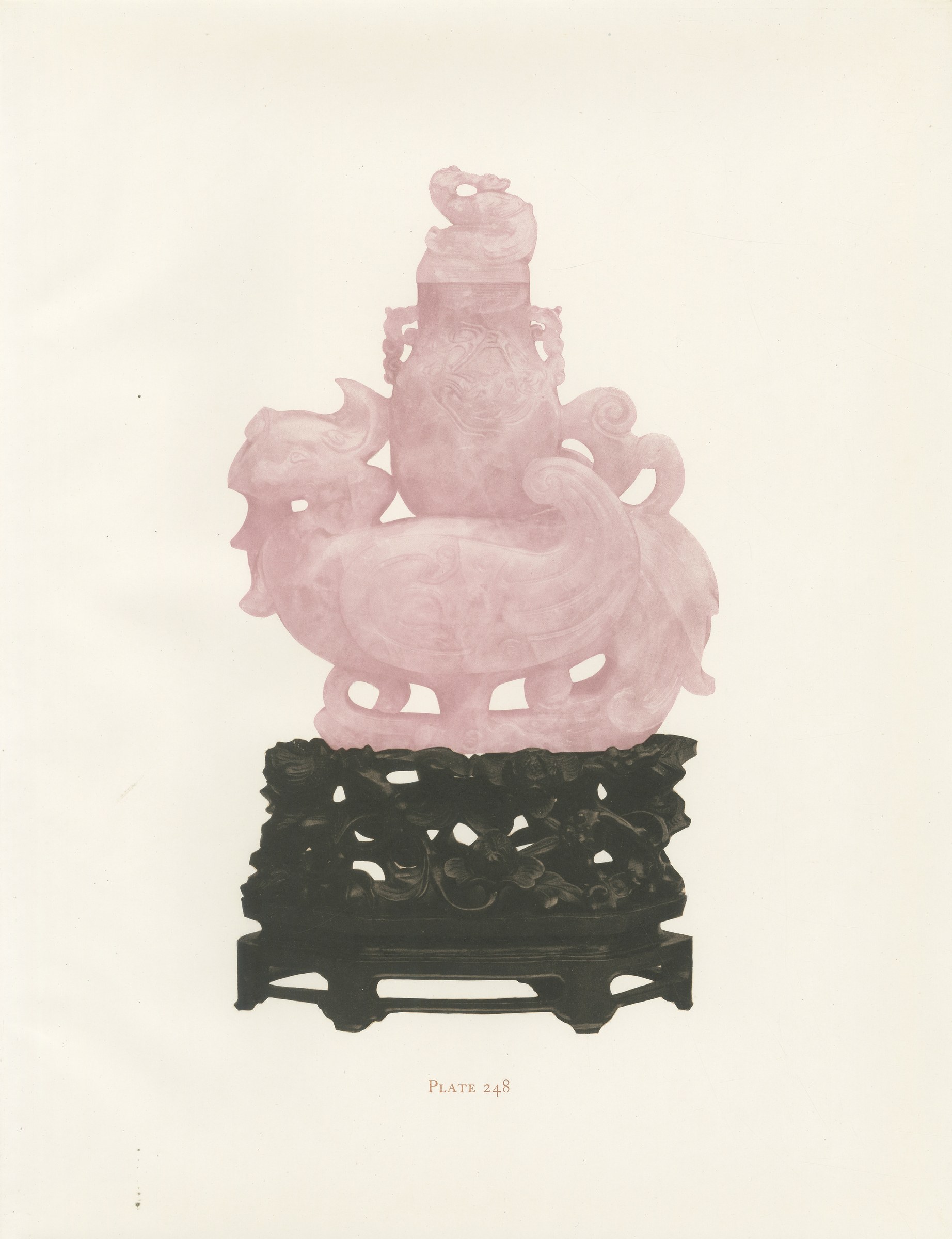
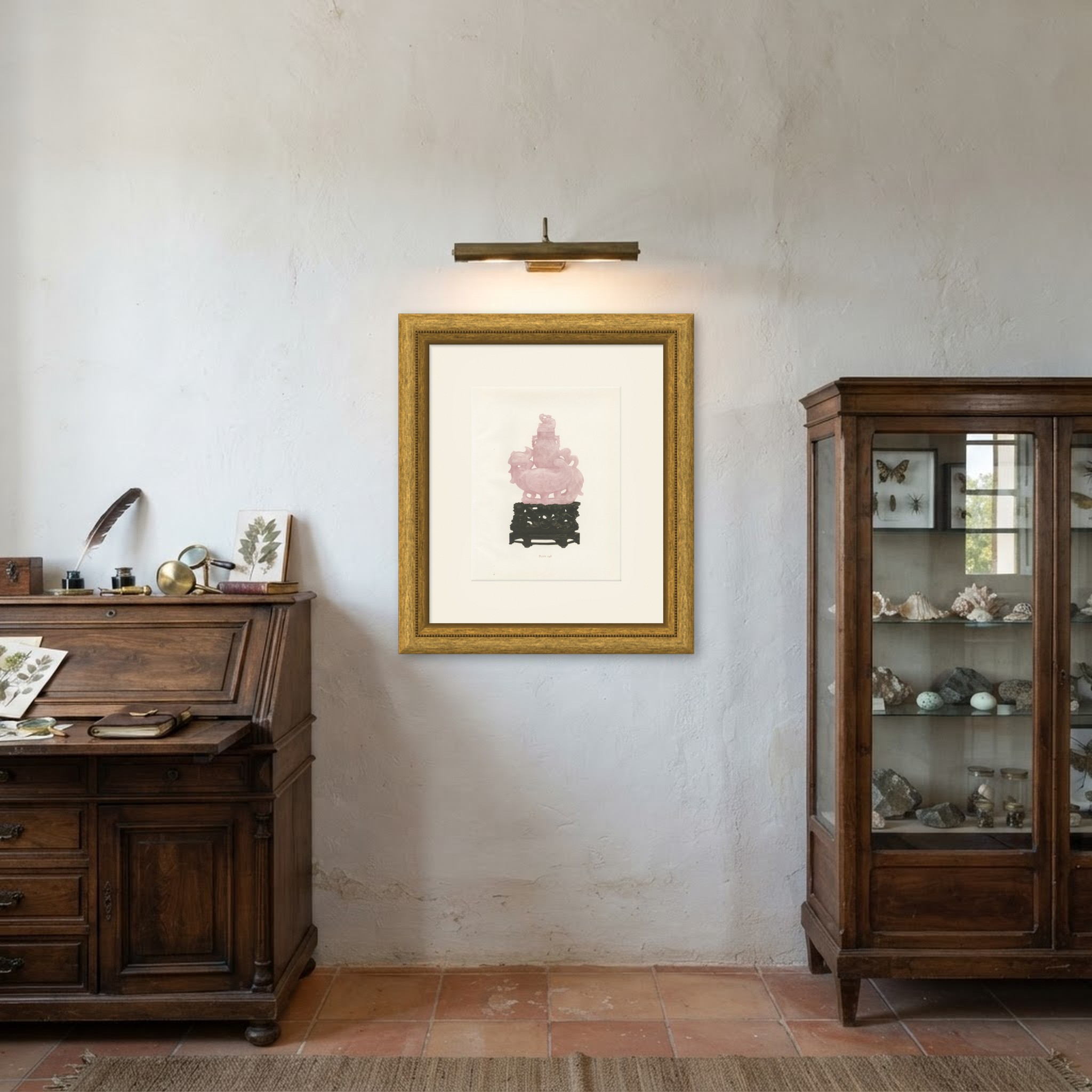
Rose Crystal Dove Wine Vessel with a Feng-huang Head, Kien-lung, 1911
€ 235
Original antique · The actual sheet photographed · Certificate of authenticity on request · Sold unframed · Worldwide shipping from € 15 (rates)
Date
1911
Mapmaker / artist
Edgar Gorer and J. F. Blacker
Publisher
Bernard Quaritch, 11 Grafton Street, New Bond Street, London
Coloring
Printed color
Sheet size
31 × 24 cm (12.2 × 9.4 in)
Condition
Good
Reference
BG-14405-248
What the condition grades mean
Excellent
Bright and clean, with no faults worth mentioning.
Very good
Only light signs of age, such as faint toning.
Good
Normal signs of age for a sheet of this period: toning, some foxing, small marks or neat old repairs.
Fair
Clear faults such as staining, tears or repairs, priced to match.
Every fault we see is written in the condition note, and the whole sheet is shown uncropped in the photos.
Condition
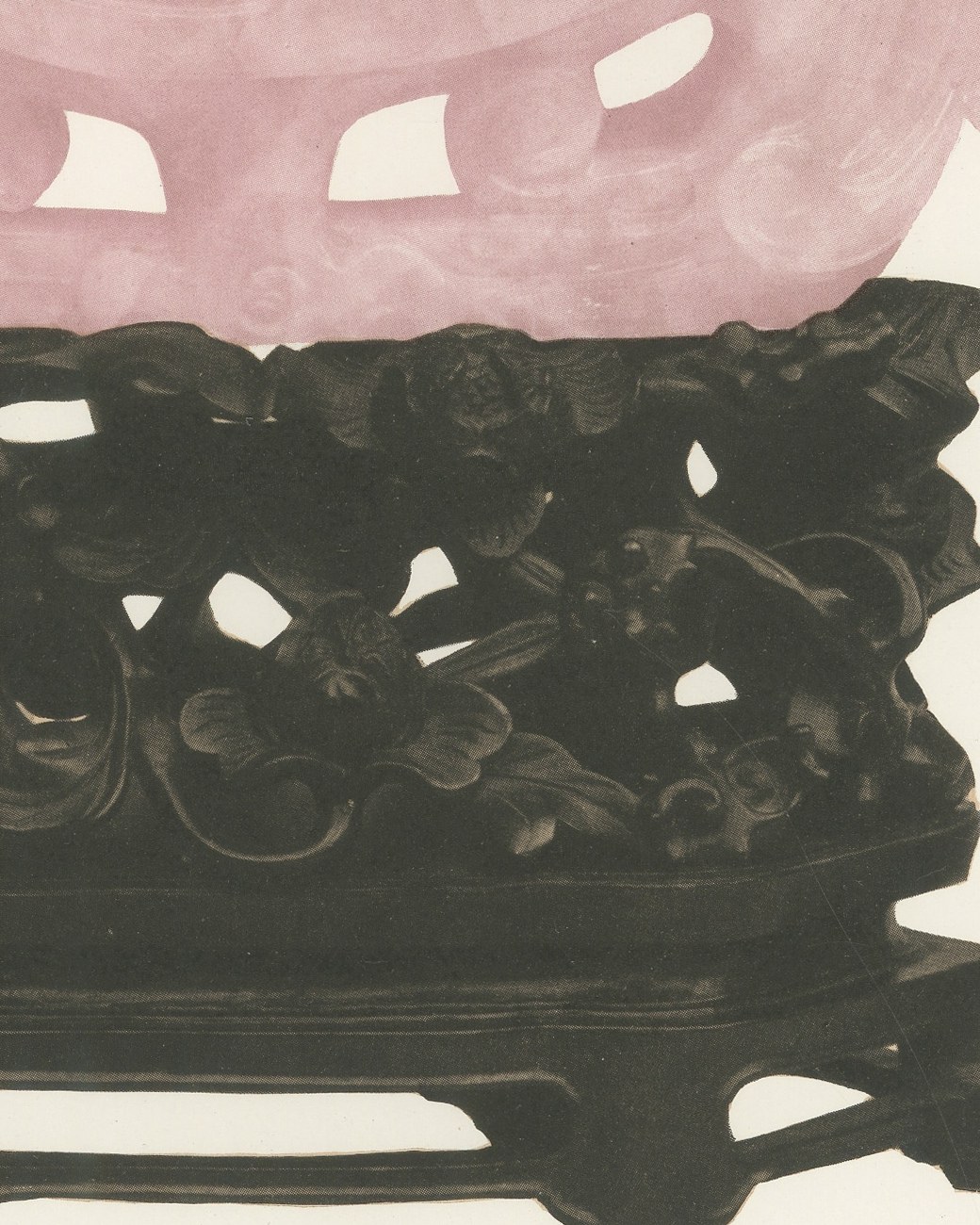
Even age toning. A few small foxing spots in the margin. Slight wear at the bottom left and bottom right corners.
About this sheet
Plate 248 from Volume II of Gorer and Blacker's Chinese Porcelain and Hard Stones, an original 1911 color plate of a wine vessel in rose crystal mottled with white, formed as a dove with a feng-huang head, after an archaic bronze. Wine vessel, in the form of a dove, with head resembling a fêng-huang, in rose crystal mottled with white. The design, after an archaic bronze, shows the tail curved downwards in conventional style, and above the curved wings a vase is placed; these "dove vases" are commonly so called. The beak forms the knob. The book gives it to the Kien-lung period and records height 11 inches (28 cm); width 9 1/2 inches (24.3 cm).
The sheet comes from Chinese Porcelain and Hard Stones, the two volume work by the London dealer Edgar Gorer and the writer J. F. Blacker, published by Bernard Quaritch of 11 Grafton Street, New Bond Street, in 1911 in an edition of one thousand numbered copies. The plates are color collotypes, a photographic process that reproduces continuous tone without a visible dot screen, which is why the glazes keep their depth on paper.
The book appeared at the height of the Edwardian passion for Chinese porcelain, when English and American collections were being formed at speed and a dealer's catalog could shape taste. R. L. Hobson of the British Museum attacked Gorer's attributions in print when the work appeared, and later scholarship has revised many attributions of this kind, which is part of what makes the volumes interesting to read now.
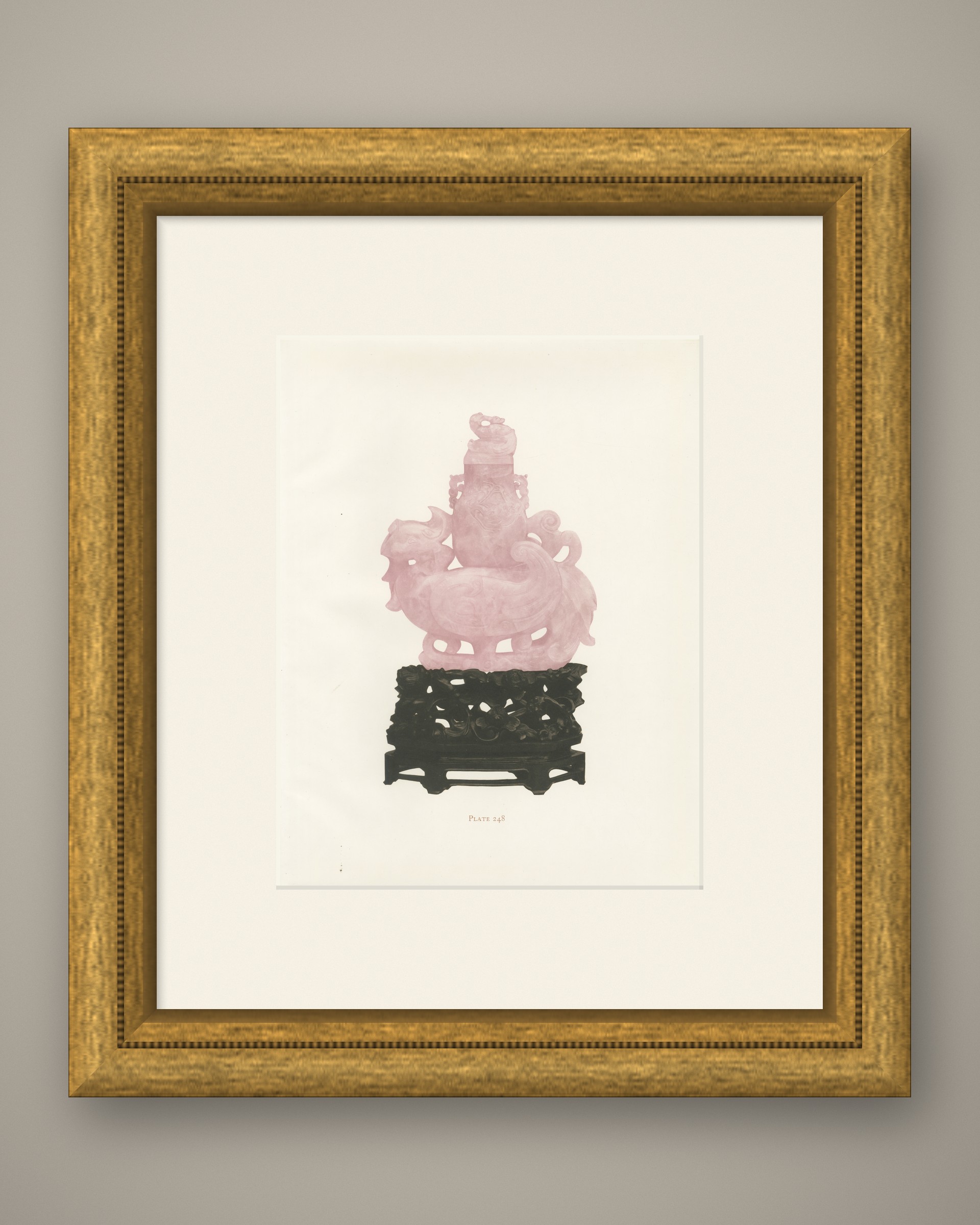
A sheet of this size frames well at about forty by fifty centimeters and suits a study, a hallway or a dining room where its color can be seen close to.
This is an original antique print, not a modern reproduction.
Even age toning. A few small foxing spots in the margin. Slight wear at the bottom left and bottom right corners.
This item is sold unframed. Any framed or interior images are shown for presentation and inspiration only, unless the listing explicitly states that the item is sold framed.